

Cart

Your cart is empty

Continue shopping

Trending searches

Featured products

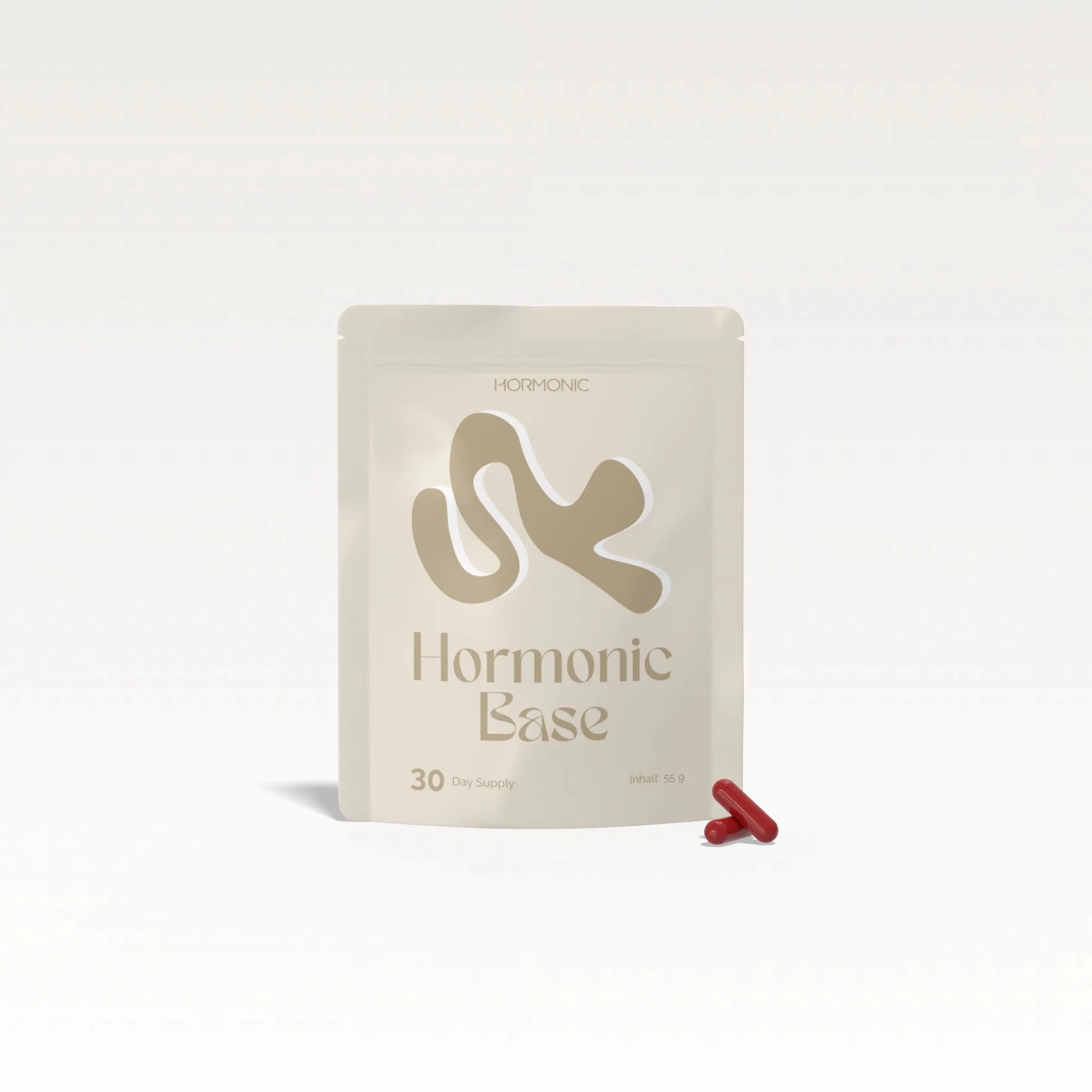
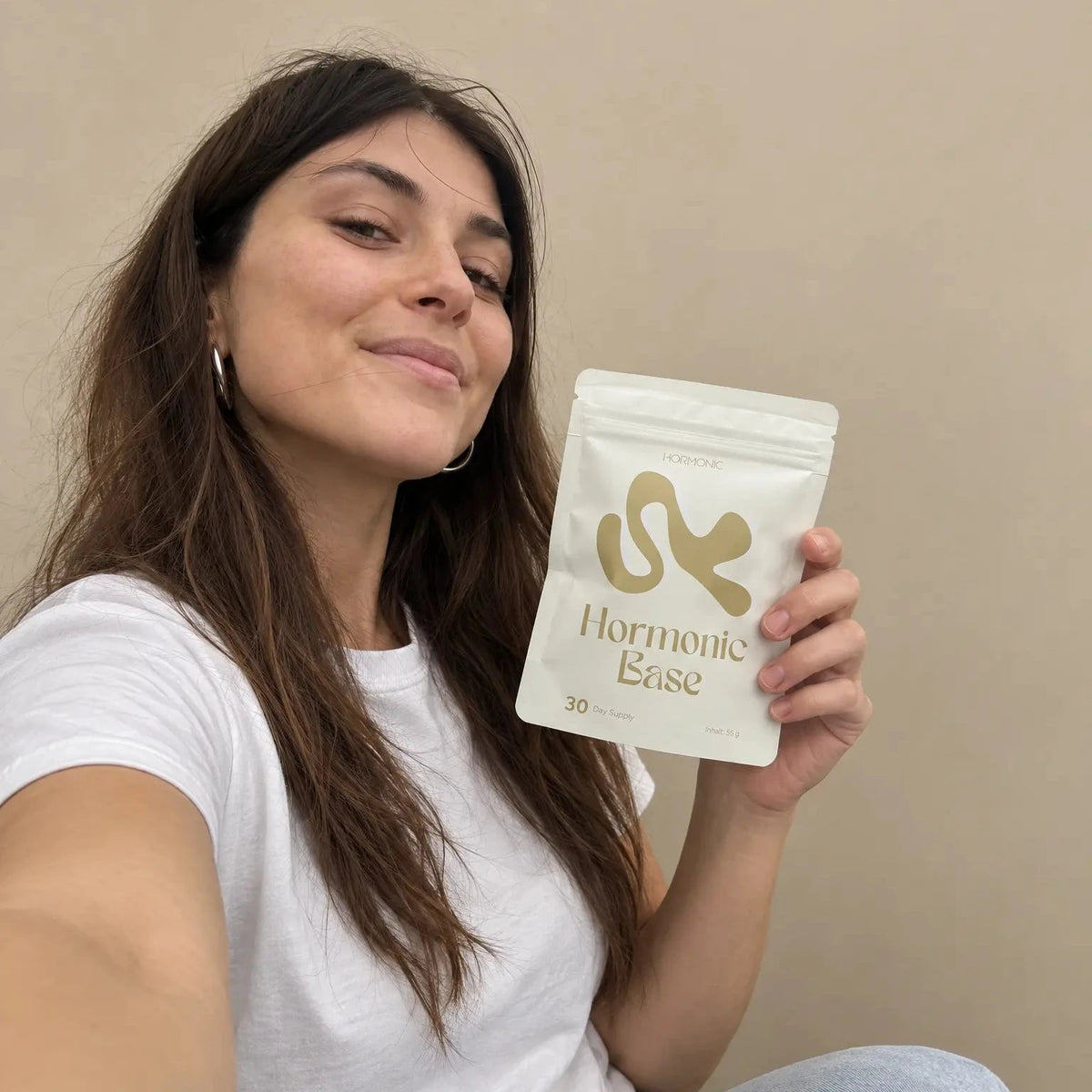
Hormonic Base Nahrungsergänzung mit 16 Mikronährstoffen
Sale price€65,00
(5.0)
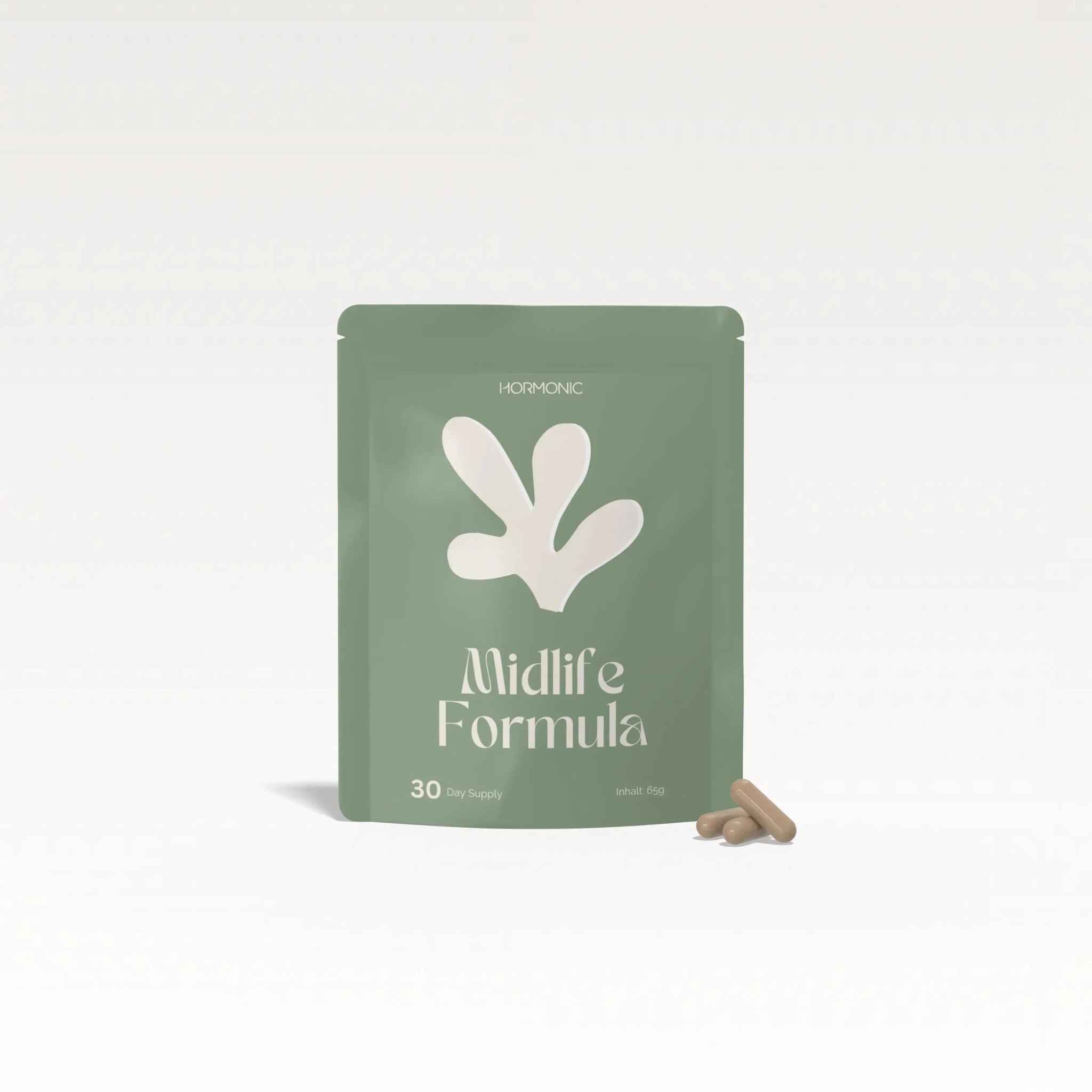
Hormonic Midlife Formula für die Perimenopause
Sale price€75,00
(5.0)
Blutzucker-Spikes: Wie schlecht sind sie wirklich?
StoffwechselJun 4, 20268 min read

Blood Sugar Spikes: How Bad Are They Really?

How harmful are blood sugar spikes really, and do you, as a healthy woman, need a CGM? An honest, evidence-based look behind the glucose hype.

Key takeaways

Blood sugar spikes are normal in healthy people and usually harmless. CGM is rarely necessary for metabolically healthy individuals. What really helps: cleverly combine meals, eat vegetables first, move after eating, and, as a woman, consider your cycle phase.

Continuous Glucose Monitoring, "No Spike" diets, glucose hacks on social media: Hardly any metabolic topic is as hyped as blood sugar. Suddenly, even healthy people are tracking every curve and fearing every rise. But how harmful are blood sugar spikes really, and do you, as a healthy woman, even need a sensor on your arm?

Are blood sugar spikes dangerous for healthy people?

Here, it's worth taking an honest look at the data instead of following the hype. A systematic review with meta-analysis from 2024 evaluated 71 studies on glycemic variability in people without diabetes. The result is more nuanced than social media suggests.

In people without diabetes, glycemic variability was not clearly linked to insulin sensitivity, fatty liver, body fat, blood lipids, blood pressure, or oxidative stress. It was elevated primarily in prediabetes, and it showed a possible association with early atherosclerosis in people with existing coronary artery disease.

"
For healthy people, occasional blood sugar spikes are generally no cause for concern. The body is specifically built to regulate them.
Lisa Maria Emmer, Physician and Medical Director at Hormonic

This does not mean that blood sugar is irrelevant. Spikes become problematic when they form a pattern: consistently very high, very frequent, accompanied by signs of insulin resistance, or within the context of prediabetes. For precisely these cases, a blood-sugar-friendly diet is sensible. For a healthy body after a piece of cake, however, a single peak is not an alarm signal.

CGM for Healthy People: Useful or Hype?

Continuous Glucose Monitoring (CGM) was originally a valuable tool for people with diabetes. Now, metabolically healthy individuals also wear the sensors to "optimize" their diet. What does it really achieve?

The potential benefit: You see how your body reacts to specific meals, and individual differences become visible. For women with a family history or incipient insulin resistance, this can be an impetus to look more closely.

However, the downside is important: For healthy people, there are no established reference values for what constitutes a "good" or "bad" spike. A single value says little about actual metabolic health. And constant self-monitoring can cause eating behavior to spiral, leading to compulsive behavior or orthorexic tendencies. This precisely undermines the actual goal: a relaxed, healthy relationship with food.

Female Blood Sugar: Cycle and Menopause

What is almost always missing in the CGM debate: Female blood sugar is not a constant value but fluctuates with hormones. If a woman interprets her curve without knowing her cycle phase, she can quickly draw wrong conclusions.

Cycle

Estrogen tends to promote insulin sensitivity, while progesterone reduces it. Therefore, insulin sensitivity is often higher in the follicular phase (before ovulation) and lower in the luteal phase (after ovulation). A Harvard analysis of almost 2,000 cycles found that women spent slightly more time in the target range during the follicular phase than in the luteal phase. While the study findings are not entirely consistent, the trend shows that the same meal can affect blood sugar differently depending on the day of the cycle.

Menopause

With the drop in estrogen during menopause, the tendency toward insulin resistance increases. This explains why many women from middle age onward notice greater blood sugar fluctuations and more stubborn belly fat, even if their diet and exercise habits haven't changed. In these cases, a blood-sugar-conscious diet can actually be more effective than for younger women.

Shape Formula for Metabolism and Insulin Balance

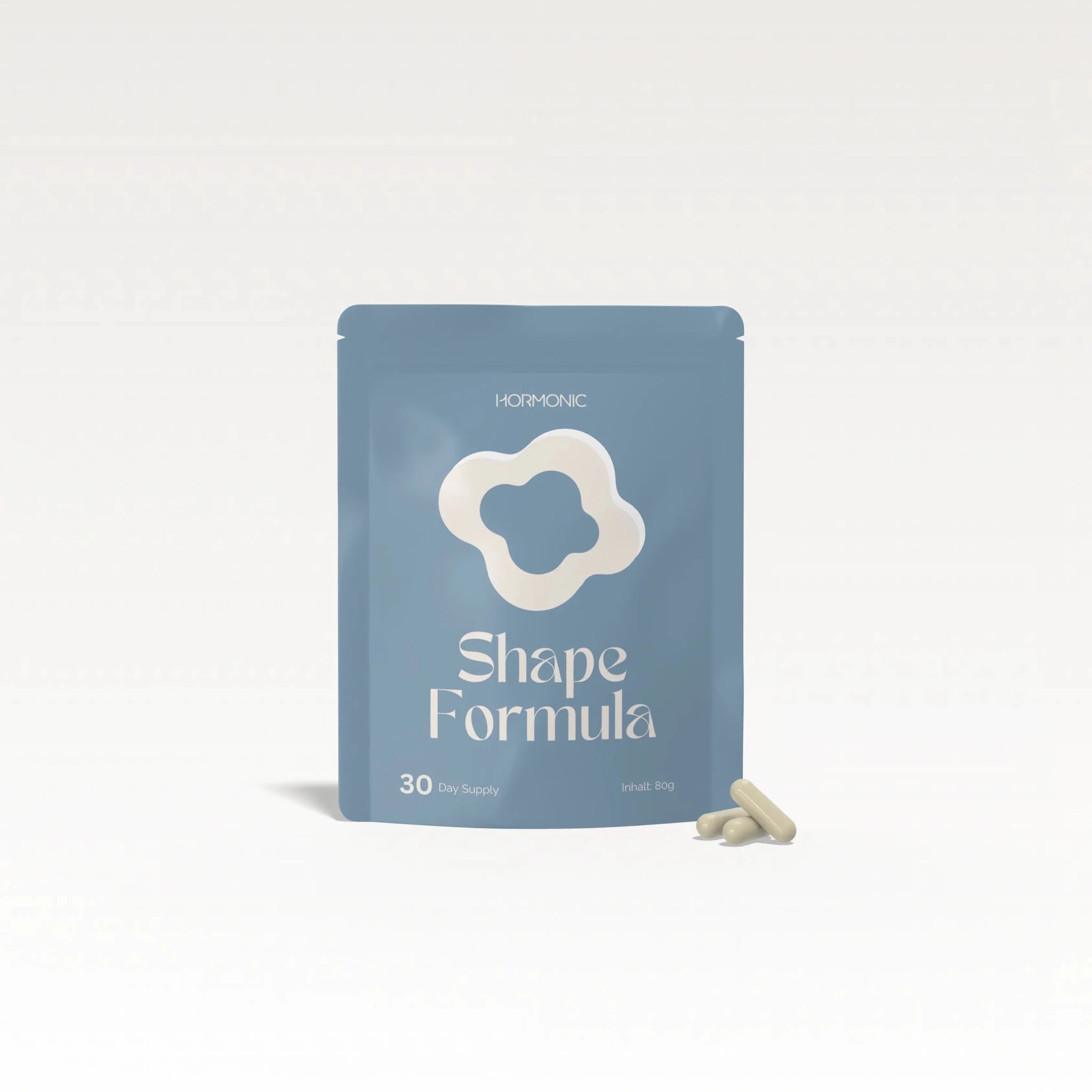
Doctor-developed with 12 active ingredients that have been studied for their effects on fat metabolism and insulin balance. Intended as a supplement to a blood-sugar-conscious diet.

€75,00

Discover Shape Formula

What truly keeps your blood sugar stable

The good news: the effective levers are simple, well-documented, and don't require a sensor. Instead of chasing individual values, it's worth establishing a few habits.

  • Combine macronutrients: Eat carbohydrates with protein, fiber, and healthy fats. This slows down glucose absorption and flattens the rise.
  • Utilize meal sequencing: Vegetables and protein first, carbohydrates last. Several randomized studies show significantly lower glucose and insulin spikes, in individual studies by over 50 percent with otherwise identical meals.
  • Move after eating: Even a 10-minute walk after a meal measurably lowers postprandial blood sugar.
  • Reduce isolated sugar: Sugary snacks without fiber cause the highest spikes.
  • Take sleep and stress seriously: Both affect insulin sensitivity via cortisol.

These measures are not only blood-sugar-friendly, they are simply good nutrition. That's precisely what makes them more sustainable than any rigid "no spike" rule.

And all the sugar alternatives?

Stevia, erythritol, monk fruit, dates, or honey are often marketed as healthier sweeteners. In short: Stevia and monk fruit have virtually no effect on blood sugar, erythritol barely any, but can cause digestive issues in larger quantities. While dates and honey provide fiber or antioxidants, they remain energy-dense sugar sources and can also trigger spikes in larger quantities.

Whether artificial sweeteners also have health disadvantages is a separate debate that we will cover in detail elsewhere. For the pure blood sugar effect: most sugar substitutes are unproblematic here, but they are not a free pass for unlimited consumption.

The Duo for Maximum Hormone and Metabolism Support

The duo of Hormonic Base and Shape offers you 26 active ingredients that have been well-researched in studies on hormone balance, metabolism & energy. A simple routine instead of many expensive individual products. Developed by doctors, made in Austria.

Start with a price advantage

Conclusion

Blood sugar spikes in healthy people are a normal, regulated process, no cause for panic. The evidence in metabolically healthy individuals is much less alarming than the CGM hype suggests. Fluctuations become relevant primarily in prediabetes, insulin resistance, or a family history.

Instead of chasing individual values, looking at the bigger picture yields more: smartly combining meals, vegetables and protein first, taking a few steps after eating, managing sleep and stress. And as a woman, it's worth considering your own cycle phase, because your blood sugar moves with your hormones. Anyone who notices persistent fluctuations or symptoms here should best have them medically checked rather than relying on an app.

Frequent Questions on Blood Sugar Spikes

Are blood sugar spikes harmful?

In healthy individuals, individual blood sugar spikes after meals are normal and generally unproblematic, as the body regulates them itself. A meta-analysis found no clear correlation between glycaemic variability and most risk markers in people without diabetes. Fluctuations become problematic primarily with prediabetes, insulin resistance, or existing coronary artery disease.

As a healthy person, do I need a CGM?

For most healthy individuals, a continuous glucose monitor is not necessary. There are no established reference values for metabolically healthy individuals, and a single value says little about actual health. CGM can be helpful for people with pre-existing conditions or specific questions, but it carries the risk of pushing eating behavior towards excessive control.

Beeinflusst der Zyklus den Blutzucker?
Ja. Östrogen fördert die Insulinsensitivität, Progesteron senkt sie. In der follikulären Phase (vor dem Eisprung) ist die Insulinsensitivität oft höher, in der lutealen Phase (nach dem Eisprung) niedriger. Eine Harvard-Auswertung von fast 2.000 Zyklen fand mehr Zeit im Glukose-Zielbereich in der follikulären Phase. Dieselbe Mahlzeit kann also je nach Zyklustag unterschiedlich wirken.
Wie halte ich meinen Blutzucker natürlich stabil?
Kombiniere Kohlenhydrate mit Eiweiß, Ballaststoffen und Fett, iss Gemüse und Eiweiß vor den Kohlenhydraten, geh nach dem Essen ein paar Minuten spazieren, reduziere isolierten Zucker und achte auf Schlaf und Stress. Diese Maßnahmen sind gut belegt und brauchen keinen Sensor.

Scientific Sources

  • Hoffmann, J. et al. (2024). Glycemic variability assessed using continuous glucose monitoring in individuals without diabetes and associations with cardiometabolic risk markers: A systematic review and meta-analysis. Clinical Nutrition. PMID:38401227
  • Non-Invasive Continuous Glucose Monitoring in Patients Without Diabetes: Use in Cardiovascular Prevention. A Systematic Review (2025). Sensors, 25(1), 187. doi:10.3390/s25010187
  • Effects of meal sequence intervention on blood glucose response in healthy adults: a systematic review (2026). Clinical Nutrition Research.
  • Shukla, A.P. et al. (2023). A Randomized Controlled Pilot Study of the Food Order Behavioral Intervention in Prediabetes. Nutrients, 15(20), 4452. doi:10.3390/nu15204452
  • Positive impact of a 10-min walk immediately after glucose intake on postprandial glucose levels (2025). PMC12216464.
  • Continuous glucose monitoring in a healthy population: understanding the post-prandial glycemic response in individuals without diabetes (2023). Metabolism. doi:10.1016/j.metabol.2023.155640
  • Yeung, E.H. et al. (2010). Longitudinal Study of Insulin Resistance and Sex Hormones over the Menstrual Cycle: The BioCycle Study. J Clin Endocrinol Metab, 95(12), 5435-5442. doi:10.1210/jc.2010-0702
  • Blood glucose variance measured by continuous glucose monitors across the menstrual cycle (2023). npj Digital Medicine. doi:10.1038/s41746-023-00884-x
  • Valdes-Ramos, R. et al.; Aguiar et al. (2014). Nutrition and exercise interventions for type 2 diabetes prevention (systematic review context).

About the Author

Lisa Maria Emmer

Lisa Maria Emmer

Medical Director · Hormonic

Lisa Maria Emmer is co-founder and medical director at Hormonic. She supports women with hormonal problems every day and specializes in cycle health, PCOS, and menopause.

Note: This article is based on current guidelines and scientific work (as of 2026). It is for informational purposes only and does not replace medical advice, diagnosis, or treatment.

Share

You might also be interested in this.

Wie Du deinen Stoffwechsel ankurbelst
StoffwechselJun 4, 20267 min read
How to boost your metabolism

Boost metabolism: We separate myth from evidence and show which levers really count for women, from protein and muscles to thyroid, insulin, and the menstrual cycle.

Ozempic ohne Rezept: So steigerst du GLP‑1 natürlich mit Lebensmitteln
StoffwechselAug 5, 20258 min read
Ozempic without a prescription: How to increase GLP‑1 naturally with food

Ozempic effect without injections: Certain foods can boost your GLP-1 production and thus support satiety, blood sugar, and hormonal balance. Learn which foods work—and how to combine them correctly.

Pflanzliches Proteinpulver und Mikronährstoffe für hormonelle Balance und Muskelaufbau bei Frauen
ErnährungMay 30, 20259 min read
Plant Protein and Hormones: What the Research Says

Plant Protein vs. Whey for PCOS & Co.: What Research Says About Muscle Building, Digestibility, and Hormones, and How Micronutrients Support Their Effects.