

🖤 Black WeeksPick 3 · save 30 %Pick 6 · save 60 %Automatic, no codeFor a limited time only🖤 Black WeeksPick 3 · save 30 %Pick 6 · save 60 %Automatic, no codeFor a limited time only🖤 Black WeeksPick 3 · save 30 %Pick 6 · save 60 %Automatic, no codeFor a limited time only

Cart

Your cart is empty

Continue shopping

Trending searches

Featured products

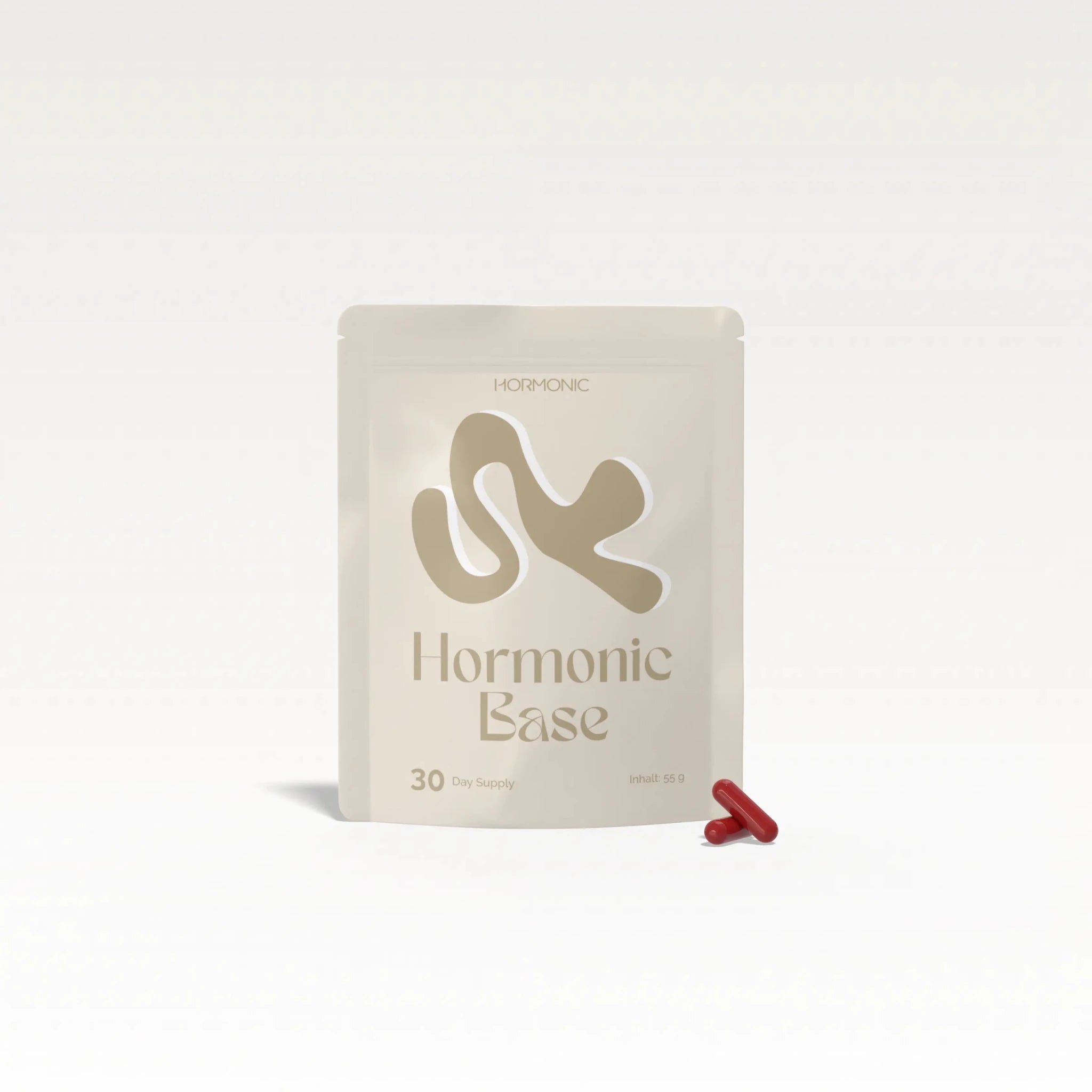
Hormonic Base - Hormonic - Nahrungsergänzungsmittel
Sale price€65,00
(5.0)
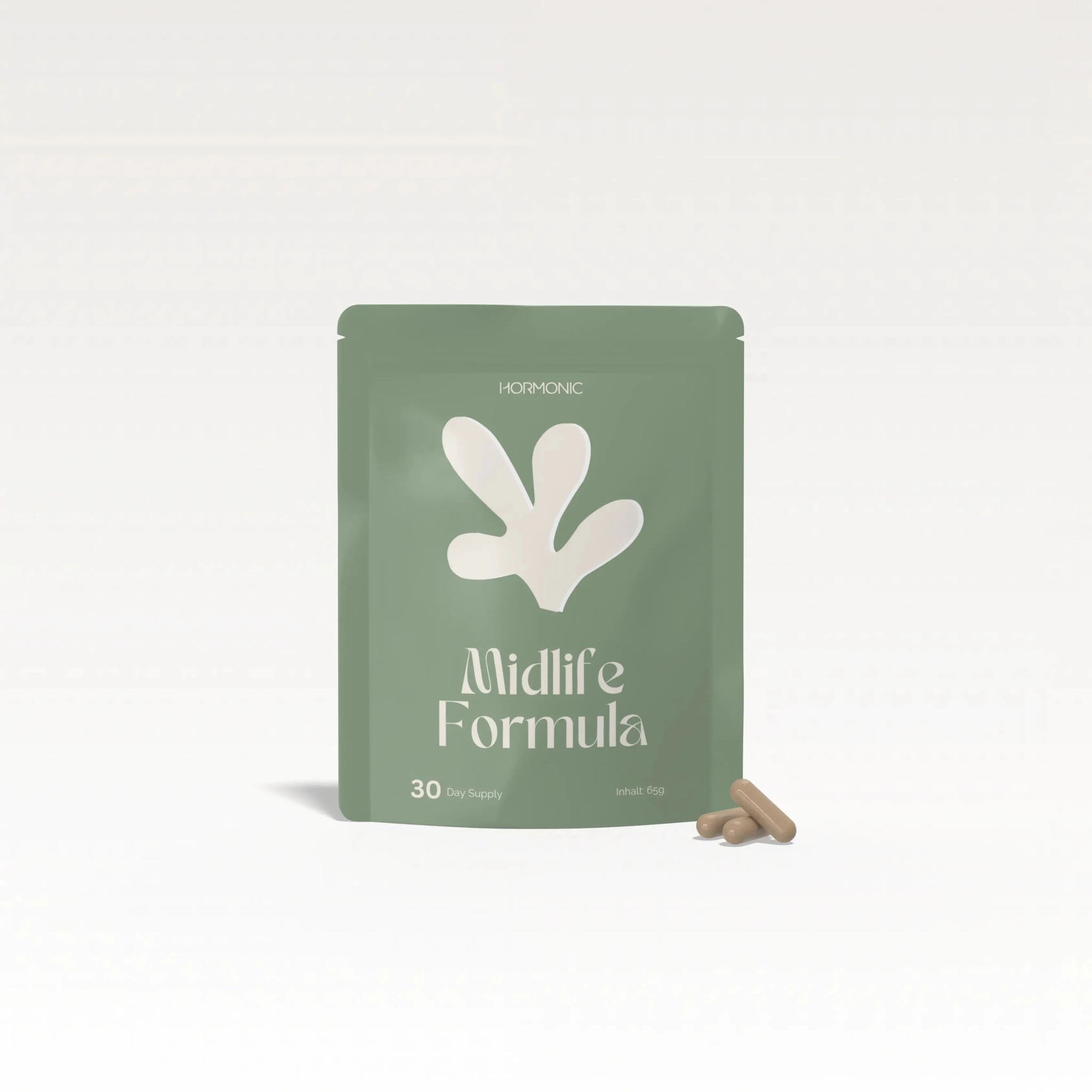
Midlife Formula - Hormonic - Nahrungsergänzungsmittel
Sale price€75,00
(5.0)
Supplements wirken nicht? Gründe und was Du tun kannst - Hormonic
MikronährstoffeJul 22, 202510 min read

Supplements Not Working? 7 Reasons and What You Can Do

This article is part of: Micronutrients and Hormones: The Female Guide

Are you taking vitamins every day but not feeling any change? Have you invested money in supplements but still feel tired, irritable, or hormonally imbalanced? You are not alone: Many women experience exactly this and search for answers in vain. In this article, we show you 7 scientifically proven reasons why your supplements might not be working and how to finally make them effective.

The 7 reasons at a glance

Reason Typical sign Fastest solution
1. Poor form Magnesium oxide only causes diarrhea Switch to citrate or bisglycinate
2. Intake errors Iron + morning coffee Adjust timing and combination
3. Impaired gut Bloating, IBS, diarrhea Address gut health first
4. Chronic stress Exhausted despite B vitamins Break the stress cycle
5. Hormonal status Pill, PCOS, thyroid Test levels, clarify root cause
6. Not enough patience Stopping after 2 weeks Stick with it for at least 3 months
7. Cheap product No lab testing, fillers Switch to tested quality

Reason 1: Low bioavailability, the form makes the difference

Not all vitamin and mineral supplements are the same: The chemical form of a nutrient significantly determines how well your body can absorb it. A common reason for a lack of effect is therefore low bioavailability. Some cheap supplements contain compounds that the body struggles to dissolve and absorb.

Let’s look at this using the example of magnesium: there are organic forms like magnesium citrate or magnesium bisglycinate and inorganic forms like magnesium oxide. While organic magnesium salts are highly soluble and easily absorbed by the gut, magnesium oxide is barely water-soluble. Despite a high magnesium content, it is only minimally utilized; studies confirm the significantly higher bioavailability of organic compounds (Walker et al., 2003). If you are unknowingly taking the wrong form, the effect will not materialize: Magnesium oxide often only leads to diarrhea instead of relaxation, because it stays in the gut and acts as a laxative instead of entering the bloodstream. You can find the complete comparison in our article on Magnesium forms compared.

This principle applies to many micronutrients. Vitamin B12 requires the intrinsic factor in the stomach for absorption; in cases of absorption disorders, oral tablets are of little help. Vitamin D comes in forms D2 (ergocalciferol) and D3 (cholecalciferol), and according to a meta-analysis, D3 increases levels more effectively (Tripkovic et al., 2012). Therefore, pay attention to the formulation: High-quality products specifically use bioavailable nutrient compounds so that your body can absorb and utilize them optimally.

Reason 2: Intake errors and interactions block absorption

Even the best supplement can remain ineffective if you take it incorrectly or combine it poorly. These everyday mistakes cost the most efficacy:

  • Coffee or tea at the wrong time: Tannins bind iron in the gut. In a classic study, a cup of coffee with a meal reduced iron absorption by 39 percent (Morck et al., 1983); for tea, a reduction of over 60 percent was measured (Disler et al., 1975). The solution: Take iron at least one hour apart from coffee and tea, ideally combined with a little vitamin C.
  • Calcium blocks iron: Calcium, whether from dairy products or tablets, can inhibit the absorption of non-heme iron (Hallberg et al., 1991). Therefore, do not take iron supplements together with calcium-rich foods. Equally unfavorable: High-dose zinc can impair copper absorption, and many minerals hinder each other when taken in high doses.
  • Wrong timing: Fat-soluble vitamins (A, D, E, K) need a little fat with a meal, otherwise they are barely absorbed. Taking vitamin D in the morning on an empty stomach with water is therefore almost a waste. Many people find it best to take magnesium in the evening with a meal. Consistency and timing contribute to efficacy.
  • Medications as nutrient thieves: Long-term use of acid blockers (proton pump inhibitors) can significantly reduce B12 absorption (Lam et al., 2013); metformin also lowers B12. And the birth control pill is at the top of the list: With hormonal contraception, levels of folate, B2, B6, B12, vitamin C and E, as well as magnesium, zinc, and selenium are more frequently lower (Palmery et al., 2013). If you are on hormonal birth control, your supplements might initially just be compensating for pill-induced deficiencies, which is precisely why you subjectively feel little difference.

Often, it is not the supplement itself, but how you take it. Timing, combinations, and the choice of drink alone can significantly increase absorption.

Reason 3: Your gut is the gateway for all nutrients

The best supplements are useless if your body cannot absorb them. The gut is the gateway for nutrients, and if it is disturbed, vitamins and minerals remain unused. Chronic irritation of the intestinal lining, irritable bowel syndrome, or an imbalance of the gut flora can alter absorption capacity. In conditions such as celiac disease or Crohn's disease, general malabsorption is well-documented, but even less dramatic gut problems can subtly reduce nutrient uptake.

An unbalanced gut flora is often accompanied by poorer supply because bacteria consume nutrients or interfere with their transport. Persistent inflammatory responses also consume antioxidants such as vitamin C, E, and zinc, increasing demand. And diarrhea, whether stress-induced or illness-related, flushes out nutrients before they can be absorbed.

The good news: You can do a lot for your gut. A high-fiber diet, fermented foods, sufficient sleep, and stress reduction promote a healthy gut flora, and thus the effectiveness of your supplements.

Reason 4: Chronic stress plunders your reserves

Constant tension, time pressure, too little sleep: Chronic stress is also a micronutrient robber. Under constant stress, the need for magnesium, B vitamins, vitamin C, and zinc increases. Regarding magnesium, research even describes a vicious cycle: stress consumes magnesium, and a low magnesium status simultaneously makes you more sensitive to stress (Pickering et al., 2020).

In addition: The stress signal throttles digestion. The stomach and gut work more slowly, some develop stress-related irritable bowel syndrome or insufficient stomach acid, which further worsens the absorption of B12, iron, and magnesium. You may be taking supplements, but your stressed body can neither properly absorb nor retain them.

The solution is not to pop more capsules, but to break the stress cycle: conscious relaxation, sleep, exercise. Easily absorbable magnesium such as bisglycinate in the evening can support you in this, as magnesium contributes to the normal functioning of the nervous system and to the reduction of tiredness and fatigue. Relaxation remains the best supplement nonetheless.

Reason 5: Hormonal imbalances increase demand and block utilization

Are your hormones acting up and your supplements showing no effect? This is no coincidence, as hormonal imbalances can disrupt the utilization of micronutrients or increase your requirements.

  • After the pill: Long-term hormonal contraception can deplete the stores of several micronutrients (Palmery et al., 2013). After stopping, a supplement first fills gaps for months before you feel anything. You can read about what happens in the body during this phase in the Guide to stopping the pill.
  • PCOS: PCOS is often accompanied by insulin resistance and silent inflammation. Review articles report that 67 to 85 percent of women with PCOS have a vitamin D deficiency (Thomson et al., 2012). A standard dose is then often not enough, and frequently nutrition and insulin management must be balanced first before micronutrients can do their work.
  • PMS and cycle: Vitamin B6 and magnesium are involved in hormone and nervous system metabolism. With pronounced menstrual complaints, it often takes 2 to 3 cycles of targeted supplementation until an effect appears.
  • Thyroid: An underactive thyroid slows down digestion and stomach acid production, which leads to poorer absorption of iron, B12, zinc, and vitamin D. Despite supplementation, levels remain low until the thyroid is treated.

If you suspect such connections, it is worth addressing the hormonal issue first: have your hormone status and nutrient levels checked, get your thyroid clarified, and manage PCOS holistically. Often, the foundations must be right before supplements can fully unfold their effect.

Hormonal Base: 16 nutrients that actually get absorbed

Developed specifically for this problem: The Hormonic Base consistently relies on bioavailable forms, using a complex of magnesium bisglycinate, malate, and citrate instead of cheap oxide, vitamin D3 instead of D2, plus B6, which contributes to the regulation of hormonal activity. Every batch is tested in a German laboratory for active ingredient content and purity. So that you no longer have to swallow capsules that do nothing.

Switch to quality now

Reason 6: Lack of patience, stores fill up slowly

Hand on heart: are you expecting noticeable miracles too quickly? We are used to taking a pill for a headache and feeling relief 30 minutes later. Micronutrients work differently: if a real deficiency existed, the body first fills its stores before you notice anything. This takes weeks to months.

  • Iron: Ferritin levels often only rise by a few ng/ml per month. Depending on the initial value, it takes 2 to 3 months of regular intake for fatigue to subside.
  • Vitamin D: In the case of a severe deficiency, it often takes 2 to 3 months to reach a healthy level. More on this in the article on Vitamin D deficiency in women.
  • Hair, skin, nails: Due to the hair cycle, the first visible changes with nutrient supplementation usually only appear after 8 to 12 weeks, sometimes only after half a year (Almohanna et al., 2019).

Anyone who gives up in frustration after 2 weeks or only supplements sporadically will hardly notice any improvement. The rule of thumb: daily, consistent, at least 3 months. Some effects, like better sleep from magnesium, come sooner, but profound changes take time.

Reason 7: Inferior product quality

Finally, the fault may simply lie with the product. The market is crowded, but quality and purity vary enormously. Very cheap preparations sometimes contain less active ingredient than stated, poorly usable forms, or unnecessary fillers, and authorities repeatedly find products with impurities. In those cases, your body simply doesn't get what is on the label.

How you can recognize high-quality supplements: transparent manufacturers, laboratory testing of every batch, bioavailable forms (magnesium as citrate or bisglycinate instead of oxide), sensible combinations, and no unnecessary additives. Details also reveal quality, such as light-protected packaging and vegan capsule shells. Better to invest in a tested product than in cheap preparations that remain ineffective. You can read about which supplements are actually useful for women in our evidence-based supplement guide.

Your checklist for more effectiveness

  • Check the form: bioavailable compounds, laboratory-tested quality
  • Optimize intake: pay attention to timing, combinations, and medications
  • Consider gut and hormones: gut flora, pill, PCOS, thyroid
  • Patience: stick with it consistently for at least 3 months
  • Test instead of guess: have your nutrient and hormone status tested if you suspect a deficiency

And if you don't know what to do next: in a free 15-minute initial consultationyou can discuss with one of our doctors which values and which supplements really make sense in your situation.

Doesn't work? Maybe it's because of your values.

Before you buy the next product: Find out what your body is really missing. The hormone diagnostic kit measures your key hormone and metabolic levels conveniently from home, analyzed in the ISO-certified partner laboratory Labor Krone and evaluated by doctors. No more guessing, from now on you supplement based on data.

Test values now

Conclusion: How to ensure your supplements reach their full potential

Dietary supplements can make a real difference if you choose and use them wisely. If you have been disappointed so far, don't despair: a lack of effect almost always has clear, solvable reasons, ranging from the wrong form and intake errors to gut health, stress, hormones, and simple impatience.

With knowledge of bioavailability, interactions, and your individual situation, you can now make informed decisions. Tailor your strategy to your needs, give your body 3 months, and you will see how your supplements suddenly do work after all.

Frequently asked questions if supplements don't work

How long does it take for supplements to work?

As a rule of thumb: at least 3 months of consistent daily intake. If there was a real deficiency, the body first refills its stores before you notice anything. Some effects, like better sleep from magnesium, appear after days or weeks, while changes in hair, energy, or your cycle usually take 8 to 12 weeks or longer.

Why isn't magnesium working for me?

The most common reason is the form: magnesium oxide is barely absorbed and primarily has a laxative effect. Organic forms such as bisglycinate or citrate are significantly more bioavailable. The timing also plays a role; many people tolerate magnesium best when taken in the evening with a meal. And during periods of chronic stress, consumption is so high that a low dose is simply not enough.

Kann ich alle Supplements gleichzeitig einnehmen?
Besser nicht alle auf einmal. Calcium und Eisen blockieren sich gegenseitig, hochdosiertes Zink beeinträchtigt Kupfer, und Kaffee oder Tee zur Einnahme senken die Eisenaufnahme massiv. Fettlösliche Vitamine (A, D, E, K) gehören zu einer Mahlzeit mit etwas Fett. Gut aufeinander abgestimmte Kombipräparate umgehen die kritischsten Wechselwirkungen bereits in der Rezeptur.
Woran erkenne ich hochwertige Nahrungsergänzungsmittel?
Achte auf transparente Hersteller mit Laborprüfung jeder Charge, bioverfügbare Nährstoffformen (zum Beispiel Magnesium als Bisglycinat oder Citrat statt Oxid, Vitamin D als D3), sinnvolle Dosierungen und den Verzicht auf unnötige Zusatzstoffe. Lichtgeschützte Verpackung und vegane Kapselhüllen sind weitere gute Zeichen.

Scientific Sources

  • Walker AF et al. (2003). Mg citrate found more bioavailable than other Mg preparations in a randomised, double-blind study. Magnesium Research 16(3):183-191. PMID: 14596323
  • Tripkovic L et al. (2012). Comparison of vitamin D2 and vitamin D3 supplementation in raising serum 25-hydroxyvitamin D status: a systematic review and meta-analysis. American Journal of Clinical Nutrition 95(6):1357-1364. doi:10.3945/ajcn.111.031070
  • Morck TA, Lynch SR, Cook JD (1983). Inhibition of food iron absorption by coffee. American Journal of Clinical Nutrition 37(3):416-420. doi:10.1093/ajcn/37.3.416
  • Disler PB et al. (1975). The effect of tea on iron absorption. Gut 16(3):193-200. doi:10.1136/gut.16.3.193
  • Hallberg L et al. (1991). Calcium: effect of different amounts on nonheme- and heme-iron absorption in humans. American Journal of Clinical Nutrition 53(1):112-119. doi:10.1093/ajcn/53.1.112
  • Lam JR et al. (2013). Proton pump inhibitor and histamine 2 receptor antagonist use and vitamin B12 deficiency. JAMA 310(22):2435-2442. doi:10.1001/jama.2013.280490
  • Palmery M et al. (2013). Oral contraceptives and changes in nutritional requirements. European Review for Medical and Pharmacological Sciences 17(13):1804-1813. PMID: 23852908
  • Pickering G et al. (2020). Magnesium status and stress: the vicious circle concept revisited. Nutrients 12(12):3672. doi:10.3390/nu12123672
  • Thomson RL, Spedding S, Buckley JD (2012). Vitamin D in the aetiology and management of polycystic ovary syndrome. Clinical Endocrinology 77(3):343-350. doi:10.1111/j.1365-2265.2012.04434.x
  • Almohanna HM et al. (2019). The role of vitamins and minerals in hair loss: a review. Dermatology and Therapy 9(1):51-70. doi:10.1007/s13555-018-0278-6

About the Author

Lee Paulina Pape

Lee Paulina Pape

Founder · MSc Psychology · Hormonic

Lee is a psychologist (MSc) and co-founder of Hormonic. As CEO, she makes women's hormonal health understandable and accessible.

Note: This article is based on current scientific studies, reviews, and meta-analyses and is intended for informational purposes only. It does not replace medical advice, diagnosis, or treatment. Dietary supplements are not a substitute for a balanced, varied diet and a healthy lifestyle.

Share

You might also be interested in this.

Welche Supplements sollten Frauen täglich nehmen? Der evidenzbasierte Stack - Hormonic
MikronährstoffeDec 8, 20259 min read
Which supplements should women take daily? The evidence-based stack

These 4 supplements are recommended daily by science for women: Micronutrient basis, Omega-3, Creatine, and targeted gut-hormone add-ons. Without hype, with a study basis.

Magnesium-Formen im Vergleich: Citrat, Bisglycinat, Oxid und Co. - Hormonic
MikronährstoffeJul 15, 20268 min read
Magnesium Forms Compared: Citrate, Bisglycinate, Oxide, and Co.

Magnesium Citrate, Bisglycinate, or Oxide: Which Magnesium Form is Best Absorbed and Most Tolerated? The Honest, Scientific Comparison.

Mikronährstoffe und Hormone: Der Guide für Frauen - Hormonic
MikronährstoffeJun 19, 20269 min read
Micronutrients and Hormones: The Female Guide

Which micronutrients truly support your hormones? The honest, evidence-based guide to magnesium, vitamin D, omega-3, and B vitamins, with a clear evaluation of the study situation.