Endometriosis: Symptoms, Causes, and What Really Helps
About one in ten women has endometriosis, yet it often takes years to get a diagnosis. This article explains what endometriosis is, why it depends so strongly on estrogen and progesterone, which symptoms are typical, and which conventional and complementary natural approaches are currently being discussed.
Key takeaways
Endometriosis affects around 10% of women of reproductive age and develops when tissue similar to the uterine lining grows outside the uterus. It is estrogen-dependent and often linked to a reduced effect of progesterone in the tissue. According to the guideline, progestins or oral GnRH antagonists are the first choice for pain, a laparoscopy can remove lesions, and the two can be combined. As a complement, nutrients such as NAC, vitamin D, zinc, and EGCG from green tea show promising approaches in studies, but they do not replace treatment.
The complete endometriosis guide
This is our central guide to endometriosis: an overview of causes, symptoms, hormones, and treatment. We go deeper into individual topics in separate articles, which you will find sorted by topic further down and at the end of the page.
About one in ten women has endometriosis, around 200 million worldwide. Even so, it takes years on average to get a diagnosis, because the symptoms are so varied and are often dismissed as “normal” period pain. This article explains what endometriosis is, what role estrogen and progesterone play, and which conventional medical and complementary strategies are currently being discussed.
How endometriosis develops
Normally, the uterine lining builds up and sheds in every cycle. In endometriosis, this process happens in places outside the uterus. The most widely held explanation is retrograde menstruation: menstrual blood flows back through the fallopian tubes into the abdominal cavity, and cells from the lining can settle in the abdomen. Because this also happens in many women without endometriosis, other factors must be involved, including genetic predisposition, immune system dysfunction, and epigenetic changes that help the tissue survive and grow outside the uterus.
What makes endometriosis distinctive is how strongly it depends on estrogen. Estrogen not only stimulates the growth of the tissue but also increases the release of pro-inflammatory messengers such as cytokines, which drive pain and tissue changes. This explains why many therapies specifically lower estrogen levels or pause the hormonal cycle to relieve symptoms.
Did you know that …
… in very rare cases, endometriosis has also been observed in men receiving estrogen-based hormone therapy? This underlines how central estrogen is as a driver of the condition.
How common is endometriosis?
About 10% of women of reproductive age are affected. Among women with chronic pelvic pain or difficulty getting pregnant, the rate rises to as much as 50%. Despite how common it is, endometriosis is often recognized late, because the symptoms range from severe period pain to chronic pain to digestive problems and are easily misread.
What treatments are available? A first overview
Which treatment is right for you depends on your symptoms, the findings, and whether you want to get pregnant. Medical therapies and complementary measures are not mutually exclusive; they are often combined. Important: hormone therapy and trying to get pregnant cannot be pursued at the same time, so if you are trying to conceive, treatment looks different. The following overview puts the options into context.
Approach
How it works
Assessment
Progestins (e.g. dienogest)
Slow the growth of lesions and usually suppress ovulation; periods become lighter or stop.
According to the German S2k guideline, a first-choice therapy for endometriosis pain.
Oral GnRH antagonists
Lower the body's own estrogen production, sometimes combined with a low-dose hormone add-back.
Also first choice according to the S2k guideline. Discuss side effects and duration with your doctor.
Combined pill
Suppresses ovulation and, taken continuously, can pause your period.
According to the European guideline, can relieve pain and provides contraception at the same time.
Hormonal IUD or hormonal implant
Release a progestin locally or steadily over a longer period.
According to the European guideline, can relieve pain. An option if daily pills don't suit you.
GnRH agonists
Temporarily shut down the ovaries' hormone production almost completely.
Second choice. Because of menopause-like symptoms and possible loss of bone density, usually given for a limited time and with a hormone add-back.
Surgery (laparoscopy)
Removes visible lesions and cysts, often in the same procedure as the diagnosis.
Can significantly relieve symptoms. Endometriosis can come back; hormone therapy after surgery significantly lowers this risk. Procedure and recovery
Exercise, diet, relaxation
Support pain management and well-being.
The guideline recommends regular exercise and a balanced, vitamin-rich diet. Special diets only with good reason, such as low-FODMAP for bowel symptoms. More on diet
Polyphenols & micronutrients
Being researched for their role in inflammation, oxidative stress, and the growth of lesions.
Promising results from observational, laboratory, and early clinical studies, for example on NAC, EGCG, and vitamin D. There is no guideline recommendation yet, so they are a complement to treatment, not a replacement. Overview of the research
Endometriosis is usually a long-term condition. It is rarely about one single solution, but about a treatment that fits your symptoms, your plans for pregnancy, and your everyday life.
Did you know that...
… many women with endometriosis have progesterone resistance? The tissue responds less well to progesterone, which normally slows the growth of the uterine lining, so the tissue can keep spreading.
Symptoms and signs of endometriosis
Symptoms vary a lot from woman to woman, which makes diagnosis harder. Typical signs include:
Very painful periods (dysmenorrhea) that go beyond normal period pain.
Pain during sex (dyspareunia).
Chronic pelvic pain that can last throughout the whole cycle.
Digestive problems and pain with bowel movements, especially during your period.
Difficulty getting pregnant, which is especially hard for many women. What your chances really are is covered in our article on endometriosis and fertility.
If you notice symptoms like these, it is worth talking to a doctor. Ultrasound and, in some cases, a laparoscopy are used to investigate. We have written down step by step how the path to an endometriosis diagnosis works under the current guideline and what role blood tests really play.
Endometriosis and progesterone resistance
Progesterone is produced mainly by the corpus luteum after ovulation. It prepares the uterine lining for a possible implantation and balances the effect of estrogen by slowing the growth of the lining.
In many women with endometriosis, the affected tissue responds less well to progesterone, partly because fewer progesterone receptors are formed. Experts call this progesterone resistance. As a result, part of the braking effect is lost and the tissue can keep growing. A strong estrogen influence in the tissue combined with a reduced progesterone effect is considered a central mechanism of endometriosis. This also explains why some women respond less well to progestins.
How is endometriosis treated medically?
Medical therapies target what drives the condition: the influence of estrogen and the lesions themselves. According to the German S2k guideline, a suitable progestin such as dienogest or an oral GnRH antagonist is the first choice for pain (Burghaus et al., 2026). The combined pill, a hormonal IUD, or a hormonal implant can also relieve pain. GnRH agonists are considered second choice because they can cause menopause-like symptoms and loss of bone density, so they are usually given for a limited time and with a hormone add-back (ESHRE, 2022). Hormone therapy and trying to get pregnant cannot be pursued at the same time, so treatment looks different if you are trying to conceive.
A laparoscopy can remove visible lesions and cysts and significantly relieve symptoms. However, endometriosis can come back afterward: a widely cited review gives figures of about 21.5% after two years and 40 to 50% after five years, although definitions vary (Guo, 2009). In a meta-analysis, hormone therapy after surgery significantly lowered the risk of recurrence (Zakhari et al., 2021). The guideline therefore recommends using medication first if symptoms return, before operating again, unless there is a risk of organ damage.
There is currently no therapy that permanently eliminates endometriosis. Hormone therapies work for as long as they are taken and have side effects that you should weigh up with your doctor. If symptoms persist despite two hormone therapies, the guideline recommends a reassessment at a center specializing in endometriosis.
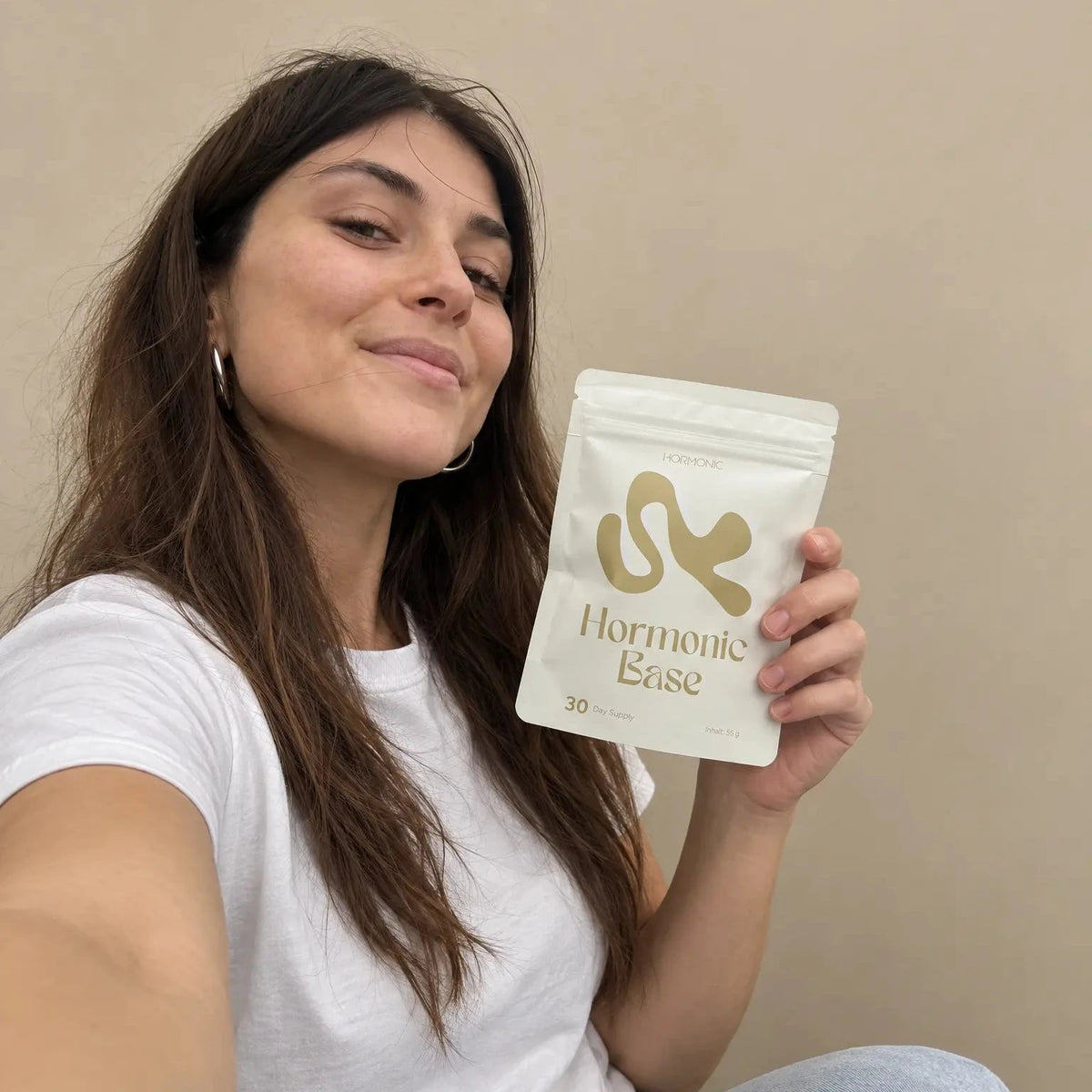
Doctor-developed with 16 active ingredients, including NAC, zinc, and vitamin D3, which have been linked in research to inflammatory processes, cell protection, and hormonal balance. Clearly dosed, without unnecessary additives.
Natural approaches and supplements being researched
Alongside established therapies, natural approaches are increasingly a focus of research, especially dietary strategies and bioactive plant compounds that are being studied in connection with hormonal processes and inflammatory responses. In scientific papers, a diet rich in omega-3 and antioxidants is linked to inflammation-related mechanisms. We break down in detail what is proven and what is not in our article on an anti-inflammatory diet for endometriosis.
Polyphenols in the research spotlight
Polyphenols are bioactive compounds found in plant foods such as berries, citrus fruits, onions, turmeric, and green tea. They are discussed in connection with oxidative stress, inflammation, cell growth, and angiogenesis, all mechanisms that also play a role in endometriosis. Some polyphenols act as phytoestrogens and may potentially interact with estrogen receptors, which is of particular research interest in an estrogen-dependent condition.
Quercetin from onions, apples, berries, and bell peppers is being studied in preclinical and early clinical research for effects on inflammatory markers, oxidative stress, and tissue changes. Animal studies point to an influence on inflammatory parameters and tissue growth, without a negative effect on the body's own hormone production. The data are limited and not conclusive; we put the individual studies into context in our article on quercetin for endometriosis.
Curcumin from turmeric is being researched for its antioxidant and inflammation-related properties. Studies describe effects on signaling pathways involved in inflammation, cell growth, and angiogenesis, as well as a possible modulation of estrogen signaling. A clinical study in Vienna is currently looking at links to pain and quality of life.
Trans-resveratrol from red grapes and berries is mainly being studied in cell and animal models in relation to inflammation, estrogen signaling, and tissue growth. How robust these data really are is covered in our article on resveratrol for endometriosis.
Apigenin from parsley, celery, apples, and oranges is described as having antioxidant and inflammation-modulating properties. Preclinical studies are investigating effects on inflammatory signaling pathways and tissue changes. There is no official health claim.
EGCG from green tea is one of the best-researched plant compounds in endometriosis. In an animal model, endometriosis lesions regressed under EGCG, and the blood supply to the lesions decreased selectively without affecting the blood vessels in the ovaries (Laschke et al., 2008). Another study showed that EGCG slowed the scarring of endometriosis tissue, both in cells from patients and in an animal model (Matsuzaki and Darcha, 2014). Studies of green tea extract in women with endometriosis are already underway. Green tea as a drink is considered well tolerated, whereas very high-dose extracts can strain the liver.
The literature considers these observations promising but not yet conclusive. Larger clinical studies are needed to clarify the role of polyphenols in endometriosis.
Micronutrients being studied in the context of endometriosis
Omega-3 fatty acids are known for their anti-inflammatory properties and modulate the production of prostaglandins, a mechanism that painkillers such as ibuprofen also target. The ratio of omega-3 to omega-6 appears to matter.
N-acetylcysteine (NAC) is one of the most exciting nutrients in endometriosis research. In an Italian study of 92 women, endometriomas shrank in 62% of the women taking NAC compared with only 28% of those without NAC, and 24 women in the NAC group canceled a planned operation, compared with just one in the comparison group (Porpora et al., 2013). In a second study of 120 women, period pain, pain during sex, and pelvic pain decreased significantly after three months, and fewer women needed painkillers (Anastasi et al., 2023). Neither study had a placebo group, but together they make a strong case for larger controlled trials. The full picture is in our article on NAC for endometriosis.
Vitamin D3 is closely linked to the immune system. In the Nurses' Health Study II, with more than 70,000 women, those with the highest vitamin D status had a 24% lower risk of developing endometriosis than those with the lowest (Harris et al., 2013). In a placebo-controlled study of 60 women, high-dose vitamin D taken under medical supervision reduced pelvic pain and the inflammatory marker CRP (Mehdizadehkashi et al., 2021). Other studies found no difference (Kalaitzopoulos et al., 2022); women with a deficiency seem most likely to benefit. That is why it is worth having your levels checked.
Zinc is a building block of the body's antioxidant defense systems. A systematic review found lower zinc levels in women with endometriosis in most studies (Pokorska-Niewiada et al., 2025). Indirectly interesting: in severe period pain without endometriosis, zinc significantly reduced pain in a meta-analysis of six randomized trials, especially when taken for eight weeks or longer (Hsu et al., 2024). Studies directly in endometriosis are still lacking, and more is not better: the upper limit is 25 mg per day. More on this in our article on zinc and antioxidants for endometriosis.
Vitamins C and E are usually studied together and at high doses. In small randomized trials, pelvic pain decreased, but the quality of the data is limited (Zheng et al., 2023).
These substances can complement a broader approach. They do not replace a medical diagnosis or treatment, and the strength of the evidence varies by substance. We have pulled together which nutrients are best studied and where the data remain thin in our overview of the best supplements for endometriosis.
Take-home messages
Common: about 10% of women of reproductive age are affected, and diagnosis often comes late.
Hormonally driven: endometriosis is estrogen-dependent, often with a reduced progesterone effect in the tissue.
Varied symptoms: severe period pain, chronic pelvic pain, and digestive problems can be signs.
Guideline-based treatment: progestins or oral GnRH antagonists are the first choice for pain, a laparoscopy can remove lesions, and recurrence is possible.
Promising as a complement: NAC, EGCG, vitamin D, and zinc show interesting results in observational, laboratory, and indirect studies, alongside exercise and a balanced diet. They do not replace treatment.
Our medical team will support you in understanding the connection between endometriosis, estrogen, and progesterone. Book a free 15-minute initial consultation.
Endometriosis is one of the most complex conditions in gynecology, and for many women the road to diagnosis and treatment is long and frustrating. But research is moving forward, and today there are good ways to relieve symptoms. Whether it is medical therapy or complementary measures, what matters is that you stay informed, take your symptoms seriously, and don't settle for unnecessary suffering.
Certain polyphenols, vitamins, and micronutrients are being researched as a complement, but larger studies are still pending. If you would like to make sense of your symptoms and discuss a plan for nutrition and micronutrients, the medical team at Hormonic Care is here to support you. Diagnosis and treatment stay with your gynecologist.
All articles on endometriosis
This guide is your starting point. Here we go deeper into the individual topics, sorted by area:
You can see which of these nutrients are in our formulas, and which ones have an approved claim at all, in our overview of supplements for endometriosis. The key point remains: nutrients are not a treatment; treatment belongs in medical hands.
Frequently Asked Questions about Endometriosis
What exactly is endometriosis?
Endometriosis is a chronic, estrogen-dependent condition in which tissue similar to the lining of the uterus grows outside the uterus, for example, on the ovaries, fallopian tubes, intestines, or bladder. This tissue thickens, bleeds during the menstrual cycle, and can cause inflammation, scarring, and adhesions. Severe, recurring pelvic pain is typical. Approximately one in ten women is affected.
Which symptoms can point to endometriosis?
Typical signs include very painful periods that go beyond normal period pain, pain during sex, chronic pelvic pain throughout the whole cycle, digestive problems and pain with bowel movements, especially during your period, and difficulty getting pregnant. Symptoms vary widely, which is why the diagnosis is often made late. If you have symptoms like these, it is worth getting checked with an ultrasound and, if needed, a laparoscopy.
Does surgery cure endometriosis?
Surgery removes visible lesions and cysts and can relieve symptoms considerably, but a permanent cure is not guaranteed. Endometriosis can come back: a widely cited review reports about 21.5% after two years and 40 to 50% after five years. Hormone therapy after surgery lowers this risk considerably. Whether and when to have surgery is a decision you make together with your gynecologist.
Can diet and micronutrients help with endometriosis?
As a complement, they show promising potential. A balanced diet rich in omega-3 and antioxidants is linked to lower inflammatory activity. Particularly interesting are NAC, with which endometriomas became smaller and pain decreased in observational studies; EGCG from green tea, with strong results in lab and animal studies; vitamin D, which was linked to a lower risk of endometriosis in a large cohort study; as well as zinc and vitamins C and E. Larger controlled studies are still needed. These approaches complement medical treatment but do not replace it.
What role do hormones play in endometriosis?
Endometriosis is strongly estrogen-dependent: estrogen drives the growth of the tissue and increases pro-inflammatory messengers. In addition, many women with endometriosis have progesterone resistance, meaning the tissue responds less well to progesterone, which normally slows its growth. Other factors include genetic predisposition, immune system dysfunction, and epigenetic changes. Retrograde menstruation is considered one possible contributing cause.
Scientific Sources
Burghaus S, Schäfer SD, Ulrich UA, et al. (2026). Diagnosis and Therapy of Endometriosis. Guideline of the DGGG, OEGGG and SGGG (S2k-Level, AWMF Registry No. 015/045, April 2025). Geburtshilfe und Frauenheilkunde 86(2):133-188. doi:10.1055/a-2760-4867
Becker CM, Bokor A, Heikinheimo O, et al. (2022). ESHRE guideline: endometriosis. Human Reproduction Open 2022(2):hoac009. doi:10.1093/hropen/hoac009
Guo SW (2009). Recurrence of endometriosis and its control. Human Reproduction Update 15(4):441-461. doi:10.1093/humupd/dmp007
Zakhari A, Delpero E, McKeown S, et al. (2021). Endometriosis recurrence following post-operative hormonal suppression: a systematic review and meta-analysis. Human Reproduction Update 27(1):96-107. doi:10.1093/humupd/dmaa033
Kalaitzopoulos DR, Samartzis N, Daniilidis A, et al. (2022). Effects of vitamin D supplementation in endometriosis: a systematic review. Reproductive Biology and Endocrinology 20:176. doi:10.1186/s12958-022-01051-9
Zheng SH, Chen XX, Chen Y, et al. (2023). Antioxidant vitamins supplementation reduce endometriosis related pelvic pain in humans: a systematic review and meta-analysis. Reproductive Biology and Endocrinology 21:79. doi:10.1186/s12958-023-01126-1
Porpora MG, Brunelli R, Costa G, et al. (2013). A Promise in the Treatment of Endometriosis: An Observational Cohort Study on Ovarian Endometrioma Reduction by N-Acetylcysteine. Evidence-Based Complementary and Alternative Medicine 2013:240702. doi:10.1155/2013/240702
Anastasi E, Scaramuzzino S, Viscardi MF, et al. (2023). Efficacy of N-Acetylcysteine on Endometriosis-Related Pain, Size Reduction of Ovarian Endometriomas, and Fertility Outcomes. International Journal of Environmental Research and Public Health 20(6):4686. doi:10.3390/ijerph20064686
Laschke MW, Schwender C, Scheuer C, et al. (2008). Epigallocatechin-3-gallate inhibits estrogen-induced activation of endometrial cells in vitro and causes regression of endometriotic lesions in vivo. Human Reproduction 23(10):2308-2318. doi:10.1093/humrep/den245
Matsuzaki S, Darcha C (2014). Antifibrotic properties of epigallocatechin-3-gallate in endometriosis. Human Reproduction 29(8):1677-1687. doi:10.1093/humrep/deu123
Harris HR, Chavarro JE, Malspeis S, et al. (2013). Dairy-Food, Calcium, Magnesium, and Vitamin D Intake and Endometriosis: A Prospective Cohort Study. American Journal of Epidemiology 177(5):420-430. doi:10.1093/aje/kws247
Mehdizadehkashi A, Rokhgireh S, Tahermanesh K, et al. (2021). The effect of vitamin D supplementation on clinical symptoms and metabolic profiles in patients with endometriosis. Gynecological Endocrinology 37(7):640-645. doi:10.1080/09513590.2021.1878138
Pokorska-Niewiada K, et al. (2025). The Role of Antioxidant Minerals in the Pathophysiology and Treatment of Endometriosis: Systematic Review. Antioxidants 14(10):1238. doi:10.3390/antiox14101238
Hsu et al. (2024). The Effect of Zinc Supplementation on Primary Dysmenorrhea: A Systematic Review and Meta-Analysis. Nutrients 16(23):4116. doi:10.3390/nu16234116
VanBuren W et al. (2024). Imaging and diagnosis of endometriosis.
Rogers PAW et al. (2009). Priorities for endometriosis research. Reprod Sci.
MacLean JA et al. (2022). Progesterone resistance in endometriosis.
Tassinari V et al. (2022). Polyphenols and endometriosis: mechanisms and evidence.
Golabek A et al. (2021). Polyphenols in the management of endometriosis.
Bahat PY et al. (2022). Quercetin supplementation in endometriosis.
Park S et al. (2019). EGCG and angiogenesis in endometriosis.
Signorile et al. (2018). Antioxidants and oxidative stress in endometriosis.
About the Author
Lisa Maria Emmer
Founder · Physician · Hormonic
Lisa Maria Emmer is co-founder and medical director at Hormonic. She works with women with hormonal concerns every day and focuses on cycle health, PCOS, and menopause.
Note: This article is based on current scientific studies, reviews, and meta-analyses and was prepared with the utmost care. It is for informational purposes only and does not replace medical advice, diagnosis, or treatment. Mentioned dietary supplements are not a substitute for a balanced diet and a healthy lifestyle. If you have existing medical conditions, are pregnant or breastfeeding, or are taking medication, always consult a doctor before taking any dietary supplements.