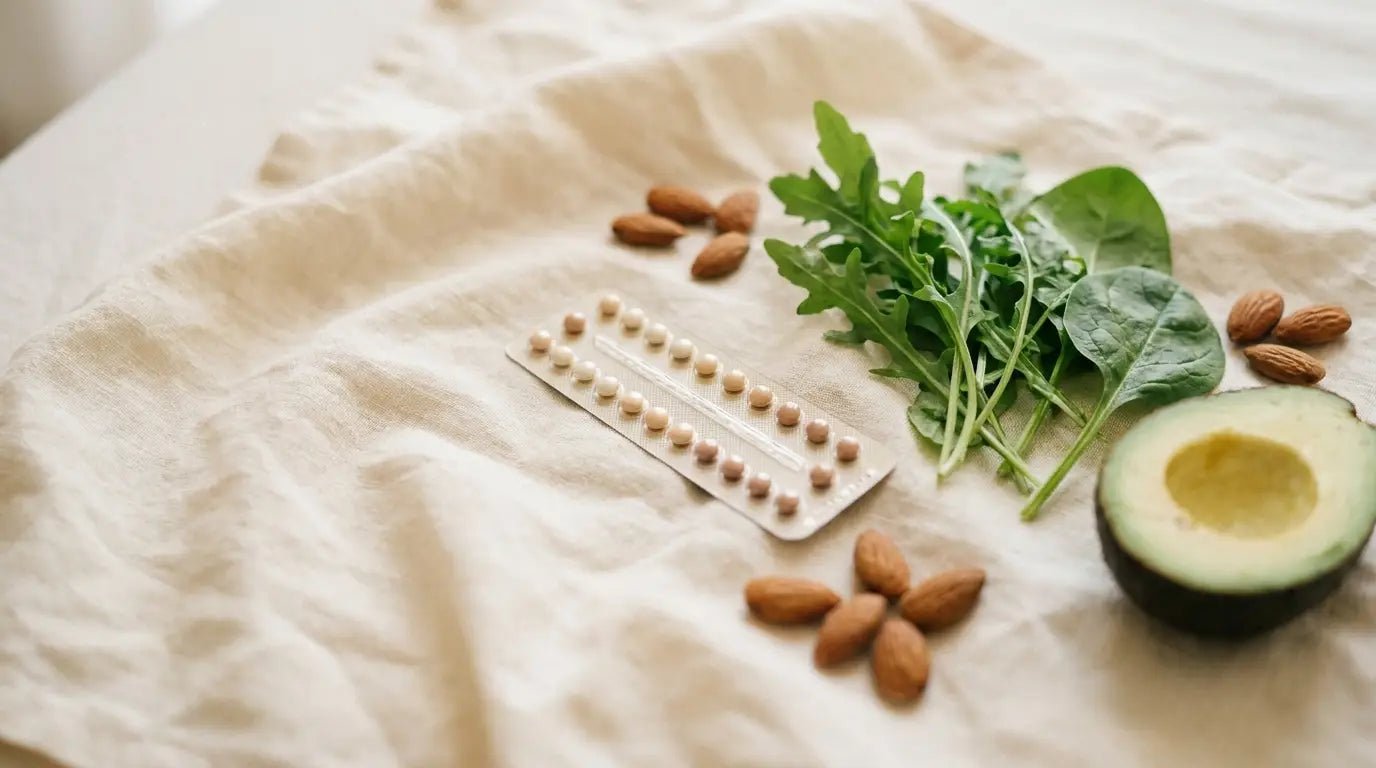
In my telemedicine consultations, women often tell me that they feel more tired, more irritable, or simply not quite themselves while on the Pill, without a clear reason. One of the points that is too rarely discussed is micronutrient balance.
Because yes, the Pill and nutrient deficiency are indeed related. This is no cause for panic and no argument against the Pill, but a good reason to supply your own body more consciously.
Does the Pill really deplete nutrients?
Yes, several reviews show that women who take the Pill have, on average, lower blood levels of certain micronutrients than non-users. This most consistently affects folate and vitamin B6, but also B2, B12, vitamin C and E, as well as the minerals magnesium, zinc, and selenium are mentioned (Palmery et al., 2013). How strong the effect is depends on the preparation, duration of use, and your diet.
Nutrient
Why it is important
Folate (B9)
Cell division, blood formation, important before pregnancy.
Vitamin B6 & B12
Nervous system, mood, energy metabolism, red blood cell formation.
Magnesium
Muscles, nerves, sleep, reduction of fatigue.
Zinc & Selenium
Immune system, skin and hair, thyroid, cell protection.
Research paints a fairly consistent picture. The effects on folate and B vitamins are best documented, but several minerals and antioxidants also appear regularly.
Folate and B vitamins.A large review in Nutrition Reviews found significantly lower levels of folate, vitamin B6, and vitamin B12 in pill users (Wilson et al., 2011). These vitamins are central for energy, the nervous system, and blood formation, which is why low levels are associated with fatigue, low mood, and concentration problems. Folate is particularly important for those trying to conceive, as a good folate status reduces the risk of neural tube defects.
Magnesium.Magnesium is involved in over 300 enzymatic reactions, from energy production to muscle and nerve function. Studies have observed that women using oral contraceptives more often had lower magnesium levels. Low magnesium status is associated with muscle cramps, irritability, sleep problems, and increased susceptibility to stress.
Zinc and Selenium.Both trace elements are important for the immune system, skin, hair, and thyroid. Studies report partly lower serum levels in pill users, with the decrease increasing with the duration of use (Palmery et al., 2013). Low zinc status is discussed, among other things, in connection with blemished skin, hair loss, and slowed wound healing.
Vitamin C, E, and Coenzyme Q10.These antioxidants protect cells from oxidative stress. In several studies, levels of vitamin C and E, as well as coenzyme Q10, were lower in users. Since the body's own Q10 production already decreases with age, this is an aspect to keep in mind.
To be honest: These effects are well documented but do not automatically mean a deficiency requiring treatment. Many women with a balanced diet remain within the normal range. It becomes relevant especially with long-term use, an unbalanced diet, high sports activity, or planned pregnancy.
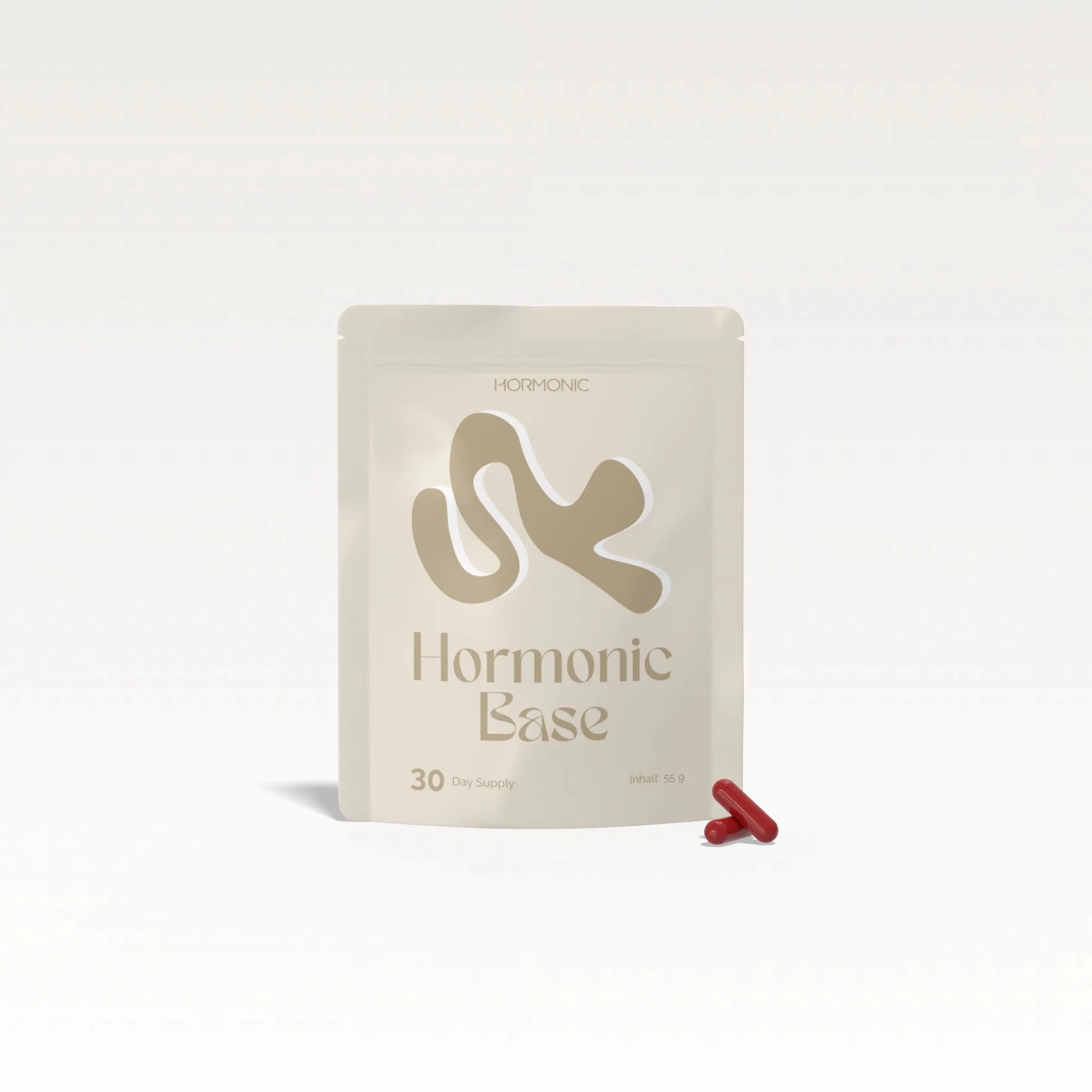
The Base combines 16 micronutrients and precisely covers the deficiencies most commonly observed when taking the pill: folate, vitamin B6, magnesium, zinc, selenium, and vitamin E. B6 contributes to the regulation of hormonal activity, and magnesium to the reduction of fatigue.
A low micronutrient status rarely manifests dramatically, but rather insidiously. The literature most commonly mentions persistent fatigue, mood swings and depressive moods, sleep problems, muscle cramps, increased susceptibility to infection, and changes in skin and hair. Many women mistakenly attribute precisely these complaints solely to stress.
It is important to classify: Such symptoms have many possible causes. They do not prove a deficiency, but they are a good reason to honestly examine your own supply, especially if you have been taking the pill for a long time.
How to protect your nutrient balance
You don't have to stop taking the pill to provide your body with good nutrition. Usually, a combination of conscious eating, targeted supplementation and, if necessary, a look at your values is sufficient.
Eat nutrient-rich foods:Green leafy vegetables and legumes for folate, nuts and whole grains for magnesium, fish, eggs and Brazil nuts for selenium and B vitamins form the basis.
Have your values checked:In case of persistent complaints or long-term use, you can have folate, B12, ferritin and vitamin D determined specifically, instead of guessing.
Targeted supplementation:The most useful nutrients are precisely those that the pill uses up: folate, B vitamins, magnesium and zinc.
Prepare before pregnancy:Professional societies advise ensuring a good supply of folate and micronutrients several months before planning to conceive.
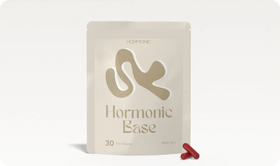
That's exactly what we developed the Hormonic Basefor. It combines 16 micronutrients and specifically covers the deficiencies that most commonly occur while on the pill: folate, vitamin B6, magnesium, zinc, selenium, vitamin E and coenzyme Q10. According to the EFSA, folate and B6 contribute to normal homocysteine and energy metabolism and to the regulation of hormonal activity, magnesium to the reduction of fatigue. Vitamin B12 and vitamin C are not included; these are best covered by your diet.
If you want to know how your values change specifically, you will find the nine biomarkers that shift most significantly under the pill in our article on The Pill and Blood Values. And if you are considering stopping the pill, our article on Hair Loss After Stopping the Pillwill help you.
If you are unsure which values are meaningful for you, you can clarify this in a free initial consultationwith one of our doctors.
In a free, 15-minute introductory call, one of our doctors will address your questions about the pill, nutrients, and fertility in a non-binding consultation.
The pill is a safe, practical method of contraception, and it can also place demands on your micronutrient balance. The most well-documented effects are lower levels of folate and vitamin B6, with magnesium, zinc, selenium, and vitamins B12, C, and E also being mentioned. For most women, this is no cause for concern, but it is a good reason to eat consciously, check levels if necessary, and supplement specifically. This way, you remain well-nourished, both during and after taking the pill.
Frequent questions about the pill and nutrient deficiencies
What nutrients does the Pill deplete?
The most well-documented are lower levels of folate and vitamin B6. In addition, reviews also describe lower levels of vitamins B2, B12, C, and E, as well as magnesium, zinc, and selenium. The extent of the effect depends on the preparation, duration of intake, and your diet.
Do I need to take supplements while on the pill?
Not necessarily. Many women with a balanced diet remain within the normal range. Targeted supplementation is particularly useful with long-term intake, a monotonous diet, a high level of sports activity, or if you are planning a pregnancy. The most commonly mentioned are folate, B vitamins, magnesium, and zinc.
Wie schnell erholt sich der Nährstoffhaushalt nach dem Absetzen?
Nach dem Absetzen normalisieren sich viele Werte innerhalb einiger Monate, wenn die Ernährung stimmt. Der Folatspiegel etwa steigt meist innerhalb weniger Monate wieder an. Gerade bei Kinderwunsch lohnt es sich, schon vor dem Absetzen auf einen guten Folatstatus zu achten.
Welches Supplement ist bei der Pille sinnvoll?
Sinnvoll sind vor allem die Nährstoffe, die die Pille beansprucht: Folat, Vitamin B6 und B12, Magnesium sowie Zink. Ein hochwertiges Kombipräparat kann das abdecken. Vitamin B12 und Vitamin C solltest Du zusätzlich über die Ernährung sicherstellen, da nicht jedes Präparat sie enthält.
Scientific Sources
Palmery, M. et al. (2013). Oral contraceptives and changes in nutritional requirements. European Review for Medical and Pharmacological Sciences, 17(13), 1804-1813. PMID: 23852908
Wilson, S. M. C. et al. (2011). Oral contraceptive use: impact on folate, vitamin B6, and vitamin B12 status. Nutrition Reviews, 69(10), 572-583. doi:10.1111/j.1753-4887.2011.00419.x
McArthur, J. O. et al. (2013). Biological variability and impact of oral contraceptives on vitamins B6, B12 and folate status in women of reproductive age. Nutrients, 5(9), 3634-3645. doi:10.3390/nu5093634
Lussana, F. et al. (2003). Blood levels of homocysteine, folate, vitamin B6 and B12 in women using oral contraceptives compared to non-users. Thrombosis Research, 112(1-2), 37-41. doi:10.1016/j.thromres.2003.11.007
About the Author
Lisa Maria Emmer
Founder · Doctor · Hormonic
Lisa Maria Emmer is co-founder and medical director at Hormonic. She supports women with hormonal problems every day and specializes in cycle health, PCOS, and menopause.
Note: This article is based on current guidelines and scientific works (as of 2026). It is for informational purposes only and does not replace professional medical advice, diagnosis, or treatment.