
Cart

Your cart is empty

Continue shopping

Trending searches

Featured products

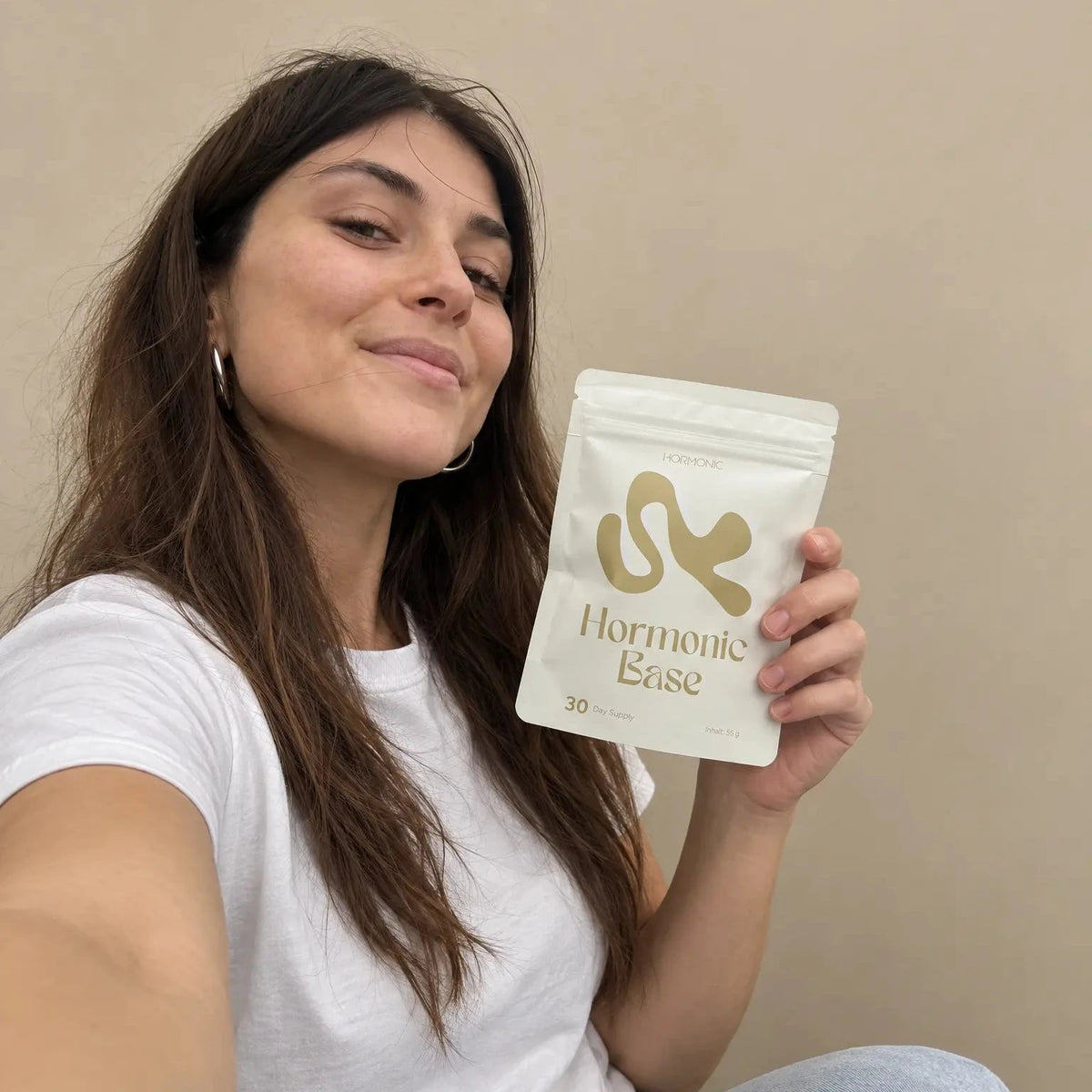
Hormonic Base - Hormonic - Nahrungsergänzungsmittel
Sale price€65,00
(5.0)
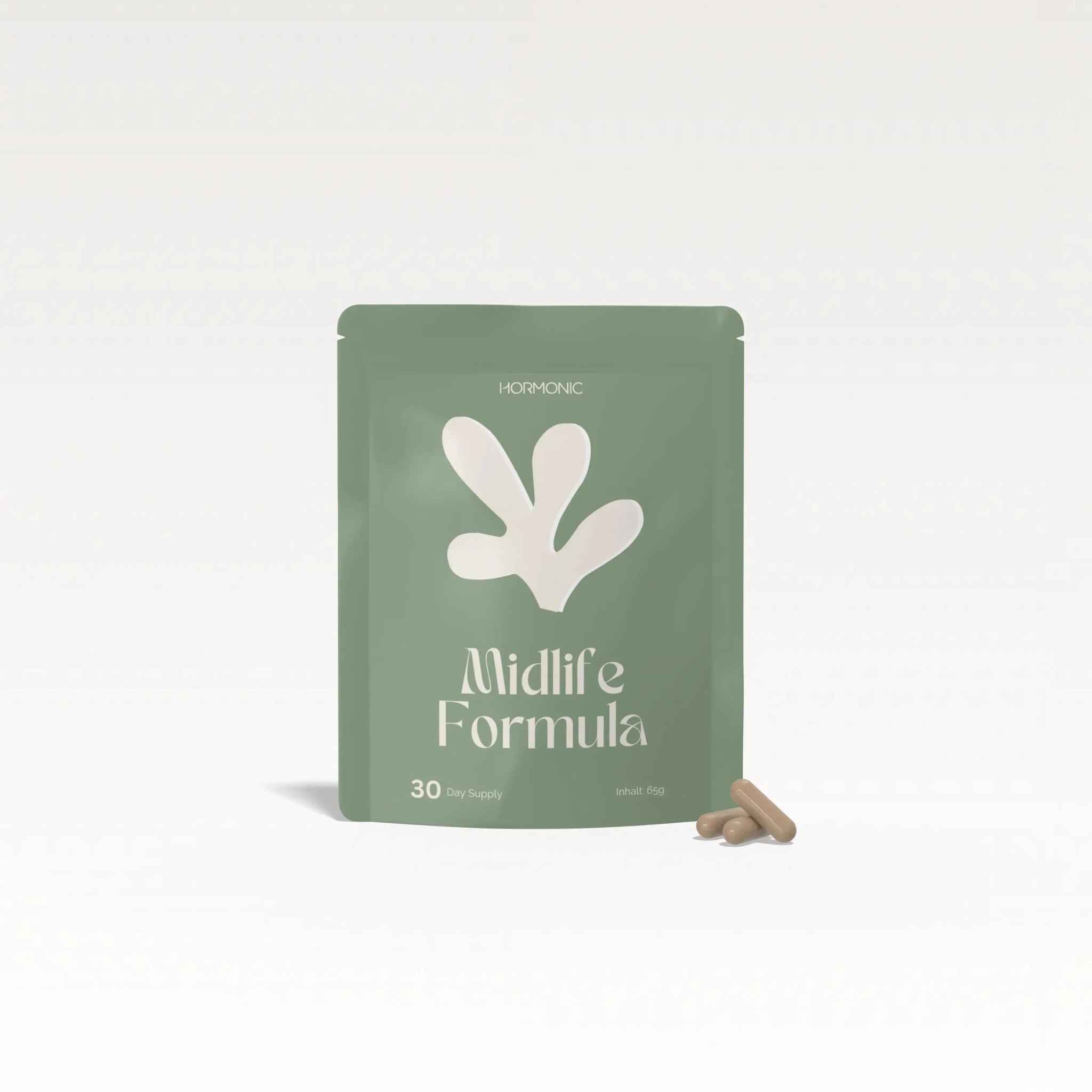
Midlife Formula - Hormonic - Nahrungsergänzungsmittel
Sale price€75,00
(5.0)
Eizellqualität verbessern: Was wirklich funktioniert - Hormonic
FruchtbarkeitOct 24, 20248 min read

Improve Egg Quality: What Really Works

This article is part of: Fertility Boost: How Nutrition and Supplements Can Improve the Chances of Getting Pregnant

As a doctor, there is hardly a question I hear more often in my consultations than this one: can I do anything at all for the quality of my eggs, or is it all just a matter of age? The honest answer lies somewhere in between. The number of your eggs is fixed, but their quality is not purely a question of age.

In this article I put into context which factors really influence egg quality and what you can do in the window of roughly 90 days before fertilisation. It is about realistic support, not miracles, and always about an honest appraisal of the evidence.

Can you improve egg quality?

The number of eggs cannot be increased, but their quality can be influenced. Before ovulation, every egg goes through a maturation process lasting around 90 days, and it is precisely in this window that nutrition, sleep, exercise and micronutrient supply take effect. Studies suggest that oxidative stress, inflammation and insulin metabolism can be influenced favourably, which is linked to a better environment for egg maturation. This is no guarantee of a pregnancy, but it is a meaningful lever.

Influencing factor What the studies suggest
Oxidative stress Puts strain on the egg's mitochondria; antioxidants have been discussed as protective.
Coenzyme Q10 Observed in studies around assisted reproduction with better markers of egg quality.
Insulin resistance Disrupts ovulation and maturation; myo-inositol is being studied here.
Age The single most important factor; from around age 35 quality declines more sharply.

What worsens egg quality

Many influences of modern life can put strain on egg quality. Oxidative stress is central to this: the mitochondria, the cell's power plants, provide the energy for egg maturation. If the balance between free radicals and the body's own protection is thrown off, the sensitive mitochondria can be damaged. With age, this protective capacity decreases, which is why antioxidants receive particular attention in research.

Chronic, low-grade inflammation and insulin resistance are also linked to poorer egg maturation. In PCOS, the two often coincide: elevated insulin levels can stimulate androgen production in the ovaries and thereby disrupt ovulation. And finally, the liver and gut play an indirect role, because they are involved in the breakdown and regulation of estrogen.

Coenzyme Q10 and antioxidants: what the studies show

Coenzyme Q10 receives the most attention. It is involved in energy production in the mitochondria and at the same time acts as an antioxidant. In a meta-analysis of randomised trials on assisted reproduction, coenzyme Q10 supplementation was associated with better markers of egg quality (Florou et al., 2020), and one randomised trial observed a better ovarian response in women with a diminished egg reserve (Xu et al., 2018). A Cochrane review of antioxidants for those trying to conceive, however, honestly rated the overall evidence as still uncertain (Showell et al., 2020). You can read more about this in our article on coenzyme Q10 for the eggs.

DHEA is also discussed in the context of a diminished egg reserve. In a meta-analysis it did increase the number of eggs retrieved, but a clear benefit for live births could not be reliably demonstrated (Xu et al., 2019). DHEA is a hormone and belongs exclusively in the hands of a doctor, not in self-medication.

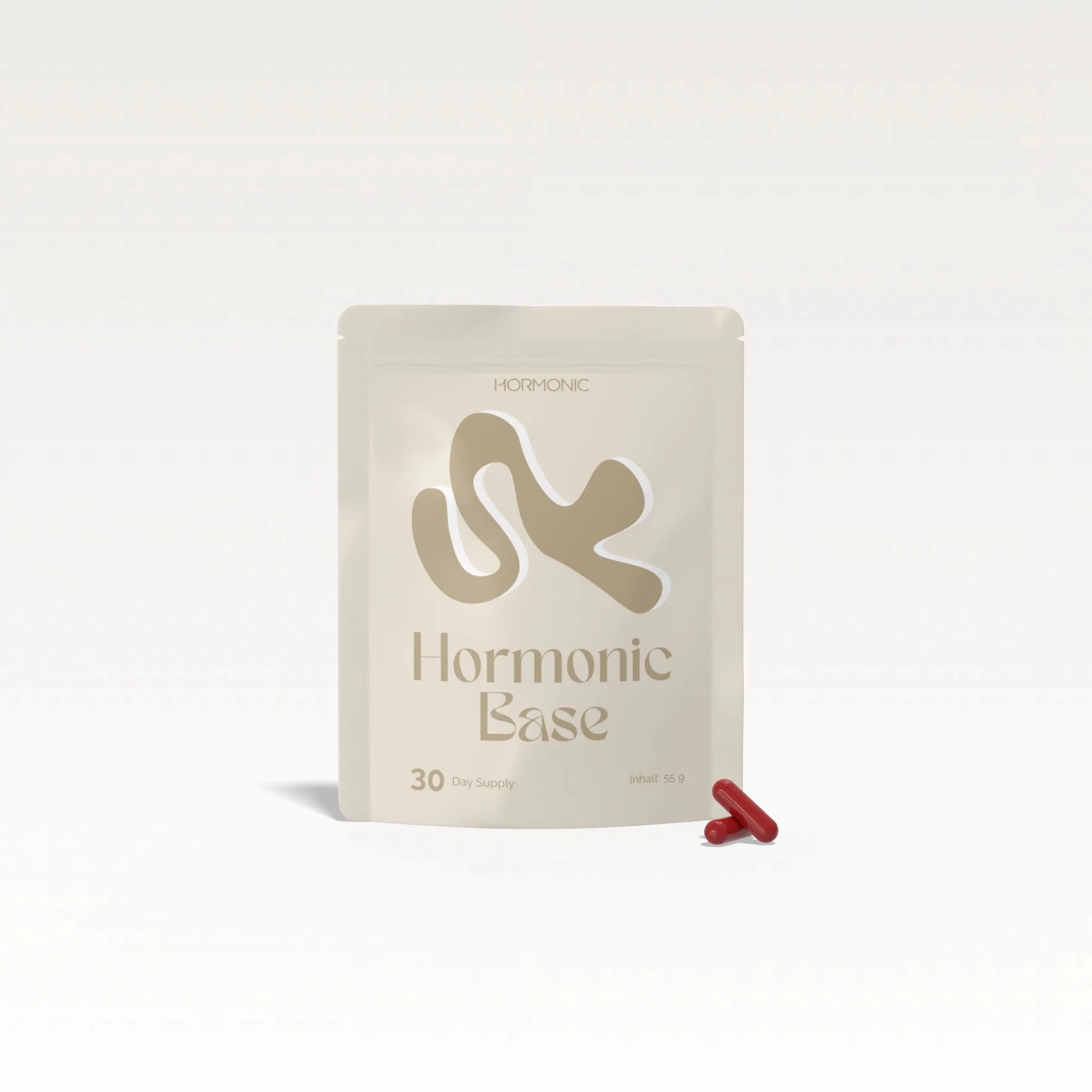
Hormonic Base: the foundation for egg health

Hormonic Base delivers 16 micronutrients as a daily foundation, including coenzyme Q10, folate, zinc and selenium. Folate contributes to the growth of maternal tissue during pregnancy, zinc to normal fertility and reproduction, and zinc and selenium to the protection of cells from oxidative stress. Expert-developed, produced in Austria.

€65,00

Strengthen your foundation

Nutrition and micronutrients for egg quality

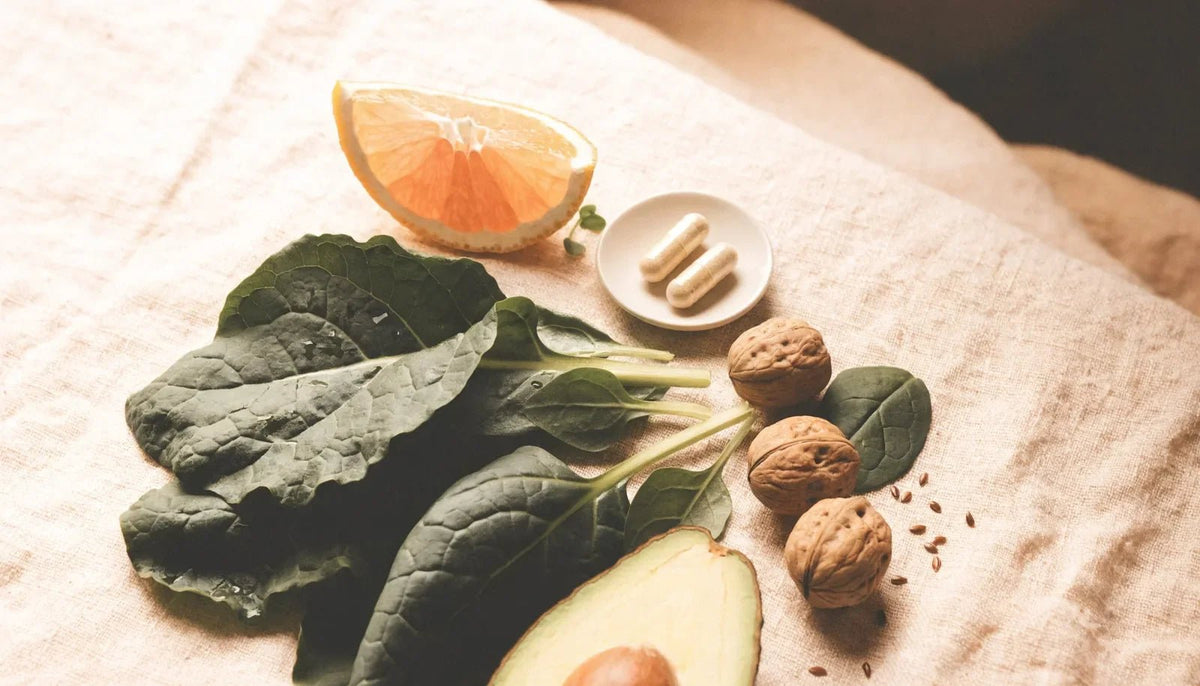
Because egg maturation takes around 90 days, it is worth looking at your daily nutrient supply. A mainly plant-based, Mediterranean diet with plenty of vegetables, legumes, good oil and fish provides the foundation. Some micronutrients are studied particularly often here:

  • Coenzyme Q10: involved in energy production in the mitochondria and studied in research around egg quality.
  • Folate: contributes, according to EFSA, to the growth of maternal tissue during pregnancy and is central when trying to conceive.
  • Zinc: contributes, according to EFSA, to normal fertility and reproduction as well as to the protection of cells from oxidative stress.
  • Selenium: contributes, according to EFSA, to the protection of cells from oxidative stress and to normal thyroid function.
  • Myo-inositol: is researched above all in PCOS and insulin resistance in connection with ovulation and the cycle.

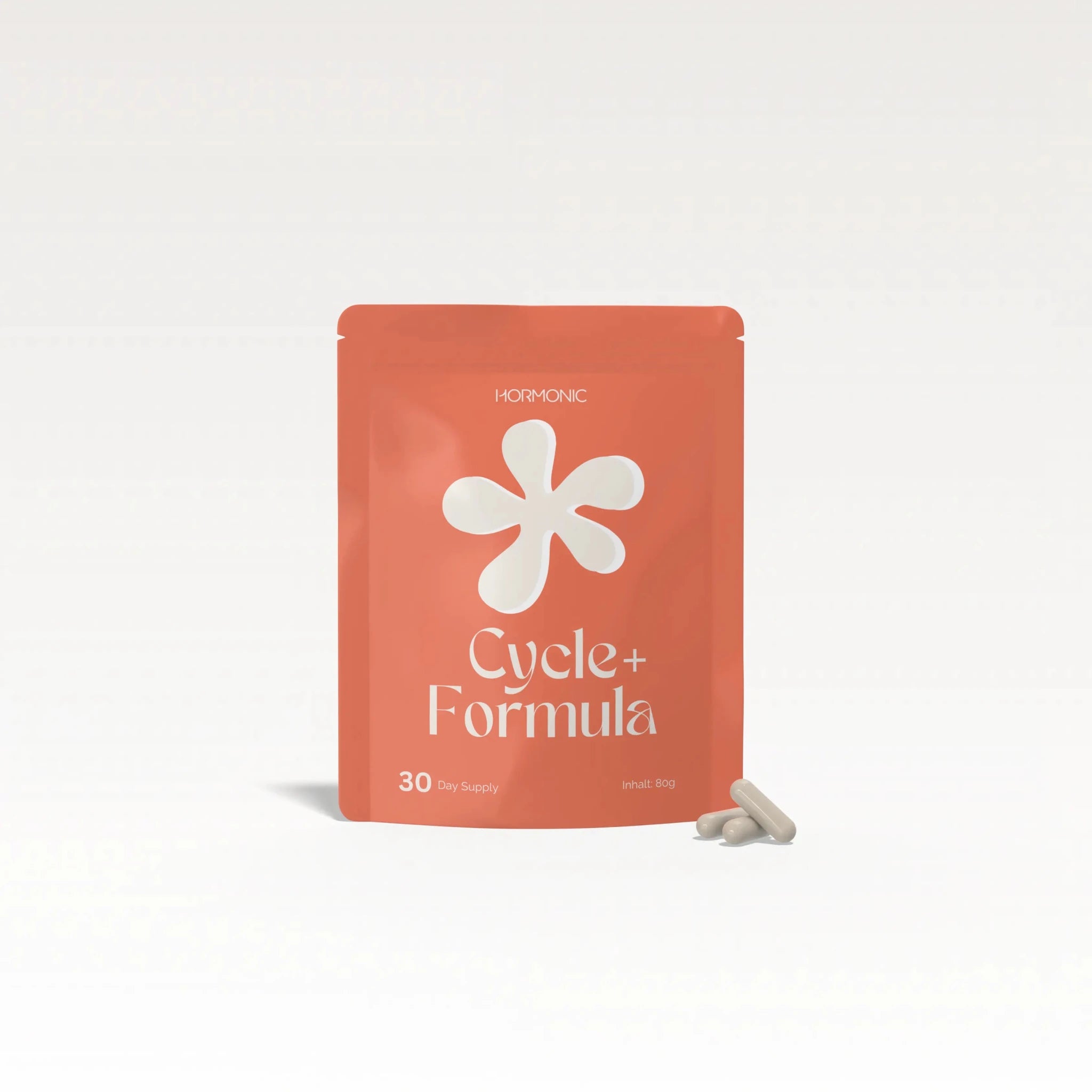
Our Hormonic Base builds on exactly this logic: it delivers 16 micronutrients as a daily foundation, including coenzyme Q10, folate, zinc and selenium. Folate contributes to the growth of maternal tissue during pregnancy, zinc to normal fertility and reproduction, and zinc and selenium to the protection of cells from oxidative stress. If you also want targeted support for your cycle, you will find myo-inositol and zinc in the Cycle+ Formula. Both are intended as a supplement, not a treatment.

Which other nutrients matter when trying to conceive, you can read in our overview of nutrients for conception, specifically about inositol in our article on myo-inositol for PCOS and about the fatty acids in omega-3 for conception.

If you are unsure what makes sense for your fertility journey, it is best to clarify this in a free intro call or with your gynaecologist.

Unsure what makes sense for your fertility journey?

In a free, 15-minute intro call, our wellness team helps you make sense of your questions about egg quality, your cycle and nutrients, with no obligation. Comfortably from home, with no waiting times.

Book a free intro call

Conclusion

The number of your eggs is fixed, but you can help shape their quality through your lifestyle. In the window of roughly 90 days before fertilisation, nutrition, sleep, exercise and a good handle on oxidative stress and insulin all take effect. For coenzyme Q10 and antioxidants there are promising but not yet conclusive signals, and myo-inositol is interesting above all in PCOS. Understand these building blocks as meaningful support, not a guarantee, and seek medical guidance when trying to conceive.

Frequently Asked Questions About Egg Quality

Can you improve egg quality?

Yes, though only to a limited extent. The number of eggs cannot be changed, but their quality can be influenced through your lifestyle. Because an egg matures over roughly 90 days, nutrition, sleep, exercise and micronutrients take effect above all in this window. This is no guarantee of a pregnancy.

How long does it take to improve egg quality?

Plan for at least three months. An egg maturation cycle takes about 90 days, which is why nutrition and micronutrients only unfold their effect over this period. Measures should therefore be started early and followed consistently.

Which micronutrients are important for egg quality?
In research, coenzyme Q10, folate, vitamin D, zinc, selenium and omega-3 fatty acids in particular are discussed in connection with egg health. They are linked to mitochondrial function and protection from oxidative stress. According to EFSA, zinc contributes to normal fertility and reproduction.
Can you improve egg quality with PCOS?
In PCOS, ovulation and egg maturation are often impaired by insulin resistance and elevated androgens. Here, myo-inositol in particular is being studied, as it is linked to insulin signalling and ovulation. A balanced diet and exercise provide additional support.

Scientific Sources

  • Florou, P. et al. (2020). Does coenzyme Q10 supplementation improve fertility outcomes in women undergoing assisted reproductive technology procedures? A systematic review and meta-analysis of randomized-controlled trials. Journal of Assisted Reproduction and Genetics, 37(10), 2377-2387. doi:10.1007/s10815-020-01906-3
  • Xu, Y. et al. (2018). Pretreatment with coenzyme Q10 improves ovarian response and embryo quality in low-prognosis young women with decreased ovarian reserve: a randomized controlled trial. Reproductive Biology and Endocrinology, 16(1), 29. doi:10.1186/s12958-018-0343-0
  • Showell, M. G. et al. (2020). Antioxidants for female subfertility. Cochrane Database of Systematic Reviews, 8, CD007807. doi:10.1002/14651858.CD007807.pub4
  • Xu, L. et al. (2019). The Effect of Dehydroepiandrosterone (DHEA) Supplementation on IVF or ICSI: A Meta-Analysis of Randomized Controlled Trials. Geburtshilfe und Frauenheilkunde, 79(7), 705-712. doi:10.1055/a-0882-3791
  • Wallace, W. H. B. & Kelsey, T. W. (2010). Human Ovarian Reserve from Conception to the Menopause. PLoS ONE, 5(1), e8772. doi:10.1371/journal.pone.0008772
  • Fitz, V. et al. (2024). Inositol for Polycystic Ovary Syndrome: A Systematic Review and Meta-analysis. Journal of Clinical Endocrinology & Metabolism, 109(6), 1630-1655. doi:10.1210/clinem/dgad762

About the Author

Lisa Maria Emmer

Lisa Maria Emmer

Founder · Physician · Hormonic

Lisa Maria Emmer is a doctor and co-founder of Hormonic. She combines clinical experience with an evidence-based approach to women's health, micronutrients, and hormonal balance.

Note: This article is based on current guidelines and scientific work (as of 2026). It is for informational purposes only and does not replace medical advice, diagnosis, or treatment.

Share

You might also be interested in this.
Kinderwunsch? Diese Nährstoffe machen laut Studien den Unterschied - Hormonic
FruchtbarkeitOct 21, 20249 min read
Fertility Boost: How Nutrition and Supplements Can Improve the Chances of Getting Pregnant

Which nutrients really help with fertility? We provide an evidence-based classification of folic acid, CoQ10, myo-inositol, omega-3, and diet, for women and men.
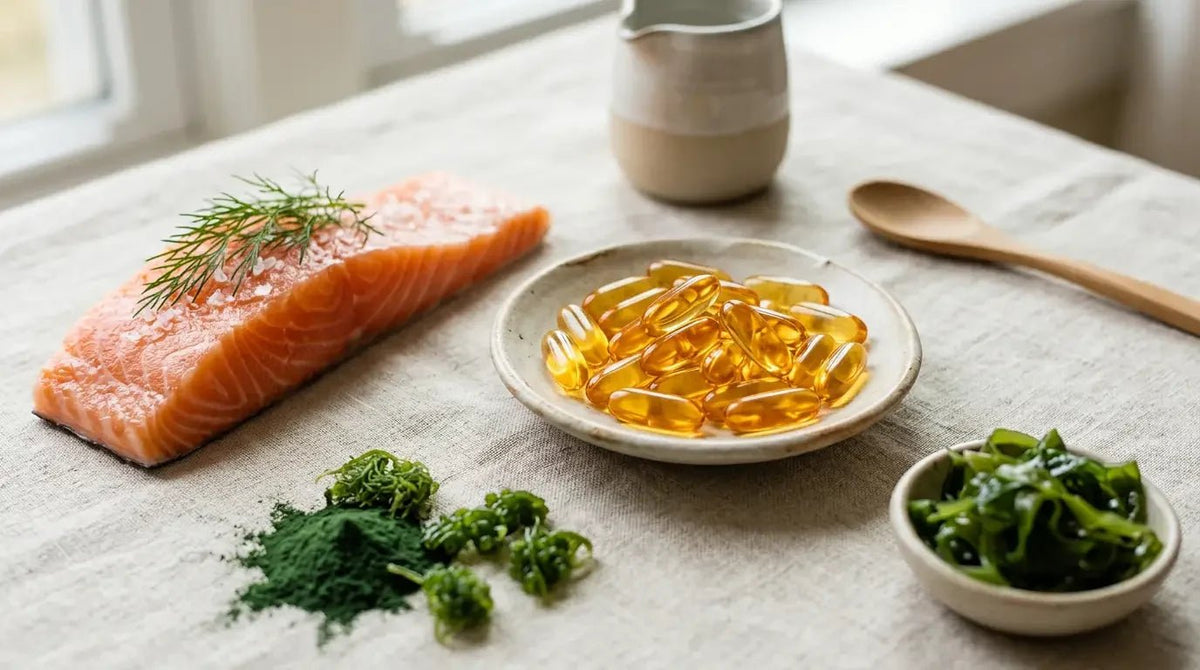
Omega-3 bei Kinderwunsch: Was Studien für Frauen zeigen - Hormonic
FruchtbarkeitAug 3, 20267 min read
Omega-3 for Women Trying to Conceive: What Studies Show

Omega-3 for Fertility: What studies show about fertility, egg quality and pregnancy, which DHA claims are approved, and how much is beneficial.

Coenzym Q10 bei Frauen: Energie, Eizellen und Zellschutz - Hormonic
MikronährstoffeJul 10, 20268 min read
Coenzyme Q10 in Women: Energy, Egg Cells, and Cell Protection

What does Coenzyme Q10 do for women? What studies show about egg quality, PCOS, and energy, and how to realistically assess it.