Cart

Your cart is empty

Continue shopping

Trending searches

Featured products

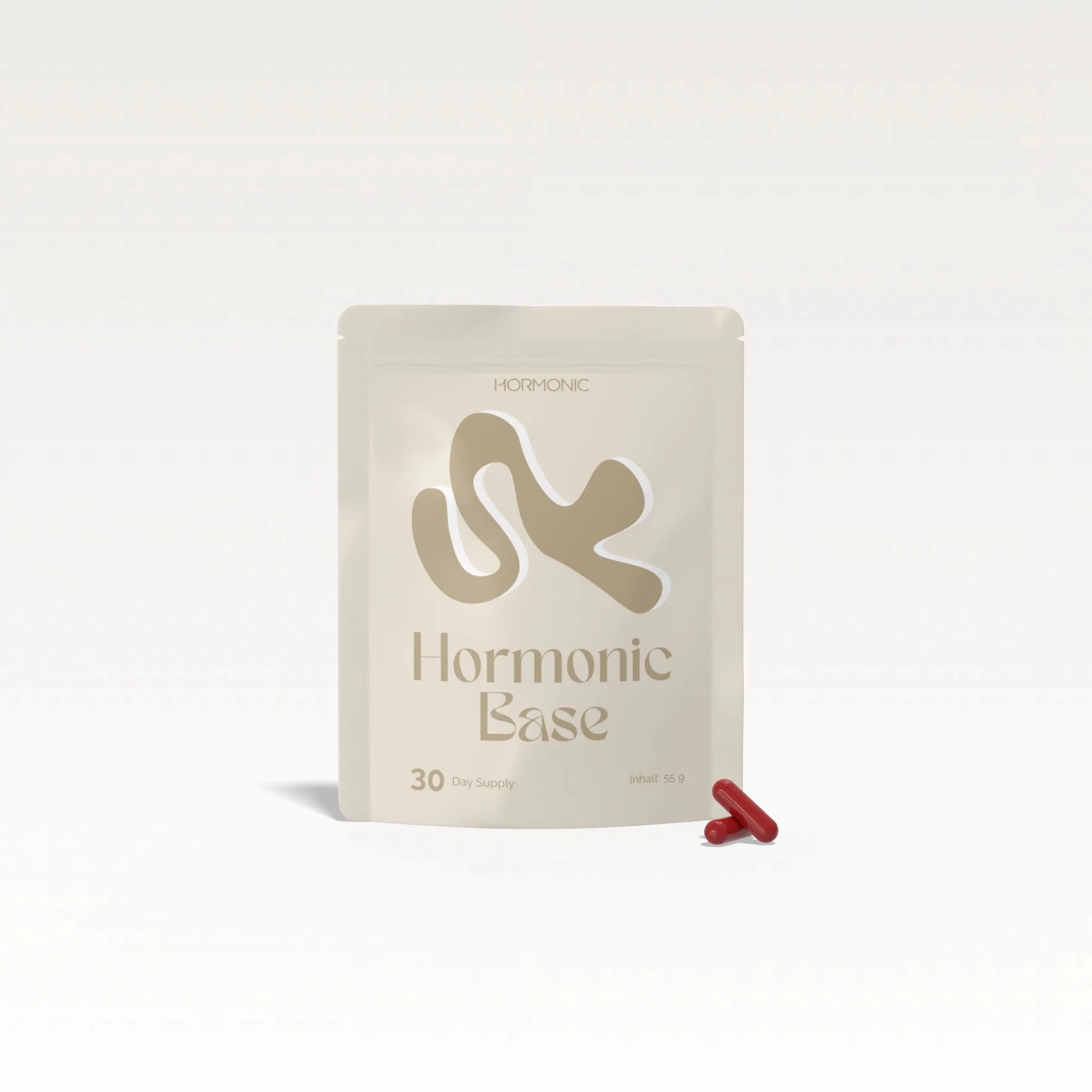
Hormonic Base - Hormonic - Nahrungsergänzungsmittel
Sale price€65,00
(5.0)
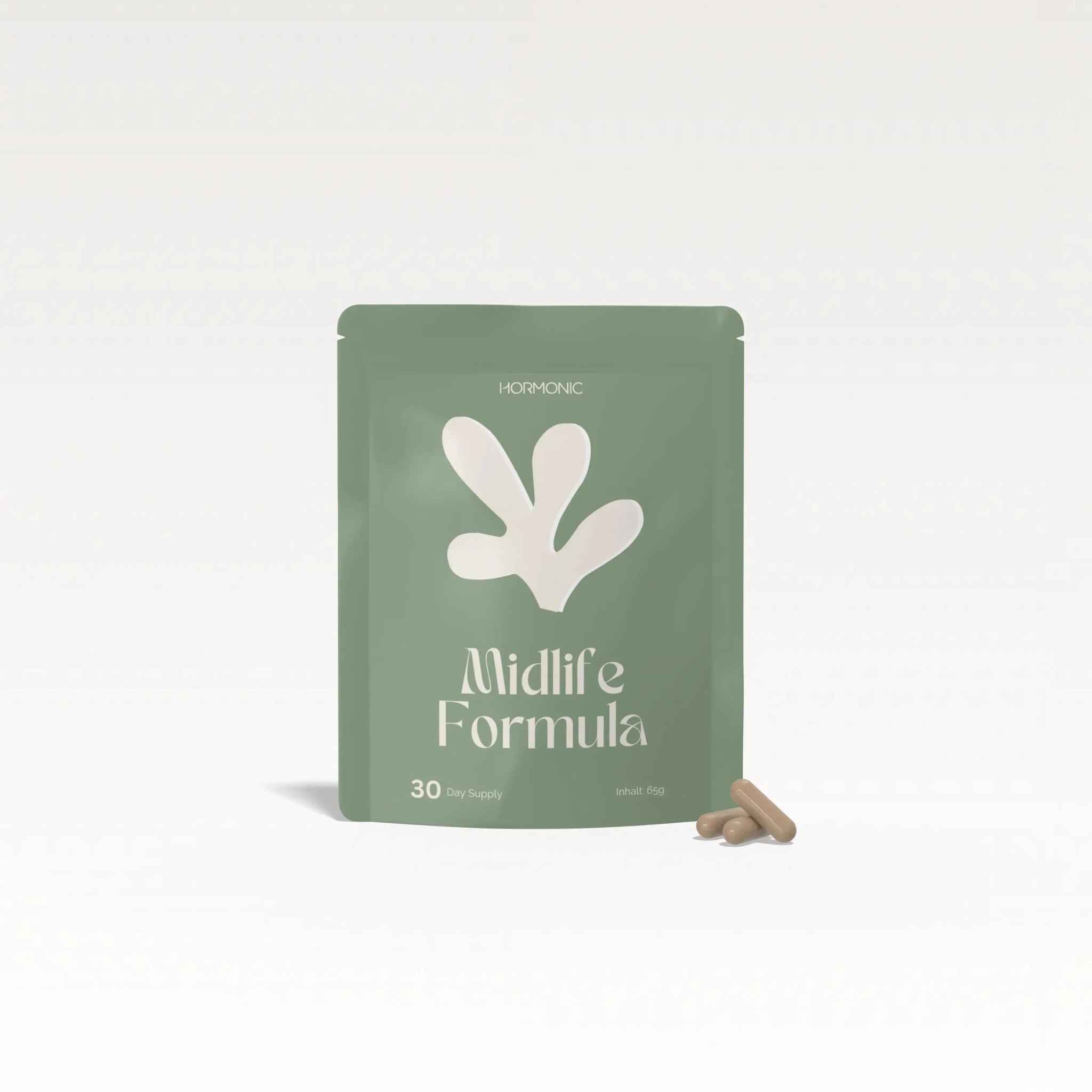
Midlife Formula - Hormonic - Nahrungsergänzungsmittel
Sale price€75,00
(5.0)
Kupferspirale vs. Hormonspirale: Der komplette Vergleich - Hormonic
VerhütungJan 13, 20267 min read

Copper IUD vs. Hormonal IUD: The Complete Comparison

Copper IUD or hormonal IUD? Both are long-acting and pill-free. This doctor-reviewed comparison explains their effects, side effects, and which method is better suited for whom.

In short

The copper IUD and the hormonal IUD are both small, T-shaped contraceptives that are inserted into the uterus by a gynecologist and work for several years. The key difference: the copper IUD prevents pregnancy completely hormone-free via copper ions, while the hormonal IUD releases the progestin levonorgestrel locally.

The key points at a glance
  • Both IUDs (intrauterine devices) are among the safest contraceptive methods there are, with a Pearl Index below 1.
  • The copper IUD works hormone-free via copper ions and is effective for 3 to 10 years depending on the model.
  • The hormonal IUD releases levonorgestrel locally, works for 3 to 5 years and usually makes bleeding lighter.
  • Typical: with the copper IUD your period often becomes heavier and longer, with the hormonal IUD lighter or it stops altogether.
  • Neither protects against sexually transmitted infections.
  • Which IUD suits you better depends on your bleeding, your tolerance of hormones and your preferences, not on a one-size-fits-all rule.

By Lee Paulina Pape · Founder · MSc Psychology · Hormonic

If you want to prevent pregnancy without having to think about a pill every day, sooner or later you end up considering an IUD. And then the question that occupies many women: copper IUD or hormonal IUD? Both sit in the uterus, both work for years, both are considered very safe, and yet they could hardly be more different.

The most important difference is already in the name: one prevents pregnancy completely hormone-free, the other via a locally acting progestin. That changes a lot, from bleeding to possible side effects to the question of whom each method suits. This comparison sorts through the facts, medically reviewed and without scaremongering, so you can make the decision well-informed together with your gynecologist.

Copper IUD or hormonal IUD – what's the difference?

Both methods are so-called intrauterine devices, i.e. small T-shaped bodies that are placed in the uterus. The copper IUD is wrapped with a fine copper wire and continuously releases copper ions, which impair the mobility of sperm and prevent fertilization, entirely without hormones. The hormonal IUD instead contains a reservoir with the progestin levonorgestrel, which it releases in small amounts directly into the uterus. Both are highly effective with a Pearl Index below 1, but differ markedly in how they work and in their side effects. The following table shows the most important points in a direct comparison.

Feature Copper IUD Hormonal IUD
How it works Copper ions immobilise sperm and prevent fertilization Levonorgestrel thickens the cervical mucus, inhibits sperm and thins the lining
Hormones No – completely hormone-free Yes – local progestin (levonorgestrel)
Duration of action 3 to 10 years depending on the model 3 to 5 years depending on the product
Bleeding often heavier, longer and more crampy usually lighter and shorter; in up to one in two women it stops altogether
Typical side effects heavier menstrual bleeding, spotting, lower abdominal cramps spotting at first, plus possible: breast tenderness, headaches, skin changes, low mood
Who it suits Women who want hormone-free contraception or don't tolerate hormones Women with heavy, painful periods or estrogen intolerance
Did you know?

The copper IUD also works as emergency contraception: it can be inserted up to five days after unprotected intercourse and is then the most reliable form of emergency contraception, significantly more effective than the morning-after pill.
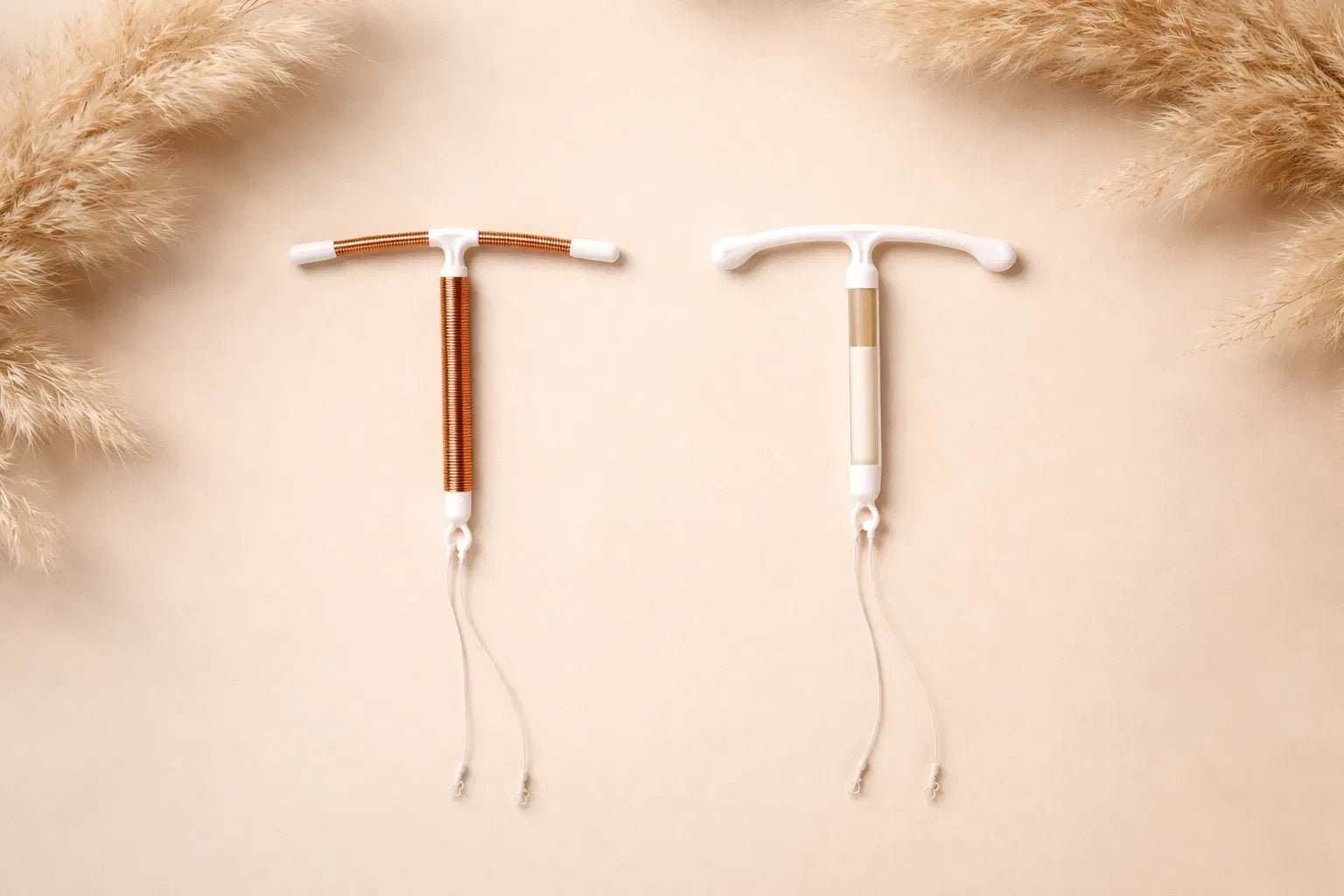
The copper IUD (hormone-free)

The copper IUD is a small plastic body wrapped with a thin copper wire. Inside the uterus it continuously releases tiny amounts of copper ions. These ions reduce the mobility and viability of sperm and trigger a mild local reaction in the uterus that prevents fertilization and implantation. All of this happens without a single hormone, which is why the natural cycle, including ovulation, is preserved.

Depending on the model, the copper IUD works for three to ten years. With a Pearl Index of about 0.3 to 0.8 it is one of the safest methods there is, and in everyday life more reliable than the pill, because there is nothing to remember daily. After it has been inserted, you no longer have to worry about anything.

The most common reason women struggle with the copper IUD is bleeding. Studies and clinical experience have shown that periods on copper often become heavier, longer and more crampy, especially in the first months. Spotting and intermenstrual bleeding can also occur at first. In some women this settles over time, in others the bleeding stays heavier than before.

The copper IUD is therefore especially interesting for women who consciously want hormone-free contraception, who don't tolerate hormones or should avoid them for medical reasons, and who start out with a fairly normal to light period. Anyone who already suffers from very heavy or painful bleeding is usually less well served by it.

Support your body hormone-free

Whichever contraception you choose: with the right micronutrients you give your body a good daily foundation, completely hormone-free. Hormonic Base combines 16 micronutrients such as magnesium, zinc and vitamin B6. Magnesium contributes to a normal energy metabolism and to the normal function of the nervous system, vitamin B6 to the regulation of hormonal activity, and zinc to normal fertility and reproduction.

€65,00

Discover Hormonic Base

The hormonal IUD (levonorgestrel)

The hormonal IUD looks confusingly similar to the copper IUD but works quite differently. Instead of copper, it carries a small reservoir of the progestin levonorgestrel, which it releases continuously and in a very low dose directly into the uterus. The hormone thickens the mucus at the cervix so that sperm can barely get through, additionally inhibits their mobility and thins the uterine lining. In some women, ovulation is also temporarily suppressed.

Depending on the product, the hormonal IUD works for three to five years. With a Pearl Index of around 0.2 it is even slightly safer than the copper IUD. Because the levonorgestrel acts predominantly locally, the amounts of hormone in the blood are considerably lower than with the pill, so systemic side effects are rarer, though not ruled out.

For many women, bleeding is precisely the big advantage: on the hormonal IUD it usually becomes lighter, shorter and less painful, and in up to one in two women it stops altogether after a few months. That is why the hormonal IUD is also used for very heavy or painful periods. In the first months, however, irregular spotting is normal until the body has adjusted.

Since a hormone is involved after all, some women report breast tenderness, headaches, skin changes such as acne, low mood or a declining libido. Whether the hormonal IUD leads to weight gain is not scientifically clearly proven: larger analyses showed no clear, causal link between levonorgestrel IUDs and a significant increase in weight. How you react to a progestin, however, remains individual. You can read in detail how the hormonal IUD specifically differs from the classic pill in our comparison the pill or the hormonal IUD.

The hormonal IUD is therefore particularly suitable for women with heavy, long or painful periods, for anyone with an estrogen intolerance (as it contains no estrogen) and for anyone looking for very reliable, low-maintenance contraception who copes well with a local progestin.

Unsure which contraception is right for you?

In a free intro call with our wellness team, we talk through your hormonal history, symptoms and wishes, and help you make your decision.

Book a free intro call

Which IUD suits whom?

The honest answer is: there is no blanket better. The right choice depends above all on your bleeding and your relationship with hormones.

  • Do you want hormone-free contraception, tolerate hormones poorly or have a fairly light period? Then there's a lot to be said for the copper IUD.
  • Do you have a very heavy, long or painful period, an estrogen intolerance or wish for lighter bleeding? Then the hormonal IUD is often the better choice.
  • In both cases: neither IUD protects against sexually transmitted infections; for that you additionally need a condom.

Which method ultimately suits your body and your life is best decided together with your gynecologist, who knows your history.

After removal: what happens to the body

Both IUDs can be removed by your gynecologist at any time, and fertility returns quickly afterwards. With the hormone-free copper IUD the cycle was never paused anyway; it simply continues as normal. After the hormonal IUD, the body usually only needs to briefly readjust, since the hormone amounts were low from the start.

If you're coming off hormonal contraception and want to support your body during the switch, our guide coming off the pill has many transferable tips, and if hair is on your mind, it's worth looking at hair loss after coming off the pill.

Regardless of which contraception you choose: you can support your body during this time completely hormone-free with the right micronutrients. Magnesium and vitamin B6, for example, contribute to a normal energy metabolism and to the normal function of the nervous system, and vitamin B6 additionally to the regulation of hormonal activity.

Frequently Asked Questions About Copper and Hormonal IUDs

What is better, the copper IUD or the hormonal IUD?

Neither is better across the board. The copper IUD provides hormone-free contraception and suits women who want to avoid hormones and have a rather light period. The hormonal IUD usually makes bleeding lighter and is a good fit for heavy or painful periods as well as estrogen intolerance. Both are very safe with a Pearl Index below 1. Which one suits you depends on your bleeding, your tolerance of hormones and your preferences.

What side effects does the copper IUD have?

The most common side effect of the copper IUD is a heavier, longer and more crampy period, especially in the first months. Spotting, intermenstrual bleeding and lower abdominal cramps also occur. Because the copper IUD is completely hormone-free, typical hormonal side effects don't appear. In rare cases the IUD can shift or be expelled, which is why regular check-ups make sense.

Do you gain weight with the hormonal IUD?

A clear, causal link between the hormonal IUD and weight gain is not scientifically proven. Larger analyses found no clear effect of levonorgestrel IUDs on body weight. Because the hormone acts predominantly locally in the uterus, the amounts of hormone in the blood are low. How individual women respond to a progestin, however, remains individually different.

How safe is the copper IUD?

With a Pearl Index of about 0.3 to 0.8, the copper IUD is among the safest contraceptive methods there is, and in everyday life more reliable than the pill because there's nothing to remember daily. Depending on the model, it protects for three to ten years. It can also be used up to five days after unprotected intercourse as a particularly effective emergency contraceptive. It does not, however, protect against sexually transmitted infections.

Wissenschaftliche Quellen

  • World Health Organization (2015). Medical Eligibility Criteria for Contraceptive Use, 5th edition. WHO, Genf.
  • Bundeszentrale für gesundheitliche Aufklärung (BZgA): Kupferspirale und Hormonspirale. familienplanung.de (abgerufen 2026).
  • Kulier, R. et al. (2007). Copper containing, framed intra-uterine devices for contraception. Cochrane Database of Systematic Reviews, (4), CD005347. doi:10.1002/14651858.CD005347.pub3
  • Berufsverband der Frauenärzte e.V.: Intrauterinpessar / Kupferspirale. frauenaerzte-im-netz.de (abgerufen 2026).
  • Faculty of Sexual & Reproductive Healthcare (FSRH, 2023). Clinical Guideline: Intrauterine Contraception. FSRH, London.
  • Bahamondes, L., Fernandes, A., Monteiro, I., Bahamondes, M. V. (2020). Long-acting reversible contraceptive (LARCs) methods. Best Practice & Research Clinical Obstetrics & Gynaecology, 66, 28-40. doi:10.1016/j.bpobgyn.2019.12.002

About the Author

Lee Paulina Pape

Founder · MSc Psychology · Hormonic

Lee is a psychologist (MSc) and co-founder of Hormonic. As CEO, she makes women's hormonal health understandable and accessible.

This article is for informational purposes only and does not replace medical advice. Please discuss with your gynecologist which contraception method is suitable for you.

Share

You might also be interested in this.

Die Pille vs. Hormonspirale im Vergleich: Was ist besser? - Hormonic
VerhütungOct 9, 20259 min read
The pill vs. the hormonal IUD: Which is better?

The pill or the hormonal IUD? We explain the scientifically sound effects, advantages, and risks of both contraceptives and provide you with medically reviewed guidance to help you make an informed...

Pille absetzen: Symptome, Zyklus & was du beachten solltest - Hormonic
VerhütungJul 23, 202411 min read
Coming off the pill: Symptoms, your cycle & what you should know

Are you considering coming off the pill, or have you already done so? This guide explains, based on evidence, what happens in your body, which symptoms are typical, and how long it takes for your n...

Haarausfall nach Absetzen der Pille: Ursachen, Dauer & was hilft - Hormonic
Haut & HaareMar 24, 20258 min read
Hair Loss After Stopping the Pill: Causes, Duration & What Helps

You’ve stopped taking the pill and are suffering from hair loss? You’re not alone. According to a recent study, this affects a full 26% of all women who stop taking the pill. Despite the significan...