



At-Home Hormone Insights Kit

The most precise hormone insights for women – simply from home.
✔ Comprehensive analysis – Important hormone markers such as AMH, Estradiol, Testosterone, Progesterone, Cortisol & more
✔ Trusted, high-quality analysis – Performed with care for maximum precision
✔ Easy to use – Simple at-home sample for reliable results
✔ Fast results & individual evaluation – Sound interpretation of your values with expert recommendations
Your hormones influence everything – from your cycle to your skin, energy, weight, mood, and sleep. Yet, hormonal imbalances often go undetected because they are rarely checked. With our at-home hormone insights kit, you can finally get clarity.
With our At-Home Hormone Insights Kit, you receive a comprehensive analysis of your most important hormone and metabolic levels – conveniently from home. Our trusted partner helps guarantee the highest quality and reliable results.
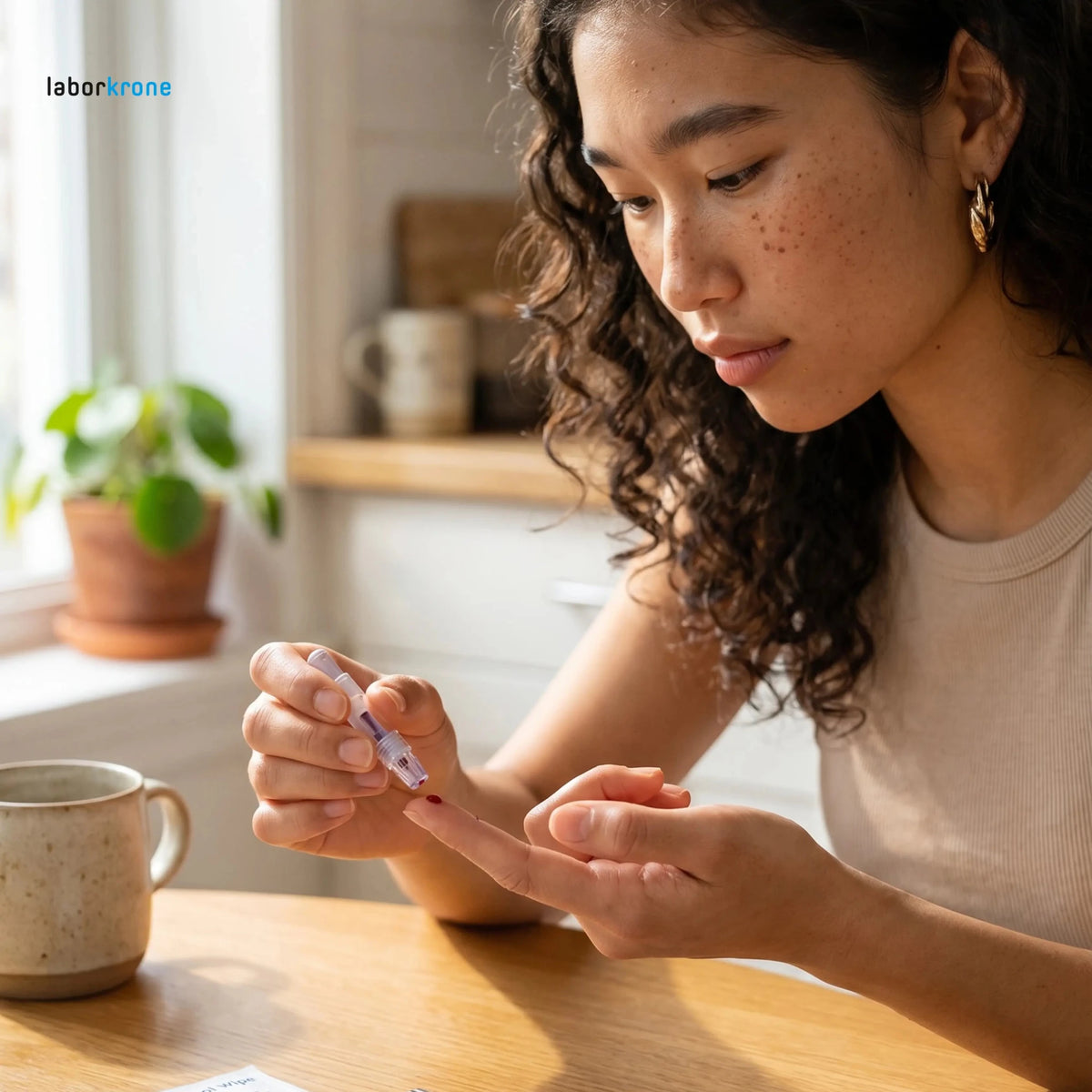
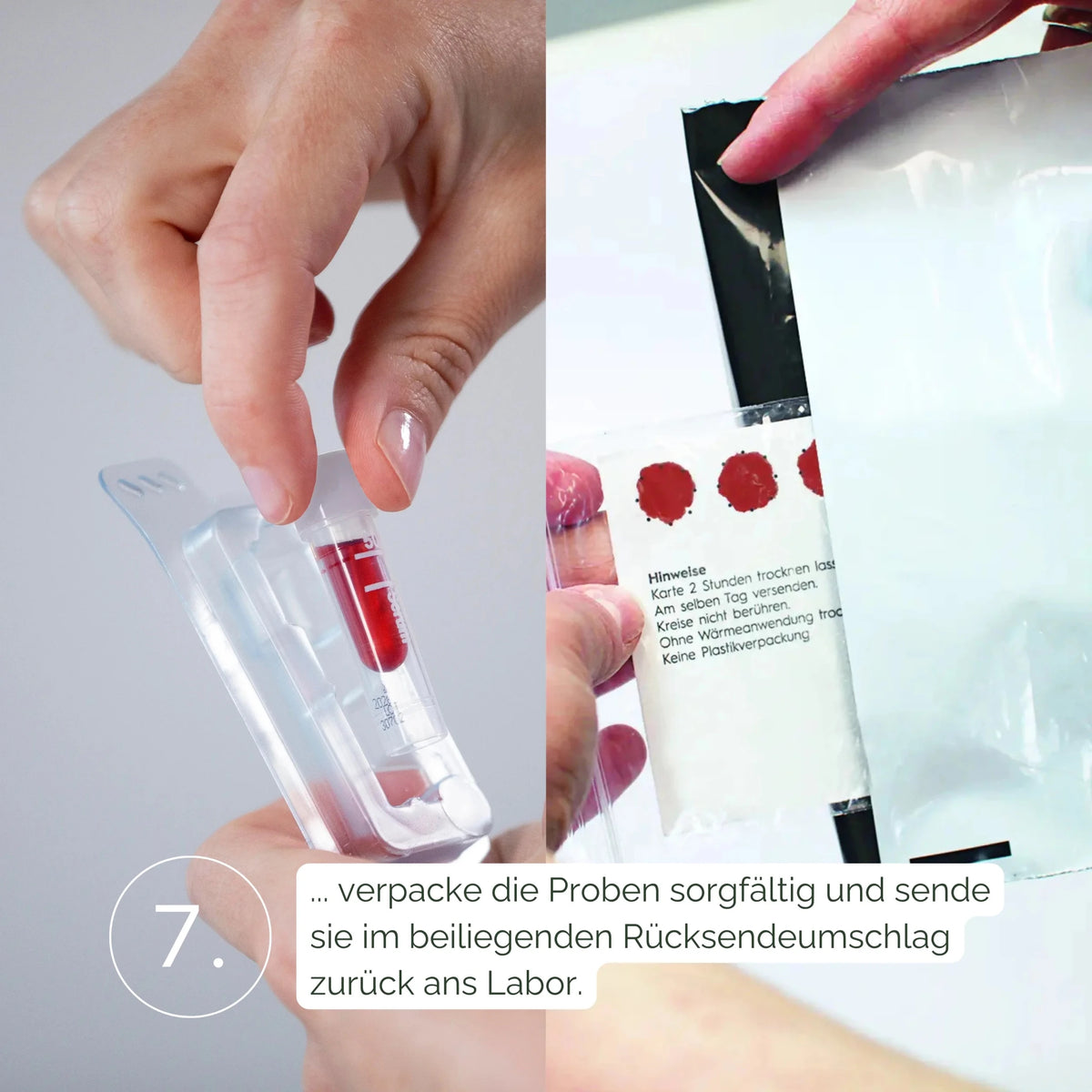
The kit uses a simple at-home sample for precise and stable results. After collecting the sample, you send it back and your values are carefully analyzed. You will then receive a detailed interpretation of the results with scientifically sound recommendations.
The included markers enable a holistic view of your hormonal health and help detect potential imbalances early on.
Our at-home hormone insights kit uses a simple, modern at-home sampling method for accurate and stable results. It allows for a reliable measurement of your hormone levels in their biologically relevant form.
The kit includes a comprehensive analysis of the following markers:
- Sex hormones and fertility markers: Estradiol, Progesterone, Testosterone, DHEAS, Androstenedione, AMH
- Stress hormones: Cortisol
- Metabolism & Inflammation: hs-CRP, Vitamin D, 17-Hydroxyprogesterone
Choosing the right time for collection is crucial for a meaningful hormone analysis. Many hormone levels vary depending on the cycle phase, which is why the collection times should be carefully selected:
✔ In the morning (fasting) – Hormones such as cortisol and insulin are subject to a circadian rhythm and are most stably measurable in the morning. In addition, a morning collection avoids possible distortions due to meals or daily stressors.
✔ Cycle day 5–10 (follicular phase) – At this time, the basal hormone profile (FSH, LH, estradiol, AMH) can best be determined to draw conclusions about the ovarian reserve and cycle status.
✔ Cycle day 19–25 (luteal phase) – Especially for the assessment of progesterone, collection in the second half of the cycle is crucial, as this hormone is only produced in relevant quantities after ovulation. The ratio of progesterone to estrogen can also be optimally evaluated here.
By adhering to these time windows, you will obtain the most precise and comparable values for a well-founded hormonal analysis.
Developed by experts
Tested in Germany
100% plant-based
Free shipping on orders over €100
Wellness guidance
Your Journey
Four steps to more clarity
From your first check-in to ongoing support – no matter where you are.
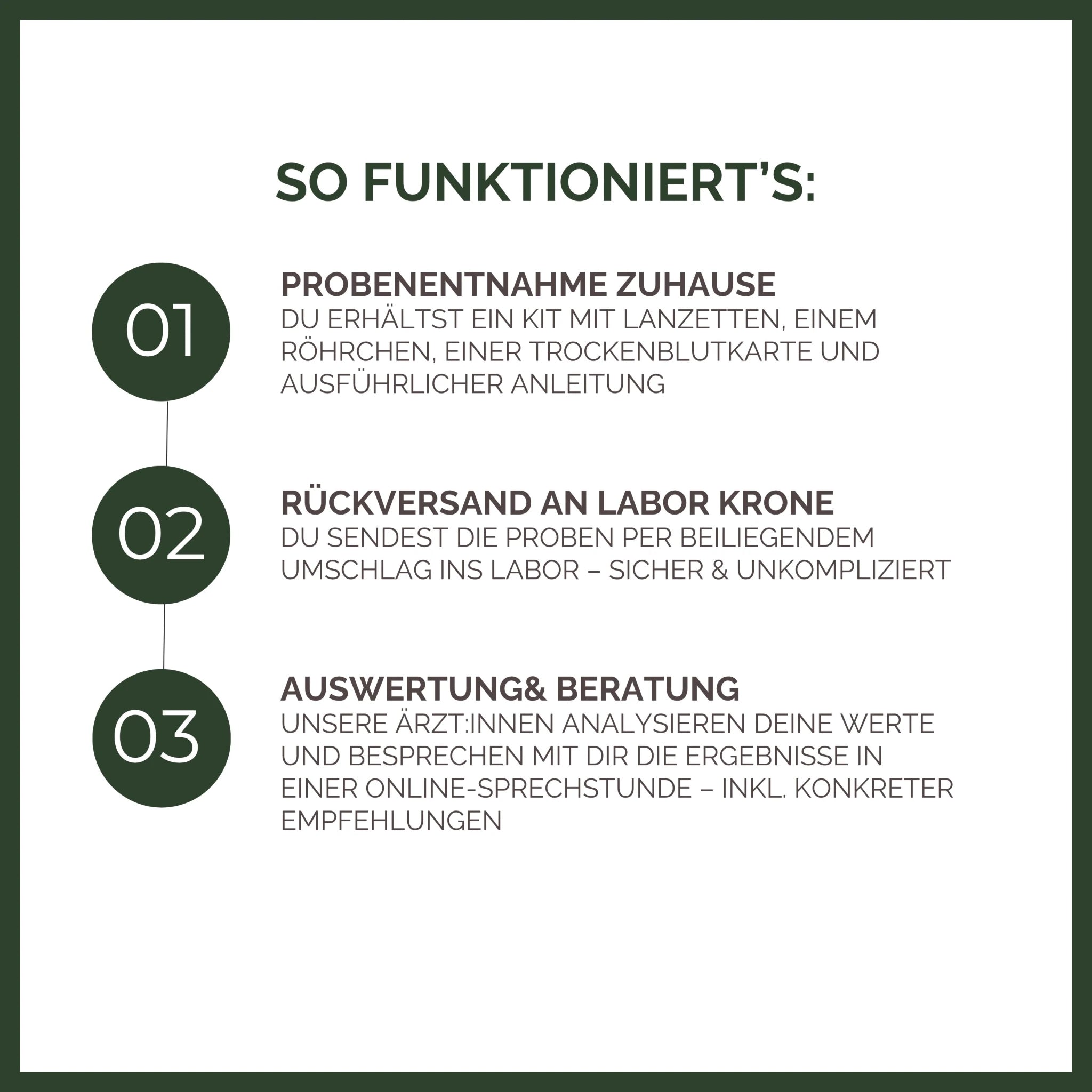
Order and conveniently try at home
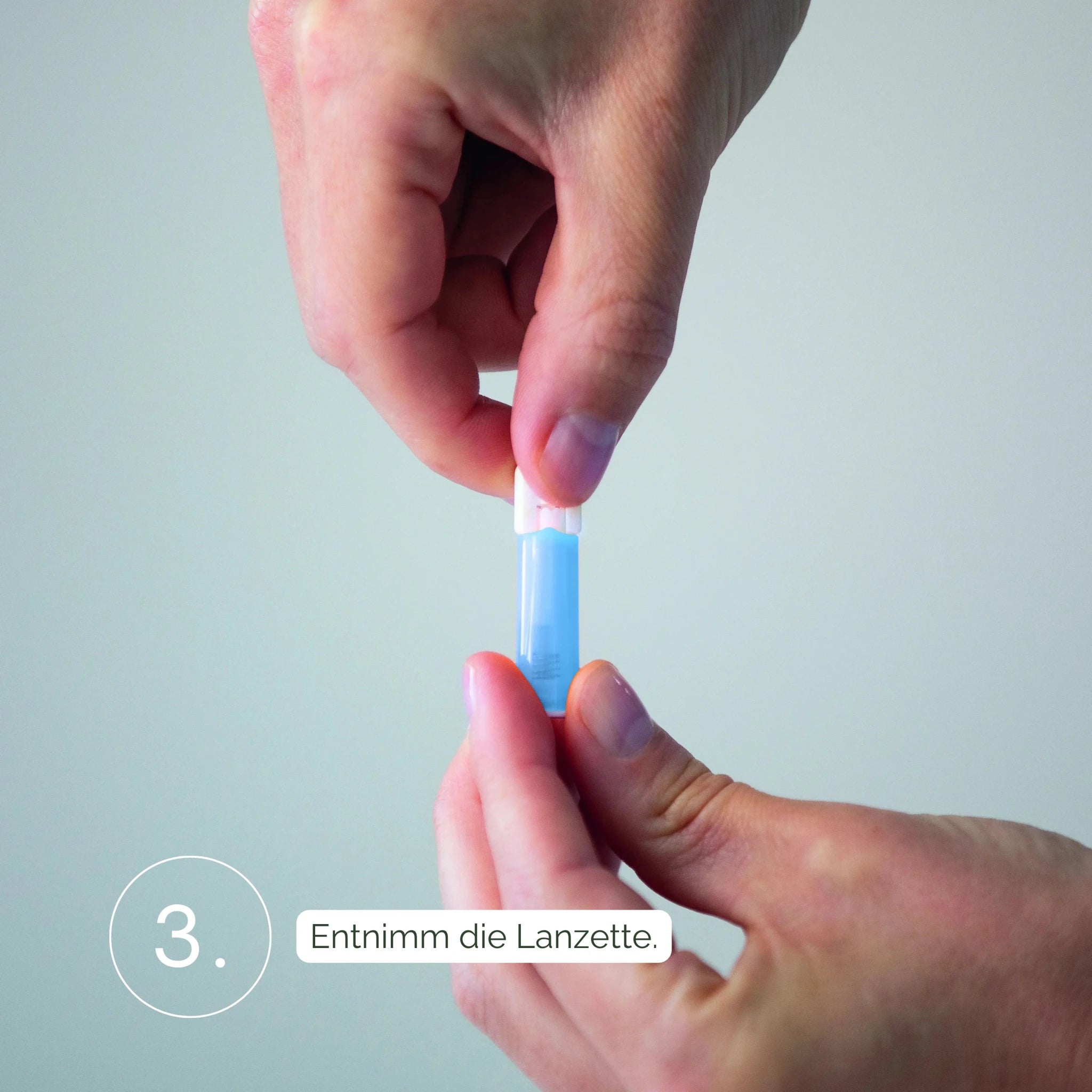
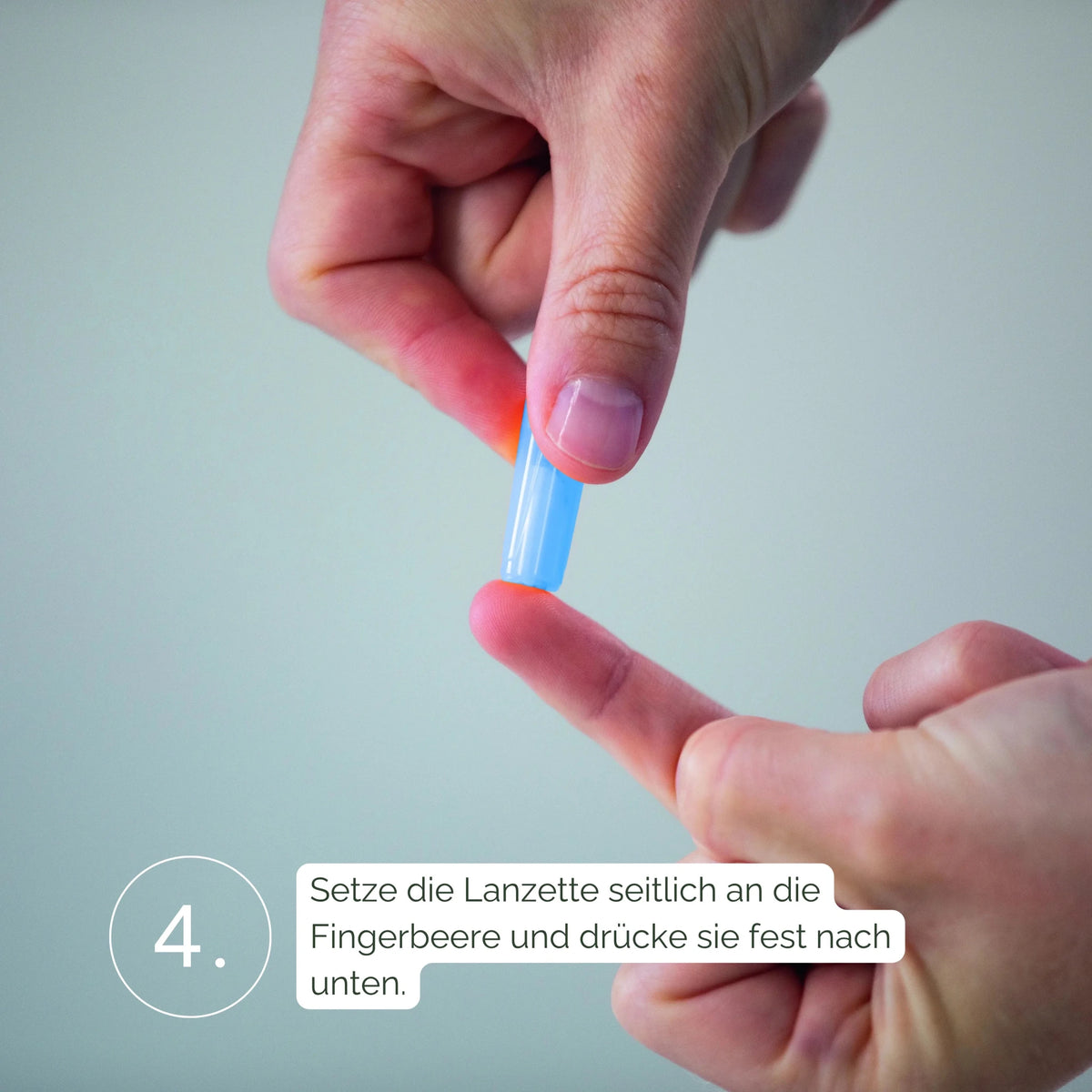
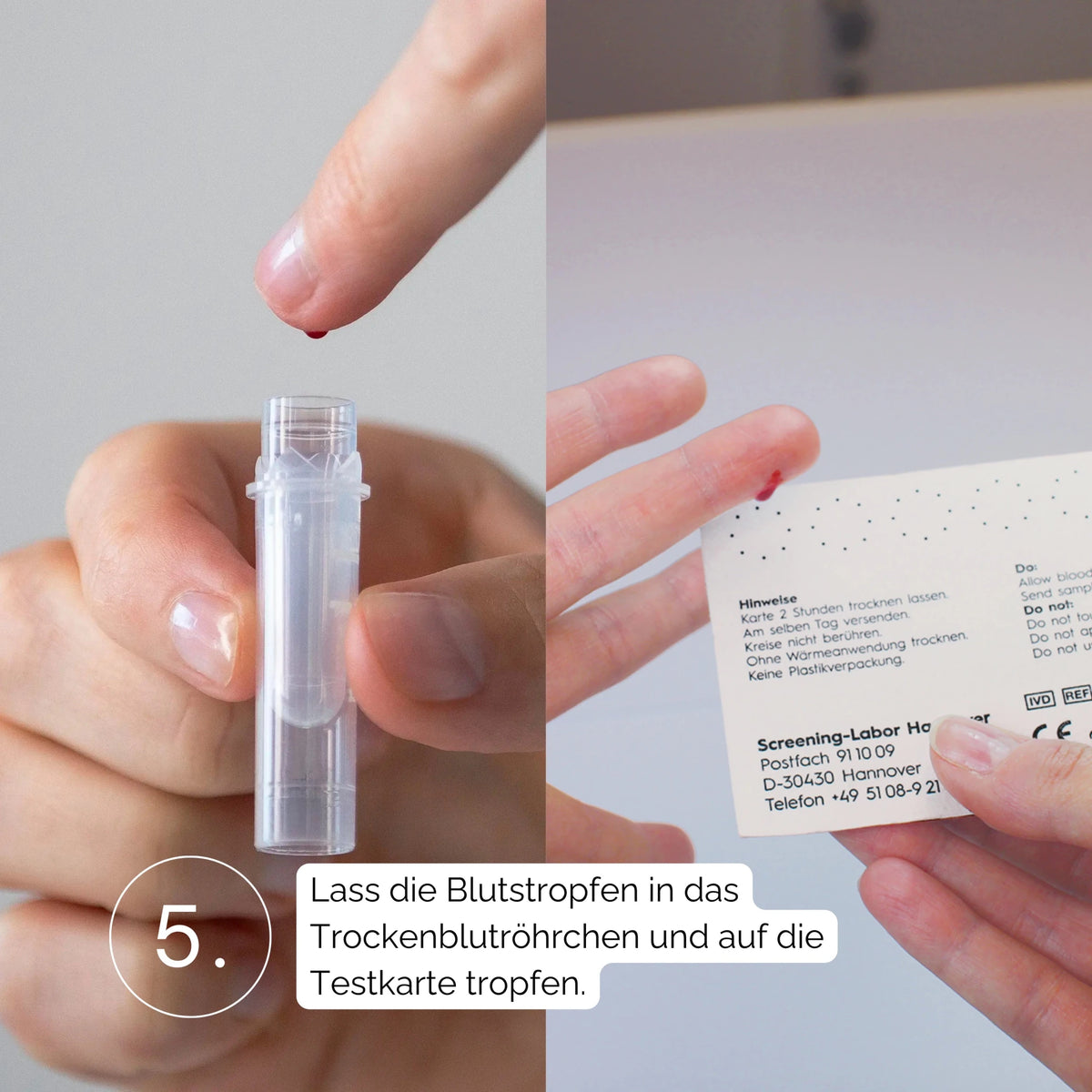
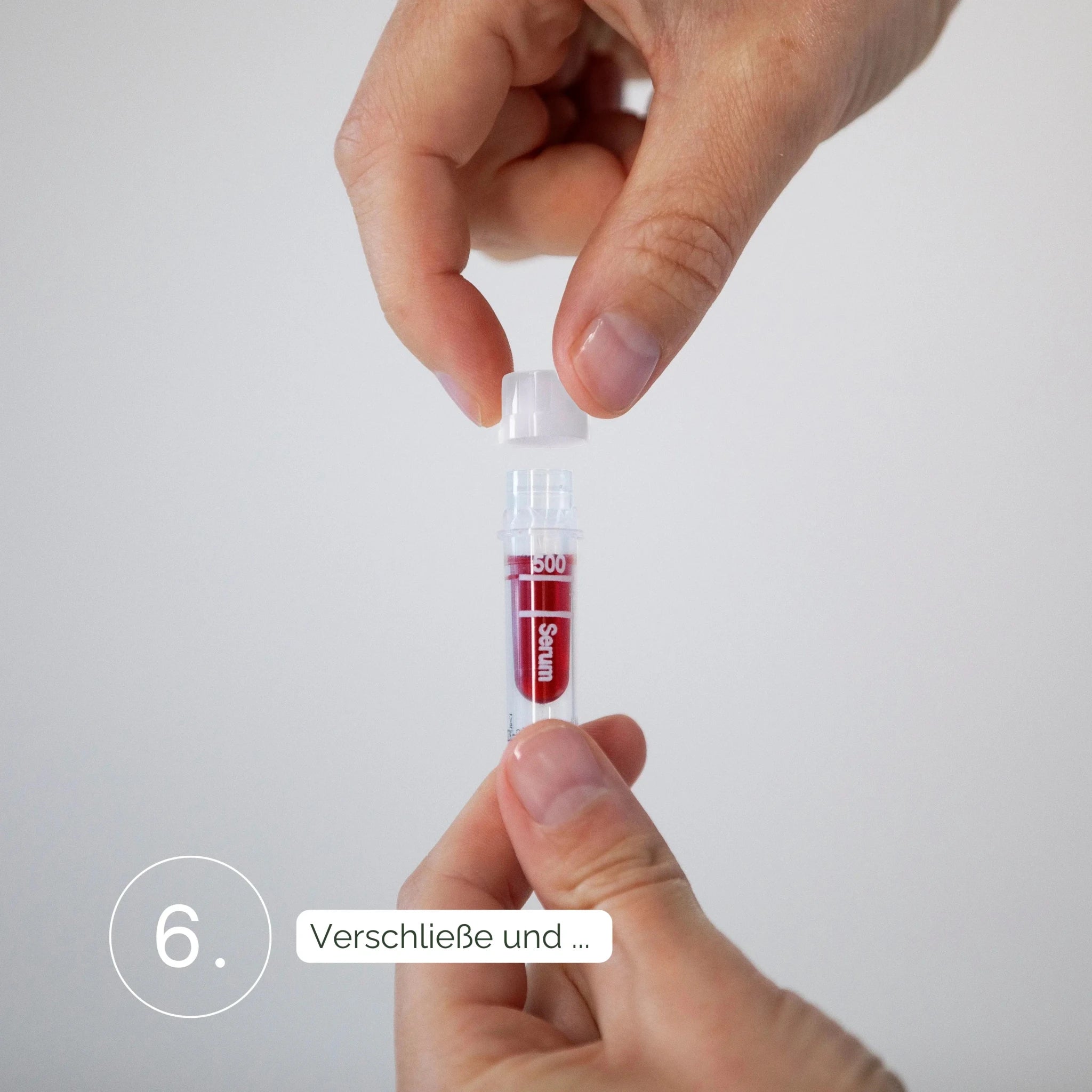
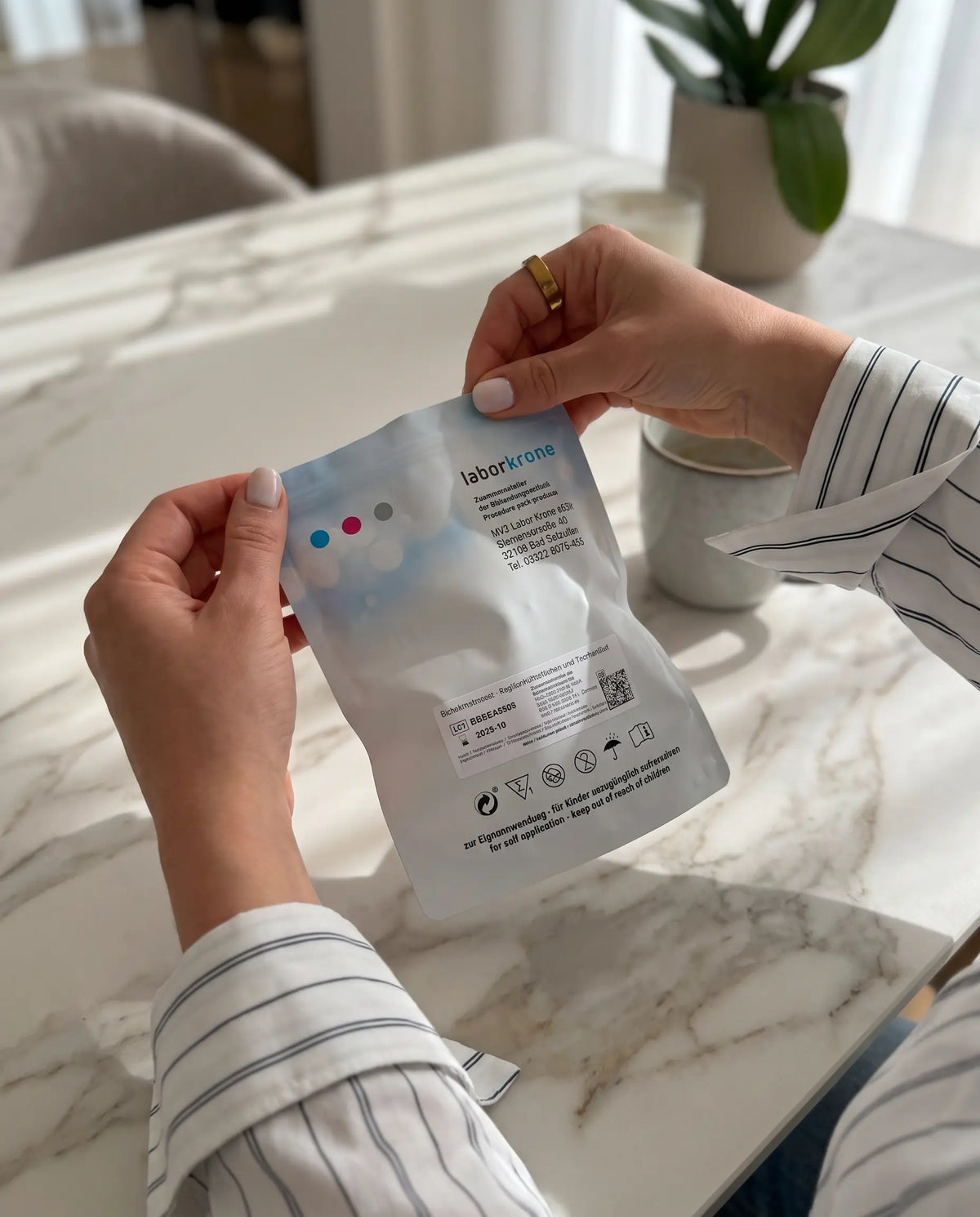
You'll receive our at-home hormone insights kit – including everything you need and simple instructions for an easy at-home sample (duration: approx. 15 minutes).
Send your kit back
Return shipping is already prepaid. Our certified partner carefully analyzes your values within a few working days.
Your Hormonic Care Review
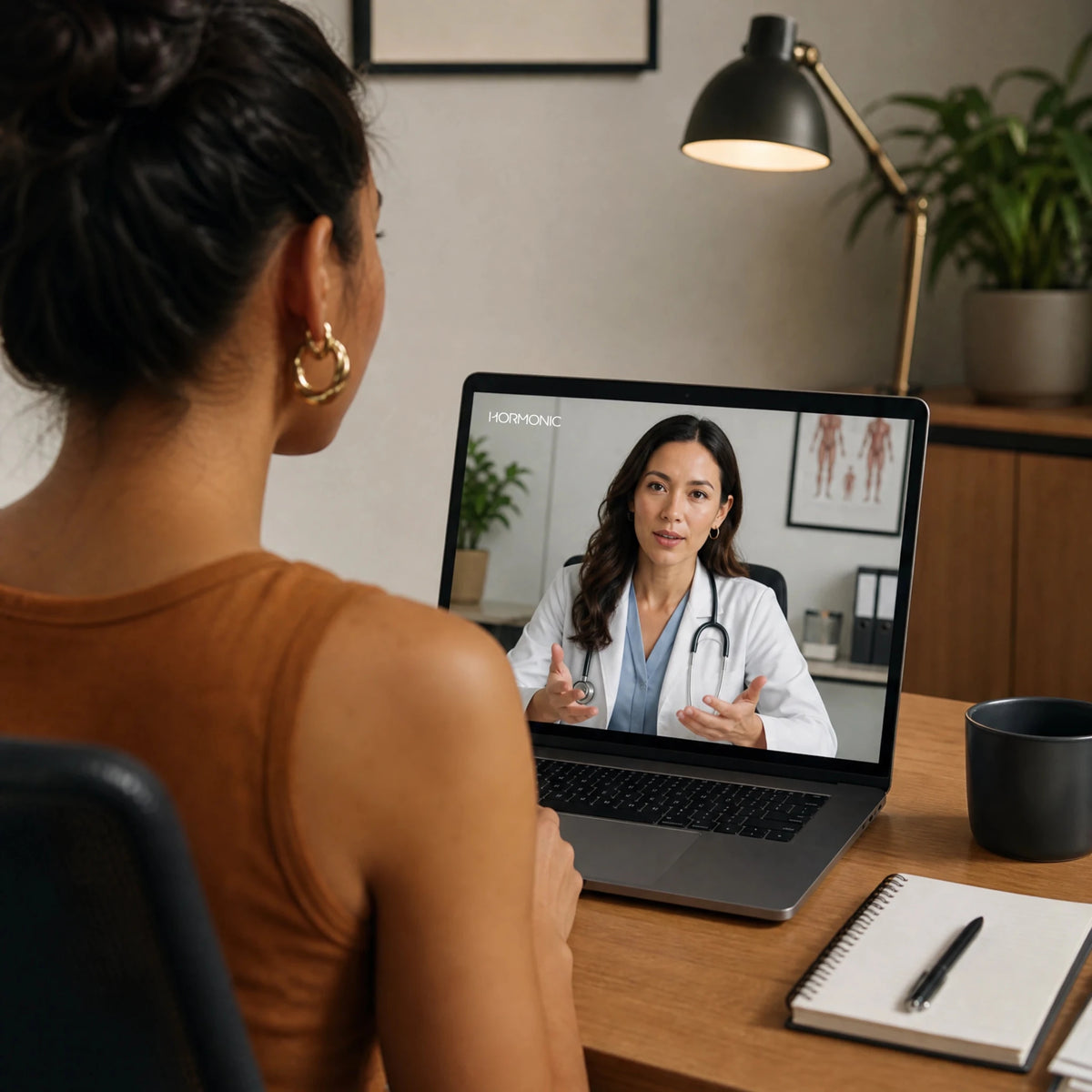
You will receive a comprehensive personal review of your results, including personalized recommendations based on your cycle, symptoms, and health goals.
What values can be determined?
Our hormone insights kit contains a predefined panel of relevant parameters, specially selected for women's hormonal health.
The following values are an excerpt from the included parameters. Other markers such as androstenedione, DHEAS, HbA1c (long-term glucose), or cortisol are also part of the analysis scope.
AMH is an established marker for assessing ovarian reserve and provides information about the number of maturing follicles in the ovary. According to current international consensus – including from the
– AMH can usefully complement the diagnosis of polycystic ovary syndrome (PCOS), especially when sonographic detection of polycystic ovaries is difficult (e.g., in young patients). However, due to not yet fully standardized laboratory methods, AMH is currently not recommended as a sole diagnostic criterion but should always be interpreted in conjunction with clinical and biochemical parameters.
Testosterone is the main male sex hormone, but it is also produced in small amounts in women's ovaries and adrenal glands. Elevated testosterone levels can indicate hyperandrogenism – a common cause of acne, hair loss (especially on the crown of the head), increased body hair, or menstrual cycle irregularities.
The determination of total and, if necessary, free testosterone is particularly relevant in the context of PCOS diagnosis, skin problems, or unclear hormonal complaints.
Prolactin is a hormone produced in the pituitary gland and is primarily known for its role in milk production after childbirth. However, it also has cycle-regulating effects, as elevated prolactin levels can inhibit the secretion of GnRH, LH, and FSH.
In women, excessively high prolactin levels can lead to menstrual irregularities, absent ovulation, breast tenderness, or unexplained milk discharge – even outside of lactation. Therefore, its measurement is particularly relevant for menstrual cycle disruptions, unfulfilled desire to conceive, or PMS-like symptoms.
Progesterone is a steroid hormone produced by the corpus luteum after ovulation. It plays a central role in the second half of the menstrual cycle and prepares the uterine lining for a possible implantation.
Progesterone levels are typically measured approximately 5–7 days after ovulation (in 28-day cycles: day 21) and serve to provide information about corpus luteum function and whether ovulation has occurred.
This value is particularly informative for women with irregular cycles, PMS, infertility, or suspected luteal insufficiency.
Estradiol is the most biologically active estrogen in the female body and is primarily produced in the developing follicles of the ovaries. The determination of estradiol provides valuable information about the cycle status, follicle maturation, and the interaction with LH and FSH in the first half of the cycle.
This marker is particularly relevant in the investigation of menstrual cycle disorders, estrogen dominance, or hormonally induced symptoms such as intermenstrual bleeding, migraines, or skin changes.
hs-CRP is a sensitive inflammatory marker that can detect even low-grade systemic inflammation in the body. It belongs to the group of acute-phase proteins and is primarily produced in the liver. Elevated hs-CRP values are non-specific but can indicate low-grade chronic inflammatory processes – e.g., in the context of metabolic changes, insulin resistance, or cycle-associated complaints.
The marker is particularly useful for women with PCOS, menstrual irregularities, chronic fatigue, or suspected silent inflammation.
25-OH-Vitamin D3 is the storage form of vitamin D in the blood and the most reliable marker for assessing vitamin D status. Vitamin D acts via hormone receptors in almost all tissues, including the immune system, bone metabolism, and reproductive organs. A suboptimal vitamin D level is particularly widespread among women and can be linked to various factors such as lack of sun exposure, skin type, lifestyle, and season.
Its determination is particularly relevant in cases of chronic fatigue, menstrual cycle changes, desire to conceive, or generally for assessing the body's resources.
Why choose us?
Our partner brings over 50 years of experience in hormone and endocrinology analysis in Germany.
Highest Quality Standards
DEKRA-certified & ISO-accredited
State-of-the-art testing methods
High sensitivity & specificity through state-of-the-art technology
Maximum data security and precision
Data protection-compliant & reliable



Understand Your Hormones – with Just One Kit
-
Precise At-Home Hormone Analysis
-
Easy Home Application
-
Fast evaluation of your results within a few days
-
Trusted, high-quality analysis
-
Seamless integration into our Hormonic Care guidance
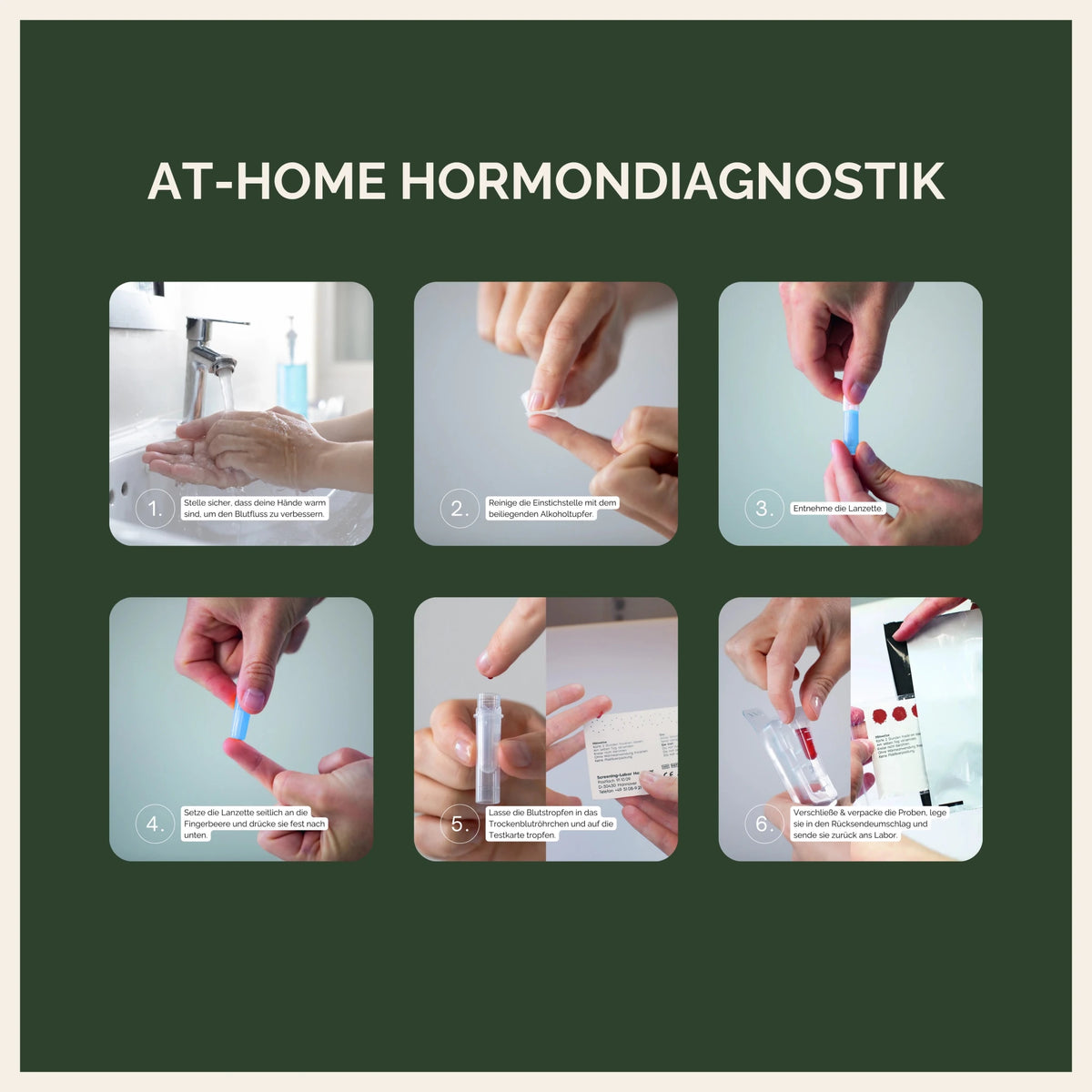
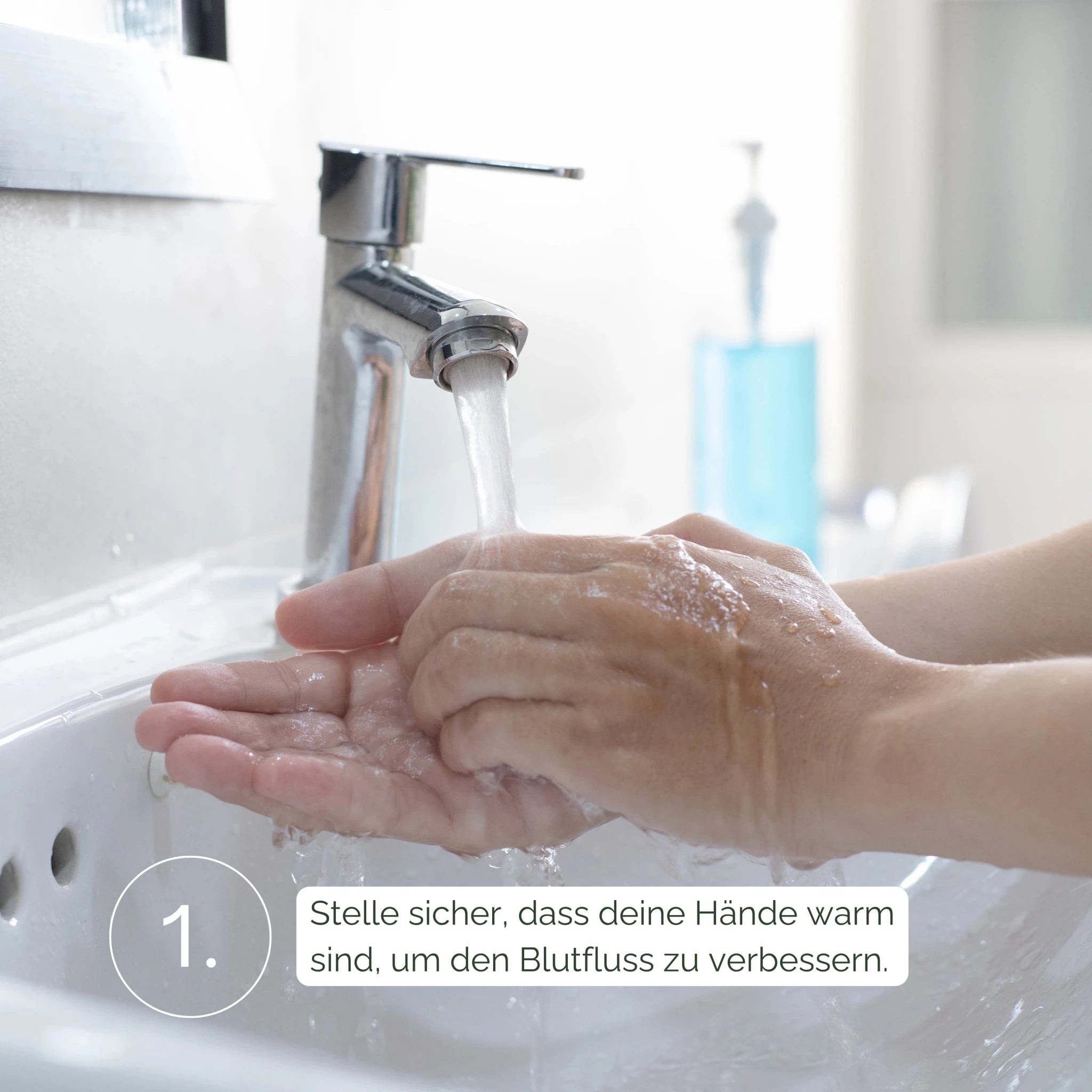
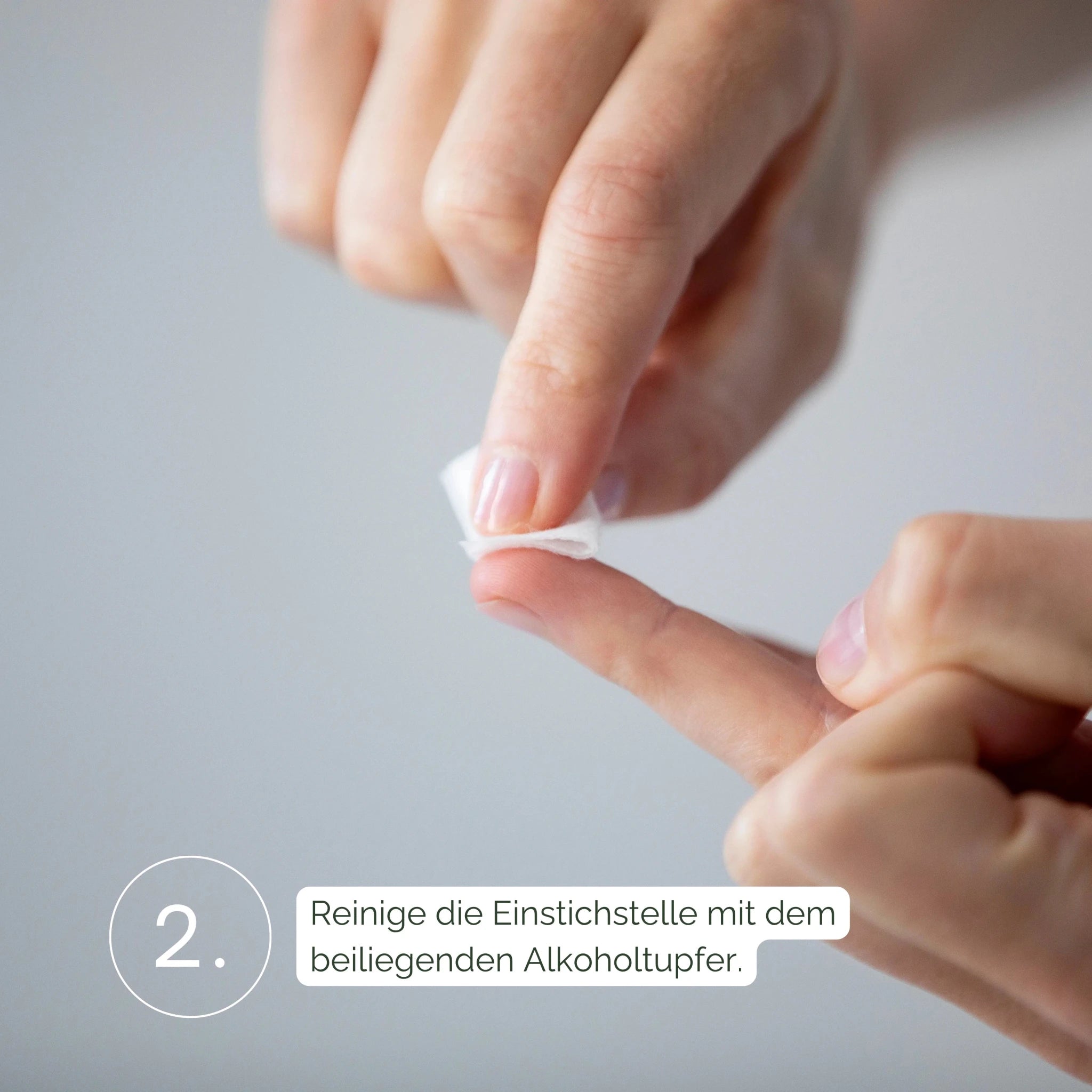
How to use our hormone kit at home

What women say
Real results. Real stories.
 4), (min-width: 700px) 54vw, 85vw
"Started right after stopping the pill and immediately had a normal cycle. Delivers what it promises!"

"Stable cycle, clearer skin, great body feel. Very fair price for what you get. Never again without it!"
 4), (min-width: 700px) 54vw, 85vw
"After three months: more balanced mood, more energy, true inner peace. A clean, scientifically sound formulation."
 4), (min-width: 700px) 54vw, 85vw
"Since I started taking the capsules, I've had hardly any hot flashes. Noticeably more peaceful sleep, and generally more balanced."
Questions
Everything you need to know
Didn't find a suitable answer? Book a free intro call with our wellness team.
How does the at-home kit work?
You will receive an easy at-home kit with simple instructions for collecting your sample. It is then carefully analyzed by our trusted partner. Within a few days, you will receive your detailed results with classification.
How is the at-home sample collected?
Our at-home method gives a more stable and precise reading of many hormone markers, staying close to the values that matter for your health.
Which values are tested?
The kit analyzes the most important markers for your hormonal balance, including estradiol, progesterone, testosterone, DHEAS, AMH, cortisol, hs-CRP, androstenedione, 17-hydroxyprogesterone, and vitamin D.
What happens after the analysis?
After receiving your test results, you will receive a scientifically sound classification that will help you better understand your hormonal health. If necessary, you can discuss the values with our Hormonic Care team or take additional measures to optimize your hormone balance.
Complete Your Journey
Other ways we can support you
 Online Clinic
Free Hormone Intro Call
Speak with our wellness team. Gain clarity about your situation and receive a personal assessment - without obligation.
 Metabolism & Hormones
Food supplement
More than just products. Discover our complete Hormonic system for your holistic supplement routine. Expert-developed in Germany.
 Micronutrients & Vitamins
Our Ingredients
Every ingredient. Backed by science. We show you what each component does in the body – and which studies we refer to.

You feel that something is wrong. We help you address it.
Join a new generation of women who are proactively building their hormonal health – with expert-developed supplements and individual wellness support.