


When estrogen levels drop during menopause, the vaginal mucous membrane becomes thinner and drier, and desire can also decrease. Both are common and treatable. Local estrogen preparations and moisturizing products are medically considered the first choice; lifestyle and plant-based micronutrients can provide support alongside these treatments.
- Depending on the study, vaginal dryness affects around 40 to 60 percent of women during and after menopause.
- The main cause is declining estrogen levels, which reduce blood flow, elasticity, and moisture in the mucous membrane.
- Decreased libido often has several causes at once: hormones, sleep, mood, pain during sex, and the relationship.
- Medically, local estrogen preparations, moisturizing creams, and lubricants are considered the first choice and are well-researched.
- In addition, exercise, regular intimacy, and selected plant compounds can support well-being.
- In cases of pain, bleeding, or significant distress, the issue should be openly discussed with a gynecologist.
In my consultations, it's often the last sentence, very quietly, just before getting up: "And then there's something else about sex." Vaginal dryness and loss of libido are among the complaints that women during menopause talk about least, although they are among the most common. I want to relieve you of any shame: there is nothing wrong with you, and you don't have to just accept it.
As a doctor, it's important to me to be honest. There are very effective medical treatments, especially local estrogen preparations, and there are sensible things you can do yourself. Nutritional supplements are a supportive component, not a substitute for medical treatment. That's how I classify it in this article.
What really helps with vaginal dryness and loss of libido during menopause?
Local estrogen therapy is the best-proven method: low-dose creams, suppositories, or tablets that act directly in the vagina and rebuild the mucous membrane. Current guidelines name them as the first choice for vaginal dryness. Hormone-free moisturizing products and lubricants also relieve symptoms, especially during sex. For libido, several levers often help simultaneously: good sleep, less stress, regular intimacy without pressure to perform, and, where appropriate, medically supervised hormone or testosterone therapy. Plant-based micronutrients can provide support alongside these treatments, but do not replace the measures mentioned.
| Approach | What it helps with | Classification |
|---|---|---|
| Local estrogen (cream, suppositories) | Vaginal dryness, pain during sex, irritation | Medical first choice, prescribed by a doctor |
| Moisturizing creams & lubricants | Acute dryness, comfort during sex | Over-the-counter, easily combined |
| Regular intimacy & exercise | Blood circulation, tissue elasticity | Simple self-help |
| Medical hormone or testosterone therapy | Pronounced loss of libido | Individually weighed by a doctor |
| Plant-based micronutrients (e.g., red clover, saffron) | General well-being during perimenopause | Supportive, studied |
Unlike hot flashes, vaginal dryness usually does not improve on its own, but rather worsens without treatment. The reason is the persistently low estrogen level after menopause. The good news: local treatments often show noticeable effects after just a few weeks.
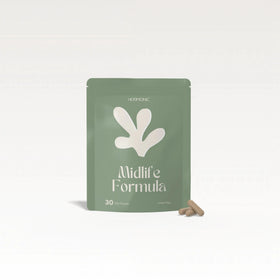
Gentle Support Through Perimenopause
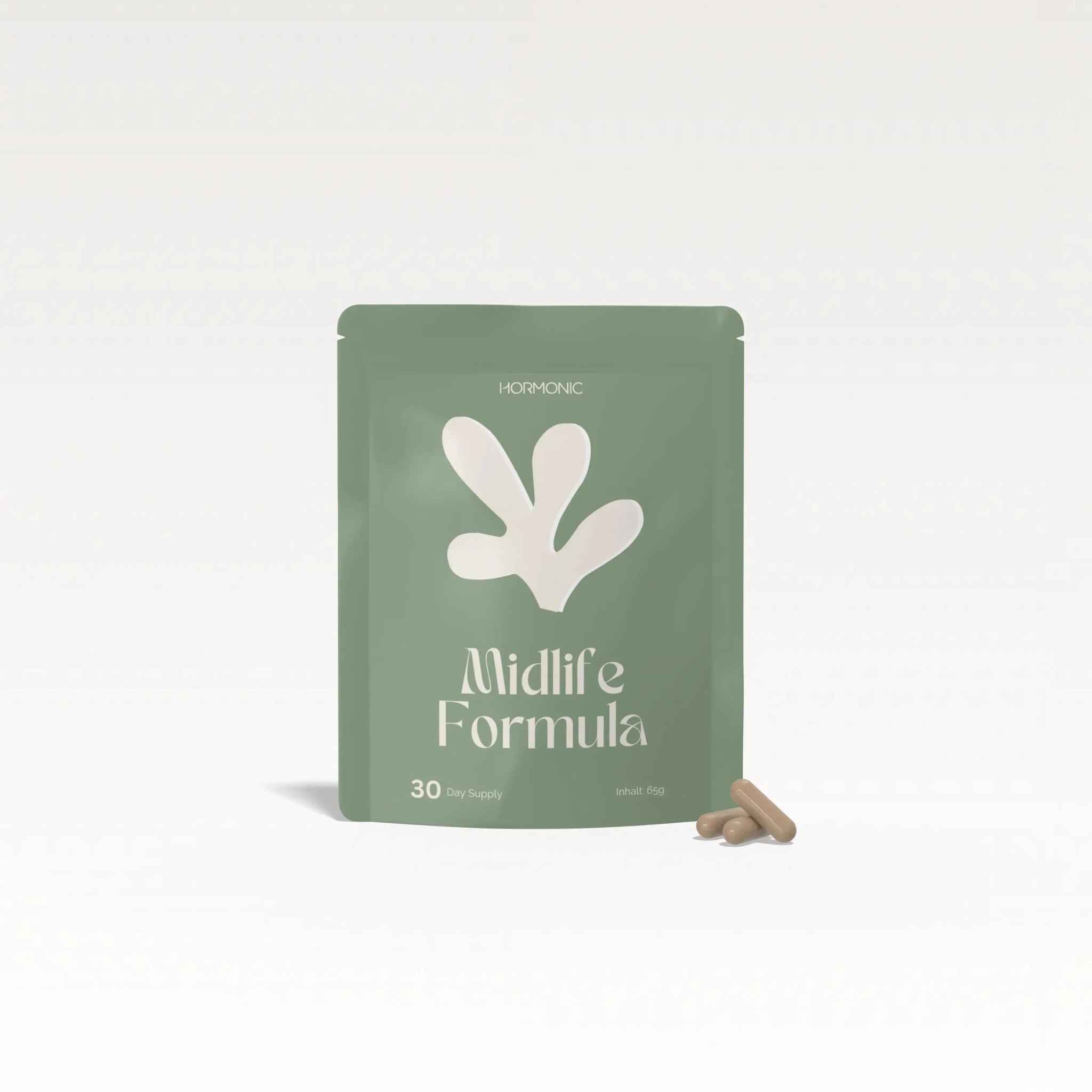
The Hormonic Midlife Formula combines botanicals like red clover, wild yam, and saffron with creatine and antioxidants. These botanicals are being studied for their effects on well-being during menopause. Expert-developed, lab-tested, and intended as supportive care.
€75,00
Talk openly with our wellness team
Vaginal dryness and libido are wellness topics, not taboos. In a free 15-minute intro call, we'll explore together what's right for you, from local treatment to lifestyle.
Frequent questions about vaginal dryness and libido during menopause
What's the best treatment for vaginal dryness during menopause?
Does libido return in menopause?
Do herbal remedies help with vaginal dryness and loss of libido?
Is vaginal dryness during menopause dangerous?
Scientific Sources
- American Urological Association / SUFU / AUGS (2025). Genitourinary Syndrome of Menopause: AUA/SUFU/AUGS Guideline. The Journal of Urology. doi:10.1097/JU.0000000000004589
- Danan E.R. et al. (2024). Hormonal Treatments and Vaginal Moisturizers for Genitourinary Syndrome of Menopause: A Systematic Review. Annals of Internal Medicine, 177(10). doi:10.7326/ANNALS-24-00610
- Nappi R.E. et al. (2026). Genitourinary syndrome of menopause (GSM): recommendations from the Fifth International Consultation on Sexual Medicine (ICSM 2024). Sexual Medicine Reviews, 14(1), qeaf055. doi:10.1093/sxmrev/qeaf055
- Kashani L. et al. Crocus sativus (saffron) in the treatment of female sexual dysfunction: a three-center, double-blind, randomized, placebo-controlled clinical trial. PMC9482709
- Rahmani A. et al. (2024). Effect of vitamin E with and without saffron on the sexual function in women of reproductive age with sexual dysfunction: a randomized controlled trial. BMC Women's Health, 24, 156. doi:10.1186/s12905-024-02980-w
- Kanadys W. et al. (2021). Evaluation of Clinical Meaningfulness of Red Clover (Trifolium pratense L.) Extract to Relieve Hot Flushes and Menopausal Symptoms in Peri- and Post-Menopausal Women: A Systematic Review and Meta-Analysis of RCTs. Nutrients, 13(4), 1258. doi:10.3390/nu13041258
You might also be interested in this.

Hot flashes during and before menopause: What happens hormonally, which measures truly help, and when other causes should be investigated.

Why does desire fade? An honest explanation: why loss of libido is rarely a hormone problem, what role psyche, stress, and medication play, and what helps.
Menopausal Hormone Therapy: Benefits, Risks, and Who It's For, Explained in an Evidence-Based and Understandable Way.