
Cart

Your cart is empty

Continue shopping

Trending searches

Featured products

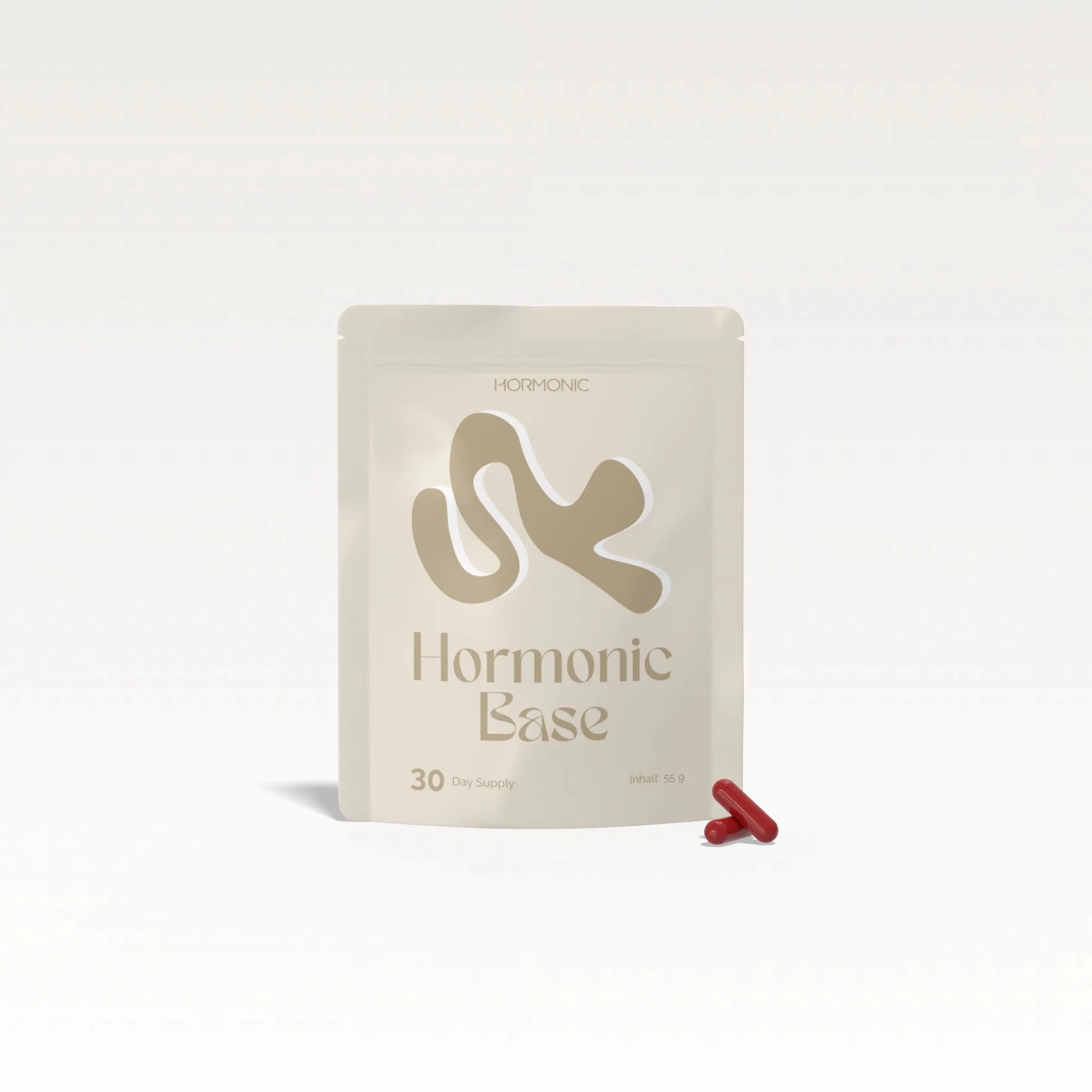
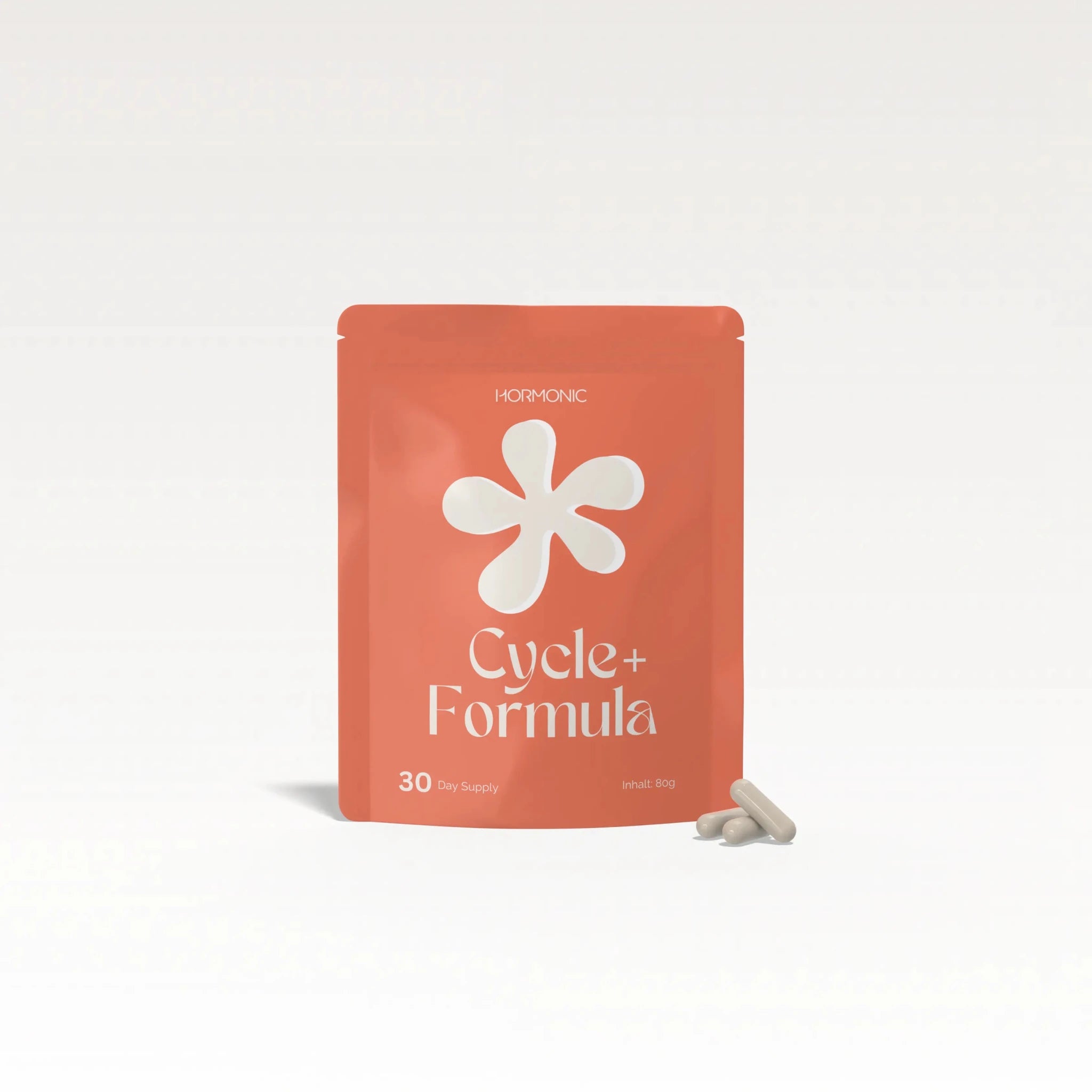
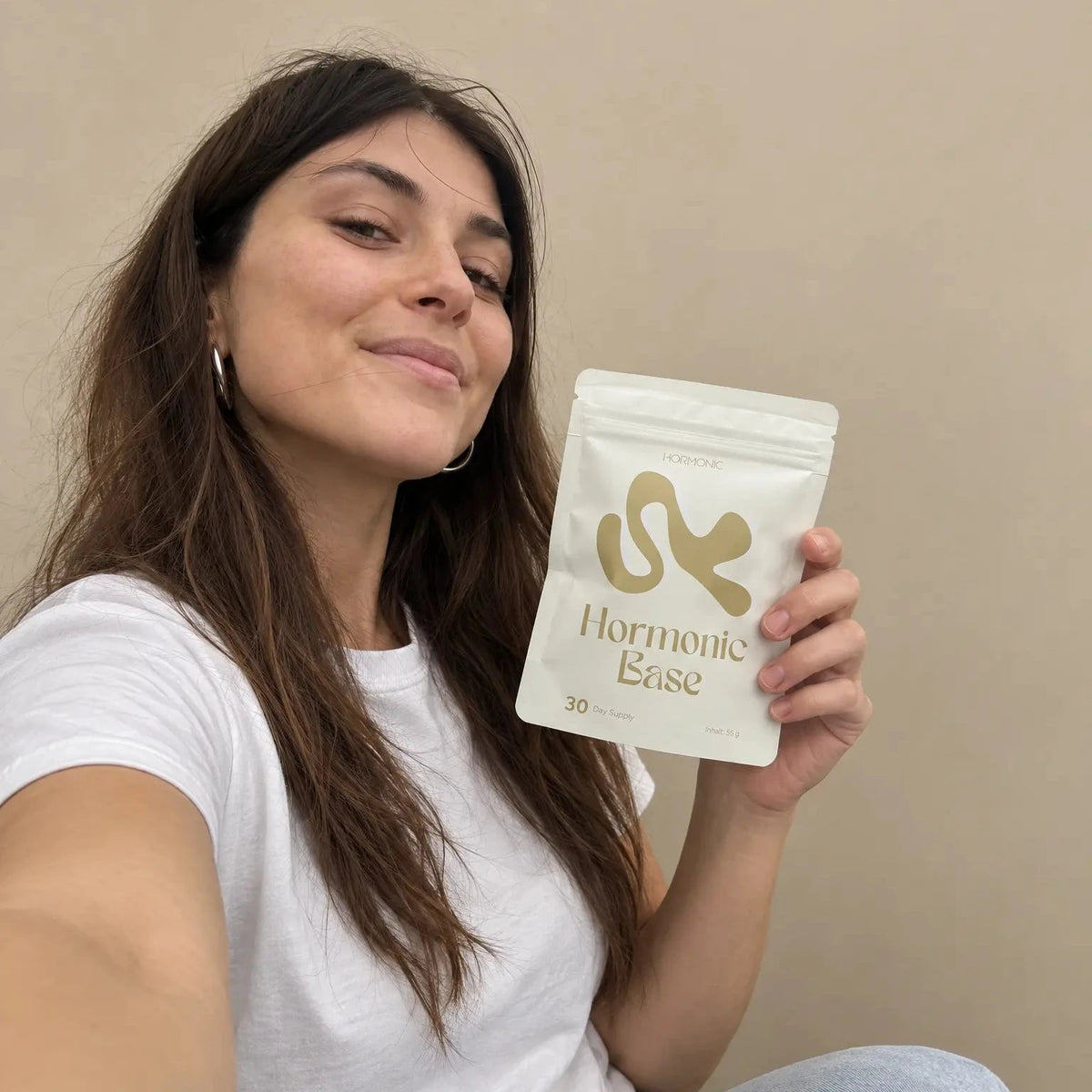
Hormonic Base Nahrungsergänzung mit 16 Mikronährstoffen
Sale price€65,00
(5.0)
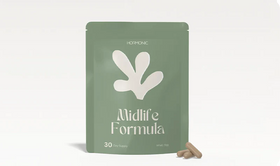
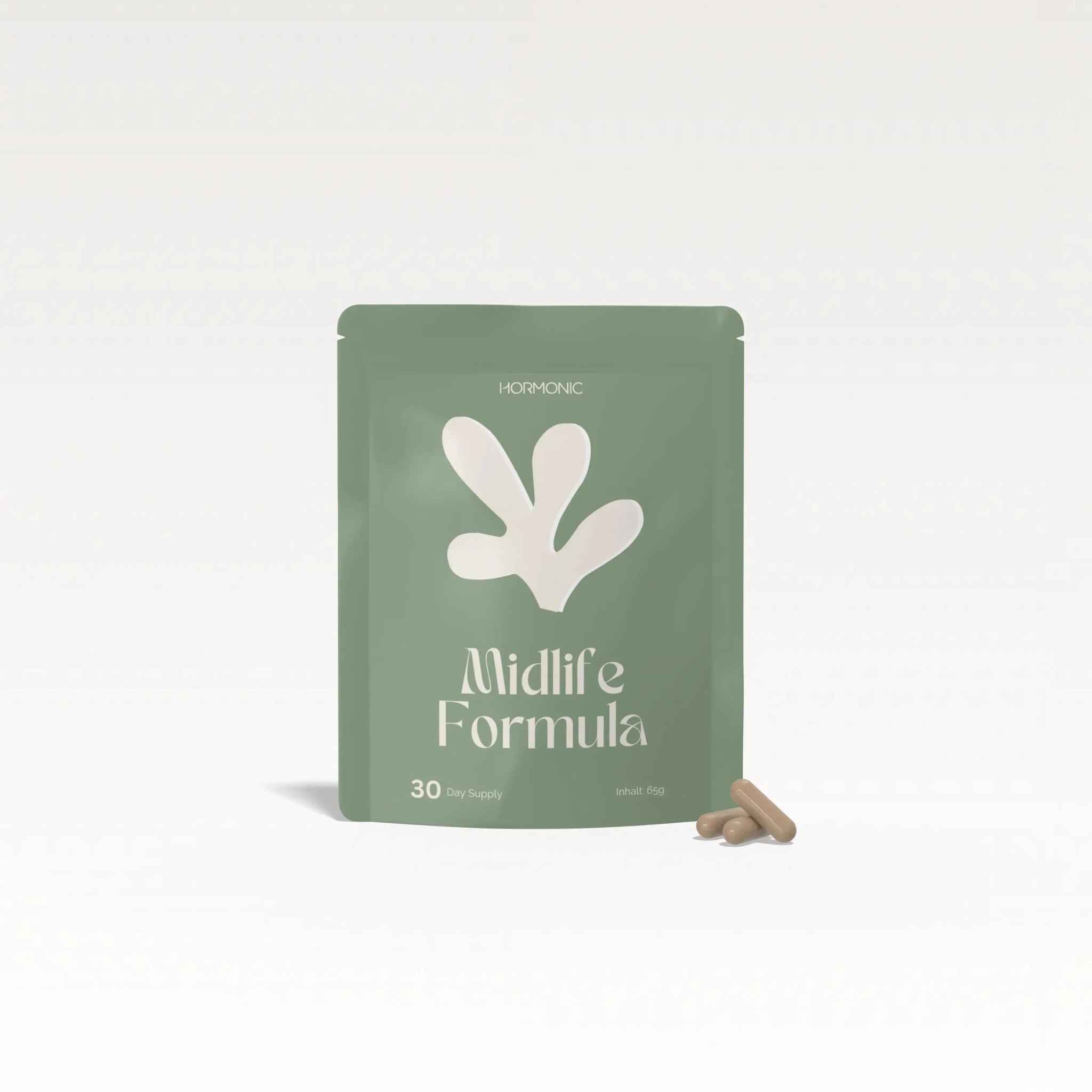
Hormonic Midlife Formula für die Perimenopause
Sale price€75,00
(5.0)
Gewichtszunahme in den Wechseljahren: Ursachen, Hormone & was wirklich hilft
WechseljahreNov 18, 202512 min read

Weight Gain in Menopause: Causes, Hormones & What Really Helps

This article is part of: Menopause & Perimenopause: The Complete Medical Guide

Weight gain during menopause has nothing to do with lack of discipline. Hormones, metabolism, sleep, cortisol all change simultaneously – and that explains why old strategies no longer work. What happens hormonally and what current studies recommend.

Key takeaways
  • Estrogen decline shifts fat to the abdomen and slows metabolism.
  • Muscle loss (sarcopenia) reduces basal metabolic rate by ~200 kcal/day.
  • Antidote: Strength training 2–3x/week, 1.2–1.5 g protein per kg body weight, stabilize blood sugar, prioritize sleep. Supplements like creatine, magnesium, CoQ10, and red clover isoflavones can complement – but not replace – lifestyle foundations.

Why do you gain weight during menopause?

During midlife, your body experiences massive hormonal and metabolic changes simultaneously. This explains why many women notice the scales tipping upwards, even though they haven't changed their habits. It's not a lack of discipline, but genuine physiological processes.
~200 kcal
reduced daily basal metabolic rate due to muscle loss
1 %
muscle mass loss per year from ~40 (sarcopenia)
3–5 kg
average weight gain during menopausal transition

The role of hormones – what exactly happens

Several hormones change simultaneously and interact with each other:
Estrogen decreases
Fat shifts from hips/legs to the abdomen. The enzyme lipoprotein lipase in the abdominal area becomes more active. Additionally: increased appetite, poorer satiety.
Progesterone decreases
Already drops during perimenopause. Promotes water retention and mood swings – which can encourage emotional eating.
Insulin resistance increases
Estrogen deficiency reduces insulin sensitivity. Cells respond slower, blood sugar is harder to utilize – more fat is stored.
Cortisol increases
Chronic stress or lack of sleep permanently raises cortisol – which specifically promotes visceral belly fat and increases blood sugar.

Why the belly in particular?

Estrogen normally inhibits the fat-storing enzyme lipoprotein lipase in the abdominal area. With decreasing estrogen levels, this protection is lost. Fat that was previously preferentially stored on the hips and thighs now migrates to the abdominal region. This so-called visceral fat is metabolically active, can promote inflammation, and increases cardiovascular risk.
Important to know

Water retention due to decreasing progesterone levels is reversible. It often explains part of the weight gain on the scales – especially in early perimenopause.

Did you know?

Estrogen has over 400 functions in the female body. One of them: it actively regulateswhereyour body stores fat. When levels drop, this distribution shifts – often noticeably within a few months from the hips and legs towards the abdomen.

Sleep, Hunger, and the Vicious Circle

Poor sleep – often due to hot flashes or sleep disorders – throws the hunger and satiety hormones ghrelin and leptin out of balance. Just a few nights of sleep deprivation increase the feeling of hunger by 20–30%, especially the craving for carbohydrates and sugar. At the same time, spontaneous daily activity (NEAT) decreases due to exhaustion – fewer steps, less movement, less calorie consumption. A vicious circle.

Targeted Support for Metabolism & Hormones

With creatine, magnesium, CoQ10, red clover isoflavones and yam root, developed for women in perimenopause and menopause. Physician-formulated, lab-tested, made in Austria.

€75,00

Discover now

Was wirklich hilft: Die wichtigsten Hebel

1. Krafttraining – der entscheidende Gamechanger

Muskeln sind dein Stoffwechselmotor. Mehr Muskelmasse bedeutet mehr Kalorienverbrauch in Ruhe. Krafttraining 2–3× pro Woche kehrt den altersbedingten Muskelverlust um, verbessert Insulinsensitivität, stärkt Knochen und stabilisiert die Stimmung. Studien zeigen, dass Frauen in den Wechseljahren durch regelmäßiges Krafttraining Bauchfett signifikant reduzieren können.

2. Protein priorisieren

Ziel: 1,2–1,5 g Protein pro kg Körpergewicht täglich, auf 3 Mahlzeiten verteilt. Protein verlangsamt Muskelabbau, hat den höchsten thermischen Effekt (20–30 % der Kalorien für Verdauung), hält lange satt und stabilisiert den Blutzucker. Gute Quellen: Magerquark, Skyr, Eier, Fisch, Geflügel, Hülsenfrüchte.

3. Blutzucker stabilisieren

Dauerhaft hohe Insulinspiegel blockieren die Fettverbrennung. Gegenmaßnahmen: komplexe Kohlenhydrate statt Weißmehl, Kohlenhydrate immer mit Protein und Fett kombinieren, Pausen zwischen Mahlzeiten einhalten, 10–15 Minuten Spaziergang nach dem Essen. Kleine Maßnahmen mit großem Effekt.

4. Stress und Cortisol aktiv regulieren

Chronisch hohe Cortisolspiegel sind direkt mit viszeralem Bauchfett verknüpft. Schlaf priorisieren, Entspannungsrituale etablieren (auch 10 Minuten Atemübung täglich wirken messbar), NEAT erhöhen (mehr Schritte im Alltag, Treppe statt Aufzug). Jede Bewegung zählt.

5. Mikronährstoffe und Pflanzenstoffe ergänzen

Bestimmte Wirkstoffe können ergänzend unterstützen – nie als Ersatz, aber als sinnvoller Baustein:

  • Kreatin: Unterstützt Muskelfunktion und verlangsamt Muskelabbau – besonders für Frauen 40+ mit Studienbasis.
  • Magnesium + CoQ10 + B-Vitamine: Mitochondrienfunktion und Energiestoffwechsel.
  • Rotklee-Isoflavone + Yamswurzel: Sanfte hormonelle Balance, kann Hitzewallungen mildern und dadurch Schlafqualität verbessern.
  • Safranextrakt: Zeigt in kontrollierten Studien Reduktion von Heißhunger und Stimmungsstabilisierung.
  • Chrom + Vitamin D3 + Selen: Blutzuckerregulation, Schilddrüsenfunktion, Grundumsatz.

All diese Wirkstoffe sind in bioverfügbaren Formen im Hormonic Midlife Bundle enthalten.

Your body is unique – get medical support

Weight gain, belly fat, lack of energy – often there are specific lab values behind these issues. In a free video call with our medical team, we will personally assess your symptoms, blood values, and potential therapy options.

To the online consultation

Conclusion

Weight gain during menopause is not a matter of willpower – it is a hormonal and metabolic reality that requires a new approach. The good news: Understanding what is happening in your body allows you to take targeted action.

Strength training, sufficient protein, and stable blood sugar are not diet tips from the last century. They are the levers that actually work during this life stage. Supplemented with the right micronutrients, the body can better buffer these changes.

Every woman has her own starting point: different lab values, different symptoms, different life realities. What universally applies is often not enough. If you want to understand what specifically is behind your weight gain, looking at your hormone levels and blood values is the next sensible step.

If you want to understand what specifically is behind your weight gain – book a 15-minute consultation with our medical team. Free, without obligation, directly online.

Book a free consultation now →

Common questions about weight gain during menopause

Why do I gain weight during menopause even though I don't change anything?

Because your body has undergone hormonal and metabolic changes. The drop in estrogen shifts fat storage from the lower body to the abdomen. At the same time, the basal metabolic rate decreases by ~200 kcal/day due to muscle loss. And mild insulin resistance due to estrogen deficiency means that carbohydrates are stored more as fat. Weight increases, even though you are not doing anything wrong.

Which hormones are responsible for belly fat during menopause?

Mainly estrogen (low → more belly fat due to activated enzyme lipoprotein lipase), cortisol (chronic stress increases visceral fat storage), insulin (insulin resistance due to estrogen deficiency promotes fat storage) and progesterone (low → water retention). Leptin and ghrelin also get out of sync due to lack of sleep and increase hunger.

Kann man in den Wechseljahren überhaupt noch abnehmen?
Ja, definitiv. Crash-Diäten und intensives Cardio funktionieren weniger gut als früher. Was wirklich wirkt: Krafttraining 2–3× pro Woche (Muskelaufbau erhöht Grundumsatz), Protein 1,2–1,5 g pro kg Körpergewicht täglich, Blutzucker stabilisieren (komplexe Kohlenhydrate, keine isolierten Zuckersnacks) und Schlaf priorisieren. Mit diesen Hebeln nehmen viele Frauen in den Wechseljahren erfolgreich ab – es braucht nur einen angepassten Ansatz.
Warum hilft Krafttraining bei Wechseljahresbeschwerden und Gewicht?
Muskeln sind der Stoffwechselmotor: Mehr Muskelmasse bedeutet mehr Kalorienverbrauch, auch in Ruhe. Ab ~40 verlierst du jährlich bis zu 1 % Muskelmasse (Sarkopenie) – Krafttraining kehrt diesen Trend um. Zusätzlich verbessert es Insulinsensitivität, stärkt Knochen (Schutz vor Osteoporose), verbessert Schlafqualität und stabilisiert die Stimmung. Schon 2–3 Einheiten pro Woche zeigen messbare Effekte.
Welche Supplements helfen bei Gewichtszunahme in den Wechseljahren wirklich?
Mit der besten Studienlage für diese Phase: Kreatin (unterstützt Muskelfunktion und verlangsamt Muskelabbau), Magnesium (über 300 enzymatische Prozesse inkl. Energiestoffwechsel), Vitamin D3 + Selen (Schilddrüse, Grundumsatz), Rotklee-Isoflavone (hormonelle Balance, weniger Hitzewallungen), Safranextrakt (weniger Heißhunger laut Studienlage). Keines davon ersetzt Krafttraining und Ernährungsanpassung.

Scientific Sources

  • Davis SR et al. (2012). Understanding weight gain at menopause. Climacteric, 15(5), 419–429. doi:10.3109/13697137.2012.707385
  • Maltais ML, Desroches J, Dionne IJ (2009). Changes in muscle mass and strength after menopause. J Musculoskelet Neuronal Interact, 9(4), 186–197.
  • Beavers KM et al. (2017). Effect of exercise type during intentional weight loss on body composition in older adults with obesity. Obesity, 25(11), 1823–1829. doi:10.1002/oby.21977
  • Leidy HJ et al. (2015). The role of protein in weight loss and maintenance. Am J Clin Nutr, 101(6), 1320S–1329S. doi:10.3945/ajcn.114.084038
  • Smith-Ryan AE et al. (2021). Creatine supplementation in women's health: A lifespan perspective. Nutrients, 13(3), 877. doi:10.3390/nu13030877
  • Taku K et al. (2012). Extracted or synthesized soybean isoflavones reduce menopausal hot flash frequency and severity. Menopause, 19(7), 776–790. doi:10.1097/gme.0b013e3182410159
  • Lopresti AL, Drummond PD (2014). Saffron (Crocus sativus) for depression: a systematic review and examination of underlying antidepressant mechanisms of action. Hum Psychopharmacol, 29(6), 517–527. doi:10.1002/hup.2434

About the Author

Amelie Weiss

Amelie Weiss

Research Fellow, PhD · Hormonic

Amelie Weiss is a Research Fellow at Hormonic and conducts scientific research on hormonal health, micronutrients, and evidence-based women's health.

Note: This article is based on current guidelines and scientific work (as of 2026). It is for informational purposes only and does not replace medical advice, diagnosis, or treatment.

Share

You might also be interested in this.

Frau im Gespräch zu Wechseljahren und Perimenopause, ärztliche Beratung bei Hormonic
WechseljahreApr 15, 20268 min read
Menopause & Perimenopause: The Complete Medical Guide

What happens during menopause? Stages, symptoms, recognizing perimenopause & what really helps. Medically explained, scientifically proven

Bioidentische Hormone: Was sie sind, was sie können und was nicht
WechseljahreDec 1, 202510 min read
Bioidentical Hormones: What they are, what they can do, and what they can't

Bioidentical hormones are considered the natural alternative to conventional hormone preparations – but what's the real story? In this article, you'll learn how natural hormones work in the body, w...

Ernährung in den Wechseljahren: Was wirklich hilft
WechseljahreMar 12, 202511 min read
Menopause Nutrition: What Really Helps

As hormone levels change, energy requirements decrease while the need for protein and micronutrients remains high. This guide, based on current guidelines, shows you which diet really suits you and...