
🖤 Black WeeksPick 3 · save 30 %Pick 6 · save 60 %Automatic, no codeFor a limited time onlyEurope-wide shipping🖤 Black WeeksPick 3 · save 30 %Pick 6 · save 60 %Automatic, no codeFor a limited time onlyEurope-wide shipping🖤 Black WeeksPick 3 · save 30 %Pick 6 · save 60 %Automatic, no codeFor a limited time onlyEurope-wide shipping

Cart

Your cart is empty

Continue shopping

Trending searches

Featured products

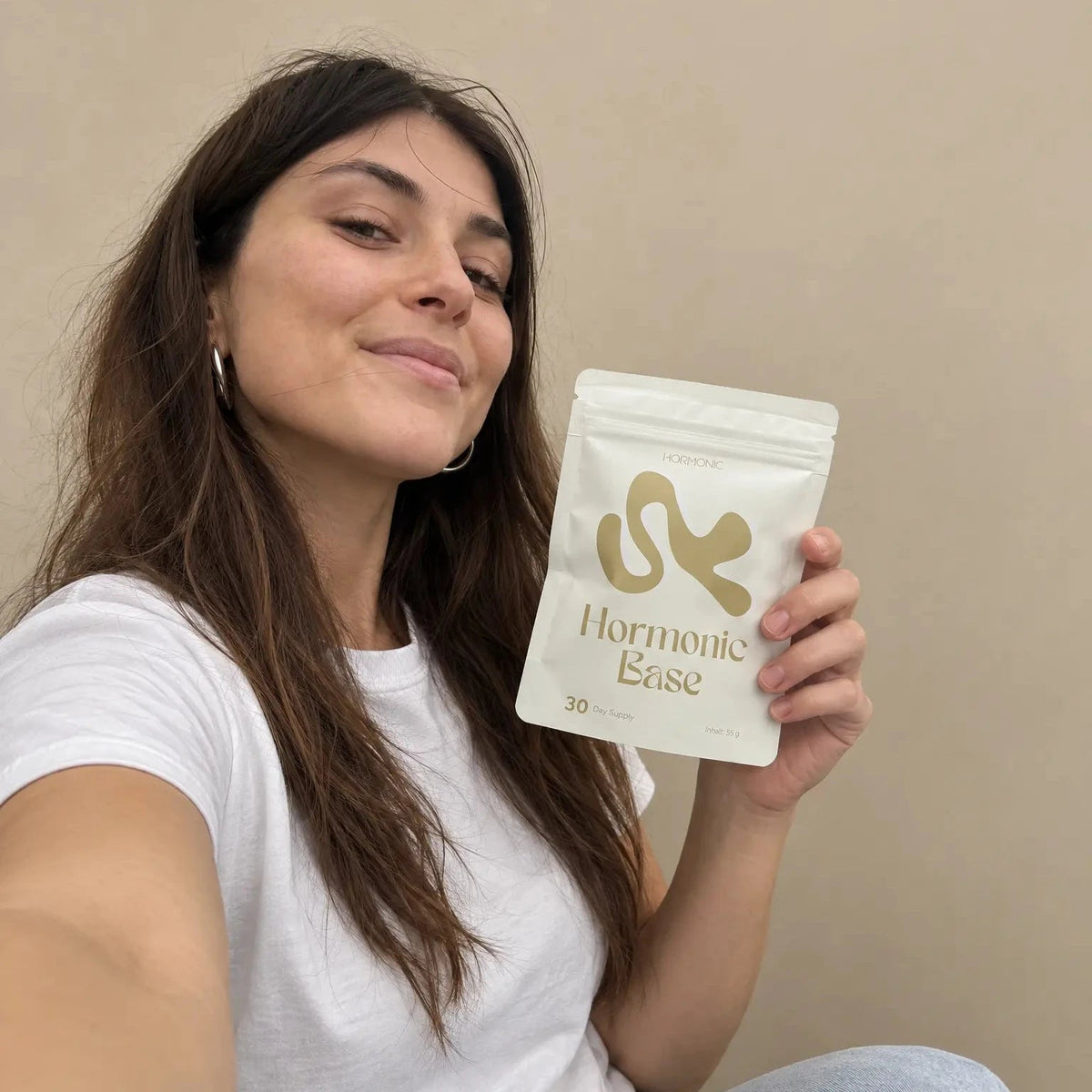
Hormonic Base - Hormonic - Nahrungsergänzungsmittel
Sale price€65,00
(5.0)
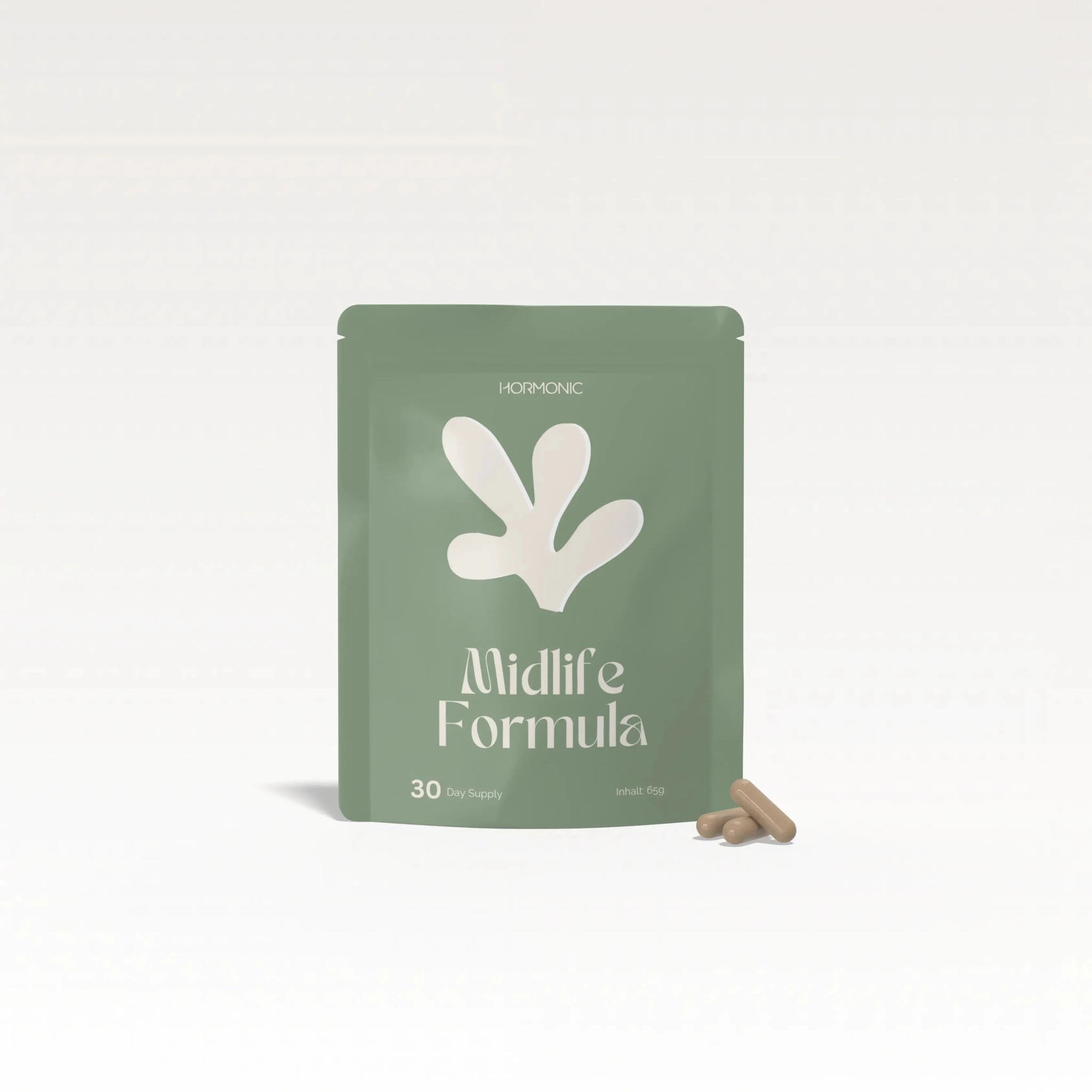
Midlife Formula - Hormonic - Nahrungsergänzungsmittel
Sale price€75,00
(5.0)
Entspannte Frau mit Tasse auf dem Sofa, Thema Kupferspirale und Gewichtszunahme
VerhütungOct 2, 20268 min read

Copper IUD and weight gain: What is really behind it

This article is part of: Coming off the pill: Side effects, symptoms, and your cycle afterwards

I recently came across a message that I read in similar forms time and again: "I finally want to get off hormones, but I'm afraid that I'll gain weight anyway with the copper IUD." This sentence is full of concern and shows how deeply ingrained the myth is that contraception automatically leads to weight gain. That is why today we are taking an honest look: Regarding the topic of copper IUDs and weight gain, the reassuring news is that the copper IUD is hormone-free and hormone-related weight gain is therefore not a factor at all.

That does not mean that the number on the scale never changes. Our weight is constantly shifting with our cycle, the years, and daily life. It just isn't because of a hormone from the IUD, which simply doesn't exist. This distinction makes all the difference and relieves a great deal of pressure.

Does the copper IUD make you gain weight? The short answer

No, hormonally induced weight gain is not to be expected with the copper IUD because it contains no hormones. The active ingredient is copper, not estrogen or progestin. This means the biological mechanism through which hormonal methods could influence appetite, water retention, or fat distribution is missing. If your weight changes while using a copper IUD, it is therefore worth looking at the usual causes of weight fluctuations, rather than the IUD itself.

Why the copper IUD works without hormones

The copper IUD provides contraception locally and mechanically. The released copper triggers a mild, intentional inflammatory reaction in the uterus and changes the environment so that the mobility and viability of sperm are severely restricted. This makes fertilization highly unlikely. Crucial for the topic of weight: no hormone enters the bloodstream that could systemically regulate metabolism, hunger, or fluid balance. This is exactly where the copper IUD differs fundamentally from the pill, the hormonal IUD, the implant, or the injection.

Method Hormones Weight after 18 months Classification
Copper IUD hormone-free +1.5 kg lowest gain
Hormone implant Progestin +2.4 kg moderate gain
Contraceptive injection Progestin +3.5 kg highest gain

Average weight change by method, ECHO study, 18 months (Beksinska et al., 2021). All groups gained weight; the copper IUD group gained the least.

What studies on the copper IUD and weight show

The data is reassuringly clear: the copper IUD does not lead to weight gain beyond what is considered normal. The strongest evidence is provided by the 2021 ECHO study, a large randomized trial involving nearly 7,800 women. In that study, women with a copper IUD gained an average of 1.5 kg over 18 months, those with a hormonal implant gained 2.4 kg, and those using the contraceptive injection gained 3.5 kg. The hormone-free copper IUD therefore performed the best (Beksinska et al., 2021).

This picture is also confirmed over longer periods. A comparative study spanning up to ten years found a very similar average weight gain for both copper IUDs and hormonal IUDs, with no relevant difference between the methods (Modesto et al., 2015). Furthermore, an examination of body composition over one year showed no difference in body fat percentage between the copper IUD and other long-acting methods (Silva dos Santos et al., 2017; Vickery et al., 2013).

Important for proper perspective: The fact that women with a copper IUD gained weight in some long-term studies does not mean the IUD is to blame. An older cohort study observed a gain of about 4 kg over seven years (Hassan et al., 2003). This coincides almost exactly with the weight that adults gain without any contraception at all: an average of about half a kilogram per year from young adulthood to middle age (Malhotra et al., 2013). The copper IUD therefore makes the normal weight trajectory of life visible; it does not cause it.

Weight fluctuations: what really causes them

When the number on the scale shifts, there are almost always other reasons behind it. The most obvious is water retention during the menstrual cycle. In the second half of the cycle, the body often retains more water due to the rise in progesterone, which manifests as one or two kilograms more and a bloated feeling, even though there has been no change in fat mass. You can read more about this in our article on Water retention before your period.

Then there are the major, unremarkable factors: muscle mass and metabolic rate change over the years, while sleep deprivation and chronic stress shift appetite and eating habits, and phases with less exercise or more daily stress also leave their mark. All of this has an effect regardless of the method of contraception.

Sometimes there is also a medical cause. An underactive thyroid, for example, can slow down the metabolism and contribute to weight gain. If you are gaining significant weight for no apparent reason, are permanently exhausted, or feel cold, this is a good reason to have your thyroid checked by a doctor, completely independent of the IUD.

Hormonal contraception and the hormone-free copper IUD: the difference

All the concern about weight actually stems from the debate surrounding hormonal contraception, not the copper IUD. And even there, the evidence is less dramatic than popular belief would suggest: a Cochrane review found no reliable evidence for relevant weight gain with combined pills (Gallo et al., 2014). For individual progestin-only methods like the injection, however, some women do indeed report weight gain, because hormones can systemically influence appetite, water balance, and fat distribution (Leeners et al., 2017).

It is precisely this hormonal lever that the copper IUD lacks entirely. Anyone switching from the pill who felt they had gained weight as a result will therefore find a hormone-free alternative in the copper IUD. We have provided a detailed analysis of how this issue presents itself with hormonal contraception in our article Weight gain from the pill.

Shape Formula: Targeted support for your metabolism

The copper IUD does not cause weight gain, so you don't need to do anything to counteract it. If you still want to actively support your metabolism, Shape Formula is designed exactly for that: 10 targeted, selected active ingredients for glucose, fat metabolism, and satiety, including 750 mg of pure L-carnitine per dose. The contained chromium contributes to a normal blood sugar level and normal macronutrient metabolism. Developed by doctors, manufactured in Austria, and free from fillers and release agents. Get a permanent 20 percent discount and free shipping with a subscription, which can be canceled at any time, plus a 30-day risk-free trial.

Discover Shape Formula now

The true side effects of the copper IUD

The copper IUD is well-tolerated, but it does have its own well-documented side effects, and these do not include weight gain. The most common issues relate to bleeding: many women experience heavier, longer, or slightly more painful periods, particularly in the first three to six months, and spotting may also occur. Lower abdominal cramps are also possible, especially during the initial phase. For many, these complaints subside after the first few months once the body has adjusted to the IUD.

So, if you notice any changes after insertion, these are the typical ones, not an effect on the scale. This is an important distinction, because a bloated feeling caused by cramps or heavier bleeding can briefly feel like weight gain without actually being any.

Metabolism and weight: what you can influence yourself

Because the copper IUD itself has no impact on weight, the real levers lie in the fundamentals that apply to every woman, regardless of contraception: sufficient, high-quality sleep, regular exercise including some strength training to maintain muscle mass, adequate protein intake, and stress management to curb cravings during demanding phases. These are not spectacular tips, but they are the ones that are truly backed by research.

Those who wish to specifically support their metabolism beyond this can supplement with micronutrients and plant-based substances. Here, it is worth taking an honest look at the evidence. Chromium is the best-supported: according to the EFSA, it contributes to the maintenance of normal blood glucose levels and a normal metabolism of macronutrients—that is, carbohydrates, fat, and protein. More stable blood sugar levels mean fewer drastic "sugar rollercoasters" after eating, and often, indirectly, fewer cravings as a result.

Other substances are promising but have not yet been conclusively proven and are therefore being studied rather than marketed as having guaranteed effects. For example, L-carnitine plays a key role in transporting fatty acids into the mitochondria, the power plants of the cell, where they are burned to produce energy. The chain is as follows: more available carnitine leads to better fatty acid transport and potentially more efficient energy production. Alpha-lipoic acid is being researched in the context of insulin sensitivity; a more responsive insulin metabolism can improve glucose utilization. Chlorogenic acid from green coffee and prebiotic acacia fiber are associated with a calmer glucose response after meals and increased satiety, while tryptophan, as a precursor to serotonin, is linked to the regulation of cravings and mood. Each of these chains is biologically plausible, but the human evidence varies in strength, which is why we consciously label them as being under investigation.

The fact that L-carnitine, alpha-lipoic acid, chlorogenic acid, acacia fiber, and tryptophan do not have an officially approved health claim says little about their actual efficacy. An EFSA-approved claim requires very large, expensive registration studies, which are financially worthwhile almost only for patentable products. For natural substances that no one can exclusively market, the economic basis for such studies is simply lacking. A missing claim, therefore, often just means that no one has yet funded the large-scale studies, not that the substance has been proven to have no effect.

Exactly these substances, together with chromium, are contained in our Shape Formula: 10 purposefully selected active ingredients targeting glucose, fat metabolism, and satiety, including 750 mg of pure L-carnitine per dose, developed by doctors, produced in Austria, and free from fillers. If you would like to cover your daily micronutrient foundation in addition, you can get Hormonic Base and Shape Formula in our Shape Bundleat a bundle price. And if you would like to look around first, you can find all products related to metabolism in our Metabolism Collection.

When you should see your doctor

A medical consultation is advisable if you gain significant weight quickly for no apparent reason, if you experience persistent exhaustion, feeling cold, or hair loss, or if your bleeding remains very heavy or painful for months after the IUD is inserted. In these cases, the issue is not the IUD causing weight gain, but rather ensuring that other underlying causes, such as thyroid issues, are properly ruled out. Your gynecologist is the right person to consult for this.

Shape Bundle: Base plus Shape in one package

Do you want to support not only your metabolism but also cover your daily micronutrient foundation? The Shape Bundle combines the Hormonic Base with the Shape Formula to provide 26 active ingredients at a bundled price instead of individual purchases. The Base provides, among other things, magnesium, vitamin B6, and folate, which contribute to the reduction of tiredness and fatigue, while Shape complements the metabolic level. A well-rounded routine for your everyday life, completely independent of your contraceptive method.

Secure Shape Bundle

Conclusion

The copper IUD is hormone-free, which eliminates the primary concern: hormone-related weight gain is not biologically expected with it, and the best available study even shows the lowest increase for it compared to hormonal methods. If your weight changes, it is due to the normal factors of life: cycle and water retention, age, sleep, exercise, and sometimes the thyroid.

You therefore do not have to choose between hormone-free contraception and feeling good in your own body. And if you want to actively and honestly support your metabolism, do so as a conscious decision for yourself, not as an antidote to an IUD that does not affect it anyway.

Your next step: Start with the Shape Formulafor your metabolism or with the Shape Bundlefor metabolism and daily micronutrient support in one. You save 20 percent permanently with a subscription, and you can test it risk-free for 30 days. You can find everything related to metabolism in our Metabolism Collection.

Frequently asked questions about the copper IUD and weight

Do you gain weight with the copper IUD?

No, weight gain caused by the copper IUD is not to be expected, because it is hormone-free. In the large ECHO study, women with a copper IUD actually gained the least weight. If weight changes, it is due to normal factors such as age, cycle, sleep, and lifestyle, not the IUD.

What are the side effects of the copper IUD?

The typical side effects concern bleeding and not weight. Especially in the first three to six months, periods may be heavier, longer, or somewhat more painful, and breakthrough bleeding and abdominal cramps are also possible. For many women, these symptoms subside over time.

Warum verursacht die Kupferspirale keine hormonelle Gewichtszunahme?
Weil die Kupferspirale hormonfrei ist. Sie wirkt über Kupferionen rein lokal in der Gebärmutter, es gelangt kein Östrogen oder Gestagen in den Körperkreislauf. Damit fehlt der Mechanismus, über den hormonelle Methoden Appetit, Wasserhaushalt oder Fettverteilung überhaupt beeinflussen könnten.
Was hilft, wenn ich trotz Kupferspirale zunehme?
Da die Kupferspirale selbst nicht die Ursache ist, lohnt sich der Blick auf die Grundlagen, die den Stoffwechsel im Alltag steuern: guter Schlaf, regelmäßige Bewegung mit etwas Krafttraining, ausreichend Protein und Stressregulation. Auch die Versorgung mit Mikronährstoffen spielt eine Rolle. Chrom trägt zu einem normalen Blutzuckerspiegel und einem normalen Stoffwechsel von Makronährstoffen bei, Magnesium und Vitamin B6 tragen zur Verringerung von Müdigkeit und Ermüdung bei. Wer seinen Stoffwechsel zusätzlich mit Mikronährstoffen und Pflanzenstoffen unterstützen möchte, findet bei Hormonic mit der Shape Formula eine Option. Halten Zunahme oder andere Symptome wie Erschöpfung, Frieren oder Haarausfall an, ist eine ärztliche Abklärung sinnvoll, zum Beispiel der Schilddrüse.

Scientific Sources

  • Beksinska M, Issema R, Beesham I, et al. (2021). Weight change among women using intramuscular depot medroxyprogesterone acetate, a copper intrauterine device, or a levonorgestrel implant for contraception: findings from a randomised, multicentre, open-label trial. EClinicalMedicine, 34:100800. doi:10.1016/j.eclinm.2021.100800
  • Modesto W, Silva dos Santos PN, Correia VM, et al. (2015). Weight variation in users of depot-medroxyprogesterone acetate, the levonorgestrel-releasing intrauterine system and a copper intrauterine device for up to ten years of use. Eur J Contracept Reprod Health Care, 20(1):57-63. doi:10.3109/13625187.2014.951433
  • Silva dos Santos PN, Madden T, Omvig K, Peipert JF (2017). Changes in body composition in women using long-acting reversible contraception. Contraception, 95(4):382-389. doi:10.1016/j.contraception.2016.12.006
  • Vickery Z, Madden T, Zhao Q, et al. (2013). Weight change at 12 months in users of three progestin-only contraceptive methods. Contraception, 88(4):503-508. doi:10.1016/j.contraception.2013.03.004
  • Gallo MF, Lopez LM, Grimes DA, et al. (2014). Combination contraceptives: effects on weight. Cochrane Database Syst Rev, (1):CD003987. doi:10.1002/14651858.CD003987.pub5
  • Malhotra R, Ostbye T, Riley CM, Finkelstein EA (2013). Young adult weight trajectories through midlife by body mass category. Obesity, 21(9):1923-1934. doi:10.1002/oby.20318
  • Leeners B, Geary N, Tobler PN, Asarian L (2017). Ovarian hormones and obesity. Hum Reprod Update, 23(3):300-321. doi:10.1093/humupd/dmw045
About the Author

Lee Paulina Pape

Founder · MSc Psychology · Hormonic

Lee is a psychologist (MSc) and co-founder of Hormonic. As CEO, she makes women's hormonal health understandable and accessible.

Note: This article is based on current guidelines and scientific work (as of 2026). It is for informational purposes only and does not replace medical advice, diagnosis, or treatment.

Share