


A large US analysis (NHANES, 2013 to 2020) shows: Women with unfulfilled desire to have children on average absorb several micronutrients less frequently in sufficient quantities. This does not prove a cause, but it does reveal real supply gaps. We classify what the data really means.
- A NHANES analysis published in PLOS ONE in 2026 compared the nutrient intake of women with and without self-reported infertility.
- Women with unfulfilled desire to have children were more frequently below the reference value for several micronutrients, especially vitamin E, A, C, K, B6, magnesium, potassium, selenium and omega-3.
- The study shows correlations, not causation: it cannot say whether deficiencies affect fertility or vice versa.
- Intake was measured through diet, not blood levels; supplements were recorded separately.
- No dietary supplement cures infertility; anyone who promises this oversimplifies too much.
- Good basic nutrition is still sensible, especially when trying to conceive; it's worth looking at your own diet.
When I read studies on diet and fertility, I usually encounter two camps: "Take this one vitamin and the problem is solved" or "Diet doesn't matter anyway." The truth, as so often, lies somewhere in between, and that's where it gets exciting.
As a Research Fellow, I'm less interested in the headline than in the method behind it. That's why we're looking at a large, well-conducted population study here, what it shows, and above all, what it doesn't show. Because this honesty is the real value of good science.
Which nutrients are most frequently lacking in women with unfulfilled desire to have children?
In the NHANES analysis by Murphy and colleagues (PLOS ONE, 2026), women with self-reported infertility on average absorbed several micronutrients less frequently in sufficient quantities than women without fertility problems. Vitamin E was particularly striking, with over 87 percent below the estimated average requirement. Further gaps were observed for vitamins A, C, and K, vitamin B6, magnesium, potassium, selenium, and the omega-3 fatty acids EPA and DHA. Important: These figures refer to intake through food and do not prove a cause, but a correlation.
| Nutrient | Role in the body | Study finding |
|---|---|---|
| Vitamin E | Fat-soluble antioxidant, protects cells from oxidative stress | Largest gap: over 87% below the reference value |
| Vitamin A, C, K | Cell protection, immune and hormone metabolism | Lower intake in infertility |
| Vitamin B6 | Amino acid and neurotransmitter metabolism | Significantly lower |
| Magnesium & Potassium | Over 300 enzyme reactions, heart and cell function | Measurably lower |
| Selenium | Thyroid and antioxidant protection | Significantly lower |
| EPA + DHA (Omega-3) | Inflammation regulation, reproductive health | Lower intake |
Egg and sperm cells mature over approximately 90 days. Therefore, changes you make to your diet today will only fully take effect after about three months. It is worthwhile to start early, and with both partners.
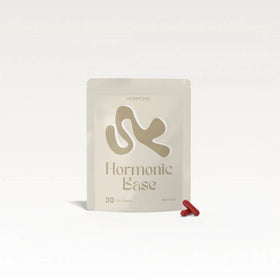
The Daily Foundation for Your Desire to Conceive
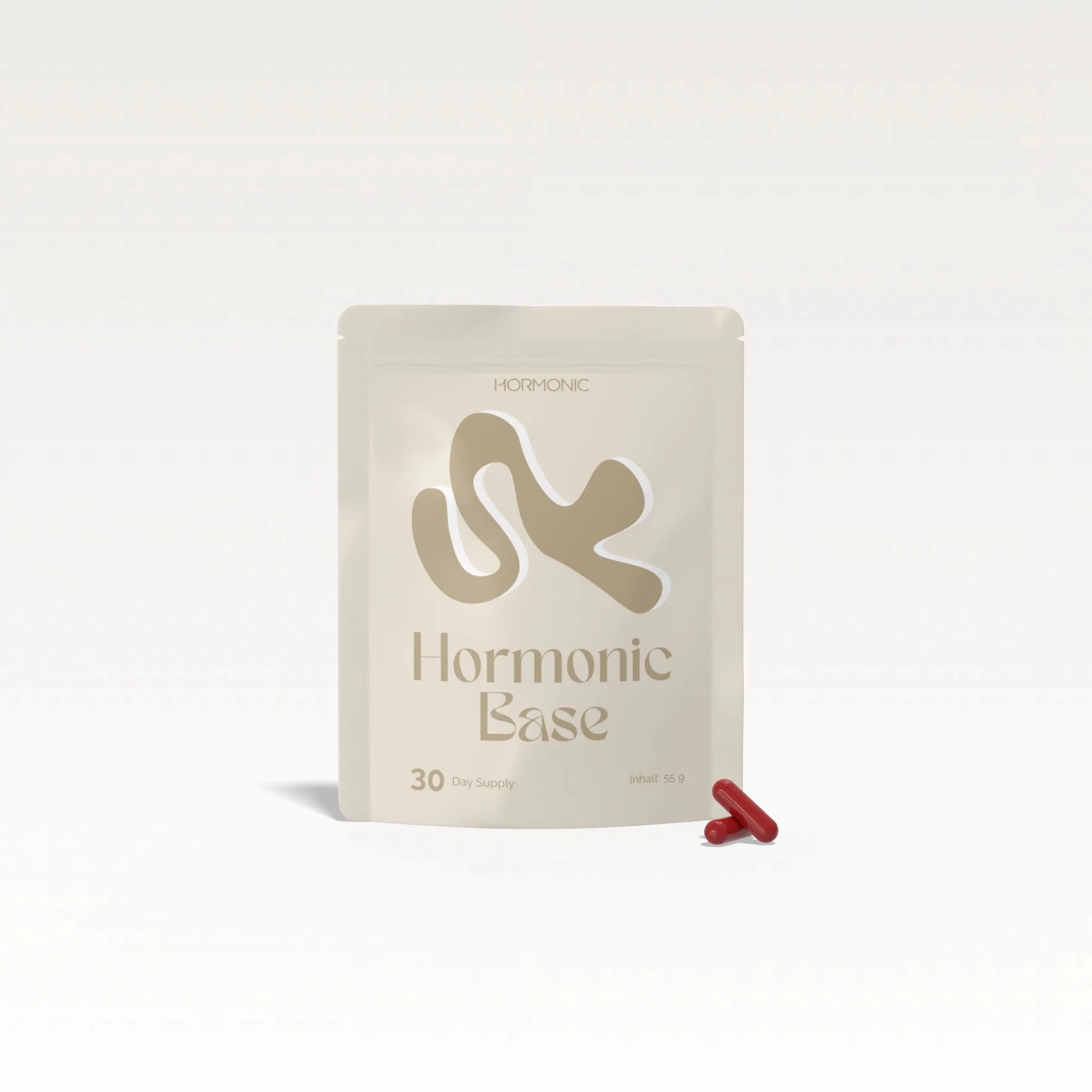
Hormonic Base provides 16 micronutrients. Folate contributes to maternal tissue growth during pregnancy, zinc to normal fertility and reproduction, and vitamin D supports the normal function of the immune system. A solid basic supply, expert-developed.
€65,00
Trying to conceive? Our wellness team is here for you
Instead of blindly supplementing, it's worth looking at your individual situation. In a free 15-minute intro call, we'll figure out together what suits you and your situation.
Frequently Asked Questions About Nutrients and Fertility
Can nutrient deficiencies in women cause infertility?
Which nutrients are most commonly deficient in women trying to conceive?
Should I just take supplements if I want to get pregnant?
Is vitamin E important for fertility?
Scientific Sources
- Murphy M.M. et al. (2026). Nutrient gaps are prevalent among women experiencing infertility, a cross-sectional analysis of the National Health and Nutrition Examination Survey (NHANES), 2013-2020. PLOS ONE. doi:10.1371/journal.pone.0341444
- Kuchakulla M. et al. (2024). The Role of Nutrient Supplements in Female Infertility: An Umbrella Review and Hierarchical Evidence Synthesis. Nutrients, 17(1), 57. doi:10.3390/nu17010057
- Mashhadi F. et al. (2025). Nutritional Interventions for Enhancing Female Fertility: A Comprehensive Review of Micronutrients and Their Impact. Nursing Research and Practice. doi:10.1155/nrp/2137328
- Skoracka K. et al. (2021). Female Fertility and the Nutritional Approach: The Most Essential Aspects. Advances in Nutrition, 12(6), 2372-2386. doi:10.1093/advances/nmab068
- Schütz D. et al. (2025). Effect of micronutrients on fertility and aneuploidy rates in human conceptions: a systematic review and meta-analysis. Reproductive BioMedicine Online. doi:10.1016/j.rbmo.2025.104987
- Maitin-Shepard M. et al. (2024). Food, nutrition, and fertility: from soil to fork. The American Journal of Clinical Nutrition. doi:10.1016/j.ajcnut.2023.12.005
You might also be interested in this.

Which nutrients really help with fertility? We provide an evidence-based classification of folic acid, CoQ10, myo-inositol, omega-3, and diet, for women and men.

Brief Definition Folate is a B vitamin (B9) that the body needs for cell division and the earliest development of the child, among other things. Folic acid is the synthetic, particularly well-re...

The quality of your eggs is one of the most important factors for fertility and directly impacts the chances of a successful pregnancy. Women are born with a limited egg reserve – around 1 to 2 mil...