

As a co-founder of Hormonic, I hear questions about trying to conceive every day, and often with the same worry: do I have any influence over this at all, or do I just have to hope? The good news is that there are several important levers you can adjust yourself, even though age and genetics are fixed.
In this article, I'll put into context which natural measures can genuinely support fertility and where the research is clear. It's about realistic, everyday steps, not pressure or promises of miracles.
Can you boost fertility naturally?
To a certain extent, yes. Age and genetics can't be changed, but nutrition, body weight, stress, sleep and the environment demonstrably influence your cycle and ovulation. In studies, a Mediterranean, largely plant-based diet was linked with better chances of pregnancy, and a healthy weight along with less chronic stress supports regular ovulation. This doesn't replace a medical check-up, but it does improve the conditions.
| Lever | What the studies suggest |
|---|---|
| Nutrition | A Mediterranean diet was linked with a lower risk of ovulation disorders. |
| Body weight | Very low or high weight can disrupt ovulation; moderate weight loss helped. |
| Stress and sleep | Chronic stress and lack of sleep were linked with a longer time to pregnancy. |
| Micronutrients | Folate, vitamin D and zinc are the most frequently studied around trying to conceive. |
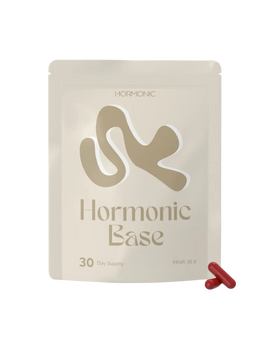
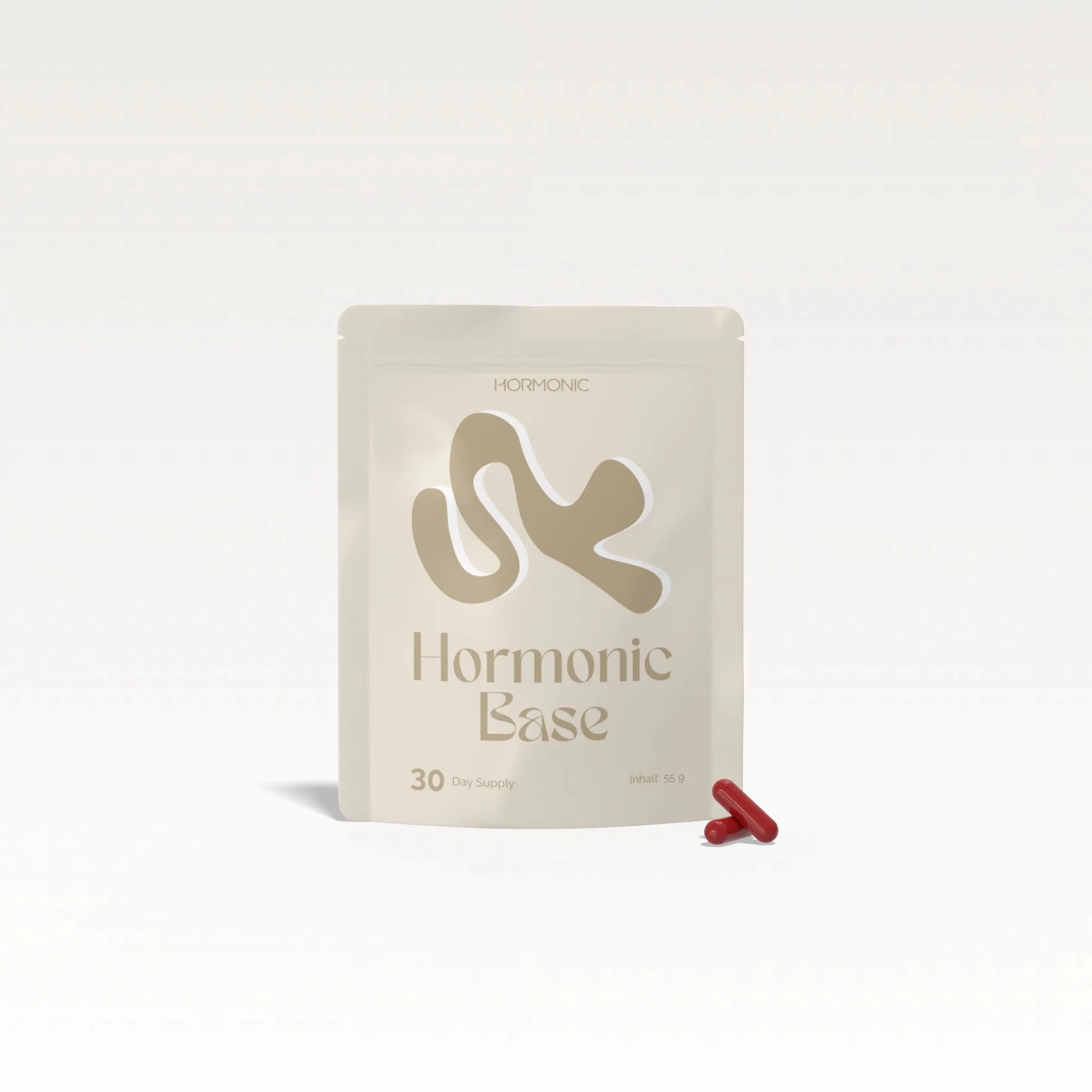
Hormonic Base: folate and zinc for the foundation
Hormonic Base provides 16 micronutrients as a daily foundation, including folate and zinc. Folate contributes to the growth of maternal tissue during pregnancy, and zinc to normal fertility and reproduction. A micronutrient foundation for the time around trying to conceive, expert-developed and produced in Austria.
€65,00
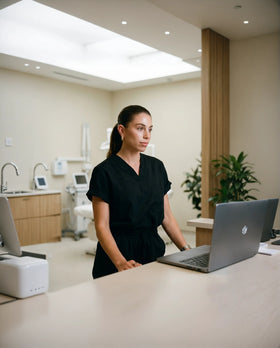
Not sure where to start on your journey to conceive?
In a free, 15-minute intro call, our wellness team helps put your questions about trying to conceive, your cycle and nutrients into context, with no obligation. Comfortably from home, with no waiting times.
Frequently asked questions about natural fertility
How can I boost my fertility naturally?
Which vitamins increase fertility?
How long does it take to get pregnant naturally?
When should I see a doctor if I'm trying to conceive?
Scientific Sources
- Gaskins, A. J. & Chavarro, J. E. (2018). Diet and fertility: a review. American Journal of Obstetrics and Gynecology, 218(4), 379-389. doi:10.1016/j.ajog.2017.08.010
- Chiu, Y.-H., Chavarro, J. E. & Souter, I. (2018). Diet and female fertility: doctor, what should I eat? Fertility and Sterility, 110(4), 560-569. doi:10.1016/j.fertnstert.2018.05.027
- Chavarro, J. E. et al. (2007). Diet and lifestyle in the prevention of ovulatory disorder infertility. Obstetrics & Gynecology, 110(5), 1050-1058. doi:10.1097/01.AOG.0000287293.25465.e1
- Chu, J. et al. (2018). Vitamin D and assisted reproductive treatment outcome: a systematic review and meta-analysis. Human Reproduction, 33(1), 65-80. doi:10.1093/humrep/dex326
- De-Regil, L. M. et al. (2015). Effects and safety of periconceptional oral folate supplementation for preventing birth defects. Cochrane Database of Systematic Reviews, 12, CD007950. doi:10.1002/14651858.CD007950.pub3
- EFSA NDA Panel (2009). Scientific Opinion on the substantiation of health claims related to zinc. EFSA Journal, 7(9), 1229.
About the Author
You might also be interested in this.
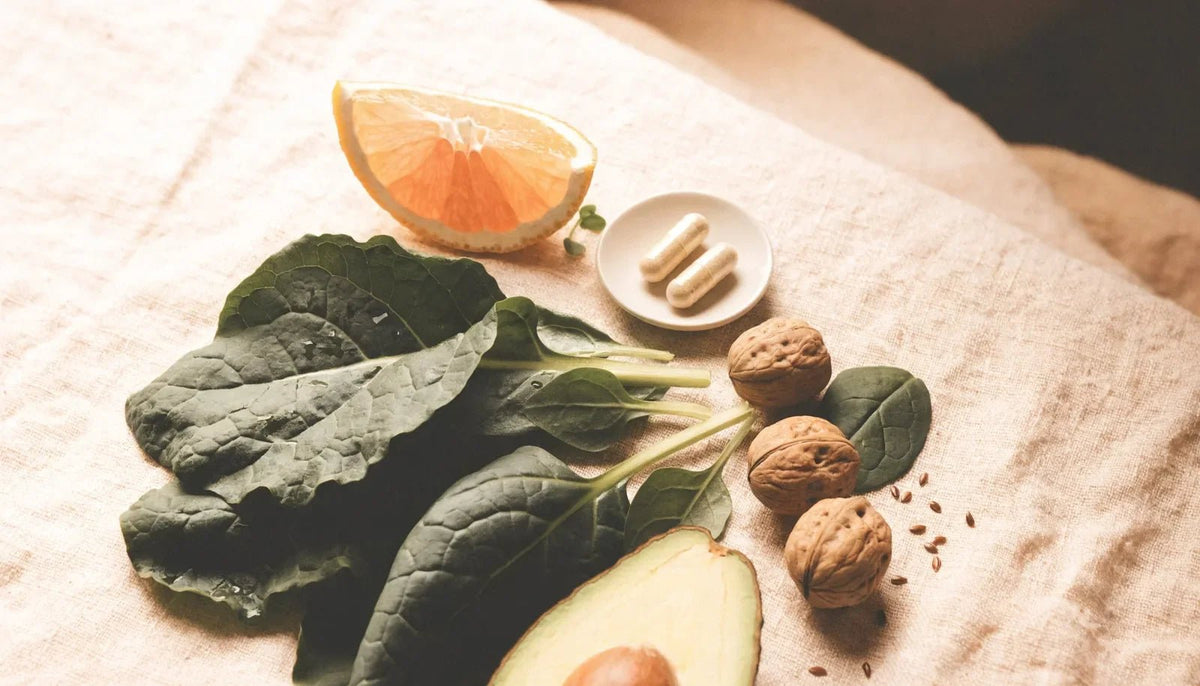
Which nutrients really help with fertility? We provide an evidence-based classification of folic acid, CoQ10, myo-inositol, omega-3, and diet, for women and men.

Ovulation pain, cervical mucus, nausea: Ovulation manifests through many signs. Find out which ovulation symptoms are typical, how long ovulation pain lasts, and how to identify your fertile days.

The quality of your eggs is one of the most important factors for fertility and directly impacts the chances of a successful pregnancy. Women are born with a limited egg reserve – around 1 to 2 mil...