
Cart

Your cart is empty

Continue shopping

Popular searches

Featured products

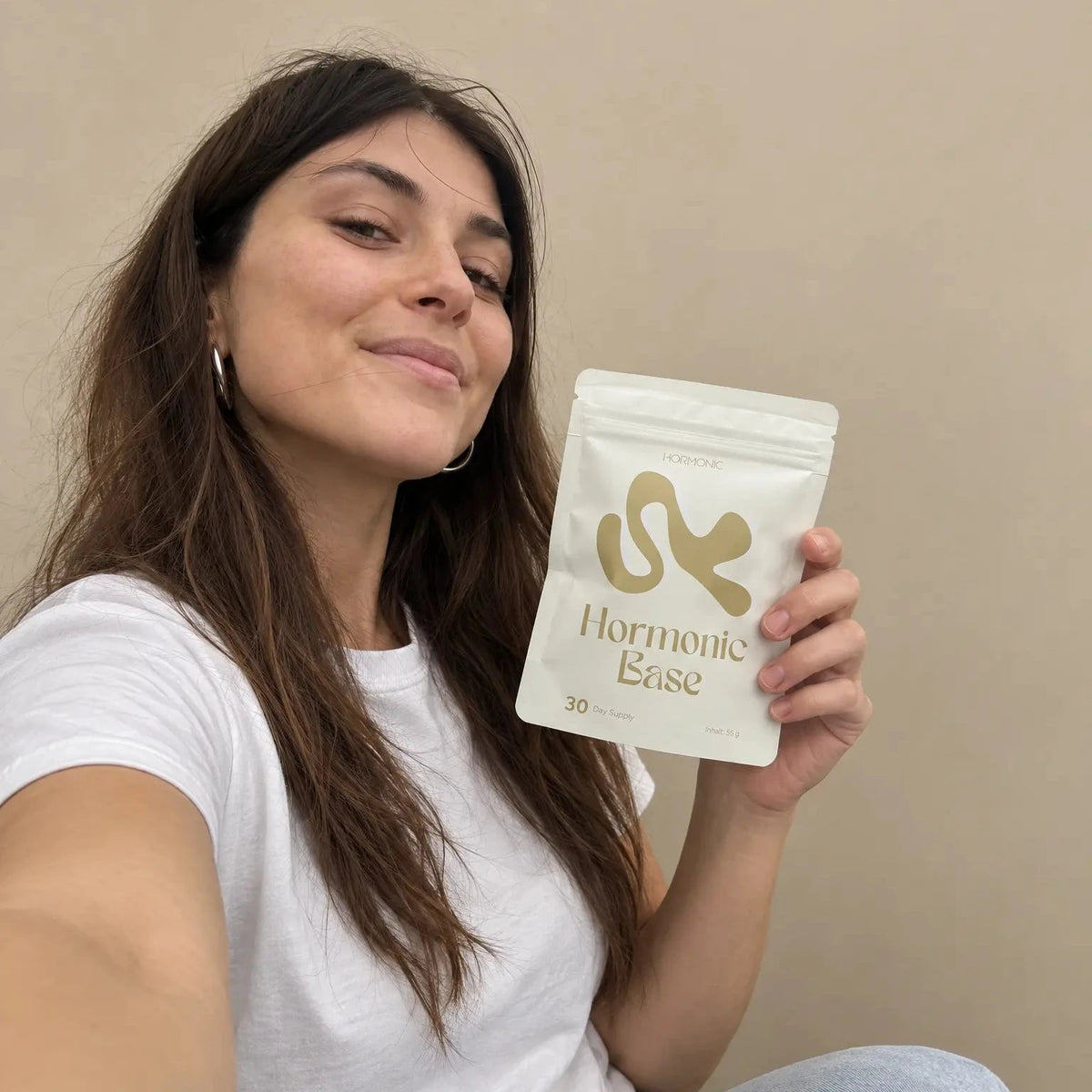
Hormonal Base
Sale price€65,00
(5.0)
Midlife balance
Sale price€75,00
(5.0)
GLP-1 und Frauenhormone: Zyklus, Wechseljahre und die Spritze
StoffwechselNov 4, 20248 min read

GLP-1 and Female Hormones: Naturally Boosting Instead of Injections

Key takeaways

GLP-1 is an endogenous hormone that is closely linked to insulin, the menstrual cycle, and hormone balance in women. You can naturally support it – through meal sequencing, exercise, gut health, sleep, and stress – thus creating a gentler alternative or complement to injections.

GLP-1, as an active ingredient behind Ozempic, is currently on everyone's lips. But GLP-1 is, first and foremost, an endogenous hormone, and particularly exciting for women: It is closely linked to insulin, the menstrual cycle, and hormone balance. This guide explains what GLP-1 has to do with your hormones, why injections are not the only option, and what levers you have in your own hands.

Briefly Explained

GLP-1 (Glucagon-like Peptide-1) is an intestinal hormone released from the L-cells of your gut after eating. It stimulates insulin secretion, inhibits counteracting glucagon, slows down gastric emptying, and sends satiety signals to the brain. Medications like Ozempic pharmacologically mimic precisely this mechanism.

Why GLP-1 is a hormonal issue for women, not just a weight loss issue

Most articles about GLP-1 only focus on weight. For women, this is too narrow a view. GLP-1 acts through the same lever that is central to many female hormonal complaints: insulin.

Insulin resistance, i.e., a reduced sensitivity of cells to insulin, is closely linked to the female hormonal system. Elevated insulin levels influence the production of sex hormones, a connection that plays a role particularly in PCOS and during menopause. Improving insulin sensitivity can have a positive effect on hormonal balance.

Estrogen and GLP-1 sometimes work hand in hand: Both bind to receptors in the hypothalamus, which controls hunger and energy expenditure.

Estradiol influences food intake throughout the cycle, partly indirectly via peripheral messengers like GLP-1. This explains why appetite and cravings change cyclically for many women, and why a declining estradiol curve in perimenopause often goes hand in hand with altered hunger and a greater tendency towards insulin resistance.

How GLP-1 regulates your blood sugar

The blood sugar effect is the core of GLP-1 and the reason why it is so closely linked to your hormone balance. After a meal, the following happens:

Insulin up, but controlled

GLP-1 stimulates the pancreas to release insulin, but only when blood sugar actually rises. This glucose-dependent mechanism protects against hypoglycemia.

Glucagon down

At the same time, GLP-1 slows down the hormone glucagon, which otherwise releases sugar from the liver. This keeps blood sugar more stable.

Stomach slower

Delayed gastric emptying ensures that glucose enters the bloodstream more slowly: fewer spikes, longer satiety.

What this means for you

More stable blood sugar curves mean fewer insulin rollercoasters and thus less of the hormonal stress that fuels cravings, energy dips, and for some women, cycle complaints.
Did you know?

GLP-1 receptors are not only found in the gut and brain – they have also been detected in the ovaries and uterus. This is one of the reasons why researchers suspect that GLP-1 could directly interfere with the control of female reproductive hormones – a field that is only just beginning to be explored.

The Injection or the Natural Way? What You Should Know Before Deciding

GLP-1 analogs like Semaglutide (Ozempic, Wegovy) and Tirzepatide are effective for weight loss and blood sugar control. For women with PCOS or significant insulin resistance, they can be beneficial under medical supervision. But they are prescription-only, require medical guidance, and raise issues that are often not discussed enough with women.

The Muscle Issue, Too Rarely Discussed

A large part of weight loss with GLP-1 medications is not solely due to fat. Current analyses show that around 25 to 40 percent of lost weight comes from fat-free mass – primarily muscle. For women, this is doubly problematic: muscle mass is not only important for strength and metabolism but is also linked to bone health – an issue that gains importance from perimenopause onwards.

The good news: Muscle loss is not set in stone.Strength training and adequate protein intakeare considered the most important strategy to protect muscle mass during weight loss – regardless of whether it occurs with or without medication.

What GLP-1 Medications Can Do to Your Cycle

Some women report changes in their cycle when taking GLP-1 medications – such as more irregular or different bleeding patterns. One reason: adipose tissue is an active hormone-producing organ that produces estrogen. Rapid weight loss can therefore trigger hormonal fluctuations.

For PCOS, early research points in a rather positive direction: improved insulin sensitivity can lead to a more favorable shift in hormone profiles, and some studies observe more regular cycles. GLP-1 receptors have also been detected in ovaries and the uterus, suggesting direct effects on reproductive organs. Important: Much of this comes from small studies, often on women with PCOS and obesity. Reliable statements for the general population are not yet available.

Insulin Resistance, PCOS, and Menopause: Three Life Stages, One Lever

Why GLP-1 is such a central topic for women is most evident in three situations where insulin metabolism becomes unbalanced.

PCOS

Up to 80 percent of women with PCOS have insulin resistance – including many of normal weight. Elevated insulin levels stimulate androgen production, fueling typical symptoms like cycle irregularities, hair loss, or skin problems. Anything that improves insulin sensitivity therefore addresses the root cause.

Perimenopause and Menopause

As estrogen levels decline, fat distribution and insulin regulation change. Many women notice more abdominal fat and a greater tendency toward insulin resistance – their figure shifts from 'pear' to 'apple'. This is precisely where stable blood sugar and a good GLP-1 response can make a difference in everyday life.

General Metabolic Health

Even without a diagnosis: stable blood sugar relieves the entire hormonal system. Fewer insulin spikes mean less cravings, more consistent energy, and a better foundation for your hormonal balance.

Shape Formula for Stable Blood Sugar

Doctor-developed micronutrients that support your metabolism and a balanced blood sugar and insulin response – the ideal basis for the natural way.

€75,00

Discover now

5 Hebel, mit denen du GLP-1 natürlich unterstützt

Die einzelnen GLP-1-fördernden Lebensmittel haben wir in einem eigenen Artikel ausführlich beschrieben (siehe ‚Ozempic ohne Rezept: GLP-1 mit Lebensmitteln steigern). Hier geht es um die Hebel drumherum – also wie, wann und in welchem Lebensstil du isst und dich bewegst. Diese werden oft unterschätzt, wirken aber direkt auf deine GLP-1-Antwort.

1. Iss in der richtigen Reihenfolge

Die Reihenfolge auf dem Teller verändert deine Hormonantwort, selbst bei identischer Mahlzeit. Wer Protein und Gemüse vor den Kohlenhydraten isst, hat in Studien flachere Blutzuckerkurven und eine stärkere GLP-1-Ausschüttung als bei ‚Kohlenhydrate zuerst‘. Praktisch heißt das: erst der Salat oder das Gemüse, dann Fisch oder Ei, zuletzt Reis, Pasta oder Brot.

2. Bewege dich mit Intensität – und trainiere Kraft

Moderate bis intensive Bewegung steigert die GLP-1-Ausschüttung und verbessert die Insulinempfindlichkeit, teils schon nach einer einzigen Einheit. Krafttraining ist dabei doppelt wertvoll: Es unterstützt die GLP-1-Antwort und schützt gleichzeitig die Muskulatur – genau das, was bei jeder Gewichtsabnahme erhalten bleiben sollte. Ziel: mindestens 150 Minuten Bewegung pro Woche, plus Krafttraining an zwei Tagen.

3. Pflege deinen Darm

GLP-1 entsteht im Darm. Eine vielfältige Darmflora bildet aus Ballaststoffen kurzkettige Fettsäuren, die genau die Zellen aktivieren, die GLP-1 freisetzen. Fermentierte Lebensmittel und eine ballaststoffreiche Basis sind hier die Grundlage – ein gesunder Darm ist die Voraussetzung dafür, dass die anderen Hebel überhaupt greifen.

4. Schlaf ist kein Luxus

Schlechter Schlaf kann die GLP-1-Antwort dämpfen und den Glukosestoffwechsel stören. Sieben bis neun Stunden Qualitätsschlaf sind eine der am meisten unterschätzten Stellschrauben für hormonelle Balance – gerade für Frauen, deren Schlaf sich zyklusabhängig oder in den Wechseljahren ohnehin verändert.

5. Halte deinen Cortisolspiegel im Blick

Chronischer Stress und dauerhaft erhöhtes Cortisol können GLP-1 und andere Darm-Hirn-Botenstoffe beeinträchtigen. Stressregulation ist damit kein ‚Nice-to-have‘, sondern ein direkter Hebel auf deinen Stoffwechsel und deine Hormone.

Clarity Instead of Guesswork: Hormone Consultation

Do you suspect that your insulin, androgens, or blood sugar are out of balance? In a personal consultation, we will assess your symptoms and discuss the next steps.

Book a consultation

When a medical consultation is advisable

If you suffer from persistent cravings, unexplained weight gain, menstrual irregularities, or suspect PCOS or insulin resistance, clarity is better than guesswork. Laboratory diagnostics can reveal whether insulin, androgens, or your blood sugar are truly out of balance – and from that, a plan tailored to your life stage can be developed.

Conclusion

GLP-1 is more than just the mechanism behind Ozempic. It is an endogenous hormone closely linked to insulin, the menstrual cycle, and hormonal balance in women – and precisely for this reason, it is such an effective lever. Stabilizing blood sugar and improving insulin sensitivity addresses a central issue for PCOS, perimenopause, and overall metabolic health.

Injections can have their place under medical supervision but come with issues like muscle loss and cycle changes. The natural approach – through eating order, exercise with strength training, gut health, sleep, and stress regulation – works more gently, spares muscle mass, and can be integrated into daily life long-term. For many women, the best strategy is not an either/or, but an informed plan tailored to their life stage.

Frequently Asked Questions about GLP-1 and Female Hormones

What is the difference between GLP-1 and Ozempic?

GLP-1 (Glucagon-like Peptide-1) is an endogenous intestinal hormone. Ozempic is a medication containing the active ingredient semaglutide, which mimics the action of GLP-1 and remains active in the body longer. Simply put: GLP-1 is the hormone, Ozempic is the pharmacological replica.

Can I replace GLP-1 medications with natural methods?

Medication cannot be completely replaced by lifestyle changes – the effect size is different. However, you can significantly support your body's GLP-1 response through eating order, exercise, gut health, sleep, and stress regulation. For many women, this is a sensible foundation or supplement. Whether additional medication is useful is a matter for a doctor.

Does GLP-1 affect my period?
Possibly. Some women on GLP-1 medications report menstrual cycle changes, often in conjunction with rapid weight loss, as adipose tissue produces estrogen. In PCOS, early research suggests a favorable shift in the hormone profile. Robust data for the general population is still lacking.
Am I really losing muscle mass with GLP-1?
Current evaluations show that approximately 25 to 40 percent of lost weight can come from lean mass. Strength training and sufficient protein are considered the most important strategies to protect muscles during weight loss – whether with or without medication.

Scientific Sources

  • Quesada-Vázquez S et al. (2022). The importance of estradiol for body weight regulation in women. Front Endocrinol. PMC9677105.
  • Ferhatbegović L et al. (2023/2025). The Unexpected Effects of GLP-1 Medications on Women's Health. (Narrative review).
  • Meta-analysis (2023). Effects of GLP-1RAs on pregnancy rate and menstrual cyclicity in women with PCOS. PMC10631119.
  • International Journal of Obesity (2026). GLP-1 agonists and changes in body mass and composition: systematic review and meta-analysis. doi:10.1038/s41366-026-02088-1.
  • Case series (2025). Preservation of lean soft tissue during GLP-1/GIP-induced weight loss. PubMed 41122508.
  • Ohio State Health & Discovery (2025). Tips for activating your GLP-1 levels naturally.

About the Author

Lisa Maria Emmer

Lisa Maria Emmer

Medical Director · Hormonic

Lisa Maria Emmer is co-founder and medical director at Hormonic. She supports women with hormonal problems every day and specializes in cycle health, PCOS, and menopause.

Note: This article is based on current guidelines and scientific work (as of 2026). It is for informational purposes only and does not replace medical advice, diagnosis, or treatment. GLP-1 medications (Ozempic, Wegovy) are prescription-only and require medical supervision.

Share

You might also be interested in this.

Ozempic ohne Rezept: So steigerst du GLP‑1 natürlich mit Lebensmitteln
StoffwechselAug 5, 20258 min read
Ozempic without a prescription: How to increase GLP‑1 naturally with food

Ozempic effect without injections: Certain foods can boost your GLP-1 production and thus support satiety, blood sugar, and hormonal balance. Learn which foods work—and how to combine them correctly.

Ozempic absetzen ohne Jojo-Effekt: so bleibt dein Gewicht
StoffwechselJun 4, 20267 min read
Ozempic absetzen ohne Jojo-Effekt: so bleibt dein Gewicht

Nach dem Absetzen der Spritze kommen oft zwei Drittel des Gewichts zurück. Warum das passiert und mit welcher Routine dein Erfolg bleibt.