
Offer ends in10:00

Cart

Your cart is empty

Continue shopping

Trending searches

Featured products

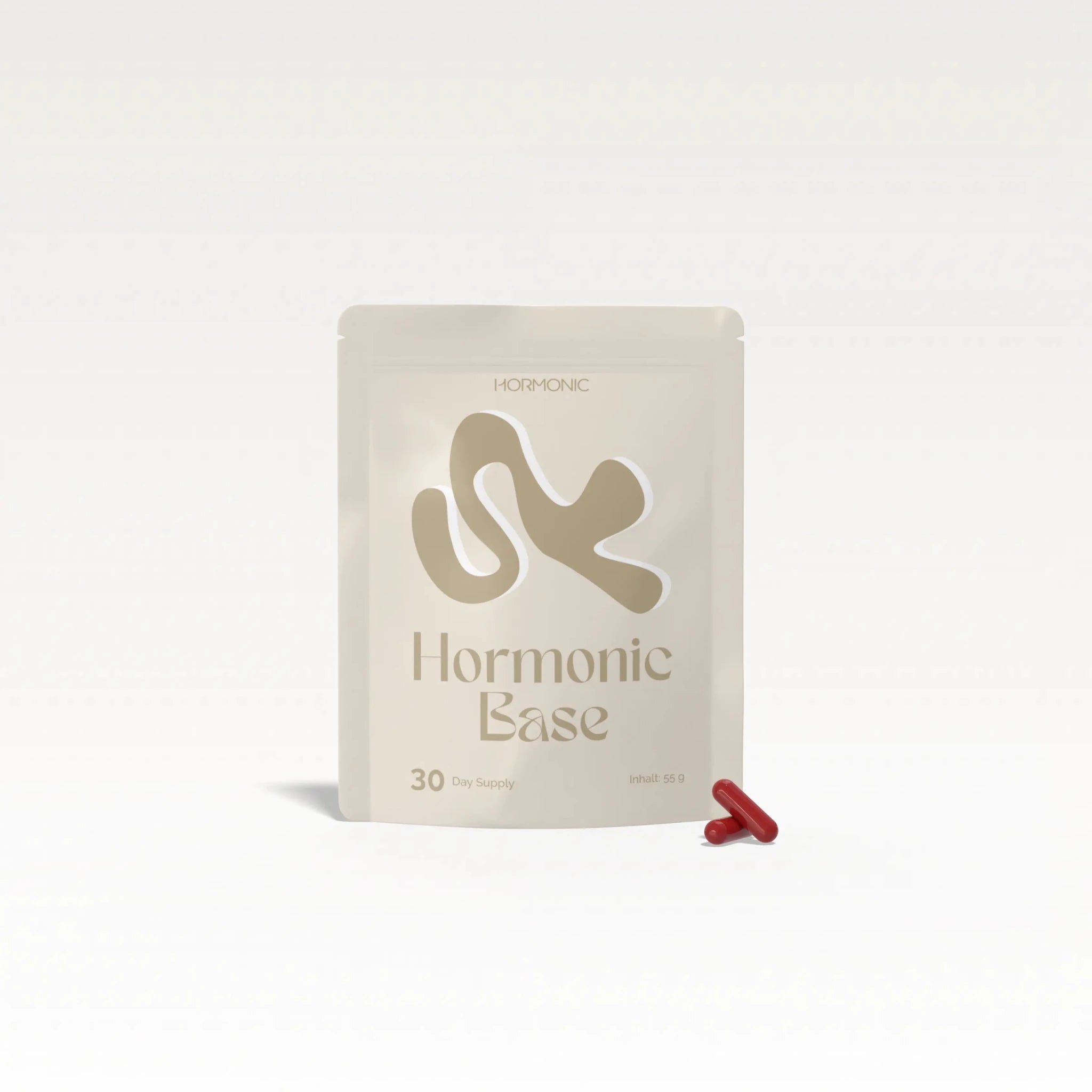
Hormonic Base - Hormonic - Nahrungsergänzungsmittel
Sale price€65,00
(5.0)
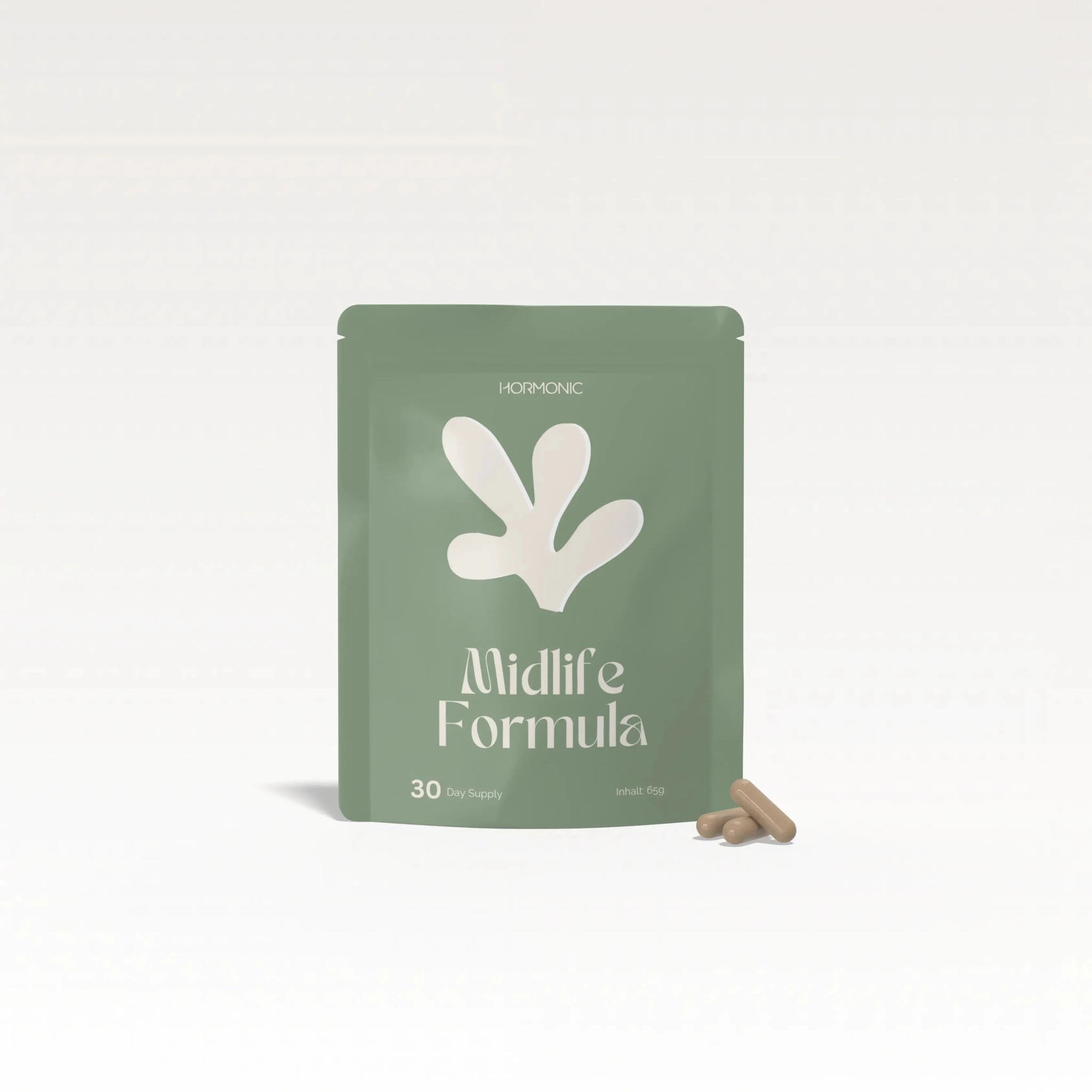
Midlife Formula - Hormonic - Nahrungsergänzungsmittel
Sale price€75,00
(5.0)
Ozempic ohne Rezept: So steigerst du GLP‑1 natürlich mit Lebensmitteln - Hormonic
ErnährungAug 5, 202511 min read

GLP-1 foods: Which foods stimulate satiety

This article is part of: Metabolism, Hormones, and Weight: The Complete Guide for Women

There is a finding about GLP-1 that hardly any German article mentions, and it happens to be the most relevant one for you. Researchers in Adelaide gave healthy young adults the exact same amount of glucose directly into the small intestine and measured how much GLP-1 the body released in response. In women, the response was two to three times higher than in men. A second, independent study by the same group found the same result.

This is remarkable because GIP, the second major gut hormone, did not differ at all between the genders. So, this is not about a non-specifically different digestion, but about this one hormone. Why this is the case, nobody knows for sure yet. The discussion focuses more on body composition than on sex hormones.

The rest of this article answers the question that follows: If your body produces more of it anyway, what makes it release even more? I looked through every popular recommendation to see if GLP-1 was even measured in the corresponding study. For several of the best-known tips, the answer is: no. For five measures, however, the numbers are surprisingly clear.

Quick definition

What is GLP-1?

Glucagon-like peptide 1 is a gut hormone. Specialized cells in your intestinal wall, the L-cells, release it after eating. GLP-1 promotes insulin release, inhibits its antagonist glucagon, and slows down gastric emptying. The result is a more stable blood sugar level and a feeling of satiety that lasts longer. Medications like semaglutide mimic this signal, at a dose and for a duration that the body never reaches on its own.

The most important things in brief

  • Women release two to three times as much GLP-1 as men in response to the same stimulus. Measured independently twice.
  • The strongest lever is not a food, but a timing: protein and vegetables first, carbohydrates last.
  • Green tea catechins combined with coffee polyphenols increased the GLP-1 response by 47 percent over three weeks.
  • Dietary fibers are reliably satiating, but they increase GLP-1 much less often than claimed. The track record for inulin and resistant starch is poor.
  • More GLP-1 does not automatically mean less hunger. During the luteal phase of your cycle, both are high at the same time.

The five findings that really carry weight

These numbers all come from human studies in which GLP-1 was actually measured in the blood. This is the crucial difference to most of the recommendations that are circulating, because there, the GLP-1 effect is often only assumed or derived from animal experiments.

Measure What was measured Who was studied
Woman instead of man GLP-1 response 2 to 3 times higher healthy adults, replicated twice
Whey protein beforehand intact GLP-1 +298%, glucose −28% 15 people with type 2 diabetes
Carbohydrates last GLP-1 +38%, blood sugar curve −53% 16 people with type 2 diabetes
Green tea plus coffee polyphenols GLP-1 +47% after three weeks 11 healthy adults
Olive oil with the meal GLP-1 response 645 instead of 7 units 13 overweight people with type 2 diabetes
Avocado with the meal GLP-1 +77%, PYY 2.5-fold overweight men and women

Swipe sideways to see the whole table.

What is striking is what is not here. No superfood, no exotic berry, no detox tea. The most robust effects come from protein, fat, polyphenols, and the order in which you eat.

The fiber story, calculated honestly

Now for the part that will probably surprise you. In 2026, Dutch researchers systematically evaluated 52 human studies on dietary fiber and GLP-1 and simply counted how many of them actually showed a significant increase in GLP-1 levels. The result does not match what is on Instagram.

Type of fiber GLP-1 increased in Where you find them
Mannans 3 out of 4 studies guar gum, glucomannan
Dextrins 4 out of 8 studies soluble corn fiber, wheat dextrin
Beta-glucans 3 out of 9 studies oats, barley
Fructans 2 out of 10 studies inulin, chicory, Jerusalem artichoke
Resistant starch 1 out of 12 studies green banana, cold potato

Swipe sideways to see the whole table.

Ironically, the two fibers that are at the top of every GLP-1 article perform the worst. For inulin, there is even a particularly clean individual study: 24 grams of inulin caused the short-chain fatty acids in the blood to rise significantly, exactly the intermediate product through which the effect is supposed to work, and yet GLP-1 did not move. The study says so literally in the title.

A side note that fits this article: In the two studies with guar gum, the increase in GLP-1 in healthy participants was only detectable in women, not in men. The authors attribute this to the higher body fat percentage, not to hormones, and it is a single subgroup analysis of 30 people. It is worth mentioning, however, because it points in the same direction as the finding at the very top.

Did you know that …

… your body only keeps GLP-1 in the blood for a few minutes? The enzyme DPP-4 breaks it down almost immediately. That is precisely why these medications are designed to evade this breakdown, and exactly why a food acts differently: it does not create a constant signal, but rather an impulse for the meal. Interestingly, in the green tea-coffee study, the level of GIP—the second gut hormone that promotes fat storage—also decreased.

Your cycle changes how your body reacts to the same meal

A small Australian study had nine healthy women perform the same test twice, once during the follicular phase between days 6 and 12 and once in the luteal phase between days 18 and 24. They measured gastric emptying, blood glucose, insulin, GLP-1, hunger, and the amount actually eaten at the end.

The result is confusing at first glance, and that is exactly why it belongs in this article. In the luteal phase, GLP-1 and insulin were higher than in the follicular phase. At the same time, however, hunger and energy intake were also higher. More GLP-1 was associated with more appetite here, not less.

This clears up the equation that underlies this entire topic: high GLP-1 does not automatically mean feeling full. The driver in the cycle comparison was gastric emptying, which was slower in the follicular phase, and not the hormone itself. Nine participants is a small number; I am not deriving a recommendation for action from this. But it is the only study that has actually measured GLP-1 throughout the cycle, and it explains why the same plate of food feels different in the second half of the cycle.

The three ways food accesses GLP-1

The first way is direct. Protein and certain fatty acids encounter L-cells in the small intestine and trigger a release within minutes. This is the fastest and most measurable path, and all strong findings from the first part fall into this category.

The second way is mechanical. Soluble fiber binds water, makes the chyme viscous, and slows down how quickly the stomach empties. The glucose trickles in instead of flooding in. This dampens the blood sugar spike and prolongs satiety, even when GLP-1 levels do not move at all. This is precisely why oats feel so reliably good and yet look unremarkable in hormone measurements.

The third way is the one that has been written about the most and measured the least in humans: fermentation in the large intestine. What your small intestine does not digest is fermented by your gut flora, producing short-chain fatty acids, which then dock onto receptors of the L-cells. The chain is plausible and well-documented in rodent studies. In humans, it holds up significantly less well.

Resistant starch: the mechanism is correct, the human data is not

Green bananas and cooled potatoes provide resistant starch. During cooling, some of the starch recrystallizes in such a way that your digestive enzymes can no longer reach it, and it travels undigested into the large intestine. In a rodent study, a diet with about 30 percent resistant starch led to sustained higher GLP-1 and PYY levels over 24 hours. This work remains the most cited reference for the entire mechanism to this day.

However, it was conducted on rats. In the evaluation of human studies, GLP-1 increased under resistant starch in exactly one out of twelve investigations. Resistant starch is a good fiber and feeds your gut flora, that is undisputed. As a GLP-1 strategy, it is not proven in humans.

Fermented foods: good for your gut, just not through this path

One often reads that fermented vegetables produce higher GLP-1 levels than unfermented ones. In the human studies I could find for this, GLP-1 was simply not measured. The statement is therefore not refuted, it is unproven, and that is a difference one should point out.

What is actually proven remains remarkable nonetheless. In a randomized nutrition study at Stanford University, a diet with fermented foods increased the diversity of the microbiome and lowered inflammatory markers in the blood. A review article on eleven randomized kimchi studies with 638 participants found effects on fasting blood sugar, blood lipids, body fat percentage, and inflammatory markers. Skyr, kimchi, and sauerkraut rightly belong on your plate, just as a microbiome and inflammation topic, not as a hormonal lever. And what skyr certainly provides is protein, the most reliable GLP-1 trigger of all.

Bitter melon, and why I am hitting the brakes here

Bitter melon appears in almost every list of natural blood sugar reducers, usually with the claim that it acts on the GLP-1 receptor. A recent review article describes two mechanisms: a change in gut flora and activation of the energy sensor AMPK. Agonism at the GLP-1 receptor is not mentioned there.

Decisive is what happens in humans. A meta-analysis of nine randomized studies with 414 participants concluded in 2024 that an effect of bitter melon cannot be determined based on the available clinical data. Neither fasting glucose nor long-term values, blood pressure, blood lipids, or weight changed significantly. As a vegetable or tea, bitter melon is unproblematic. As a blood sugar strategy, it is currently unproven.

10 power ingredients in a doctor-developed formula

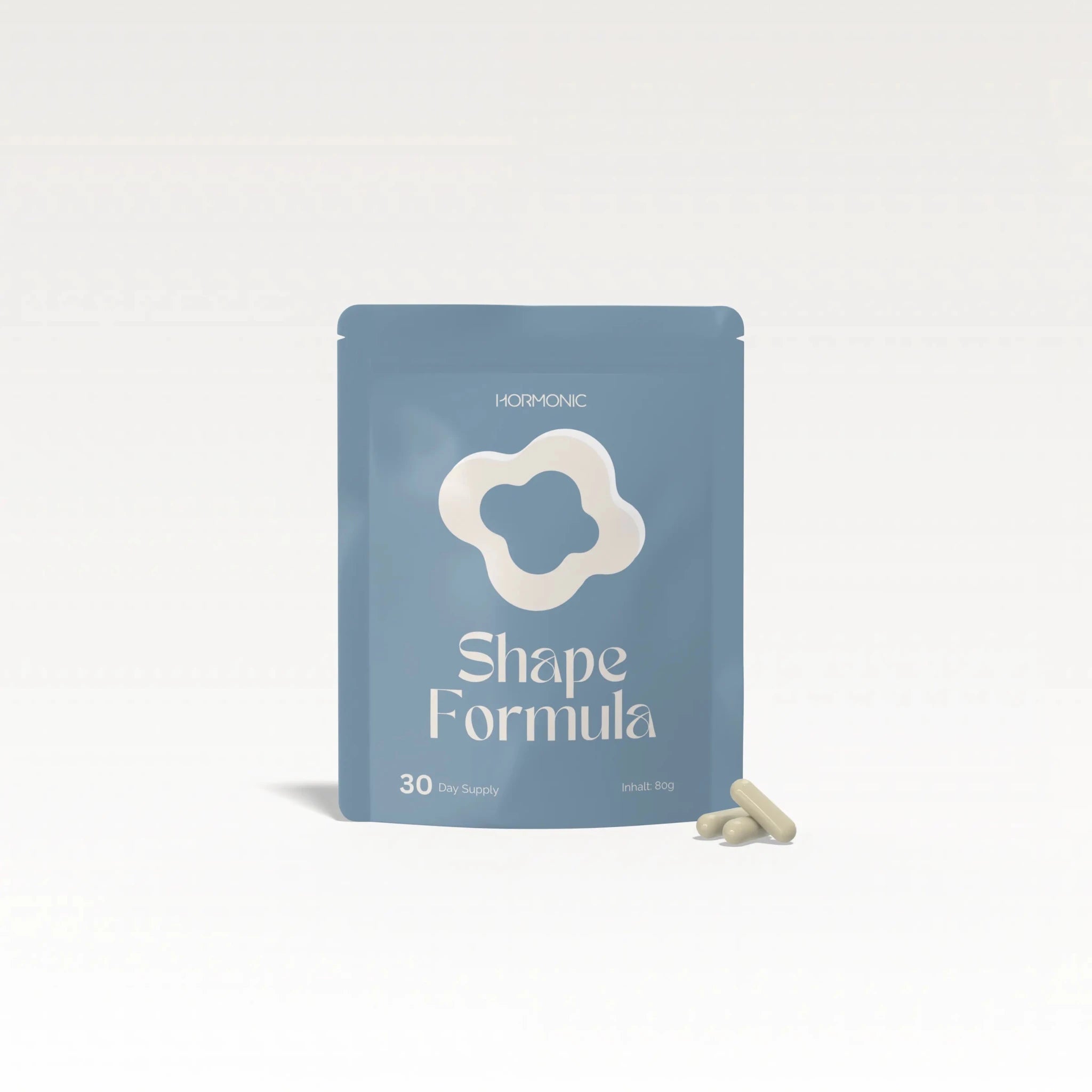
Green tea catechins and chlorogenic acid from green coffee—precisely the two plant compounds that worked together in the study above—are combined in the Shape Formula. Added to these are 8 further active ingredients that have been researched in studies regarding metabolism, blood sugar, and food cravings. Developed by doctors, produced in Austria, and loved by thousands of women.

View shape

Protein first: the strongest individual finding

In 2014, an Israeli research group had 15 people with type 2 diabetes drink 50 grams of whey protein 30 minutes before eating breakfast. Measurements were taken over three hours. Intact GLP-1 levels were 298 percent higher than without the preload, the insulin response doubled, and blood sugar was 28 percent lower.

This is the largest GLP-1 number to be found in all of nutritional research, and it needs to be put into context: 15 participants, open design, and 50 grams of whey protein is a supplement, not a normal meal. A 2023 meta-analysis of 16 randomized trials with 244 participants confirms the blood sugar effect with a high degree of certainty; the glucose peak dropped by 1.4 mmol per liter. However, the same authors consider the claim that GLP-1 is the sole reason for this to be poorly supported.

And before you order whey powder now: A 2025 study compared a plant-based breakfast to an animal-based protein breakfast, each with 30 grams of protein, against a carbohydrate-rich breakfast with 10 grams. Both protein breakfasts significantly increased GLP-1, and there was no difference between plant-based and animal-based. It is the amount of protein that counts, not the source.

The order on the plate

If you take only one thing from this article, let it be this. In a crossover study with 16 people with type 2 diabetes, the same meal was eaten in two different sequences: once carbohydrates first, and once vegetables and protein first with the carbohydrates last. The GLP-1 response was 38 percent higher in the second scenario, the blood sugar curve was 53 percent lower, and the blood sugar peak was cut in half.

The best part: It costs nothing, prohibits nothing, and lasts for days. A follow-up study with continuous glucose monitoring in everyday life showed a significantly higher time in range and a noticeably calmer curve using the same rule. Another study showed that fish or meat before rice also boosts the GLP-1 response and slows gastric emptying from around 30 to a good 80 minutes.

Green tea and coffee: the finding that surprised me

In a randomized, double-blind crossover study, eleven healthy adults drank a combination of 620 milligrams of green tea catechins and 373 milligrams of chlorogenic acids from coffee daily for three weeks. The control group received the same amount of caffeine without the polyphenols so that the stimulant would not explain the result.

The postprandial GLP-1 response was about 47 percent higher afterward than in the control phase. At the same time, the blood sugar peak dropped, the insulin response was about a quarter lower, and insulin sensitivity improved measurably. This is the only study in this entire field in which a perfectly normal combination of plant substances consumed over weeks significantly increased GLP-1 secretion in humans.

Two things should honestly be noted alongside this. First: eleven participants, all male, funded by a beverage manufacturer. Second, and more importantly: The effect was observed for the combination. Chlorogenic acid alone was also investigated, even in a higher dose of one gram, and did not change GLP-1 secretion. It seems the interaction counts here, not the individual substance.

Fat with the meal: olive oil and avocado

In a Danish crossover study with 13 overweight people with type 2 diabetes, the GLP-1 response after a meal with 19 grams of olive oil was 645 units, compared to 7 after a fat-free control meal. That is not a small difference; that is the difference between a signal and no signal. Important for context: This is a fat effect, not an olive oil miracle; other oleic acid-rich oils would likely do something similar.

The avocado is the second well-documented case. In overweight and obese men and women, the satiety hormone PYY was about two and a half times higher for over six hours after a meal with a whole avocado, and GLP-1 was around 77 percent higher than after the control meal. At the same time, the insulin response was 31 percent lower.

Eggs and nuts, with the necessary caveat

A breakfast of three eggs resulted in lower glucose and insulin values, more suppressed hunger hormone ghrelin, and lower energy intake over the following 24 hours compared to a calorie-equivalent bagel breakfast. The study is older and was conducted on men. However, it fits exactly into the pattern that runs through this entire article.

With nuts, there are actually human data. In a randomized study with 55 pregnant women with gestational diabetes or impaired glucose tolerance, GLP-1 was significantly higher after 42 grams of pistachios at several measurement points than after 100 grams of whole-grain bread, with simultaneously lower glucose and insulin. The caveat must be included: The study compares nuts against bread. This shows that the substitution works, not that nuts actively boost GLP-1.

What you can safely leave out

Apple cider vinegar before meals is the most popular tip in this field, yet it does not belong in a GLP-1 chapter. A meta-analysis of clinical studies clearly demonstrates that vinegar lowers the glucose and insulin response after eating. GLP-1 is not mentioned in it, and the described mechanism is again delayed gastric emptying. So as a blood sugar tip, it is fine; as a hormone lever, it is not.

The same applies to inulin, chicory, Jerusalem artichokes, and resistant starch. They are not harmful; many of them are good foods. They just do not do what they are advertised to do.

This is what it looks like on a normal day

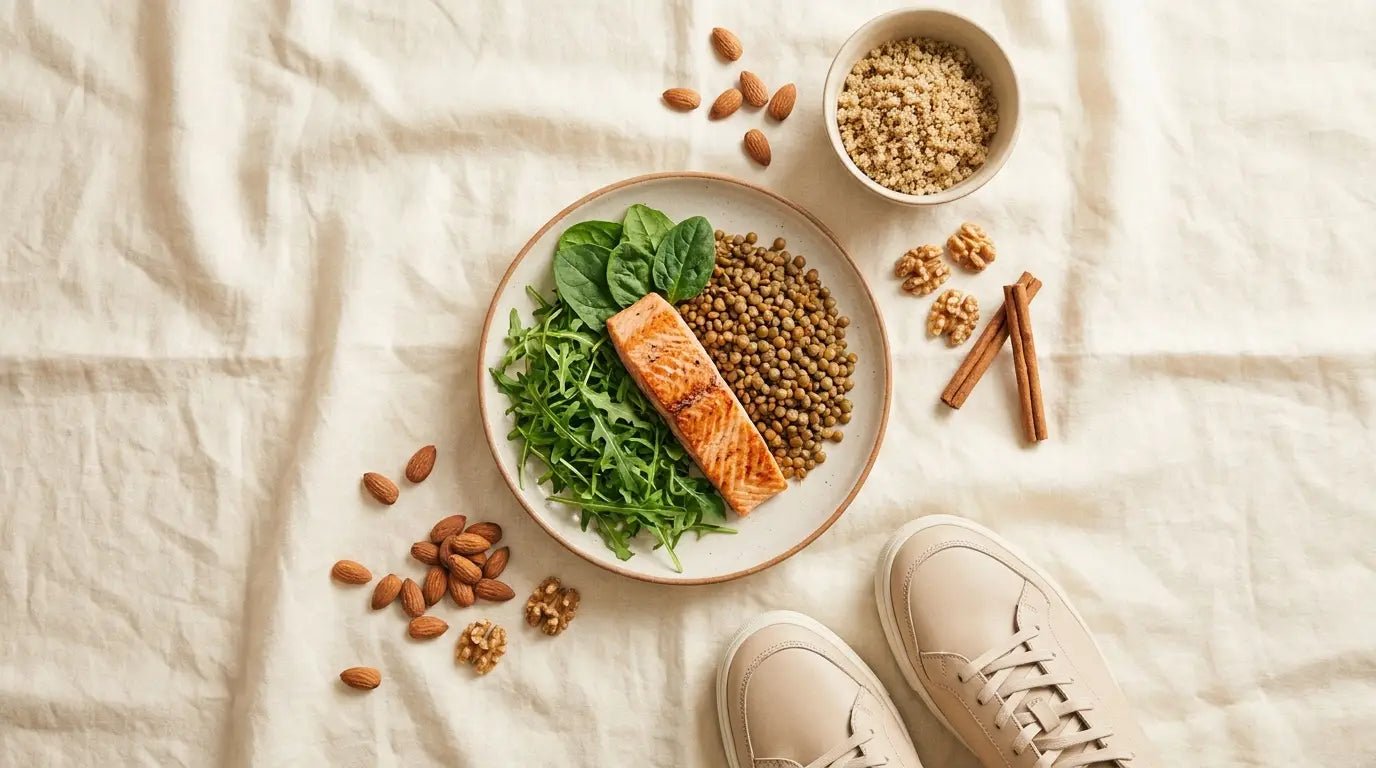
Breakfast with at least 25 to 30 grams of protein, whether it is Skyr, eggs, or plant-based. Add your coffee and green tea throughout the day. At lunch and dinner, eat vegetables first, then protein, then the starch, and add a spoonful of olive oil or half an avocado. That is the entire strategy, and it consists of two decisions, not twelve grocery list items.

If your blood sugar remains unsettled despite such changes, it is worth looking one level deeper. We have written about how insulin resistance develops in women and how to recognize it in a separate article on Insulin resistance in women.

Shape Bundle: the foundation and the metabolic level

The metabolic pathways targeted by Shape rely on enzymes, and enzymes require magnesium, B vitamins, and zinc. Hormonic Base provides exactly these, along with 16 essential micronutrients. Together with the 10 active ingredients in the Shape Formula, that makes 26 ingredients across two perfectly coordinated formulations. For women who want to get the most out of their routine.

Start with a price advantage

Conclusion

Your body already releases more GLP-1 in response to the same stimulus than a man’s does. This is no small matter; it is the starting point: You are working with a system that responds more strongly in women, and you can noticeably influence it through your diet.

The reliable levers are protein before a meal, carbohydrates last, fat with the meal, and polyphenols from green tea and coffee. The popular fiber and superfood recommendations largely do not hold up to scrutiny, especially in the case of inulin and resistant starch. That is good news: you need to buy less and change less than the internet would have you believe.

For all the enthusiasm for the numbers, there is one sentence I cannot leave out as a doctor: No food achieves the potency of a GLP-1 medication. The body's own GLP-1 is broken down again within minutes; the medications are designed specifically to evade this breakdown. What diet achieves is a stronger impulse during the meal, a steadier blood sugar curve, and more satiety. A real effect, just a different one.

If you want to know which nutrients related to metabolism and blood sugar have actually been studied and for which there is an authorized claim, you can find this in our overview of Metabolic and Hormonal Health. And if you would like to have your situation assessed by a doctor, the initial consultation is free of charge.

Frequently Asked Questions about GLP-1 and Nutrition

Which foods actually increase GLP-1?

In humans, a GLP-1 increase was measured primarily in response to protein, fat, polyphenols, and the order of food intake. In a study of people with type 2 diabetes, a whey protein preload before breakfast increased intact GLP-1 by 298 percent. Eating carbohydrates last increased the GLP-1 response by 38 percent and lowered the blood glucose curve by 53 percent. Green tea catechins combined with chlorogenic acids from coffee raised GLP-1 by around 47 percent over three weeks. Olive oil and avocado with meals have also been measured directly. In contrast, for most popular dietary fiber recommendations, GLP-1 was either not measured at all or did not increase.

Is the GLP-1 response different in women compared to men?

Yes, and significantly so. In two independent studies on healthy young adults in which the same amount of glucose was administered directly into the small intestine, the GLP-1 response in women was two to three times higher than in men. GIP, the second major gut hormone, did not differ at all, so the finding is specific to GLP-1. The cause is unclear and is discussed more in terms of body composition than sex hormones. In practical terms, this means that you are working with a system that responds more strongly in women.

Kann ich den Ozempic-Effekt mit Ernährung nachbauen?
Nicht in dieser Größenordnung. GLP-1-Medikamente erzeugen einen dauerhaft hohen Spiegel, den der Körper aus eigener Kraft nicht erreicht, weil körpereigenes GLP-1 innerhalb von Minuten wieder abgebaut wird. Was die Ernährung leisten kann, ist eine stärkere Antwort zur Mahlzeit, stabilere Blutzuckerkurven und mehr Sättigung. Die Effekte treten sofort zur jeweiligen Mahlzeit auf, Du spürst also schon beim ersten proteinreichen Frühstück einen Unterschied beim Hunger am Vormittag. Das ist ein echter Effekt, aber ein anderer als der eines Medikaments.
Bringen Hafer, Inulin und resistente Stärke etwas für GLP-1?
Deutlich weniger, als üblicherweise behauptet wird. Eine Auswertung von 52 Humanstudien aus dem Jahr 2026 hat ausgezählt, wie oft der GLP-1-Spiegel unter den einzelnen Ballaststoffarten tatsächlich signifikant stieg: bei Mannanen wie Guarkernmehl in 3 von 4 Studien, bei Dextrinen in 4 von 8, bei Beta-Glucanen aus Hafer in 3 von 9, bei Fruktanen wie Inulin in 2 von 10 und bei resistenter Stärke in 1 von 12. Eine saubere Einzelstudie mit 24 Gramm Inulin fand trotz starkem Anstieg der kurzkettigen Fettsäuren gar keinen GLP-1-Effekt. Hafer sättigt trotzdem, aber über die verzögerte Magenentleerung, nicht über GLP-1.

Scientific Sources

  • Xie C, Huang W, Sun Y et al. (2023). Disparities in the Glycemic and Incretin Responses to Intraduodenal Glucose Infusion Between Healthy Young Men and Women. Journal of Clinical Endocrinology & Metabolism 108(9):e712-e719. DOI: 10.1210/clinem/dgad176
  • Faerch K, Torekov SS, Vistisen D et al. (2015). GLP-1 Response to Oral Glucose Is Reduced in Prediabetes, Screen-Detected Type 2 Diabetes, and Obesity and Influenced by Sex: The ADDITION-PRO Study. Diabetes 64(7):2513-2525. DOI: 10.2337/db14-1751
  • Brennan IM, Feltrin KL, Nair NS et al. (2009). Effects of the phases of the menstrual cycle on gastric emptying, glycemia, plasma GLP-1 and insulin, and energy intake in healthy lean women. American Journal of Physiology Gastrointestinal and Liver Physiology 297(3):G602-G610. DOI: 10.1152/ajpgi.00051.2009
  • Jakubowicz D, Froy O, Ahren B et al. (2014). Incretin, insulinotropic and glucose-lowering effects of whey protein pre-load in type 2 diabetes: a randomised clinical trial. Diabetologia 57(9):1807-1811. DOI: 10.1007/s00125-014-3305-x
  • Smedegaard S, Kampmann U, Ovesen PG, Stovring H, Rittig N (2023). Whey Protein Premeal Lowers Postprandial Glucose Concentrations in Adults Compared with Water: The Effect of Timing, Dose, and Metabolic Status. A Systematic Review and Meta-analysis. American Journal of Clinical Nutrition 118(2):391-405. DOI: 10.1016/j.ajcnut.2023.05.012
  • Watson AW, Brooks A, Moore L, Barley S, Holliday A (2025). The effect of consuming different dietary protein sources at breakfast upon self-rated satiety, peptide YY, glucagon-like peptide-1, and subsequent food intake in young and older adults. European Journal of Nutrition 64(8):315. DOI: 10.1007/s00394-025-03839-y
  • Shukla AP, Andono J, Touhamy SH et al. (2017). Carbohydrate-last meal pattern lowers postprandial glucose and insulin excursions in type 2 diabetes. BMJ Open Diabetes Research & Care 5(1):e000440. DOI: 10.1136/bmjdrc-2017-000440
  • Kuwata H, Iwasaki M, Shimizu S et al. (2016). Meal sequence and glucose excursion, gastric emptying and incretin secretion in type 2 diabetes: a randomised, controlled crossover, exploratory trial. Diabetologia 59(3):453-461. DOI: 10.1007/s00125-015-3841-z
  • Yanagimoto A, Matsui Y, Yamaguchi T, Hibi M, Kobayashi S, Osaki N (2022). Effects of Ingesting Both Catechins and Chlorogenic Acids on Glucose, Incretin, and Insulin Sensitivity in Healthy Men: A Randomized, Double-Blind, Placebo-Controlled Trial. Nutrients 14(23):5063. DOI: 10.3390/nu14235063
  • Olthof MR, van Dijk AE, Deacon CF, Heine RJ, van Dam RM (2011). Acute effects of decaffeinated coffee and the major coffee components chlorogenic acid and trigonelline on incretin hormones. Nutrition & Metabolism 8:10. DOI: 10.1186/1743-7075-8-10
  • Mandoe MJ, Hansen KB, Windelov JA et al. (2018). Comparing olive oil and C4-dietary oil, a prodrug for the GPR119 agonist 2-oleoyl glycerol, less energy intake of the latter is needed to stimulate incretin hormone secretion in overweight subjects with type 2 diabetes. Nutrition & Diabetes 8(1):2. DOI: 10.1038/s41387-017-0011-z
  • Violi F, Loffredo L, Pignatelli P et al. (2015). Extra virgin olive oil use is associated with improved post-prandial blood glucose and LDL cholesterol in healthy subjects. Nutrition & Diabetes 5(7):e172. DOI: 10.1038/nutd.2015.23
  • Zhu L, Huang Y, Edirisinghe I, Park E, Burton-Freeman B (2019). Using the Avocado to Test the Satiety Effects of a Fat-Fiber Combination in Place of Carbohydrate Energy in a Breakfast Meal in Overweight and Obese Men and Women: A Randomized Clinical Trial. Nutrients 11(5):952. DOI: 10.3390/nu11050952
  • Ratliff J, Leite JO, de Ogburn R, Puglisi MJ, VanHeest J, Fernandez ML (2010). Consuming eggs for breakfast influences plasma glucose and ghrelin, while reducing energy intake during the next 24 hours in adult men. Nutrition Research 30(2):96-103. DOI: 10.1016/j.nutres.2010.01.002
  • Feng X, Liu H, Li Z, Carughi A, Ge S (2019). Acute Effect of Pistachio Intake on Postprandial Glycemic and Gut Hormone Responses in Women With Gestational Diabetes or Gestational Impaired Glucose Tolerance: A Randomized, Controlled, Crossover Study. Frontiers in Nutrition 6:186. DOI: 10.3389/fnut.2019.00186
  • de Jong JCBC, Lentjes MGW, Pietersma KF, Pasman WJ, Wopereis S, Hoevenaars FPM (2026). Dietary fibers to boost endogenous GLP-1 secretion and satiety: a scoping review. Frontiers in Endocrinology 17:1880500. DOI: 10.3389/fendo.2026.1880500
  • Rahat-Rozenbloom S, Fernandes J, Cheng J, Wolever TMS (2017). Acute increases in serum colonic short-chain fatty acids elicited by inulin do not increase GLP-1 or PYY responses but may reduce ghrelin in lean and overweight humans. European Journal of Clinical Nutrition 71(8):953-958. DOI: 10.1038/ejcn.2016.249
  • Revheim I, Ballance S, Standal AF et al. (2024). The acute effect of a beta-glucan-enriched oat bread on gastric emptying, GLP-1 response, and postprandial glycaemia and insulinemia: a randomised crossover trial in healthy adults. Nutrition & Metabolism 21:13. DOI: 10.1186/s12986-024-00789-w
  • Adam TC, Westerterp-Plantenga MS (2005). Nutrient-stimulated GLP-1 release in normal-weight men and women. Hormone and Metabolic Research 37(2):111-117. DOI: 10.1055/s-2005-861160
  • Zhou J, Martin RJ, Tulley RT et al. (2008). Dietary resistant starch upregulates total GLP-1 and PYY in a sustained day-long manner through fermentation in rodents. American Journal of Physiology Endocrinology and Metabolism 295(5):E1160-E1166. DOI: 10.1152/ajpendo.90637.2008
  • Wastyk HC, Fragiadakis GK, Perelman D et al. (2021). Gut-microbiota-targeted diets modulate human immune status. Cell 184(16):4137-4153.e14. DOI: 10.1016/j.cell.2021.06.019
  • Song E, Ang L, Lee HW et al. (2023). Effects of kimchi on human health: a scoping review of randomized controlled trials. Journal of Ethnic Foods 10:7. DOI: 10.1186/s42779-023-00173-8
  • Xiao X, Huang S, Yang Z et al. (2024). Momordica charantia Bioactive Components: Hypoglycemic and Hypolipidemic Benefits Through Gut Health Modulation. Journal of Medicinal Food 27(7):589-600. DOI: 10.1089/jmf.2024.k.0037
  • Laczko-Zold E, Csupor-Loffler B, Kolcsar EB et al. (2024). The metabolic effect of Momordica charantia cannot be determined based on the available clinical evidence: a systematic review and meta-analysis of randomized clinical trials. Frontiers in Nutrition 10:1200801. DOI: 10.3389/fnut.2023.1200801
  • Kim J, Noh W, Kim A, Choi Y, Kim YS (2023). The Effect of Fenugreek in Type 2 Diabetes and Prediabetes: A Systematic Review and Meta-Analysis of Randomized Controlled Trials. International Journal of Molecular Sciences 24(18):13999. DOI: 10.3390/ijms241813999
  • Shishehbor F, Mansoori A, Shirani F (2017). Vinegar consumption can attenuate postprandial glucose and insulin responses; a systematic review and meta-analysis of clinical trials. Diabetes Research and Clinical Practice. DOI: 10.1016/j.diabres.2017.01.021

About the Author

Lisa Maria Emmer

Lisa Maria Emmer

Founder · Physician · Hormonic

Lisa Maria Emmer is co-founder and medical director at Hormonic. She supports women with hormonal problems every day and specializes in cycle health, PCOS, and menopause.

Note: This article is based on current scientific studies, reviews, and meta-analyses and was prepared with the utmost care. It is for informational purposes only and does not replace medical advice, diagnosis, or treatment. Mentioned dietary supplements are not a substitute for a balanced diet and a healthy lifestyle. If you have existing medical conditions, are pregnant or breastfeeding, or are taking medication, always consult a doctor before taking any dietary supplements.

Share

You might also be interested in this.

Ozempic Alternative: Was wirklich hilft, ehrlich erklärt - Hormonic
StoffwechselJun 22, 20268 min read
Ozempic Alternative: What Really Helps, Explained Honestly

Looking for an Ozempic alternative? An honest assessment of what the injection can do, why no supplement can replace it, and which levers for appetite, blood sugar, and metabolism are truly evidenc...
Blutzucker natürlich senken: Was wirklich hilft - Hormonic
ErnährungAug 11, 20268 min read
Lowering Blood Sugar Naturally: What Really Works

Naturally Lower Blood Sugar: The four most important levers from diet, exercise, sleep, and nutrients, honestly assessed according to scientific studies.

Insulinresistenz bei Frauen: Ursachen, Symptome & was hilft - Hormonic
StoffwechselApr 10, 20268 min read
Insulin Resistance in Women: Causes, Symptoms & What Helps

Insulin resistance affects many women, but often remains undetected for a long time. Learn how hormones and metabolism are connected and what can specifically help with insulin resistance.