


The most common signs of insulin resistance in women are stubborn belly fat, sugar cravings, an energy dip shortly after eating, persistent fatigue, and concentration problems, often accompanied by menstrual irregularities. It is detected via fasting insulin and the calculated HOMA-IR index, not through a standard blood count. This is precisely why it remains undetected in many women for years. This article explains how hormones and insulin sensitivity are related and which levers, according to studies, truly make a difference.
You eat mindfully, exercise regularly, yet the scale barely budges, or you even gain weight. Add to that afternoon cravings and post-meal fatigue that makes you feel like you need to sleep immediately. If this sounds familiar, it's worth taking a closer look at insulin resistance. Because the problem here is rarely a lack of willpower, but rather a matter of physiology.
Insulin resistance in women: why it is so often overlooked
Insulin is released by the pancreas after every meal. Its job is to transport glucose from the bloodstream into the cells of muscles, liver, and fat tissue, where it is used as energy. If these cells become less sensitive to the insulin signal, glucose remains in the blood longer. The pancreas interprets this as a request to secrete even more insulin. Insulin levels rise, and the cells become even more insensitive.
The tricky part is that insulin resistance often develops over years before changes in fasting blood sugar become apparent. A systematic review published in Frontiers in Endocrinology in 2025 estimates the global prevalence at over 40% of the adult population, with significant regional differences. A large part of this remains undiagnosed. In addition: the standard blood test at the family doctor usually only includes fasting blood sugar. This value can remain normal for years while resistance is already building up in the background. Without fasting insulin and the calculated HOMA-IR index, the pattern usually remains invisible.
… fasting blood sugar can be within the normal range for years, while insulin levels are already elevated? This is precisely why standard blood tests often overlook incipient insulin resistance. Only the combination of fasting insulin and fasting glucose makes the pattern visible.
The most common symptoms in women at a glance
Insulin resistance rarely manifests clearly. Many women experience a combination of symptoms that, when viewed individually, seem harmless, but together form a clear pattern. The following overview categorizes typical signs according to their physiological mechanism.
If several of these points apply to you, it's not proof, but a good reason to ask specific questions instead of prematurely attributing the symptoms to stress, lack of sleep, or "age."
Insulin resistance is a physiological pattern, not a sign of lack of discipline. And that's precisely why it can be addressed specifically.
Targeted Micronutrients: What can additionally support insulin sensitivity?
First and foremost: no nutrient replaces the actual levers. A diet that keeps blood sugar stable, strength training, sufficient sleep, and stress regulation remain the foundation. Additionally, however, some active ingredients are coming into focus that have been studied for their effects on blood sugar and insulin sensitivity. What's interesting is not so much the single high-dose capsule but a cleverly combined, highly bioavailable mixture that addresses several points simultaneously.
The trace element chromium is best substantiated. According to approved EU claims: Chromium contributes to the maintenance of normal blood glucose levels, and chromium contributes to normal macronutrient metabolism. In a meta-analysis of women with PCOS, which is closely linked to insulin resistance, chromium supplementation was associated with lower insulin resistance (Fazelian et al., 2017). For the other active ingredients, there are no approved claims, only study signals that should be honestly assessed:
- Alpha-Lipoic Acid: In a meta-analysis, it improved individual glucose and insulin values, but the results were mixed (Akbari et al., 2018).
- L-Carnitine: Reviews suggest moderate effects on body weight, BMI, and waist circumference. Moderate, not magical (Talenezhad et al., 2020).
- Cinnamon: The study situation regarding blood sugar and insulin is promising but inconsistent (Gao et al., 2023).
- Green Coffee Extract (Chlorogenic Acid): A systematic review showed a modest effect on body weight (Kanchanasurakit et al., 2023).
- Black Pepper (Piperine): primarily improves the absorption of other plant compounds, a building block for the bioavailability of a combination.
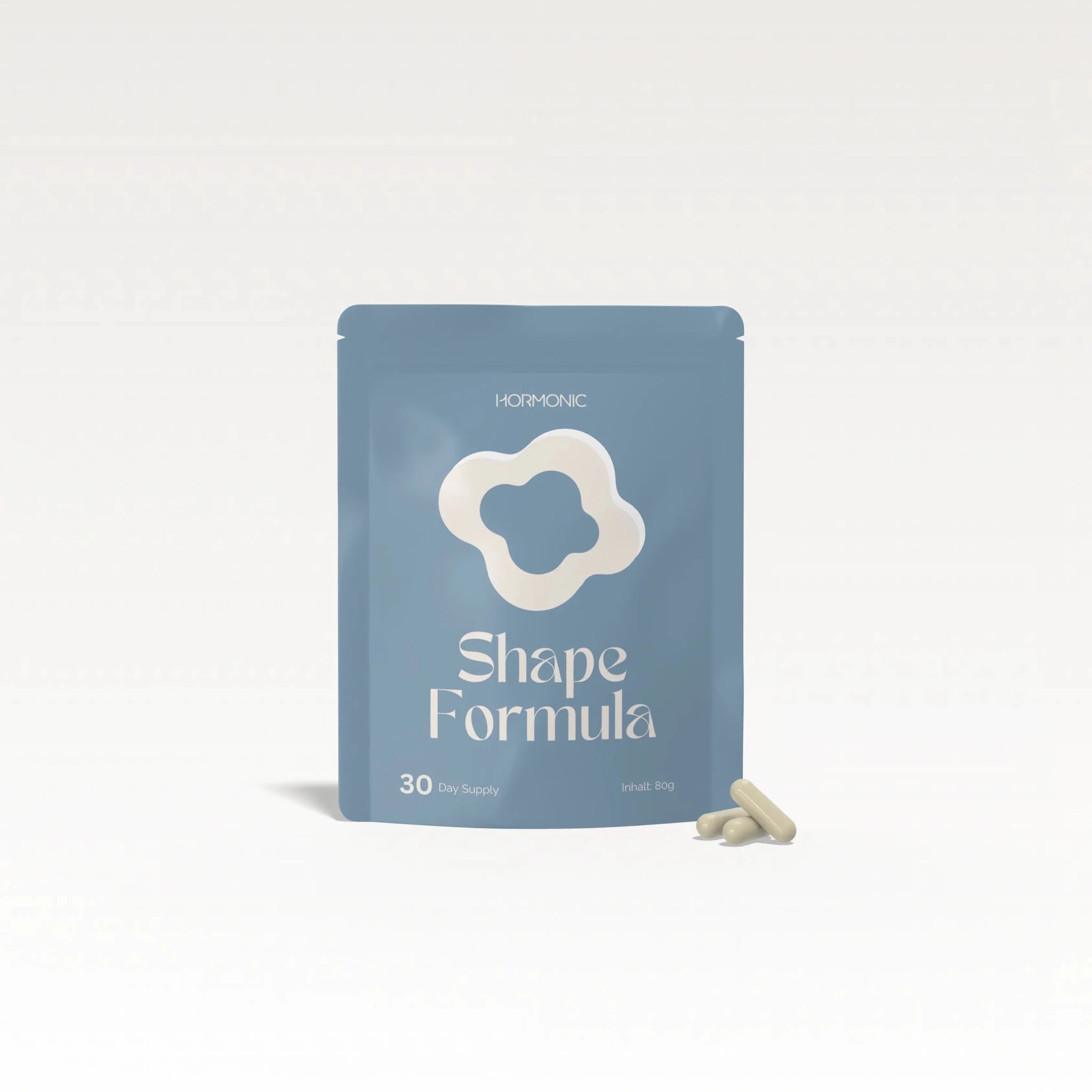
Precisely according to this principle, the Hormonic Shape Formula combines chromium with other metabolism- and blood sugar-related plant compounds in a deliberately coordinated, highly bioavailable dosage, as a supplement to diet and exercise, not as a substitute. If PCOS is behind insulin resistance, Myo-Inositol is additionally the best-studied active ingredient for the insulin signaling pathway. The Cycle+ Formula starts exactly here, so both can be sensibly combined. A safety note: High-dose green tea extracts can in rare cases burden the liver, and anyone already taking blood sugar-lowering medication should discuss the combination with a doctor. Dietary supplements do not replace a medical diagnosis or treatment.
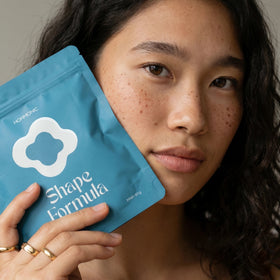
Shape Formula: Chromium for your blood sugar
Strength training, carbohydrate quality, and sleep are the most powerful levers for insulin resistance, and the hardest to maintain every day. Shape Formula addresses exactly this issue: with chromium, which contributes to the maintenance of normal blood glucose levels and normal macronutrient metabolism, supplemented by plant-based substances such as alpha-lipoic acid, cinnamon, and green coffee, which are studied in relation to glucose and fat metabolism. Intended as a daily supplement, not as a replacement for exercise and nutrition. Save 20 percent permanently with a subscription, free shipping, cancel anytime, with a 30-day money-back guarantee.
€75,00

Unsure if insulin resistance is the cause?
Fasting insulin and the HOMA-IR index are not part of a standard blood test, which is why insulin resistance often remains undetected for years. In a free, 15-minute video consultation, one of our doctors will address your questions and let you know which values are worth checking for you. No obligation and convenient from home.
Common Questions About Insulin Resistance in Women
How do I know if I have insulin resistance?
What is hormonal insulin resistance?
Wie wird Insulinresistenz diagnostiziert?
Wie bekommt man Insulinresistenz weg?
Kann Insulin den Blutdruck erhöhen?
Scientific Sources
- Fahed M et al. (2025). Insulin resistance: global prevalence and clinical implications. Frontiers in Endocrinology.
- The Menopause Society (2024). Meta-analysis of 17 RCTs (n>29,000): menopausal hormone therapy and insulin resistance.
- Endocrine Society. Clinical Practice Guideline: Polycystic Ovary Syndrome and insulin resistance.
- Diabetologia / Sleep research: short-term sleep restriction and insulin sensitivity in healthy adults.
- EFSA Panel on Dietetic Products, Nutrition and Allergies. Scientific opinion on chromium and normal macronutrient metabolism.
- Fazelian, S. et al. (2017). Chromium supplementation and polycystic ovary syndrome: a systematic review and meta-analysis. J Trace Elem Med Biol, 42, 92-96. doi:10.1016/j.jtemb.2017.04.008
- Akbari, M. et al. (2018). The effects of alpha-lipoic acid supplementation on glucose control and lipid profiles among patients with metabolic diseases: a systematic review and meta-analysis of RCTs. Metabolism, 87, 56-69. doi:10.1016/j.metabol.2018.07.002
- Talenezhad, N. et al. (2020). Effects of L-carnitine supplementation on weight loss and body composition: a systematic review and meta-analysis of RCTs. Clin Nutr ESPEN, 37, 9-23. doi:10.1016/j.clnesp.2020.03.008
- Gao, X. et al. (2023). Cinnamon supplementation and glycaemic control: a systematic review and meta-analysis. Diabetology & Metabolic Syndrome. doi:10.1186/s13098-023-01057-2
- Kanchanasurakit, S. et al. (2023). Effects of green coffee extract on body weight: a systematic review and meta-analysis. Systematic Reviews. doi:10.1186/s13643-023-02311-4
About the Author

You might also be interested in this.

PCOS cannot be cured by diet alone, but nutrition is one of the most effective levers. This evidence-based guide shows which foods stabilize blood sugar, reduce inflammation, and support ovulation.

Cellulite affects almost all women, regardless of weight, and cannot be creamed away. Learn how hormones influence it and what studies show really helps against orange-peel skin.

Looking for an Ozempic alternative? An honest assessment of what the injection can do, why no supplement can replace it, and which levers for appetite, blood sugar, and metabolism are truly evidenc...