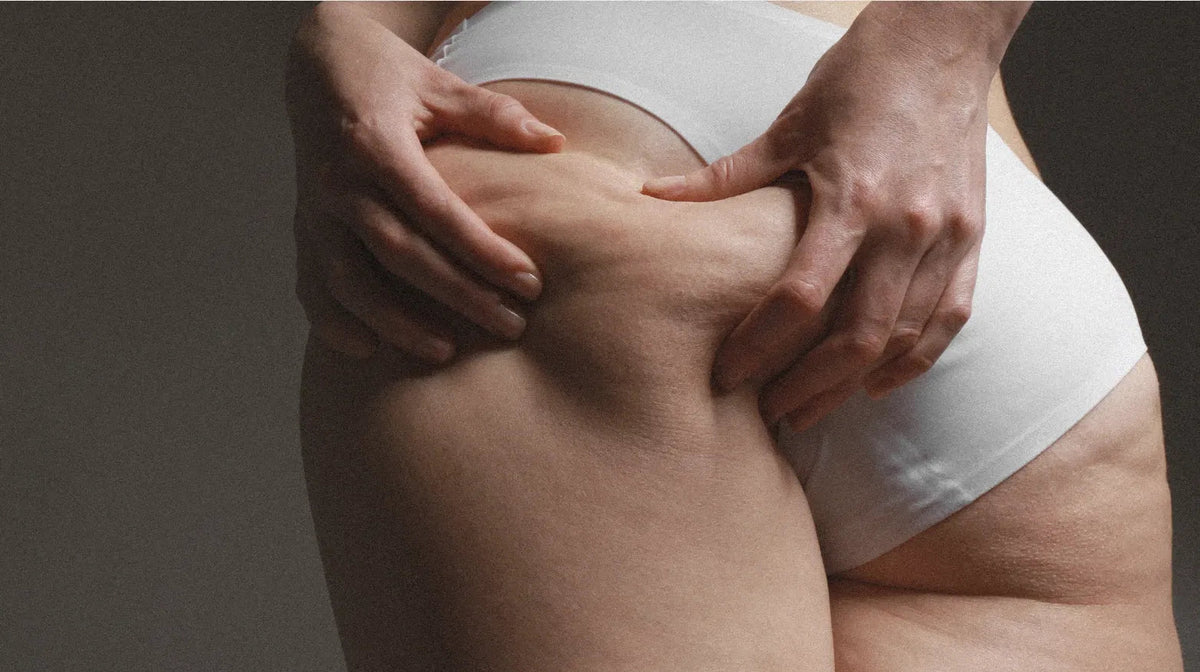
Cellulite affects almost all women, regardless of weight, and persists stubbornly as a supposedly "cream-awayable" problem. This article explains how orange peel skin develops, the role hormones, connective tissue, and lifestyle play, and which methods studies show are truly effective instead of just costing money.
Key takeaways
Cellulite affects 80 to 90% of all women, regardless of weight, and arises from the interplay of connective tissue structure, hormones, microcirculation, and lifestyle. It cannot be creamed away. What studies show to be effective: strength and endurance training, anti-inflammatory nutrition with micronutrients, as well as sleep, stress, and hormone balance. Creams, dry brushing, and detox cures show no deep effect.
Cellulite, commonly known as orange peel skin, affects 80 to 90% of all women, regardless of weight. Despite this, the myth persists that it can simply be creamed away or worked out. This article explains how cellulite develops, the role your hormones play, and what studies show really helps, instead of just costing money and time.
Why Cellulite Affects Almost Only Women
The crucial difference lies in the connective tissue. In women, the collagen fibers run largely parallel and perpendicular to the skin's surface. This arrangement creates chambers where fat cells can accumulate and push upwards against the skin. In men, the connective tissue is more net-like and stable, which is why cellulite is rarely visible there.
Additionally, there is hormonal influence. Estrogen controls fat distribution towards the hips, thighs, and buttocks, promotes water retention, and can impair microcirculation in the tissue. During hormonal upheaval phases such as puberty, pregnancy, while on the pill, or during menopause, this appearance often changes visibly. Cellulite is therefore not a sign of lack of discipline, but an expression of female physiology.
Did you know that …
… cellulite occurs regardless of body weight? Even very lean and athletic women can have clearly visible orange peel skin, because the cause lies in connective tissue structure and hormones, not solely in the amount of fat.
What Studies Really Show Helps, and What Is Just Hype
Countless tips against cellulite circulate on the internet. Scientific data clearly separates them into three groups: measures with proven effectiveness, methods with effectiveness at higher costs, and approaches without proven deep-seated effects. The following overview categorizes the most common ones.
Method
Evidence
Classification
Strength and endurance training
Well-documented
Builds muscle, firms from within and improves circulation. Ideally cycle-based.
Anti-inflammatory diet & micronutrients
Well-documented
Low sugar, more omega-3 and antioxidants can reduce inflammation and water retention.
Sleep & stress management
Well-documented
Regulates cortisol and hormonal balance, one of the main causes of pronounced cellulite.
Can improve skin structure and dimple depth, often requires several sessions.
Collagen peptides
Moderate, in combination
Most effective in combination with exercise and over several months.
Lymphatic drainage
Short-term
Temporarily reduces water retention, no deep effect on connective tissue.
Creams & dry brushing
Weak
Small optical effects on the surface, no structural effect.
Cupping, Gua Sha, detox cures
Not proven
Popular as a ritual, with no proven effect on connective tissue.
Cellulite cannot be creamed away. What works, goes deeper: targeting hormones, muscles, circulation, and inflammation.
Did you know that...
… a drop in estrogen levels can also promote cellulite, not just an excess? During menopause or with underweight, collagen and elastin production decrease, connective tissue weakens, and dimples become more visible.
The Underestimated Influence of Hormones on Cellulite
Hormonal imbalances influence fat distribution, skin elasticity, water balance, and connective tissue structure, and thus, how pronounced cellulite is. Three connections are particularly relevant.
Estrogen Dominance and Progesterone Deficiency
A relative excess of estrogen compared to progesterone, for example due to hormonal contraception, certain cycle phases, pregnancy, or environmental influences, promotes fat storage on the buttocks, thighs, and hips. At the same time, increased estrogen can soften the collagen structure and promote water retention. Important: Not only an excess, but also a drop in estrogen levels, such as during menopause or with underweight, can promote cellulite, because collagen and elastin production then decrease and microcirculation suffers.
Thyroid and Water Retention
Thyroid hormones control the basal metabolic rate and tissue structure. Low levels in hypothyroidism slow down the metabolism, can lead to weight gain and promote water retention in the tissue. Both can exacerbate the appearance of dimples.
Cortisol and Chronic Stress
Persistently elevated cortisol levels promote fat storage in the lower body and can weaken skin structure. Chronic stress is also often accompanied by insulin resistance and an increased propensity for inflammation, which further stresses the connective tissue.
Environment, Lifestyle and Microbiome
In addition to hormones and genetics, external factors are moving into the focus of research. These include:
Endocrine Disruptors, such as plasticizers, microplastics, or residues in cosmetics. They can mimic the body's own estrogen and thus influence fat distribution and connective tissue. A clear causality has not yet been proven, but initial studies show a correlation.
Lifestyle: Lack of exercise, highly processed diet, and chronic stress promote overweight, inflammation, and hormonal imbalances, all risk factors for a pronounced cellulite appearance.
Sleep Deprivationin combination with stress disrupts the circadian cortisol rhythm, worsens collagen synthesis, and can increase water retention.
Gut Microbiome: direct studies on cellulite are still lacking, but metabolites of a disturbed microbiome could impair blood circulation and tissue stability through silent inflammation.
A widespread myth is clarified here: Tight leggings or jeans do not demonstrably worsen cellulite. Targeted compression of the legs can even be beneficial for water retention.
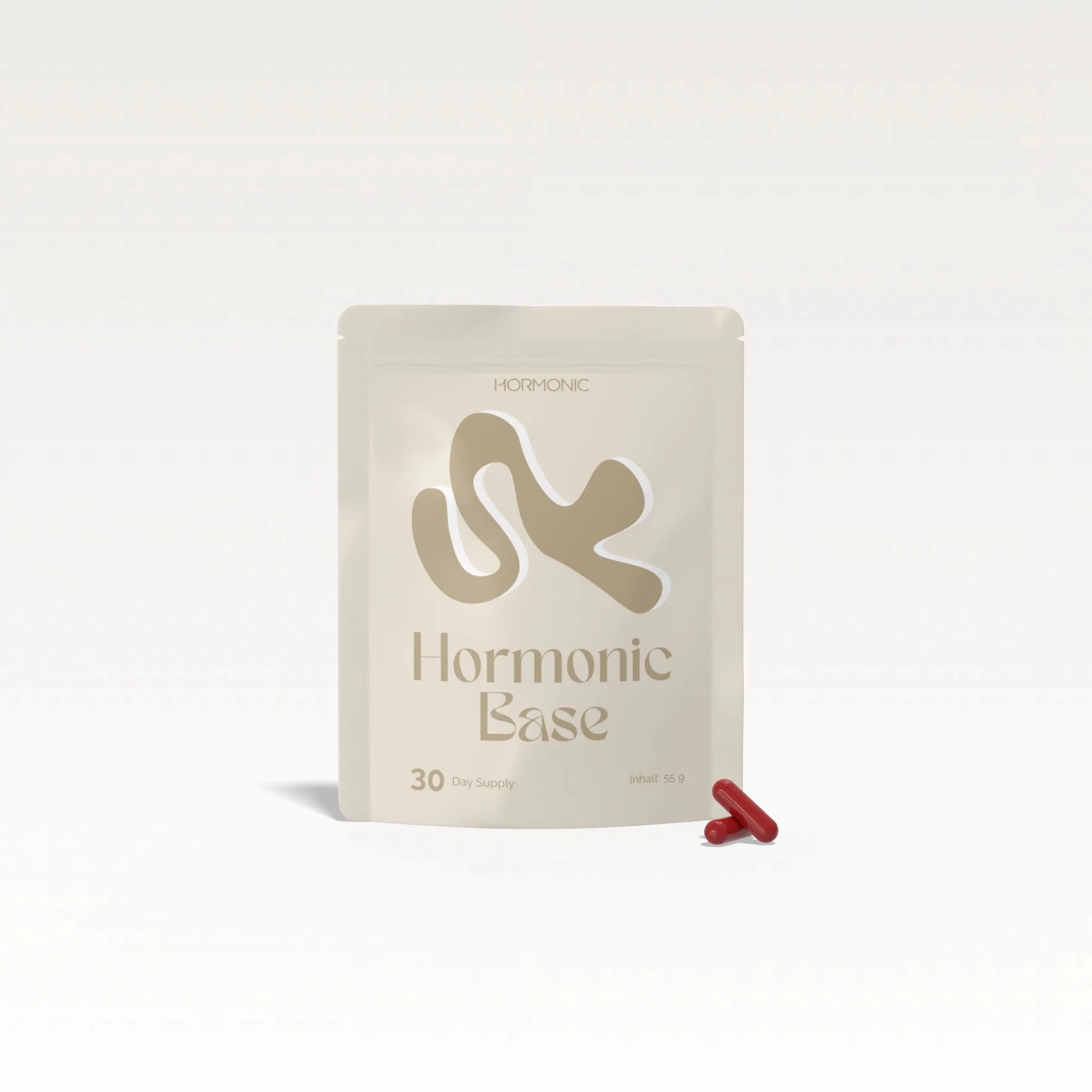
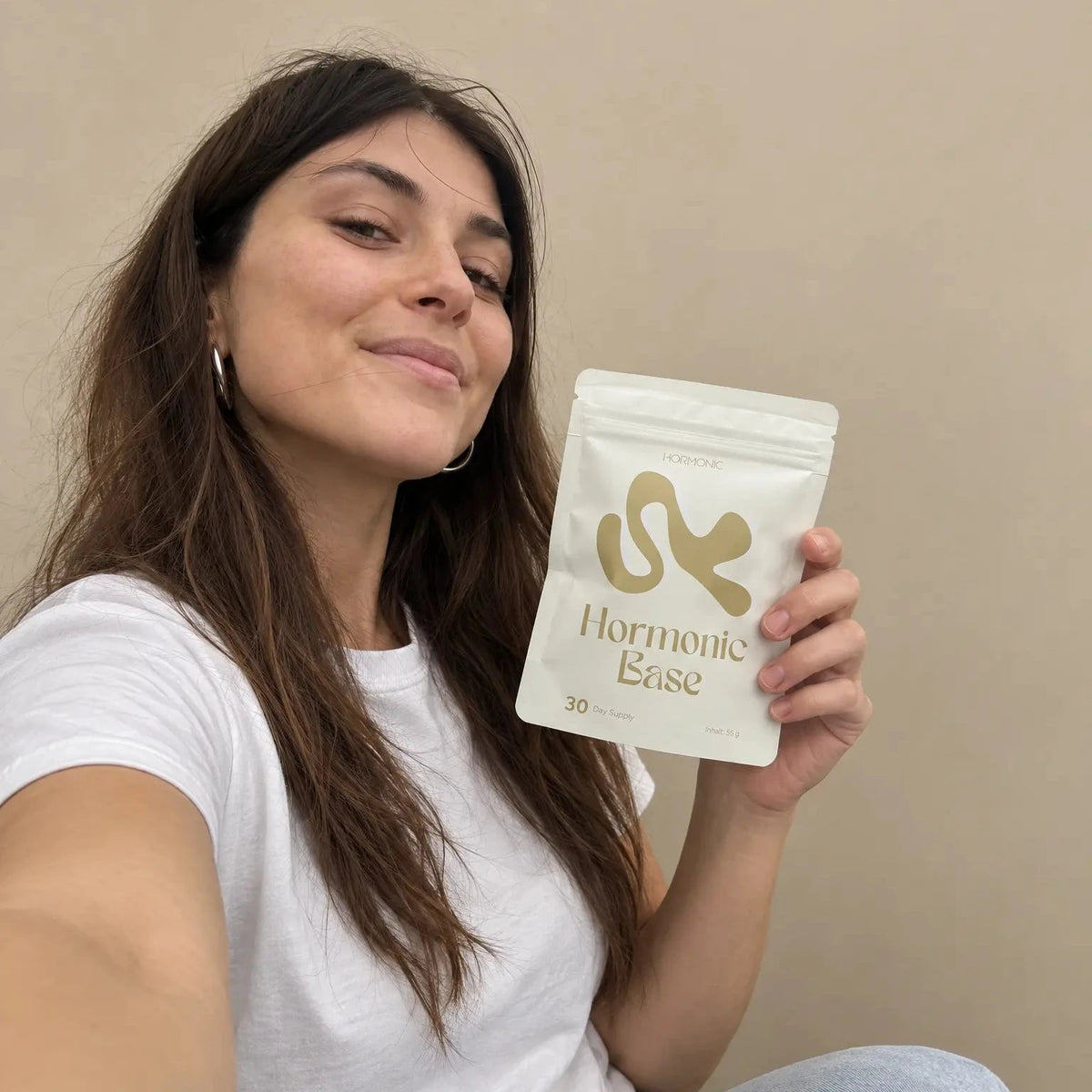
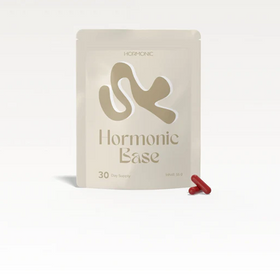
Doctor-developed with 16 active ingredients, including NAC, turmeric, CoQ10, and zinc, which are associated in research with hormonal balance, metabolism, and micronutrient supply, a meaningful daily foundation.
Instead of getting lost in a jungle of promises, a structured, medically sound plan can help. It is divided into daily routines, weekly components, and optional intensive measures.
Daily
Eat anti-inflammatory foods: at least 3 portions of vegetables, 1 to 2 portions of omega-3 sources such as flax seeds, walnuts or wild salmon, little sugar, high-quality fats like olive oil and avocado instead of industrial fats.
Drink enough: 2.5 to 3 liters of water, supplemented with unsweetened nettle or ginger tea, which can stimulate lymphatic flow.
Regulate stress: 10 minutes of parasympathetic activation such as a walk, breathing exercise or meditation, reduce caffeine from the afternoon, 7 to 9 hours of sleep in a dark, cool room.
Skin care: for optical effects, massage in a cream with caffeine or retinol, a gentle peel once a week.
Support hormones: high-quality micronutrients such as NAC, turmeric, coenzyme Q10 and zinc, for example via Hormonic Base, as a daily foundation.
Weekly
Strength training (2 to 3x): focus on lower body and glutes with exercises like hip thrusts, Bulgarian split squats, deadlifts and step-ups, to build muscle as internal padding.
Endurance training (2x): 30 to 45 minutes of cardio, ideally cycle-based, to promote microcirculation and fat metabolism.
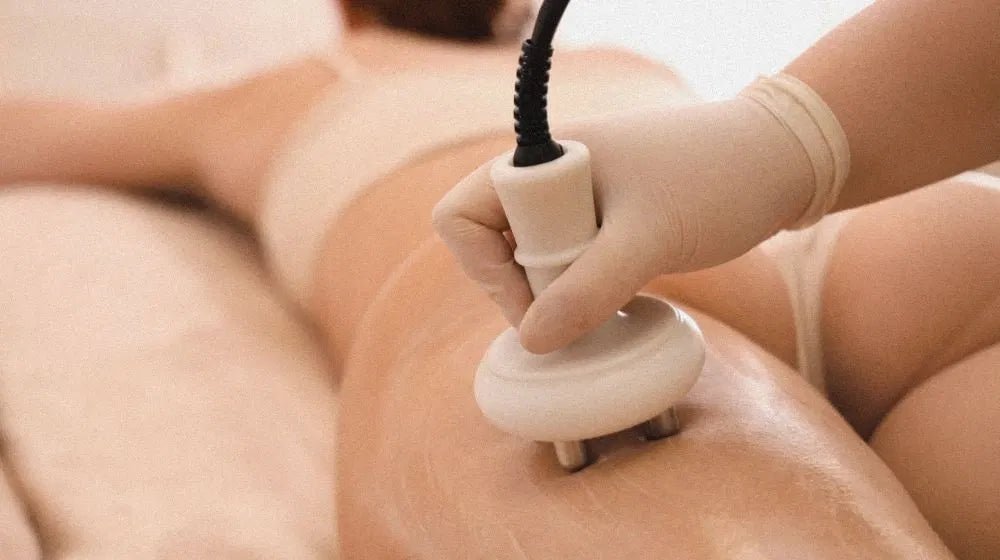
Lymphatic activation: swimming, vacuum technologies or manual lymphatic drainage.
Self-check: document mood, sleep and cycle phase to detect patterns early.
Optional and more intensive
Collagen peptides: hydrolyzed, combined with vitamin C and zinc, for at least 6 months for initial noticeable effects.
Subcision or Cellfina: evidence-based option for deep dimples, effect lasts 1 to 3 years depending on findings.
Radiofrequency or laser: as a course over several weeks, focus on collagen regeneration and tightening.
Acoustic shockwaves: over 6 to 8 weeks, particularly effective in combination with exercise.
Hormone analysis: laboratory diagnostics and cycle analysis, for example via Hormonic Care, for targeted approaches.
The three biggest levers
If you only take away three things, let them be these: According to studies, they have the deepest impact; everything else is supportive, cosmetic, or ritual.
Combination of strength and endurance training, ideally cycle-based.
Anti-inflammatory diet and targeted micronutrient supply.
Sleep, stress, and hormone balance, because hormonal disturbances are one of the main causes of pronounced cellulite.
Book a free 15-minute initial consultation with our medical team to analyze your current situation and find out together how best to tackle your cellulite.
Cellulite is not a cosmetic flaw that can be creamed away, but rather a combination of hormones, tissue structure, lifestyle, and predisposition. The combination of estrogen dominance, impaired microcirculation, and weak connective tissue, in particular, explains why so many women are affected, regardless of weight.
The good news: You can do something about it, with a scientifically sound strategy. Strength training, nutrition, sleep, and hormonal balance work deeply, not just on the surface. If you would like support, Hormonic Base and Hormonic Care's telemedicine consultation address exactly where cellulite originates: with hormones, metabolism, and tissue.
Frequently Asked Questions about Cellulite
What exactly is cellulite, and is it a disease?
Cellulite, often called orange peel skin, is not a disease, but a structural change in subcutaneous fat tissue and connective tissue. In women, the collagen fibers run perpendicular to the skin surface, making it easier for fat cells to push upwards and for dimples to become visible. This is normal and affects 80 to 90% of all women, regardless of weight.
Why do I have cellulite, is it just because of too much fat?
No, cellulite is not simply fat. It arises from an interplay of female hormones, particularly the estrogen-progesterone balance, water retention, microcirculation disorders, connective tissue structure, inflammation in the tissue, and genetic predisposition. Stress, high cortisol levels, lack of sleep, and an underactive thyroid can also worsen skin structure and exacerbate cellulite.
What methods are truly effective against cellulite according to studies?
Three components are most effective: strength and endurance training for muscle building and improved circulation, an anti-inflammatory diet with omega-3s, antioxidants, and low sugar, and hormone and stress regulation through sleep, cortisol management, and micronutrients such as coenzyme Q10, NAC, zinc, and magnesium. Medical procedures like radiofrequency, shockwave therapy, microneedling, subcision, or Cellfina, and collagen peptides have additional evidence but are more expensive.
Do creams, dry brushing, or detox cleanses really help with cellulite?
Creams with caffeine or retinoids can temporarily make the skin appear smoother because they affect circulation and the surface. This is a short-term optical effect, not a structural solution in the subcutaneous fatty tissue. Dry brushing, cupping, Gua Sha, or detox teas have no convincing clinical evidence for sustainable reduction. Nice as a self-care ritual, but don't expect miracles.
Can I get rid of cellulite completely, or can I only improve it?
For the vast majority of women, it's about visible improvement, not complete elimination. Because cellulite is hormonally, structurally, and inflammation-driven, a holistic approach is needed, combining nutrition, muscle building, sleep and stress regulation, lymphatic drainage, and micronutrients, optionally supplemented by medical procedures. This combination can reduce the depth and visibility of dimples and significantly improve body confidence.
Scientific Sources
Rawlings AV (2006). Cellulite and its treatment. Int J Cosmet Sci, 28(3), 175-190.
Khan MH et al. (2010). Cellulite: A review. J Cosmet Laser Ther, 12(1), 30-36.
Hexsel D et al. (2010). Effectiveness of a high-intensity exercise protocol on cellulite. J Cosmet Dermatol, 9(2), 137-144.
Christman MP et al. (2020). Clinical evidence supporting subcision for cellulite. Dermatol Surg, 46(6), 749-756.
Goldman MP & Weiss RA (2008). Radiofrequency, infrared light and mechanical manipulation for cellulite. J Cosmet Laser Ther, 10(1), 2-7.
Schunck M et al. (2015). Dietary polyphenols and skin aging. Nutrients, 7(3), 2730-2741.
Bleicher LF et al. (2012). Manual lymphatic drainage in the treatment of cellulite. JEADV, 26(10), 1340-1344.
About the Author
Lee Paulina Pape
Founder · MSc Psychology · Hormonic
Lee is a psychologist (MSc) and co-founder of Hormonic. As CEO, she makes women's hormonal health understandable and accessible.
Note: This article is based on current scientific studies, reviews, and meta-analyses and was prepared with the utmost care. It is for informational purposes only and does not replace medical advice, diagnosis, or treatment. If you have existing medical conditions, are pregnant or breastfeeding, or are taking medication, always consult a doctor before taking any supplements.