How Hormones, Nutrition, and Therapy Interact in Lipedema
Key takeaways
Lipedema is a chronic, hormonally influenced fat distribution disorder that affects almost exclusively women and cannot be dieted away. Estrogen dominance, chronic inflammation, and impaired microcirculation drive it. An anti-inflammatory diet, joint-friendly exercise, compression, phytoprogestins, and, if necessary, liposuction can significantly alleviate the symptoms.
Disproportionate fat accumulation on the legs, hips, or arms, pain upon pressure, a tendency to bruise easily, and the feeling that your body is working against you. If this sounds familiar, it could be lipedema: a chronic, hormonally-influenced condition that, despite an estimated prevalence of 10 to 20% in women, is often overlooked or mistaken for obesity.
Understanding Lipedema: More Than a Fat Distribution Disorder
Scientifically, lipedema is described as a combination of altered adipose tissue structure, chronic inflammation, and impaired tissue microcirculation. Histological examination shows that the fat cells, especially in the legs, have an enlarged and increased structure and signs of sluggish metabolic activity, including a reduced number of mitochondria. This explains why these fat deposits respond poorly to diets and exercise.
In addition, there are clear signs of chronic, low-grade inflammation. This promotes tissue hardening, weakens vessel walls, and allows fluid to leak into the tissue, leading to water retention that accelerates progression and further impairs lymphatic system function. Both inflammation and fluid retention explain the pronounced pain and pressure sensitivity that many sufferers describe.
Did you know that…
… according to studies, women with lipedema have an average of about 23% more fat mass in their legs than women with a comparable BMI without lipedema? The ratio of upper to lower body fat shifts significantly downwards, a typical pattern of the disease.
Lipedema or Lymphedema? The Difference at a Glance
Both conditions show swelling in the legs, but they differ fundamentally in cause, distribution, and therapy. This confusion often delays correct treatment. The following overview highlights the most important differences.
Feature
Lipedema
Lymphedema
Underlying problem
Alteration of fatty tissue
Impaired lymphatic fluid drainage
Distribution
Mostly symmetrical, both sides of the body equally affected
Often asymmetrical, one side more affected
Pain
Pressure and touch pain typical
Mostly tension pain rather than pressure pain
Tissue fluid
Affected late, swelling due to fat
High water and protein content in the tissue
Typical triggers
Hormonal changes, genetic predisposition
Surgeries, injuries, infections, malformations
The difference is therapeutically crucial: for lymphedema, improving lymph drainage through manual lymphatic drainage, compression, and skin care is often sufficient. For lipedema, hormonal and inflammatory factors must also be treated; pure decongestive therapy is insufficient here.
Lipedema is not a matter of discipline. It is a hormonally influenced condition, and that's exactly how it can be approached.
Did you know that...
... taking the pill can worsen the symptoms of lipedema? Synthetic hormones can disrupt the delicate balance between estrogen and progesterone, thereby promoting its progression.
How do I recognize lipedema?
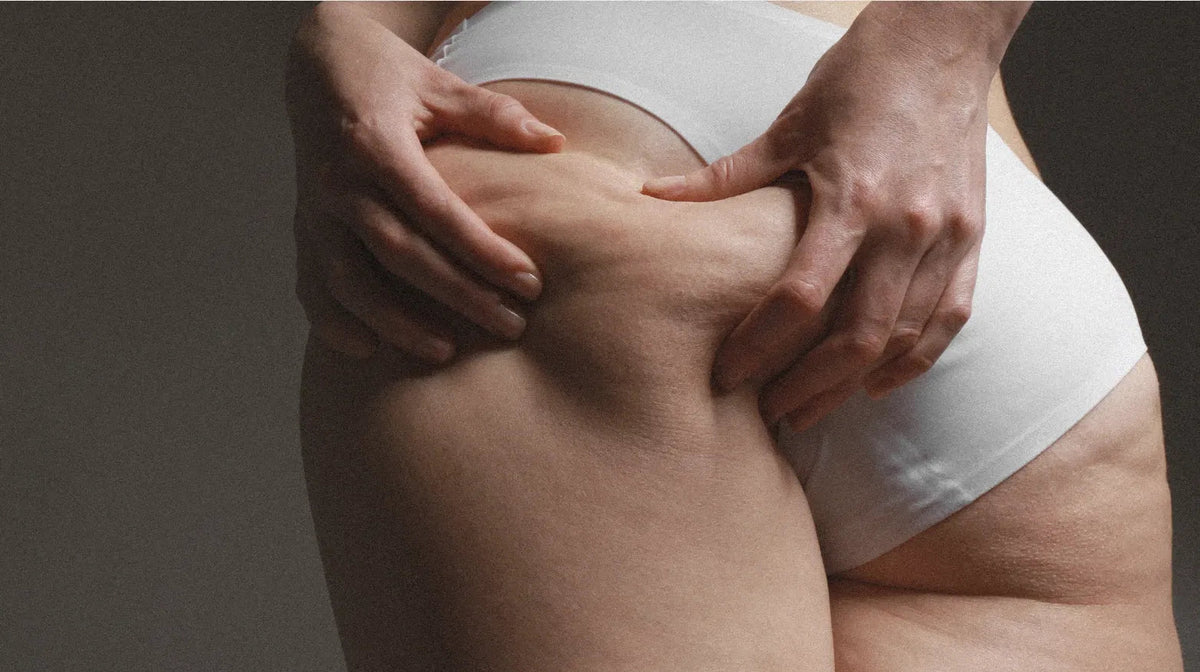
The symptoms are often confused with obesity or lymphedema. However, there are clear patterns that characterize lipedema. A common sign is pain, especially when pinching the skin, which often concentrates on specific areas such as the inner lower third of the thigh. In addition, there are subcutaneous nodules and fat pads, especially above the kneecaps and ankles.
As the disease progresses, the subcutaneous fatty tissue becomes visibly and palpably thicker. Typical accompanying symptoms also include vitamin D deficiency, impaired glucose metabolism, an increased tendency to bruise, and a more frequent association with hormonal disorders such as PCOS and autoimmune diseases such as Hashimoto's thyroiditis.
These signs are particularly characteristic:
Fat rings above the ankles with clearly defined fat accumulation.
Indentations in the ankle area as a sign of altered tissue structure.
Pain-sensitive fat pads above the kneecap and in the inner ankle area, usually symmetrically on both legs.
What role do hormones play in lipedema?
Lipedema almost exclusively affects women and often begins or worsens during periods of hormonal change such as puberty, pregnancy, during hormonal contraception, or menopause. This close connection suggests that estrogen and progesterone, in particular, play a central role.
Estrogen: Key hormone for fat cell formation
Estrogen influences the growth and distribution of fat cells and promotes fat storage, especially in the gynoid regions such as the hips, thighs, and buttocks. It also affects connective tissue and microcirculation and can alter the elasticity of blood vessels. This also explains why only women are affected by lipedema.
Progesterone: the balancing antagonist
While estrogen stimulates fat cell formation, progesterone has a more regulating and anti-inflammatory effect. An imbalance, i.e., relative estrogen dominance or progesterone deficiency, for example, due to absent ovulation, can therefore favor several changes: uneven fat storage in the legs and hips, increased inflammatory tendencies in the tissue, and an additional burden on the lymphatic system.
Chronic inflammation as a driving factor
The adipose tissue of affected individuals differs fundamentally from healthy adipose tissue. Studies show increased macrophages, enhanced expression of inflammation and fibrosis-associated genes, and a reduced ability to form new lymphatic vessels. These processes promote swelling, pain, and feelings of tension and can contribute to long-term progression.
Doctor-developed with 16 active ingredients that are associated in research with hormonal balance, micronutrient supply, and metabolism, providing a meaningful daily foundation even for hormonally influenced complaints.
While lipedema cannot be cured with current knowledge, its symptoms can be significantly influenced with a holistic approach. Several components interact in this process.
Anti-inflammatory and low-carbohydrate diet
Dietary approaches such as a low-carbohydrate or ketogenic diet are gaining importance. Studies observe that they can dampen chronic inflammatory processes in adipose tissue, improve insulin sensitivity, and reduce water retention. Even if the fat cell structure is not completely altered, many affected individuals report less pressure pain and tension, as well as improved everyday resilience.
Lymphatic drainage and physiotherapy
Complex decongestive therapies with manual lymphatic drainage and compression can drain excess tissue fluid, thereby alleviating swelling and pain. Used alone, however, they do not prevent progression. In combination with diet, exercise, and, if necessary, surgical procedures, they achieve their greatest effect.
Exercise that does not overload the tissue
Exercise promotes blood circulation and lymphatic circulation and can reduce swelling, feelings of tension, and inflammation. Joint-friendly sports that activate the muscle pump are particularly suitable:
Swimming, because buoyancy relieves the joints and the water exerts gentle pressure on the skin.
Strength trainingwith light weights or your own body weight, as strong muscles transport lymphatic fluid more effectively.
Yoga and Pilates, which promote flexibility, release tension, and have a relaxing effect.
Cycling, joint-friendly and activating for the leg muscles.
Walking on a slight incline, easy to integrate into daily life, especially in combination with compression.
The combination of exercise and compression therapy is particularly effective because the muscle pump then transports fluid away more efficiently. Intensity and type should be adjusted individually; high-impact sports can exacerbate symptoms.
Liposuction as a possible component
Surgical liposuction specifically reduces pathological fat deposits and can significantly alleviate pain, feelings of tension, and limited mobility. Many affected individuals report a noticeably better quality of life. It is important that liposuction does not address the underlying hormonal, genetic, and inflammatory causes. A long-term strategy therefore combines it with anti-inflammatory measures, hormone regulation, compression, exercise, and diet.
Phytoprogestins: a plant-based approach to estrogen dominance
Since hormonal imbalances, especially a relative estrogen dominance, play a central role, plant-based substances with progesterone-like or anti-inflammatory effects, known as phytoprogestins, are coming into focus. They can represent a gentler approach without the androgenic side effects of synthetic hormones. Among others, the following are being investigated:
Apigenin, a flavonoid from parsley and chamomile with progesterone-like, anti-inflammatory, and antioxidant properties.
Luteolin, which can support the effect of progesterone, have antiandrogenic effects, and inhibit fibrosis formation.
Curcumin, known for its anti-inflammatory effects and supporting the liver in breaking down excess hormones.
Quercetin, a powerful antioxidant that can inhibit aromatase and thus counteract estrogen dominance.
These substances work synergistically by mimicking the anti-inflammatory properties of progesterone and can balance estrogen dominance. They should be understood as part of a holistic approach and do not replace medical treatment.
Take-Home Messages
Lipedema is complex: hormonal, genetic, and inflammatory factors interact.
Hormones are crucial: the balance between estrogen and progesterone is central, phytoprogestins are a gentle starting point.
Diet works: anti-inflammatory and low-carbohydrate can reduce pain and swelling.
Exercise is essential: joint-friendly sports promote blood circulation and lymphatic flow.
Combination is key: only an integrated strategy brings long-term improvement.
The Shape Formula combines well-researched active ingredients such as L-Carnitine, chromium, and alpha-lipoic acid to support metabolism and blood sugar. Chromium contributes to normal blood sugar levels. Intended as a supplement to diet and exercise, not as a remedy for lipedema.
Lipedema is far more than a cosmetic problem. It requires an understanding of its hormonal, genetic, and inflammatory causes to effectively counteract it. A combination of hormone regulation, anti-inflammatory diet, targeted exercise, compression, and, if necessary, medical procedures such as liposuction can pave the way to a lighter everyday life.
The most important thing: Don't get discouraged. The key is to take control of the disease instead of letting it control you. If you want to clarify the connection between lipedema and your hormones, the medical team at Hormonic Care will be happy to assist you.
Frequent Questions About Lipedema
What exactly is lipedema?
Lipedema is a chronic, hormonally influenced fat distribution disorder characterized by disproportionate, painful fat accumulation in the legs, hips, buttocks, and often the arms. Typical symptoms include pressure pain, swelling, bruising, and fatty deposits that barely change despite diet or exercise. It almost exclusively affects women and is classified into several stages.
What are the causes of lipedema?
The development is considered multifactorial. Female hormones play a key role, especially an imbalance between often dominant estrogen and relatively low progesterone. Added to this are chronic inflammation in fatty tissue, impaired microcirculation, lymphatic congestion, and genetic and epigenetic influences. Lipoedema often begins or worsens during hormonal changes such as puberty, pregnancy, hormonal contraception, or menopause.
How can I tell if I have lipedema and not just obesity?
In lipedema, fat accumulates symmetrically, primarily on the legs and hips, often with painful, pressure-sensitive fat pads above the knees and ankles. The legs feel heavy and tense, bruises appear even with slight pressure, and the upper body appears comparatively slimmer. Typically, you eat healthy and exercise, but precisely these fat areas remain. Unlike lymphedema, both sides are usually affected to the same extent.
Can I improve lymphedema with diet?
You can influence inflammation, pain, and swelling, but you cannot diet away lipedema. According to studies, an anti-inflammatory, carbohydrate-reduced, or ketogenic diet can dampen chronic inflammatory processes in adipose tissue, stabilize insulin metabolism, and reduce water retention. This can lead to less pressure pain, reduced tension, and improved daily resilience.
Which sport helps most with lipedema?
The most effective forms of exercise are those that are gentle on the joints and improve lymphatic flow and circulation without irritating the tissues: swimming, cycling, light strength training, yoga or Pilates, and walking on a slight incline. The combination of exercise and compression therapy is particularly effective, as the muscle pump then transports fluid away more efficiently. Sports with high impact loads, such as intensive jogging on hard surfaces, can aggravate symptoms.
Scientific Sources
van la Parra RFD et al. (2023). Lipedema: pathophysiology and management.
Al-Ghadban S et al. (2024). Adipose tissue inflammation and fibrosis in lipedema.
Lundanes J et al. (2024). Low-carbohydrate diet and lipedema symptoms.
Czerwinska M et al. (2024). Conservative and surgical treatment options in lipedema.
Renke G et al. (2024). Phytoprogestins and hormonal balance in estrogen-dominant conditions.
About the Author
Lisa Maria Emmer
Medical Director · Hormonic
Lisa Maria Emmer is co-founder and medical director at Hormonic. She supports women with hormonal problems every day and specializes in cycle health, PCOS, and menopause.
Note: This article is based on current guidelines and scientific work (as of 2026). It is for informational purposes only and does not replace medical advice, diagnosis, or treatment.