Cart

Your cart is empty

Continue shopping

Popular searches

Featured products

Hormonal Base
Sale price€65,00
(5.0)
Midlife balance
Sale price€75,00
(5.0)
PCOS Ernährung: Was wirklich hilft bei Blutzucker & Hormonen
ErnährungJul 27, 20248 min read

PCOS Nutrition: What Really Helps with Blood Sugar & Hormones

This article is part of: PCOS: The Comprehensive Guide to Causes, Symptoms, and Treatment

PCOS cannot be "eaten away". But hardly any other factor has such a direct influence on the two mechanisms behind most of the symptoms: insulin resistance and elevated androgen levels. This guide explains what nutrition biologically achieves, which foods have the best evidence, and how to turn this into a sustainable daily routine.

Key takeaways

Insulin resistance and elevated androgens drive most PCOS symptoms. A diet with a low glycemic index, omega-3 fatty acids, and sufficient micronutrients affects both mechanisms. Consistency over about three months counts more than short-term perfection.

Why Nutrition Addresses PCOS at its Root

Polycystic ovary syndrome is the most common hormonal disorder in women of reproductive age. According to current diagnostic criteria, approximately 7 to 13 percent of women are affected.¹ Behind the visible symptoms, i.e., irregular or absent periods, acne, excessive body hair, and difficulty losing weight, are usually two interconnected drivers.

Driver 1
Insulin Resistance
Cells respond less effectively to insulin. The pancreas produces more, which stimulates the ovaries to produce androgens and lowers SHBG.
Driver 2
Elevated Androgens
Too much free testosterone causes acne, hair loss, and hirsutism, disrupts ovulation, and keeps the menstrual cycle permanently irregular.

This is precisely why the international guidelines for PCOS recommend lifestyle adjustments, including diet, as the first measure before any drug therapy.¹

Keeping Blood Sugar Stable: The Foundation of Any PCOS Diet

If one mechanism in PCOS deserves the most attention, it is blood sugar. Stable blood sugar levels mean fewer insulin spikes, and less insulin ultimately means less drive for androgen production. The most practical lever for this is the glycemic index (GI), i.e., how quickly a food raises blood sugar.

Stable blood sugar levels mean less insulin, and less insulin ultimately means fewer androgens.

The evidence for this is robust. A meta-analysis of randomized controlled trials showed that a low-glycemic index diet in women with PCOS lowered HOMA-IR values, total and LDL cholesterol.² A separate meta-analysis on carbohydrate-restricted diets additionally found a reduction in BMI, insulin resistance, and total testosterone, as well as an increase in SHBG.³

Did you know

7 to 13 percent of women of reproductive age are affected by PCOS. Up to 70 percent of them have clinically relevant insulin resistance, which often remains untreated for years.¹

In practice
"Low GI" does not mean "no carbohydrates"

Whole grain instead of white flour: Oatmeal, whole wheat pasta, legumes instead of white bread and sweetened cereals.


Never eat carbohydrates alone: Always combine with protein, fiber, or healthy fats, which slows down the rise in blood sugar.


Avoid sugary drinks: Juices and soft drinks raise blood sugar the fastest.
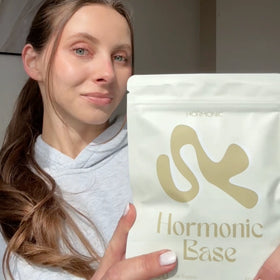
Daily targeted support for your hormones

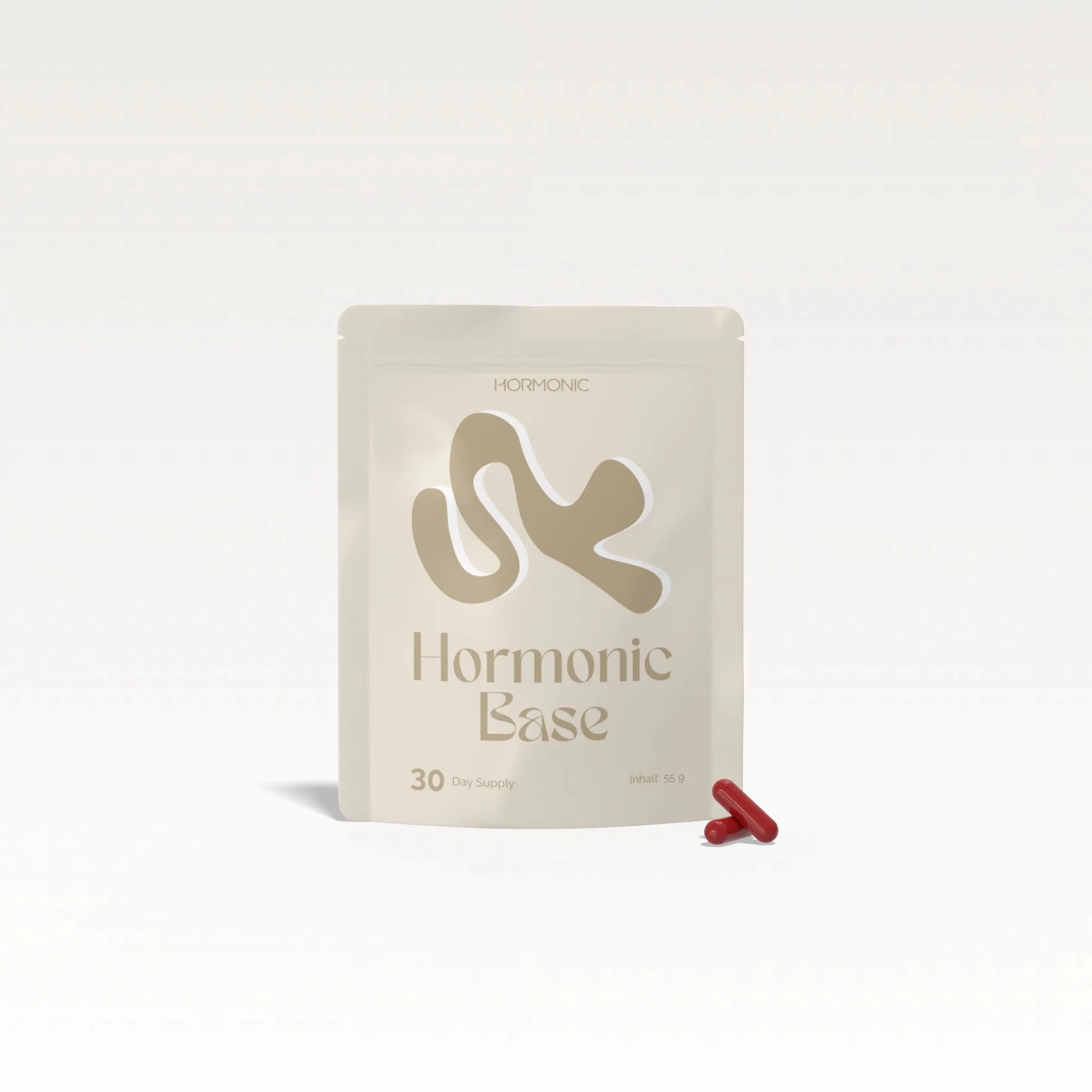
Diet alone doesn't always cover all the needs for PCOS. Hormonic Base combines magnesium, vitamin D, zinc, and 11 other clinically relevant nutrients important for hormonal processes. Loved by thousands of women with PCOS!

€65,00
Learn more

Lowering inflammation: why it matters for PCOS

PCOS is often accompanied by low-grade, chronic inflammation. This silent inflammation exacerbates insulin resistance and can further fuel hormonal imbalance. An anti-inflammatory diet is therefore not a side issue but a second lever, closely linked to blood sugar.

Omega-3 fatty acids are the best-studied in this regard. A meta-analysis of randomized controlled trials showed that omega-3 supplementation in women with PCOS can reduce insulin resistance (HOMA-IR), as well as total cholesterol and triglycerides (Yang and Chen, 2023). You don't necessarily have to resort to capsules; fatty fish provides the same fatty acids.

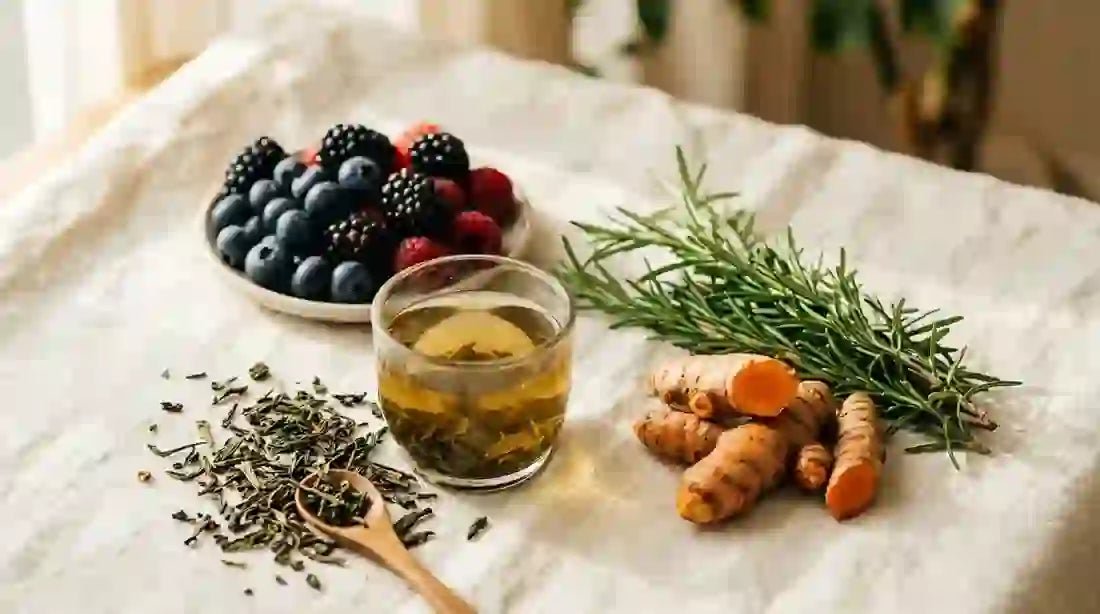
Curcumin, the yellow plant compound from turmeric, is also being studied in this context. It is known for its antioxidant and anti-inflammatory properties. Several meta-analyses of randomized controlled trials found that curcumin can improve fasting blood sugar, insulin, and HOMA-IR levels in some women with PCOS (Chien et al., 2021).

Exactly for this reason, Hormonic Basecontains not only magnesium, zinc, and vitamin D3 but also curcumin as one of the antioxidant and inflammation-related components. The idea behind it is not a single active ingredient but a daily micronutrient base that complements an anti-inflammatory diet. Food supplements do not replace medical treatment.

Anti-inflammatory foods that are worthwhile

  • Fatty fish like salmon, mackerel, or sardines, two servings per week
  • Virgin olive oil as the main fat source, a cornerstone of the Mediterranean diet
  • Nuts and seeds, especially walnuts and flaxseeds
  • If not taken as a supplement: turmeric as a spice, ideally with some black pepper, which improves absorption
  • Colorful vegetables and berries as sources of antioxidants and fiber

In contrast, it is worth reducing highly processed foods, refined sugar, and large amounts of trans fats. They work in the opposite direction and can increase inflammatory markers.

Supporting ovulation: Inositol and micronutrients

Regular ovulation in PCOS is often the result when blood sugar and androgens come back into balance. One nutrient has received particular attention in recent years: inositol.

Inositol acts in the body as a messenger in the insulin signaling pathway. A systematic review and meta-analysis, which contributed to the update of the international PCOS guideline, found evidence that myo-inositol and D-chiro-inositol can improve individual metabolic values and D-chiro-inositol could support ovulation (Fitz et al., 2024). The quality of evidence is moderate, and inositol is not a substitute for medical treatment. However, it is noteworthy that myo-inositol was similarly effective to metformin in comparative studies, with significantly fewer gastrointestinal side effects.

Inositol is naturally found in legumes, whole grains, nuts, and some fruits. However, the amounts used in studies can hardly be achieved through diet alone, which is why it is often specifically supplemented.

What you should reduce and what you shouldn't

With PCOS, it's not about prohibitions, but about shifting. Instead of demonizing individual foods, it's worth looking at the overall pattern. A Mediterranean-style diet with a low glycemic index combines the three levers discussed: stable blood sugar, less inflammation, and a good micronutrient base.

Rather reduce

  • Sugary drinks, juices, and soft drinks
  • Highly processed carbohydrates from white flour
  • Large amounts of sugar and sweets
  • Alcohol, which strains blood sugar and liver metabolism

Generously incorporate

  • Protein with every meal, plant-based or animal-based
  • Fiber-rich vegetables and legumes
  • Healthy fats from olive oil, nuts, and fatty fish
  • Whole grain sources instead of white flour products

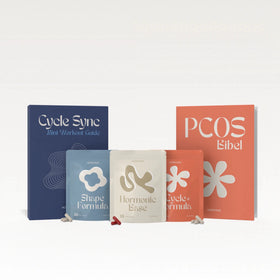
The Bundle for Optimal Hormone Support

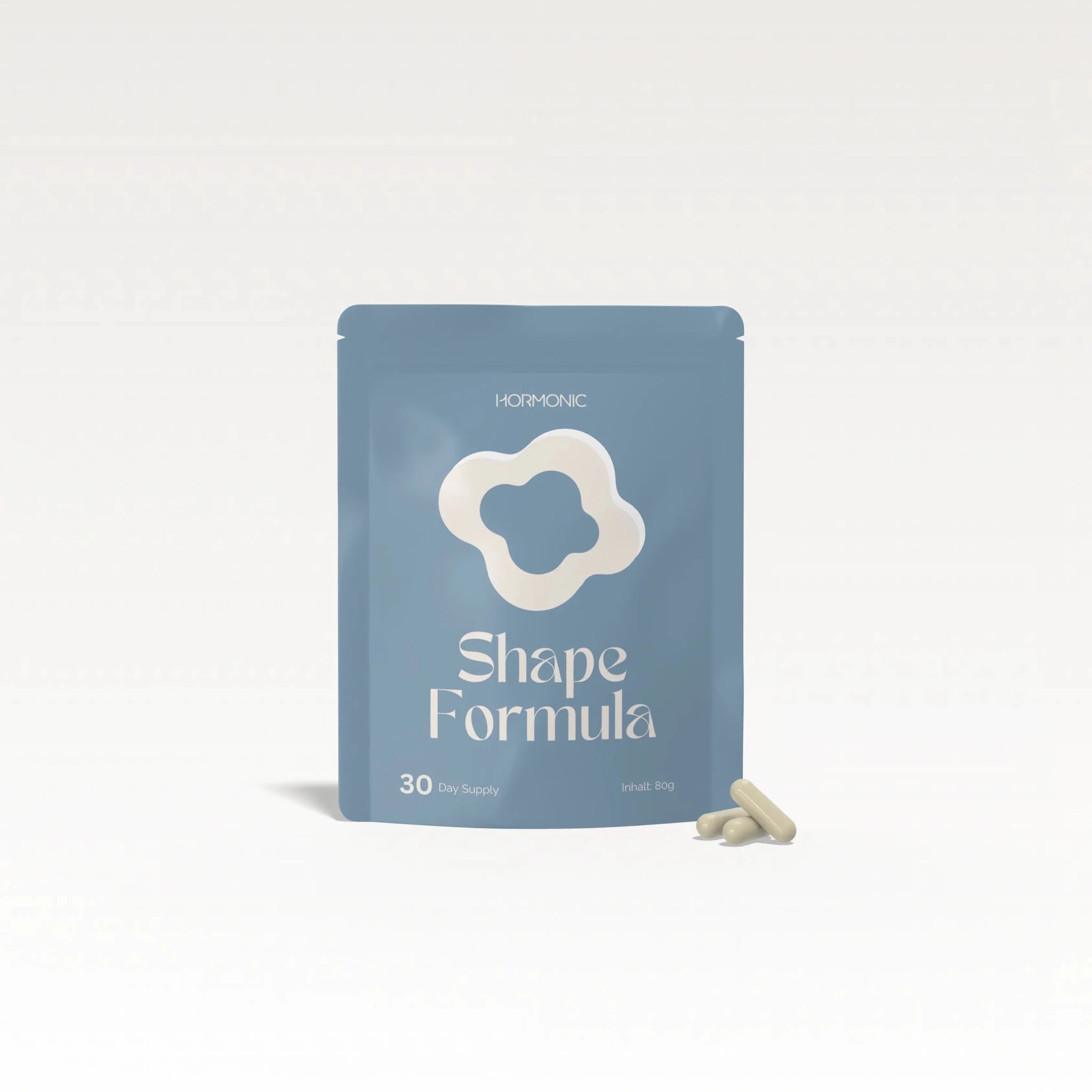
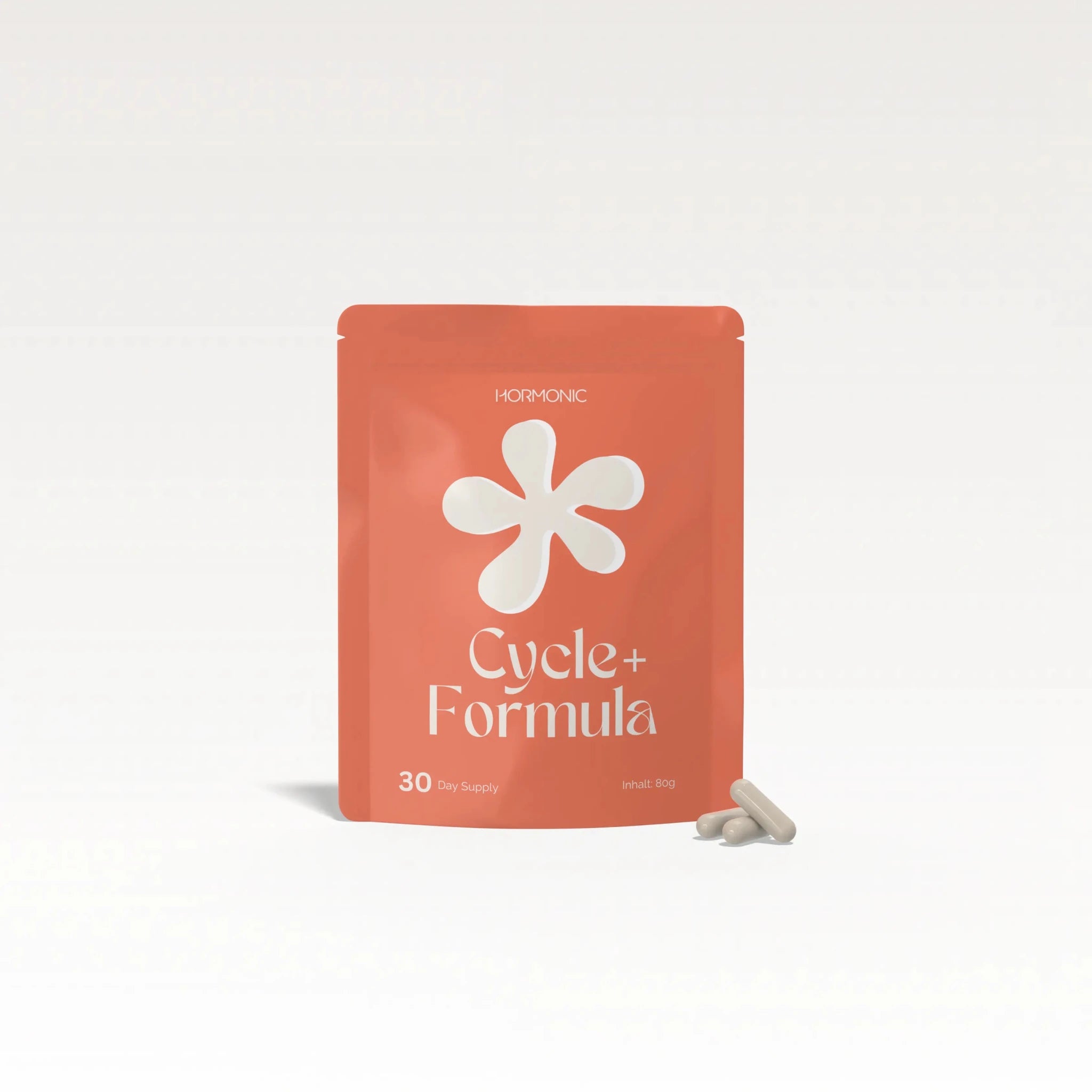
With the trio of Hormonic Base, Cycle+, and Shape Formula, you provide your body with over 20 high-quality nutrients daily, such as Myo-inositol, Quercetin, Zinc, and Vitamin D. For maximum support of hormones, cycle, and metabolism.

Start with a price advantage

A realistic day on your plate

Theory is good, an example is better. Here’s what a blood sugar-friendly PCOS day could look like, without being complicated or joyless:

  • Breakfast: Oatmeal with natural yogurt, berries, and a spoonful of nut butter, instead of sugary cereals
  • Lunch: Lentil salad with vegetables, feta, and olive oil, a classic low-GI dish with protein and fiber
  • Snack: a handful of walnuts and a piece of fruit, ideally together instead of just fruit
  • Dinner: baked salmon with roasted vegetables and quinoa, omega-3 and low GI in one meal

Conclusion

For PCOS, it is worthwhile to understand nutrition as a central lever, because it directly affects the two drivers behind most symptoms: insulin resistance and elevated androgens. A diet with a low glycemic index keeps blood sugar stable and has been shown in studies to reduce insulin resistance and cholesterol, while omega-3 fatty acids and curcumin can dampen the low-grade inflammation that further fuels the condition. Inositol also shows moderate evidence for improved metabolic values and supported ovulation, but, like all micronutrients, does not replace medical treatment. In the end, it’s not about the perfect single meal, but the overall pattern throughout the day and, above all, continuity: a new follicle takes about 90 days to mature, which is why changes in the cycle only become apparent after about three months. Those who persevere give their body exactly the time it needs for noticeable effects.

Common Questions About PCOS Nutrition

What should you not eat with PCOS?

Highly processed carbohydrates, sugar, and sugary drinks worsen insulin sensitivity and can stimulate androgen production. Large amounts of alcohol can also exacerbate PCOS symptoms. It's not about complete abstinence, but about conscious reduction and good combinations.

Does a low-carb diet help with PCOS?

Several meta-analyses show positive effects of a low-glycemic index or reduced-carbohydrate diet on insulin levels, androgens, and metabolic parameters in PCOS (Kazemi et al., 2021; Zhang et al., 2019). However, a strict ketogenic diet is not necessary or suitable for everyone. A Mediterranean-style low-GI diet is usually more sustainable.

What foods help with PCOS?

Foods with a low glycemic index and anti-inflammatory properties are particularly beneficial: legumes, non-starchy vegetables, berries, fatty fish rich in omega-3, nuts and seeds, and whole grains. Inositol from legumes and whole grains is an additional natural building block. What matters less is the individual food and more the overall pattern throughout the day.

How quickly does a diet change work for PCOS?

Initial improvements in energy and insulin sensitivity are often noticeable after four to six weeks. Changes in the menstrual cycle appear at the earliest after about three months, as a follicle needs approximately 90 days to mature. Therefore, consistency counts more than perfection in individual meals.

Does spearmint tea really help with androgens in PCOS?

For spearmint tea, also known as garden mint (Mentha spicata), there is indeed study evidence. In a randomized controlled trial, spearmint tea consumed twice daily lowered free and total testosterone in women with PCOS (Grant, 2010). The effects are moderate and do not replace treatment, but can be a useful addition. Important: This refers to spearmint, not classic peppermint.

Scientific Sources

  • Teede, H. J. et al. (2023). Recommendations from the 2023 International Evidence-based Guideline for the Assessment and Management of Polycystic Ovary Syndrome. Journal of Clinical Endocrinology & Metabolism, 108(10), 2447-2469. doi:10.1210/clinem/dgad463
  • Kazemi, M. et al. (2021). Effects of Dietary Glycemic Index and Glycemic Load on Cardiometabolic and Reproductive Profiles in Women with PCOS: A Systematic Review and Meta-analysis of RCTs. Advances in Nutrition, 12(1), 161-178. doi:10.1093/advances/nmaa092
  • Zhang, X. et al. (2019). The Effect of Low Carbohydrate Diet on Polycystic Ovary Syndrome: A Meta-Analysis of Randomized Controlled Trials. International Journal of Endocrinology, 2019, 4386401. doi:10.1155/2019/4386401
  • Fitz, V. et al. (2024). Inositol for Polycystic Ovary Syndrome: A Systematic Review and Meta-analysis to Inform the 2023 Update of the International Evidence-based PCOS Guidelines. Journal of Clinical Endocrinology & Metabolism, 109(6), 1630-1655. doi:10.1210/clinem/dgad762
  • Yang, K. and Chen, J. (2023). Meta-analysis of the efficacy of omega-3 polyunsaturated fatty acids when treating patients with polycystic ovary syndrome. Medicine, 102(39), e35403. doi:10.1097/MD.0000000000035403
  • Grant, P. (2010). Spearmint herbal tea has significant anti-androgen effects in polycystic ovarian syndrome. A randomized controlled trial. Phytotherapy Research, 24(2), 186-188. doi:10.1002/ptr.2900

About the Author

Lisa Maria Emmer

Lisa Maria Emmer

Medical Director · Hormonic

Lisa Maria Emmer is co-founder and medical director at Hormonic. She supports women with hormonal problems every day and specializes in cycle health, PCOS, and menopause.

Note: This article is based on current guidelines and scientific work (as of 2026). It is for informational purposes only and does not replace medical advice, diagnosis, or treatment.

Share

You might also be interested in this.

Myo-Inositol bei PCOS: Wirkung, Studien & Dosierung
FruchtbarkeitMay 31, 202610 min read
Myo-inositol for PCOS: Effects, Studies & Dosage

How does inositol work for PCOS, what do studies show regarding ovulation, testosterone, and insulin resistance, and what is a sensible dosage? The evidence-based overview.
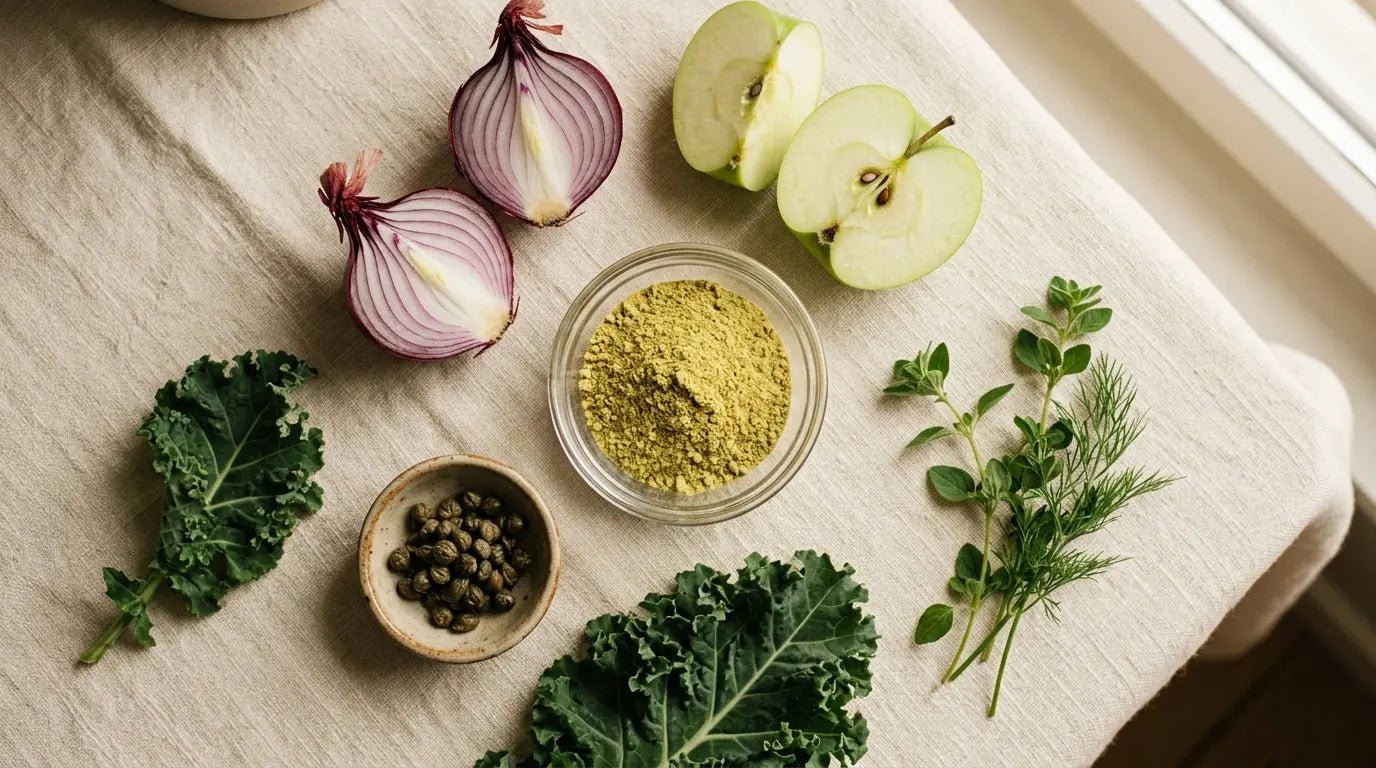
Quercetin bei PCOS: Wirkung auf Hormone, Insulin und Entzündung
MikronährstoffeAug 22, 20248 min read
Quercetin in PCOS: Effect on Hormones, Insulin, and Inflammation

If you suffer from hormonal disorders such as polycystic ovary syndrome (PCOS), quercetin could be just the right ingredient for you. Quercetin is a flavonoid found in many fruits and vegetables an...