
Cart

Your cart is empty

Continue shopping

Trending searches

Featured products

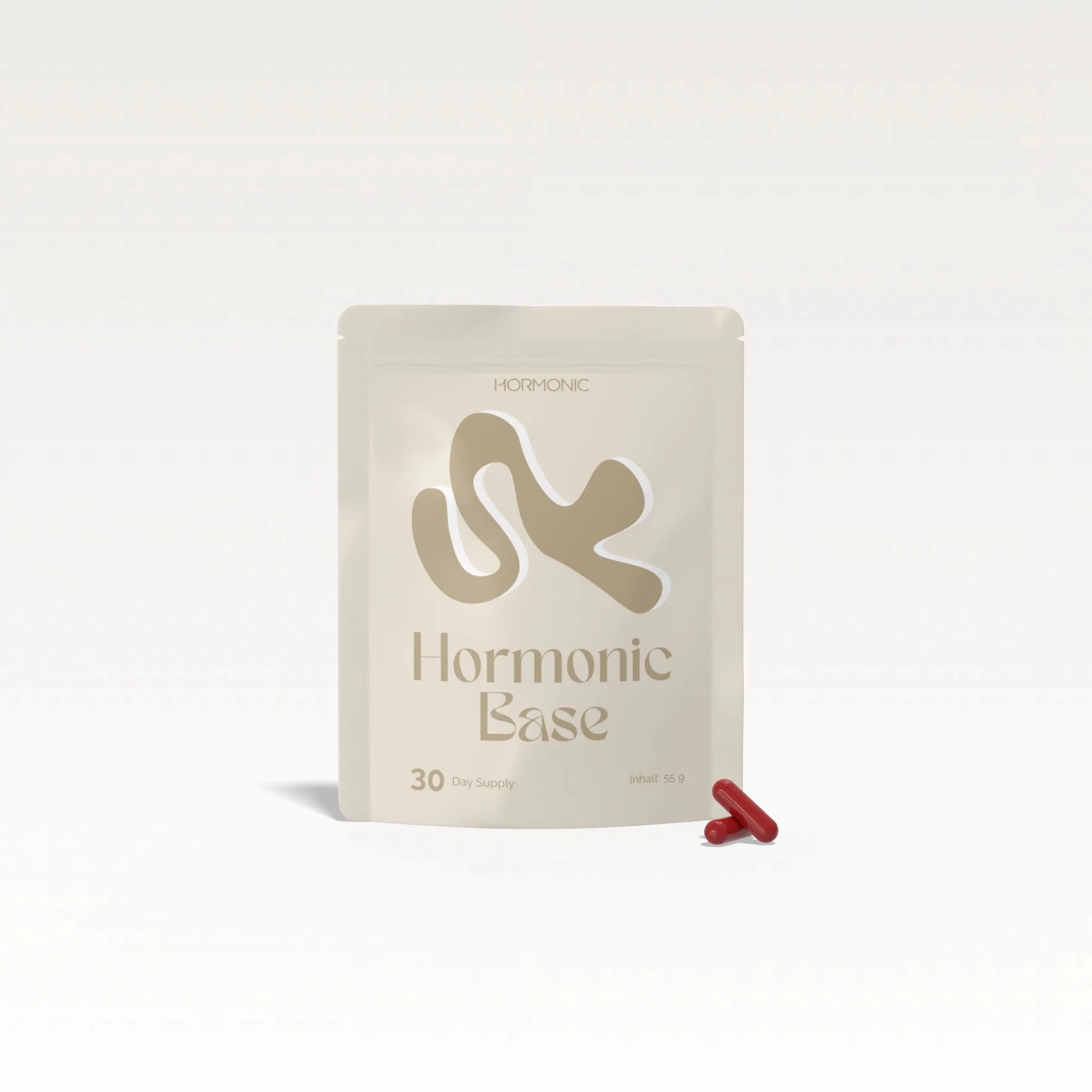
Hormonic Base - Hormonic - Nahrungsergänzungsmittel
Sale price€65,00
(5.0)
Midlife Formula - Hormonic - Nahrungsergänzungsmittel
Sale price€75,00
(5.0)
Blutzucker natürlich senken: Was wirklich hilft - Hormonic
StoffwechselAug 11, 20268 min read

Lowering Blood Sugar Naturally: What Really Works

This article is part of: Metabolism, Hormones, and Weight: The Complete Guide for Women

Now that everyone is wearing a glucose monitor, I naturally had to dive into all the blood sugar studies, and one thing was confirmed anew: how strongly even small, everyday decisions change the course after a meal. Not the one miracle ingredient, but the order on the plate, a short walk, a night with enough sleep. For many women, blood sugar feels abstract, but you often feel it directly: as afternoon cravings, as fatigue after lunch, as energy that's on a rollercoaster.

The good news is that you can tackle it from several angles at once, and most of these levers are well-researched. In this overview, I'll go through the most important ones in order, honestly assessed according to what the research truly shows. If you want to delve deeper into individual topics, I'll link the relevant articles along the way.

How can I naturally lower my blood sugar?

You lower your blood sugar most reliably through four levers: a fiber and protein-rich diet with fewer fast carbohydrates, regular exercise (especially short sessions right after eating), sufficient sleep, and a lower stress level. Individual micronutrients can support this foundation, but do not replace it. The combination brings the most benefits, not a single measure.

Lever Effect on blood sugar
Fiber (25 to 29 g/day) Slows down sugar absorption, flattens the curve
Protein and order Vegetables and protein first reduce the post-meal rise
Exercise after eating Muscles absorb glucose, the peak is smaller
Sleep and stress Improve insulin sensitivity, dampen counter-regulatory hormones
Targeted nutrients Can support the foundation, but do not replace it

Nutrition: The most powerful lever for stable blood sugar

Through nutrition, you have the greatest and best-documented influence on your blood sugar. What matters is not only whatyou eat, but also how much fiber and protein it contains, and the order in which the bites land on your plate.

Fiber: The best-documented factor

Fiber is the lever with the strongest evidence. A comprehensive series of systematic reviews and meta-analyses in the journal Lancetevaluated data from observational studies and randomized trials and found the greatest benefit for blood sugar and metabolic health with a daily intake of about 25 to 29 g of fiber (Reynolds et al., 2019). Fiber slows down how quickly sugar passes from the intestine into the blood, thereby flattening the curve after a meal. It is found in vegetables, legumes, berries, nuts, seeds, and whole grains.

Protein and the order of your meal

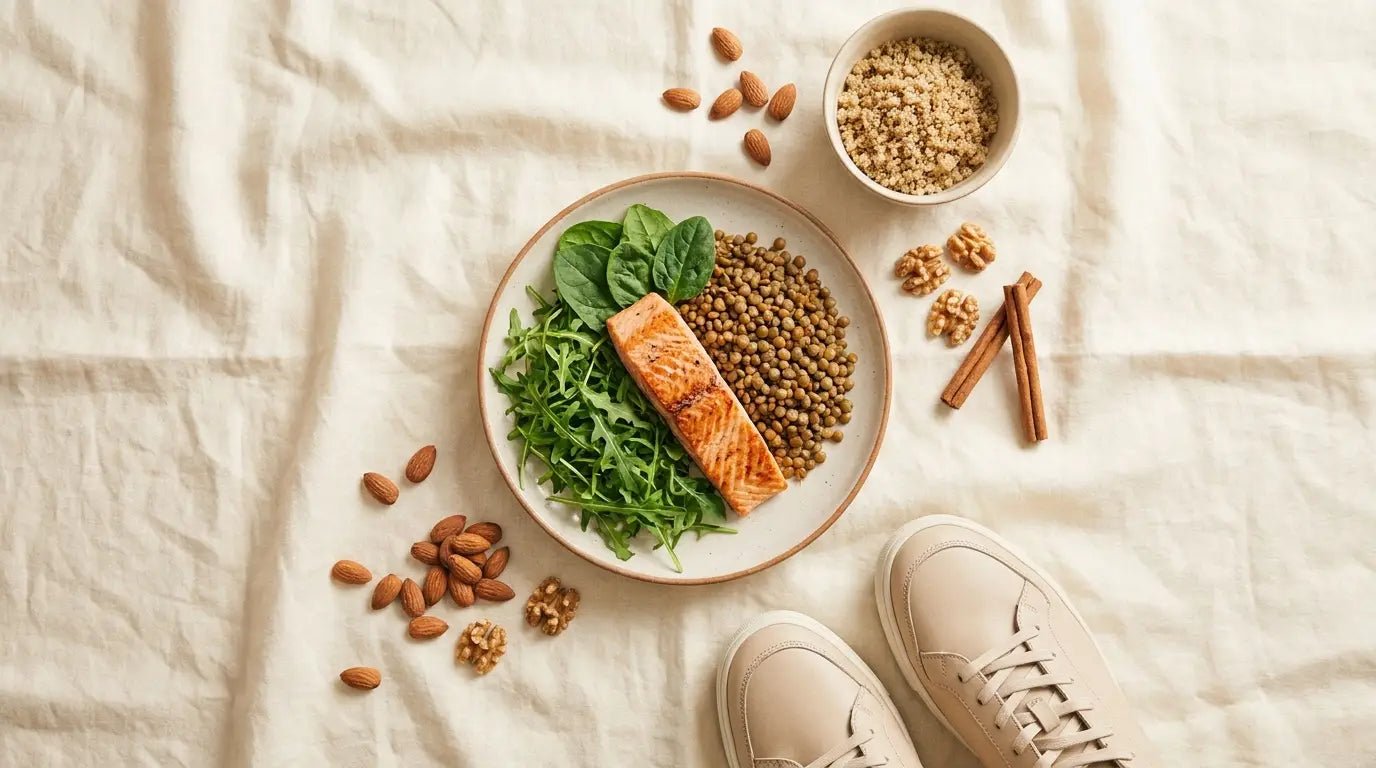
A second, surprisingly effective lever is the order. In a controlled study with identical meals, the blood sugar increase was significantly lower when vegetables and protein were eaten beforecarbohydrates: the values after 30, 60, and 120 minutes were clearly below those of the reversed order (Shukla et al., 2015). It was a small pilot study, but later work supports the effect. Practically, this means: first the salad and protein source, then the side dish. Protein and healthy fats also increase satiety and curb the sugar surge.

Fewer fast carbohydrates

Fast, highly processed carbohydrates like white flour, sugary drinks, and sweets rapidly raise blood sugar. You don't have to eliminate them completely, but it's worth replacing them with fiber-rich alternatives and eating them as part of a complete meal rather than on an empty stomach. I have described exactly how these spikes occur and what they trigger in the body in detail in the article Blood Sugar Spikes and Low-Sugar Diet. If your fluctuations are due to insulin resistance in women, you will find the background to the cause there.

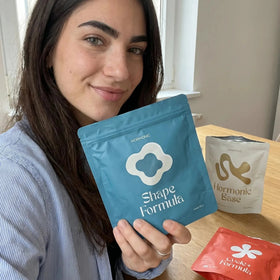
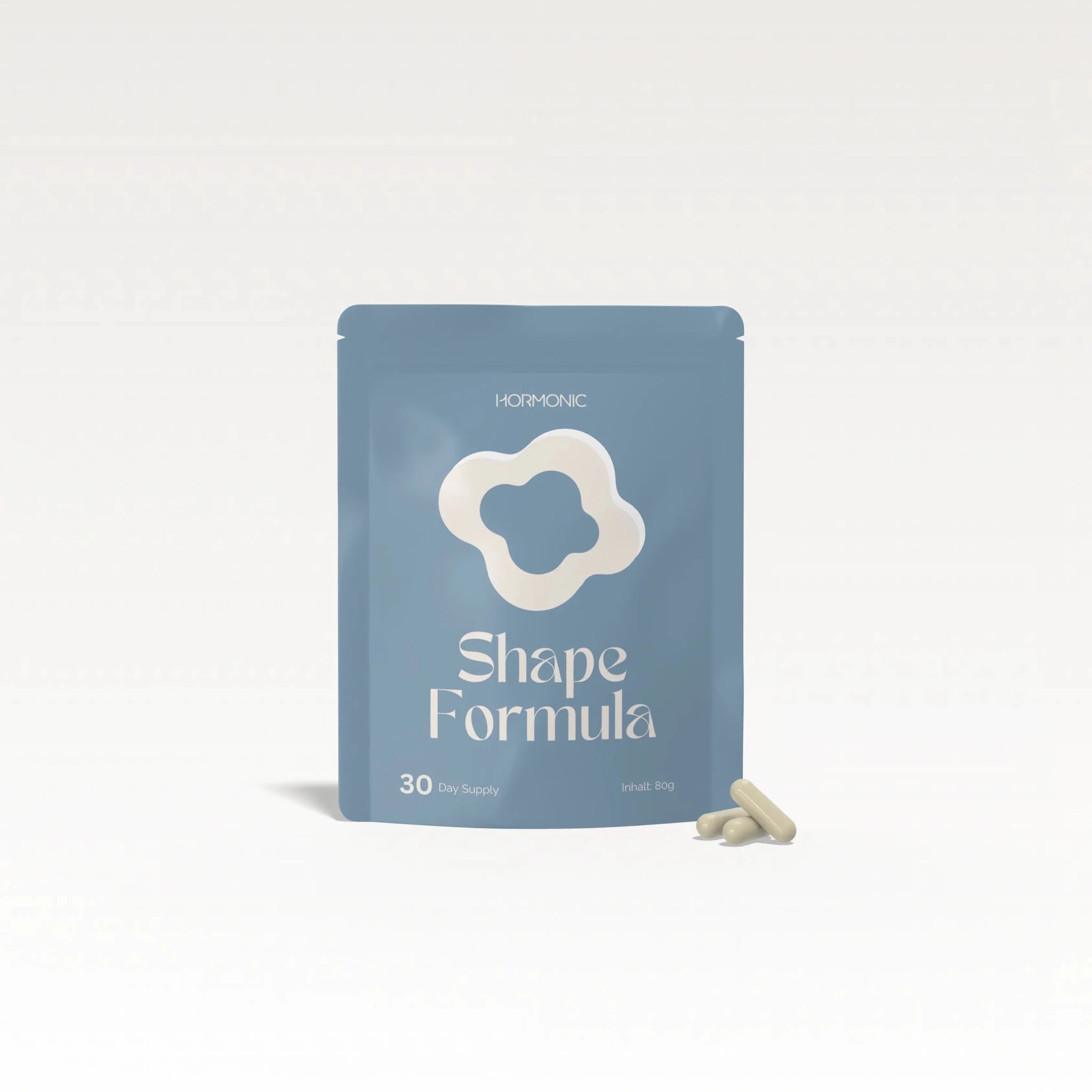
Shape Formula for Blood Sugar & Metabolism

Shape Formula combines ten active ingredients for metabolism and glucose, including chromium, which, according to the EFSA, contributes to normal blood sugar levels and the normal metabolism of macronutrients. Produced in Austria and expert-formulated.
Learn more

Movement, Sleep, and Stress: The Underestimated Levers

Besides your diet, three main factors determine your blood sugar: how much you move, how well you sleep, and how high your stress level is. These levers cost nothing and often work faster than you'd think.

Movement, especially right after eating

Your muscles are the largest consumers of glucose. If you move them after a meal, they draw sugar from the blood, resulting in a smaller peak. A meta-analysis in the journal Sports Medicineshowed that even short, light sessions of 2 to 5 minutes after eating significantly smooth out blood sugar curves, more gently than prolonged sitting or standing (Buffey et al., 2022). A short walk after lunch or dinner is one of the simplest levers you can pull. Regular exercise throughout the week also improves insulin sensitivity.

Sleep: the night plays a role

Sleep is almost always forgotten when it comes to blood sugar. Yet, even short sleep measurably worsens insulin sensitivity. A meta-analysis of prospective studies found that consistently short sleep is associated with a higher risk of type 2 diabetes (Shan et al., 2015). Those who regularly sleep too little often have higher values and more cravings the next day. Seven to nine hours is a good guideline for most women.

Stress: the hormonal brake

Under stress, your body releases cortisol and adrenaline, both antagonists of insulin, which specifically release sugar into the blood. This is useful in the short term, but chronically it keeps blood sugar elevated. Relaxation techniques, breathing exercises, breaks, and movement work together here. Especially in women, sleep, stress, and the menstrual cycle are closely intertwined, which is why these levers reinforce each other.

The Power Duo for Hormones & Metabolism

The Shape Bundle combines the Hormonic Base with the Shape Formula: the daily micronutrient base with 16 essential active ingredients that the female body needs daily, plus targeted metabolic support. Made in Austria.

View Shape Bundle

Can nutrients support blood sugar?

Individual micronutrients and plant compounds have been investigated in studies in connection with blood sugar. Important upfront: they are a possible supplement, not a substitute for diet and exercise, and none of them are a cure for a disease. Honestly assessed, the evidence looks like this.

Chromium

Chromium is the trace element with the clearest regulatory status. The European Food Safety Authority (EFSA) allows the claims that chromium contributes to the maintenance of normal blood glucose levels and contributes to normal macronutrient metabolism. In studies, for example in women with PCOS, an influence on insulin and fasting levels has been observed, although the overall results are mixed (Fazelian et al., 2017).

Alpha-lipoic acid, cinnamon, and fenugreek

These three have also been investigated in studies, with varying degrees of evidence. For alpha-lipoic acid, a meta-analysis of randomized studies found an improvement in fasting blood glucose and insulin resistance (Akbari et al., 2018). For cinnamon, an overview of several meta-analyses described a moderate reduction in fasting blood glucose of approximately 11 mg/dl on average (Zarezadeh et al., 2023). And fenugreek reduced fasting and long-term blood sugar levels in a meta-analysis (Gong et al., 2016). The effects are real, but moderate and fluctuating depending on the study. An overview of how chromium specifically works in women and cravings can be found in the article Chromium for women for blood sugar and cravings. If your topic is more PCOS, then PCOS diet for blood sugar and inflammation is worthwhile.

Other nutrients with an indirect link to blood sugar

Hormonic Base also contains magnesium: in observational studies, a good magnesium status is associated with better insulin sensitivity and a lower risk of type 2 diabetes – this path leads indirectly via energy and glucose metabolism. The EFSA only allows the statement that magnesium contributes to normal energy metabolism; an independent blood sugar claim is not associated with this. Green coffee extract with chlorogenic acid, as contained in Shape Formula, has been investigated in studies for glucose uptake after eating; the effect is moderate and indirect.

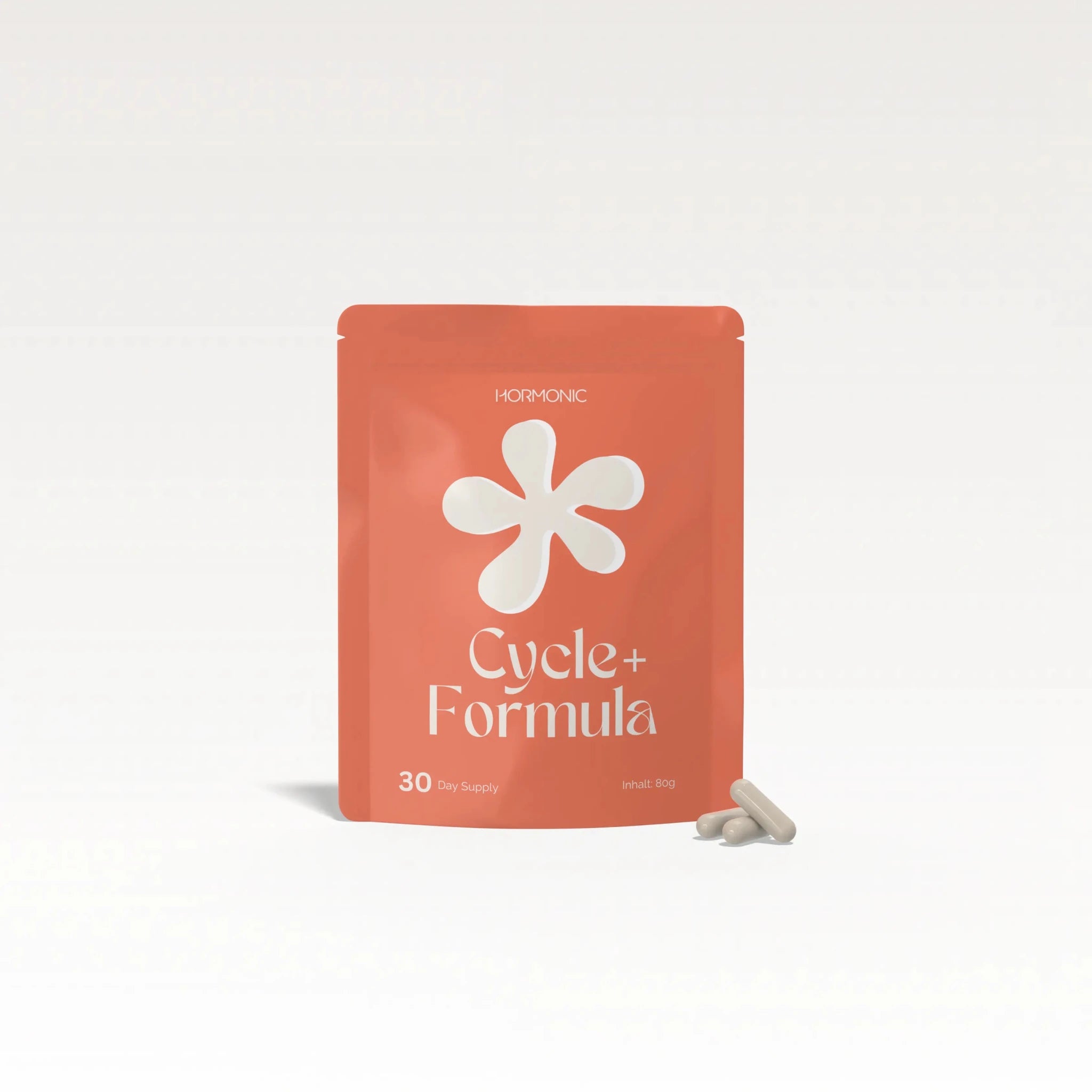
Cycle+ Formula contains myo-inositol, which has been shown in studies, especially for PCOS, to improve insulin sensitivity and is therefore indirectly relevant for blood sugar. The acacia fiber in Shape Formula acts as a soluble dietary fiber: it indirectly slows down sugar absorption and prebiotically promotes satiety.

Finally, berberine has a particularly strong body of research on blood sugar. However, it is not part of our formulas – if you are interested, you can find the details in our own article on it.

When you should have this checked by a doctor

Elevated levels once or repeatedly, severe thirst, frequent urination, unintentional weight loss, or persistent fatigue should be checked by a doctor. Even if diabetes runs in your family or you are planning to have children, an assessment is advisable. If you are unsure where to start, you can talk it through in a free 15-minute intro call with our wellness team.

Conclusion

Naturally lowering your blood sugar is not a question of one right ingredient, but of the interplay: plenty of fiber, protein, and vegetables first, fewer fast carbohydrates, exercise after eating, good sleep, and less chronic stress. These levers are well-researched and interlock. Targeted nutrients like chromium can support this basis, but do not replace it. And with persistently high levels, there is no way around a medical check-up.

Frequently Asked Questions on Naturally Lowering Blood Sugar

What immediately lowers blood sugar?

You cannot lower your blood sugar instantly and permanently with a single trick, but you can noticeably reduce the rise after a meal. The most effective methods are a short walk of a few minutes directly after eating, sufficient water, and vegetables and protein before carbohydrates. These measures smooth the curve but do not replace medical treatment for pathologically high values.

Which foods lower blood sugar?

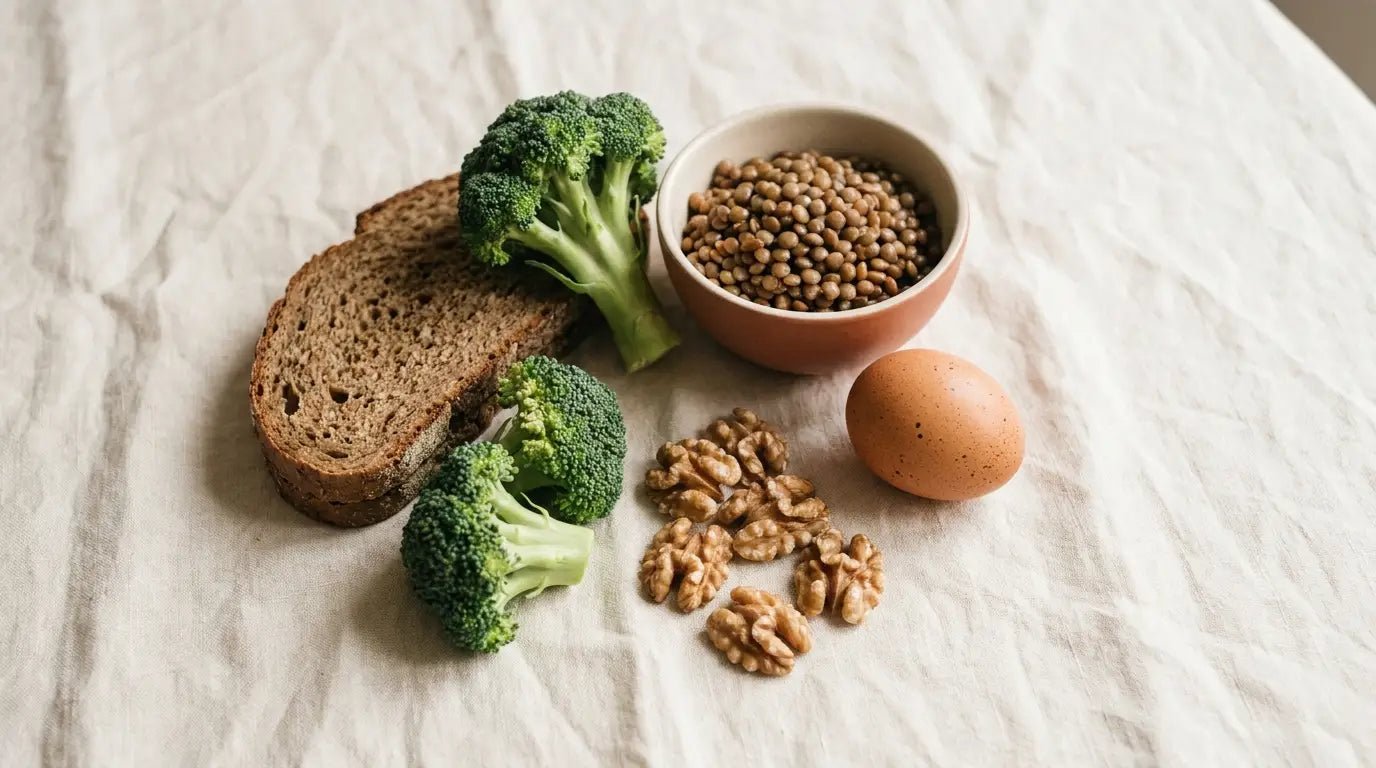
There are no foods that actively "lower" blood sugar, but many that keep it stable: fiber-rich vegetables, legumes such as lentils and chickpeas, berries, nuts and seeds, high-quality protein sources, and whole grains instead of white flour. They slow down sugar absorption and flatten the curve. The overall combination throughout the day is crucial, not a single superfood.

Does cinnamon help with blood sugar?
Cinnamon has been investigated in several studies. An overview of several meta-analyses found a moderate reduction in fasting blood sugar of around 11 mg/dl on average (Zarezadeh et al., 2023). The effect is real, but moderate and varies depending on the study, and cinnamon does not replace a balanced diet. With cassia cinnamon, some restraint with large amounts is also sensible because of its coumarin content.
When is blood sugar too high?
As a rough guide, a fasting blood sugar from about 100 to 125 mg/dl is considered a precursor stage (prediabetes), and from 126 mg/dl, measured repeatedly, a possible diabetes. These values are only reference points and must be confirmed by a doctor. Persistently high values, severe thirst, frequent urination, or unintentional weight loss should always be checked by a doctor.

Scientific Sources

  • Reynolds A, Mann J, Cummings J, et al. (2019). Carbohydrate quality and human health: a series of systematic reviews and meta-analyses. Lancet 393(10170):434-445. doi:10.1016/S0140-6736(18)31809-9
  • Shukla AP, Iliescu RG, Thomas CE, Aronne LJ (2015). Food Order Has a Significant Impact on Postprandial Glucose and Insulin Levels. Diabetes Care 38(7):e98-e99. doi:10.2337/dc15-0429
  • Buffey AJ, Herring MP, Langley CK, et al. (2022). The Acute Effects of Interrupting Prolonged Sitting Time with Walking on Postprandial Glycemia. Sports Medicine 52(8):1765-1787. doi:10.1007/s40279-022-01808-7
  • Shan Z, Ma H, Xie M, et al. (2015). Sleep Duration and Risk of Type 2 Diabetes: A Meta-analysis of Prospective Studies. Diabetes Care 38(3):529-537. doi:10.2337/dc14-2073
  • Akbari M, Ostadmohammadi V, Lankarani KB, et al. (2018). The effects of alpha-lipoic acid supplementation on glucose control and lipid profiles among patients with metabolic diseases: A meta-analysis of RCTs. Metabolism 87:56-69. doi:10.1016/j.metabol.2018.07.002
  • Zarezadeh M, Musazadeh V, Foroumandi E, et al. (2023). The effect of cinnamon supplementation on glycemic control: an umbrella meta-analysis. Diabetology & Metabolic Syndrome 15:127. doi:10.1186/s13098-023-01057-2
  • Gong J, Fang K, Dong H, et al. (2016). Effect of fenugreek on hyperglycaemia and hyperlipidemia in diabetes and prediabetes: A meta-analysis. Journal of Ethnopharmacology 194:260-268. doi:10.1016/j.jep.2016.08.003

About the Author

Amelie Weiss

Amelie Weiss

Research Fellow, PhD · Hormonic

Amelie Weiss is a Research Fellow at Hormonic and conducts scientific research on hormonal health, micronutrients, and evidence-based women's health.

Note: This article is based on current guidelines and scientific work (as of 2026). It is for informational purposes only and does not replace medical advice, diagnosis, or treatment.

Share

You might also be interested in this.

Insulinresistenz bei Frauen: Ursachen, Symptome & was hilft - Hormonic
StoffwechselApr 10, 20268 min read
Insulin Resistance in Women: Causes, Symptoms & What Helps

Insulin resistance affects many women, but often remains undetected for a long time. Learn how hormones and metabolism are connected and what can specifically help with insulin resistance.
Chrom für Frauen: Blutzucker, Heißhunger und PCOS - Hormonic
MikronährstoffeJul 12, 20268 min read
Chromium for Women: Blood Sugar, Cravings, and PCOS

What does chromium do for blood sugar, cravings, and PCOS? What the EFSA statements mean, what studies show, and how you as a woman can fairly assess chromium.

Blutzucker-Spikes: Wie schlecht sind sie wirklich? - Hormonic
StoffwechselJun 4, 20268 min read
Blood Sugar Spikes: How Bad Are They Really?

How harmful are blood sugar spikes in healthy women really, and do you need a CGM? An honest, evidence-based look behind the glucose hype, including cycle and menopause effects.