




Chromium is a trace element closely linked to blood sugar, often promoted as a weight loss aid or a remedy for cravings. This article reveals what chromium can truly do for women, what the approved claims mean, and where advertising exaggerates.
The most important in brief
- According to the EFSA, chromium contributes to normal blood glucose levels and normal macronutrient metabolism; these are two officially approved claims.
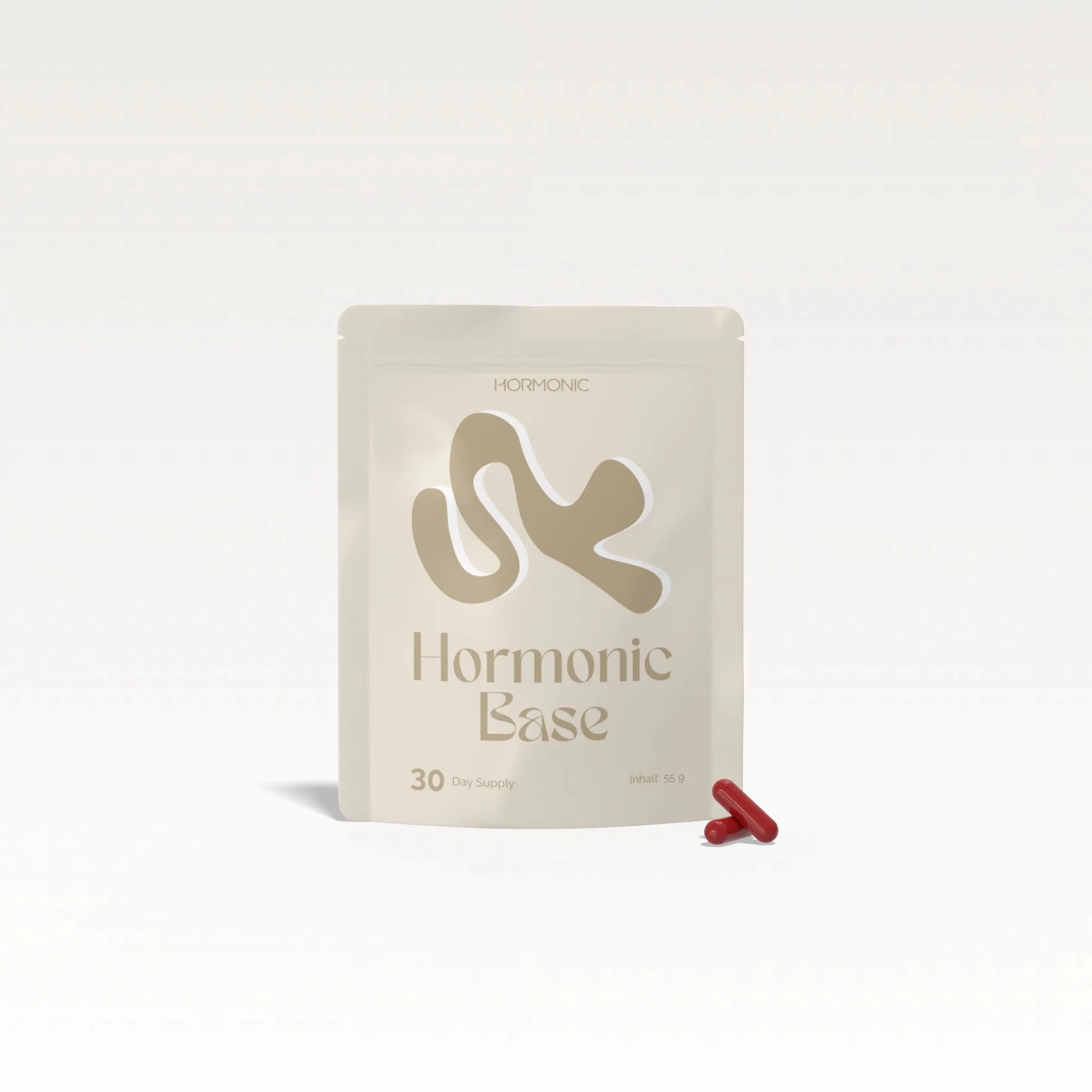
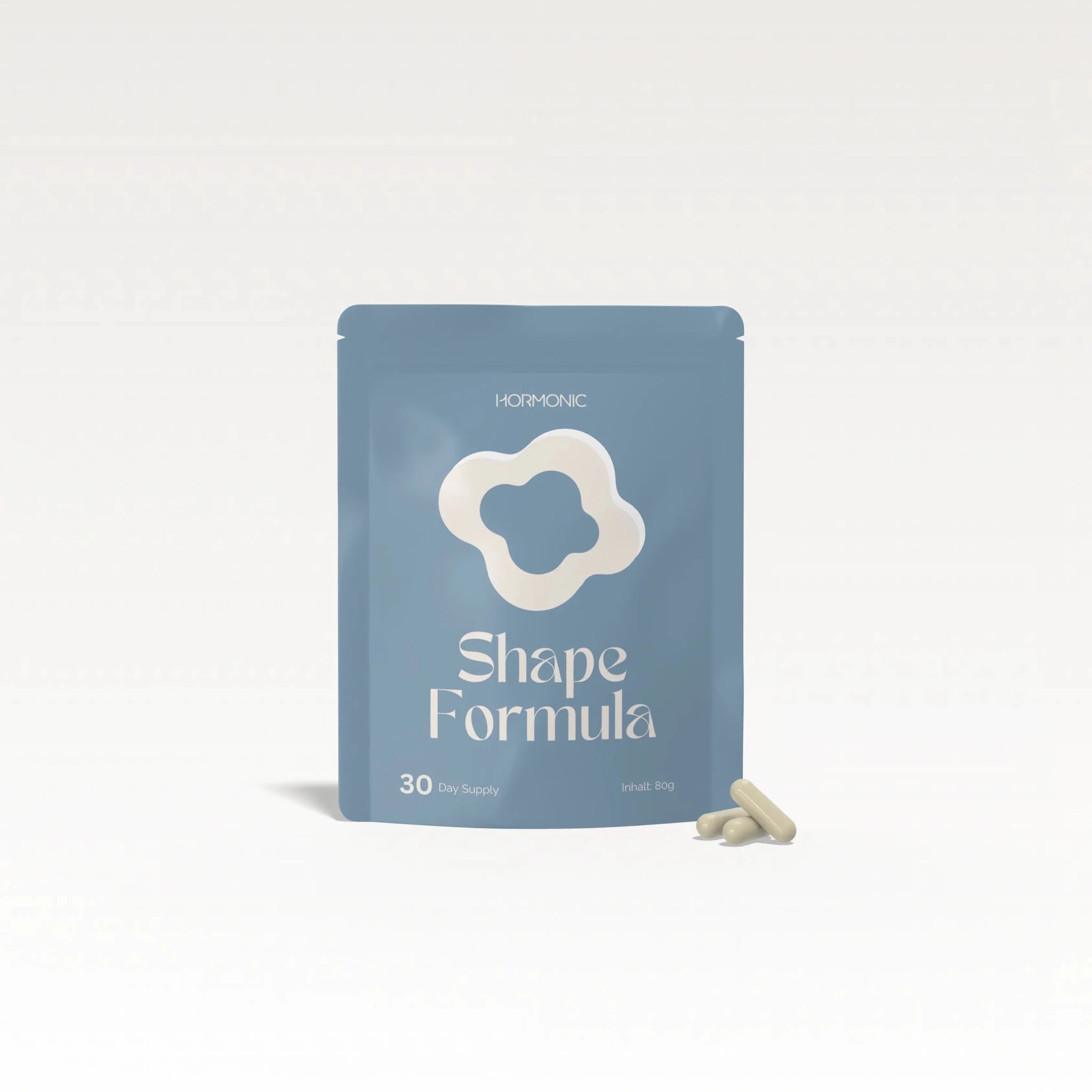
- Precisely because of these two claims, chromium is an integral part of our daily Hormonic Base and, specifically aimed at metabolism, the Shape Formula.
- Chromium primarily affects blood sugar when levels are already elevated, and even then, its effect is rather moderate.
- For cravings, especially for carbohydrates, there is an interesting but preliminary signal.
- Chromium is not a weight loss supplement: the EFSA has explicitly rejected a claim regarding weight loss.
- The trace element chromium (trivalent) is safe and has nothing to do with toxic, industrial chromium (hexavalent).
As a Research Fellow, I almost always see chromium in the same context: in weight loss capsules and anti-craving products, with big promises on the packaging. However, the truth about chromium is more nuanced and, in one aspect, surprisingly reputable, while in others, significantly weaker than advertised. It is precisely this honest distinction that I want to make for you here.
Chromium is a trace element that the body needs only in tiny amounts. Its most important role is to support the action of insulin, the hormone that transports sugar from the blood into the cells. All advertised effects regarding blood sugar, cravings, and weight are derived from this. However, a true chromium deficiency is rare with a balanced diet.
Did you know?
Chromium is one of the few substances with two officially approved EFSA claims, namely for normal blood sugar levels and macronutrient metabolism. The often-advertised claim for weight loss, however, has been explicitly rejected by the EFSA, meaning it is not permitted.
What chromium does in the body
Chromium primarily acts as an insulin helper. Simply put, it helps insulin to bind better to cells and transport sugar from the blood. Through this mechanism, chromium is involved in the metabolism of carbohydrates, fats, and proteins. At a regulatory level, two EFSA-approved functions are particularly relevant for women, and these can be genuinely stated:
| Area | What Chromium contributes according to EFSA |
|---|---|
| Blood Sugar | to the maintenance of normal blood glucose levels |
| Metabolism | to normal macronutrient metabolism |
These two claims represent the honest, reputable core of chromium. That's precisely why this trace element is an integral part of two Hormonic products: It's among the micronutrients in the daily Hormonic Base, your foundation for daily basic supply, and is also included, specifically targeting metabolism, in the Shape Formula. This way, you get chromium exactly where it makes sense: as a well-thought-out component of a good foundation rather than an isolated miracle capsule.
Everything promised beyond these approved claims, especially concerning weight loss, is not approved and scientifically much weaker, as a look at the studies will soon show.
Chromium and blood sugar: what studies show
This is chromium's strongest point, but with an important caveat. Meta-analyses in people with type 2 diabetes show that chromium can lower long-term blood sugar (HbA1c) and fasting blood sugar, on average moderately. The crucial point: this effect is mainly observed in cases of already elevated levels. Those with healthy, normal blood sugar levels hardly benefit, as chromium does not artificially lower a normal value.
Moreover, studies vary significantly, meaning the results are not consistent. For you, this means: chromium can be a useful component if your blood sugar or insulin sensitivity is an issue, but it is not a strong medication and does not replace treatment. You can read how incipient insulin resistance manifests itself in the article on Insulin resistance in women.

Shape Formula: Chromium with a real blood sugar connection
Chromium contributes to normal blood sugar levels and normal macronutrient metabolism – these are two claims approved by the EFSA. Hormonic Shape Formula contains chromium in a sensible amount, along with nine other plant-based ingredients and micronutrients related to metabolism and blood sugar. Doctor-developed and loved by thousands of women.
€75,00

Hormone, Cycle, and Metabolism Support in one
Hormonic Base is your daily foundation with the 16 active ingredients that the body needs every day for central processes. These include vitamin D3, K2, B6, and zinc. Shape complements this with plant-based ingredients specifically for metabolism, gut, and blood sugar. Together, they form the perfect duo!
Frequently Asked Questions about Chrome
Does chromium help with weight loss?
What does chromium do to blood sugar?
Hilft Chrom gegen Heißhunger?
Wie viel Chrom pro Tag ist sinnvoll und sicher?
Scientific Sources
- Regulation (EU) No 432/2012 and EFSA Journal 2010;8(10):1732: Chromium contributes to normal macronutrient metabolism and the maintenance of normal blood glucose levels; claims regarding weight and fatigue rejected.
- Asbaghi, O. et al. (2020). Effects of chromium supplementation on glycemic control in type 2 diabetes: a meta-analysis of 28 RCTs. Pharmacol Res, 161, 105098. doi:10.1016/j.phrs.2020.105098
- Fazelian, S. et al. (2017). Chromium supplementation and polycystic ovary syndrome: a systematic review and meta-analysis. J Trace Elem Med Biol, 42, 92-96. doi:10.1016/j.jtemb.2017.04.008
- Heshmati, J. et al. (2018). The effects of chromium supplementation on insulin resistance indices in women with PCOS: a meta-analysis. Horm Metab Res, 50(3), 193-200. doi:10.1055/s-0044-101835
- Docherty, J. P. et al. (2005). A double-blind, placebo-controlled, exploratory trial of chromium picolinate in atypical depression: effect on carbohydrate craving. J Psychiatr Pract, 11(5), 302-314.
- Onakpoya, I. et al. (2013). Chromium supplementation in overweight and obesity: a systematic review and meta-analysis of RCTs. Obes Rev, 14(6), 496-507. doi:10.1111/obr.12026
- EFSA (2010). Scientific Opinion on the safety of trivalent chromium as a nutrient added to foods. EFSA Journal, 8(12), 1882. doi:10.2903/j.efsa.2010.1882
- EFSA (2014). Scientific Opinion on Dietary Reference Values for chromium. EFSA Journal, 12(10), 3845. doi:10.2903/j.efsa.2014.3845
About the Author

You might also be interested in this.

Insulin resistance affects many women, but often remains undetected for a long time. Learn how hormones and metabolism are connected and what can specifically help with insulin resistance.

Cravings before your period are hormonally controlled and normal. Learn why serotonin and progesterone trigger these cravings and what truly helps against them.

Which micronutrients truly support your hormones? The honest, evidence-based guide to magnesium, vitamin D, omega-3, and B vitamins, with a clear evaluation of the study situation.