Cart

Your cart is empty

Continue shopping

Trending searches

Featured products

Hormonic Base Nahrungsergänzung mit 16 Mikronährstoffen
Sale price€65,00
(5.0)
Hormonic Midlife Formula für die Perimenopause
Sale price€75,00
(5.0)
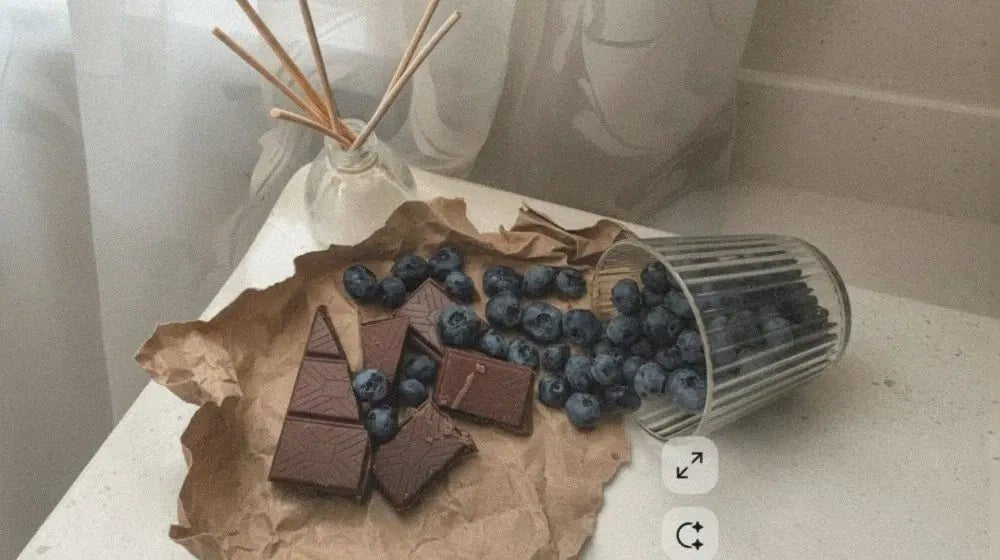
Schokolade als Symbolbild für Heißhunger vor der Periode
ZyklusMar 13, 20266 min read

PMS Cravings: Causes & what really helps

A few days before your period, does chocolate become irresistible? That's not a lack of discipline, but hormonally controlled. This article explains the mechanism and shows what really helps against cravings.

Key takeaways

Cravings before your period are hormonally driven and normal: In the luteal phase, serotonin drops, progesterone rises, and energy needs increase, hence the desire for sweets and carbohydrates. The best way to manage this is to keep blood sugar stable, eat enough protein, and eat regularly, rather than fighting against it with willpower.

A few days before your period, chocolate suddenly becomes irresistible. If you recognize this: It's not a lack of discipline, but a measurable physical reaction. In the second half of your cycle, your hormone balance shifts, and this directly affects appetite and cravings. Here's why this happens and what really helps.

Three reasons for pre-period cravings

Premenstrual cravings are no coincidence, but the result of three mechanisms that work together in the luteal phase:

Serotonin drops
Your mood neurotransmitter also drops with estrogen. Sweets temporarily raise it, hence the cravings.
Progesterone rises
It boosts metabolism and increases energy requirements. The body demands more replenishment.
Increased energy demand
Resting metabolism increases. Women in this phase typically eat around 180 kcal more per day, which is normal.

Slightly increased hunger before your period is physiologically completely normal, not a sign of weakness or lack of discipline.
Did you know?

Imaging studies show that the brain's reward center responds more strongly to palatable foods during the luteal phase. Thus, it is measurably more difficult to control eating for pleasure, not hunger, during this phase.

What happens in the body: Cravings have a reason

Cravings before your period are not a lack of discipline, but a measurable physical reaction. In the second half of your cycle, the luteal phase after ovulation, your hormone balance shifts, and this directly affects appetite and cravings. Three mechanisms work together:

  • Serotonin decreases: Towards the end of the luteal phase, estrogen, and with it serotonin, your mood and satiety messenger, drop. Carbohydrates and sweets temporarily increase serotonin levels. Reaching for chocolate is therefore partly an attempt by the brain to regulate itself.
  • Progesterone increases: The increased progesterone in the luteal phase stimulates metabolic processes and increases energy requirements. The body accordingly demands more replenishment.
  • Resting metabolic rate increases: Studies show that the basal metabolic rate slightly increases in the luteal phase. On average, women consume about 180 calories more per day during this phase. So, a little more hunger before your period is physiologically completely normal.

In addition, there is the so-called hedonic component: Imaging studies show that the reward center in the brain reacts more strongly to palatable foods in the luteal phase. Eating for pleasure, not out of hunger, is therefore harder to control during this phase.

Why sweets and carbohydrates in particular?

The combination of decreasing serotonin and higher energy requirements explains why cravings are usually directed at sugar and carbohydrates, not broccoli. Sugar provides quick energy and briefly lifts the mood. The catch: Highly sugary snacks cause blood sugar to spike and then crash, triggering the next craving. This rollercoaster can be broken.

Are cravings exacerbated by PMS?

Yes. Women with pronounced premenstrual syndrome (PMS) report strong cravings significantly more often and eat measurably more in the luteal phase. In one study, energy intake in women with PMS during this phase was around 2,200 calories per day compared to about 1,880 without PMS. So, if your cravings are particularly intense and accompanied by irritability, low mood, or breast tenderness, PMS is often behind it.

The Supplement for Your Cycle

Cycle+ Formula combines micronutrients and plant extracts that have been studied in relation to cycle complaints and hormonal balance. Developed by doctors and manufactured in Austria.

€75,00

Discover Cycle+ Formula

What really helps against cravings before your period

The goal is not to suppress cravings with willpower, but to defuse the triggers. These strategies are best supported by evidence:

  • Keep blood sugar stable: Opt for complex carbohydrates like whole grains, legumes, and oats instead of fast sugars. They provide the same serotonin effect, but without the crash afterward.
  • Protein with every meal: Protein keeps you full longer and dampens hunger spikes. Good sources include eggs, fish, legumes, tofu, nuts, and yogurt.
  • Eat regularly: Long meal breaks intensify cravings. Three meals plus planned snacks keep blood sugar more stable than spontaneous snacking.
  • Enjoy consciously instead of forbidding: Consciously eating a piece of good chocolate often satisfies the craving better than strict prohibition, which later leads to overeating.
  • Regulate sleep and stress: Lack of sleep and stress further increase hunger and cravings. Exercise, sufficient sleep, and relaxation indirectly contribute here.

What micronutrients can and cannot do

For magnesium and vitamin B6, the study situation is limited and inconsistent. A small randomized study found a small effect for the combination of 200 mg magnesium and 50 mg vitamin B6, mainly related to tension and mood, not specifically to cravings. An overview article from 2025 classifies the evidence for nutritional supplements for PMS as weak overall. Micronutrients can supplement a balanced lifestyle, but do not replace it, and they are not a reliable means of stopping cravings.

When you should take a closer look

Cravings before your period are normal. However, medical clarification is advisable if:

  • the cravings are so strong that you regularly lose control over eating or have binge eating episodes,
  • the cravings are accompanied by pronounced PMS symptoms or severe mood swings,
  • you suspect an eating disorder,
  • signs of a hormonal imbalance such as irregular cycles or severe exhaustion occur concurrently.

In these cases, it is worthwhile to have your hormonal situation assessed instead of struggling with cravings alone.

Hormone consultation with our medical team

Is your ravenous hunger very strong or accompanied by pronounced PMS? In a personal video consultation, we will look together at what suits you best.

Book a consultation

Conclusion

Food cravings before your period are a normal, hormonally controlled reaction: Decreasing serotonin, increasing progesterone, and a higher energy requirement in the luteal phase make reaching for sweets understandable, not a sign of weakness. Understanding this can help you deal with it more calmly.

Instead of fighting against your body, it helps to defuse the triggers: keep blood sugar stable, eat enough protein, have regular meals, and consciously enjoy instead of forbidding. If the cravings are particularly strong or accompanied by severe PMS, a closer look at your hormones is worthwhile.

Common Questions About Period Cravings

Why do I get food cravings before my period?

Because your hormone balance shifts in the second half of your cycle (luteal phase). Estrogen and therefore serotonin decrease, while progesterone increases and energy requirements go up. Carbohydrates and sweets briefly raise serotonin levels, which is why the body craves them. A little more hunger before your period is physiologically normal, not a lack of discipline.

What really helps against cravings before your period?

The most effective approach is to defuse the triggers rather than suppress the cravings: Stabilize blood sugar with complex carbohydrates like whole grains and oats, eat protein with every meal, plan regular meals instead of long breaks between meals, and enjoy food mindfully instead of strictly forbidding it. Sufficient sleep and reduced stress also have a dampening effect.

Warum habe ich vor der Periode besonders Lust auf Schokolade und Süßes?
Gegen Ende der Lutealphase sinkt der Serotoninspiegel. Zucker und Kohlenhydrate heben ihn kurzfristig wieder an, deshalb richtet sich der Heißhunger gezielt auf Süßes statt auf Gemüse. Schokolade liefert zusätzlich schnelle Energie und eine kurze Stimmungsanhebung. Das Problem: Stark zuckerhaltige Snacks lassen den Blutzucker erst steigen und dann abstürzen, was den nächsten Heißhunger auslöst.
Ist es normal, vor der Periode mehr zu essen und zuzunehmen?
Mehr Hunger ist normal: Der Ruheumsatz steigt in der Lutealphase leicht, und Frauen nehmen in dieser Phase im Schnitt etwa 180 Kalorien pro Tag mehr zu sich. Eine sichtbare Gewichtszunahme vor der Periode ist meist Wassereinlagerung und keine echte Fettzunahme. Sie verschwindet in der Regel mit Einsetzen der Blutung wieder.
Helfen Magnesium oder Vitamin B6 gegen prämenstruellen Heißhunger?
Die Studienlage ist begrenzt und uneinheitlich. Eine kleine randomisierte Studie fand für die Kombination aus Magnesium und Vitamin B6 einen kleinen Effekt, vor allem auf Anspannung und Stimmung, nicht spezifisch auf Heißhunger. Ein Übersichtsartikel von 2025 bewertet die Evidenz für Nahrungsergänzungsmittel bei PMS insgesamt als schwach. Mikronährstoffe können einen ausgewogenen Lebensstil ergänzen, sind aber kein verlässliches Mittel gegen Heißhunger.

Scientific Sources

  • Krishnan S et al. (2016). Menstrual cycle hormones, food intake, and cravings. FASEB J, 30(S1), 418.6. doi:10.1096/fasebj.30.1_supplement.418.6
  • Rogan MM, Black KE (2022). Dietary energy intake across the menstrual cycle: a narrative review. Nutr Rev, 81(7), 869-886. doi:10.1093/nutrit/nuac094
  • Hedonic hunger and food cravings in premenstrual syndrome (2025/2026). Front Public Health, 13, 1659974. doi:10.3389/fpubh.2025.1659974
  • Role of premenstrual syndrome in hedonic hunger and food craving during the menstrual cycle (2025). PMC12451237.
  • De Souza MC et al. (2000). A synergistic effect of magnesium plus vitamin B6 for anxiety-related premenstrual symptoms. J Womens Health Gend Based Med, 9(2), 131-139. doi:10.1089/152460900318623
  • Effect of nutritional interventions on psychological symptoms of PMS: a systematic review of RCTs (2025). Nutr Rev, 83(2), 280-306. doi:10.1093/nutrit/nuad094

About the Author

Amelie Weiss

Amelie Weiss

Research Fellow, PhD · Hormonic

Amelie Weiss is a Research Fellow at Hormonic and conducts scientific research on hormonal health, micronutrients, and evidence-based women's health.

Note: This article is based on current scientific work (as of 2026). It is for informational purposes only and does not replace professional medical advice, diagnosis, or treatment.

Share

You might also be interested in this.

Blutzucker-Spikes: Wie schlecht sind sie wirklich?
StoffwechselJun 4, 20268 min read
Blood Sugar Spikes: How Bad Are They Really?

How harmful are blood sugar spikes in healthy women really, and do you need a CGM? An honest, evidence-based look behind the glucose hype, including cycle and menopause effects.

Wie Du deinen Stoffwechsel ankurbelst
StoffwechselJun 4, 20267 min read
How to boost your metabolism

Boost metabolism: We separate myth from evidence and show which levers really count for women, from protein and muscles to thyroid, insulin, and the menstrual cycle.
Ozempic ohne Rezept: So steigerst du GLP‑1 natürlich mit Lebensmitteln
StoffwechselAug 5, 20258 min read
Ozempic without a prescription: How to increase GLP‑1 naturally with food

Ozempic effect without injections: Certain foods can boost your GLP-1 production and thus support satiety, blood sugar, and hormonal balance. Learn which foods work—and how to combine them correctly.