

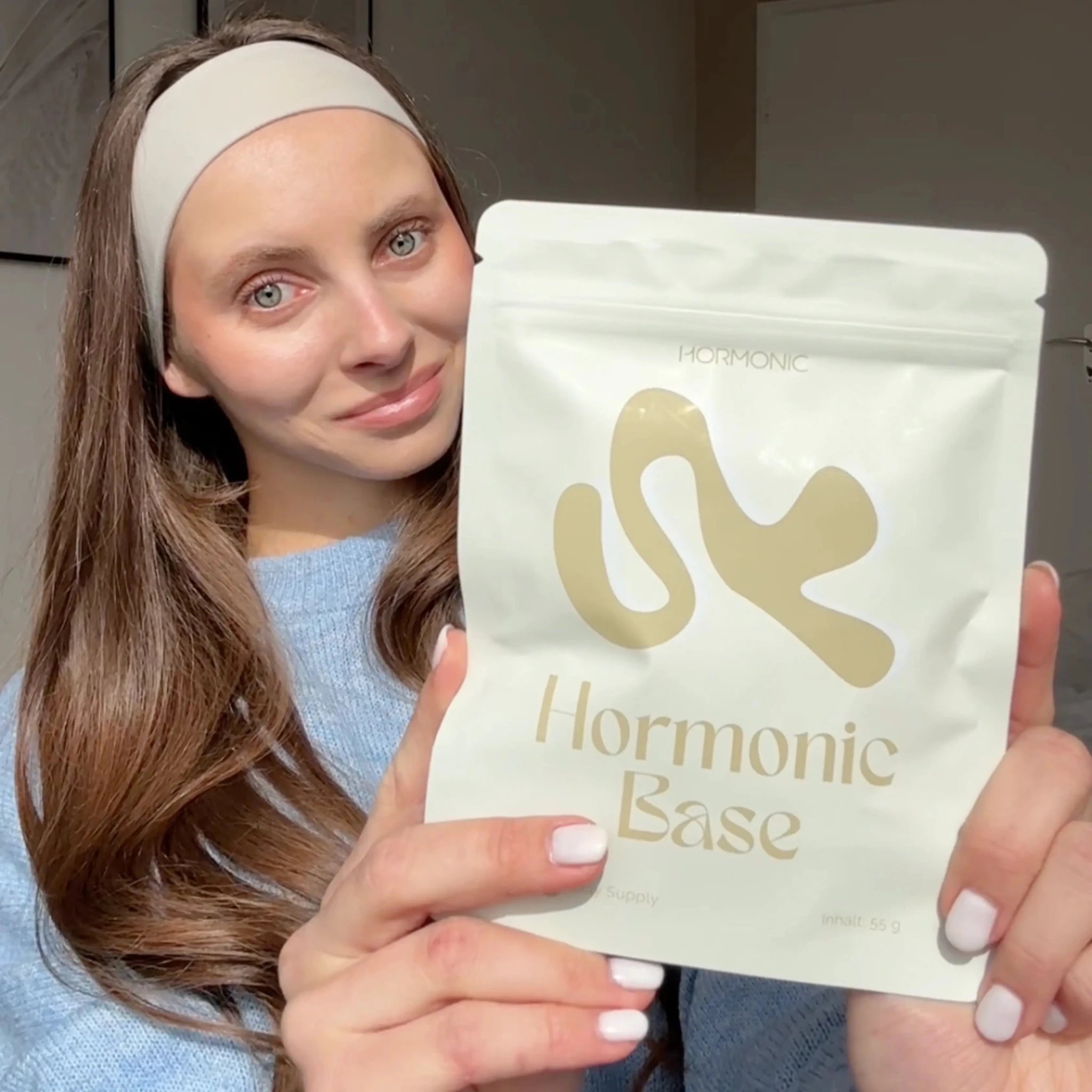


Looking to boost your metabolism to lose weight more easily? This article separates myth from evidence and shows what really counts for women.
"My metabolism has fallen asleep." You often hear this phrase, and it sounds plausible. In reality, the idea of a lazy metabolism that can be re-ignited with a few tricks is one of the most persistent myths about losing weight. What research shows is more nuanced, and particularly relevant for women.
The biggest myth first: Your metabolism doesn't slow down at 30
Probably the most common assumption is: From about 30, metabolism slows down, which is why people gain weight. A large international study investigated this. In 2021, Pontzer and colleagues analyzed data from 6,421 people from 29 countries, aged eight days to 95 years, measured using the very precise Doubly Labeled Water method.¹
The result was surprisingly clear: After adjusting for fat-free body mass, energy expenditure remains remarkably stable between 20 and 60 years of age, even during pregnancy. A significant decline only begins after the age of 60.
So, if the scale slowly creeps up in middle age, according to this evidence, it's not due to a suddenly sluggish metabolism. More likely are changes in muscle mass, activity, sleep, and eating habits—precisely the levers you can actually adjust.
What really makes up your energy consumption
Your total daily energy expenditure consists of three components. By far the largest share is the basal metabolic rate. This explains why individual "metabolism tricks" have so little effect, and where the truly effective levers lie.
This is precisely where scientifically sound measures come into play, and they differ significantly from common home remedies. We will now look in detail at what these are and what role your hormones play.
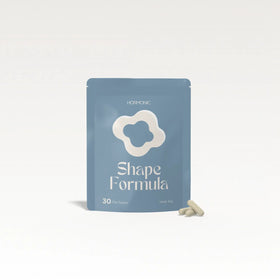
Your Natural Metabolism Support
Physician-formulated micronutrients that play a central role in fat metabolism, energy, and thyroid function. Strictly lab-tested and loved by thousands of women.
€75,00

Are you looking for medical support?
Then book a free video consultation with one of the Hormonic doctors now. They specialize in hormonal topics and have supported many patients in the area of insulin & metabolism. Conveniently from home, without waiting times.
Frequently Asked Questions about Metabolism
Can you really boost your metabolism?
Does metabolism slow down with age?
Warum nehme ich trotz Sport nicht ab?
Welche Rolle spielen Hormone beim Stoffwechsel der Frau?
Scientific Sources
- Pontzer, H., Yamada, Y., Sagayama, H. et al. (2021). Daily energy expenditure through the human life course. Science, 373(6556), 808-812. doi:10.1126/science.abe5017
- Calcagno, M. et al. (2024). Effects of Varying Protein Amounts and Types on Diet-Induced Thermogenesis: A Systematic Review and Meta-Analysis. Advances in Nutrition. doi:10.1016/j.advnut.2024.100295
- Fenzl, M. et al. (2020). The effect of exercise interventions on resting metabolic rate: A systematic review and meta-analysis. Journal of Sports Sciences. PMID:32397898
- Khalafi, M. et al. (2023). The effects of exercise training on body composition in postmenopausal women: a systematic review and meta-analysis. Frontiers in Endocrinology, 14, 1183765. doi:10.3389/fendo.2023.1183765
- Resting energy expenditure of women with and without polycystic ovary syndrome: a systematic review and meta-analysis (2025). PMC12706607.
- Association of Thyroid Hormones with Basal Metabolism and Body Composition in Women of Reproductive Age (2025). PMC12503621.
- Variation of serum TSH within the normal range and resting metabolic rate in women with hypothyroidism: a case-control study (2024). PMID:38777475.
About the Author

You might also be interested in this.

How harmful are blood sugar spikes in healthy women really, and do you need a CGM? An honest, evidence-based look behind the glucose hype, including cycle and menopause effects.

Intermittent fasting can improve insulin resistance and lower active testosterone in PCOS. This is shown by a recent Nature Medicine study - and for whom the protocol is suitable.

Ozempic effect without injections: Certain foods can boost your GLP-1 production and thus support satiety, blood sugar, and hormonal balance. Learn which foods work—and how to combine them correctly.