
Cart

Your cart is empty

Continue shopping

Trending searches

Featured products

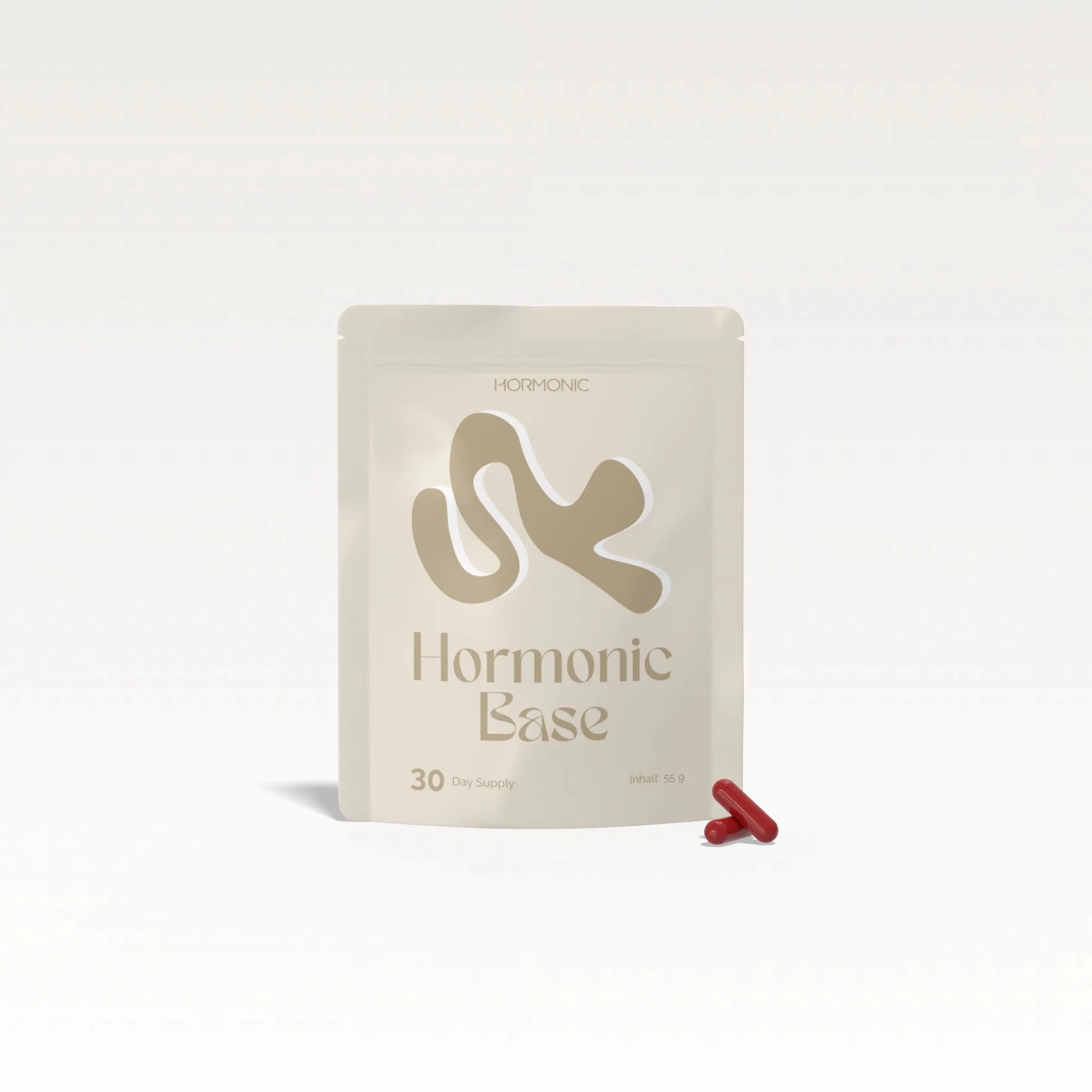
Hormonic Base Nahrungsergänzung mit 16 Mikronährstoffen
Sale price€65,00
(5.0)
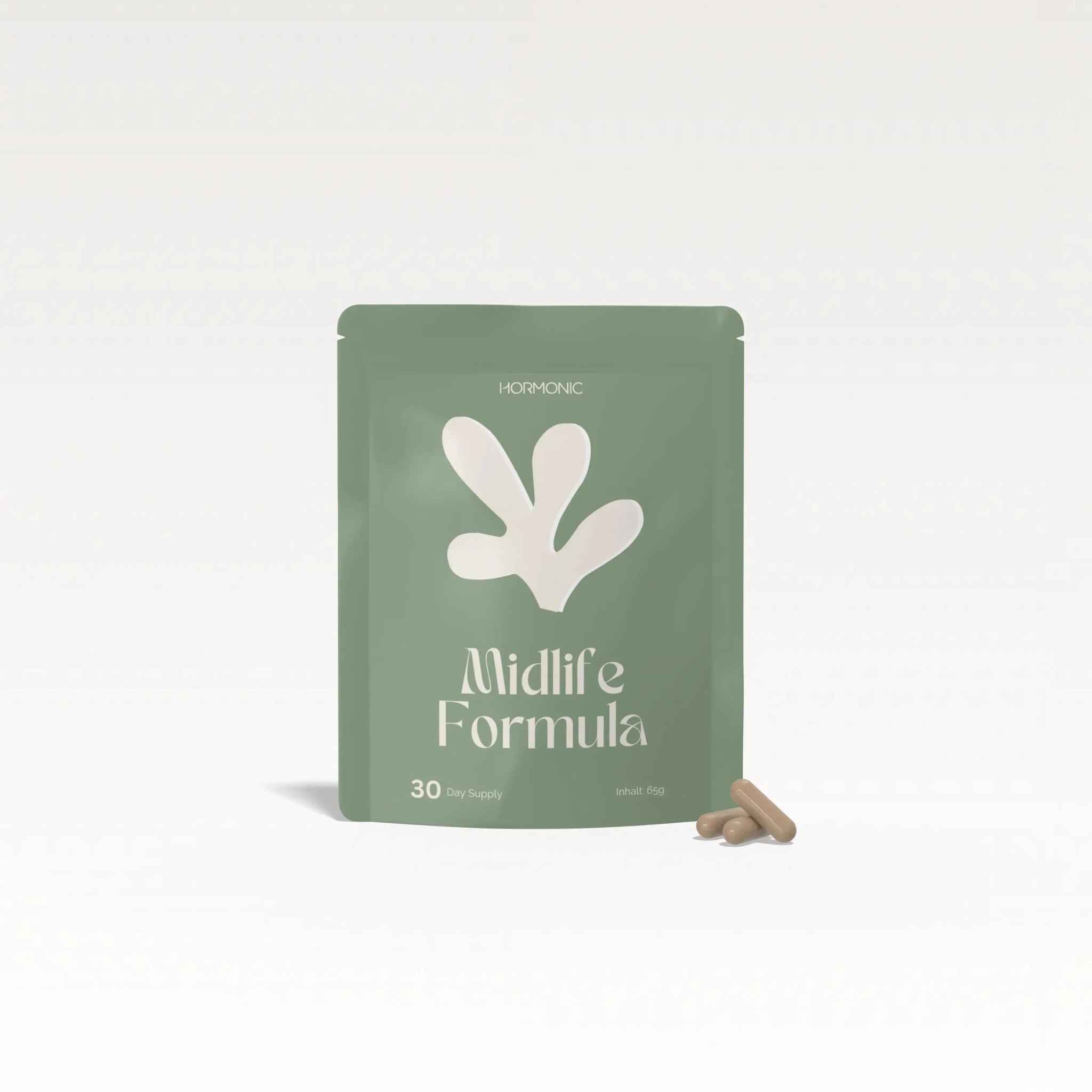
Hormonic Midlife Formula für die Perimenopause
Sale price€75,00
(5.0)
Intervallfasten bei PCOS: Was die Forschung wirklich zeigt
PCOSMay 31, 202610 min read

Intermittent Fasting for PCOS: What the Research Really Shows

This article is part of: PCOS: The Guide to Causes, Symptoms, and Treatment

Intermittent fasting can improve insulin sensitivity and lower active testosterone in PCOS. However, not every fasting protocol is equally suitable for every affected person. Current studies – including an RCT from Nature Medicine (2026) – provide reliable figures for the first time.

Key takeaways

16:8 fasting has been shown to improve free androgen index and insulin sensitivity in PCOS. Total testosterone and cycle regularity show less consistent results. Most effective for insulin-resistant PCOS. Lean PCOS or high stress levels: proceed with caution, medical supervision recommended.


Around one in eight women of reproductive age have PCOS, and many are looking for ways to manage insulin resistance, elevated androgen levels, and irregular cycles without hormonal birth control. Intermittent fasting is considered a promising approach. What does current research say, and for whom is it truly suitable?

What is PCOS?

Polycystic ovary syndrome (PCOS) is the most common endocrine disorder in women of reproductive age. The diagnosis is confirmed if at least two of the three Rotterdam criteria are met: clinical or biochemical hyperandrogenism, ovulatory dysfunction, and polycystic ovarian morphology. PCOS is strongly associated with insulin resistance and metabolic disorders (AWMF S2k guideline 089-004, 2024).

Why insulin resistance is the key factor in PCOS

A central and often underestimated feature of PCOS is insulin resistance. It affects an estimated 65 to 70 percent of those affected, regardless of body weight.

The insulin-androgen cycle in PCOS

1

Insulin Resistance: Body cells no longer respond adequately to insulin.

2

Compensatory Hyperinsulinism: The pancreas reacts with increased insulin secretion.

3

Ovarian Androgen Stimulation: Chronically elevated insulin signals the ovaries to produce more testosterone.

4

Symptoms: Hirsutism, acne, hair loss, menstrual cycle irregularities as visible consequences.

Any dietary approach that sustainably lowers insulin levels and improves insulin sensitivity has the potential to positively influence the hormonal balance in PCOS. This is precisely where intermittent fasting comes in.

Did you know?

PCOS affects 8 to 18 percent of all women of reproductive age, and up to 70 percent of those affected are undiagnosed. The condition is one of the most common causes of involuntary childlessness (Teede et al., 2023).

What intermittent fasting does to PCOS metabolism

-2.68

Points less in the Free Androgen Index (TRE group)

-4.25 kg

Avg. weight reduction (meta-analysis Ranneh 2025)

6h

Eating window in the most strongly supported TRE protocol

RCT · Nature Medicine

Corapi, Cienfuegos, Varady et al. 2026

76 women with PCOS, 6 months. TRE (6h eating window) vs. calorie restriction vs. control. Only TRE significantly reduced the Free Androgen Index by -2.68 points. In addition, HbA1c exclusively improved in the TRE group.

Nature Medicine, 2026

Meta-analysis · Nutrients

Ranneh et al. 2025

Significant reduction in body weight by an average of -4.25 kg and improvements in insulin levels and inflammatory markers with IF in PCOS.

Nutrients, 2025

Meta-analysis · Metabolites

Aolymat et al. 2025

Confirms effects on insulin levels and androgen markers. Authors classify the evidence as promising but still preliminary. Larger RCTs are still pending.

Metabolites, 2025
Free Testosterone: Why FAI is More Important Than Total Testosterone

In PCOS research, a distinction is often made between total testosterone and the Free Androgen Index (FAI). While total testosterone measures the overall amount of testosterone in the blood, FAI measures the biologically active portion – i.e., the testosterone that actually acts on receptors and causes symptoms such as hirsutism, acne, or hair loss. For clinical relevance, FAI is therefore more indicative. The Varady study provides the clearest evidence to date: TRE significantly reduced FAI, whereas calorie restriction alone did not.

The fact that total testosterone shows no significant change in some studies therefore does not mean that IF is ineffective in PCOS. It means that FAI is the more relevant measure – and precisely this is influenced by TRE.

Which Fasting Protocol is Suitable for PCOS?

Not all forms of fasting are equally suitable for PCOS. Based on available studies, the following picture emerges:

  • 16:8 or 6-hour TRE (1 PM–7 PM):Most well-researched for PCOS. Place the eating window in the afternoon and early evening – do not eat in the morning and then fast in the evening, as late eating disturbs the circadian rhythm.
  • 14:10 as an Introduction:Recommended for women with PCOS who have no prior fasting experience. Two to four weeks of 14:10, then gradually increase to 16:8 if energy and mood feel good.
  • 5:2 or Alternate-Day Fasting:Less suitable for PCOS. Pronounced fasting intervals can significantly increase cortisol and, in an already activated HPA axis, temporarily worsen insulin resistance.

Hormonic Base for Hormones & Metabolism

16 high-quality active ingredients that play an important role in PCOS: Zinc for androgens, magnesium for insulin sensitivity, and B vitamins to support hormone synthesis. Doctor-developed and loved by thousands of women.

€65,00

Discover Hormonic Base

Who is less suited for intermittent fasting with PCOS

Intermittent fasting is not a universal approach. Certain subgroups should proceed with caution or seek medical guidance:

  • Lean PCOS (normal body weight):In the absence of a pronounced insulin resistance focus, the main mechanism by which TRE helps is less pronounced. At the same time, increased cortisol due to fasting can impair cycle regularity.
  • High chronic stress levels or adrenal PCOS component:IF increases cortisol. If baseline cortisol is already elevated, this can further stimulate androgen production via the adrenal glands.
  • History of eating disorders:Fasting protocols can reinforce restrictive patterns. Therapeutic support is important here before starting.
  • Actively trying to conceive:The data on IF for fertility is still too limited for clear recommendations. Medical guidance is obligatory.

Practical implementation: How to proceed with PCOS

Based on current research – particularly the TRE protocol from the Varady study – the following recommendations apply:

  • Start eating window at midday:The Varady study used 13–19 o'clock. Do not fast in the morning and then eat in the evening – this is unfavorable for the cortisol rhythm.
  • Prioritize protein:1.2–1.5 g protein per kg body weight daily, distributed over 2–3 meals within the eating window. Protein stabilizes blood sugar and keeps insulin levels flat.
  • Consider the luteal phase:Energy requirements increase in the second half of the cycle. Shortening the fasting window to 12–14 hours can reduce cravings and mood swings during this phase.
  • Take body signals seriously:Persistent exhaustion, worsening cycle regularity, or sleep disturbances are signs that the protocol should be revised.

Speak with a doctor specializing in PCOS. For free!

PCOS manifests differently – what works for one woman might not be right for you. In a free 15-minute consultation, we will personally assess your symptoms, blood values, and suitable next steps.

Free initial consultation

Key takeaways

Intermittent fasting – particularly TRE with an eating window at midday and early evening – can improve weight, free androgens, and blood sugar control in insulin-resistant PCOS. The strongest evidence applies to FAI and insulin levels. Menstrual regularity takes longer and varies greatly from person to person. A gentler approach is more appropriate for lean PCOS or high stress.

When to see a doctor?

If the PCOS diagnosis has not yet been definitively confirmed, a medical clarification before starting is advisable. The same applies to Metformin use, pronounced menstrual cycle disorders or active desire to have children. If symptoms worsen instead of improve with IF, this is a clear signal for a doctor's appointment. Our doctors at Hormonic will be happy to assist you. You can herebook an appointment for a free video consultation at any time. Without waiting times, conveniently from home.

Frequently Asked Questions about Intermittent Fasting for PCOS

What are the real benefits of intermittent fasting for PCOS?

Intermittent fasting – particularly time-restricted eating (TRE) – can lower the Free Androgen Index (FAI), i.e., biologically active testosterone, improve insulin sensitivity, and aid weight loss in women with PCOS. In a randomized study (Corapi, Varady et al., Nature Medicine 2026) involving 76 women with PCOS over 6 months, TRE significantly reduced FAI by –2.68 points, an effect not achieved by calorie reduction alone. Total testosterone, menstrual regularity, and other PCOS symptoms showed less consistent improvements.

Which fasting protocol is best for PCOS?

The most robust evidence to date shows a 6-hour eating window from 1 PM to 7 PM (Varady et al., Nature Medicine 2026). For a gentler start, 14:10 (e.g., 10 AM to 8 PM) is recommended for 2–4 weeks, then gradually increasing to 16:8. Important: Do not start the eating window too early in the morning or extend it late into the evening. Aggressive protocols such as 5:2 or Alternate-Day Fasting are less suitable for PCOS.

Kann Intervallfasten PCOS heilen?

Nein. Intervallfasten ist eine Lifestyle-Intervention, keine Therapie. Es unterstützt Dich in der Therapie, kann laut einigen Studien Insulinresistenz verbessern, den Free Androgen Index senken und beim Abnehmen helfen und damit Symptome lindern. Die Grunderkrankung PCOS therapiert es nicht. Für eine ganzheitliche Behandlung bleibt ärztliche Begleitung notwendig.

Wie lange dauert es, bis Intervallfasten bei PCOS wirkt?

In der Varady-Studie (Nature Medicine, 2026) waren nach 6 Monaten signifikante Verbesserungen beim Free Androgen Index und HbA1c messbar. Erste Veränderungen beim Nüchterninsulin werden teils schon nach 8 bis 12 Wochen beobachtet (Abu Salma et al., 2024). Zyklusverbesserungen brauchen in der Regel länger und sind individuell sehr unterschiedlich.

Kann ich Intervallfasten bei PCOS mit Inositol oder Metformin kombinieren?

Zu dieser Kombination gibt es noch keine publizierten RCT-Daten. Aus mechanistischer Sicht ist eine Kombination plausibel, da Inositol und Metformin die Insulinsensitivität auf anderem Weg verbessern als IF. Ärztliche Abstimmung vor der Kombination ist empfohlen, besonders bei Metformin wegen des Risikos einer Unterzuckerung bei längeren Fastenperioden.

Scientific Sources

  • Corapi S, Cienfuegos S, Varady KA et al. (2026). Time-restricted eating for body weight management in women with PCOS. Nature Medicine. doi:10.1038/s41591-026-04316-7
  • Ranneh Y et al. (2025). Effect of IF on PCOS: Systematic Review and Meta-Analysis. Nutrients, 17(15), 2436. doi:10.3390/nu17152436
  • Aolymat I et al. (2025). IF on Metabolic and Hormonal Profile in PCOS: Systematic Review and Meta-Analysis. Metabolites, 15(10), 654. doi:10.3390/metabo15100654
  • Abu Salma R et al. (2024). Effect of intermittent fasting on metabolic and hormonal parameters in PCOS: RCT. Front Endocrinol (Lausanne), 15, 1458932. doi:10.3389/fendo.2024.1458932
  • Teede HJ et al. (2023). International Evidence-based Guideline for PCOS 2023. Monash University.
  • AWMF S2k Guideline PCOS (089-004), August 2024.

About the Author

Lisa Maria Emmer

Lisa Maria Emmer

Medical Doctor & Medical Director · Hormonic

Lisa Maria Emmer is co-founder and medical director at Hormonic. She supports women with hormonal complaints and specializes in PCOS, cycle health, and menopause.

Note: This article is based on current guidelines and scientific work (as of 2026). It is for informational purposes only and does not replace medical advice, diagnosis, or treatment.

Share

You might also be interested in this.

Myo-Inositol bei PCOS: Wirkung, Studien & Dosierung
FruchtbarkeitMay 31, 202610 min read
Myo-inositol for PCOS: Effects, Studies & Dosage

How does inositol work for PCOS, what do studies show regarding ovulation, testosterone, and insulin resistance, and what is a sensible dosage? The evidence-based overview.

Androgene bei Frauen natürlich senken: Was wirklich hilft
PCOSMay 31, 20268 min read
Naturally Lower Androgens in Women: What Really Helps

Elevated androgens manifest as acne, hair loss, and menstrual irregularities. We explore the underlying biology and evidence-based effective interventions.
Frau mit klarer Haut, Thema Testosteron natuerlich senken bei PCOS
PCOSAug 30, 20248 min read
How to naturally lower your testosterone levels

Elevated testosterone levels in women, especially with PCOS, affect the cycle, skin, hair, and mood. This article presents evidence-based natural strategies, from circadian rhythm to insulin sensit...