

Magnesium for PMS, vitamin D for your cycle, omega-3 against androgens: This guide honestly categorizes the most important micronutrients for your hormones based on the current scientific literature. What's truly proven, what shows mixed results, and where you can save your money.
Magnesium for PMS, vitamin D for your cycle, omega-3 for too many androgens: online, every micronutrient sounds like a solution for everything. The truth is more nuanced. For some nutrients, the study data is surprisingly solid, for others surprisingly thin, and for some heavily advertised effects, good studies simply show no difference. This guide honestly categorizes the most important micronutrients for your hormones according to evidence, so you know what's worth paying attention to and where you can save money.
Why micronutrients are important for female hormones
Hormones don't just appear out of nowhere. Estrogen, progesterone, and testosterone are formed from cholesterol through many enzymatic steps, and almost every one of these steps requires cofactors such as magnesium, zinc, or B vitamins. The breakdown of hormones in the liver and their action at the cell also depend on an adequate micronutrient status. If a building block is missing, the system runs less smoothly.
In addition, women have an increased need or an increased risk of deficiencies during certain phases of life, for example, due to menstruation (iron), a vegetarian or vegan diet (B12, iron, omega-3), taking the pill (several B vitamins, magnesium, zinc), or hormonal changes during menopause. Cross-sectional data in young women show that deficiencies in iron and vitamin B12 are not uncommon. This is precisely where targeted supplementation comes in: not as a cure, but as a foundation on which your hormone system can function better.
Magnesium: the most versatile building block
Magnesium is involved in over 300 enzymatic reactions and is one of the most thoroughly studied micronutrients in the context of women's health. The evidence varies in strength depending on the application area, and precisely these differences are important.
For PMS, a systematic review of RCTs shows that magnesium, especially in combination with vitamin B6, can alleviate psychological PMS symptoms such as inner tension, irritability, and mood swings. The evidence is moderate and the studies are small, but the direction is consistent. Regarding metabolism, a meta-analysis of 17 RCTs found that magnesium can lower inflammatory markers such as CRP. Another RCT in women with PCOS found that magnesium in combination with melatonin lowered testosterone and insulin levels more significantly than placebo.
Just as important is where magnesium did not help: a placebo-controlled RCT with 64 women with PCOS (Gholizadeh-Moghaddam et al., 2022) found no effect on testosterone, hirsutism, or sleep quality with magnesium alone. So, magnesium is not an androgen reducer on its own. Realistically, it is a solid basis for sleep, tension, and metabolism, but not a miracle cure for every hormonal complaint.
| Micronutrient | For which evidence exists | Strength of Evidence |
|---|---|---|
| Magnesium (+ B6) | Psychological PMS symptoms, inflammation, sleep | Moderate |
| Vitamin D | Cycle regularity and testosterone in PCOS | Moderate to strong |
| Omega-3 (EPA/DHA) | Testosterone and SHBG in PCOS | Mixed |
| B vitamins (B6, B12, folate) | Homocysteine, PMS, fertility metabolism | Mixed to moderate |
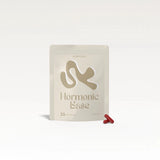
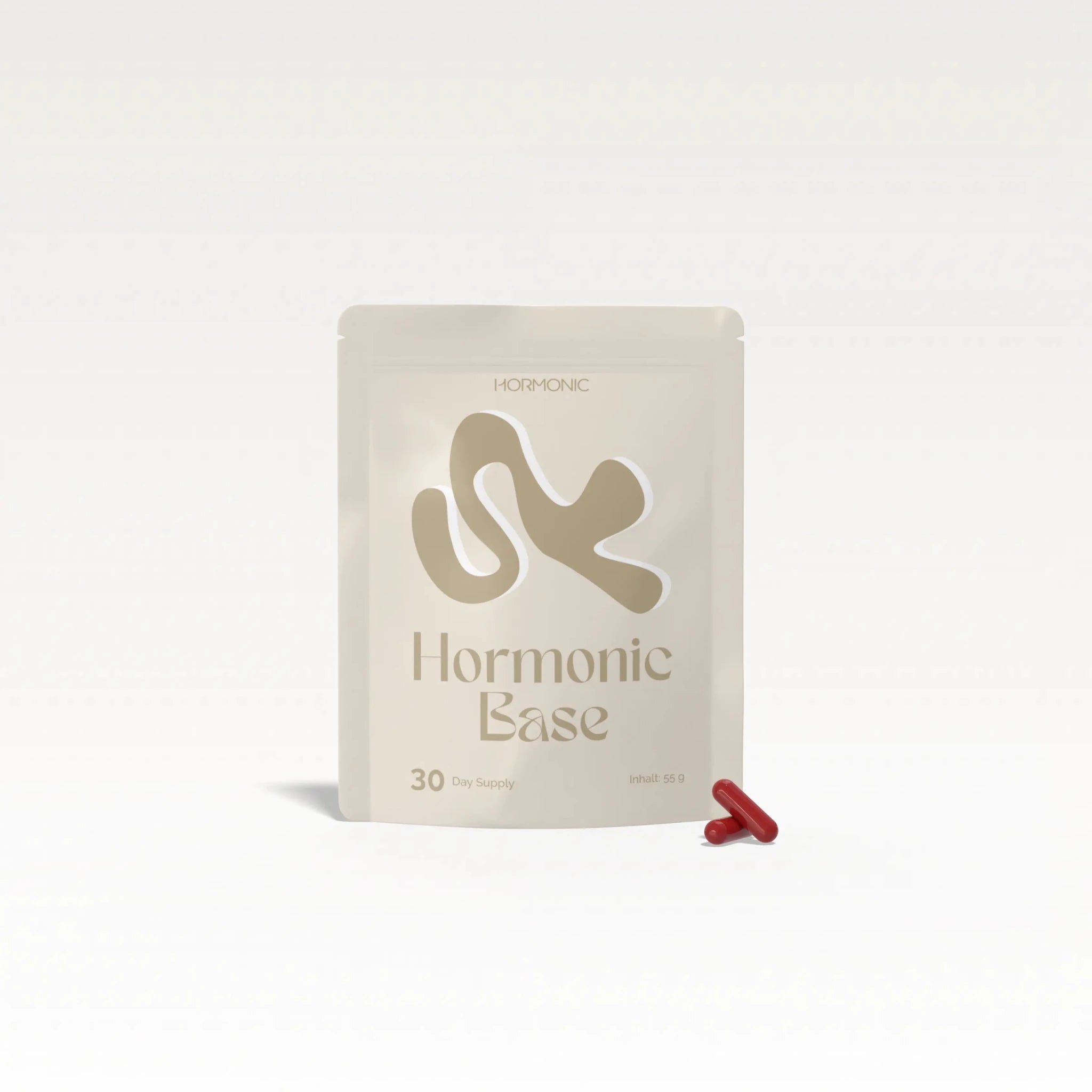
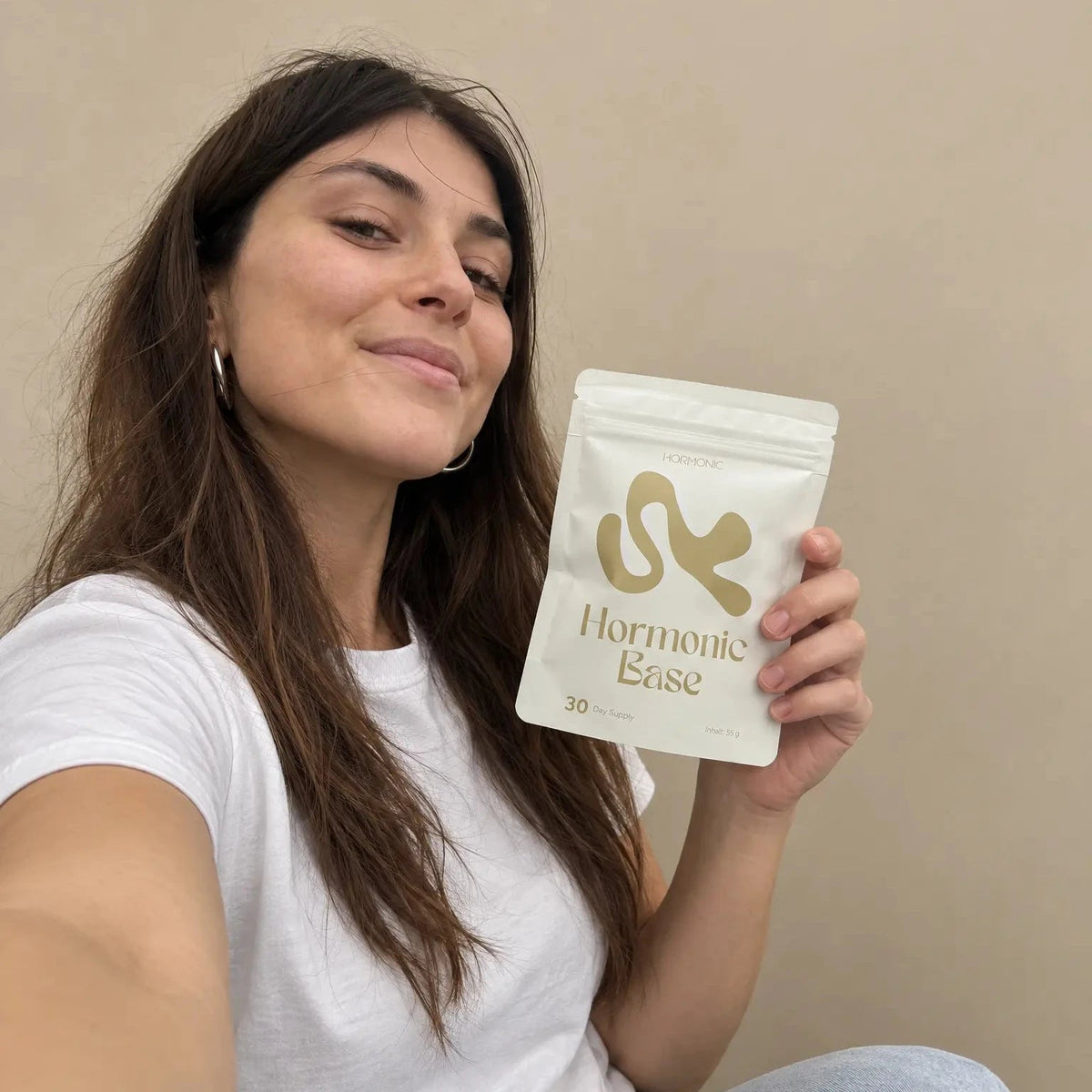
Hormonic Base for your daily micronutrient foundation
Instead of juggling individual capsules: Hormonic Base combines key micronutrients like magnesium, zinc, and B vitamins, which have been linked to hormonal health in studies, into a well-thought-out daily dose. A calm foundation upon which your hormonal system can function better. Hormonic is developed and manufactured in Austria.
€65,00

Unsure which micronutrients make sense for you?
Book a free and non-binding 15-minute consultation with one of our doctors now. We'll assess your situation together and see which nutrients are really important for you.
Frequently asked questions about micronutrients and hormones
Which micronutrients are most important for women's hormones?
Does magnesium really help with PMS?
Senkt Omega-3 das Testosteron bei PCOS?
Brauche ich überhaupt Supplements oder reicht die Ernährung?
Scientific Sources
- Han, Y. et al. (2023). Effect of vitamin D supplementation on hormones and menstrual cycle regularization in PCOS women: A systematic review and meta-analysis. Journal of Obstetrics and Gynaecology Research, 49(9), 2232-2244. doi:10.1111/jog.15727
- Alizadeh, M. et al. (2021). Metabolic and hormonal effects of melatonin and/or magnesium supplementation in women with PCOS: a randomized, double-blind, placebo-controlled trial. Nutrition & Metabolism, 18, 57. doi:10.1186/s12986-021-00586-9
- Gholizadeh-Moghaddam, M. et al. (2022). Effect of magnesium supplementation on hyperandrogenism, hirsutism, and sleep quality in women with PCOS: A randomized, placebo-controlled clinical trial. Health Science Reports, 5(6), e1013. doi:10.1002/hsr2.1013
- Veronese, N. et al. (2022). Effect of Magnesium Supplementation on Inflammatory Parameters: A Meta-Analysis of Randomized Controlled Trials. Nutrients, 14(3), 679. doi:10.3390/nu14030679
- Yang, M. et al. (2024). Effect of vitamin D supplementation on lipid profile and hormonal functions in PCOS: An umbrella systematic review and meta-analysis. Complementary Therapies in Medicine. doi:10.1016/j.ctim.2024.103072
- Xia, Y. et al. (2024). Role of Omega-3 Fatty Acids in Improving Metabolic Dysfunctions in PCOS. Nutrients, 16(17), 2961. doi:10.3390/nu16172961
- Nadjarzadeh, A. et al. (2013). The effect of omega-3 supplementation on androgen profile and menstrual status in women with PCOS: A randomized clinical trial. Iranian Journal of Reproductive Medicine, 11(8), 665-672.
- Siener, R. et al. (2023). Effect of nutritional interventions on the psychological symptoms of premenstrual syndrome: a systematic review of randomized controlled trials. Nutrition Reviews. doi:10.1093/nutrit/nuae166
- German Nutrition Society (DGE), Austrian Nutrition Society (ÖGE), Swiss Society for Nutrition (SGE): D-A-CH Reference Values for Nutrient Intake.
About the Author

You might also be interested in this.

Magnesium can support sleep, mood, and bones in perimenopause and postmenopause. Here's what the research actually says, which forms work best, and what magnesium can't do.
These 4 supplements are recommended daily by science for women: Micronutrient basis, Omega-3, Creatine, and targeted gut-hormone add-ons. Without hype, with a study basis.
What is really in Hormonic Base? A scientific review of all 16 micronutrients, from vitamin B6 to coenzyme Q10: research evidence, forms, and dosages, honestly explained.