
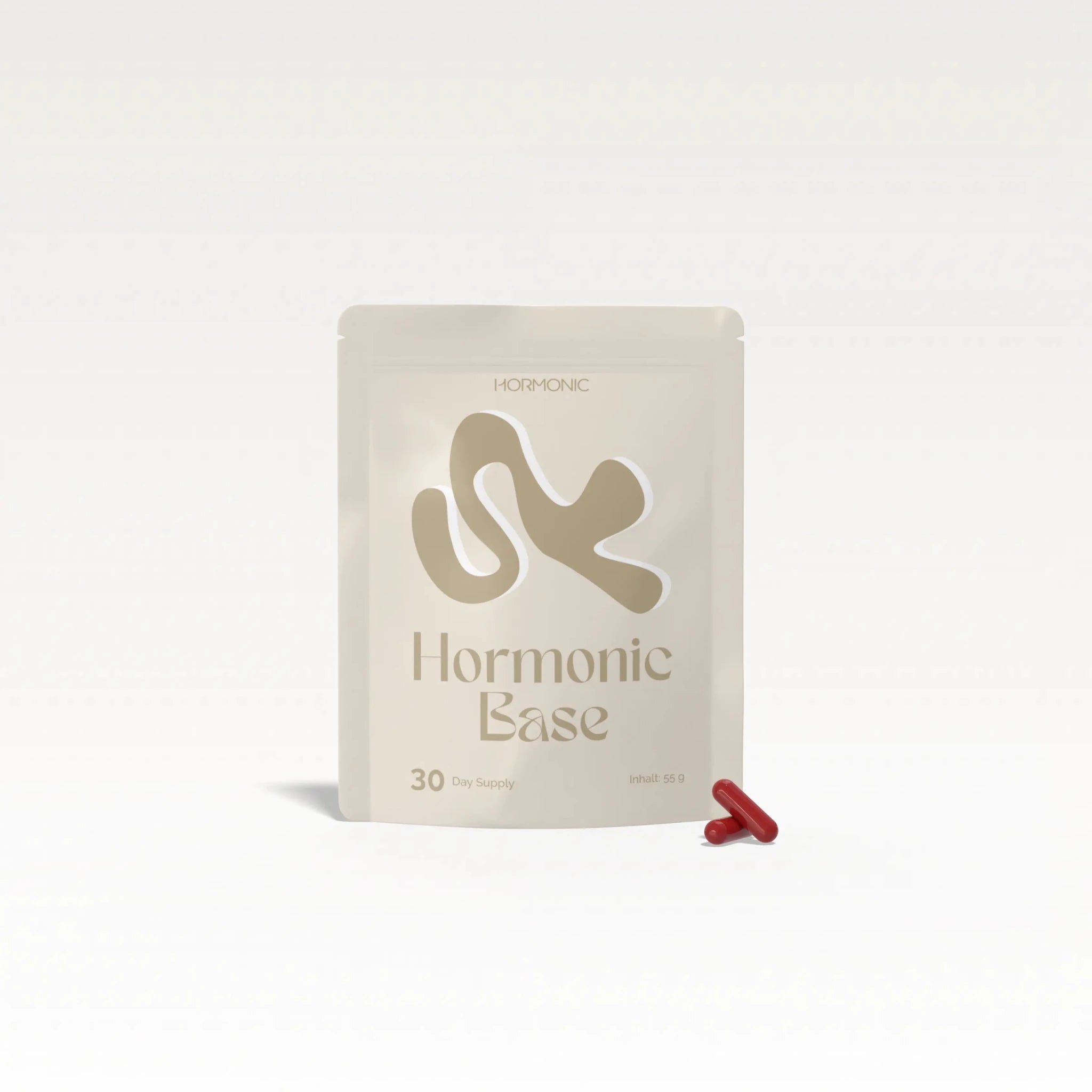

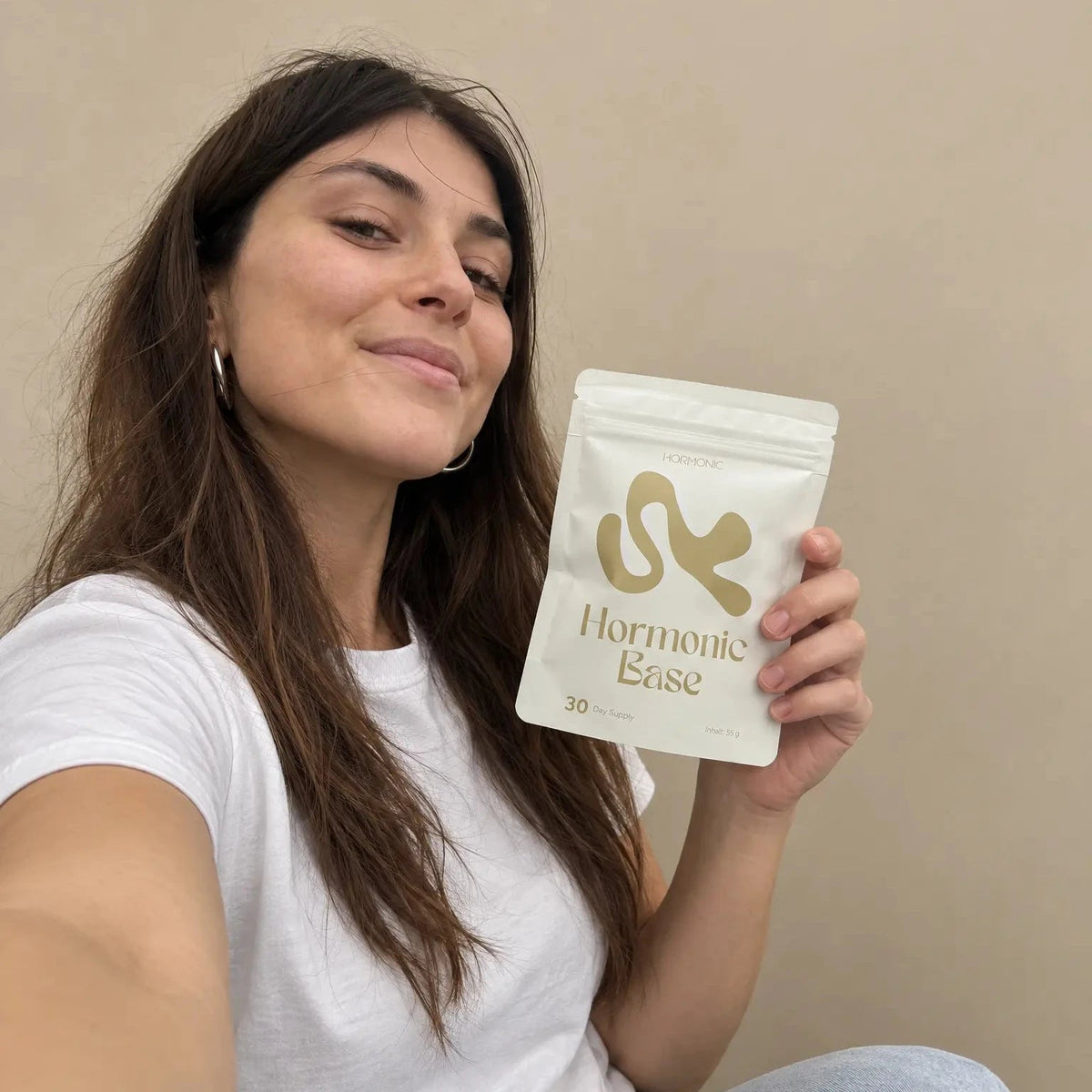
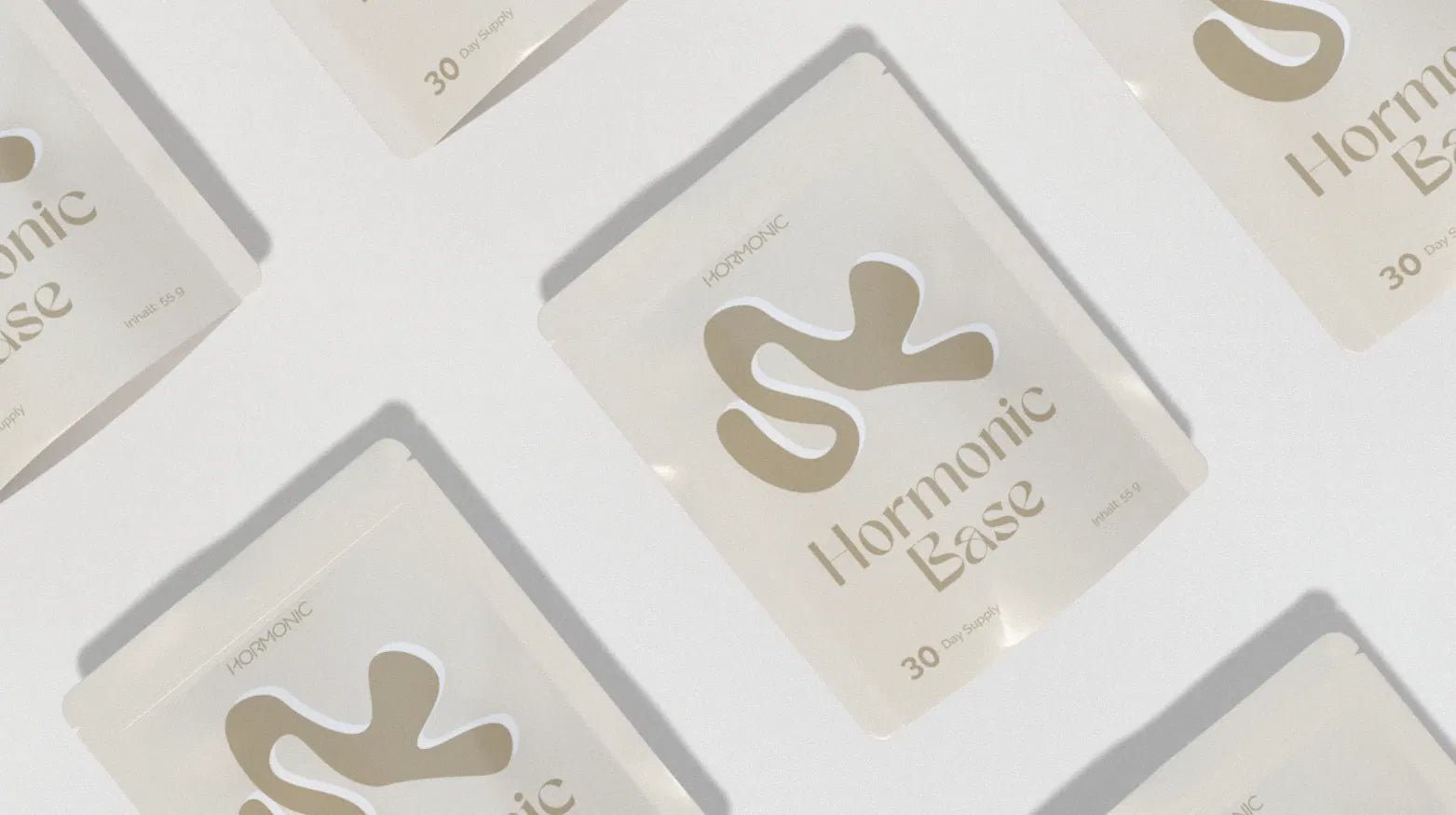
Hormonic Base is a physician-developed supplement for women who want to support their body daily with 16 micronutrients and bioactive compounds. The formula is based on scientific research regarding energy metabolism, the nervous system, cellular protection, and other fundamental bodily functions. In this article, we present the ingredients and the currently investigated research results.
Hormonic Base: Your daily support with selected micronutrients
Hormonic Base combines selected micronutrients in a well-thought-out formula. It is based on scientific research into fundamental bodily functions such as energy metabolism, hormonal processes, the nervous system, and the protection of cells from oxidative stress, for example via authorized nutrient functions of vitamin B6, magnesium, or vitamin E.*
Why do we combine 16 nutrients? Research suggests that nutrients take on complementary roles, for instance as co-factors in energy metabolism or within antioxidant networks, and can mutually enhance each other's effects. Likewise, formulation and matrix—such as carrier substances or the combination of several micronutrients—are considered possible influencing factors for bioavailability, i.e., the body's ability to absorb them. We have structured the formula to meaningfully supplement what the body needs daily: without unnecessary additives, with a focus on quality and transparency.
What motivates us? The creation of Hormonic Base was shaped by the personal experiences of our founders, Lee and Lisa, with women's health issues. From this perspective emerged the desire for a clear, evidence-based nutritional foundation for everyday life. It is important to us to draw a distinction: Hormonic Base is not a medicine, but a food supplement that can meaningfully supplement daily nutrient intake. You are welcome to book an appointment with our doctors at any time to discuss your personal situation.
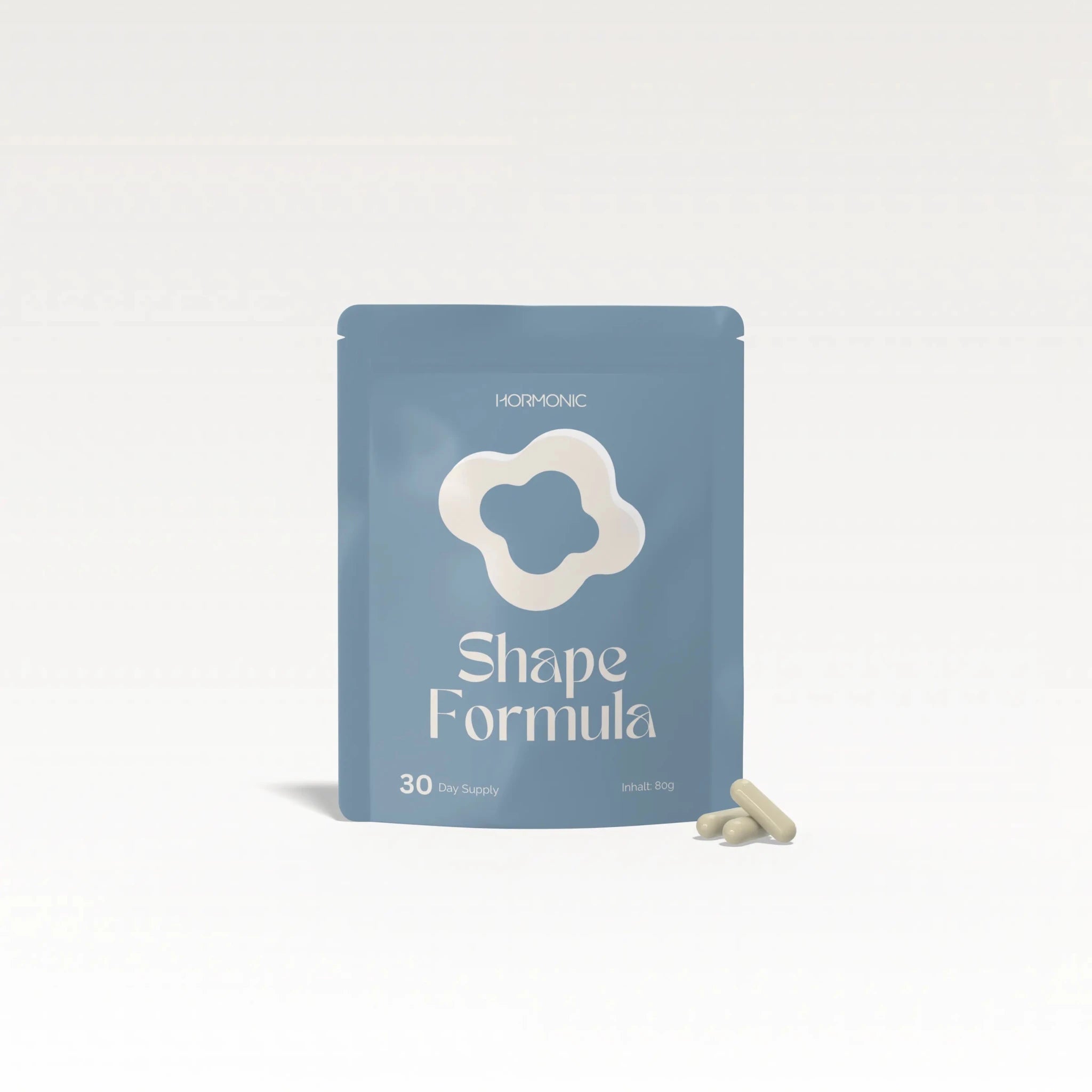
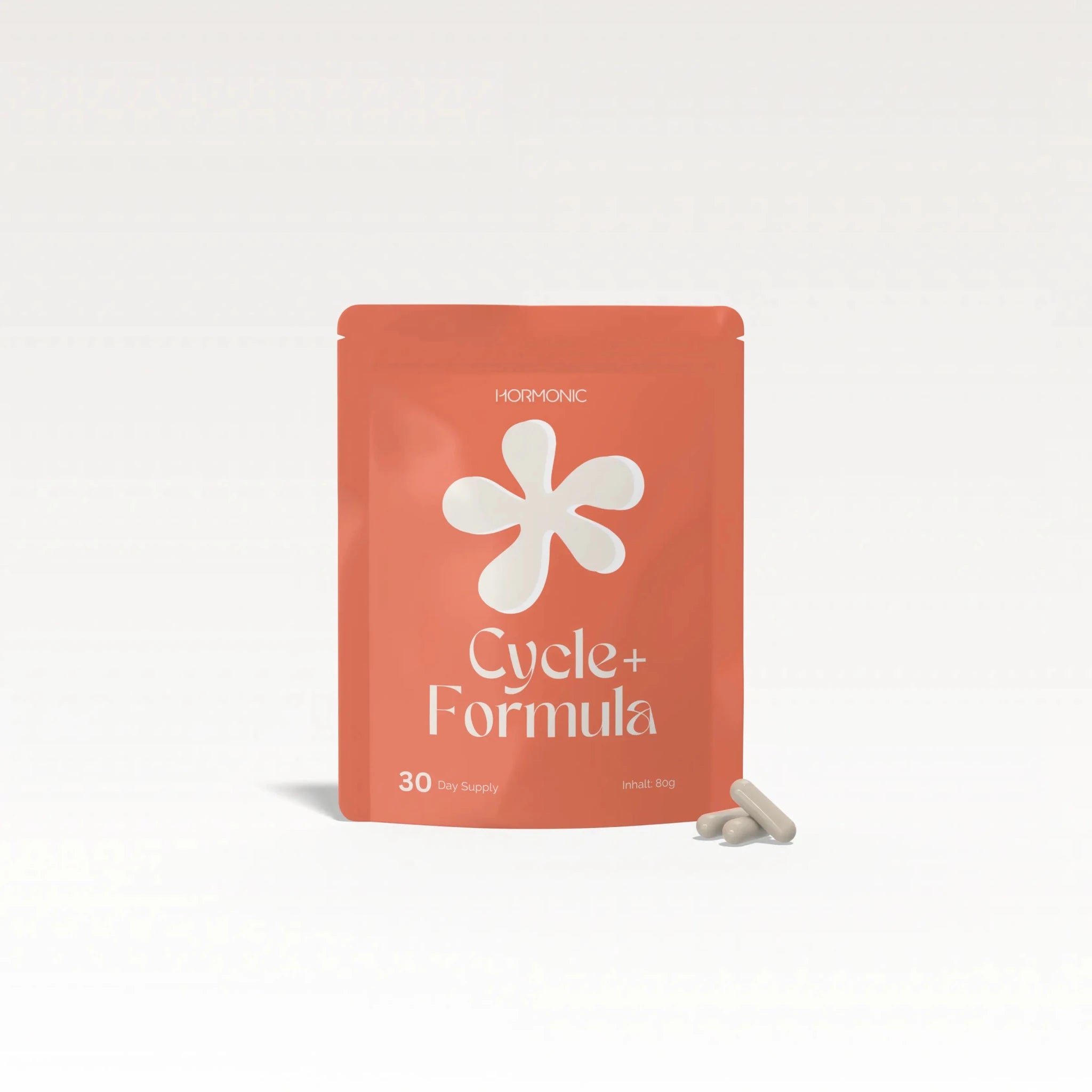
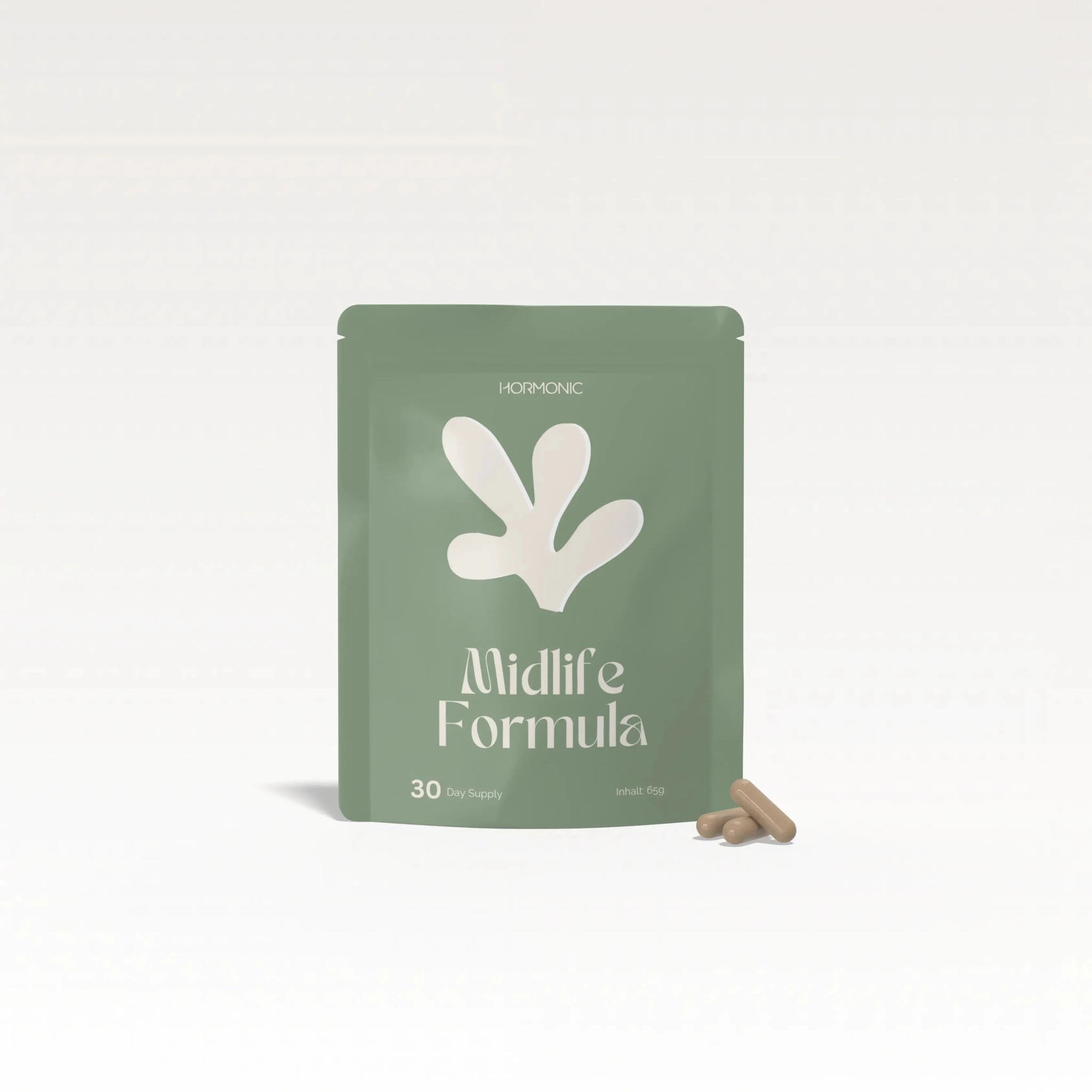
Part of a modular system: Hormonic Base forms the core of our progressive supplement approach as a base supplement with essential active ingredients for women in every phase of life. For specific needs, it can be combined with our add-on formulas: the Cycle+ Formula for the cycle and ovulation, the Midlife Formula for menopause, and the Shape Formula for metabolism. We always recommend combining these with the Base.
The formula at a glance
This overview shows you all the active ingredients in Hormonic Base at a glance. The magnesium complex combines three forms: bisglycinate, malate, and citrate.
| Active ingredient | Category | Studied for |
|---|---|---|
| Curcumin | Plant-based | Inflammation, blood sugar, oxidative stress |
| Coenzyme Q10 | Vitamin-like substance | Mitochondria, insulin sensitivity |
| Vitamin D3 | Vitamin | Cycle, immune system, bones |
| Vitamin K2 | Vitamin | Bones, calcium distribution |
| Folate (B9) | Vitamin | Egg cell maturation, homocysteine |
| Vitamin B6 | Vitamin | Hormonal activity, PMS, mood |
| Magnesium complex | Mineral (3 forms) | Sleep, blood sugar, period pain |
| Vitamin E | Antioxidant | Cell protection, bones, inflammation |
| Zinc | Trace element | Skin, insulin sensitivity, PMS |
| Chromium picolinate | Trace element | Blood sugar, body composition |
| Selenium | Trace element | Thyroid, cell protection |
| L-Glycine | Amino acid | Sleep quality, oxidative stress |
| NAC | Amino acid precursor | Glutathione, ovulation in PCOS |
| Capsaicin | Plant-based | Thermogenesis, appetite regulation |
What is curcumin?
Curcumin is the active component of turmeric, a natural spice known for its anti-inflammatory and antioxidant properties. It has been used for centuries in traditional medicine and has recently gained attention due to its potential benefits for metabolism, immune protection, and hormonal balance, according to studies.
The research background
Curcumin is investigated in scientific studies in the context of reducing inflammation, oxidative stress, insulin sensitivity, and blood sugar regulation. These properties make curcumin interesting for women whose hormonal balance easily gets out of sync, for instance through silent inflammation, cycle changes, or a sensitive blood sugar balance.*
Insights from scientific studies
- Significance in inflammation: In a randomized, controlled trial, curcumin led to a significant reduction in markers for systemic inflammation such as C-reactive protein (CRP) compared to a placebo (Panahi et al., 2015).
- Blood sugar regulation: A meta-analysis involving 18 studies and 1,382 subjects reports that curcumin lowered fasting blood sugar by 11.48 mg/dL and HbA1c levels by 0.54 percentage points in a statistically significant manner (Mokgalaboni et al., 2024).
- Role in oxidative stress: Studies report reduced MDA levels and increased antioxidant capacity; individual papers also examine PCOS-associated parameters and indicate that curcumin could potentially improve PCOS-associated hyperandrogenism and hyperglycemia (Heshmati et al., 2021; Tabrizi et al., 2019).
What is Coenzyme Q10?
Coenzyme Q10 (CoQ10) is a fat-soluble, vitamin-like substance found in the mitochondria of all cells. It plays a key role in energy production (ATP) in the mitochondria. CoQ10 levels decrease with advancing age and in chronic conditions such as PCOS, diabetes, and cardiovascular diseases, which can lead to an energy deficiency at the cellular level and increased oxidative stress.
The research background
Scientific research discusses the role of CoQ10 in mitochondrial function, the reduction of oxidative stress, and the framework of improved insulin sensitivity. Some studies also investigate the connection between CoQ10 and parameters such as egg cell quality, metabolic regulation, or energy levels, especially in the context of hormonal challenges.*
Insights from scientific studies
- Role in insulin resistance: In a randomized, controlled trial, CoQ10 supplementation in participants with PCOS showed a significant improvement in HOMA-IR, indicating increased insulin sensitivity (Samimi et al., 2017).
- Mitochondrial function: Pérez-Sánchez et al. report that CoQ10 supports mitochondrial function by increasing energy production and enhancing the antioxidant capacity of cells. This is discussed by the authors as particularly beneficial in metabolic and hormonal disorders (Pérez-Sánchez et al., 2017).
- Oxidative stress markers: Izadi et al. found that CoQ10 lowered measured markers for oxidative stress and increased the antioxidant capacity of cells in study participants with PCOS (Izadi et al., 2019).
What is Vitamin D3?
Vitamin D3 (cholecalciferol) is a fat-soluble vitamin that the body produces itself upon exposure to sunlight. It is a prohormone involved in the regulation of calcium and phosphorus balance and the immune system. Authorized nutrient functions include, among others, the normal absorption and utilization of calcium and phosphorus, the maintenance of normal bones and muscles, as well as the normal function of the immune system.
The research background
Vitamin D3 plays an important role in many bodily processes. Studies indicate that it may also play a role in the context of inflammation regulation and hormonal processes, particularly relevant for women in sensitive life phases.*
Insights from scientific studies
- Significance for the cycle: In a quantitative study with 545 women with PCOS, Wehr et al. describe connections between vitamin D status and cycle regularity as well as metabolic parameters (Wehr et al., 2011).
- Influence on insulin sensitivity: Muscogiuri et al. report in their review paper that sufficient vitamin D intake may be associated with better insulin sensitivity and more stable blood sugar levels (Muscogiuri et al., 2017).
- Connection with inflammation markers: The scientific statement of the Endocrine Society discusses the role of vitamin D in non-skeletal processes, including inflammation regulation and immune function (Rosen et al., 2012).
What is Vitamin K2?
Vitamin K2 is a fat-soluble vitamin that exists in two main forms: MK-4 and MK-7. It is crucial for calcium metabolism and activates proteins such as osteocalcin and matrix Gla protein, which direct calcium into the bones while simultaneously counteracting vascular calcification caused by excess calcium in the blood.
The research background
Vitamin K contributes to normal blood clotting and the maintenance of normal bones. Further scientific research indicates that vitamin K2, in combination with vitamin D3, can have positive effects on the function of certain calcium-regulating proteins. It is also being intensely researched in the context of vascular functions and calcium distribution in the body.*
Insights from scientific studies
- Role in estrogen deficiency: Knapen et al. found that vitamin K2 significantly improved bone geometry and bone strength indices in study participants in menopause, a life phase typically characterized by estrogen deficiency (Knapen et al., 2007).
- Role in vascular calcification: Beulens et al. reported that a high menaquinone intake in their cohort was associated with less coronary calcification (Beulens et al., 2009).
- Bioavailability of MK-7: Schurgers et al. demonstrated that MK-7 from natto remains available in the blood longer compared to vitamin K1, thereby potentially allowing for a more stable supply (Schurgers et al., 2007).
Hormonic Base: 16 micronutrients as a daily foundation
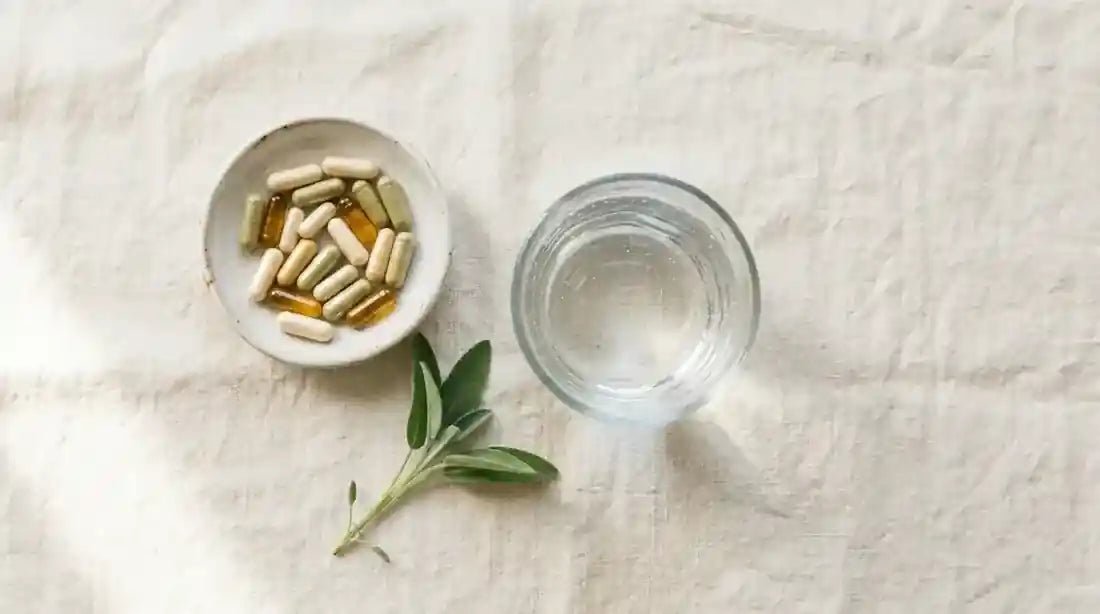
Physician-developed for women: with vitamin B6, which contributes to the regulation of hormonal activity, a magnesium complex of bisglycinate, malate, and citrate, as well as vitamin D3, zinc, and selenium. Strictly quality-tested in German laboratories, without unnecessary additives.

Do you want to know which nutrients are right for you?
In a free 15-minute video consultation, you can discuss your situation with one of our doctors: from your symptoms and relevant blood markers to which supplements actually make sense for you. No obligation, from the comfort of your home.
Frequently Asked Questions about the Hormonic Base
What does the Hormonic Base contain?
Is the Hormonic Base a medicinal product?
Kann ich die Hormonic Base mit anderen Hormonic Produkten kombinieren?
Warum enthält die Hormonic Base einen Magnesium-Komplex aus drei Formen?
Scientific Sources
- Panahi Y et al. Antioxidant and anti-inflammatory effects of curcuminoid-piperine combination in subjects with metabolic syndrome: A randomized controlled trial and an updated meta-analysis. Clin Nutr. 2015;34(6):1101-8. doi:10.1016/j.clnu.2014.12.019
- Mokgalaboni K et al. Curcumin Attenuates Hyperglycemia and Inflammation in Type 2 Diabetes Mellitus: Quantitative Analysis of Randomized Controlled Trial. Nutrients. 2024;16(23):4177. doi:10.3390/nu16234177
- Heshmati J et al. Effects of curcumin supplementation on blood glucose, insulin resistance and androgens in patients with polycystic ovary syndrome: A randomized double-blind placebo-controlled clinical trial. Phytomedicine. 2021;80:153395. doi:10.1016/j.phymed.2020.153395
- Tabrizi R et al. The effects of curcumin-containing supplements on biomarkers of inflammation and oxidative stress: A systematic review and meta-analysis of randomized controlled trials. Phytother Res. 2019;33(2):253-262. doi:10.1002/ptr.6226
- Samimi M et al. The effects of coenzyme Q10 supplementation on glucose metabolism and lipid profiles in women with polycystic ovary syndrome: a randomized, double-blind, placebo-controlled trial. Clin Endocrinol (Oxf). 2017;86(4):560-566. doi:10.1111/cen.13288
- Pérez-Sánchez C et al. Ubiquinol Effects on Antiphospholipid Syndrome Prothrombotic Profile: A Randomized, Placebo-Controlled Trial. Arterioscler Thromb Vasc Biol. 2017;37(10):1923-1932. doi:10.1161/ATVBAHA.117.309225
- Izadi A et al. Hormonal and Metabolic Effects of Coenzyme Q10 and/or Vitamin E in Patients With Polycystic Ovary Syndrome. J Clin Endocrinol Metab. 2019;104(2):319-327. doi:10.1210/jc.2018-01221
- Wehr E et al. Vitamin D-associated polymorphisms are related to insulin resistance and vitamin D deficiency in polycystic ovary syndrome. Eur J Endocrinol. 2011;164(5):741-9. doi:10.1530/EJE-11-0134
- Muscogiuri G et al. Vitamin D and chronic diseases: the current state of the art. Arch Toxicol. 2017;91(1):97-107. doi:10.1007/s00204-016-1804-x
- Rosen CJ et al. The nonskeletal effects of vitamin D: an Endocrine Society scientific statement. Endocr Rev. 2012;33(3):456-92. doi:10.1210/er.2012-1000
- Knapen MH et al. Vitamin K2 supplementation improves hip bone geometry and bone strength indices in postmenopausal women. Osteoporos Int. 2007;18(7):963-72. doi:10.1007/s00198-007-0337-9
- Beulens JW et al. High dietary menaquinone intake is associated with reduced coronary calcification. Atherosclerosis. 2009;203(2):489-93. doi:10.1016/j.atherosclerosis.2008.07.010
- Schurgers LJ et al. Vitamin K-containing dietary supplements: comparison of synthetic vitamin K1 and natto-derived menaquinone-7. Blood. 2007;109(8):3279-83. doi:10.1182/blood-2006-08-040709
- Gaskins AJ et al. Dietary folate and reproductive success among women undergoing assisted reproduction. Obstet Gynecol. 2014;124(4):801-809. doi:10.1097/AOG.0000000000000477
- Forges T et al. Impact of folate and homocysteine metabolism on human reproductive health. Hum Reprod Update. 2007;13(3):225-38. doi:10.1093/humupd/dml063
- Czeizel AE. Prevention of congenital abnormalities by periconceptional multivitamin supplementation. BMJ. 1993;306(6893):1645-8. doi:10.1136/bmj.306.6893.1645
- Retallick-Brown H et al. A Pilot Randomized Treatment-Controlled Trial Comparing Vitamin B6 with Broad-Spectrum Micronutrients for Premenstrual Syndrome. J Altern Complement Med. 2020;26(2):88-97. doi:10.1089/acm.2019.0305
- Curtin AC, Johnston CS. Vitamin B6 Supplementation Reduces Symptoms of Depression in College Women Taking Oral Contraceptives: A Randomized, Double-Blind Crossover Trial. J Diet Suppl. 2023;20(4):550-562. doi:10.1080/19390211.2022.2030843
- Novin ZS et al. The Weight Loss Effects of Branched Chain Amino Acids and Vitamin B6: A Randomized Controlled Trial on Obese and Overweight Women. Int J Vitam Nutr Res. 2018;88(1-2):80-89. doi:10.1024/0300-9831/a000511
- Guerrero-Romero F et al. Oral magnesium supplementation improves glycaemic status in subjects with prediabetes and hypomagnesaemia: A double-blind placebo-controlled randomized trial. Diabetes Metab. 2015;41(3):202-7. doi:10.1016/j.diabet.2015.03.010
- Walker AF et al. Magnesium supplementation alleviates premenstrual symptoms of fluid retention. J Womens Health. 1998;7(9):1157-65. doi:10.1089/jwh.1998.7.1157
- Abbasi B et al. The effect of magnesium supplementation on primary insomnia in elderly: A double-blind placebo-controlled clinical trial. J Res Med Sci. 2012;17(12):1161-9. PMID: 23853635
- Vallibhakara SA et al. Effect of Vitamin E Supplement on Bone Turnover Markers in Postmenopausal Osteopenic Women: A Double-Blind, Randomized, Placebo-Controlled Trial. Nutrients. 2021;13(12):4226. doi:10.3390/nu13124226
- Hashemi Z et al. The effects of vitamin E supplementation on endometrial thickness, and gene expression of vascular endothelial growth factor and inflammatory cytokines among women with implantation failure. J Matern Fetal Neonatal Med. 2019;32(1):95-102. doi:10.1080/14767058.2017.1372413 (Retraction 2024: doi:10.1080/14767058.2024.2364981)
- Mahjabeen W et al. Effects of delta-tocotrienol supplementation on Glycemic Control, oxidative stress, inflammatory biomarkers and miRNA expression in type 2 diabetes mellitus: A randomized control trial. Phytother Res. 2021;35(7):3968-3976. doi:10.1002/ptr.7113
- Bamford JT et al. Randomized, double-blind trial of 220 mg zinc sulfate twice daily in the treatment of rosacea. Int J Dermatol. 2012;51(4):459-62. doi:10.1111/j.1365-4632.2011.05353.x
- Nazem MR et al. Zinc supplementation ameliorates type 2 diabetes markers through the enhancement of total antioxidant capacity in overweight patients. Postgrad Med J. 2023;99(1174):862-867. doi:10.1136/postgradmedj-2021-140878
- Ahmadi M et al. The Effect of Zinc Supplementation on the Improvement of Premenstrual Symptoms in Female University Students: a Randomized Clinical Trial Study. Biol Trace Elem Res. 2023;201(2):559-566. doi:10.1007/s12011-022-03175-w
- Imanparast F et al. The effects of chromium and vitamin D3 co-supplementation on insulin resistance and tumor necrosis factor-alpha in type 2 diabetes: a randomized placebo-controlled trial. Appl Physiol Nutr Metab. 2020;45(5):471-477. doi:10.1139/apnm-2019-0113
- Kaats GR et al. A randomized, double-masked, placebo-controlled study of the effects of chromium picolinate supplementation on body composition: A replication and extension of a previous study. Current Therapeutic Research. 1998;59(6):379-388. doi:10.1016/S0011-393X(98)85040-6
- Bahadori B et al. Effect of chromium yeast and chromium picolinate on body composition of obese, non-diabetic patients during and after a formula diet. Acta Med Austriaca. 1997;24(5):185-7. PMID: 9480618
- Yigit E, Sayar I. Selenium Supplementation and Gestational Diabetes: A Randomised Controlled Trial. J Coll Physicians Surg Pak. 2024;34(5):561-567. doi:10.29271/jcpsp.2024.05.561
- Alehagen U et al. Supplementation with selenium and coenzyme Q10 in an elderly Swedish population low in selenium - positive effects on thyroid hormones, cardiovascular mortality, and quality of life. BMC Med. 2024;22(1):191. doi:10.1186/s12916-024-03411-1
- Zhao J et al. Effects of selenium supplementation on Polycystic Ovarian Syndrome: a systematic review and meta-analysis on randomized clinical trials. BMC Endocr Disord. 2023;23(1):33. doi:10.1186/s12902-023-01286-6
- Bannai M et al. The effects of glycine on subjective daytime performance in partially sleep-restricted healthy volunteers. Front Neurol. 2012;3:61. doi:10.3389/fneur.2012.00061
- Kumar P et al. GlyNAC (Glycine and N-Acetylcysteine) Supplementation in Old Mice Improves Brain Glutathione Deficiency, Oxidative Stress, Mitochondrial Dysfunction and Neurotrophic Factors. Antioxidants (Basel). 2023;12(5):1042. doi:10.3390/antiox12051042
- Furuya S et al. L-serine and glycine serve as major astroglia-derived trophic factors for cerebellar Purkinje neurons. Proc Natl Acad Sci U S A. 2000;97(21):11528-33. doi:10.1073/pnas.200364497
- Rizk AY et al. N-acetyl-cysteine is a novel adjuvant to clomiphene citrate in clomiphene citrate-resistant patients with polycystic ovary syndrome. Fertil Steril. 2005;83(2):367-70. doi:10.1016/j.fertnstert.2004.07.960
- Fulghesu AM et al. N-acetyl-cysteine treatment improves insulin sensitivity in women with polycystic ovary syndrome. Fertil Steril. 2002;77(6):1128-35. doi:10.1016/s0015-0282(02)03133-3
- Medved I et al. N-acetylcysteine enhances muscle cysteine and glutathione availability and attenuates fatigue during prolonged exercise in endurance-trained individuals. J Appl Physiol. 2004;97(4):1477-85. doi:10.1152/japplphysiol.00371.2004
- Inoue N et al. Enhanced energy expenditure and fat oxidation in humans with high BMI scores by the ingestion of novel and non-pungent capsaicin analogues (capsinoids). Biosci Biotechnol Biochem. 2007;71(2):380-9. doi:10.1271/bbb.60341
- Reinbach HC et al. Effects of capsaicin, green tea and CH-19 sweet pepper on appetite and energy intake in humans in negative and positive energy balance. Clin Nutr. 2009;28(3):260-5. doi:10.1016/j.clnu.2009.01.010
- Panchal SK et al. Capsaicin in Metabolic Syndrome. Nutrients. 2018;10(5):630. doi:10.3390/nu10050630
About the Author

You might also be interested in this.
These 4 supplements are recommended daily by science for women: Micronutrient basis, Omega-3, Creatine, and targeted gut-hormone add-ons. Without hype, with a study basis.

Which supplements are really useful during menopause: from vitamins D, K2, and magnesium to saffron and resveratrol, honestly assessed based on scientific studies.

Which micronutrients truly support your hormones? The honest, evidence-based guide to magnesium, vitamin D, omega-3, and B vitamins, with a clear evaluation of the study situation.