🖤 Black WeeksPick 3 · save 30 %Pick 6 · save 60 %Automatic, no codeFor a limited time onlyEurope-wide shipping🖤 Black WeeksPick 3 · save 30 %Pick 6 · save 60 %Automatic, no codeFor a limited time onlyEurope-wide shipping🖤 Black WeeksPick 3 · save 30 %Pick 6 · save 60 %Automatic, no codeFor a limited time onlyEurope-wide shipping

Cart

Your cart is empty

Continue shopping

Trending searches

Featured products

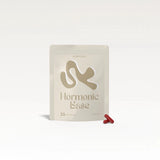
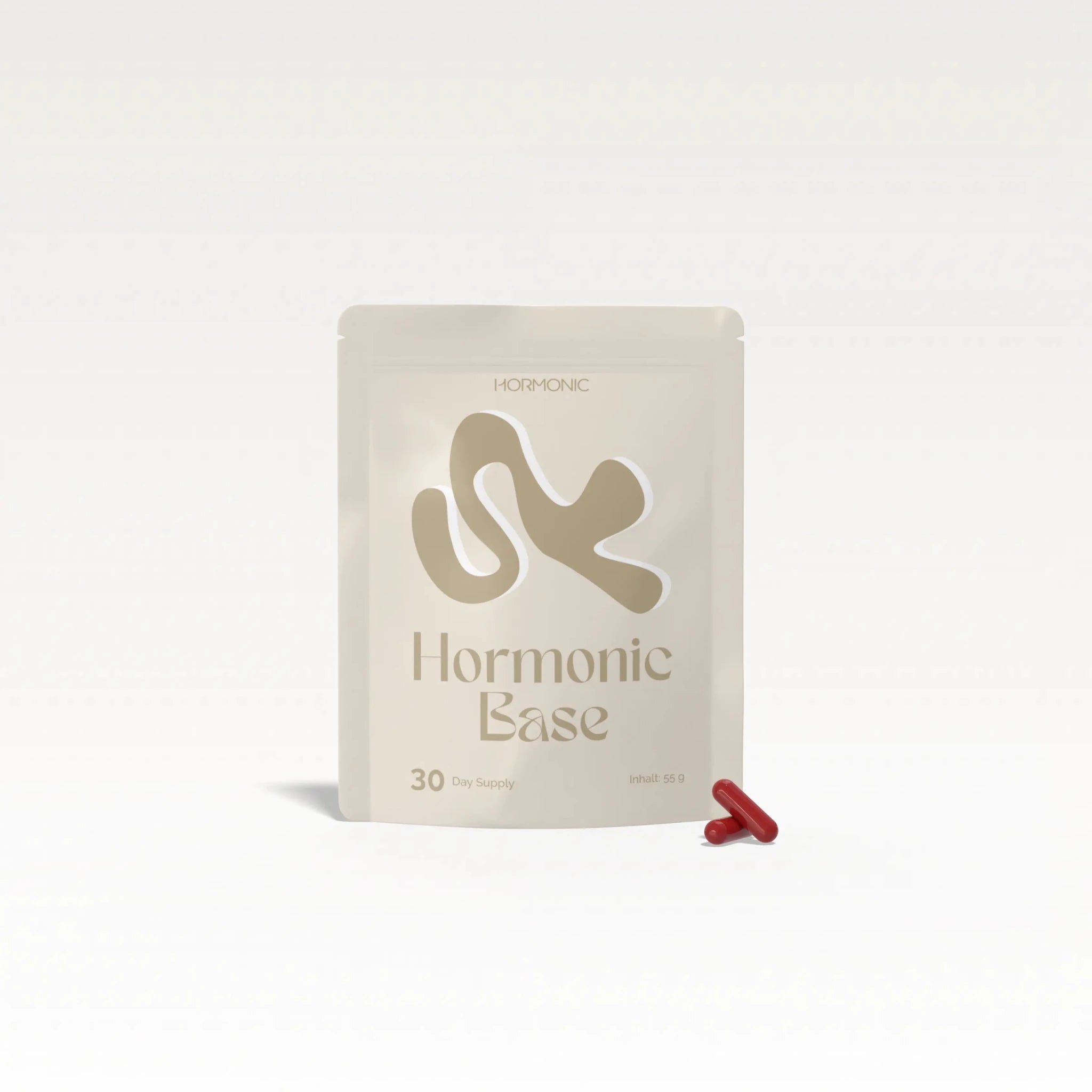
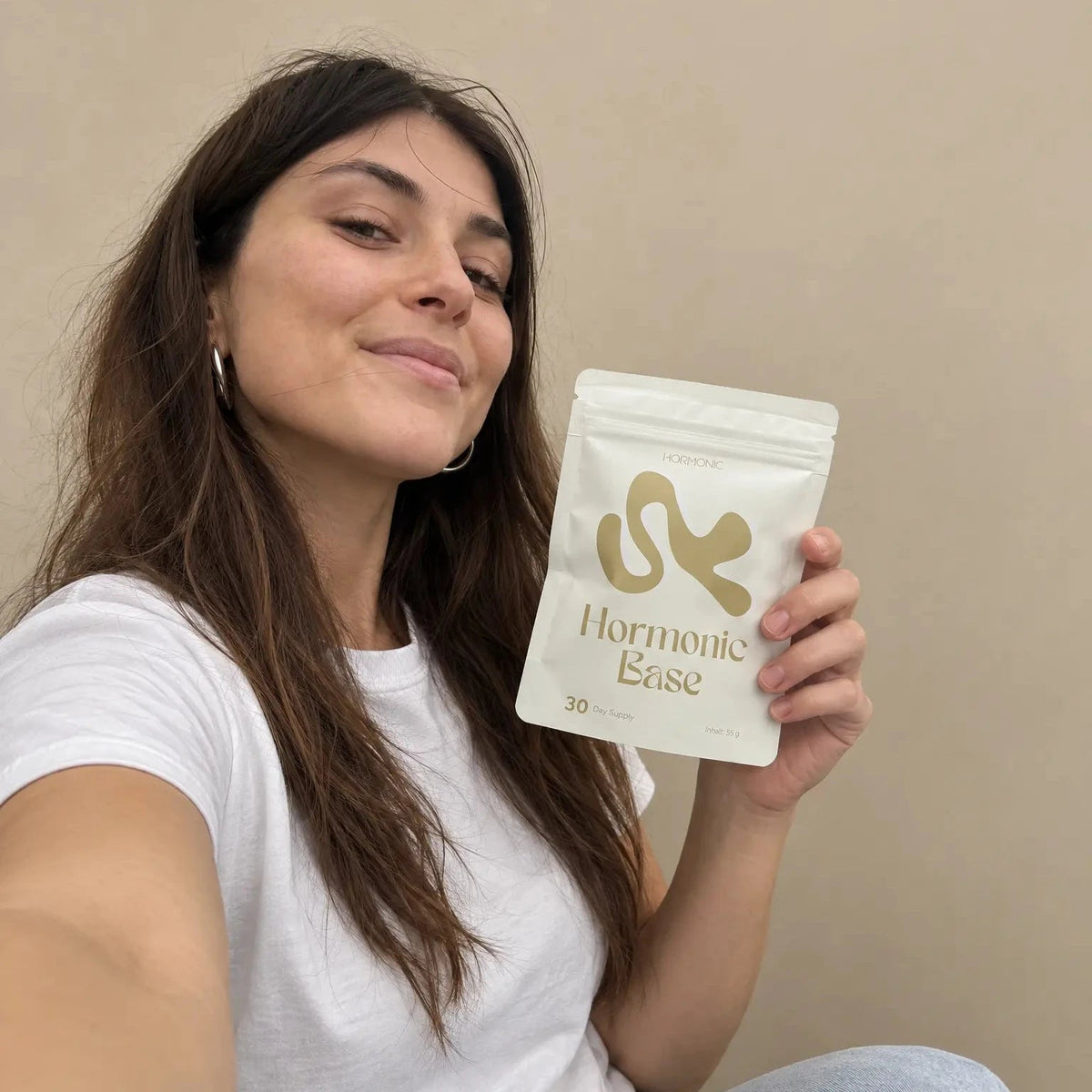
Hormonic Base - Hormonic - Nahrungsergänzungsmittel
Sale price€65,00
(5.0)
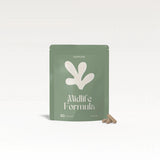
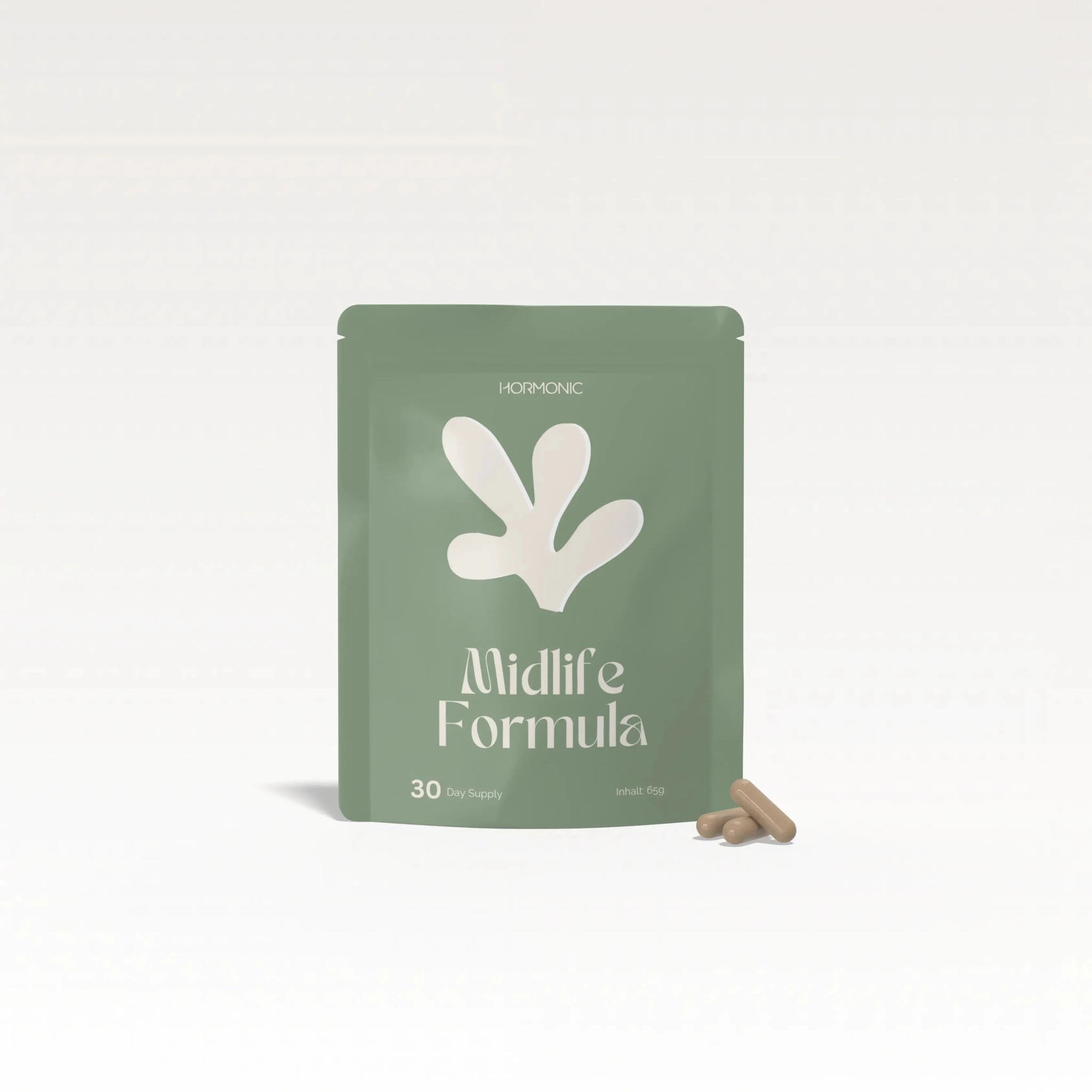
Midlife Formula - Hormonic - Nahrungsergänzungsmittel
Sale price€75,00
(5.0)
Welche Supplements sollten Frauen täglich nehmen? Der evidenzbasierte Stack - Hormonic
MikronährstoffeDec 8, 20259 min read

Which supplements should women take daily? The evidence-based stack

Which supplements should women really take daily? The scientific answer is surprisingly lean: An evidence-based stack of four essentials covers the most common nutrient gaps and supports hormones, energy, and metabolism without having to swallow ten individual products.

Key takeaways

A lean daily stack of micronutrient basics, omega-3, creatine, and targeted gut-hormone add-ons covers the most common nutrient gaps in women. All four essentials are well-supported by science and can be easily integrated into your daily routine.

Direct to the shop: Supplements for women at a glance – developed by doctors, produced in Austria, subscription starting from €52.

Definition

Balanced Supplement Stack

A Balanced Supplement Stack is a scientifically-backed combination of dietary supplements that addresses the most common nutrient gaps with as few, but well-chosen, products as possible. The goal is holistic support for energy, hormones, and metabolism without unnecessary overdosage or unproven health claims.

Dietary supplements have become an essential part of modern women's health: Vitamin D deficiency is widespread in Europe, one in four women of childbearing age does not get enough iron, and nutrients like Omega-3 or creatine are difficult to cover sufficiently through a normal Western diet. Instead of taking ten individual products, a streamlined stack of four essential supplements is often enough.

Why women today should often supplement micronutrients

Modern dietary habits, little sunlight, and a fast-paced daily life mean that certain nutrients are in short supply, even with a balanced diet. The data is clear: across Europe, around 80% of the population has vitamin D levels that are too low (Spiro & Buttriss, 2014). One in four women of childbearing age worldwide suffers from iron deficiency (WHO, 2023). And a meta-analysis by Blumfield et al. (2012) showed that more than 90% of women had insufficient levels of at least one key nutrient before pregnancy.

The causes are manifold: highly processed foods, an impaired gut flora, medications such as hormonal contraception (which lowers certain B vitamins and magnesium), as well as depleted soils that make fruits and vegetables less nutrient-dense today than in the past. These specific micronutrients play a role in hormonal balance.

80 %

of Europeans have too little Vitamin D

1 in 4

women of childbearing age have an iron deficiency

>90 %

of women are insufficiently supplied before pregnancy

These 4 supplements form the daily women's stack

Essential 01

Micronutrient Base

Vitamins, minerals, and antioxidants close the most common gaps and form the foundation.

Essential 02

Omega-3

EPA and DHA have anti-inflammatory effects and support the heart, brain, skin, and hormones.

Essential 03

Creatine

One of the best-researched active ingredients: supports muscles, bones, the brain, and energy.

Optional 04

Gut-Hormone Axis

Targeted add-ons for women with hormonal issues: probiotics, fiber, plant-based nutrients.

1. The Micronutrient Base: The foundation for every woman

It starts with a high-quality micronutrient preparation that compensates for the typical deficits in women. Hormonic Base provides 16 essential active ingredients in clinical dosages, including Vitamin D3 and K2 for bones and the immune system, active B6 (P-5-P) and folate for hormonal metabolism and energy, as well as magnesium, zinc, selenium, and chromium for the thyroid, insulin balance, and immune function.

Particularly interesting for women: the formula also contains coenzyme Q10, which naturally declines from the age of 30 and has been associated with improved egg cell quality in studies. Curcumin from turmeric has anti-inflammatory properties and is discussed in research regarding PCOS-related insulin resistance. N-acetylcysteine (NAC) supports the body's own glutathione production and liver detoxification.

Did you know?

The contraceptive pill has been proven to lower certain B vitamins and magnesium. Anyone using hormonal contraception, or who has recently stopped, will particularly benefit from a solid micronutrient base.
2. Omega-3: For Heart, Brain, Skin, and Hormones

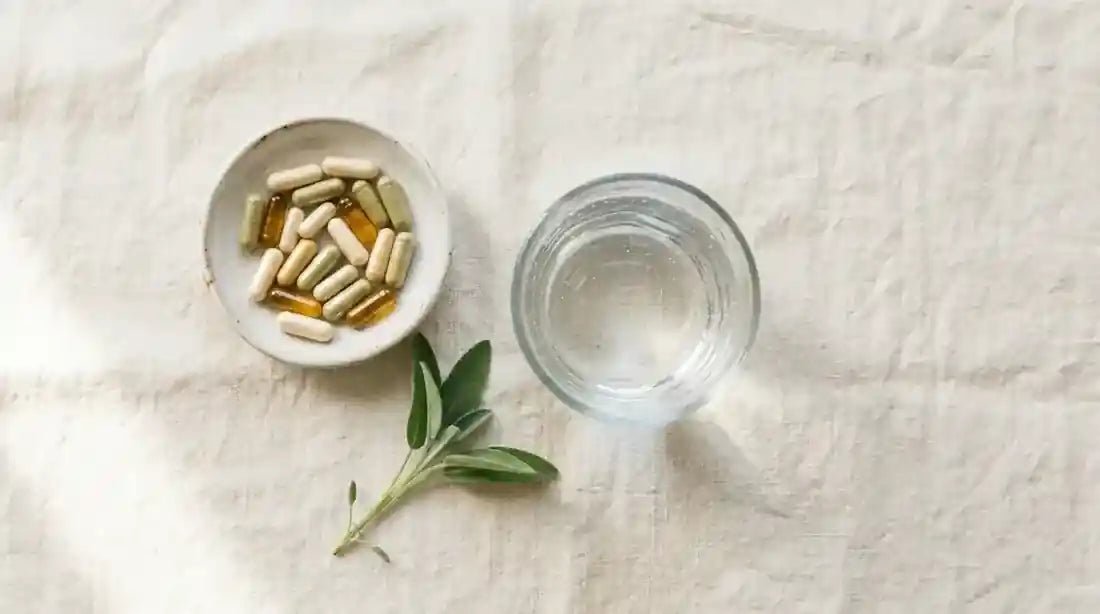
Omega-3 fatty acids belong in every woman's stack because EPA and DHA are barely consumed in sufficient quantities through a normal Western diet. Both have anti-inflammatory and membrane-stabilizing effects and are essential for cardiovascular health, brain function, and hormone balance (Calder PC, 2020).

Especially relevant for women: Omega-3 can alleviate menstrual pain. In a controlled study, DHA supplementation led to significantly reduced period pain and less need for pain medication. In women with PCOS, there is evidence that Omega-3 can lower testosterone levels and regulate the cycle, as Omega-3 fatty acids act as precursors to prostaglandins in hormonal balance.

DHA is indispensable for conception and pregnancy: It promotes the development of the brain and eyes in the fetus. Current recommendations suggest that good Omega-3 supply can reduce the risk of premature birth. Chronic inflammatory markers such as CRP and IL-6 decrease with regular intake, according to clinical studies.

Recommended daily dose: 250 to 500 mg EPA+DHA, with an additional 100 to 200 mg DHA during pregnancy. Pay attention to tested quality (free from harmful substances), preferably from fish oil or algae oil. Omega-3 capsules can be easily taken with breakfast.

3. Creatine: The Underestimated Secret Weapon for Women

Creatine is considered a supplement for athletes, but for women, it is particularly scientifically interesting. Women naturally have about 70 to 80% lower creatine stores than men, as they usually eat less meat and have smaller muscle mass. Recent studies show effects far beyond the muscle (Smith-Ryan AE et al., 2021).

Muscles and Bones: Creatine replenishes energy stores in the muscles (ATP regeneration) and improves strength and performance during short, intense efforts. During menopause, when muscle loss and bone density loss are threatened by estrogen deficiency, creatine in combination with training shows significant improvements.

Brain and Psyche: Creatine increases energy availability in the brain and can support cognitive functions. Initial studies suggest that it improves attention and memory, especially with lack of sleep or stress. Creatine is currently even being researched as supportive therapy for depression.

Recommended dose: 3 g daily are considered effective and safe for healthy adults. Creatine is tasteless, dissolves easily in water, and can be taken in the morning or after exercise. It is one of the most extensively researched supplements available.

A supplement with everything you need

16 essential active ingredients in clinical dosage, from vitamin D3 and B vitamins to selenium, zinc, CoQ10 and curcumin. Developed by doctors, laboratory tested, specially tailored to the needs of women.

€65,00

Discover Hormonic Base

4. Targeted Add-ons for the Gut-Hormone Axis

The three essentials form a strong foundation. For women with hormonal issues such as PCOS, menstrual irregularities, endometriosis, or unexplained weight gain, a targeted look at add-ons that affect the gut-hormone axis is worthwhile.

The gut influences hormones more strongly than most people suspect: it controls the breakdown and recirculation of estrogens, the absorption of micronutrients for hormone production, the production of gut hormones such as GLP-1, and systemic inflammation regulation, which plays a central role in PCOS and endometriosis.

Probiotics and Prebiotics: Certain Lactobacillus strains can increase GLP-1 secretion and improve blood sugar metabolism. Soluble prebiotics like acacia fiber or PHGG (partially hydrolyzed guar gum) promote beneficial gut bacteria and can curb cravings by activating GLP-1.

Anti-inflammatory Botanicals: NAC, Curcumin, and Resveratrol systemically interfere with hormonal signaling pathways. NAC supports glutathione production and has been shown in clinical studies to improve ovulation and pregnancy rates in women with PCOS. Curcumin inhibits overactive inflammatory cascades and has been proven to lower blood sugar and testosterone levels in relevant studies.

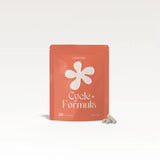
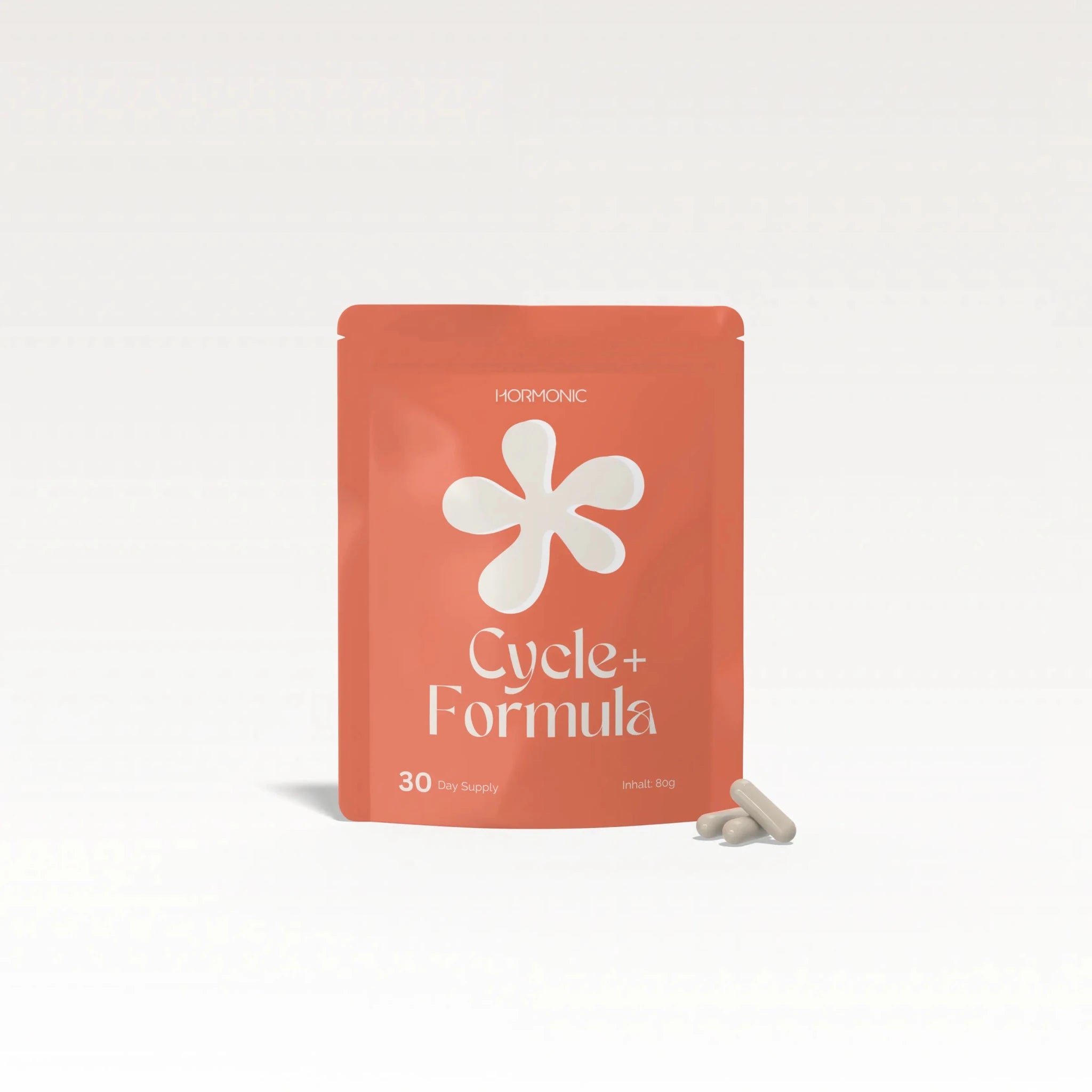
Life Stage-Specific Formulas: For PCOS and menstrual irregularities, Hormonic Cycle+ may be beneficial (Myo-Inositol, Rhodiola Rosea, Apigenin, Zinc). For women aged 40 and over, the Midlife Formula contains creatine as well as phytoestrogens, resveratrol, and saffron extract. The basic principle is: first secure the foundation with the three essentials, then supplement in a targeted manner.

Unsure which supplement is right for you?

Our medical team will help you find the right supplements for your individual situation. Your symptoms, your levels, your stack.

Book a consultation

How to integrate the stack into your daily routine

A carefully selected supplement stack is only useful if you take it consistently. With four essentials, implementation is much easier than with ten individual products:

  • Create a routine: Link the intake to a fixed habit, for example, in the morning after breakfast. Micronutrient base and Omega-3 with food, creatine in a glass of water next to it.
  • Pay attention to timing: Fat-soluble vitamins (D, K) need some food for better absorption. Always take Omega-3 with food. Creatine is flexible in terms of timing.
  • Consistency over perfection: Regularity throughout the week is important. The benefits develop over months and years of continuous supply.
  • Test add-ons in phases: Optional supplements can be used in phases. Observe when they benefit you.

Further articles on individual supplements

This guide provides an overview. We will take a closer look at individual active ingredients and whether they even belong in a dietary supplement here:

The individual nutrients in detail, from magnesium to zinc to vitamin D, can be found bundled in our Guide to micronutrients and hormones.

Conclusion

Less is more, even with dietary supplements. A lean, scientifically sound daily stack of micronutrient base, omega-3, creatine, and targeted add-ons offers women a very good basic supply. This way, you cover critical nutrients daily and support hormone balance, immune system, and energy, without having to open ten different containers.

The evidence base remains important: the mentioned supplements are thoroughly researched and show clear benefits in studies. At the same time, it's not about curing diseases, but about keeping the body in balance. A healthy lifestyle with good nutrition and exercise remains the foundation.

Frequent Questions about Supplements for Women

Which supplements should every woman take daily?

An evidence-based daily stack for women consists of four essentials: a micronutrient base (with vitamin D, B vitamins, magnesium, selenium, and zinc), omega-3 fatty acids (EPA+DHA), creatine, and, depending on the situation, targeted add-ons for the gut-hormone axis. These four supplements cover the most common nutrient gaps and are well-supported by scientific evidence.

Do women really need creatine?

Yes, creatine is particularly beneficial for women. Women naturally have about 70 to 80% lower creatine stores than men. Recent studies show that creatine not only supports muscles and bones but can also improve cognitive functions. It is one of the most well-researched supplements available and is considered effective and safe for healthy adults at just 3g daily (Smith-Ryan AE et al., 2021).

Was ist ein Balanced Supplement Stack?
Ein Balanced Supplement Stack für Frauen ist eine wissenschaftlich fundierte Kombination aus wenigen, aber hochwirksamen Supplements. Statt zehn Einzelprodukten liegt der Fokus auf Synergie, Qualität und Umsetzbarkeit im Alltag. Ziel ist die tägliche Versorgung mit essenziellen Mikronährstoffen, die über eine normale westliche Ernährung häufig schwer ausreichend aufzunehmen sind.
Wann sollte ich Supplements am besten einnehmen?
Fettlösliche Vitamine wie Vitamin D und K sollten mit einer Mahlzeit eingenommen werden, da sie für die Aufnahme Fett benötigen. Omega-3 nimmt man ebenfalls mit dem Essen. Kreatin ist zeitlich flexibel und kann morgens oder nach dem Training eingenommen werden. Wichtiger als der genaue Zeitpunkt ist die Regelmäßigkeit über die Woche.

Scientific Sources

  • Spiro A & Buttriss JL (2014). Vitamin D: An overview of vitamin D status and intake in Europe. Nutrition Bulletin. doi:10.1111/nbu.12108
  • WHO (2023). Iron deficiency anaemia. Micronutrient deficiencies. World Health Organization.
  • Blumfield ML et al. (2012). A systematic review and meta-analysis of micronutrient intakes during pregnancy in developed countries. Nutr Rev. doi:10.1111/j.1753-4887.2012.00481.x
  • Smith-Ryan AE et al. (2021). Creatine supplementation in women's health: A lifespan perspective. Nutrients. doi:10.3390/nu13030877
  • Calder PC (2020). Omega-3 fatty acids and inflammatory processes: from molecules to man. Biochem Soc Trans. doi:10.1042/BST20191115

About the Author

Amelie Weiss

Amelie Weiss

Research Fellow, PhD · Hormonic

Amelie Weiss is a Research Fellow at Hormonic and conducts scientific research on hormonal health, micronutrients, and evidence-based women's health.

Note: This article is based on current scientific publications (as of 2026). It is for informational purposes only and does not replace medical advice, diagnosis, or treatment. Dietary supplements are not a substitute for a varied, balanced diet and a healthy lifestyle.

Share

You might also be interested in this.
Zink und Antioxidantien bei Endometriose: Was hilft - Hormonic
EndometrioseJun 4, 20268 min read
Zinc and Antioxidants in Endometriosis: What Helps

Zinc, Vitamins C and E for Endometriosis: What Studies on Oxidative Stress and Pain Show, with Honest Classification and Practical Tips for Everyday Life.

Supplements wirken nicht? Gründe und was Du tun kannst - Hormonic
MikronährstoffeJul 22, 202510 min read
Supplements Not Working? 7 Reasons and What You Can Do

Are your nutritional supplements not working? Here are the 7 most common reasons why supplements fail to have an effect, and how you can finally feel the results by improving intake, bioavailabilit...

Myo-Inositol bei PCOS: Wirkung, Studien & Dosierung - Hormonic
MikronährstoffeMay 31, 202610 min read
Myo-inositol for PCOS: Effects, Studies & Dosage

How does inositol work for PCOS, what do studies show regarding ovulation, testosterone, and insulin resistance, and what is a sensible dosage? The evidence-based overview.