Cart

Your cart is empty

Continue shopping

Trending searches

Featured products

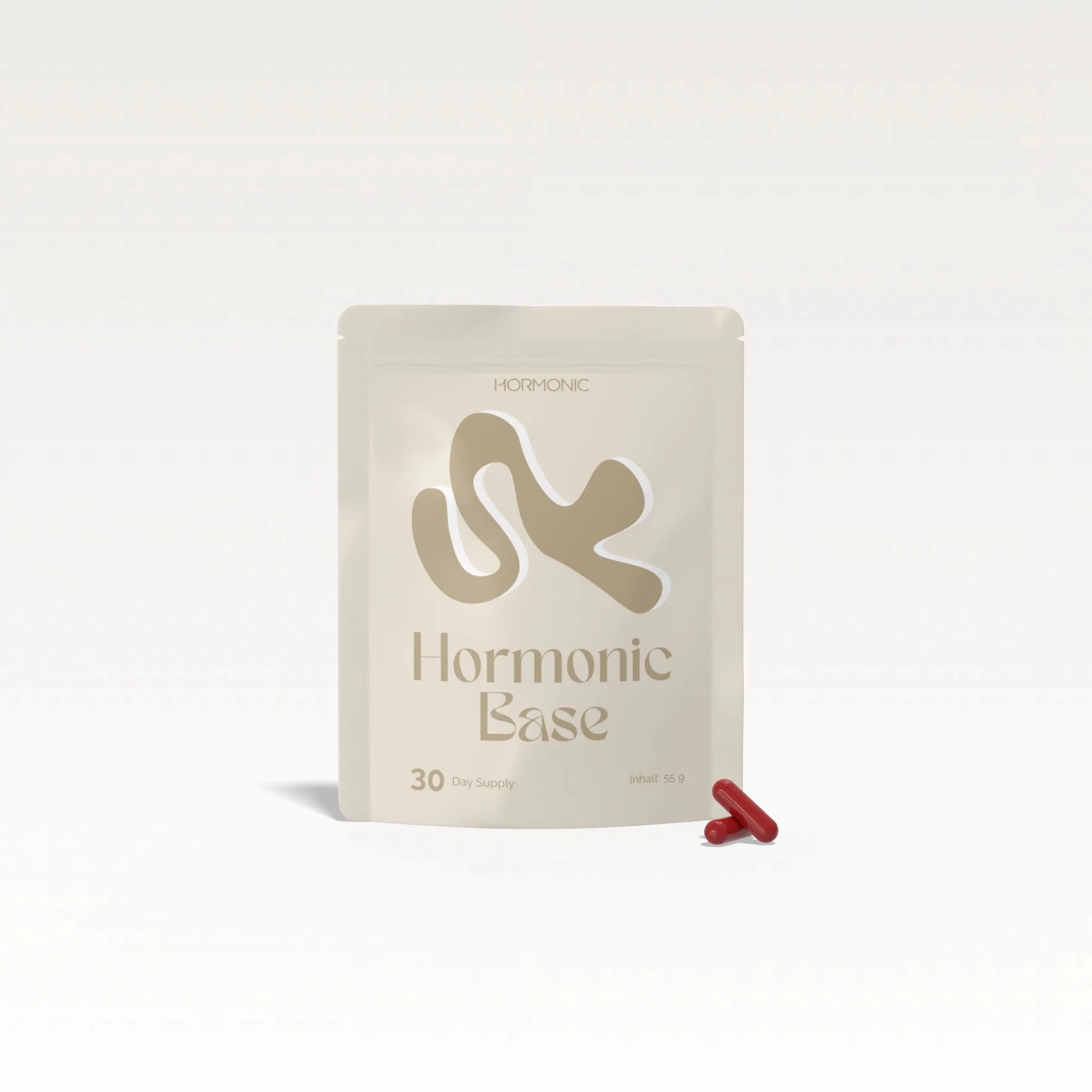
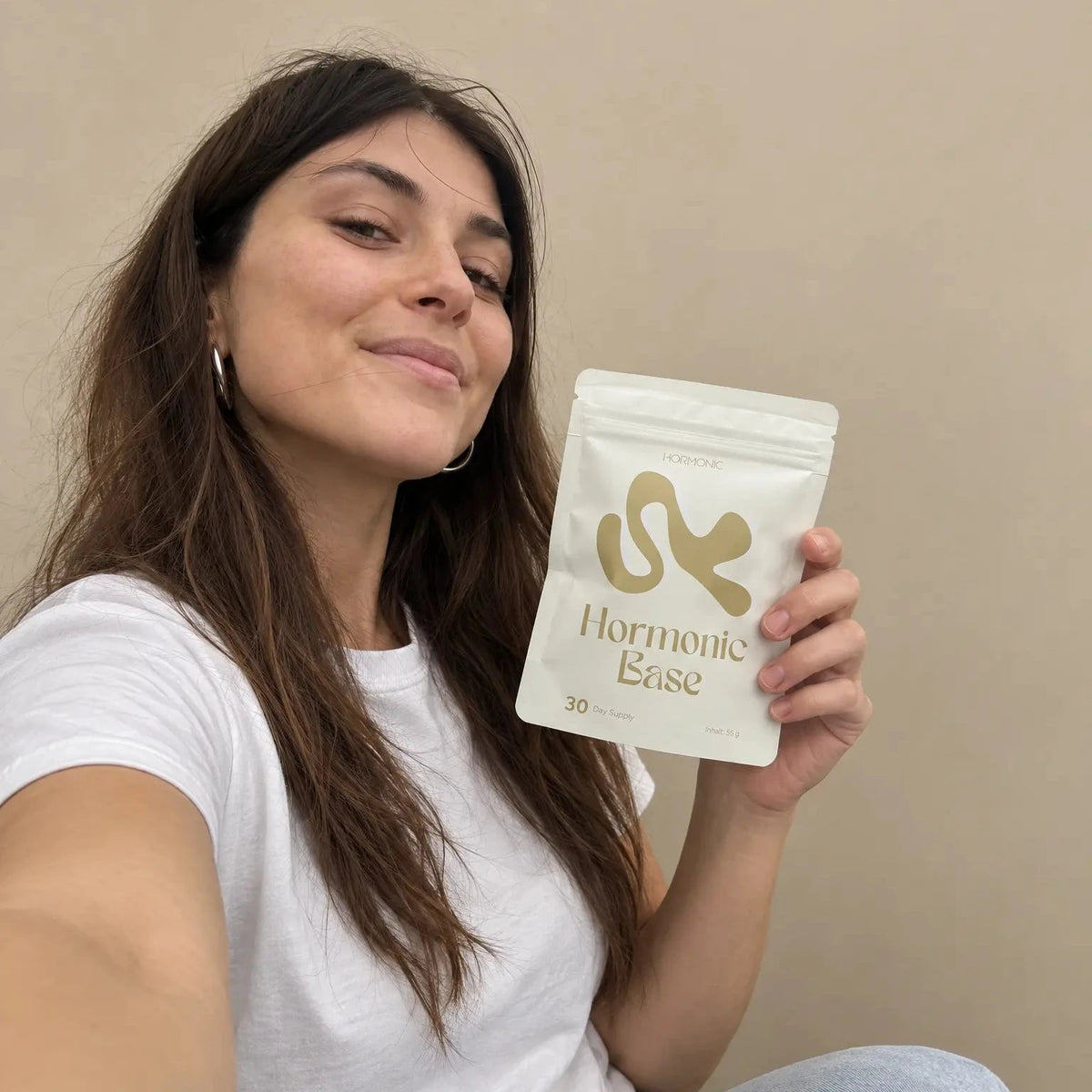
Hormonic Base Nahrungsergänzung mit 16 Mikronährstoffen
Sale price€65,00
(5.0)
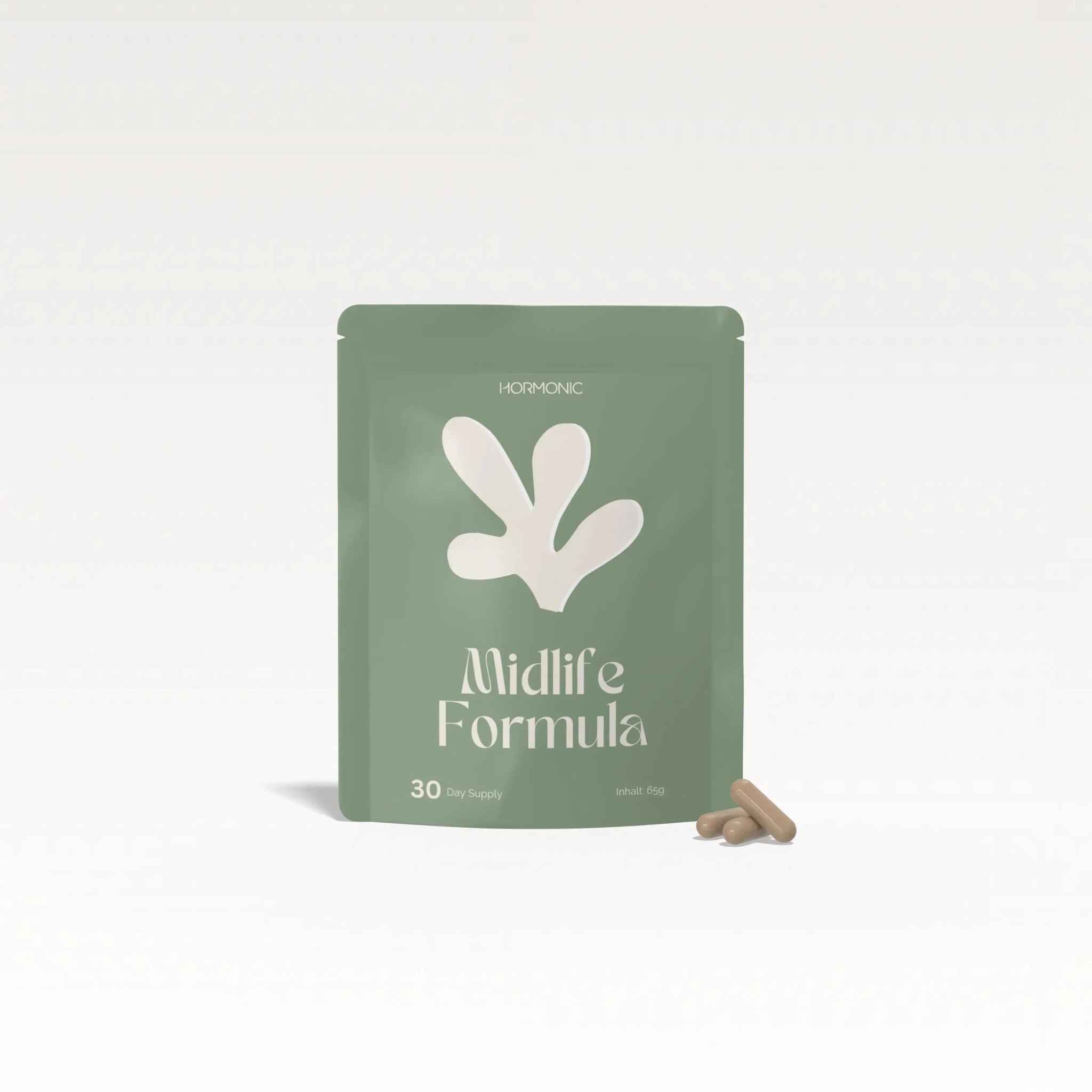
Hormonic Midlife Formula für die Perimenopause
Sale price€75,00
(5.0)
Zink und Antioxidantien bei Endometriose: Was hilft
EndometrioseJun 4, 20268 min read

Zinc and Antioxidants in Endometriosis: What Helps

Zinc, vitamin C, and vitamin E are among the antioxidants being researched in connection with endometriosis. This article outlines what studies show about these micronutrients in relation to pain and oxidative stress, and where the limits of the evidence lie.

Key takeaways

In endometriosis, inflammation and oxidative stress play a role. Studies frequently describe lower zinc levels and reduced antioxidant capacity in affected individuals. A randomized study on vitamin C and E observed less pain and lower stress markers, but larger and consistent studies are still lacking. Zinc, vitamin C, and E are a possible supportive component, not a substitute for medically supervised therapy.

Endometriosis is not only a hormonal but also an inflammatory disease in which oxidative stress plays a role. This is precisely where the interest in antioxidants comes in: zinc, vitamin C, and vitamin E are among the body's protective systems against free radicals. This article honestly evaluates what research shows about these micronutrients in endometriosis and where their limitations lie.

Why zinc and antioxidants play a role at all

Endometriosis is now considered a chronic inflammatory, estrogen-dependent disease. A recurring theme in research is oxidative stress: Studies have described increased markers for oxidative stress and simultaneously lower levels of protective antioxidants in affected individuals. This observation explains why micronutrients with antioxidant function are being investigated.²

It is important to classify this: These connections show that oxidative stress is involved in the disease. However, they do not prove that replenishing individual nutrients causally treats endometriosis. Antioxidants are therefore being researched as a possible supportive building block, not as a cure.

Did you know that…

…zinc is a building block of the body's own enzyme superoxide dismutase? This enzyme is one of the most important protective mechanisms against free radicals. This explains why zinc repeatedly appears in research on oxidative stress and inflammation.³

Did you know that...

... zinc is a component of the body's own enzyme superoxide dismutase? This enzyme is one of the most important protective mechanisms against free radicals, which is why zinc repeatedly appears in research on oxidative stress and inflammation.

What research on zinc and antioxidants shows

The body of evidence on individual micronutrients in endometriosis is growing but still limited. Much suggests a supportive effect via inflammation and oxidative stress, but many studies are small or inconsistent. It is worth looking at the individual components separately.

Zinc: lower levels in affected individuals

Several observational studies have found lower zinc levels in the blood of women with endometriosis compared to control groups. A cross-sectional study of Asian women described a correlation between lower zinc levels and a higher risk of endometriosis. Zinc is biologically interesting because it has anti-inflammatory properties and is part of the body's own antioxidant enzyme superoxide dismutase.

Accurate classification remains important: such cross-sectional data show a correlation, not cause and effect. Whether low zinc levels contribute to endometriosis or are rather a consequence of the disease and inflammation is therefore not clarified. The data on trace elements in endometriosis is generally considered inconsistent.

The balance counts: zinc and copper

It is interesting that trace elements are not just about zinc alone, but also about the balance with other metals. A case-control study of women with fertility problems described an altered copper to zinc ratio in endometriosis, with a tendency towards higher copper and lower zinc levels. This is also an indication that not a single number, but the interplay of nutrients is likely to be relevant. For practical purposes, this primarily means not blindly high-dosing a single trace element, but paying attention to a balanced supply.

Vitamin C and E: a controlled study on pain

The combination of vitamin C and vitamin E is better studied. In a randomized, triple-blinded, placebo-controlled study, 60 women with endometriosis and pelvic pain received either vitamin C and vitamin E or a placebo for eight weeks. In the vitamin group, markers for oxidative stress decreased, and the severity of pelvic pain, menstrual pain, and pain during intercourse significantly decreased compared to placebo.

A meta-analysis of several randomized studies also concluded that antioxidant supplementation with vitamin C and E can alleviate pain symptoms. This is an encouraging signal, even if the individual studies are small.

Where the evidence reaches its limits

Being honest also means mentioning the other side here. A recent systematic review of several randomized studies emphasized that the results on antioxidants are mixed and the studies are often small and methodologically different. Some studies showed a benefit, others no clear effect. From this, no reliable promise of cure can be derived, but only a cautiously positive, supportive trend.

Hormonic Base with Zinc, Vitamin C, and E

Hormonic Base combines zinc, vitamin C, vitamin E, and NAC with other active ingredients that have been linked in research to cell protection, inflammatory processes, and hormonal balance. A well-thought-out, clearly dosed micronutrient base for your daily life, without unnecessary additives.

€65,00

Discover Hormonic Base

Antioxidants in Practice: Diet First

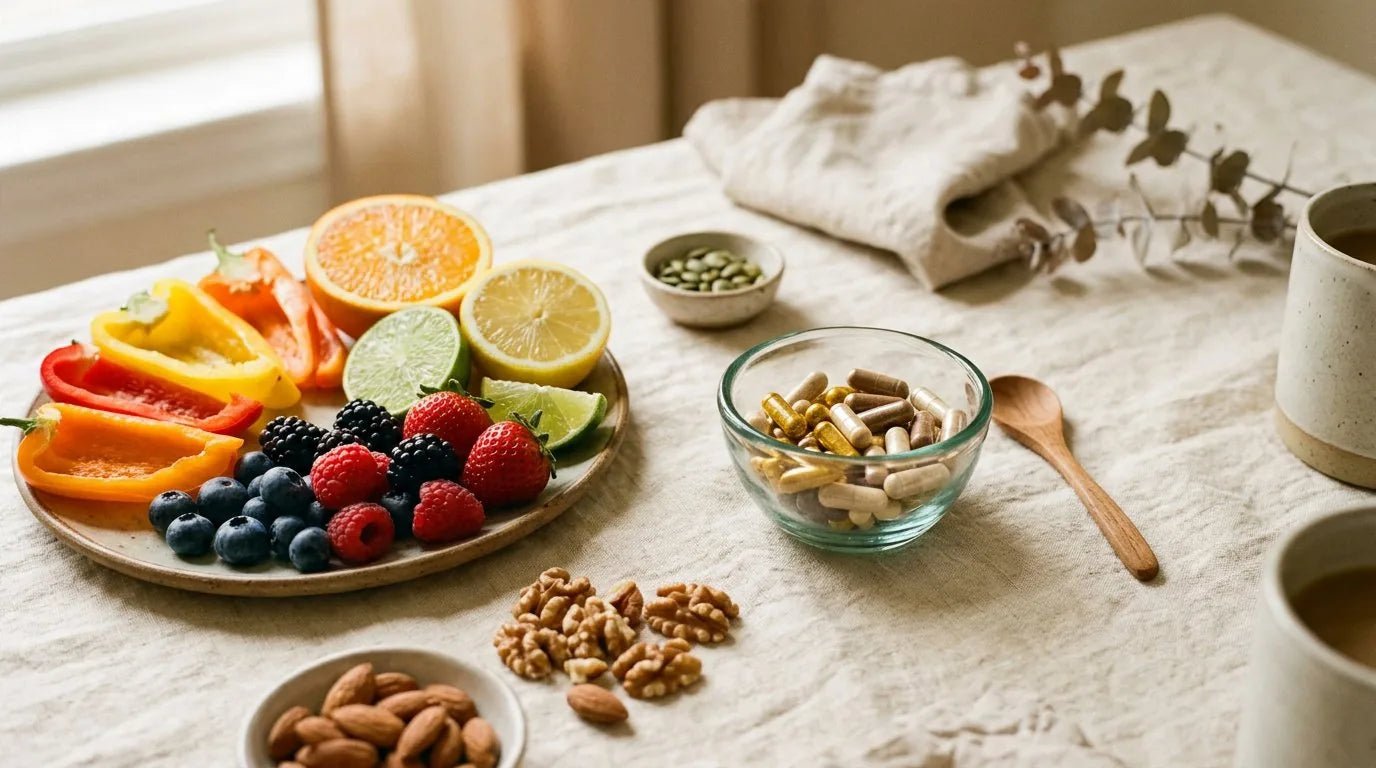
The most obvious and safest way to increase your antioxidant intake is through your diet. A colorful, plant-based diet provides zinc, vitamin C, vitamin E, and many other protective substances in a natural interplay. An advantage of this is that these substances are absorbed in combination and in moderate amounts through real food, which the body can usually utilize well. Evaluations of nutritional data suggest that a higher antioxidant intake may be associated with a lower risk of endometriosis, although this is not a guarantee.

Good everyday sources

  • Zinc: Whole grains, legumes, pumpkin seeds, oats, nuts, and animal sources such as meat and cheese.
  • Vitamin C: Bell peppers, berries, citrus fruits, broccoli, and cabbage vegetables.
  • Vitamin E: High-quality vegetable oils, nuts, seeds, and wheat germ.
  • Other antioxidants: Colorful vegetables and fruits throughout the day, the more varied, the better.

How these building blocks interact

Zinc, vitamin C, and vitamin E are not the only antioxidant approaches being researched for endometriosis. N-acetylcysteine, or NAC for short, also addresses oxidative stress via glutathione metabolism, and an anti-inflammatory diet rich in omega-3 aims in the same direction. These approaches are not mutually exclusive but complement each other. That is precisely why it makes more sense to think of a coherent overall concept than to consider individual substances in isolation. Those who want to delve deeper will find dedicated articles on NAC and nutrition in our Endometriosis Guide.

When targeted supplementation can be useful

A balanced diet is the foundation. In some situations, targeted supplementation can still be useful, for example, in cases of proven deficiency, a one-sided diet, or increased requirements. A well-thought-out, clearly dosed preparation is sensible here, rather than many individual high-dose products. Especially with fat-soluble vitamins like vitamin E, more is not automatically better, and very high doses over long periods are not recommended.

Anyone considering supplementation should put it into the overall context. Endometriosis is a complex disease in which hormonal treatment, possibly surgery, nutrition, exercise, and stress management all play a role. Individual micronutrients are one possible building block in this picture, not the solution in themselves.

What the evidence supports and what it doesn't

  • Oxidative stress and inflammation play a role in endometriosis; this is well documented.
  • Studies often describe lower zinc levels and reduced antioxidant capacity in affected individuals, but these are correlations, not proven causes.
  • A randomized study and a meta-analysis suggest that vitamin C and E can alleviate pain.
  • The overall evidence is inconsistent, studies are small, and antioxidants are no substitute for medically supervised therapy.

When to seek medical advice

Severe or increasing menstrual pain, pain during intercourse, chronic pelvic pain, or unfulfilled desire for children should always be medically investigated. Before you specifically use zinc, vitamin C, vitamin E, or other dietary supplements, discuss this with a doctor, especially if you are already taking medication or are pregnant.

Discuss Micronutrients and Endometriosis

Our medical team will discuss with you what role zinc, antioxidants, and other micronutrients can play in your situation. Book a free 15-minute initial consultation.

Book a consultation

Conclusion

Inflammation and oxidative stress play a role in endometriosis, which is precisely where the interest in zinc, vitamin C, and vitamin E comes in. Studies frequently describe lower zinc levels and reduced antioxidant capacity in affected individuals, and a randomized study on vitamin C and E observed less pain and lower stress markers. However, larger, consistent studies are lacking, and the overall evidence is mixed.

For practical application, this means: A colorful, antioxidant-rich diet is a sensible foundation, supplemented if necessary by a well-considered, clearly dosed supplement. Antioxidants are a potential supportive component within the framework of physician-supervised therapy, not a cure. Those who bring realistic expectations and observe their own symptoms over time can meaningfully integrate micronutrients into a larger concept. The most important step remains medical clarification and an individualized plan.

Common Questions About Zinc and Antioxidants in Endometriosis

Does zinc help with endometriosis?

Studies frequently describe lower zinc levels in women with endometriosis compared to control groups, and zinc is part of the body's antioxidant enzyme superoxide dismutase. This makes zinc biologically interesting. However, these are correlations, not proof that zinc treats endometriosis. Zinc can be a supportive building block but does not replace medically supervised therapy.

Can vitamins C and E relieve pain?

A randomized, placebo-controlled study of 60 women observed that the combination of vitamin C and vitamin E over eight weeks lowered markers of oxidative stress and significantly reduced pelvic, menstrual, and intercourse pain compared to placebo. A meta-analysis supports this pain-relieving effect. However, the studies are small, and the overall evidence is inconsistent.

Sollte ich Zink und Antioxidantien lieber über Ernährung oder Supplemente aufnehmen?
Die Ernährung ist die sinnvolle Basis. Eine bunte, pflanzenbetonte Kost liefert Zink, Vitamin C, Vitamin E und viele weitere Antioxidantien im natürlichen Zusammenspiel. Eine gezielte Ergänzung kann bei nachgewiesenem Mangel, einseitiger Ernährung oder erhöhtem Bedarf sinnvoll sein, am besten als durchdachtes, klar dosiertes Präparat statt vieler Hochdosis-Produkte. Gerade bei Vitamin E gilt: sehr hohe Dosen über lange Zeit sind nicht empfehlenswert.
Sind Antioxidantien ein Ersatz für die ärztliche Behandlung?
Nein. Zink, Vitamin C und Vitamin E sind ein möglicher unterstützender Baustein, aber kein Heilmittel und kein Ersatz für eine ärztlich begleitete Therapie. Endometriose ist eine komplexe Erkrankung, bei der hormonelle Behandlung, gegebenenfalls eine Operation, Ernährung, Bewegung und Stressmanagement zusammenspielen. Mikronährstoffe sind ein Teil dieses Gesamtbilds.

Scientific Sources

  • Amini, L. et al. (2021). The Effect of Combined Vitamin C and Vitamin E Supplementation on Oxidative Stress Markers in Women with Endometriosis: A Randomized, Triple-Blind Placebo-Controlled Clinical Trial. doi:10.1155/2021/5529741
  • Bayu, P. et al. (2024). Vitamin C and E antioxidant supplementation may significantly reduce pain symptoms in endometriosis: a systematic review and meta-analysis of randomized controlled trials. PLOS ONE. doi:10.1371/journal.pone.0301867
  • The effects of antioxidant supplementation on pain, oxidative stress markers, and clinical pregnancy rate in women with endometriosis: a systematic review and meta-analysis of RCTs (2025). Frontiers in Medicine. doi:10.3389/fmed.2025.1694281
  • Lin, Y.-H. et al. (2017). Decreased zinc and increased lead blood levels are associated with endometriosis in Asian women. Reproductive Toxicology, 74, 77-84. doi:10.1016/j.reprotox.2017.09.001
  • Exploring the link between dietary zinc intake and endometriosis risk: a cross-sectional analysis of American women (2024). BMC Public Health, 24. doi:10.1186/s12889-024-20433-9
  • Inverse association between dietary antioxidant intake and endometriosis among US women: a cross-sectional NHANES study (2025). doi:10.1016/j.ejogrb.2025.07.025
  • Serum copper to zinc ratio and risk of endometriosis: insights from a case-control study in infertile patients (2025). Journal of Obstetrics and Gynaecology Research. PMC11947669.
  • DGGG, SGGG, OEGGG (2025). S2k Guideline Diagnostics and Therapy of Endometriosis. AWMF Register number 015/045, Version 5.1.

About the Author

Amelie Weiss

Amelie Weiss

Research Fellow, PhD · Hormonic

Amelie Weiss is a Research Fellow at Hormonic and conducts scientific research on hormonal health, micronutrients, and evidence-based women's health.

Note: This article is based on current guidelines and scientific work (as of 2026). It is for informational purposes only and does not replace medical advice, diagnosis, or treatment.

Share

You might also be interested in this.

Symbolbild Endometriose, Frau hält ihren Unterleib
EndometrioseSep 21, 202410 min read
Endometriosis: Symptoms, Causes, and What Really Helps

Endometriosis affects one in ten women and is often diagnosed late. Learn why it is so heavily dependent on estrogen and progesterone and what conventional and natural approaches can help.

Endometriose-Diagnose: Symptome, Ablauf und Blutwerte
EndometrioseJun 4, 20268 min read
Endometriosis Diagnosis: Symptoms, Process, and Blood Values

How endometriosis is diagnosed: typical warning signs, the process according to the new 2025 guideline, and what blood and hormone values really say.
Hände halten Supplement-Kapseln über einer cremefarbenen Marmorfläche mit grünen Blättern
EndometrioseJun 3, 20268 min read
NAC for Endometriosis: Effects, Studies, and What It Can Really Do

NAC is considered a supplementary measure for endometriosis. Here's an honest assessment of what studies show regarding pain, endometriomas, and fertility.