




Cart

Your cart is empty

Continue shopping

Trending searches

Featured products

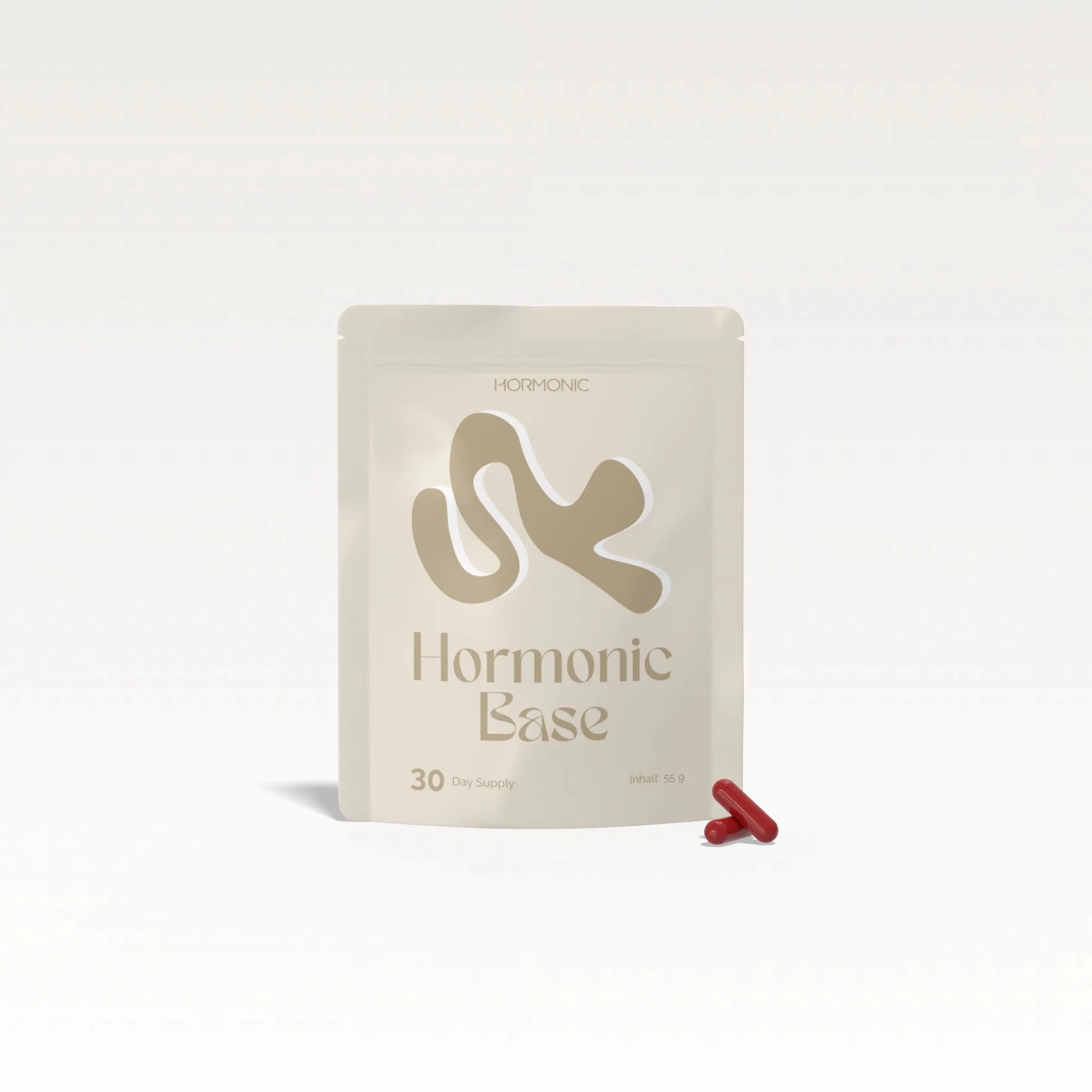
Hormonic Base Nahrungsergänzung mit 16 Mikronährstoffen
Sale price€65,00
(5.0)
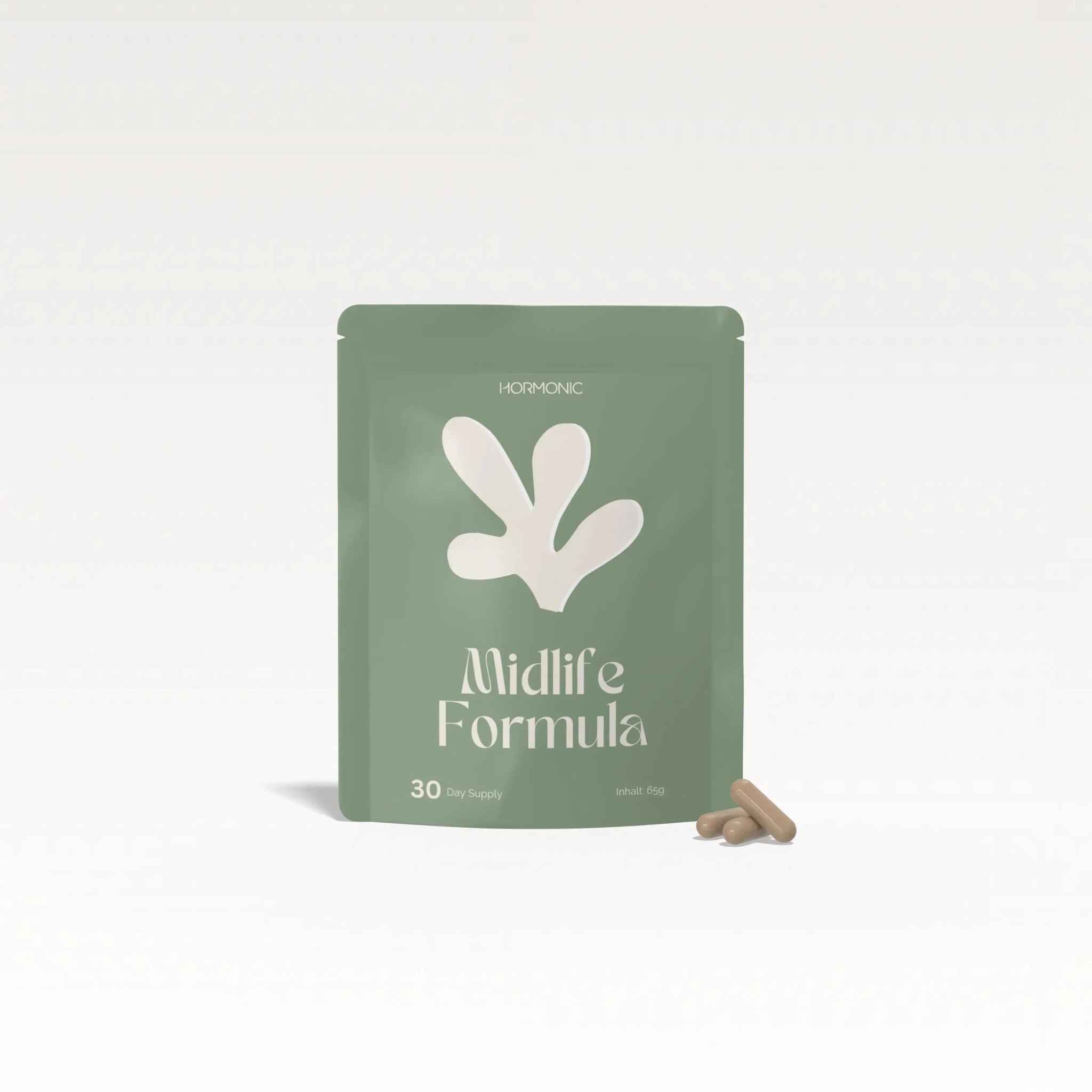
Hormonic Midlife Formula für die Perimenopause
Sale price€75,00
(5.0)
Endometriose-Diagnose: Symptome, Ablauf und Blutwerte
EndometrioseJun 4, 20268 min read

Endometriosis Diagnosis: Symptoms, Process, and Blood Values

With endometriosis, it often takes years until diagnosis. This article explains which symptoms are warning signs, how diagnosis proceeds according to the new 2025 guidelines, and what blood and hormone levels can really tell us.

Key takeaways

Endometriosis is typically diagnosed only after several years because the symptoms are non-specific. Since the new S2k guideline 2025, transvaginal ultrasound examination is the primary diagnostic procedure, and laparoscopy is no longer necessarily the first step. Hormone and blood values cannot prove endometriosis but can help classify the overall hormonal picture and narrow down other causes. The most important step remains to take symptoms seriously and have them investigated early.

On average, several years pass between the onset of symptoms and the diagnosis of endometriosis. This is not because women delay seeing a doctor, but because the symptoms are non-specific and severe menstrual pain is often dismissed as normal. This article explains how the diagnosis is made today, what has changed with the new 2025 guidelines, and what blood and hormone levels can and cannot achieve.

Correctly interpreting the typical warning signs

The most important step towards diagnosis is to take your symptoms seriously and be able to classify them. Endometriosis does not manifest the same way in all women, but there are recurring patterns that make clarification worthwhile. The more accurately you can describe your symptoms, the faster the doctor can take the right steps.

You should become particularly alert if menstrual pain is so severe that it regularly restricts daily life, if painkillers are barely effective, or if the symptoms extend beyond the period. Pain during sexual intercourse, urination, or bowel movements during menstruation, as well as unfulfilled desire for children, also warrant medical investigation.

Did you know that …

… a pain and symptom diary can significantly speed up diagnosis? If you record when and how severe your symptoms are over several cycles, you provide your doctor with a valuable basis and don't have to rely on your memory during the appointment.

Did you know that...

… a symptom diary can accelerate diagnosis? If you record over several cycles when and how severe certain symptoms occur, you provide your doctor with a valuable basis and do not have to rely on your memory during the appointment.

How diagnosis works today

The diagnosis of endometriosis has changed significantly in recent years. For a long time, laparoscopy was considered the only way to a reliable diagnosis. Today, a stepped, gentler approach is in the foreground, starting with a conversation and ultrasound.

Anamnesis: the conversation as a starting point

It all starts with a detailed conversation. The doctor asks about the type, intensity, and temporal course of the pain, the cycle, discomfort during sexual intercourse or defecation, and any desire to have children. A symptom diary is particularly helpful here. The described symptoms are not just a preliminary talk, but a central building block of the diagnosis.

Physical examination and ultrasound

The conversation is followed by a gynecological examination. The central imaging method is transvaginal sonography, i.e., ultrasound through the vagina. With the new S2k guideline 2025, it was explicitly defined as the primary method for diagnosis. This replaces laparoscopy as the first step, an important change that should make diagnosis faster and gentler.

With an experienced examiner, chocolate cysts on the ovaries, deeply infiltrating lesions, and adenomyosis, i.e., endometriosis in the uterine wall, can be well visualized with ultrasound. However, it is important to note: Superficial lesions in the abdominal cavity are often not visible on ultrasound. Therefore, an unremarkable finding does not rule out endometriosis.

MRI and laparoscopy: when they are still needed

Magnetic resonance imaging, or MRI for short, is used as a supplement, for example, in cases of unclear symptoms or for planning an operation. Laparoscopy remains important, but its role has shifted: today it is primarily useful when treatment is to be carried out at the same time, i.e., lesions are removed in the same procedure. A purely diagnostic laparoscopy without therapeutic benefit is increasingly viewed critically.

Where you can turn

The gynecological practice is usually the first point of contact. In the case of persistent or severe symptoms, unclear findings, or a desire to have children, a referral to a specialized endometriosis center can be useful. Such centers have experience with ultrasound diagnostics and surgical treatment and often work interdisciplinarily. You are allowed and should actively ask for a referral if you feel that your symptoms are not being taken seriously enough.

The Enzian classification

If endometriosis is diagnosed, the so-called Enzian classification helps to uniformly describe the location and extent of the lesions. This is the basis for individual therapy planning. For you as a patient, it is particularly important to know: The extent in the finding does not always say something about the severity of the symptoms. Some women with extensive lesions have little pain, others with small lesions have very severe pain.

Your complete hormonal picture with the hormone diagnostic kit

A lab analysis does not prove endometriosis, but it can reveal the overall hormonal picture and rule out other causes. Hormonic's hormone diagnostic kit measures central hormone levels conveniently from home, with physician-supervised evaluation. This provides a valuable basis for your discussion with your doctor.

€289,00
Discover hormone diagnostics kit

What blood and hormone levels can tell us

Many women wish for a simple blood test that reliably detects endometriosis. So far, such a test does not exist. Nevertheless, laboratory and hormone levels play a meaningful role if one correctly assesses what they can and cannot do.

Why there is no simple endometriosis blood test

The most well-known marker in this context is CA-125. It can be elevated in endometriosis but is too non-specific for a diagnosis: it also increases in other diseases and is normal in many affected individuals. Current guidelines therefore advise against using CA-125 as a diagnostic test for endometriosis. Various new biomarkers and tests are being researched but are not yet established in clinical practice.

Why a hormone analysis is still useful

Endometriosis is a highly estrogen-dependent disease, and many affected individuals have additional hormonal issues such as menstrual cycle disorders, thyroid problems, or an unfulfilled desire to have children. A hormone analysis does not diagnose endometriosis, but it can reveal the overall hormonal picture, narrow down other causes for symptoms, and create a basis for further treatment and family planning.

This is primarily useful as a supplement to medical diagnostics, not as a replacement. Those who know their own hormone status can have a more informed conversation with their doctor and discuss cycle, family planning, and therapy options more specifically.

Which values are often considered

  • Estrogen and progesterone, to assess the interplay of cycle hormones.
  • Thyroid values, as thyroid disorders can cause similar symptoms and are common.
  • Values related to ovarian reserve and the cycle, especially for those wishing to conceive.
  • General values such as iron or vitamin D, which influence well-being and the symptom profile.

Which values are useful in individual cases depends on your situation and should be medically supervised. The interpretation remains important: hormone values provide context and help with therapy and family planning, but they are not proof for or against endometriosis.

How to prepare for the appointment

Good preparation can make the appointment significantly more productive. Beforehand, note down your main symptoms, when they occur, and how severe they are, ideally using a symptom diary over several cycles. Record which painkillers you take and how effective they are, and consider whether you wish to have children, as this influences the choice of diagnostics and therapy. Write down specific questions so you don't forget them during the appointment. Those who are prepared get the right next steps faster.

What you can take away from this knowledge

  • Take severe or increasing menstrual pain seriously, especially if it impairs daily life.
  • Keep a symptom diary for several cycles before the appointment.
  • Know that ultrasound is now the first diagnostic step and a laparoscopy is not necessarily the first step.
  • Do not expect proof from a blood test, but use a hormone analysis as a useful addition to the overall picture.

When you should seek medical advice

Severe or increasing menstrual pain, pain during intercourse, chronic pelvic pain, bladder or bowel symptoms during your period, or an unfulfilled desire to have children require medical evaluation. The sooner you address these symptoms, the sooner the often years-long diagnostic delay can be shortened.

Clarify suspected endometriosis

Our medical team will discuss with you which steps are appropriate if endometriosis is suspected and what role hormone levels may play. Book a free 15-minute initial consultation.

Book a consultation

Conclusion

Diagnosing endometriosis still takes too long, but the path to diagnosis is now clearer and less invasive than before. Since the new S2k guideline 2025, transvaginal sonography is the primary method, supplemented by MRI and, if necessary, a laparoscopy with simultaneous treatment. However, the most important factor remains yourself: take symptoms seriously, document them, and get them checked early.

Blood and hormone values cannot prove endometriosis. However, a hormone analysis can classify the overall hormonal picture, narrow down other causes, and provide valuable context, especially for cycle-related issues and fertility concerns. Understood as a supplement to medical diagnostics, it is a sensible component on the path to individualized treatment.

Common questions about endometriosis diagnosis

How is endometriosis diagnosed today?

The process begins with a detailed consultation and a gynecological examination. The central imaging procedure is transvaginal sonography, which is an ultrasound performed through the vagina. Since the new S2k guideline 2025, it has been the primary method for diagnosis. An MRI is used as a supplementary tool, and laparoscopy is mainly employed when treatment is also required. However, a normal ultrasound does not definitively rule out endometriosis.

Can endometriosis be detected in blood?

There is currently no simple blood test that reliably detects endometriosis. The marker CA-125 can be elevated, but it is too unspecific and is not recommended as a diagnostic test in guidelines. A hormone analysis also does not diagnose endometriosis, but it can help assess the overall hormonal picture and narrow down other causes of the symptoms.

Warum dauert die Diagnose oft so lange?
Die Beschwerden bei Endometriose sind sehr unterschiedlich und überschneiden sich mit anderen Erkrankungen. Starke Regelschmerzen werden zudem häufig als normal abgetan. Je nach Auswertung vergehen im Schnitt etwa vier bis elf Jahre bis zur Diagnose. Ein Symptomtagebuch und das frühzeitige Ansprechen typischer Warnsignale können helfen, diese Verzögerung zu verkürzen.
Lohnt sich eine Hormonanalyse bei Verdacht auf Endometriose?
Eine Hormonanalyse beweist keine Endometriose, kann aber sinnvoll sein, um das hormonelle Gesamtbild zu verstehen, andere Ursachen einzugrenzen und gerade bei Zyklusthemen oder Kinderwunsch Kontext zu liefern. Sie ist als Ergänzung zur ärztlichen Diagnostik zu verstehen, nicht als Ersatz. Welche Werte sinnvoll sind, hängt von der individuellen Situation ab.

Scientific Sources

  • DGGG, SGGG, OEGGG (2025). S2k Guideline on Diagnostics and Therapy of Endometriosis. AWMF Register Number 015/045, Version 5.1, as of March 2025.
  • Karavadra, B. et al. (2025). Exploring delay to diagnosis of endometriosis, a healthcare professional perspective. BMC Health Services Research, 25, 1483. doi:10.1186/s12913-025-13536-5
  • Becker, C. M. et al. / ESHRE (2022). ESHRE guideline: endometriosis. Human Reproduction Open, 2022(2). doi:10.1093/hropen/hoac009
  • ACOG (2026). Management of Endometriosis. Clinical Practice Guideline.
  • Endometriosis Association Germany e.V. (2025). The new S2k Guideline 2025 on the Diagnosis and Therapy of Endometriosis.

About the Author

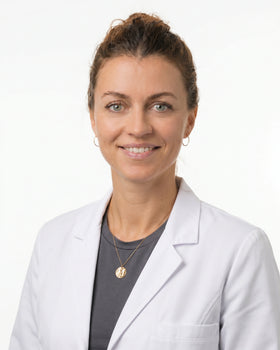
Lisa Maria Emmer

Lisa Maria Emmer

Medical Director · Hormonic

Lisa Maria Emmer is co-founder and medical director at Hormonic. She supports women with hormonal problems every day and specializes in cycle health, PCOS, and menopause.

Note: This article is based on current guidelines and scientific work (as of 2026). It is for informational purposes only and does not replace medical advice, diagnosis, or treatment.

Share

You might also be interested in this.

Symbolbild Endometriose, Frau hält ihren Unterleib
EndometrioseSep 21, 202410 min read
Endometriosis: Symptoms, Causes, and What Really Helps

Endometriosis affects one in ten women and is often diagnosed late. Learn why it is so heavily dependent on estrogen and progesterone and what conventional and natural approaches can help.

Hände halten Supplement-Kapseln über einer cremefarbenen Marmorfläche mit grünen Blättern
EndometrioseJun 3, 20268 min read
NAC for Endometriosis: Effects, Studies, and What It Can Really Do

NAC is considered a supplementary measure for endometriosis. Here's an honest assessment of what studies show regarding pain, endometriomas, and fertility.

Zink und Antioxidantien bei Endometriose: Was hilft
EndometrioseJun 4, 20268 min read
Zinc and Antioxidants in Endometriosis: What Helps

Zinc, Vitamins C and E for Endometriosis: What Studies on Oxidative Stress and Pain Show, with Honest Classification and Practical Tips for Everyday Life.