Cart

Your cart is empty

Continue shopping

Trending searches

Featured products

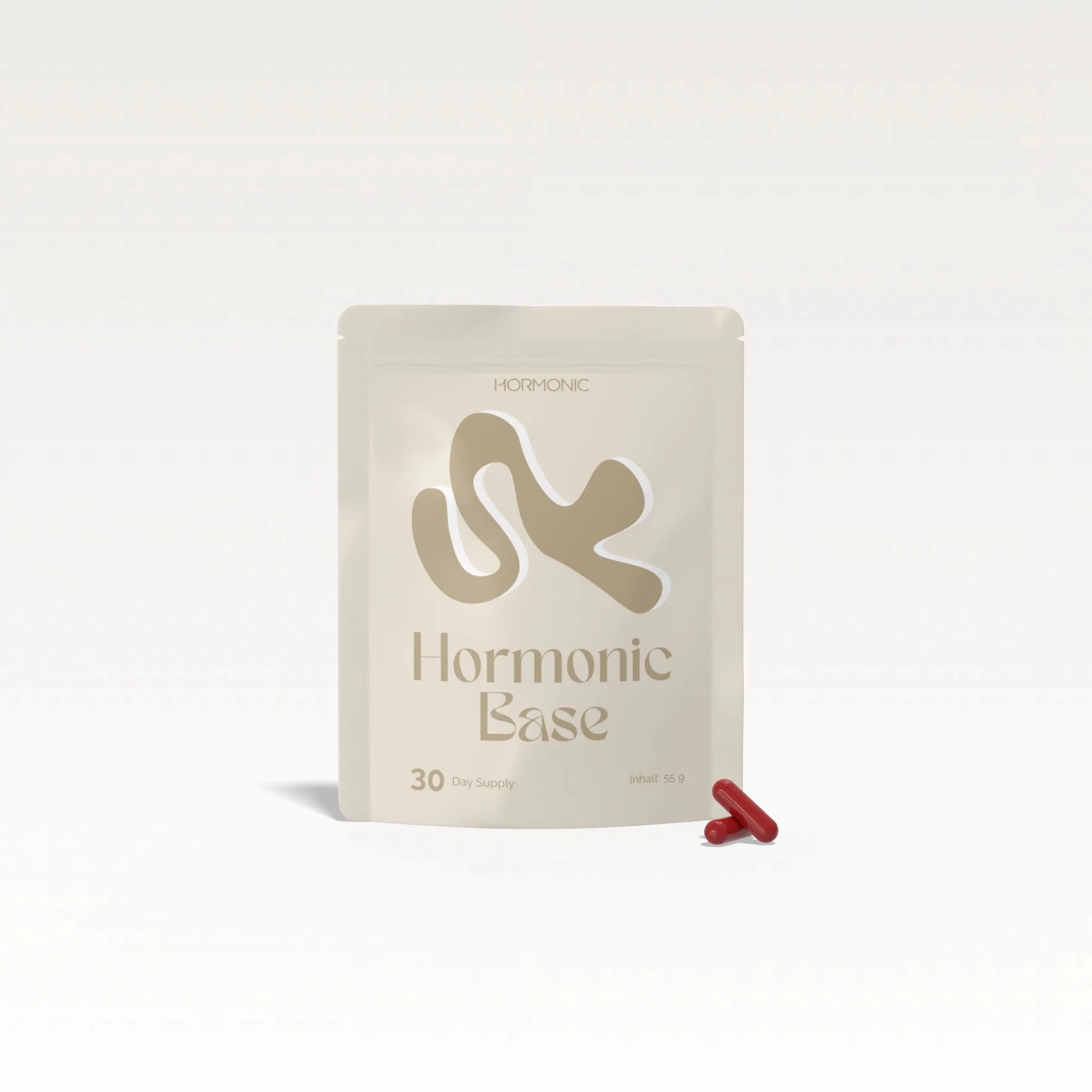
Hormonic Base Nahrungsergänzung mit 16 Mikronährstoffen
Sale price€65,00
(5.0)
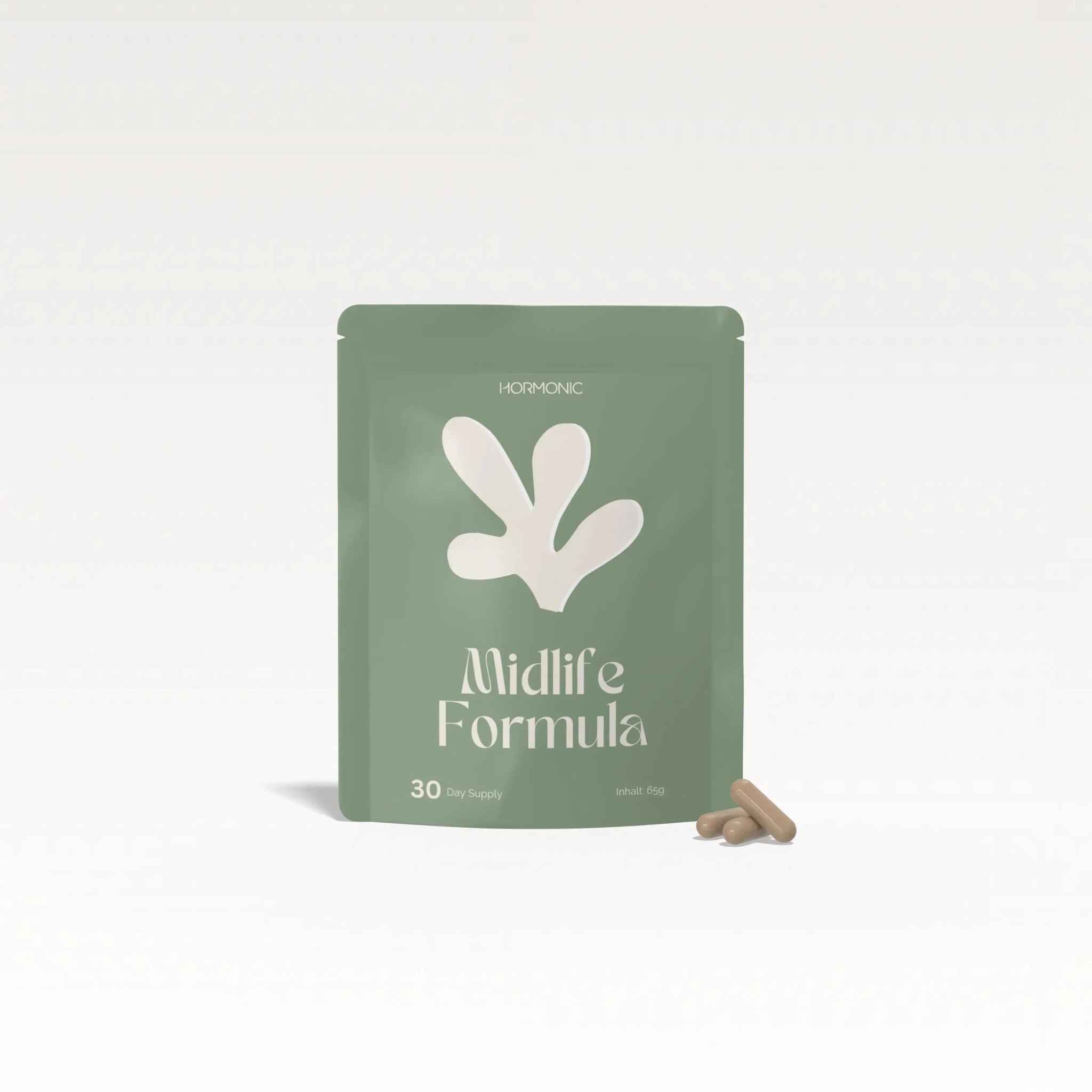
Hormonic Midlife Formula für die Perimenopause
Sale price€75,00
(5.0)
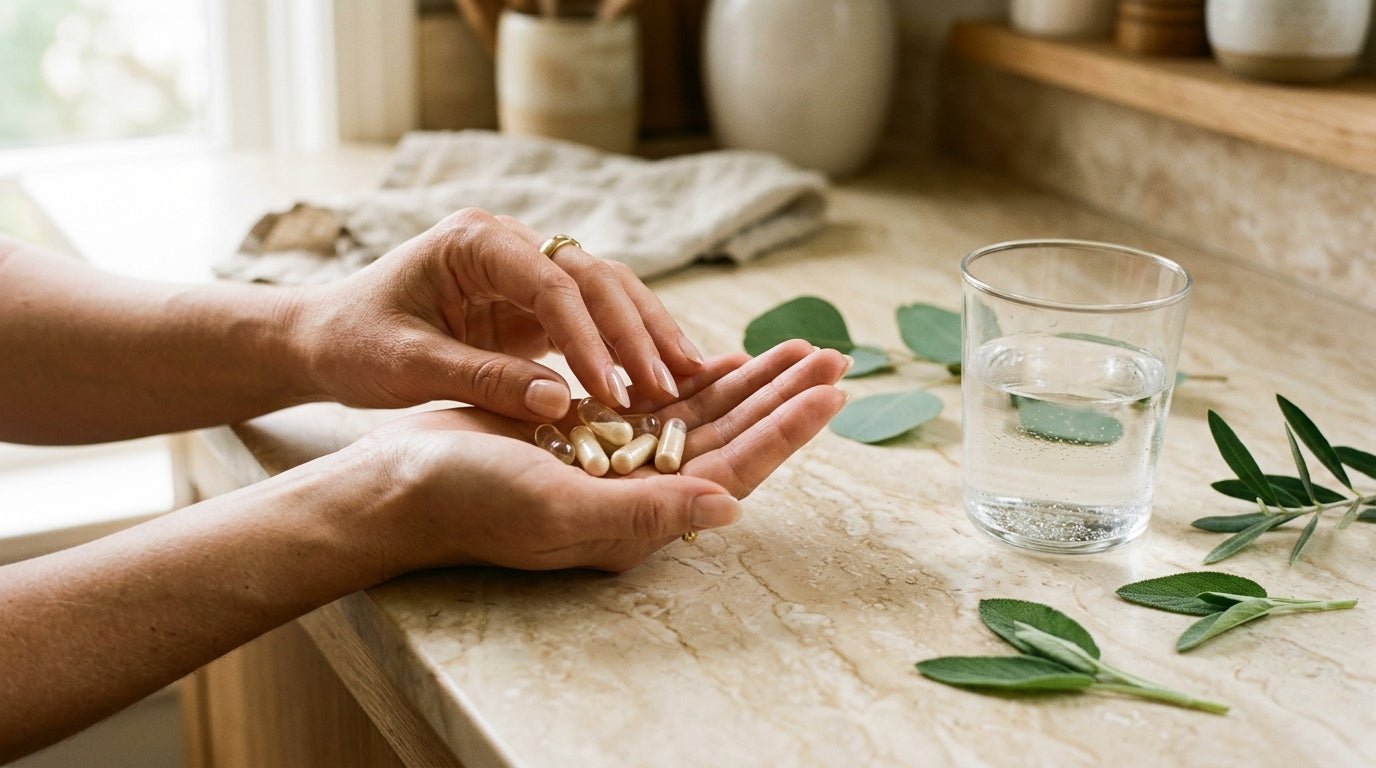
Hände halten Supplement-Kapseln über einer cremefarbenen Marmorfläche mit grünen Blättern
EndometrioseJun 3, 20268 min read

NAC for Endometriosis: Effects, Studies, and What It Can Really Do

This article is part of: Endometriosis: Symptoms, Causes, and What Really Helps

NAC, short for N-acetylcysteine, is appearing in more and more personal accounts of endometriosis. This article clarifies what studies truly show regarding pain, endometriomas, and fertility wishes, and where the limits of the evidence lie.

Key takeaways

NAC is a precursor to the antioxidant glutathione and addresses inflammation and oxidative stress in endometriosis, not hormone levels. Observational studies suggest less pain and more stable endometriomas, but a randomized study found no clear additional benefit over the pill. NAC is considered well-tolerated and fertility-neutral, but it is not a substitute for medically supervised therapy.

NAC, short for N-acetylcysteine, is appearing in more and more anecdotal reports about endometriosis. The hope behind it: a well-tolerated active ingredient that could alleviate pain and cysts without pausing the hormone cycle. What of this is supported by studies, and what is currently just a promising approach? This article honestly evaluates the evidence.

Why NAC is being investigated for endometriosis

Endometriosis is a chronic, estrogen-dependent disease heavily influenced by inflammatory processes and oxidative stress. Increased amounts of pro-inflammatory messengers and free radicals are found in the tissue of the lesions and in the abdominal cavity. This is precisely where the interest in NAC lies: As a precursor to glutathione, it can scavenge free radicals and interferes with inflammatory signaling pathways.²

This is the key difference from conventional hormone therapies. The pill or GnRH agonists specifically lower estrogen levels or pause the cycle. NAC takes a different approach: it targets not the hormones themselves, but the inflammation and oxidative stress that contribute to the symptoms. Therefore, in studies, it is usually considered a supplementary measure, not a substitute for medically supervised therapy.

How NAC works in the body

NAC provides the body with cysteine, a building block needed for the formation of glutathione. Glutathione is one of the central antioxidants in our cells and helps to keep oxidative stress in check. In endometriosis, this oxidative stress is increased in the tissue of the lesions, and this is where the idea comes in: more available glutathione could reduce the burden on the cells.²

Additionally, NAC is attributed with anti-inflammatory effects. In laboratory studies, it has been observed to interfere with signaling pathways related to cell division and inflammation. These effects are biologically plausible, but they only explain why NAC is being studied at all. Whether and how strongly they manifest in the daily lives of affected individuals is another question that only clinical studies can answer.

Did you know that …

… NAC is not a new active ingredient in medicine? It has been used for decades as a mucolytic and as an antidote for certain intoxications, among other things. Research into endometriosis is therefore using a long-known and well-tolerated substance for a new question.¹
Did you know that...

… NAC is not a new active ingredient in medicine? It has been used for decades, among other things, as a mucolytic. Endometriosis research is thus utilising a long-known, well-tolerated substance for a new research question.

What the studies on NAC and endometriosis show

The current research on NAC for endometriosis is promising but still limited. Most data come from observational studies and smaller investigations, not from large, placebo-controlled trials. It is important to contextualize this before deriving expectations.

Observational studies on pain and endometriomas

A frequently cited Italian observational study by Porpora et al. (2013) compared women with ovarian cysts due due to endometriosis who took NAC with an untreated control group. In the NAC group, ultrasound showed a tendency for smaller or more stable cysts, while they tended to increase in the control group.

Another investigation by the same research group, Porpora et al. (2023), followed 120 women who took NAC quarterly for three months. A decrease in menstrual pain, pain during intercourse, and chronic pelvic pain was observed, as well as a reduction in endometrioma size and the tumor marker CA-125. Since this was an open observational study without a placebo group, these results cannot be solely attributed to NAC.

What controlled studies show

A randomized study investigated whether NAC, in addition to a low-dose birth control pill after laparoscopy, reduced the recurrence of endometriomas and pain more effectively than the pill alone. The result: the combination was not clearly better than the pill alone. Such findings show that NAC is not a miracle cure and the additional benefit can vary depending on the initial situation.

In the laboratory, it was also observed that NAC can inhibit the growth of endometriosis cells and trigger stress responses in these cells. Whether these results from cell culture can be transferred to humans is still unclear and needs to be investigated in further studies.

NAC in combination with other antioxidants

In some studies, NAC was used not alone but in combination with other anti-inflammatory substances. In an open, multicenter study of women with endometriosis-related pelvic pain, a combination of NAC, alpha-lipoic acid, and bromelain was investigated over six months. A decrease in the proportion of women with severe pain was observed. Since this study also had no placebo group, the effect cannot be clearly attributed to the individual components.

How to interpret the evidence

In summary, a recurring pattern emerges: observational and combination studies tend to show positive results, while the few controlled studies are more cautious. This is not a contradiction but typical for a research field in its early stages. For a reliable statement, large, placebo-controlled studies with consistent dosages are missing. Until then, NAC remains a promising but not definitively proven approach.

Daily NAC boost for hormonal balance

Hormonic Base combines NAC with zinc, vitamin D3, and 13 active ingredients known in research for topics such as cell protection, inflammatory processes, and hormonal balance. Developed by doctors, strictly laboratory tested.

€65,00

Discover Hormonic Base

NAC in Practice: Dosage, Forms, and Safety

In studies on endometriosis, NAC was mostly taken orally as capsules or powder. The amounts and intake regimens used in research differ, which is why there is no universally valid standard dose for endometriosis. What amount is right for you depends on your individual situation and should be discussed with a doctor.

Tolerability

NAC is generally considered well-tolerated. In studies, mild gastrointestinal complaints were the most common side effects. A frequently mentioned advantage over pain medications is that NAC does not impair fertility, which makes it interesting for women who wish to conceive. Nevertheless, if you have existing conditions, are pregnant or breastfeeding, or are taking medication, its use should be discussed with a doctor.

NAC and Fertility

Part of the interest in NAC comes from the area of fertility. In studies of women with endometriosis who wanted to get pregnant, NAC was used as an additional measure and was linked to the antioxidant protection of oocytes. The data here is inconsistent, and NAC does not replace reproductive medical support. For women with endometriosis who wish to conceive, medical clarification is the most important step.

NAC as a Building Block, Not a Standalone Solution

In research, NAC is almost never considered in isolation, but as part of a larger picture. Endometriosis is a complex disease where hormonal treatment, possibly surgery, an anti-inflammatory diet, and stress management all play a role. A single supplement cannot replace this interplay. It makes more sense to integrate complementary measures like NAC into a plan that suits one's own situation and is medically supervised.

Anyone considering trying NAC should therefore not view it as an alternative to medical treatment, but as a possible additional lever. Realistic expectations are important: The available data suggest possible support, but do not promise a cure. What matters is observing your own symptoms over time and having an open dialogue with your treating physician.

What the Evidence Supports, and What It Doesn't

  • Observational studies suggest a possible reduction in pain and stabilization of endometriomas. The evidence here is still limited.
  • In one randomized study, NAC in addition to the pill showed no clear additional benefit compared to the pill alone.
  • NAC is considered well-tolerated and does not impair fertility, which makes it an interesting complementary option.
  • NAC is not a substitute for medically supervised therapy and not a confirmed cure.

When to Seek Medical Advice

Severe or increasing menstrual pain, pain during intercourse, chronic pelvic pain, or unfulfilled desire to conceive should always be medically evaluated. Before using NAC or other dietary supplements complementarily, discuss this with a doctor, especially if you are already taking medication.

Discuss endometriosis and complementary approaches

Our medical team will discuss with you what role NAC and other complementary measures can play in your situation. Book a free 15-minute initial consultation.

Book a consultation

Conclusion

NAC is a well-tolerated, long-known active ingredient that addresses endometriosis through a different mechanism than classic hormone therapies: by targeting inflammation and oxidative stress rather than hormone levels. Observational studies suggest a possible alleviation of pain and stabilization of endometriomas, but large placebo-controlled studies are still lacking, and one randomized study showed no clear additional benefit over the pill.

As a complementary measure within the framework of physician-supervised therapy, NAC can be an interesting component, especially for women seeking a hormone-free approach or wishing to conceive. It is not a confirmed cure. The most important step remains medical clarification and an individual plan.

Frequent questions about NAC in endometriosis

What does NAC do for endometriosis?

NAC, also N-acetylcysteine, is a precursor to the body's own antioxidant glutathione. It is of interest in endometriosis because the disease is strongly characterized by inflammation and oxidative stress. NAC can scavenge free radicals and intervene in inflammatory processes. It is therefore being researched as a supplementary measure, not as a substitute for medical therapy.

Is the effect of NAC on endometriosis scientifically proven?

Observational studies such as Porpora et al. (2013 and 2023) suggest a possible alleviation of pain and stabilization of endometriomas. However, a randomized study found no clear additional benefit of NAC compared to taking the pill alone. The evidence is therefore promising but still limited. NAC should be understood as a supplementary component, not as a confirmed treatment.

Wie wird NAC bei Endometriose eingenommen?
In den Studien zu Endometriose wurde NAC meist oral als Kapsel oder Pulver eingenommen. Die verwendeten Mengen und Einnahmeschemata unterscheiden sich von Studie zu Studie, eine allgemein gültige Standarddosis für Endometriose gibt es nicht. Welche Menge in deiner Situation sinnvoll ist, hängt von individuellen Faktoren ab und sollte ärztlich besprochen werden, besonders wenn du bereits Medikamente einnimmst.
Kann NAC bei Kinderwunsch mit Endometriose helfen?
NAC wird im Bereich Kinderwunsch unter anderem mit dem antioxidativen Schutz von Eizellen in Verbindung gebracht und gilt als gut verträglich, ohne die Fruchtbarkeit zu beeinträchtigen. Die Datenlage ist allerdings uneinheitlich, und NAC ersetzt keine reproduktionsmedizinische Begleitung. Bei Kinderwunsch mit Endometriose ist die ärztliche Abklärung der wichtigste Schritt.

Scientific Sources

  • Porpora, M. G. et al. (2013). A Promise in the Treatment of Endometriosis: An Observational Cohort Study on Ovarian Endometrioma Reduction by N-Acetylcysteine. Evidence-Based Complementary and Alternative Medicine. doi:10.1155/2013/240702
  • Porpora, M. G. et al. (2023). Efficacy of N-Acetylcysteine on Endometriosis-Related Pain, Size Reduction of Ovarian Endometriomas, and Fertility Outcomes. International Journal of Environmental Research and Public Health, 20(6), 4686. doi:10.3390/ijerph20064686
  • Mokhtari, S. et al. (2022). Comparing the effect of adjunctive N-acetylcysteine plus low dose contraceptive with low dose contraceptive alone on recurrence of ovarian endometrioma and chronic pelvic pain after conservative laparoscopic surgery: a randomised clinical trial. Journal of Obstetrics and Gynaecology. doi:10.1080/01443615.2021.2009793
  • Mota Reyes, M. et al. (2025). N-acetylcysteine stimulates organelle malfunction in endometriotic cells via IFN-gamma signaling. Scientific Reports, 15. doi:10.1038/s41598-025-00195-z
  • Lete, I. et al. (2018). Effectiveness of an antioxidant preparation with N-acetyl cysteine, alpha lipoic acid and bromelain in the treatment of endometriosis-associated pelvic pain: LEAP study. European Journal of Obstetrics & Gynecology and Reproductive Biology, 228, 221-224. doi:10.1016/j.ejogrb.2018.07.002
  • DGGG, SGGG, OEGGG (2025). S2k Guideline Diagnosis and Treatment of Endometriosis. AWMF Registry Number 015/045, Version 5.1.

About the Author

Lisa Maria Emmer

Lisa Maria Emmer

Physician & Medical Director · Hormonic

Lisa Maria Emmer is co-founder and medical director at Hormonic. She supports women with hormonal problems every day and specializes in cycle health, PCOS, and menopause.

Note: This article is based on current guidelines and scientific work (as of 2026). It is for informational purposes only and does not replace medical advice, diagnosis, or treatment.

Share

You might also be interested in this.

Symbolbild Endometriose, Frau hält ihren Unterleib
EndometrioseSep 21, 202410 min read
Endometriosis: Symptoms, Causes, and What Really Helps

Endometriosis affects one in ten women and is often diagnosed late. Learn why it is so heavily dependent on estrogen and progesterone and what conventional and natural approaches can help.
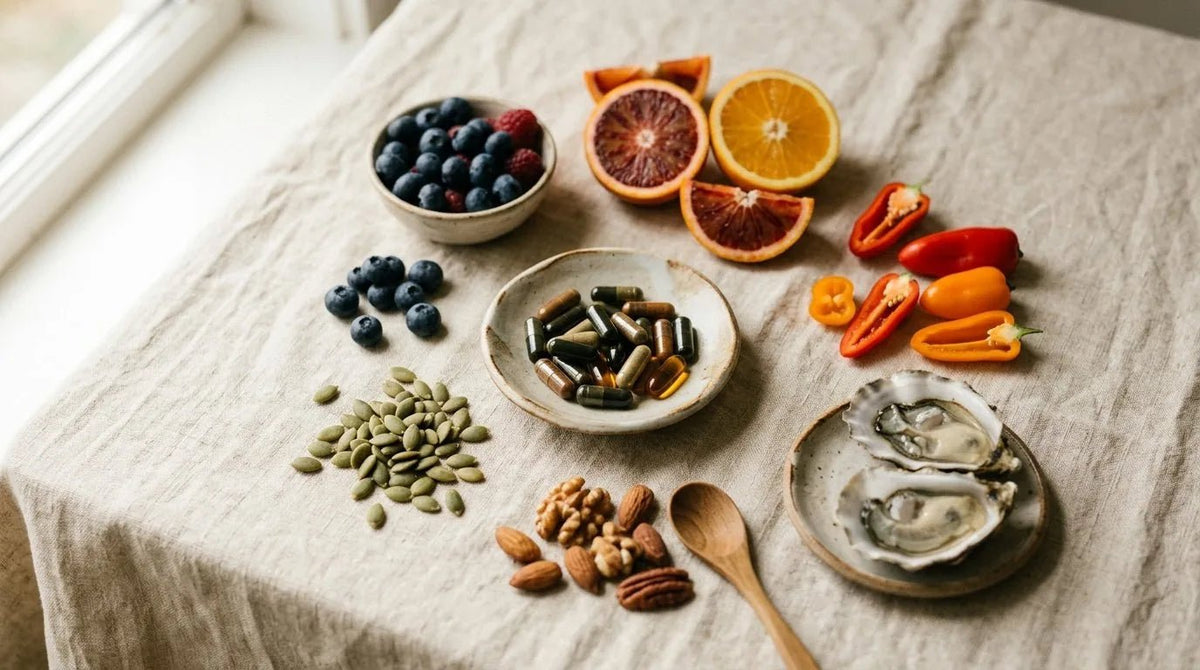
Ernährung bei Endometriose: Was wirklich hilft
EndometrioseJun 3, 20268 min read
Nutrition for Endometriosis: What Really Helps

Anti-inflammatory diet for endometriosis: What omega-3, Mediterranean diet, and co. can achieve according to research, and where the evidence reaches its limits.

Synthetische Kleidung und hormonelle Gesundheit, Symbolbild zu Polyester und Fruchtbarkeit
FruchtbarkeitApr 28, 202511 min read
Polyester and Fertility: What's the Truth About the Hormone Risk?

Does polyester cause infertility? What research reveals about synthetic fibers, microplastics, and hormones, honestly assessed, plus practical steps you can take in everyday life.