

Can nutrition really make a difference with endometriosis? This article shows what research says about anti-inflammatory diets and omega-3s, which dietary patterns are discussed, and what realistic expectations are sensible.
Can diet really make a difference for endometriosis? Many sufferers ask themselves this question, and the answer is more honest than most promises on the internet: diet does not cure endometriosis, but it can be a useful component in influencing inflammation and pain. This article shows what research says about anti-inflammatory diets for endometriosis, and what it doesn't.
What Constitutes an Anti-Inflammatory Diet
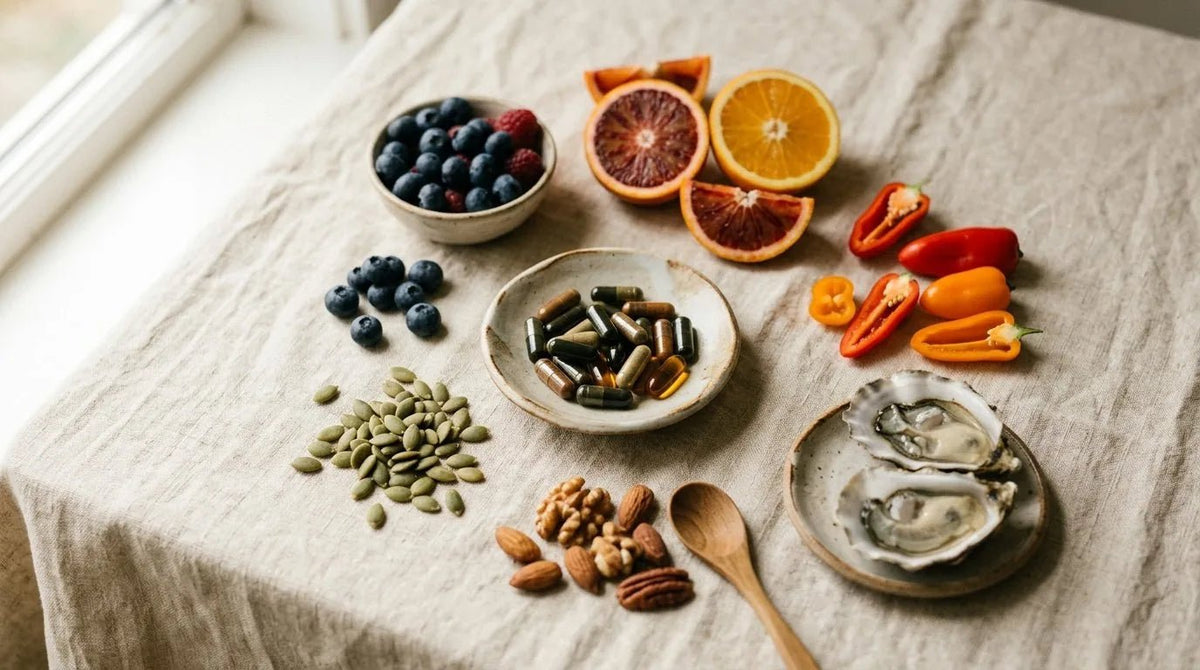
At its core, it's not about a strict diet, but a pattern. An anti-inflammatory diet emphasizes plenty of vegetables, fruits, legumes, whole grains, high-quality vegetable oils, and sources of omega-3 fatty acids like fatty fish, flaxseed, or walnuts. At the same time, highly processed foods, a lot of red and processed meat, and a high proportion of omega-6 fatty acids are reduced.²
This pattern strongly resembles the Mediterranean diet, which is studied in many chronic inflammatory diseases. The idea behind it: omega-3 and omega-6 fatty acids compete for the same enzymes in the body. A more favorable ratio in favor of omega-3 can shift the formation of pro-inflammatory messengers. This is biologically plausible and well-described, but it does not in itself say anything about the strength of the effect in endometriosis.
… omega-3 fatty acids like EPA and DHA compete with omega-6 fatty acids for the same enzymes in the body? If the ratio shifts in favor of omega-3, fewer pro-inflammatory messengers tend to be produced. This is precisely why fish oil and plant-based omega-3 sources are a focus of endometriosis research.²
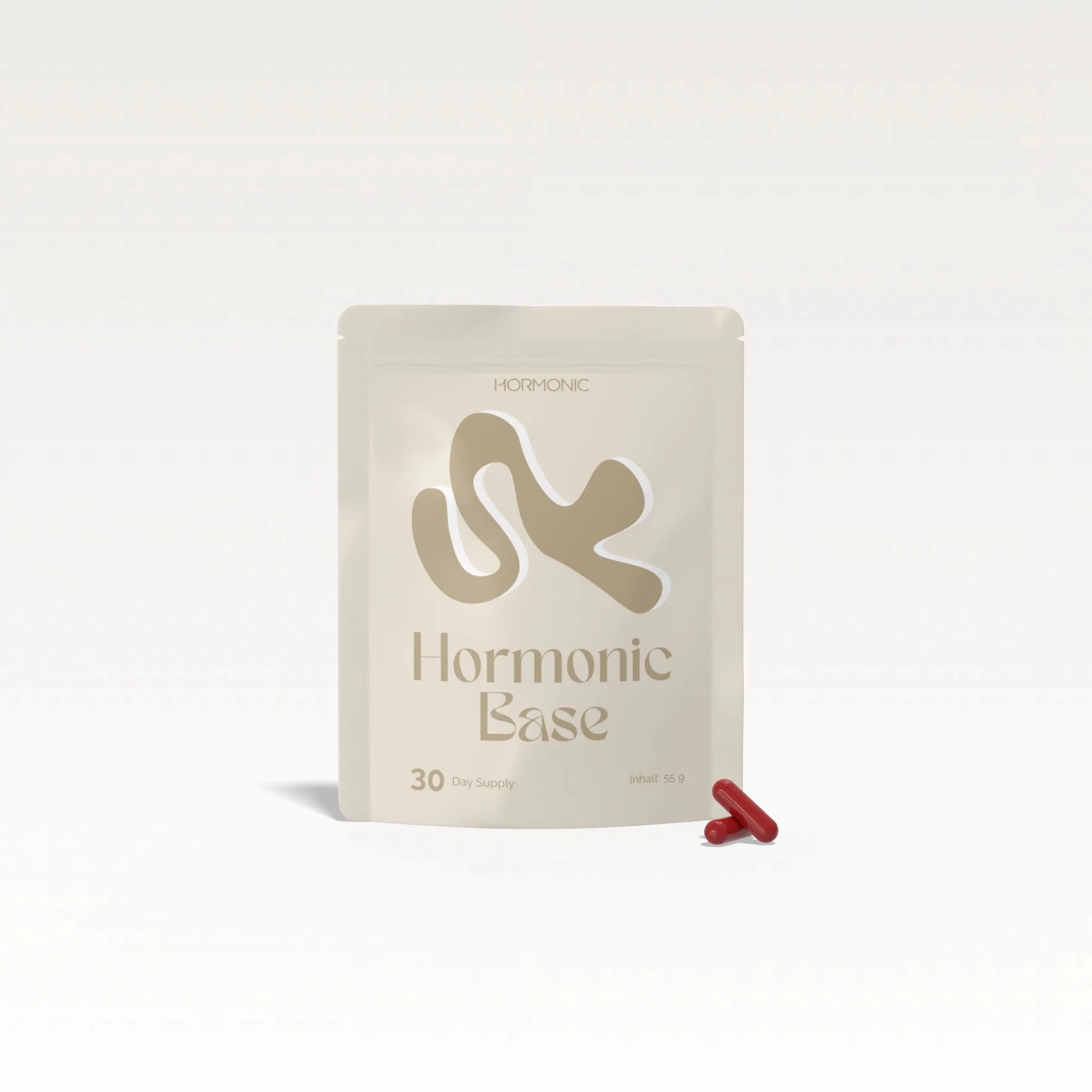
Hormonic Base for your micronutrient foundation
An anti-inflammatory diet can be supplemented with a well-considered micronutrient base. Hormonic Base provides zinc, vitamin D3, and NAC, among others, which are linked to cell protection and inflammatory processes in research. Clearly dosed, without unnecessary additives.
€65,00
Discuss nutrition and endometriosis individually
Our medical team will work with you to determine how nutrition fits into your treatment plan and what to look out for in case of discomfort. Book a free 15-minute initial consultation.
Frequently Asked Questions about Nutrition for Endometriosis
Does diet really help with endometriosis?
What foods are good for endometriosis and which are not?
Welche Rolle spielt Omega-3 bei Endometriose?
Sollte ich bei Endometriose glutenfrei oder Low-FODMAP essen?
Scientific Sources
- Sienko, A. et al. (2023). The effect of two anti-inflammatory dietary components, omega-3 and resveratrol, on endometriosis: a systematic review. Ginekologia Polska. doi:10.5603/GP.a2023.0090
- Effect of omega-3 polyunsaturated fatty acid on endometriosis: a systematic review and meta-analysis (2025). doi:10.1016/j.jff.2025.106621
- Medical Nutrition Therapy in Patients with Obesity and Endometriosis (2025). includes meta-analysis of nine RCTs on supplements and pelvic pain. PMC12417264.
- Nodler, J. L. et al. / Frontiers in Nutrition (2023). The impact of endometriosis on dietary choices and activities of everyday life: a cross-sectional study. doi:10.3389/fnut.2023.1273976
- DGGG, SGGG, OEGGG (2025). S2k Guideline: Diagnostics and Therapy of Endometriosis. AWMF Registry Number 015/045, Version 5.1.
About the Author

You might also be interested in this.

Endometriosis affects one in ten women and is often diagnosed late. Learn why it is so heavily dependent on estrogen and progesterone and what conventional and natural approaches can help.
NAC is considered a supplementary measure for endometriosis. Here's an honest assessment of what studies show regarding pain, endometriomas, and fertility.

Severe period pain is mostly caused by elevated prostaglandins. What causes them and what natural approaches can help according to studies.