


Cart

Your cart is empty

Continue shopping

Popular searches

Featured products

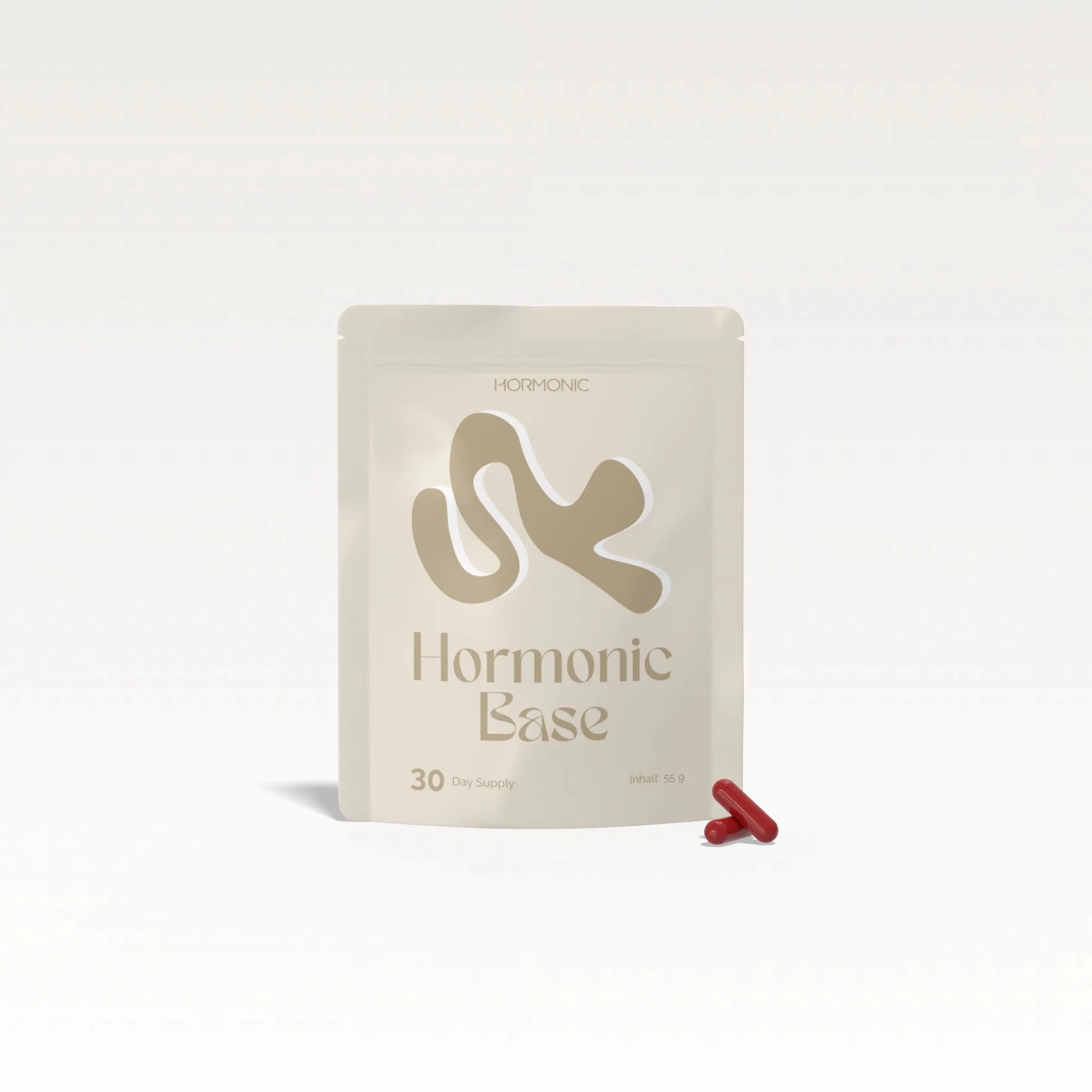
Hormonal Base
Sale price€65,00
(5.0)
Midlife balance
Sale price€75,00
(5.0)
Frau Mitte 40 in heller Küche am Morgen, hält Schälchen mit Supplements, warme Töne, Wechseljahre Magnesium
WechseljahreMay 24, 20268 min read

Magnesium in Menopause: What the Research Says

This article is part of Menopause & Perimenopause: The Complete Medical Guide

Magnesium is one of the most underrated micronutrients during menopause. What research says about sleep, bones, mood, and hot flashes, and what magnesium can realistically do.

Key takeaways

Magnesium is proven to support bone health and can improve sleep quality and mood during menopause. Evidence for a direct effect on hot flashes is limited. Magnesium bisglycinate or citrate are highly bioavailable forms; the recommended daily dose is 300-350 mg.

Did you know?

that around 60% of postmenopausal women report sleep disturbances. Magnesium, as part of a more comprehensive approach, can help improve sleep quality.

What does magnesium have to do with menopause?

Magnesium is involved in over 300 enzymatic reactions in the body. During menopause, when estrogen levels drop and bone metabolism changes, the supply of this mineral can become increasingly relevant. Studies show correlations between magnesium status and sleep, mood, and bone mineral density.¹

You sleep worse, feel more irritable than usual, and your body sometimes feels alien. Much of this is part of perimenopause. What is often overlooked: low magnesium levels can exacerbate several of these symptoms, and they tend to decrease further with age and hormonal changes.

This article explains what research truly says about magnesium and menopausal symptoms, where the evidence is strong, and where it needs to be interpreted cautiously.

What happens in the body: Magnesium and estrogen

Estrogen influences how much magnesium is retained in cells. When estrogen levels drop during perimenopause, magnesium metabolism also changes. On the one hand, less magnesium is absorbed into the cells, and on the other hand, its excretion through the kidneys increases.²

At the same time, magnesium is involved in regulating the hypothalamus, the part of the brain that acts as a thermostat. It binds to the inhibitory neurotransmitter GABA, which can calm the nervous system. And it influences the activity of parathyroid hormone, which is central to bone metabolism.³

Magnesium is not a miracle cure for menopause. But it is a mineral that is often given too little attention during this phase.

Sleep: The strongest evidence

Sleep disturbances are among the most common complaints during peri- and postmenopause. A meta-analysis from 2025 with over 11,000 women showed that perimenopausal women report sleep disturbances significantly more often than premenopausal women. Hot flashes and mood swings play an important role as amplifiers.

Magnesium binds to GABA receptors and activates the parasympathetic nervous system, which has a calming effect. Several studies show that adequate magnesium intake is associated with improved sleep quality. Large direct RCTs specifically in menopausal women are still lacking, but the mechanistic evidence is consistent.

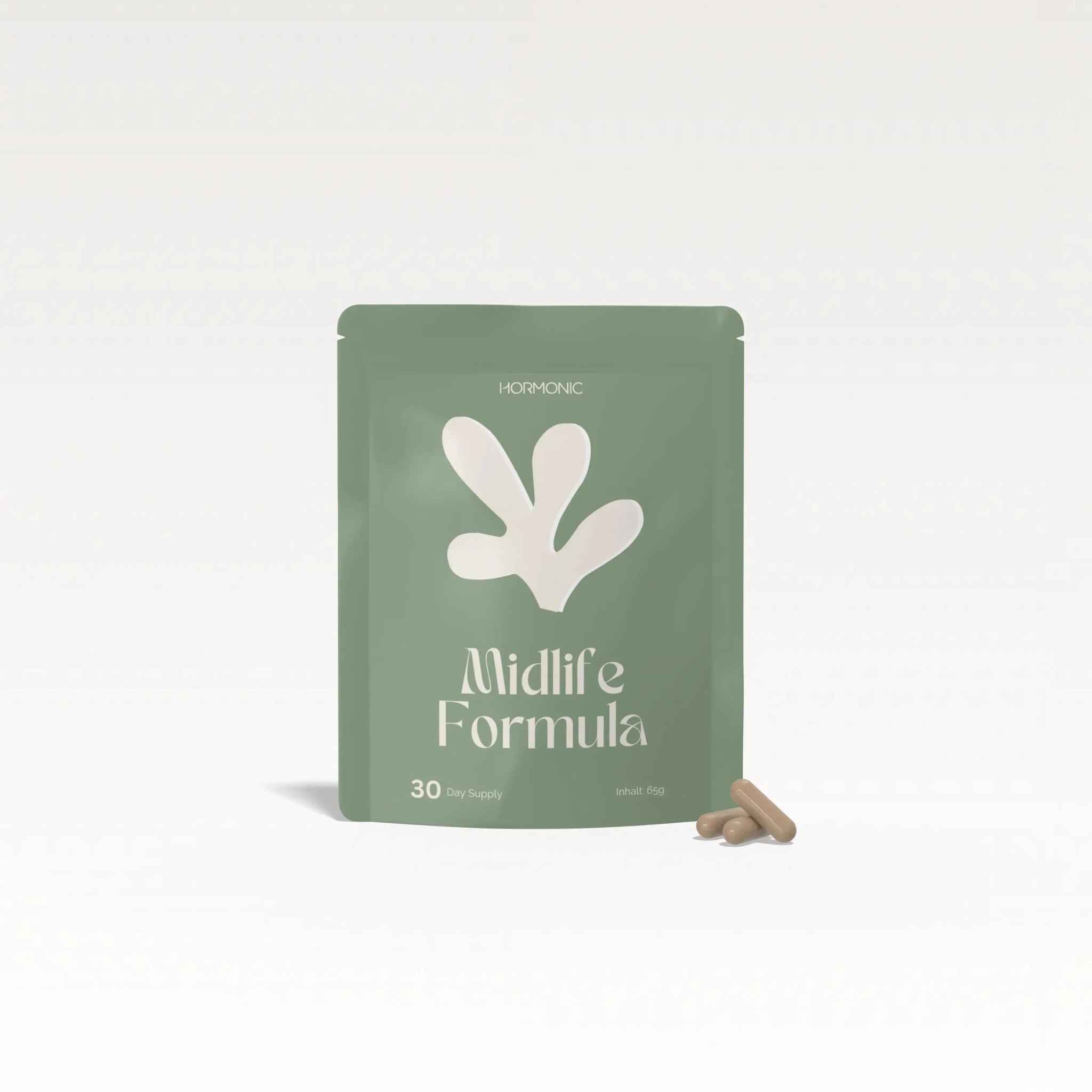
Midlife Formula for Menopause

The Midlife Formula contains nine carefully selected active ingredients, including magnesium, red clover, wild yam, and saffron, tailored to the hormonal changes in peri- and postmenopause.

€75,00

Discover Midlife Formula

Bones: Well-established connections

The evidence for magnesium and bone health is the strongest of all areas. During menopause, bone loss accelerates as estrogen plays a protective role for bone tissue.

Magnesium is directly incorporated into the bone matrix, influences the activity of osteoblasts and osteoclasts, and affects the regulation of vitamin D and parathyroid hormone, both central hormones for calcium metabolism.

The Women’s Health Initiative study of over 73,000 postmenopausal women showed that women with the highest magnesium intake had 3% higher hip bone and 2% higher total body bone mineral density than women with the lowest intake. A systematic review from 2020 confirmed that postmenopausal women with osteoporosis had significantly lower serum magnesium levels.

Hot Flashes: Honest Assessment

An important note is needed here: There are no large randomized controlled trials proving that magnesium directly reduces hot flashes. Those hoping for this should be aware.

What there is: plausible indirect mechanisms. Magnesium regulates the hypothalamus, influences stress hormones, and improves sleep. Since poor sleep, elevated cortisol, and stress reactivity can increase the frequency and intensity of hot flashes, good magnesium supply could indirectly reduce this burden.

For targeted treatment of hot flashes, other approaches, including Menopausal Hormone Therapy (MHT) or herbal preparations such as red clover, are better substantiated. Magnesium can usefully supplement but not replace.

Mood and Exhaustion

Depression and anxiety are more common in perimenopause. Magnesium plays a role in the serotonergic system and the HPA axis (stress axis), which makes the connection to mood plausible. A systematic review of clinical studies from 2023 showed that magnesium supplementation can help with mild to moderate depressive symptoms.

A randomized cross-over design (Tarleton et al., 2017) in 126 adults with mild to moderate depression showed significant improvements compared to the control group. The limitation: These studies were not exclusively conducted on perimenopausal women. The findings are transferable, but direct evidence specifically for this group is limited.

Hormone Consultation with Our Medical Team

Your symptoms, your lab results, your plan. In a personal video consultation, we discuss what's behind your complaints.

Book a consultation

Dosierung, Formen und praktische Tipps

Die empfohlene Tageszufuhr für Frauen liegt laut DACH-Referenzwerten bei 300–350 mg elementarem Magnesium. Viele Frauen erreichen diesen Wert über die Ernährung nicht, besonders wenn grünes Blattgemüse, Nüsse, Hülsenfrüchte und Vollkorn fehlen.

Magnesiumformen im Vergleich

  • Magnesiumbisglycinat: Hohe Bioverfügbarkeit, sehr magenverträglich, besonders für abendliche Einnahme geeignet.
  • Magnesiumcitrat: Ebenfalls gut bioverfügbar, leicht abführende Wirkung bei höherer Dosierung.
  • Magnesiumoxid: Niedrigere Bioverfügbarkeit, häufiger mit Verdauungsbeschwerden verbunden.
  • Magnesiummalat: Gut verträglich, häufig für tagsüber empfohlen.

Wann und wie einnehmen?

Es gibt keine strenge Vorgabe. Für schlafunterstützende Effekte empfiehlt sich die Einnahme abends, nicht auf nüchternen Magen. Bei höheren Dosen über 350 mg kann eine Aufteilung über den Tag sinnvoll sein, um Verdauungsbeschwerden zu minimieren.

Was die Evidenz zusammenfassend zeigt

  • Knochengesundheit: gut belegt durch große Kohortenstudien (Grad B).
  • Schlafunterstützung: mechanistisch plausibel, mehrere Studien unterstützend, direkte RCTs in der Menopause noch ausstehend (Grad B).
  • Stimmungseffekte: klinisch belegt, Übertragbarkeit auf perimenopausale Frauen plausibel (Grad B).
  • Direkte Reduktion von Hitzewallungen: nicht durch RCTs belegt (Grad C, indirekte Mechanismen).

Wann solltest du eine Ärztin oder einen Arzt aufsuchen?

  • Starke Hitzewallungen, die den Alltag erheblich beeinträchtigen, sollten ärztlich besprochen werden, da wirksamere Optionen wie MHT zur Verfügung stehen.
  • Anhaltende Schlafstörungen trotz guter Schlafhygiene und Supplementierung verdienen einen Arztbesuch.
  • Nierenerkrankungen oder bestimmte Medikamente: Magnesium nur nach ärztlicher Rücksprache ergänzen.
  • Verdacht auf Osteoporose erfordert eine Knochendichtemessung, nicht nur Supplementierung.

Frequently Asked Questions About Magnesium in Menopause

How much magnesium should I take during menopause?

The recommended daily intake for women is 300-350 mg of elemental magnesium. During menopause, the requirement can increase. Many women report good tolerance with 300-400 mg daily. The specific dosage should be discussed individually with a doctor.

Does magnesium help with hot flashes?

Direct evidence is limited. There are no large randomized studies demonstrating a direct effect on vasomotor symptoms. Indirectly, magnesium may help because it affects sleep, stress response, and mood. For targeted treatment of hot flashes, other measures are better substantiated.

Scientific Sources

  • Al Alawi A.M. et al. (2018). Magnesium and Human Health. Int J Endocrinol. doi:10.1155/2018/9041694
  • Vormann J. (2003). Magnesium: nutrition and metabolism. Mol Aspects Med. doi:10.1016/s0098-2997(02)00089-4
  • Orchard T.S. et al. (2014). Magnesium intake, BMD, fractures: WHI. Am J Clin Nutr. doi:10.3945/ajcn.113.067488
  • Zeng W. et al. (2025). Sleep disorders in perimenopausal women: meta-analysis. Front Neurol. doi:10.3389/fneur.2025.1460613
  • Liu L. et al. (2024). Magnesium in the pathogenesis of osteoporosis. Front Endocrinol. doi:10.3389/fendo.2024.1406248
  • Chang J. et al. (2020). Serum Magnesium and Postmenopausal Osteoporosis. Front Med. doi:10.3389/fmed.2020.00381
  • Rondanelli M. et al. (2022). Magnesium and Osteoporosis. Nutrients. doi:10.3390/nu14234945
  • Tarleton E.K. et al. (2017). Magnesium supplementation and depression RCT. PLOS ONE. doi:10.1371/journal.pone.0180067

About the Author

Amelie Weiss

Nutritionist · Hormonic

Amelie Weiss is a nutritionist at Hormonic. She focuses on the role of micronutrients in hormonal health and provides evidence-based guidance to women through various life stages.

Hinweis: Dieser Artikel basiert auf aktuellen Leitlinien und wissenschaftlichen Arbeiten (Stand 2026). Er dient ausschließlich zu Informationszwecken und ersetzt keine ärztliche Beratung, Diagnose oder Behandlung.

Share

You might also be interested in this.

Wechseljahre & Perimenopause: Der komplette medizinische Guide
WechseljahreApr 15, 20268 min read
Menopause & Perimenopause: The Complete Medical Guide

What happens during menopause? Stages, symptoms, recognizing perimenopause & what really helps. Medically explained, scientifically proven

Hitzewallungen: Was im Körper passiert und was wirklich hilft
WechseljahreJun 1, 20268 min read
Hot flashes: What happens in the body and what really helps

Hot flashes during and before menopause: What happens hormonally, which measures truly help, and when other causes should be investigated.
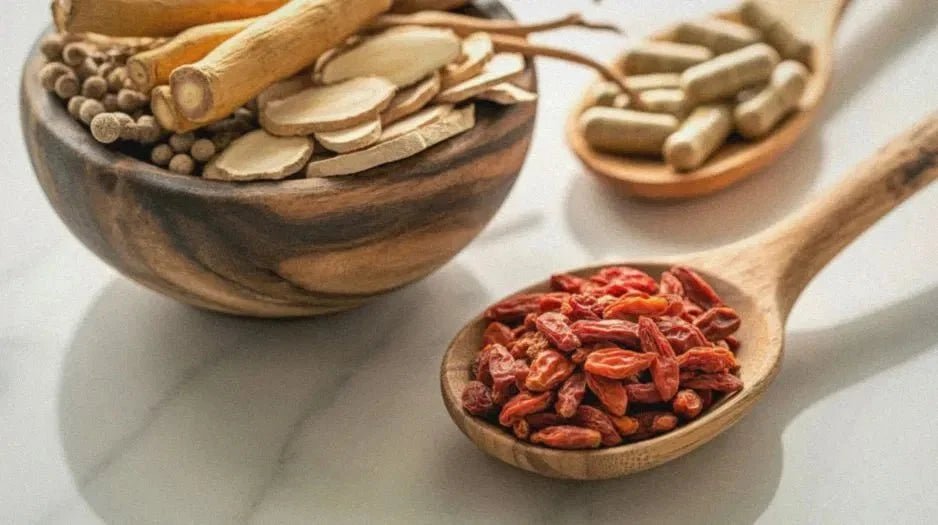
Pflanzenstoffe in den Wechseljahren
WechseljahreNov 16, 202527 min read
Plant substances during menopause

What helps with hot flashes, mood swings, or sleep disturbances? Studies show: These plant-based substances can support you during menopause.