

Cart

Your cart is empty

Continue shopping

Trending searches

Featured products

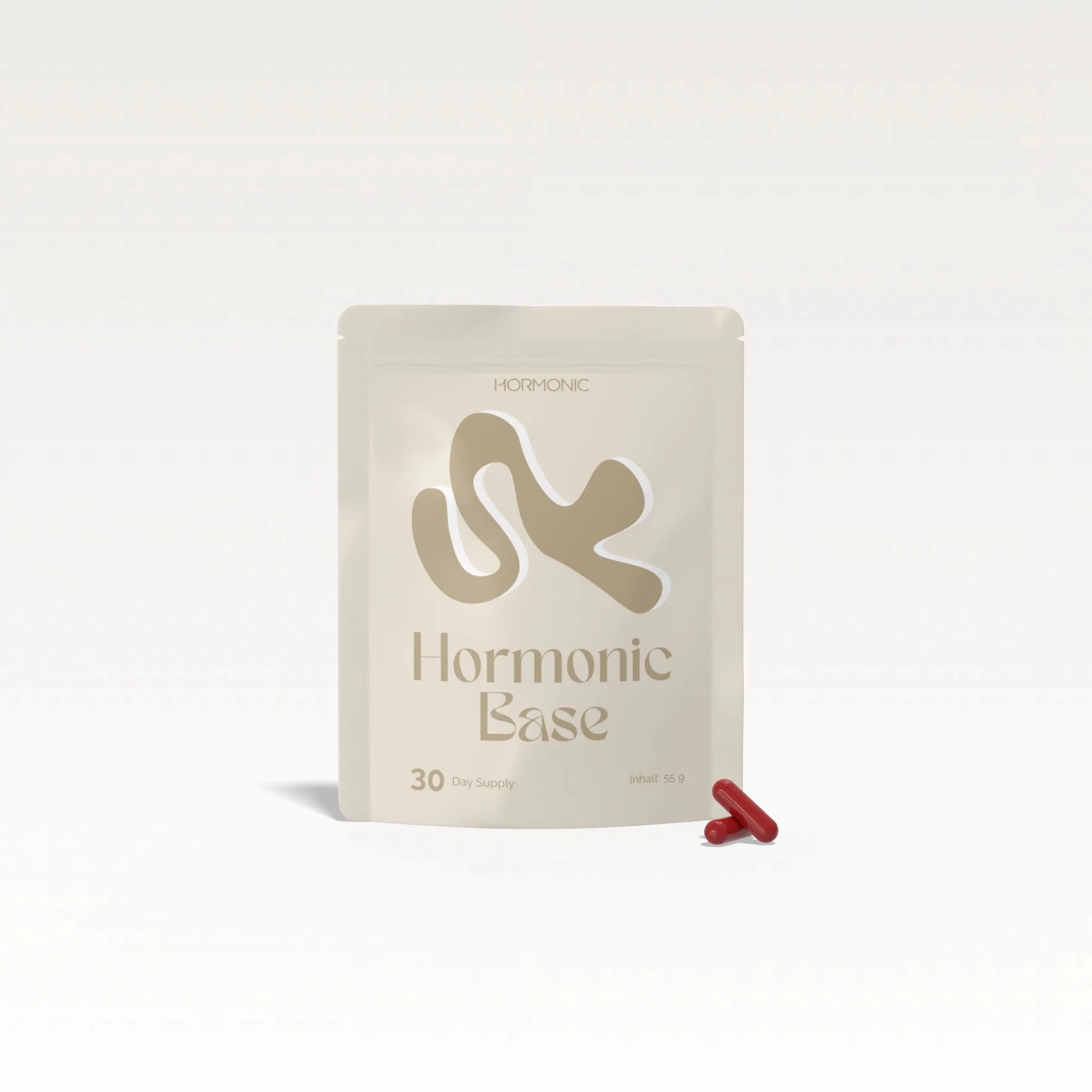
Hormonic Base - Hormonic - Nahrungsergänzungsmittel
Sale price€65,00
(5.0)
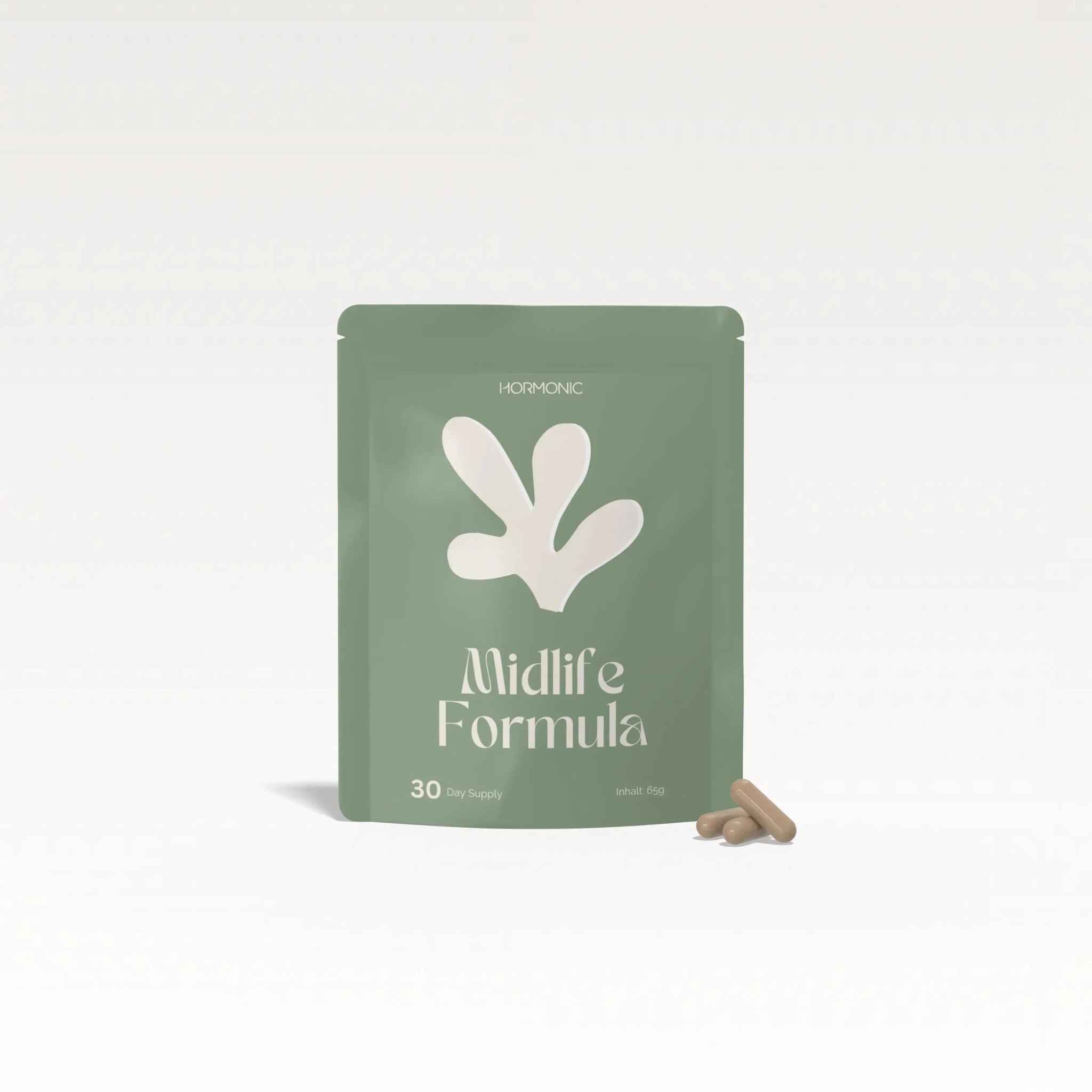
Midlife Formula - Hormonic - Nahrungsergänzungsmittel
Sale price€75,00
(5.0)
Wechseljahre & Perimenopause: Der komplette medizinische Guide - Hormonic
WechseljahreApr 15, 20268 min read

Menopause & Perimenopause: The Complete Medical Guide

Many women experience the onset of menopause as something that catches them unprepared. Not because of the symptoms themselves, but because nobody explained what is biologically happening. This medical guide explains what is going on in your body, when perimenopause begins, which symptoms are typical, and what research says about effective support.

Key takeaways

Menopause is a hormonal transition, not a defect. It usually begins between 40 and 45 with perimenopause, during which estrogen and progesterone fluctuate and decrease. Many symptoms appear years before the last period. What helps ranges from diet, exercise, and targeted micronutrients to hormone therapy, which should be individually weighed by a doctor.

Menopause

Many women experience the onset of menopause as something that catches them unprepared. Not because of the symptoms themselves, but because no one explained what is biologically happening. Poor sleep, which they blame on stress. Mood swings that feel like depression. Hot flashes that wake them up at night. And the feeling of no longer knowing their own body.

This is not a weakness. It is a hormonal transition that affects almost every organ system and is often not taken seriously enough in medical care. This medical guide explains what happens in your body, when perimenopause begins, what symptoms are typical, and what research says about effective support.

What is menopause? A medical classification

The term "Wechseljahre" (change of years) is commonly used in everyday language, but in medicine, a more precise distinction is made. Climacteric refers to the entire transitional phase, from the first hormonal changes until several years after the last period. Menopause itself is just a single point in time: the day of the last menstruation, retroactively confirmed when no bleeding has occurred for 12 months.

In Germany, the average age of the last period is 51, with a significant range from 40 to 58 years. Around 1 percent of women experience premature menopause before the age of 40 (Premature Ovarian Insufficiency, POI), which should always be medically clarified.

The central mechanism: As women age, the ovaries produce less estrogen and progesterone. This decline is not a failure, but a pre-programmed physiological process. However, it has consequences for bones, the cardiovascular system, the brain, mucous membranes, and mood, because estrogen receptors are distributed throughout the body.

What is the difference between perimenopause and menopause?

Perimenopause is the transitional phase before the last period. It can last 4 to 7 years and is characterized by irregular cycles, fluctuating hormone levels, and the appearance of the first symptoms. Menopause is the date of the last period. Postmenopause begins afterward and can last for decades.

Important: Many complaints that women describe as menopausal symptoms already occur in perimenopause, often years before the last period arrives. Those who wait for their period to stop before seeking support wait too long. You can find more about this in the article Perimenopause vs. Menopause: The differences explained clearly.

When does menopause begin?

The first phase, perimenopause, begins for most women between 40 and 45 years old, and for some, as early as their late 30s. The first reliable indication is changes in the menstrual cycle: shorter or longer intervals, heavier or lighter bleeding, and the first occurrence of spotting.

Phase Period Typical signs
Premenopause Reproductive phase, approx. 18 to 40 years Estrogen regular and cyclical, normal cycle
Perimenopause Approx. 4 to 7 years before the last period Estrogen highly fluctuating with a downward trend, cycle irregularities, first symptoms
Menopause Date of the last period Estrogen significantly decreased
Postmenopause From 12 months after the last period Estrogen permanently low, symptoms often more stable, new long-term risks for bones and heart
Good to know

In Germany, the average age of the last period is 51, with a range of 40 to 58 years. Approximately 1 percent of women experience premature menopause before the age of 40 (Premature Ovarian Insufficiency, POI). This should always be medically investigated.

Perimenopause: The Underestimated Phase

Perimenopause is the most clinically complex and often overlooked phase. Estrogen levels do not steadily decline but rather fluctuate up and down, with sometimes strong short-term increases. Precisely these hormonal fluctuations are responsible for many typical symptoms: hot flashes, sleep disturbances, irritability, breast tenderness, and headaches.

Progesterone typically drops earlier and faster than estrogen. The relative excess of estrogen compared to progesterone, also known as estrogen dominance, can explain symptoms such as mood swings, water retention, and increased bleeding.

Analyses from the Study of Women's Health Across the Nation (SWAN) show that vasomotor symptoms like hot flashes begin in a significant proportion of women 6 to 7 years before menopause, i.e., in the middle of perimenopause.

Recognizing Perimenopause: The First Signs

Perimenopause often announces itself subtly. The most common early signs:

  • Cycle Changesare the most reliable first signal. Shorter cycles (under 25 days), longer intervals (over 35 days), heavier or lighter bleeding – all of this can occur in early perimenopause, long before hot flashes begin.
  • Sleep Problemsoften start before other typical symptoms, especially frequent waking in the second half of the night.
  • Mood Changes and Increased Irritabilitythat cannot be explained by external stressors are an underestimated early sign, especially in the premenstrual phase. PMS often becomes more severe during perimenopause.

When is a Hormone Test Useful?

A hormone test (FSH, estradiol, TSH, possibly AMH) is useful for symptoms before age 40, for an unclear cause of cycle changes, or if you want to make an informed decision about support measures. However, hormone levels alone are not an absolute diagnostic criterion, and differentiating from other possible causes is always important.

If a hormone test is an option for you, it can now also be conveniently performed with a high-qualityAt-Home Diagnostic Kit from Hormonic.

How long does menopause last?

The entire transition, from the first perimenopause symptoms to stable postmenopause, lasts an average of 7 to 14 years. Vasomotor symptoms like hot flashes and night sweats last a median of 7.4 years, according to an analysis in the journal JAMA Internal Medicine, and significantly longer for some women. The goal is not to endure this phase, but to go through it informed and strengthened.

By women doctors for women in menopause

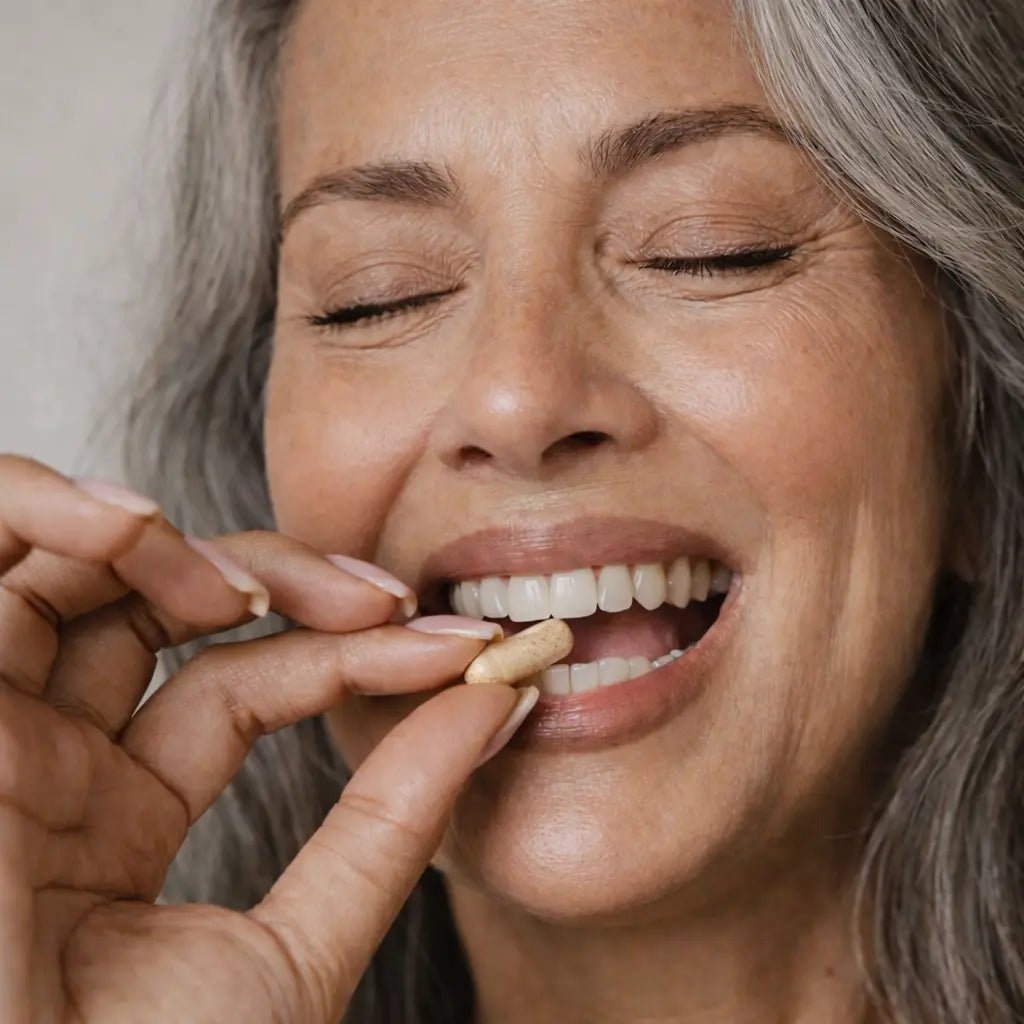
Nine targeted micronutrients, clinically proven for women undergoing hormonal changes who are experiencing changes in energy, weight, sleep, or concentration. With red clover isoflavones, saffron, wild yam, and creatine.

€75,00

Discover now

The most common symptoms of menopause

The decline in estrogen and progesterone affects not just one organ, but the entire body. Clinically, 34 symptoms are often described that can occur during this phase. Here are the most common ones with their mechanisms, although fortunately not all women experience all symptoms:

Vasomotor and Sleep

  • Hot flashes: sudden sensations of warmth in the upper body and face, often with redness and sweating, triggered by a drop in estrogen and disrupted thermoregulation in the hypothalamus.
  • Night sweats: the nocturnal version of hot flashes, often associated with sleep interruptions.
  • Sleep disturbances: both due to night sweats and the direct influence of estrogen on sleep architecture and melatonin production.

Psychological and cognitive

  • Mood swings and irritability: progesterone has a calming effect; its decline affects GABA receptors.
  • Anxiety: especially in early perimenopause, often not recognized as hormone-related.
  • Brain fog, concentration, and memory problems: estrogen influences neurotransmitters such as serotonin, dopamine, and acetylcholine. Studies show mostly reversible cognitive changes during the transition.

Body, metabolism, and bones

  • Joint pain and stiffness: estrogen has anti-inflammatory effects and protects cartilage tissue; its decline increases inflammatory markers.
  • Muscle loss: estrogen affects muscle protein synthesis; muscle breakdown (sarcopenia) accelerates after menopause.
  • Vaginal dryness and loss of libido: due to estrogen decline in the mucous membranes, plus hormonal, psychological, and relational factors.
  • Weight gain, especially around the abdomen: estrogen regulates fat distribution; its decline shifts fat storage to the midsection, often accompanied by decreased insulin sensitivity.
  • Palpitations and increased risk of osteoporosis: estrogen modulates the autonomic nervous system and protects bones. Bone loss accelerates significantly after menopause, with the first 5 years being particularly critical.

Which signs should be checked by a doctor

Most of these symptoms are physiologically explainable and part of the normal transition. However, you should always have certain signs checked by a doctor:

  • Very heavy or very irregular bleeding, any bleeding after menopause always.
  • Chest pain or heart palpitations with dizziness or fainting.
  • Depressive episodes that go beyond low spirits.
  • Hot flashes before the age of 40 (POI clarification).
  • Significant cognitive changes (to differentiate from thyroid issues and sleep apnea).

What happens hormonally in the body: the mechanism

The reproductive hormone system functions via an axis: hypothalamus, pituitary gland, ovary. The hypothalamus sends GnRH, the pituitary gland responds with FSH and LH, and the ovaries then produce estrogen and progesterone.

In perimenopause, the ovaries respond more weakly to FSH due to dwindling follicle reserves. The pituitary gland compensates by releasing more FSH. This is why an elevated FSH level in the blood is an early indicator of the onset of perimenopause. Estradiol, the most biologically active form of estrogen, decreases from an average of 100 to 200 pg/ml to below 20 pg/ml in postmenopause.

Why hot flashes occur

The hypothalamus regulates body temperature via a so-called thermoneutral zone, an area where no countermeasures are needed. Estrogen deficiency narrows this zone. Even small temperature fluctuations or stress impulses then trigger a cooling reflex: peripheral blood vessels dilate, sweat glands are activated, and that is the hot flash. Certain neurons in the hypothalamus (neurokinin B neurons) fire more strongly when estrogen is low and contribute to hot flashes, which is why they are being researched as a possible treatment approach.

What the brain has to do with menopause

A lot. Estrogen modulates the release of serotonin, dopamine, and acetylcholine, three neurotransmitters central to mood, motivation, and memory. For most women, cognitive symptoms are reversible and stabilize in postmenopause. However, this is no reason to ignore them. They are real, measurable, and deserve support.

What really helps: the scientific overview

The research is clear: several approaches have a solid evidence base for improving perimenopausal symptoms. Here is an overview; further details can be found in the linked sub-articles.

  • Diet plays an underestimated role. Phytoestrogens from soy, flaxseed, and legumes have been linked in several studies to a lower incidence of hot flashes. Protein is particularly important during this phase because protecting muscle mass requires higher intake. More on this in the article Nutrition in Menopause.
  • Sleep hygiene and sleep strategies are effective for menopause-related sleep disturbances, as a supplement, not a replacement for treating hormonal causes.
  • Regular exercise, especially strength and endurance training, has proven positive effects on bones, cardiovascular system, mood, and body composition.
  • Micronutrients such as magnesium, vitamin D, B vitamins, and soy isoflavones are particularly relevant during this phase. The Midlife Formula was developed to support women in this transitional phase with nine targeted micronutrients.

When is hormone therapy appropriate?

Hormone replacement therapy, now more correctly referred to as Menopausal Hormone Therapy (MHT), is, according to current guidelines (AWMF S3, IMS, NICE), the most effective medical treatment for vasomotor symptoms and urogenital atrophy. The decision is individual and should be discussed with an experienced gynecologist. Benefits and risks must be weighed against personal factors, such as family history, risk profile, and symptom severity.

The previously widespread skepticism towards hormone therapy was based on a misinterpretation of the WHI study from 2002. Later re-analyses show a more differentiated picture, especially for women under 60 or within 10 years after menopause. Details can be found in the article Hormone Replacement Therapy: Benefits and Risks.

Herbal alternatives to hormone therapy

Natural approaches can be particularly interesting for women with mild to moderate symptoms, as well as for those who do not wish for hormone therapy or are not suitable for it due to health reasons. These include:

  • Phytoestrogens (isoflavones from soy and red clover): they contain plant substances that resemble estrogen, bind to receptors, and can alleviate the estrogen drop. Studies showed moderate effects in reducing hot flashes, especially in women with a higher baseline frequency.
  • Black cohosh (Cimicifuga): the evidence base is smaller, but in German-language guidelines, it is considered a possible option for neurovegetative symptoms such as hot flashes and sweating.
  • Wild yam (Diosgenin): considered a precursor to progesterone and showed supportive effects in studies on mood swings, breast tenderness, and water retention, typical for the early phase.
  • Saffron: known for its effect on emotional balance. It can support the availability of serotonin and dopamine and showed effects in studies, particularly for irritability, low mood, and inner restlessness. The evidence concerns mood, not hot flashes.
  • B vitamins (B6, B12, folic acid): important for the nervous system, supportive for fatigue and the regulation of hormone activity, especially B6.
  • Zinc and magnesium: zinc is important for skin, hair, and hormone production; magnesium (as glycinate or citrate) can relax muscles and nerves, helpful for leg cramps and sleep problems.
  • Creatine: especially as monohydrate, research suggests it can support the preservation of muscle mass and bone density, which becomes more difficult due to estrogen decline.

The mentioned active ingredients are included in the Hormonic Midlife Bundle. Those looking for targeted support for metabolism will find the Midlife Shape Bundleoptimal. Important note: food supplements do not replace a healthy lifestyle with a stable foundation of sleep, exercise, and diet. They also do not replace medication but can play a supportive role in a hormone-conscious routine.

Menopause doesn't have to feel like a mystery.

Book a free video consultation with one of Hormonic's doctors now. We will listen to you, assess your situation, and show you what steps make sense for you. No waiting times, comfortably from home.

Secure your free initial consultation

Conclusion

Menopause is not a defect or a condition you simply have to endure. It is a hormonal transition that can be understood and managed. Those who recognise early what is happening in their body can react more precisely instead of attributing symptoms to stress or chance.

What helps is rarely a single measure. Nutrition, exercise, sleep, targeted micronutrients and, where appropriate, a medically supervised hormone therapy intertwine. The best first step is an informed assessment of your personal situation.

All articles about menopause and perimenopause

This guide is your starting point. For the individual topics, you will find in-depth articles here, sorted by area:

Understanding basics and phases

Symptoms and complaints

Nutrition, supplements and long-term health

Therapy and Medicine

Frequently Asked Questions about Menopause

When does menopause begin?

Perimenopause usually begins between the ages of 40 and 45 for most women. The average age of the last period in Germany is 51. The first signs are changes in the menstrual cycle and sleep problems, often years before hot flashes occur.

How long does menopause last?

The entire transition lasts an average of 7 to 14 years. According to current research, hot flashes and night sweats last a median of about 7 years, significantly longer in some women, even in postmenopause.

Sind Wechseljahre vor dem 45. Lebensjahr normal?
Perimenopause-Symptome vor 45 sind nicht selten, sollten aber ärztlich eingeordnet werden. Eine vorzeitige Menopause (POI) vor dem 40. Lebensjahr betrifft etwa 1 Prozent der Frauen und hat andere Behandlungsempfehlungen, darunter eine klare Empfehlung zur Hormontherapie bis zum normalen Menopausealter, um Knochen und Herz zu schützen.
Was hilft gegen Hitzewallungen in den Wechseljahren?
Die wirksamste medikamentöse Behandlung ist die Menopausale Hormontherapie (MHT), sie ist jedoch auch mit Risiken verbunden. Nicht-hormonelle Optionen mit Evidenz umfassen Phytoöstrogene (Soja-Isoflavone), bestimmte Antidepressiva (SSRI, SNRI), Gabapentin sowie Lebensstilmaßnahmen wie Kleidung im Zwiebellook, Kühlstrategien und das Vermeiden von Alkohol.
Braucht man eine Hormontherapie in den Wechseljahren?
Nicht zwingend. Die Entscheidung ist individuell. Die MHT ist die wirksamste Option bei starken vasomotorischen Symptomen und urogenitaler Atrophie, hat aber Kontraindikationen. Für leichte bis mittlere Beschwerden gibt es evidenzbasierte Alternativen. Eine ärztliche Beratung ist der richtige Ausgangspunkt.

Scientific Sources

  • Avis NE, Crawford SL, Greendale G, et al. (2015). Duration of Menopausal Vasomotor Symptoms Over the Menopause Transition. JAMA Internal Medicine, 175(4), 531-539. doi:10.1001/jamainternmed.2014.8063
  • Franco OH, Chowdhury R, Troup J, et al. (2016). Use of Plant-Based Therapies and Menopausal Symptoms: A Systematic Review and Meta-analysis. JAMA, 315(23), 2554-2563. doi:10.1001/jama.2016.8012
  • Rossouw JE, Anderson GL, Prentice RL, et al. (2002). Risks and Benefits of Estrogen Plus Progestin in Healthy Postmenopausal Women (Women's Health Initiative). JAMA, 288(3), 321-333. doi:10.1001/jama.288.3.321
  • Leach MJ, Moore V. (2012). Black cohosh (Cimicifuga spp.) for menopausal symptoms. Cochrane Database of Systematic Reviews, CD007244. doi:10.1002/14651858.CD007244.pub2
  • DGGG, AWMF (2020). S3 Guideline Peri- and Postmenopause: Diagnostics and Interventions. AWMF Register number 015-062.

About the Author

Lisa Maria Emmer

Lisa Maria Emmer

Founder · Doctor · Hormonic

Lisa Maria Emmer is co-founder and medical director at Hormonic. She supports women with hormonal problems every day and specializes in cycle health, PCOS, and menopause.

Note: This article is based on current guidelines and scientific work (as of 2026). It is for informational purposes only and does not replace medical advice, diagnosis, or treatment.

Share