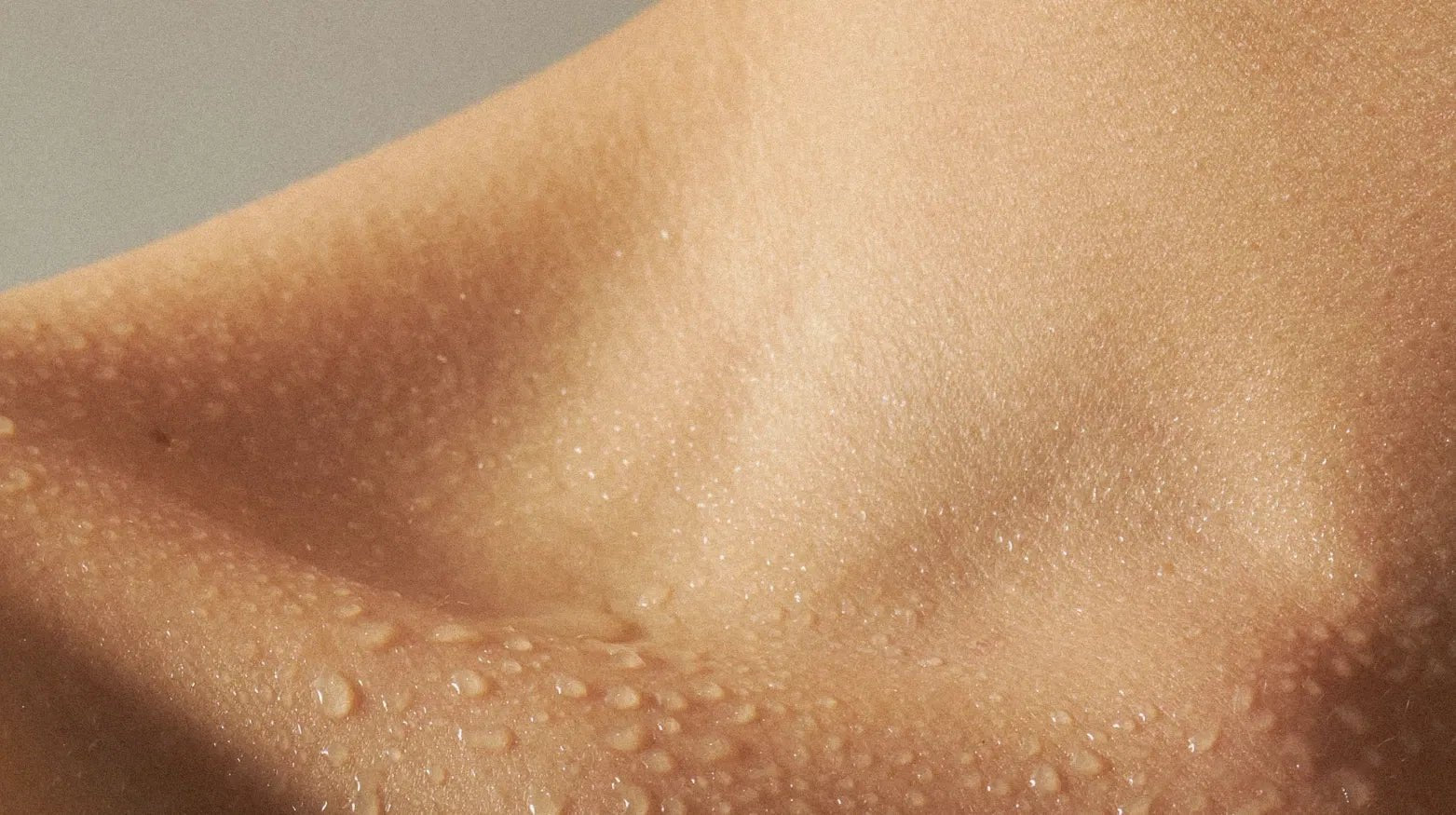
Hot flashes occur when declining estrogen levels disrupt temperature regulation in the hypothalamus. This article explains the exact mechanism and what measures research shows really help.
Key takeaways
Up to 80% of women experience hot flashes during menopause. The cause is a thermoneutral zone in the brain that is narrowed due to estrogen deficiency. MHT is the best-proven treatment; additionally, phytoestrogens, Cimicifuga, non-hormonal medications, and lifestyle measures can be considered.
It happens out of the blue. A wave of heat rising from your chest, flushing your face, and drenching you in sweat within seconds: in the middle of a meeting, while trying to fall asleep, or at 3 a.m. Hot flashes are among the most common and distressing symptoms of menopause. And yet, they are often dismissed: "That's just how it is," "It will pass," or even more frustratingly, "You just have to live with it."
That is not true. You do not have to live with it without understanding what is happening in your body and what you can actually do about it. This article explains the exact physiological mechanism behind hot flashes, why they occur during menopause, what other causes may exist, and which measures research actually classifies as effective.
What happens in the body during a hot flash?
Hot flashes are no coincidence. They are based on a precise neurological mechanism that is well-documented in research.
Your hypothalamus acts as a thermostat for your body. It defines a so-called thermoneutral zone, a temperature range in which your system remains stable without active cooling measures. Normally, this zone is about 0.4 °C wide. As long as your body temperature is within this range, nothing happens. If you exceed the upper limit, the hypothalamus activates cooling mechanisms: sweating, increased skin blood flow, and vasodilation.
In women with hot flashes, this thermoneutral zone is drastically narrowed, sometimes to nearly zero. The smallest temperature fluctuations, which would trigger no reaction in other people, immediately trigger an overreaction from the hypothalamus: massive vasodilation at the body's surface, sweating, and the subjective feeling of intense heat.
As estrogen drops, the thermoneutral zone narrows. Even minimal temperature fluctuations push the body into a cooling response: the hot flash.
The decisive mechanism behind this was fundamentally described by Rance et al. (2010): Neurokinin B (NKB), a neuropeptide from the so-called KNDy neurons (kisspeptin/neurokinin B/dynorphin) in the hypothalamus, plays a central role. These neurons regulate the release of GnRH (gonadotropin-releasing hormone), which in turn controls the hormone production of the ovaries. If estrogen drops, the KNDy neurons lose their inhibitory feedback. They become overactive, release increased amounts of neurokinin B, and this overactivation triggers the hot flash via connections to thermoregulatory centers.²
Due to the drop in estrogen, your body's thermostat loses its fine-tuning and immediately jumps into emergency mode at the slightest provocation.
Did you know?
Avis et al. (2015) examined over 1,400 women in the SWAN study program and found that vasomotor symptoms last a median of 7.4 years, and even longer for women affected early. The idea of "a few months, then it's over" does not correspond to the study findings.¹
What helps against hot flashes, scientifically evaluated
Menopausal Hormone Therapy (MHT): most effective proven option
Menopausal Hormone Therapy (MHT), formerly known as HRT, is the most well-documented measure against hot flashes. Meta-analytic evaluations show a reduction in frequency and intensity of 75 to 90% compared to placebo.
MHT is not suitable for all women. Contraindications include certain hormone receptor-positive cancers and thromboembolic diseases. The decision for or against MHT should be made individually with a doctor, based on personal risk factors, the intensity of symptoms, and quality of life.
The AWMF S3 Guideline Peri- and Postmenopause (2020) confirms MHT as an evidence-based first-line option for vasomotor symptoms in appropriate cases.
Black Cohosh (Cimicifuga racemosa)
Cimicifuga racemosa is the most commonly used herbal active ingredient for menopausal symptoms in Germany and is hormone-free. The data is mixed: several studies observed a moderate relief of hot flashes, while others showed no clear effect beyond placebo. Cimicifuga is classified in current guidelines as an option for mild to moderate symptoms but should be used under medical supervision in cases of liver disease and in combination with other medications.
Phytoestrogens and Soy Isoflavones: what does research say?
Phytoestrogens are plant compounds that are structurally similar to human estrogen and bind weakly to estrogen receptors, particularly the ERβ receptor, which is expressed, among other places, in the hypothalamus. The best-known group are soy isoflavones (Genistein, Daidzein).
The Cochrane Review by Lethaby et al. (2007) analyzed 30 randomized studies on phytoestrogens and vasomotor symptoms. The result: There is evidence of a reduction in the frequency of hot flashes compared to placebo, especially with standardized isoflavone extracts with documented dosages. These are also the isoflavone extracts contained in theHormonic Midlife Formula.
An important individual factor is equol production: Daidzein from soy is converted into equol, a compound with a stronger affinity for the ERβ receptor, by intestinal bacteria in a portion of the population. Women who can produce equol (about 30 to 50% of the Western population) appear to benefit more from isoflavones in studies.
Targeted micronutrients for the midlife phase: Magnesium, B vitamins, vitamin D, and soy isoflavones, which have been studied in research in connection with menopausal symptoms.
For women for whom MHT is not suitable, there are medically prescribed alternatives. SSRIs and SNRIs (e.g., paroxetine, venlafaxine) affect serotonergic and noradrenergic pathways in the hypothalamus and can reduce frequency and intensity. Gabapentin can dampen thermoregulatory overreactions and is primarily used in the evening for night sweats.
Fezolinetant is a newer NK3 receptor antagonist that specifically targets the neurokinin B pathway, thus directly addressing the neuronal cause described above. This mechanism of action targets the central control center and shows significant efficacy in clinical studies. It is already approved in some countries. All medication options require medical consultation and prescription.
Lifestyle: what is clinically proven
Not every measure marketed as a "natural remedy for hot flashes" is evidence-based. What research does support, however: layering clothing and a cooler bedroom temperature (ideally 16 to 18 °C), because the narrowed thermoneutral zone makes external heat a trigger. In the acute moment, cool air, a handheld fan, or cold water on the wrists and neck can help.
Reduce alcohol: Alcohol dilates peripheral blood vessels and lowers the trigger threshold. Studies show that abstinence from alcohol can significantly reduce the frequency of hot flashes in sensitive women. Regular moderate exercise seems to improve thermoregulation in the long term and reduce the overall symptom burden, while very intensive exertion can trigger hot flashes in the short term. Cognitive Behavioral Therapy (CBT) and mindfulness show a moderate effect on perceived distress in controlled studies.
Micronutrients as part of the overall approach
During menopause, micronutrient needs change. Magnesium is involved in the regulation of the nervous system and neuromuscular transmission and is often insufficiently absorbed. Vitamin D plays a documented role in immune function, muscle strength, and bone health. B vitamins are central to neurotransmitter synthesis and energy metabolism.
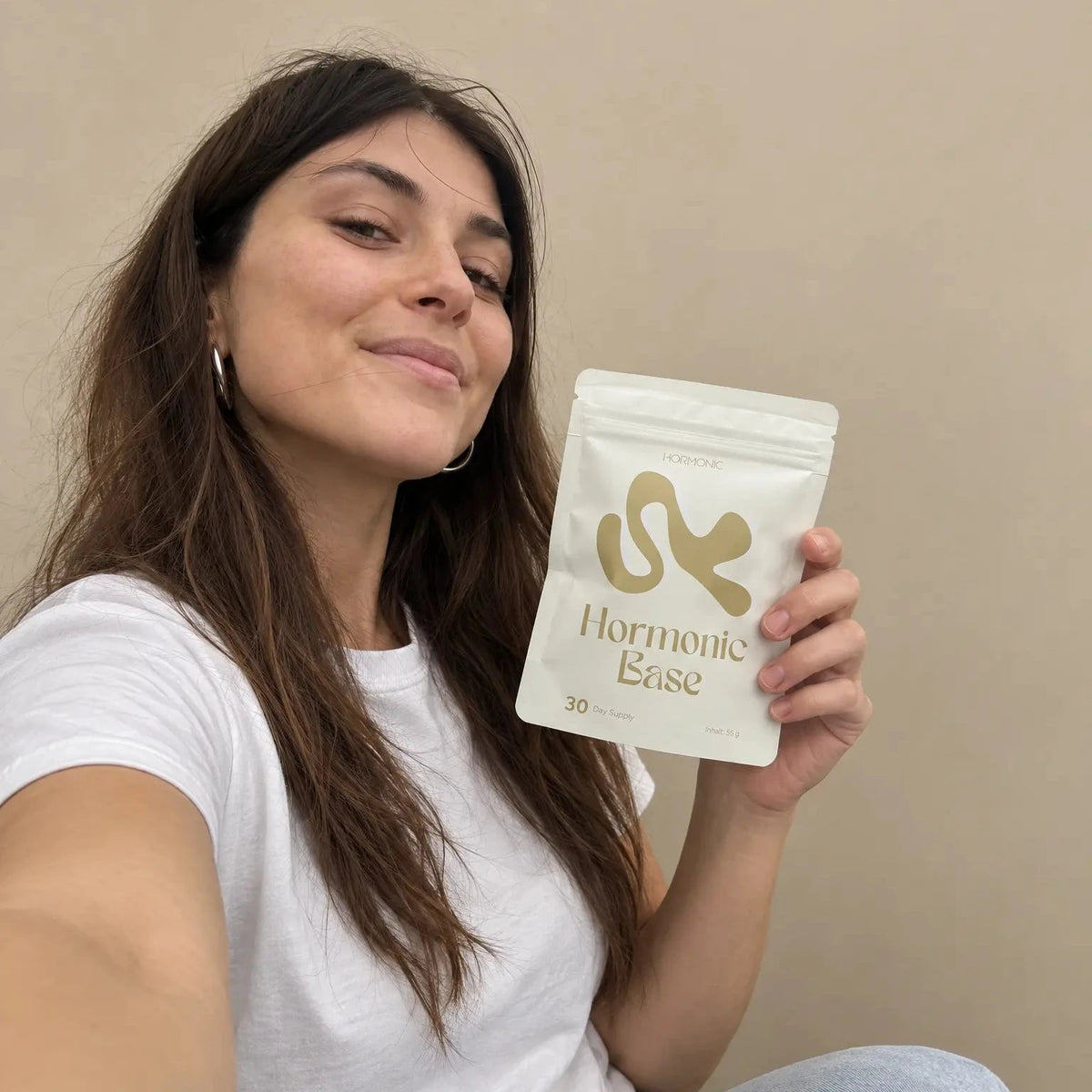
Hormonic Baseforms the daily foundation. Midlife Formula supplements it with specific active ingredients for the midlife phase: from magnesium and B vitamins to vitamin D and soy isoflavones, which have been studied in research related to menopausal symptoms.
Not every hot flash is menopausal in origin. If they occur in younger women or are accompanied by unclear symptoms, other causes should be investigated. An overactive thyroid (hyperthyroidism) increases the basal metabolic rate and can cause hot flashes, sweating and heart palpitations; a TSH blood test provides clarity. Certain medications (SSRIs, SNRIs, tamoxifen, opioids, some blood pressure medications), chronic stress via the HPA axis, PCOS and, rarely, neuroendocrine tumors (carcinoid syndrome) are also possible. Everyday triggers such as alcohol, caffeine and spicy foods additionally lower the reaction threshold.
Night sweats: difference from normal hot flashes?
Night sweats are essentially nocturnal hot flashes, the same physiological mechanism, just during sleep. The difference lies in the consequences: night sweats interrupt sleep, lead to waking up with soaked clothes and have a cumulative effect on the sleep-wake rhythm. Chronic sleep deprivation affects cortisol regulation, insulin sensitivity, mood and cognitive function, thereby intensifying other menopausal symptoms such as brain fog, irritability and weight gain.
When to see a doctor?
A doctor's appointment is advisable if hot flashes occur several times a day or regularly wake you up at night, if accompanying symptoms such as severe heart palpitations, significant weight loss or intense exhaustion occur, if symptoms begin before the age of 40 (clarification of POI) or if the suffering is high. A basic blood count with FSH, estradiol and TSH provides initial orientation. You don't have to navigate this step alone, and there are more options than "just waiting". Our medical team at Hormonic Care will be happy to assist you. You can herebook a free video call with our medical team at any time, who already support hundreds of women during menopause.
Common Questions About Hot Flashes
How long do hot flashes last during menopause?
A single hot flash typically lasts 1 to 5 minutes, sometimes up to 10. According to the SWAN study, hot flashes as a whole phase last a median of over 7.4 years, with great individual variation. Women who start early in perimenopause are often affected for longer.
Can hot flashes occur without menopause?
Yes. Hot flashes can be caused by thyroid diseases, certain medications, chronic stress, alcohol or, more rarely, neuroendocrine diseases. Women under 40 or with unclear accompanying symptoms should seek medical attention.
Sind Soja-Isoflavone bei familiärer Brustkrebsbelastung sicher?
Das sollte individuell mit einer Ärztin oder einem Arzt besprochen werden. Die Forschungslage unterscheidet zwischen Soja-Lebensmitteln (laut internationalen Leitlinien für die meisten Frauen unbedenklich) und hochdosierten Isoflavon-Supplementen (hier ist bei bestimmten Risikoprofilen mehr Vorsicht geboten). Bei bestehender Brustkrebserkrankung oder starker familiärer Vorbelastung ist eine medizinische Beratung vor der Einnahme von Phytoöstrogenextrakten unbedingt ratsam.
Hilft Sport gegen Hitzewallungen?
Regelmäßige, moderate Bewegung scheint die Gesamtsymptomlast langfristig zu reduzieren und wirkt positiv auf Stimmung, Schlaf und Gewicht. Sehr intensive Belastung kann kurzfristig triggern. Training am frühen Morgen oder Abend, wenn die Körperkerntemperatur stabiler ist, vertragen viele Frauen besser.
Sind Hitzewallungen ein Zeichen für etwas Ernstes?
Hitzewallungen selbst sind nicht gefährlich. Häufige und intensive vasomotorische Symptome deuten in einigen Studien aber auf eine veränderte kardiovaskuläre Reaktivität hin, ein Grund, das Thema ärztlich zu besprechen, nicht um Panik zu erzeugen, sondern um das Gesamtbild im Blick zu behalten.
Was hilft im akuten Moment gegen eine Hitzewallung?
Im akuten Moment: kühle Luft, ein Handventilator, kaltes Wasser an Handgelenken und Nacken sowie Schichtkleidung, die sich schnell ausziehen lässt. Diese Maßnahmen lindern die Symptome, adressieren aber nicht die zugrundeliegende Ursache.
Scientific Sources
Avis NE et al. (2015). Duration of menopausal vasomotor symptoms over the menopause transition. JAMA Internal Medicine, 175(4), 531–539. doi:10.1001/jamainternmed.2014.8063
Rance NE et al. (2010). Modulation of body temperature and LH secretion by hypothalamic KNDy neurons. Brain Research, 1364, 139–150. doi:10.1016/j.brainres.2010.09.090
AWMF S3 Guideline Peri- and Postmenopause (2020). AWMF Registry number 015-062. awmf.org
Lethaby A et al. (2007). Phytoestrogens for vasomotor menopausal symptoms. Cochrane Database of Systematic Reviews. doi:10.1002/14651858.CD001395.pub3
The Menopause Society (2015). Nonhormonal management of menopause-associated vasomotor symptoms. Menopause, 22(11), 1155–1174.
About the Author
Lisa Maria Emmer
Founder · Doctor · Hormonic
Lisa Maria Emmer is Medical Director at Hormonic and is responsible for the medical quality of the content. Her focus is on hormonal health and menopause medicine.
Note: This article is based on current guidelines and scientific work (as of 2026). It is for informational purposes only and does not replace medical advice, diagnosis, or treatment.