




Sleep disturbances during perimenopause are not random and not a sign of weakness. This article explains the hormonal and neurobiological reasons behind them and what strategies truly help.
Key takeaways
- Sleep problems are among the most common perimenopausal complaints and are usually biologically explainable.
- Three axes are central: progesterone and GABA, estrogen and thermoregulation, and the stress axis with cortisol.
- Classic sleep hygiene alone is often insufficient because it does not address the internal drivers.
- An interplay of light rhythm, stable blood sugar, exercise, stress regulation, and a nutritional foundation is effective.
- For severe or persistent symptoms, the cause should be medically investigated.
As a research fellow, I spent countless nights reading studies on sleep, and one thing always amazed me: how stubbornly poor sleep in perimenopause is dismissed as purely a mental or stress-related problem. However, current research shows a different picture; sleep becomes more vulnerable during this phase for tangible biological reasons.
Many women go to bed exhausted but have trouble falling asleep, wake up multiple times, or are wide awake between two and four in the morning, even if they spend enough time in bed. This is followed by exhaustion, concentration problems, and frayed nerves during the day. Let's first understand why this happens, as this will reveal what truly helps.
Why sleep becomes so vulnerable during perimenopause
Perimenopause is not a steady decline in hormones but a time of pronounced fluctuations, and three hormonal axes directly impact sleep. The first is progesterone and GABA: Progesterone indirectly calms the nervous system via the soothing neurotransmitter GABA. If it drops, which often happens early in perimenopause, the nervous system remains more easily activated, making it harder to fall and stay asleep.
The second axis is estrogen fluctuations and thermoregulation. Estrogen influences temperature regulation, and fluctuations lead to night sweats and small awakenings that fragment sleep, even if you don't consciously remember them in the morning. The third axis is the stress axis with cortisol: For many women, the cortisol rhythm shifts during this phase, so cortisol remains elevated in the evening or rises again at night, which is the classic mechanism behind the 3 AM wake-up phenomenon.
Why classic sleep hygiene is often not enough
Reducing blue light, consistent sleep times, relaxation exercises: All of this is sensible but often falls short because it only addresses behavior. If progesterone is lacking, cortisol is high at night, or blood sugar remains unstable, sleep cannot be forced. Effective strategies must therefore target the biological mechanisms, and that's exactly what we'll discuss now.
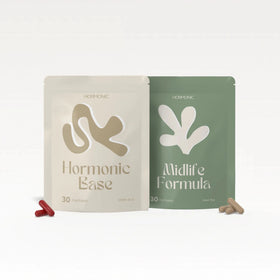
Midlife Bundle: Foundation plus Targeted Support
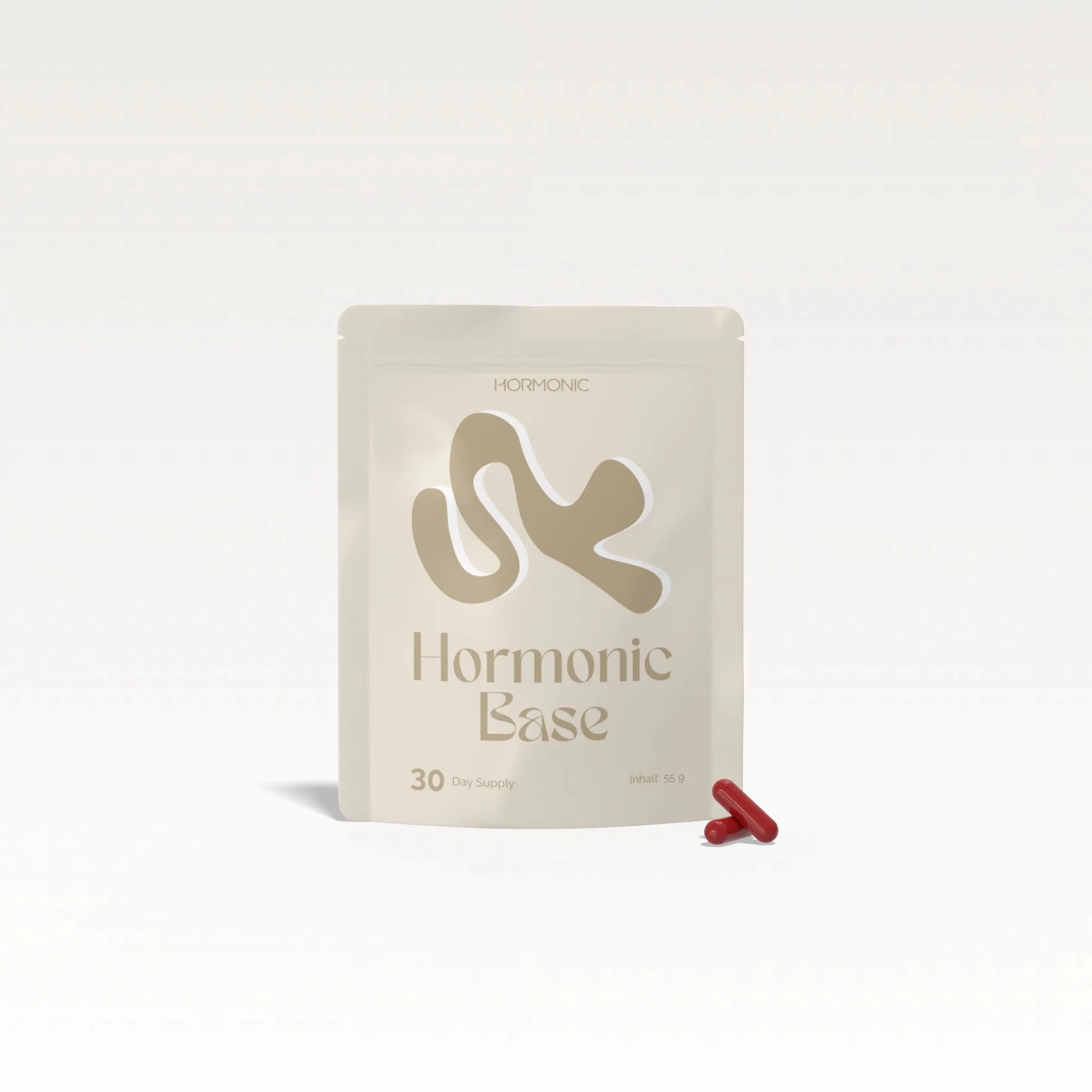
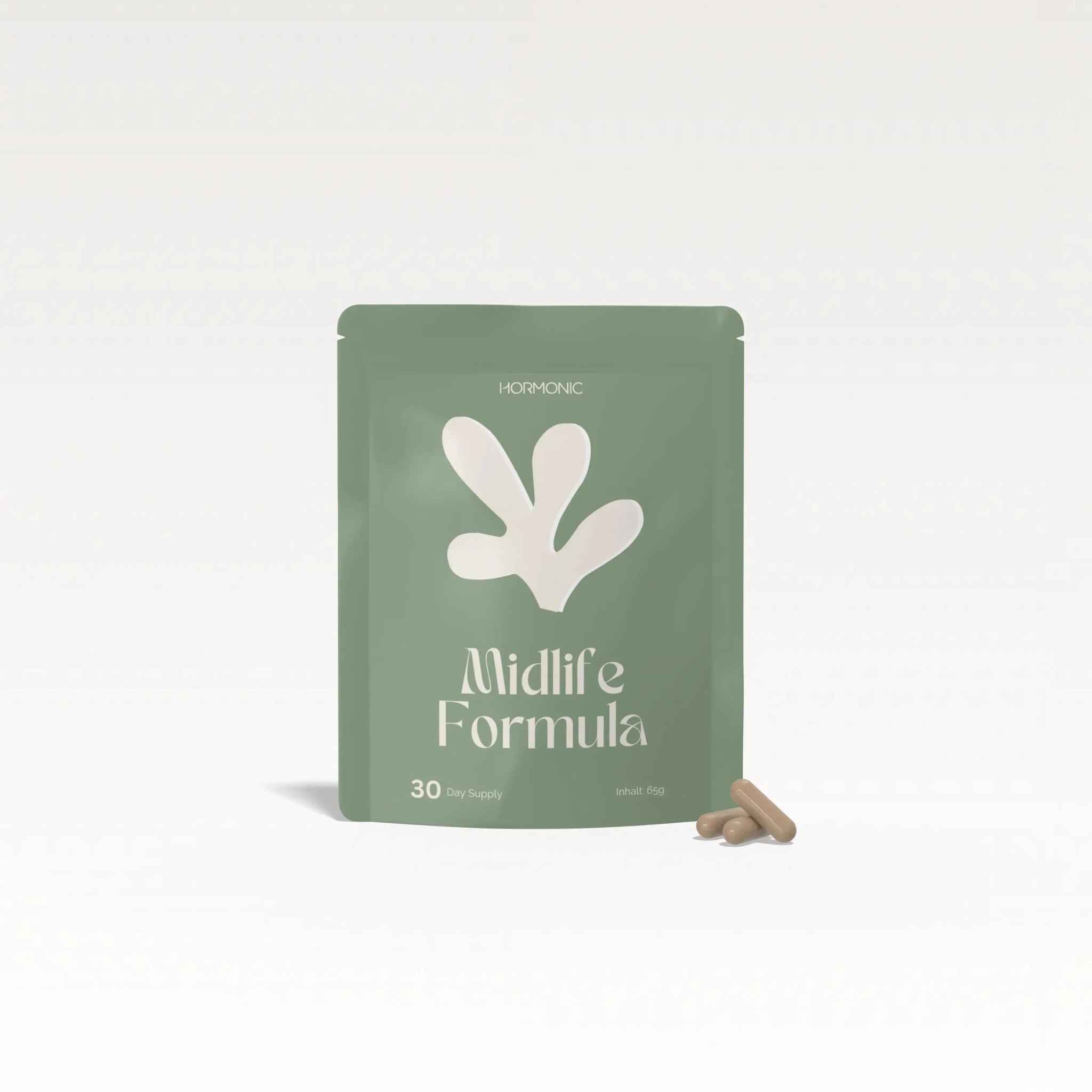
The Midlife Bundle combines Hormonic Base and the Midlife Formula. Magnesium and B vitamins contribute to the normal functioning of the nervous system and the reduction of fatigue, supplemented by specially selected plant compounds and adaptogens relevant during perimenopause. Doctor-developed, clinically dosed, and quality-tested in German laboratories.
€125,00
Are you looking for medical support during perimenopause?
In a free 15-minute consultation, one of our doctors will address your questions about sleep, hormones, and next steps, with no obligation and tailored to your needs.
Frequent Questions About Sleep Disturbances in Perimenopause
Why are sleep disturbances so common in perimenopause?
What sleep problems are typical in perimenopause?
Reicht klassische Schlafhygiene bei Schlafstörungen in der Perimenopause?
Können Nährstoffe bei Schlafstörungen in der Perimenopause helfen?
Sources
- Baker, F. C. et al. (2018). Sleep problems during the menopausal transition: prevalence, impact, and management challenges. Nat Sci Sleep, 10, 73-95. doi:10.2147/NSS.S125807
- de Zambotti, M. et al. (2015). Magnitude of the impact of hot flashes on sleep in perimenopausal women. Fertil Steril, 102(6), 1708-1715. doi:10.1016/j.fertnstert.2014.08.016
- Joffe, H. et al. (2010). Evaluation and management of sleep disturbance during the menopause transition. Semin Reprod Med, 28(5), 404-421. doi:10.1055/s-0030-1262900
- Blume, C. et al. (2019). Effects of light on human circadian rhythms, sleep and mood. Somnologie, 23(3), 147-156. doi:10.1007/s11818-019-00215-x
- European Food Safety Authority (2010/2009). Scientific Opinions on health claims for magnesium, vitamin B6, folate and selenium. EFSA Journal.
- Shufelt, C. L. et al. (2017). Hypothalamic Amenorrhea and the Long-Term Health Consequences. Semin Reprod Med, 35(3), 256-262. doi:10.1055/s-0037-1603581
You might also be interested in this.

What happens during menopause? Stages, symptoms, recognizing perimenopause, and what truly helps. Explained by doctors, scientifically proven.

Fatigue and exhaustion in menopause have many causes. Find out what's behind it, what you should have checked, and what studies show really helps.

Magnesium can support sleep, mood, and bones in perimenopause and postmenopause. Here's what the research actually says, which forms work best, and what magnesium can't do.