


Cart

Your cart is empty

Continue shopping

Trending searches

Featured products

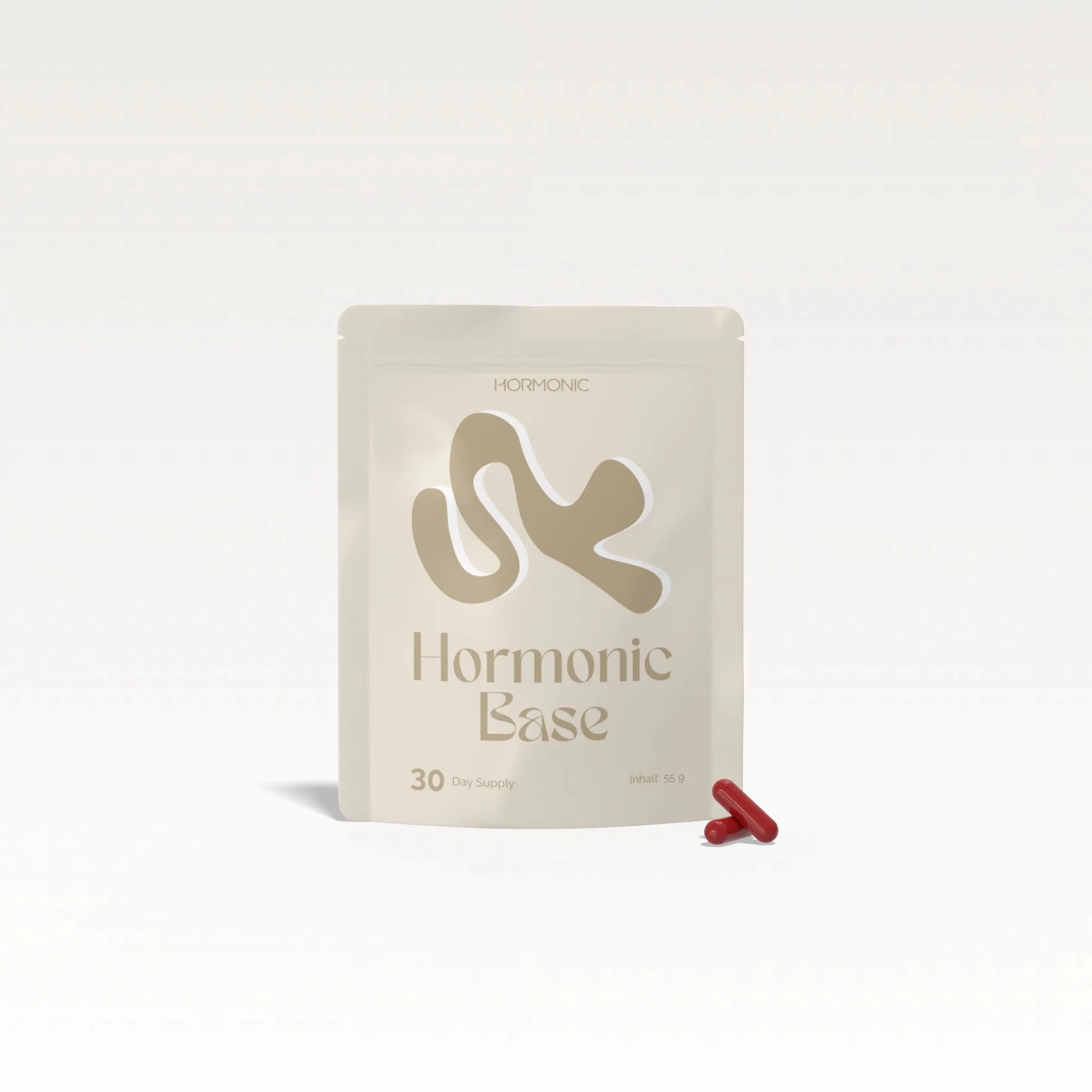
Hormonic Base - Hormonic - Nahrungsergänzungsmittel
Sale price€65,00
(5.0)
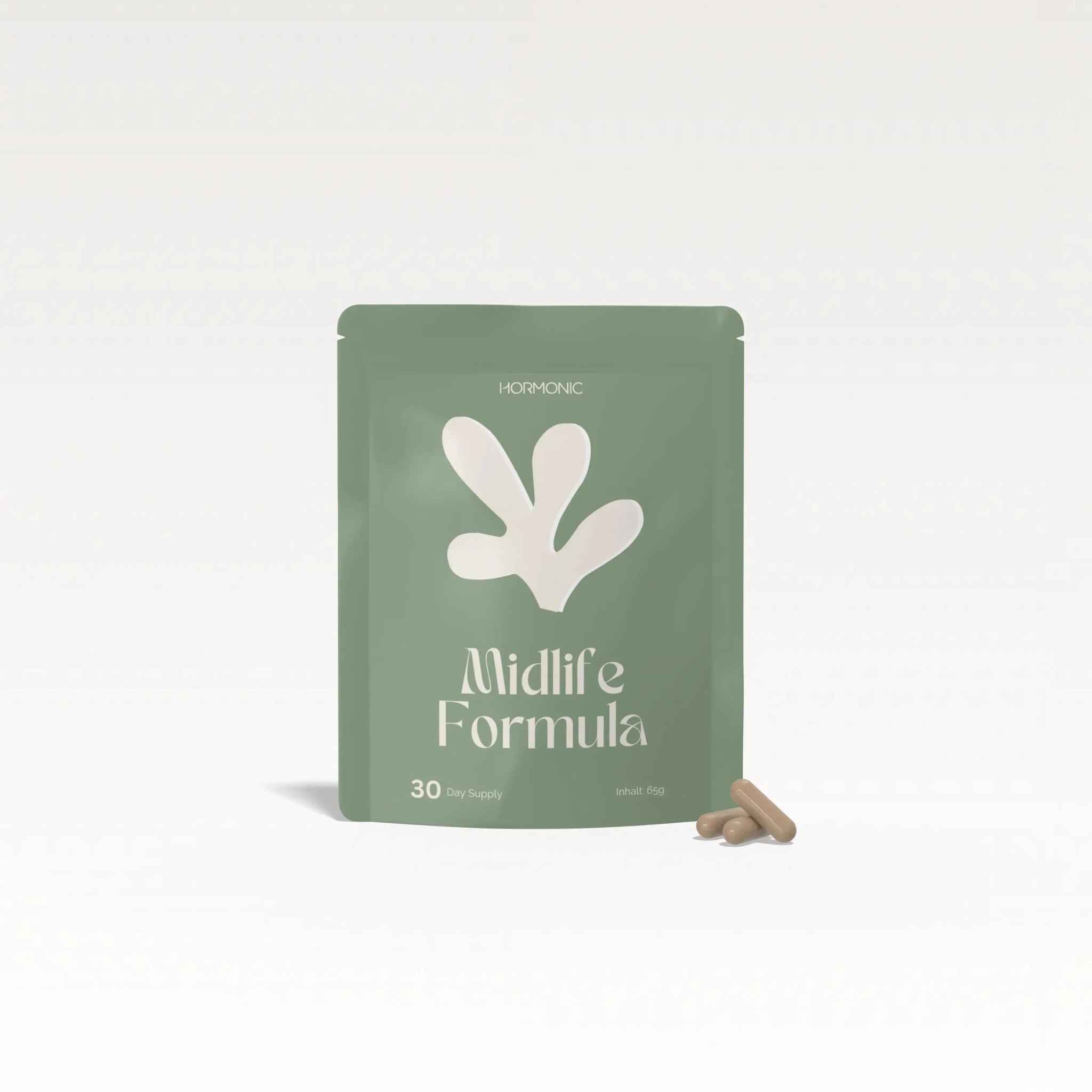
Midlife Formula - Hormonic - Nahrungsergänzungsmittel
Sale price€75,00
(5.0)
Müdigkeit in den Wechseljahren: Was wirklich hilft - Hormonic
WechseljahreJul 4, 20269 min read

Menopause fatigue: What really helps

Dieser Artikel ist Teil von: Menopause & Perimenopause: The Complete Medical Guide

Key takeaways

  • Fatigue is one of the most common menopausal symptoms and usually has multiple causes.
  • Declining estrogen and nocturnal hot flashes disrupt sleep, leading to fatigue during the day.
  • Important: Have your thyroid, ferritin, vitamin B12, and vitamin D levels checked, as they cause the same symptoms.
  • The best evidence supports good sleep, exercise, and the reduction of hot flashes.
  • Magnesium, vitamin B6, and folate contribute to the reduction of fatigue, especially with inadequate intake.

"I thought I was just getting old." I hear this sentence often in my telemedical consultations, and almost always it's not true. A patient in her early fifties was convinced that her profound fatigue was just part of aging. Her blood count told a different story: low ferritin levels, along with typical nocturnal hot flashes that fragmented her sleep. Both could be addressed, and a few weeks later, she was almost unrecognizable.

I mention this because fatigue during menopause is far too often dismissed as inevitable. Yet, there's almost always more to it than just "the hormones," and much of it is easily treatable. Let's take an honest look at where the exhaustion comes from and what truly helps.

Did you know?

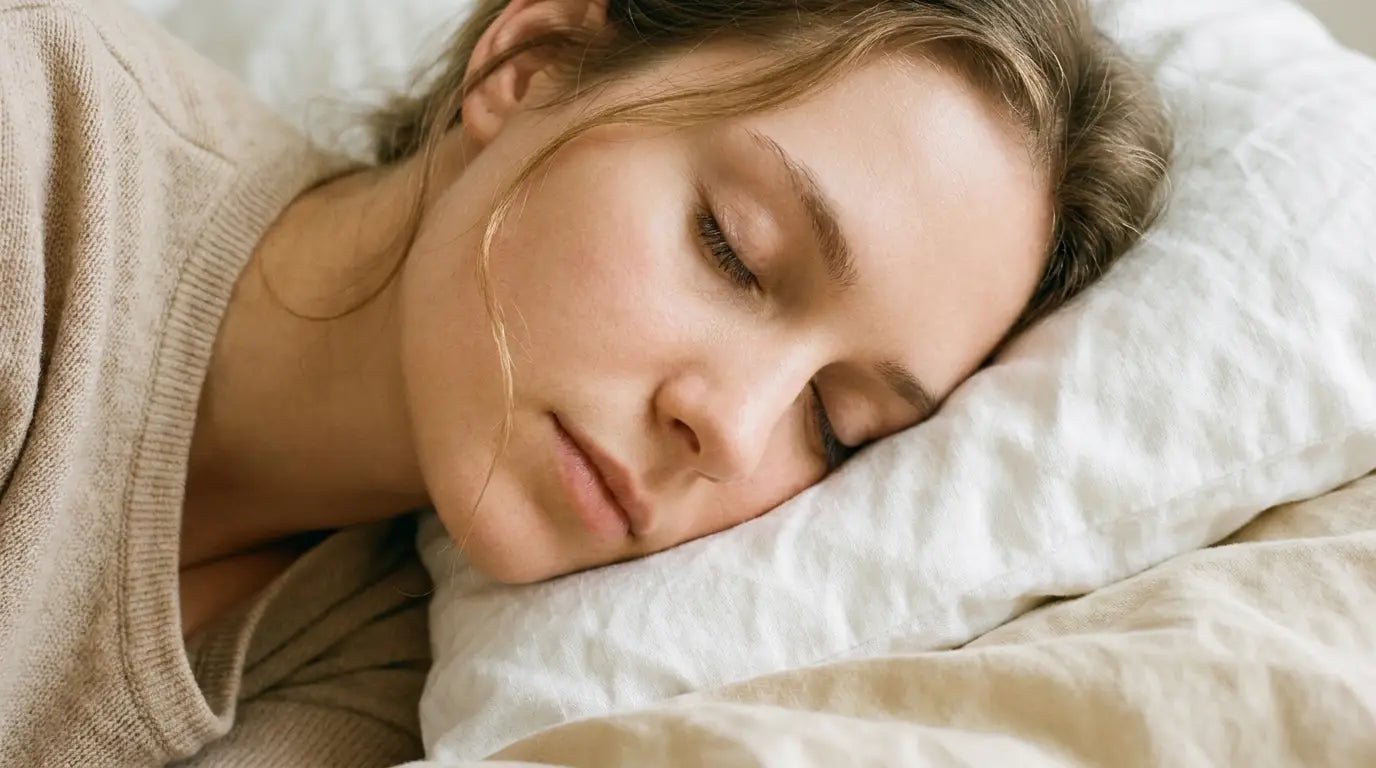
Nocturnal hot flashes can disrupt sleep without fully waking you up. You don't remember anything in the morning, but you feel utterly exhausted. That's why daytime fatigue during menopause is often, in truth, a hidden sleep problem.

Where the exhaustion comes from

Hormonal changes affect multiple levels. Declining estrogen and progesterone influence sleep, mood, and thermoregulation. However, disrupted sleep has the strongest impact: nocturnal hot flashes and night sweats interrupt recovery, often unnoticed. The result is fatigue that cannot be remedied by simply sleeping in.

Crucially: Menopause is not the only possible cause. Several treatable conditions cause almost identical symptoms and should primarily be checked before attributing exhaustion to hormonal changes.

These values should be checked

Value Why it matters
Ferritin Iron stores; a low level causes fatigue, even without anemia
TSH (Thyroid) Hypothyroidism is a common, treatable cause
Vitamin B12 Deficiency causes exhaustion and concentration problems
Vitamin D Low levels are common and linked to fatigue

You can read more about how to generally structure your diet during this phase in our article on nutrition during menopause.
Movement: the underestimated energy provider

It may sound paradoxical when you're exhausted, but regular exercise is one of the most well-documented ways to combat fatigue during menopause. A systematic review found that a combination of endurance, strength training, and gentle forms like yoga increases vitality and reduces sleep problems and exhaustion (Carcelén-Fraile et al., 2025).

You don't have to go to extremes. Even brisk walking, two strength training sessions per week, or a quiet yoga session in the evening can make a difference. Regularity, not intensity, is key: exercise improves sleep, mood, and energy all at once.

Getting sleep and hot flashes under control

A large part of daytime fatigue originates at night. Hot flashes and night sweats repeatedly wake many women, and fragmented sleep makes them tired and unfocused the next day (Nappi et al., 2022). Therefore, reducing nocturnal hot flashes often also improves daytime exhaustion.

Fixed sleep times, a cool, dark bedroom, less alcohol and caffeine in the evening, and a quiet evening routine are the foundation. Cognitive behavioral therapy can also help improve how you deal with sleep problems and symptoms, with well-documented benefits (Hunter, 2021).

Hormone therapy: what it can and cannot do

Hormone replacement therapy (HRT) is not a general energy booster, but it can indirectly improve fatigue. A meta-analysis of 15 studies showed that HRT improves subjectivesleep quality, especially where hot flashes disrupt sleep (Cintron et al., 2017). However, its effect on general vitality is small and inconsistent. Whether HRT is right for you should be discussed individually with your doctor.

Hormonic Base against tiredness and fatigue

Among other ingredients, Hormonic Base provides magnesium, vitamin B6, and folate, which contribute to the reduction of tiredness and fatigue, as well as coenzyme Q10 as a building block in energy metabolism. This is most beneficial when nutrient intake is low. Not an energizer, but a sophisticated micronutrient foundation for your daily life during menopause, developed as a daily base.

€65,00

Discover Hormonic Base

What really helps against fatigue

Once medical causes have been clarified, it's time to focus on the levers you can pull yourself. They may sound unspectacular, but these are precisely the ones that have been shown to be most effective in studies because they address the root cause: disturbed sleep and a body undergoing changes.

Protect sleep, tame hot flashes

Night sweats and hot flashes disrupt sleep, often without you fully waking up, and this is precisely what leads to daytime fatigue. A cool bedroom, breathable clothing, consistent sleep times, and less alcohol and caffeine in the evening can noticeably help. For those who suffer severely from hot flashes, hormone replacement therapy can significantly improve sleep and thus energy, but this should be done under medical supervision.

Exercise: the paradoxically energizing activity

Dragging yourself to exercise when you're tired sounds counterintuitive, but it's one of the best energy boosters. Regular exercise improves sleep quality, mood, and performance. Even brisk walking counts, ideally supplemented with some strength training, which is particularly beneficial for muscles and metabolism during this phase.

Nutrients for fatigue: an honest assessment

Nutrients are most effective against fatigue when there is a deficiency, and you should have this measured rather than guessing. However, if your supply is low, they play a real role.Magnesium, Vitamin B6, and Folatecontribute to the reduction of tiredness and fatigue according to approved claims. Magnesium also supports normal nervous system function and can indirectly provide more daytime energy through better sleep (Zhang et al., 2022).

The indirect pathway is interesting: these micronutrients do not provide energy themselves but are building blocks in the energy metabolism of cells and in the nervous system. If they are missing, the engine stalls.Coenzyme Q10is being investigated in current analyses in connection with exhaustion; the data is promising but not yet conclusive (Tsai et al., 2022). Those who want to cover the micronutrient basics can find magnesium, B6, folate, and Q10 bundled inHormonic Base. More on this in theScience behind Hormonic Base.

Nutrients for fatigue, honestly assessed:

  • Magnesium, Vitamin B6, Folate: contribute to the reduction of tiredness and fatigue (approved claim), most effective when supply is low.
  • Magnesium: also supports the nervous system and sleep, which indirectly boosts daytime energy.
  • Coenzyme Q10: building block in cellular energy metabolism, investigated in studies on exhaustion.
  • Iron and Vitamin B12: only useful with a proven deficiency, so get tested beforehand, do not supplement blindly.

When you should see a doctor

Persistent, pronounced exhaustion is never simply "menopause." Have your thyroid and the mentioned blood values checked, especially with additional symptoms such as weight changes, heart palpitations, or severe sensitivity to cold. You can read how closely the thyroid and hormones are connected in our article onThyroid and Cycle. For an initial assessment of your symptoms and values, you can also use afree initial consultation with a Hormonic doctor.

Do you feel constantly exhausted?

In a free 15-minute introductory call, you can ask all your questions and receive an initial assessment from one of our doctors, completely without obligation.

Secure your free initial consultation

Conclusion

Fatigue during menopause almost always has several causes: the hormonal changes themselves, but especially sleep, which is disturbed by nocturnal hot flashes. Before you simply accept it, it's worth taking an honest look at possible co-causes such as the thyroid, ferritin, vitamin B12, and vitamin D, which can cause the same symptoms and are treatable.

The most proven methods are good sleep, regular exercise, and the reduction of hot flashes. Nutrients such as magnesium, vitamin B6, and folate can help reduce fatigue, especially when intake is low. Take persistent exhaustion seriously and have it medically investigated instead of dismissing it as inevitable.

Common Questions About Menopause Fatigue

Why are you so tired during menopause?

Declining hormones play a role, but the most important pathway is through sleep: nocturnal hot flashes and sweats disrupt sleep, often unnoticed, and this leads to daytime fatigue. Frequent co-causes that produce the same symptoms, such as an underactive thyroid, iron deficiency, or a lack of vitamin B12 or vitamin D, are also common. Therefore, fatigue during this phase is rarely due to just one thing.

Which blood values should I have checked for fatigue?

It makes sense to get a blood count with ferritin (the iron storage value, not just hemoglobin), vitamin B12, vitamin D, and thyroid values, especially TSH. These values cover the most common treatable causes hidden behind menopausal fatigue. Only when these values are unremarkable can exhaustion be confidently attributed to hormonal changes and disturbed sleep.

Welche Vitamine helfen bei Müdigkeit in den Wechseljahren?
Am besten belegt sind guter Schlaf, regelmäßige Bewegung und die Reduktion nächtlicher Hitzewallungen, bei starker Belastung auch über eine Hormonersatztherapie. Nährstoffe helfen vor allem bei einem Mangel: Magnesium, Vitamin B6 und Folat tragen zur Verringerung von Müdigkeit und Ermüdung bei. Eisen oder Vitamin B12 sind nur bei nachgewiesenem Mangel sinnvoll, deshalb vorher testen lassen.
Hilft Eisen bei Müdigkeit in den Wechseljahren?
Ja, indirekt. Der sinkende Östrogenspiegel und nächtliche Hitzewallungen stören den Schlaf, und schlechter Schlaf ist die Hauptursache der Tagesmüdigkeit. Hinzu kommt, dass die Wechseljahre mit einem höheren Risiko für Schlafapnoe einhergehen, die oft unerkannt bleibt und stark müde macht. Deshalb lohnt es sich, hartnäckige Erschöpfung und auffälliges Schnarchen ärztlich abklären zu lassen.

Scientific Sources

  • Baker, F. C. et al. (2023). Sleep and sleep disorders in the menopausal transition. Sleep Medicine Clinics. doi:10.1016/j.jsmc.2023.06.007
  • Zhang, Y. et al. (2022). Effects of magnesium supplementation on sleep quality: a systematic review. Biological Trace Element Research. doi:10.1007/s12011-022-03162-1
  • Tsai, I-C. et al. (2022). Effectiveness of coenzyme Q10 supplementation for fatigue: a systematic review and meta-analysis. Frontiers in Pharmacology. doi:10.3389/fphar.2022.883251
  • Houston, B. L. et al. (2018). Iron therapy for non-anaemic, iron-deficient adults with fatigue: a randomized controlled trial. CMAJ / systematic review context.
  • EFSA Panel on Dietetic Products (2010/2009). Scientific opinions on health claims for magnesium, vitamin B6 and folate related to reduction of tiredness and fatigue.
  • Pan, Z. et al. (2023). Menopause and the risk of obstructive sleep apnea: a review. Maturitas / Nature and Science of Sleep.

About the Author

Lisa Maria Emmer

Lisa Maria Emmer

Founder · Physician · Hormonic

Lisa Maria Emmer is co-founder and medical director at Hormonic. She supports women with hormonal problems every day and specializes in cycle health, PCOS, and menopause.

Note: This article is based on current guidelines and scientific work (as of 2026). It is for informational purposes only and does not replace professional medical advice, diagnosis, or treatment.

Share

You might also be interested in this.

Woran erkenne ich die Wechseljahre? Die 10 häufigsten Symptome - Hormonic
WechseljahreOct 29, 20259 min read
How do I recognise menopause? The 10 most common symptoms

How can you actually recognize menopause, and how do I know if my symptoms are related to it? We'll explain.

Schlafstörungen in der Perimenopause: Was wirklich hilft - Hormonic
WechseljahreFeb 6, 202610 min read
Sleep Disturbances in Perimenopause: What Really Helps

Sleep disturbances during perimenopause are no coincidence. Learn about the hormonal and neurobiological causes behind them – and what truly helps.

Nahrungsergänzung in den Wechseljahren: Was wirklich sinnvoll ist - Hormonic
WechseljahreJun 27, 202610 min read
Dietary supplements in menopause: What really makes sense

Which supplements are really useful during menopause: from vitamins D, K2, and magnesium to saffron and resveratrol, honestly assessed based on scientific studies.