
Cart

Your cart is empty

Continue shopping

Trending searches

Featured products

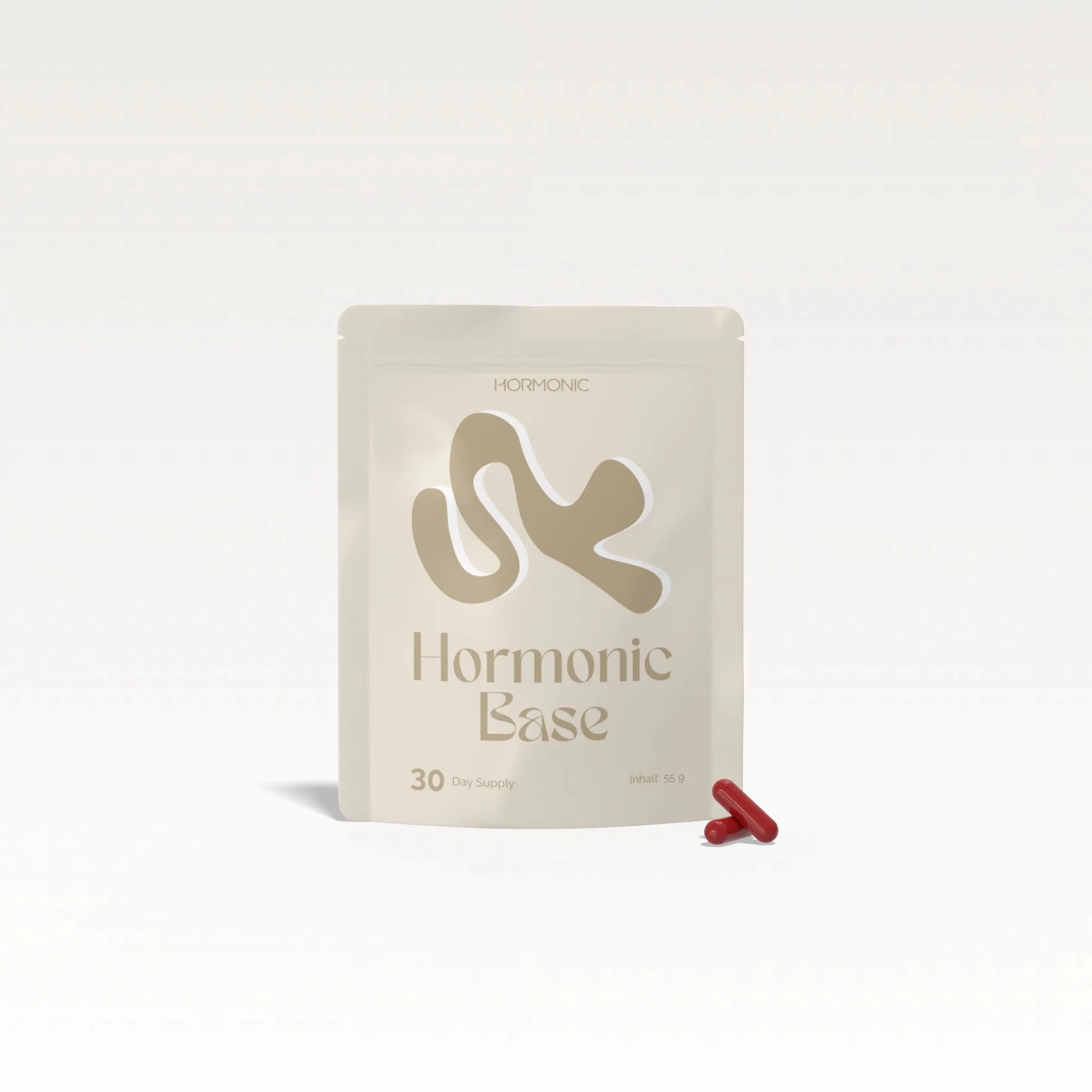
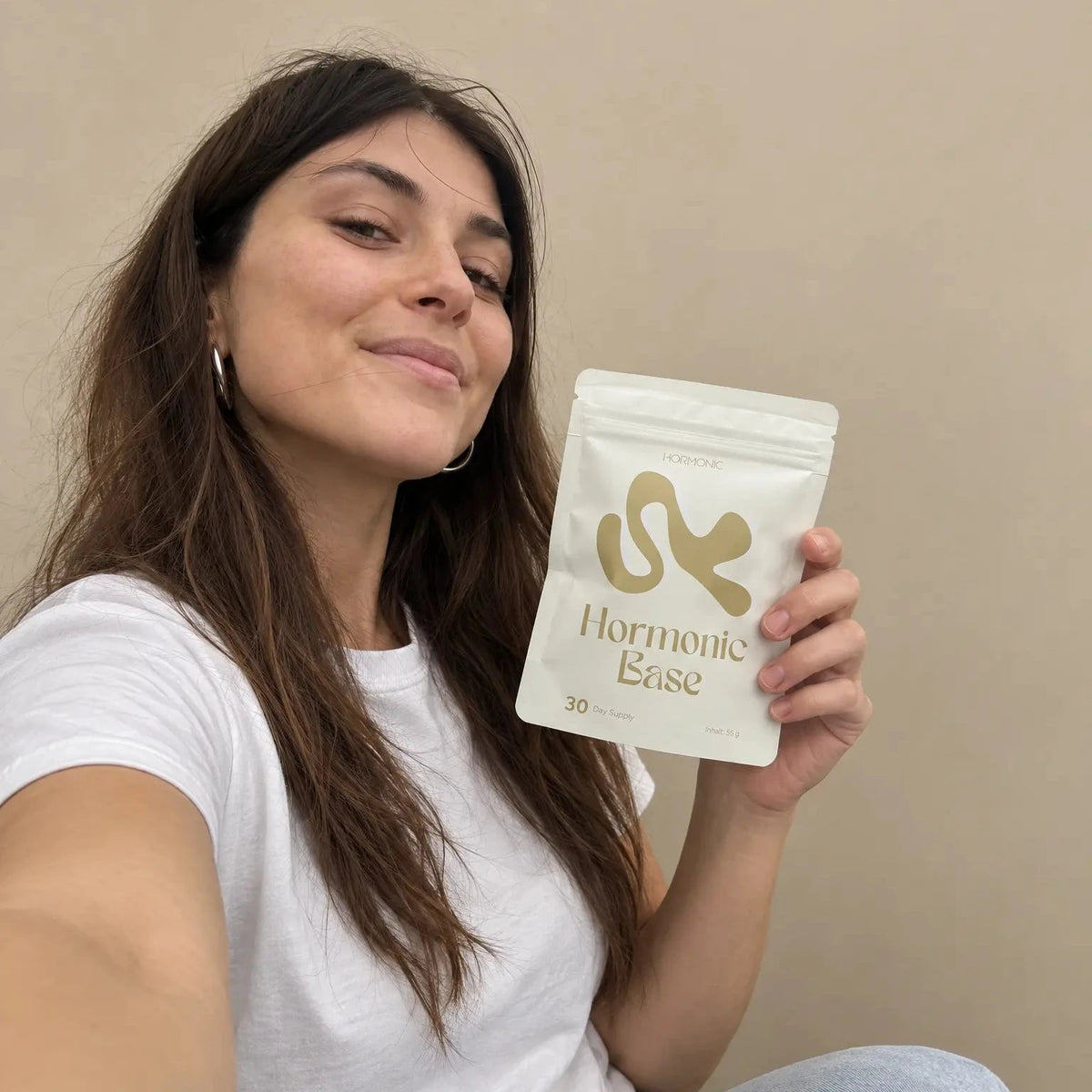
Hormonic Base - Hormonic - Nahrungsergänzungsmittel
Sale price€65,00
(5.0)
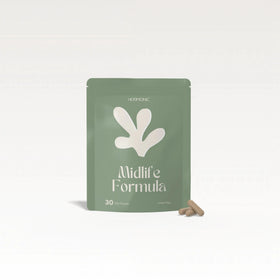
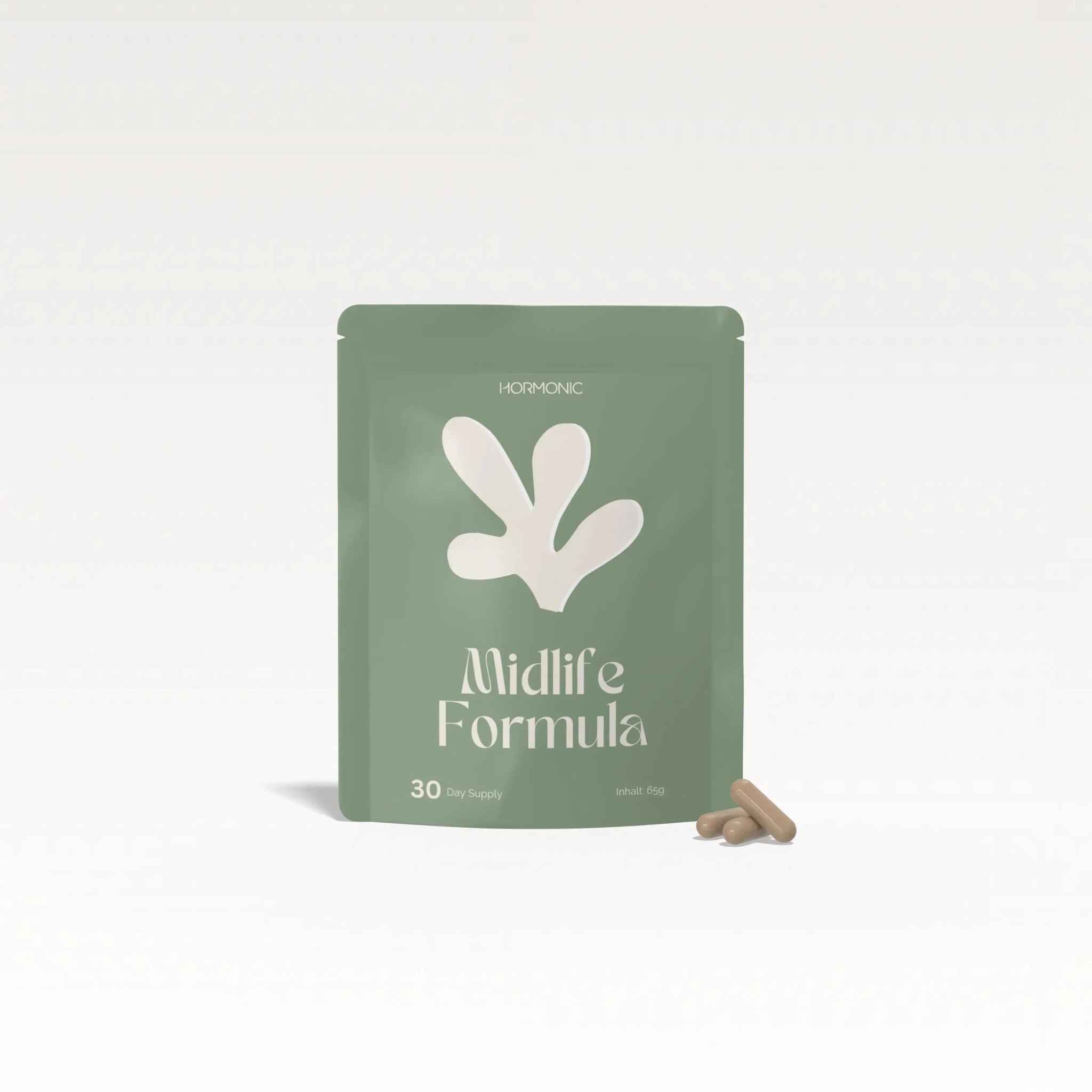
Midlife Formula - Hormonic - Nahrungsergänzungsmittel
Sale price€75,00
(5.0)
Woran erkenne ich die Wechseljahre? Die 10 häufigsten Symptome - Hormonic
WechseljahreOct 29, 20259 min read

How do I recognise menopause? The 10 most common symptoms

This article is part of: Perimenopause and Menopause: The Complete Medical Guide

Are you wondering if what you're currently experiencing is related to menopause? This article will guide you through the 10 most common menopausal symptoms, explain the hormonal background, and show you what can really help.

Key takeaways

  • Menopause usually begins between the mid-40s and mid-50s, often subtly during perimenopause.
  • Around one-third of all women experience noticeable symptoms.
  • The most common symptoms range from cycle fluctuations and hot flashes to joint pain.
  • A changed cycle is usually the first sign.
  • Many complaints can be gently alleviated with exercise, nutrition, nutrients, and medical support.

In the studies I read as a Research Fellow, a pattern consistently emerges: women often only recognize their own menopause late because the symptoms are so diverse and rarely appear textbook-perfect. Sometimes it's sleep, sometimes mood, sometimes a cycle that suddenly acts up. And because many of these complaints can also be explained by stress, age, or everyday life, it often takes time for the bigger picture to become clear.

That's precisely why a clear, comprehensive overview is worthwhile. Many women between their mid-40s and mid-50s experience profound physical and emotional changes without knowing exactly what's behind them. In the following, I will go through the 10 most common menopausal symptoms with you, explaining in each case why they arise, how to recognize them, and what concrete, holistic, understandable, and scientifically sound help can be provided.

Did you know?

Many changes already begin in perimenopause, i.e., before the period finally stops. During this phase, ovulation may occur less frequently, and the second half of the cycle may shorten, which is why PMS symptoms are often perceived more intensely.

The 10 most common menopausal symptoms in detail

1. Cycle fluctuations, the first quiet signal

For most women, it's not hot flashes that come first, but the menstrual cycle going out of whack. In perimenopause, estrogen doesn't decline steadily; instead, it fluctuates more wildly than ever before, while ovulation becomes rarer, and progesterone drops earlier. This imbalance disrupts your usual rhythm.

Specifically, this means your period can suddenly come earlier or later, become shorter or longer, sometimes significantly lighter, sometimes surprisingly heavy. Some women experience spotting in between, others skip a cycle altogether. Because this often shifts gradually over months, it's easily dismissed as a coincidence, but it's usually the earliest sign of impending menopause.

What helps here is precise observation: if you record your cycle, bleeding intensity, and accompanying symptoms for a few months, you'll recognize the pattern and have a good basis for a doctor's visit. Regular exercise and conscious stress management can buffer the fluctuations. And if bleeding becomes very heavy or very frequent, it should be medically clarified, also to rule out iron deficiency or other causes.

2. Hot flashes and night sweats

The best-known symptom of menopause is sudden hot flashes, often starting in the head or chest and spreading to the neck and upper body. Nearly 80 percent of women experience them. The reason lies in the brain: estrogen withdrawal narrows the comfortable temperature range in the hypothalamus's temperature center. Even a tiny temperature increase then triggers a full counter-reaction; your blood vessels dilate, you turn red and start sweating, often followed by chills as the heat subsides.

Typical triggers include alcohol, coffee, spicy foods, warm rooms, and stress. A small "hot flash diary" helps you identify your personal triggers and reduce them specifically. Layered clothing that you can quickly put on and take off, as well as a cool bedroom, relieve a lot of everyday pressure.

Regular exercise stabilizes circulation and hormone balance, and women with an active lifestyle often report milder flashes. Herbal remedies like sage tea, red clover, or soy isoflavones are traditionally used, although the research on them is mixed. If hot flashes are severely bothering you, hormone therapy is the most effective medical option, which you should discuss individually with your doctor.

3. Sleep disturbances and restless nights

Good sleep becomes a rarity for many women during menopause, and there are several reasons for this. Progesterone has a calming and sleep-promoting effect; if it's absent, sleep becomes lighter and more easily disturbed. At the same time, nocturnal hot flashes and night sweats repeatedly pull you out of deep sleep, and the cortisol rhythm, which controls your wake-sleep cycle, can also shift.

You might know the result: you lie awake longer in the evening, wake up at night or very early in the morning, and feel exhausted during the day. In the long run, this not only drains your energy but also affects your mood and concentration.

The most effective approach is a quiet, consistent routine: going to bed and waking up at roughly the same times, avoiding caffeine and screens in the evening, ensuring a cool, dark room, and consciously winding down, for example, with a calming tea, a warm foot bath, or a few minutes of breathing exercises. Magnesium can support relaxation. Since nocturnal hot flashes are a major driver of waking up, it's worth addressing them as well. If sleep problems persist, a conversation with your doctor is advisable.

4. Weight gain, even though nothing has changed

Few things unsettle women in menopause as much as the slowly rising numbers on the scale, even though their eating habits haven't changed. The reason lies deep in the metabolism: as estrogen levels drop, fat distribution shifts away from the hips and thighs towards the abdomen, where more metabolically active visceral fat accumulates. At the same time, from the mid-30s onwards, we continuously lose muscle mass, and less muscle means a lower basal metabolic rate, meaning you simply burn fewer calories at rest than before.

In addition, there's a second, often underestimated factor: poor sleep and chronic stress, both common during this phase, shift appetite hormones towards increased hunger and a greater craving for fast carbohydrates. So, it's not a matter of lacking discipline, but a combination of hormones, muscle loss, and everyday life that makes it easier for your body to gain weight than to lose it.

The most effective lever is surprising: strength training. Every bit of preserved or newly built muscle mass supports your basal metabolic rate and makes your body more insulin-sensitive. Supplemented by a protein-rich, nutrient-dense diet with less sugar and alcohol, daily exercise, and good sleep, the trend can be well influenced. Patience, not crash diets, is important, because strict starvation costs you exactly the muscles you need now. You can read how to approach this specifically in our article on Weight Loss in Menopause.

5. Racing heart and palpitations

A suddenly pounding or fluttering heart, often in the middle of a hot flash or at night upon waking, frightens many women. Approximately 40 percent of 45- to 54-year-olds know this feeling. This is usually due to the hormonal change itself: estrogen influences the autonomic nervous system and the width of blood vessels, and when levels fluctuate, the circulatory system reacts more sensitively. During a hot flash, there is also an adrenaline rush, which causes the heart to beat noticeably faster.

In most cases, this heart palpitation is harmless and will pass. Nevertheless, it's worth listening: If your resting heart rate is consistently over 100, if heart palpitations occur frequently, or if they are accompanied by dizziness, shortness of breath, or chest pressure, it should be medically evaluated, also to rule out hyperthyroidism, anemia, or arrhythmias.

In everyday life, it helps to consciously breathe slowly and deeply in an acute moment and to sit down briefly instead of panicking. Less caffeine relieves an irritable heart, and magnesium- and potassium-rich foods such as nuts, bananas, and green vegetables support a calm heart rhythm.

6. Mood swings and frayed nerves

The hormones that control your cycle also work in the brain: estrogen and progesterone influence neurotransmitters such as serotonin and GABA, which are responsible for mood, calmness, and serenity. When these hormones fluctuate strongly during perimenopause, emotional balance also becomes unstable. Many women describe being more irritable, tearful, or restless, and sometimes not recognizing themselves.

Women who have previously reacted strongly to hormonal fluctuations, for example with pronounced PMS or a low mood after childbirth, are particularly susceptible. If poor sleep and everyday stress are added to this, everything intensifies. It's important to remember: these are real, hormonally co-determined changes and not a sign of weakness.

Regular exercise is one of the strongest natural remedies here because it releases endorphins and reduces stress. B vitamins and magnesium from whole grains, nuts, and legumes support nerve function, and conversations with people who do you good provide noticeable relief. However, if you feel persistently down, unmotivated, or anxious for more than two weeks, take it seriously and seek professional support; this is a sign of strength, not failure.

Midlife Formula: targeted support for menopause

Midlife Formula combines 9 physician-selected active ingredients, adaptogenic botanicals, targeted micronutrients, and antioxidants, designed to support you through perimenopause and menopause. It's a thoughtful daily routine for a phase where your body can particularly benefit from support.

€75,00

Discover Midlife Formula

7. Vaginal Dryness and Sensitive Mucous Membranes

Hardly anyone talks about this symptom, yet it affects many women: Estrogen keeps the mucous membranes in the intimate area thick, elastic, and well-supplied with blood. When the level drops, the tissue becomes thinner and drier, loses its elasticity, and reacts more sensitively. Professionally, these changes are summarized as the genitourinary syndrome of menopause.

This manifests as a feeling of dryness, itching, or burning, pain during sex, and sometimes more frequent bladder infections, because the urethra is also affected. Many women then quietly withdraw, even though this particular symptom is especially treatable.

For everyday life, pH-neutral lubricants and moisturizing creams, for example with hyaluronic acid, help to make the tissue more supple. Low-dose, local estrogen preparations are very effective and have few side effects; they work directly on site and are hardly absorbed into the body; they are available by prescription. Regular intimacy or self-stimulation also promotes blood circulation and keeps the tissue elastic. Talk openly about this with your gynecologist; it's worth it.

8. Decreased Libido

The fact that the desire for sex decreases during menopause rarely has only one cause. On the one hand, both estrogen and testosterone, which also influences sexual desire in women, decrease. On the other hand, physical and psychological factors interact: vaginal dryness makes sex unpleasant, fatigue and stress rob energy, and changes in one's own body can gnaw at self-image.

The result is often a desire that has become quieter, and sometimes also less arousal or difficulty reaching orgasm. All of this is common and no reason to doubt yourself.

Often, the first sensible step is to address the physical hurdles, for example, to treat dryness, ensure more sleep, and reduce stress. Intimacy without performance pressure, where the focus is initially only on touch and time for each other, can slowly bring back desire. If the loss of libido bothers you greatly, talk to your doctor about options such as hormone or testosterone therapy.

9. Bladder Weakness and Frequent Urination

The bladder also reacts to the drop in estrogen, because the hormone supports the tissue of the pelvic floor and urethra. When this support diminishes, often additionally weakened by previous births, many women lose a degree of control. Sometimes urine is involuntarily released when sneezing, coughing, or laughing, and sometimes the bladder suddenly signals very urgently, even though it is barely full.

As common as this is, it is rarely discussed, yet much can be done. The most effective remedy is regular pelvic floor training, for example with targeted Kegel exercises, which only develops its full strength with consistent effort over several weeks. A healthy body weight additionally relieves the bladder, and gentle bladder training with fixed toilet times reaccustoms it to larger volumes.

Irritants like caffeine and alcohol can increase urinary urgency, but it is still important to drink enough, because too little fluid will irritate the bladder even more. In more severe cases, local estrogen preparations help the tissue, and specialized physiotherapy can provide targeted support.

10. Joint and Muscle Pain

Many women are surprised that stiff, painful joints could have something to do with hormones. Estrogen has an anti-inflammatory effect and supports joint fluid and cartilage. If it is lost and an estrogen deficiencyoccurs, some women experience symptoms known as menopausal joint pain, especially in the hands, knees, hips, and back.

Typical symptoms include morning stiffness or an ache after prolonged sitting, sometimes accompanied by swelling or restricted mobility. Because the pain can hinder daily life and the desire for movement, a cycle of rest and even more stiffness can easily develop.

This is precisely why gentle, regular movement is so important, as joints that remain active often hurt less. Joint-friendly sports such as swimming, cycling, Nordic walking, or yoga are particularly suitable, complemented by strength training that strengthens the supporting muscles. Warmth and gentle massages relieve tension, and a plant-based, anti-inflammatory diet with plenty of vegetables, nuts, and omega-3 fatty acids also helps. If a single joint swells significantly or hurts constantly, have a doctor clarify whether another cause is behind it.

Unsure what your body is telling you?

In a free 15-minute consultation, one of our doctors will assess your menopause questions and show you possible next steps, with no obligation.

Book a free consultation call

Your body is talking to you, listen

Menopause is not an end, but the beginning of a new phase in which you can get to know yourself anew, with all your needs, boundaries, and strengths. Symptoms such as hot flashes, sleep disturbances, or mood swings are not a weakness, but signals from your body that you should take seriously.

What counts: You are not alone, and you don't have to just endure everything. There are gentle, scientifically sound ways to support you, from nutrition and exercise to targeted nutrients, and for more severe symptoms, medical options such as hormone therapy. If you would like to classify your own symptoms, our doctors will be happy to accompany you in a free initial consultation.

Frequently asked questions about menopause

How do I know I'm going through menopause?

The typical symptoms often develop gradually: irregular cycles, hot flashes, sleep disturbances, mood swings, and weight gain are among the most common symptoms. Loss of libido, skin problems, or heart palpitations can also be signs. A change in the menstrual cycle during perimenopause is usually the first indication.

How long do hot flashes last during menopause?

Hot flashes are among the most common symptoms and can last for several years. On average, they last about 4 to 7 years, shorter for some women, significantly longer for others. Stress, diet, and hormone balance influence their intensity and frequency.

Welche Wechseljahre-Symptome sind die häufigsten?
Am häufigsten sind Hitzewallungen und Nachtschweiß, von denen rund 80 Prozent der Frauen betroffen sind, gefolgt von Schlafstörungen, Stimmungsschwankungen, Gewichtszunahme und Gelenkschmerzen. Ein unregelmäßiger Zyklus in der Perimenopause ist meist das allererste Anzeichen. Wie stark die Beschwerden ausfallen, ist von Frau zu Frau sehr unterschiedlich.
Was hilft bei Wechseljahresbeschwerden?
An erster Stelle stehen Lebensstil-Bausteine: Krafttraining und Bewegung, eine eiweiß- und nährstoffreiche Ernährung, guter Schlaf und Stressabbau. Nährstoffe wie Magnesium, B-Vitamine und Folat sowie pflanzliche Stoffe wie Rotklee und Safran werden im Zusammenhang mit Wechseljahresbeschwerden untersucht. Bei stärkeren Beschwerden ist die Hormontherapie die wirksamste medizinische Option, das besprichst Du individuell mit Deiner Ärztin.

Sources

  • German Menopause Society (2020). S3-Guideline Peri- and Postmenopause: Diagnostics and Interventions. AWMF Register No. 015-062.
  • Santoro, N. et al. (2015). Menopausal Symptoms and Their Management. Endocrinology and Metabolism Clinics of North America, 44(3), 497-515. doi:10.1016/j.ecl.2015.05.001
  • Freeman, E. W. et al. (2014). Duration of menopausal vasomotor symptoms over the menopause transition. JAMA Internal Medicine, 175(4), 531-539. doi:10.1001/jamainternmed.2014.8063
  • Davis, S. R. et al. (2015). Menopause. Nature Reviews Disease Primers, 1, 15004. doi:10.1038/nrdp.2015.4
  • The North American Menopause Society (2022). The 2022 Hormone Therapy Position Statement. Menopause, 29(7), 767-794.

About the Author

Amelie Weiss

Research Fellow, PhD · Hormonic

Amelie Weiss is a Research Fellow at Hormonic and conducts scientific research on hormonal health, micronutrients, and evidence-based women's health.

Share

You might also be interested in this.

Ernährung in den Wechseljahren: Was wirklich hilft - Hormonic
WechseljahreMar 12, 202511 min read
Menopause Nutrition: What Really Helps

As hormone levels change, energy requirements decrease while the need for protein and micronutrients remains high. This guide, based on current guidelines, shows you which diet really suits you and...

Abnehmen in den Wechseljahren: Was wirklich hilft - Hormonic
WechseljahreJul 3, 20269 min read
Losing Weight During Menopause: What Really Helps

Losing weight during menopause feels harder, and there are reasons for that. What studies say really helps, from protein to strength training to diet.
Cortisol Face, Cortisol Belly & Co: der ehrliche Faktencheck - Hormonic
HormoneJul 15, 20259 min read
Cortisol Face, Cortisol Belly & Co: the honest fact check

Cortisol Face, Cortisol Belly, Coffee, Fasting, Adaptogens: We scientifically examine 8 common cortisol myths, especially for women.