
Cart

Your cart is empty

Continue shopping

Trending searches

Featured products

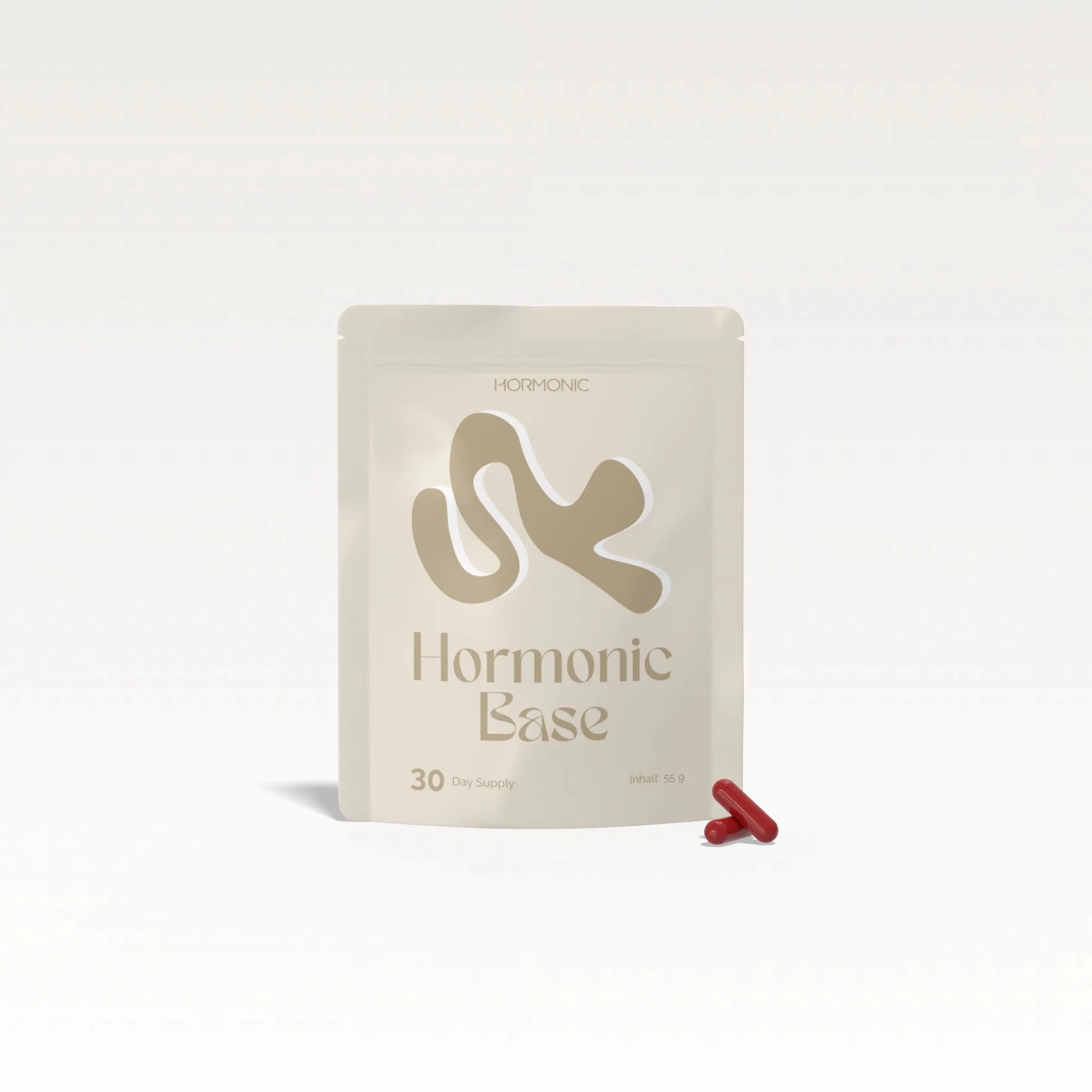
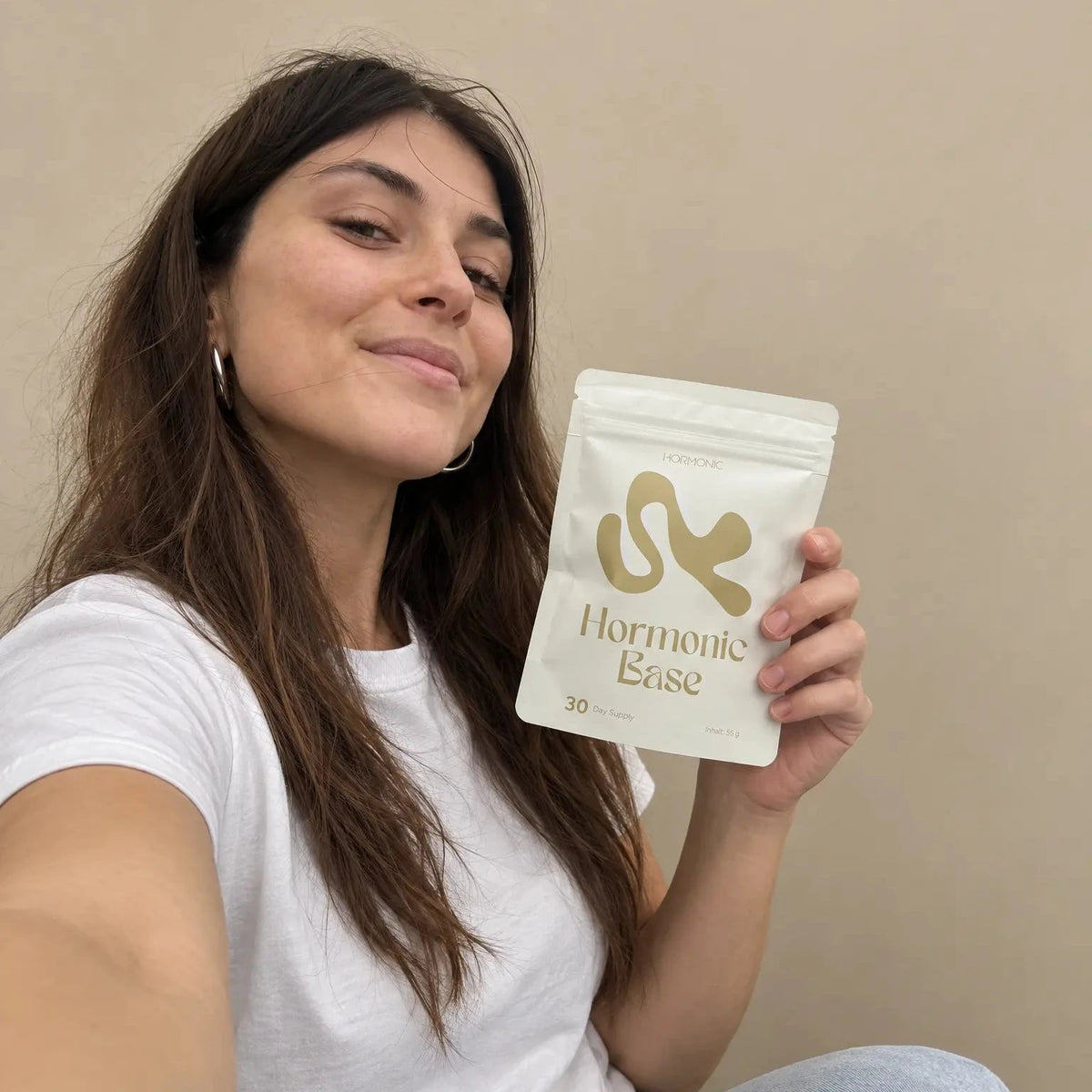
Hormonic Base - Hormonic - Nahrungsergänzungsmittel
Sale price€65,00
(5.0)
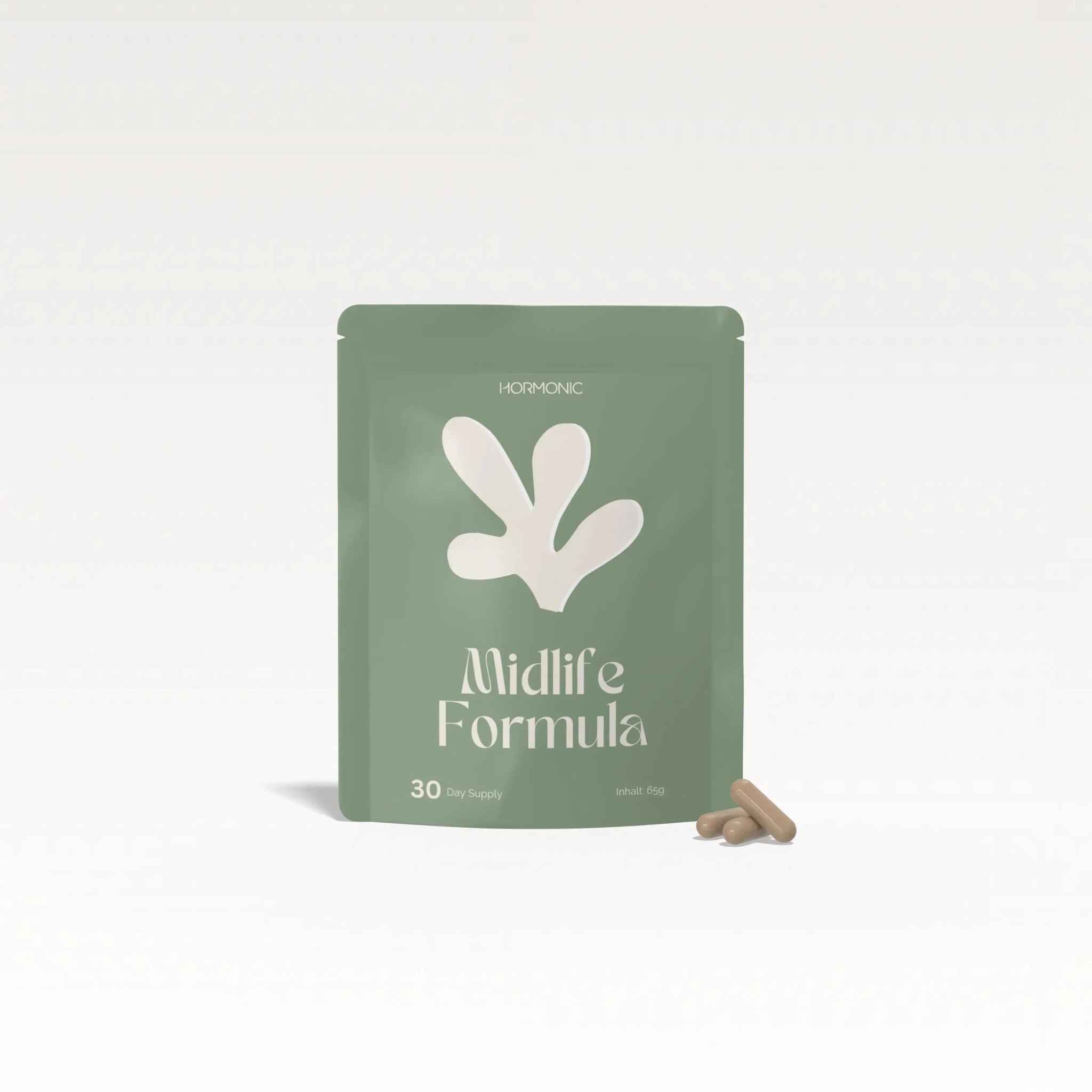
Midlife Formula - Hormonic - Nahrungsergänzungsmittel
Sale price€75,00
(5.0)
Abnehmen in den Wechseljahren: Was wirklich hilft - Hormonic
WechseljahreJul 3, 20269 min read

Losing Weight During Menopause: What Really Helps

This article is part of: Menopause & Perimenopause: The Complete Medical Guide

Key Takeaways

  • During menopause, declining estrogen shifts fat to the midsection, and muscle loss lowers basal metabolic rate.
  • Therefore, old diet recipes often no longer work; the goal is now to protect muscles instead of simply eating less.
  • The most powerful levers: plenty of protein (around 1.2 to 1.6 g per kg), strength training, good sleep, and a moderate deficit.
  • Supplements do not burn fat; creatine can support muscle maintenance with training.
  • If experiencing significant, rapid weight gain or exhaustion, have your thyroid checked by a doctor.

When I first put together the current studies on weight loss during menopause, one thing really surprised me: almost everything revolved not around eating less, but around maintaining muscle. The women who maintained their weight rarely followed the strictest diet, but rather had the most protein on their plates and a dumbbell in their hand.

That sounds unspectacular, but it changes everything. Because it means: The body in menopause is not broken; it just needs a different strategy than it did at 25. Let's look at what hormonal changes really do to weight and which levers research highlights as most important.

Did you know?

From about age 30, the body loses a portion of its muscle mass per decade, and during menopause, the drop in estrogen accelerates this process. Because muscles burn energy even at rest, the basal metabolic rate decreases. This is precisely why muscle maintenance is the real key, not the next crash diet.

Why Losing Weight Becomes Harder During Menopause

Two developments converge. First, estrogen declines, causing the body to shift fat from the hips and thighs to the abdominal area – the dreaded visceral fat. Second, muscle mass decreases, and with it, calorie consumption at rest. The result: You eat as usual and still gain weight, especially around the abdomen.

This is frustrating, but it's also the roadmap to the solution. If muscle loss and fat redistribution are the problem, then muscle building, protein, and exercise are the answer. This is precisely where the most effective strategies come into play.

The Most Important Levers at a Glance

Lever Why it works
Protein protects muscles, provides long-lasting satiety, supports basal metabolic rate
Strength Training builds muscles that burn energy even at rest
Sleep & Stress regulate hunger, satiety, and abdominal fat through hormones
Moderate Deficit sustainable instead of crash, preserves muscles instead of breaking them down

You can read more about how to fundamentally structure your diet during this life phase in our article on nutrition during menopause.
Protein: The most important lever for your muscles

If you want to lose weight during menopause, adequate protein intake is perhaps the most crucial building block. A meta-analysis of 20 studies with adults over 50 showed that higher protein intake during a weight loss phase better preserves muscle mass while leading to greater fat loss (Kim et al., 2016). Protein also makes you feel full longer, which makes calorie saving easier.

As a guideline, about 1.0 to 1.2 grams of protein per kilogram of body weight per day, distributed throughout meals, is recommended. Important for honesty: protein alone, without exercise, was not enough to maintain muscle mass in a study with postmenopausal women (Nabuco et al., 2021). Thus, protein only unfolds its effect in combination with exercise.

Strength training beats pure endurance training

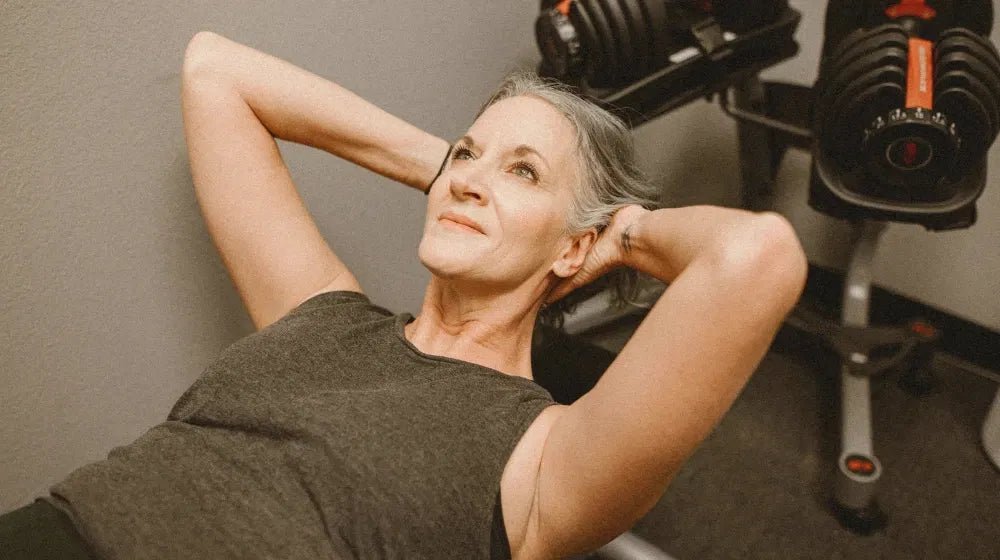
No lever is as well-proven as exercise, and here a distinction is worthwhile. A large meta-analysis of 101 studies and almost 5,700 postmenopausal women showed:Strength trainingis most effective in building muscles and reducing abdominal fat, while endurance training most significantly reduces body fat percentage (Wang et al., 2023). The combination of both is ideal.

The reason is simple: more muscle mass means a higher basal metabolic rate, so you burn more energy even at rest. It is precisely the muscle loss that begins with age that otherwise makes losing weight more difficult. Two to three strength training sessions per week, supplemented by daily movement, are a realistic and effective basis.

Nutrition: Mediterranean instead of crash diet

When it comes to nutrition, it's less about a specific diet and more about a pattern that you can stick to. A statement by the European Menopause and Andropause Society (EMAS) summarizes that a Mediterranean diet with plenty of vegetables, legumes, olive oil, fish, and whole grains can reduce waist circumference and visceral fat (Papadaki et al., 2020).

A moderate calorie deficit helps with weight loss, but crash diets are counterproductive: they primarily cost you muscle, and you need that especially now. A moderate, satisfying reduction that leaves enough protein and nutrients is more sensible. This way, you lose fat without further slowing down your metabolism.

Midlife Formula for Muscles and Menopause

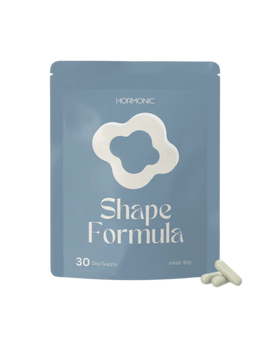
Midlife Formula was developed for the period around menopause and combines, among other things, creatine, which contributes to an increase in physical performance during strength training, with plant-based active ingredients such as red clover, wild yam, and saffron. It is not a weight-loss product, but rather a well-thought-out companion for muscle maintenance and increased well-being, while you work towards your goal with protein and training.

€75,00
Learn more

What really helps with weight loss during menopause

The good news: the levers are known, and they are more powerful than any one-size-fits-all diet. It's less about hunger and more about protecting muscles, smartly using protein and exercise, and giving the body sleep and rest. Here are the levers, ordered by study findings.

Protein: the most important and often underestimated lever

As we age, the body loses muscle mass faster, and it is precisely this muscle mass that burns energy at rest. Current review papers recommend significantly more protein for women in and after menopause than the old guidelines, about1.2 to 1.6 grams per kilogram of body weight daily, to maintain muscles (Mercer et al., 2024). Protein also provides longer satiety, which makes calorie saving without cravings easier. Specifically, this means: a good source of protein with every meal, from quark and eggs to legumes and fish.

Strength training beats pure endurance training

If you want to lose weight and stay toned, there's no getting around strength training. It builds the muscles that support the basal metabolic rate, while endurance primarily helps with reducing belly fat. It's best to combine both: two to three strength training sessions per week plus daily activity (Khalafi et al., 2023). You can read more about how women particularly benefit from this in our article onStrength and interval training for women.

Sleep and stress: the silent weight factors

Too little sleep shifts the hunger and satiety hormones leptin and ghrelin and makes you eat more the next day. Chronic stress keeps cortisol levels high, which promotes belly fat and cravings. Seven to nine hours of sleep and genuine recovery phases are therefore not a luxury, but part of the strategy.

Nutrients and plant compounds: honestly classified

First and foremost: there is no dietary supplement that burns fat, and Hormonic does not sell weight loss products. What targeted active ingredients can do is accompany the transition and support muscle preservation, which is the foundation of weight loss. The most interesting here iscreatine. It contributes to an increase in physical performance during strength training, and current evaluations suggest that women in midlife benefit from muscle strength and muscle mass in combination with training (Smith-Ryan et al., 2021).

With plant-based active ingredients, it's not about losing weight, but about the typical companions of menopause that make persistence difficult. Red clover and yam rootare traditionally associated with menopausal symptoms, saffronis studied in relation to mood and appetite control (Moshfegh et al., 2022). The indirect idea: those who sleep better, are more balanced, and suffer less from symptoms can maintain healthy habits more easily, and that is exactly what determines success or frustration.

Nutrients and plant compounds, honestly classified:

  • Protein: the most important lever, about 1.2 to 1.6 g per kg body weight for muscle maintenance.
  • Creatine: contributes to an increase in physical performance during strength training, thus supporting muscle maintenance.
  • Red clover, yam root, saffron: accompany menopause, no weight loss effect, but support for perseverance.
  • No active ingredient replaces protein, exercise, and a moderate calorie deficit.

When medical clarification is advisable

If weight increases sharply despite consistent diet and exercise, changes very quickly, or is accompanied by symptoms such as exhaustion, sensitivity to cold, or hair loss, it is worth checking the thyroid and hormones. Medical support is also advisable in cases of significant distress or a BMI over 30, including modern options such as GLP-1 medications. Afree initial consultation with a Hormonic doctorwill help you to classify your values and find a realistic plan.

Are you looking for maximum nutrient support for menopause?

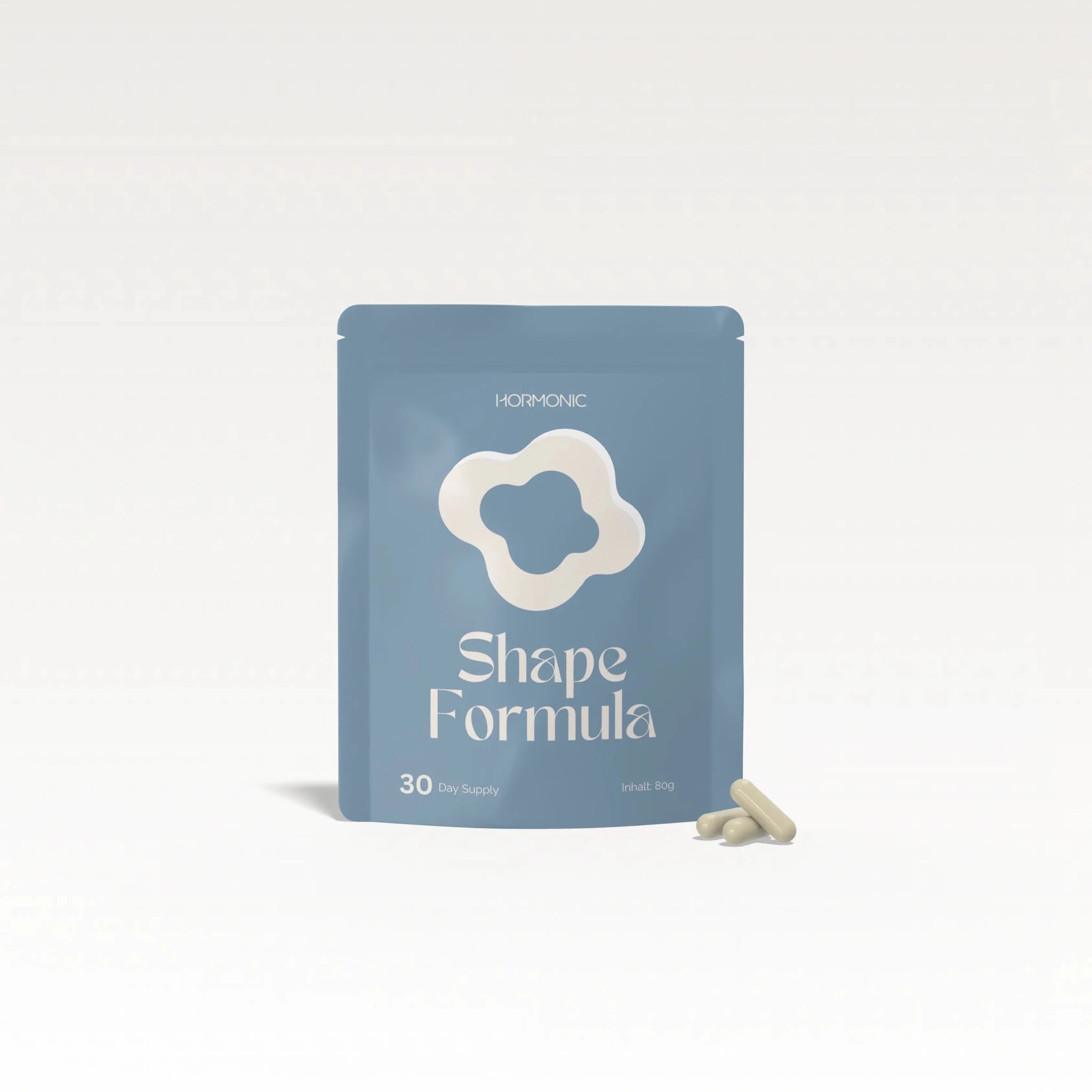
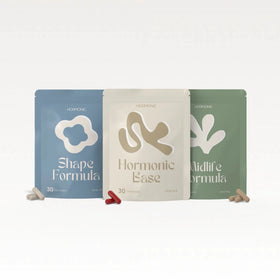
The trio of Hormonic Base, Shape and Midlife Formula provides you with all the active ingredients that play an important role in areas such as hormone regulation, metabolism, immune system and cell energy. Doctor-developed and manufactured in Austria.

Secure bestsellers

Conclusion

Losing weight during menopause is harder, but by no means impossible. Declining estrogen levels shift fat to the midsection, and muscle loss slows metabolism, which is why the old recipes no longer work. What really matters is protecting muscles: with plenty of protein, regular strength training, good sleep, and a moderate, sustainable calorie deficit.

Dietary supplements do not replace this. Creatine can support muscle maintenance during training, and plant-based active ingredients can accompany menopause and thus make it easier to persevere. In cases of severe distress or noticeable symptoms, the thyroid should be medically evaluated. Be patient with yourself: Sustainable beats fast.

Frequent Questions About Weight Loss in Menopause

Why do we gain weight during menopause?

Because two things come together. Declining estrogen levels shift fat storage from the hips and thighs to the abdominal area, and muscle mass decreases with age, which lowers the basal metabolic rate. This means the body burns less energy at rest, while fat accumulates more easily around the midsection. This is precisely why maintaining muscle and protein intake helps more than simply cutting calories.

What is the best diet for weight loss during menopause?

The most effective approach is a combination of high protein, strength training, and a moderate calorie deficit. Protein and muscles protect the basal metabolic rate, strength training builds muscle, and endurance helps against belly fat. In addition, good sleep and stress reduction are important because both influence hunger and fat storage. Crash diets are counterproductive because they break down muscle and further slow down the metabolism.

Welcher Sport hilft beim Abnehmen in den Wechseljahren?
Bauchfett reagiert besonders gut auf die Kombination aus Kaloriendefizit, Krafttraining und Ausdauerbewegung. Ein wichtiger, oft übersehener Faktor ist Stress: Ein dauerhaft hoher Cortisolspiegel begünstigt Fett in der Körpermitte. Guter Schlaf, Stressmanagement, weniger Alkohol und ausreichend Eiweiß unterstützen den Abbau. Punktuelles Wegtrainieren an einer Stelle funktioniert nicht, der Körper baut Fett immer im Ganzen ab.
Helfen Nahrungsergänzungsmittel beim Abnehmen in den Wechseljahren?
Nein. Es gibt kein Nahrungsergänzungsmittel, das in den Wechseljahren Fett verbrennt, und seriöse Anbieter versprechen das auch nicht. Sinnvoll sind Wirkstoffe, die den Muskelerhalt unterstützen, etwa Kreatin in Kombination mit Krafttraining, oder die typische Wechseljahresbeschwerden begleiten und so das Durchhalten erleichtern. Die Basis bleiben immer Eiweiß, Bewegung und ein moderates Kaloriendefizit.

Scientific Sources

  • Mercer, D. et al. (2024). Protein requirements and muscle mass in peri- and postmenopausal women: a narrative review. Nutrients / Endocrines. doi:10.3390/endocrines4030016
  • Smith-Ryan, A. E. et al. (2021). Creatine supplementation in women's health: a lifespan perspective. Nutrients. doi:10.3390/nu13030877
  • Khalafi, M. et al. (2023). The effects of resistance versus aerobic training on body composition in postmenopausal women: a systematic review and meta-analysis. Frontiers in Physiology / PMC10306117.
  • Moshfegh, F. et al. (2022). Crocus sativus (saffron) in the treatment of psychological and metabolic outcomes: a systematic review. Phytotherapy Research. doi:10.1002/ptr.7395
  • Ko, J. & Kim, K. (2020). Menopause-associated lipid metabolic disorders and foods beneficial for postmenopausal women. Nutrients. doi:10.3390/nu12010202
  • Davis, S. R. et al. (2023). Menopause: a global perspective on management. The Lancet Diabetes & Endocrinology.

About the Author

Amelie Weiss

Amelie Weiss

Research Fellow, PhD · Hormonic

Amelie Weiss is a Research Fellow at Hormonic and conducts scientific research on hormonal health, micronutrients, and evidence-based women's health.

Note: This article is based on current guidelines and scientific works (as of 2026). It is for informational purposes only and does not replace professional medical advice, diagnosis, or treatment.

Share

You might also be interested in this.
Gewichtszunahme in den Wechseljahren: Ursachen, Hormone & was wirklich hilft - Hormonic
WechseljahreNov 18, 202512 min read
Weight Gain in Menopause: Causes, Hormones & What Really Helps

Why do women gain weight during menopause – and what really helps? Learn about the hormonal causes, typical mistakes & scientifically sound strategies for weight loss.

Ernährung in den Wechseljahren: Was wirklich hilft - Hormonic
WechseljahreMar 12, 202511 min read
Menopause Nutrition: What Really Helps

As hormone levels change, energy requirements decrease while the need for protein and micronutrients remains high. This guide, based on current guidelines, shows you which diet really suits you and...

Krafttraining für Frauen: Wie es Hormone, Stoffwechsel und Knochen stärkt - Hormonic
FitnessJun 18, 20268 min read
Strength Training for Women: How it Boosts Hormones, Metabolism, and Bones

Strength training profoundly impacts women's insulin, bone density, and muscle mass. An honest assessment of what the evidence truly shows across different life stages.