Cart

Your cart is empty

Continue shopping

Trending searches

Featured products

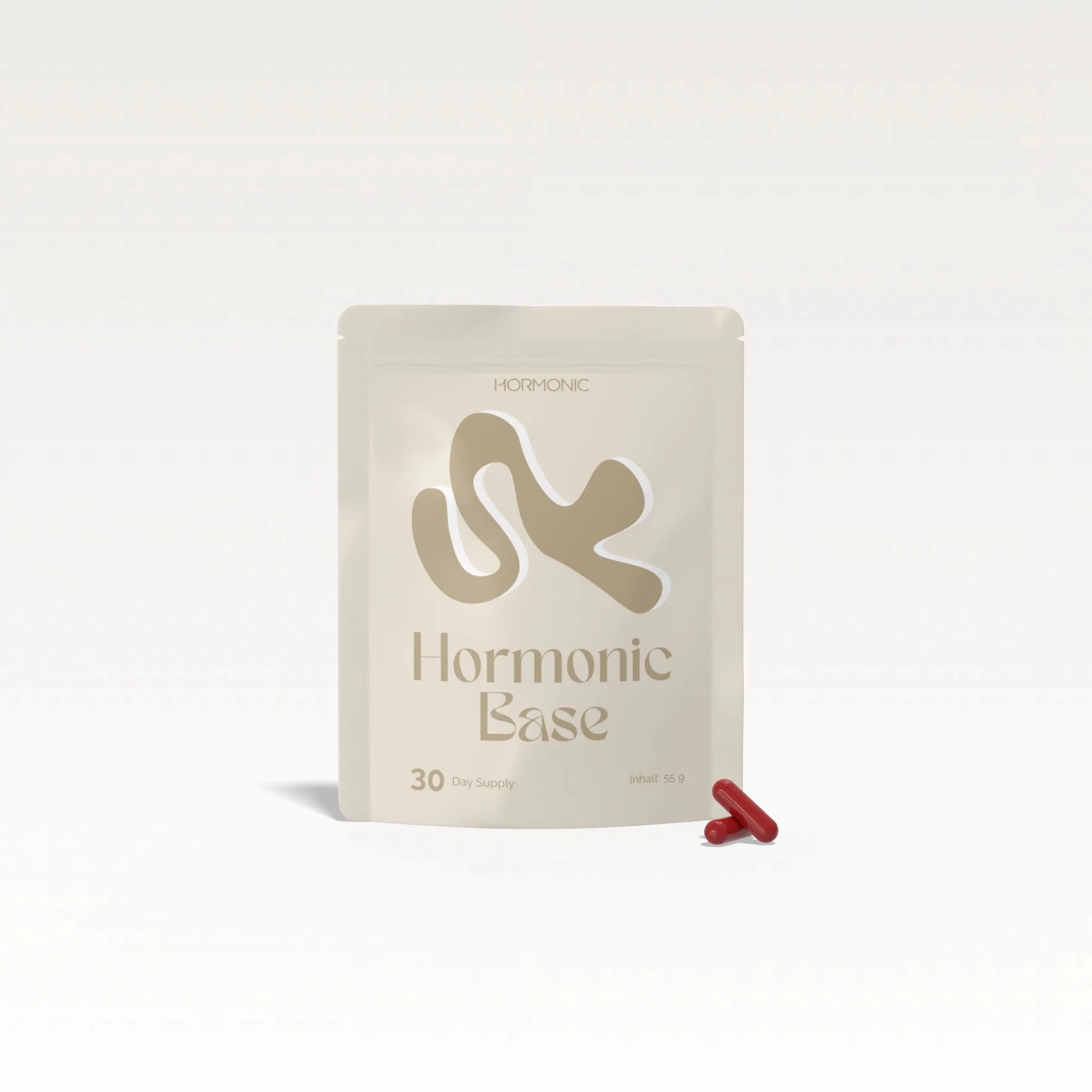
Hormonic Base Nahrungsergänzung mit 16 Mikronährstoffen
Sale price€65,00
(5.0)
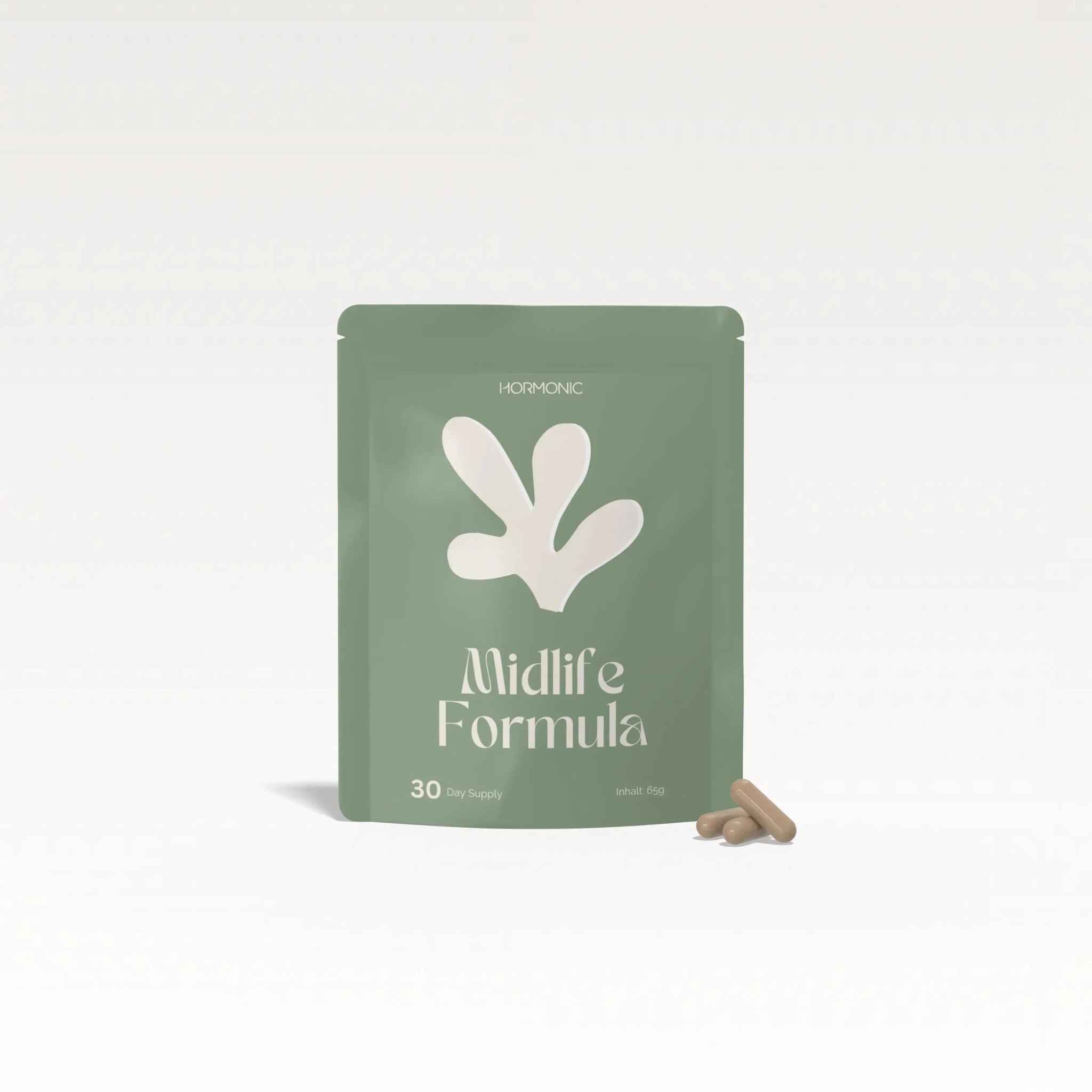
Hormonic Midlife Formula für die Perimenopause
Sale price€75,00
(5.0)
Bioidentische Hormone: Was sie sind, was sie können und was nicht
WechseljahreDec 1, 202510 min read

Bioidentical Hormones: What they are, what they can do, and what they can't

This article is part of: Menopause & Perimenopause: The Complete Medical Guide

Bioidentical hormones are currently experiencing a revival. The term sounds like a natural alternative, but medically it is not as clear as it seems. This guide explains what bioidentical hormones really are, how they differ from synthetic hormones, what the study data shows, and for whom hormone therapy is appropriate.

Key takeaways

Bioidentical hormones have the same chemical structure as endogenous hormones (17-beta-estradiol, micronized progesterone). The term is not clinically protected. Transdermal estradiol reduces the risk of thrombosis compared to oral tablets. Micronized progesterone shows no significantly increased breast cancer risk in the E3N cohort study. The evidence for HRT comes almost exclusively from studies with synthetic hormones. Compounded bioidentical hormones from pharmacies are not standardized and are not recommended by guidelines.

Bioidentical hormones are everywhere right now. In podcasts, on Instagram, in doctors' offices specializing in menopausal medicine. At the same time, there is a lot of confusion about what the term really means, what is approved, and what the research shows. This guide clarifies things.

What exactly are bioidentical hormones?

Bioidentical hormones are active ingredients whose chemical structure exactly matches that of the body's own hormones. The most important ones are 17-beta-estradiol, micronized progesterone, and testosterone. They are synthesized in the laboratory, often from plant-based raw materials such as soy or wild yam, but this does not automatically make them plant-based or natural, but rather bioidentical.

The term is not legally protected in medicine. Every clinic, every pharmacy, and every provider can use it. This leads to confusion, because "bioidentical hormones" can refer to two very different things:

Category 1

Approved Proprietary Medicinal Products

Estrogel, Gynokadin Gel, Lenzetto (estradiol), Utrogest, Progestan (micronized progesterone). Standardized, available in pharmacies, recommended by guidelines. This is evidence-based medicine.

Category 2

Compounded Individual Prescriptions

Individually prepared by specialized pharmacies, often based on saliva tests. Not standardized, no approval studies. Explicitly not recommended by AWMF, IMS, and ACOG.

So, if your doctor prescribes Estrogel and Utrogest, you are already taking bioidentical hormones. This is not an alternative approach; it is modern menopausal medicine according to current guideline standards.

The crucial difference: bioidentical vs. synthetic

The core difference is not in estrogen, but in progestin. Modern HRT almost always uses estradiol in bioidentical form. The crucial question is which progestin is combined with it.
Active Ingredient Bioidentical Synthetic
Estrogen 17-beta-estradiol (Estrogel, patches, spray) Conjugated equine estrogens (e.g., Premarin, rare today)
Progestin Micronized progesterone (Utrogest, Progestan) MPA, norethisterone acetate, levonorgestrel, etc.
Thrombosis Risk Transdermal: no increased risk Oral: slightly increased risk
Breast Cancer Risk Micronized progesterone: no significant increase (E3N) Certain synthetic progestins: slightly increased risk

The E3N cohort study from France, involving nearly 100,000 women, is particularly relevant in this context: it showed that a combination of transdermal estradiol and micronized progesterone, unlike synthetic progestins, did not lead to a significant increase in breast cancer risk. This is an important indication, but not conclusive proof, because cohort studies cannot establish causality.

Did you know?

Bioidentical does not mean natural and not plant-based. It means: the chemical structure of the active ingredient is identical to the hormone your body produces itself. Estrogel, Lenzetto, and Utrogest are all bioidentical finished medicinal products that are available in every pharmacy and approved in Germany.

What the study situation really shows

The evidence for hormone therapy in menopause largely comes from studies conducted with oral synthetic hormones. This is an important limitation: many of the positive statements about bioidentical hormones versus synthetic ones are based on observational studies, not on randomized controlled trials with direct comparison.

What is well-established:

  • Transdermal estradiol bypasses liver metabolism (first-pass effect) and is therefore not associated with an increased risk of thrombosis, unlike orally administered estrogen. This is confirmed by the German S3 guideline on peri- and postmenopause (AWMF 015-062, 2020).
  • Micronized progesterone has a sedating effect via GABA-A receptors and can improve sleep quality, which synthetic progestins do not do to the same extent.
  • Bioidentical progesterone has a more favorable receptor profile than older synthetic progestins such as medroxyprogesterone acetate (MPA), which showed an increase in breast cancer in the 2002 Women's Health Initiative (WHI) and contributed to the poor reputation of HRT.

What is not yet sufficiently proven:

The statement that bioidentical hormones are fundamentally safer than synthetic ones is not correct as such. There are indications of a more favorable profile for specific active ingredients (micronized progesterone vs. MPA), but no sufficient direct comparative RCTs. The German Menopause Society therefore recommends approved finished medicinal products with bioidentical active ingredients, not the uncritical statement that bioidentical is per se better.

Compounded hormones: The problem with individualized formulations:

Saliva test-based hormone levels, individual compounding formulations, and the idea of a perfectly balanced hormone cocktail sound tempting. The problem is the lack of standardization. The amount of active ingredient in compounded preparations is difficult to reproduce, quality controls are not obligatory, and there are no approval studies. AWMF, the International Menopause Society (IMS), and ACOG explicitly advise against it. Those who want bioidentical hormones can get them in a standardized, safe form through approved finished medicinal products.

Midlife Formula: Targeted Micronutrients for Menopause

Hormone therapy addresses hormone levels. Midlife Formula supplements the micronutrients that are often lacking during this phase: vitamin D, magnesium, B vitamins, and other clinically relevant nutrients. Food supplements do not replace medical treatment.

€75,00

Discover Midlife Formula

For whom is HRT useful?

The S3 guideline of the AWMF (2020, update under revision) recommends hormone therapy if vasomotor symptoms such as hot flashes and night sweats, sleep disturbances, urogenital symptoms, or a significant reduction in quality of life are present. There is no longer a rigid age limit.

When the decision should be individually weighed:

  • Women with an increased risk of breast cancer (family history, BRCA mutation) or a history need specialized medical advice.
  • Women with active or recently treated hormone receptor-positive breast cancer: HRT is generally contraindicated.
  • Women with a history of thrombosis: transdermal estradiol is favorable regarding the risk of thrombosis, but the overall picture must be medically evaluated.
  • Early perimenopause (40 to 45 years): Here, an early start can have a more favorable long-term effect on cardiovascular risk and bone health.

Non-hormonal alternatives: What if HRT is not an option?

For women for whom hormone therapy is contraindicated or who refuse it, there are several alternatives with varying degrees of evidence:

  • Fezolinetant (Veoza): an NK3 receptor antagonist that specifically inhibits the neurokinin B signaling pathway responsible for hot flashes. Approved in Germany since 2024, well-tolerated in studies to date.
  • Phytoestrogensfrom soy (isoflavones), as contained in Hormonic Midlife Formula: show moderate effects on hot flashes in some studies, especially in women who produce equol. Not an alternative to HRT for severe symptoms.
  • Herbal medicines such as Cimicifuga racemosa (black cohosh): In the Cochrane review, a tendency towards effectiveness, no significance. "Can" recommendation in the guidelines.
  • Specific dietary supplements such as saffron or creatine, which can support different menopausal symptoms. Here, a combination preparation like the Midlife Bundlecan make sense, as it supports you holistically,
  • SSRIs and SNRIs (Venlafaxine, Paroxetine): off-label for vasomotor symptoms, act via serotonergic and noradrenergic pathways. Paroxetine is approved in the USA for this indication.

A more detailed classification of non-hormonal options and the influence of nutrition on menopausal symptoms can be found in our nutrition article on menopause and in the hot flashes guide.

Could hormone therapy be right for you?

Our medical team evaluates your symptoms, lab results, and risk factors and explains which options are suitable for your situation. Free, 15 minutes, no waiting time.

Book a free consultation call

Key takeaways

  • Bioidentical hormones means: chemically identical to the body's own hormones. The term is not protected and is used for very different products.
  • Approved bioidentical finished medicinal products (Estrogel, Utrogest) are the gold standard of modern menopausal medicine and recommended by guidelines.
  • Compounded, individually prepared bioidentical hormones are not standardized and not recommended by professional societies.
  • Transdermal estradiol and micronized progesterone show a more favorable risk profile in observational studies than older oral synthetic combinations.
  • The decision for or against HRT is always individual and requires medical supervision.

Frequently Asked Questions about Bioidentical Hormones

What is the difference between bioidentical and synthetic hormones?

Bioidentical hormones have the same chemical structure as the body's own hormones. Synthetic progestins are chemically altered and act differently on receptors. Bioidentical 17-beta-estradiol and micronized progesterone are available in approved finished medicinal products and, according to current research, are considered to be more favorable in terms of thrombosis and breast cancer risk than older synthetic variants.

Are bioidentical hormones safer than conventional HRT?

Approved bioidentical finished medicinal products such as transdermal estradiol and micronized progesterone show a more favorable risk profile in large observational studies than older oral synthetic combinations. The data primarily come from observational studies, not from direct comparative RCTs. Individually prepared bioidentical hormones from compounding pharmacies are not standardized and are not recommended.

Welche bioidentischen Hormone sind in Deutschland zugelassen?

In Deutschland zugelassene bioidentische Hormontherapien umfassen: transdermales 17-beta-Östradiol als Gel (Estrogel, Gynokadin Gel), Pflaster oder Spray sowie orales oder vaginales mikronisiertes Progesteron (Utrogest, Progestan). Diese Präparate sind in jeder Apotheke erhältlich und werden von den deutschen Leitlinien explizit empfohlen.

Wann ist eine Hormontherapie in den Wechseljahren sinnvoll?

Die deutsche S3-Leitlinie empfiehlt eine HRT, wenn klimakterische Beschwerden die Lebensqualität erheblich beeinträchtigen, insbesondere Hitzewallungen, Schlafstörungen und urogenitale Symptome. Die Entscheidung wird individuell getroffen und hängt von persönlichen Risikofaktoren, Beschwerdeintensität und Therapiepräferenz ab.

Was sind compoundierte bioidentische Hormone und warum sind sie problematisch?

Compoundierte Hormone werden von Apotheken individuell hergestellt, oft auf Basis von Speicheltest-Hormonspiegeln. Das Problem: keine Standardisierung, schwer kontrollierbare Wirkstoffmenge, keine Sicherheitsstudien. AWMF, IMS und ACOG raten von ihrer routinemäßigen Anwendung ab. Zugelassene Fertigarzneimittel bieten dieselben Wirkstoffe mit belegter Qualität.

Kann man bioidentische Hormone ohne Rezept kaufen?

Zugelassene bioidentische Hormonpräparate wie Estrogel und Utrogest sind verschreibungspflichtig in Deutschland. Niedrig dosierte vaginale Östrogene (Östriol) sind teilweise rezeptfrei erhältlich. Kompoundierte Individualrezepturen erfordern ebenfalls ein Rezept. Online-Shops, die bioidentische Hormone ohne Rezept anbieten, bewegen sich außerhalb des legalen Rahmens.

Scientific Sources

  • AWMF S3-Leitlinie Peri- und Postmenopause. (2020). AWMF Register number 015-062. DOI: 10.1055/a-1296-3480
  • Fournier A, Berrino F, Clavel-Chapelon F. (2008). Unequal risks for breast cancer associated with different hormone replacement therapies: results from the E3N cohort study. Breast Cancer Research and Treatment, 107(1):103-111. DOI: 10.1007/s10549-007-9523-x
  • Canonico M, Oger E, Plu-Bureau G et al. (2007). Hormone therapy and venous thromboembolism among postmenopausal women: impact of the route of estrogen administration and progestogens: the ESTHER study. Circulation, 115(7):840-845. DOI: 10.1161/CIRCULATIONAHA.106.642280
  • Rossouw JE et al. (2002). Risks and benefits of estrogen plus progestin in healthy postmenopausal women: principal results from the Women's Health Initiative randomized controlled trial. JAMA, 288(3):321-333. DOI: 10.1001/jama.288.3.321
  • Baber RJ, Panay N, Fenton A; IMS Writing Group. (2016). 2016 IMS Recommendations on women's midlife health and menopause hormone therapy. Climacteric, 19(2):109-150. DOI: 10.3109/13697137.2015.1129166
  • de Villiers TJ et al. (2022). EMAS and IMS 2022 updated recommendations on postmenopausal hormone therapy and preventive strategies for midlife health. Maturitas, 165:90-99. DOI: 10.1016/j.maturitas.2022.09.001
  • Römer T, Henningsen M, Kiechle M et al. (2024). A contemporary view on therapeutic options during menopause. Frauenarzt Special Publication 65.
  • Stute P et al. (2021). Individualized hormone replacement therapy: an update. Climacteric, 24(1):1-8. DOI: 10.1080/13697137.2020.1789131
  • The Menopause Society. (2022). Hormone therapy position statement. Menopause, 29(7):767-794. DOI: 10.1097/GME.0000000000002028
  • Langer RD et al. (2021). The WHI trials: an opportunity not to be missed. Menopause, 28(5):487-498. DOI: 10.1097/GME.0000000000001759

About the Author

Lisa Maria Emmer

Lisa Maria Emmer

Physician & Medical Director · Hormonic

Lisa Maria Emmer is co-founder and medical director at Hormonic. She supports women with hormonal problems every day and specializes in cycle health, PCOS, and menopause.

This article is based on current guidelines and scientific works (as of 2026). It is intended for informational purposes only and does not replace professional medical advice, diagnosis, or treatment. Decisions regarding hormone therapy should always be made under medical supervision.

Share

You might also be interested in this.

Gewichtszunahme in den Wechseljahren: Ursachen, Hormone & was wirklich hilft
WechseljahreNov 18, 202512 min read
Weight Gain in Menopause: Causes, Hormones & What Really Helps

Why do women gain weight during menopause – and what really helps? Learn about the hormonal causes, typical mistakes & scientifically sound strategies for weight loss.

Pflanzenstoffe in den Wechseljahren
WechseljahreNov 16, 202527 min read
Plant substances during menopause

What helps with hot flashes, mood swings, or sleep disturbances? Studies show: These plant-based substances can support you during menopause.

Selbstbewusste Frau um die 50 am Fenster, Thema Wechseljahre Symptome
WechseljahreOct 29, 20259 min read
Is this menopause? The 10 most common symptoms

How can you actually recognize menopause, and how do I know if my symptoms are related to it? We'll explain.