

Offer ends in10:00

Cart

Your cart is empty

Continue shopping

Trending searches

Featured products

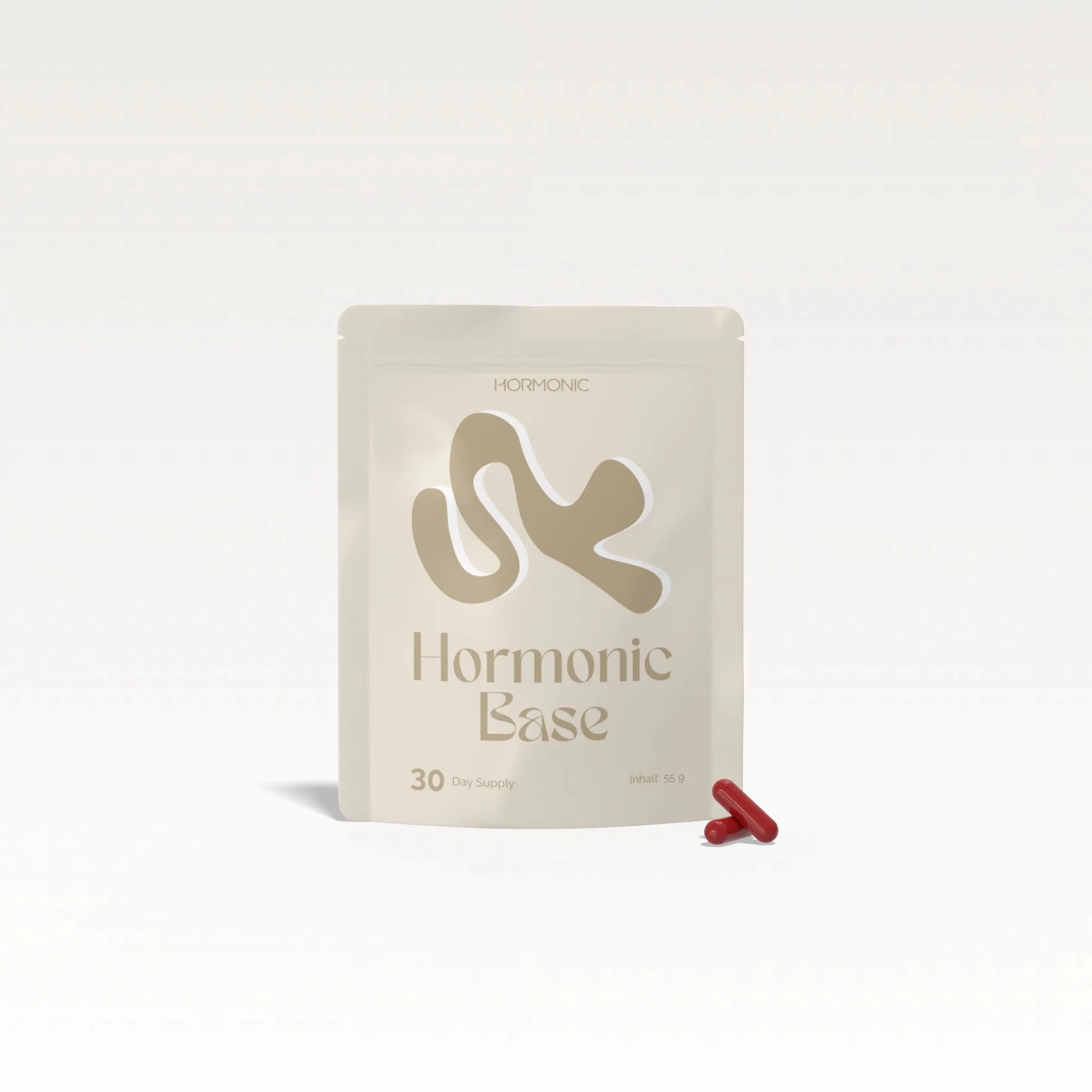
Hormonic Base - Hormonic - Nahrungsergänzungsmittel
Sale price€65,00
(5.0)
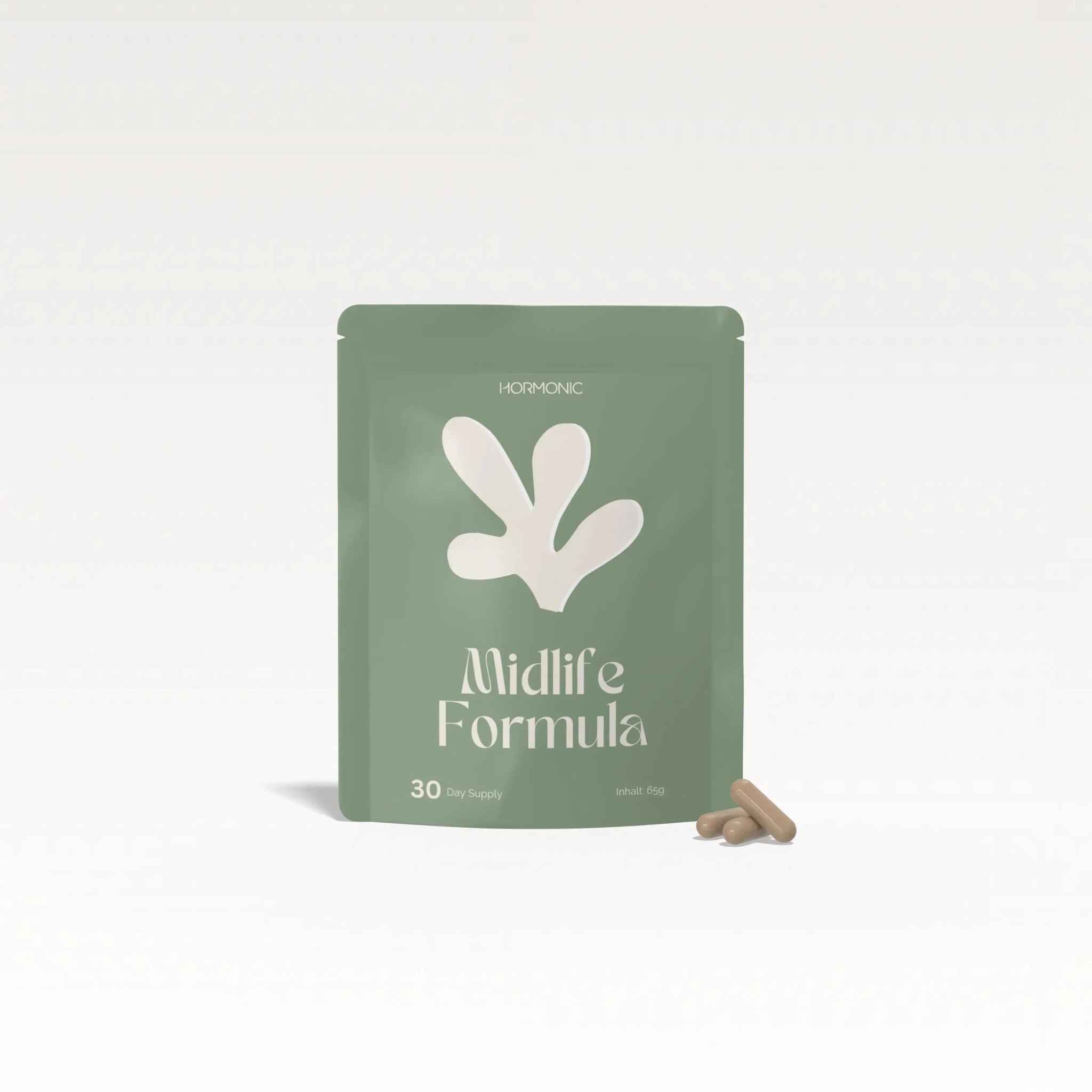
Midlife Formula - Hormonic - Nahrungsergänzungsmittel
Sale price€75,00
(5.0)
Pille absetzen: Symptome, Zyklus & was du beachten solltest - Hormonic
VerhütungJul 23, 202411 min read

Coming off the pill: Side effects, symptoms, and your cycle afterwards

Stopping the pill sounds simple: finish the pack, done. In reality, it initiates a hormonal readjustment process that can take weeks to months. This guide explains, based on evidence, what happens in the body, which side effects are genuinely attributable to stopping the pill, when medical consultation is advisable, and how you can actively support your hormone balance during the transition phase.

You're thinking about stopping the pill, or you did a few weeks ago and are wondering why everything feels different now. This is no coincidence: with the last pill, hormonal control that has kept your body constant for years ends. What returns then is your own cycle, and it needs time to find itself again. This guide will show you, based on evidence, what happens when you stop the pill, which side effects are normal, and how you can actively support the transition.

Key facts at a glance
  • When stopping the pill, artificial hormonal control ceases, and the body's own hormonal axis usually resumes its work within 4 to 12 weeks.
  • In about 97 percent of women, periods return within 90 days, but a stable cycle often only appears after 6 to 9 months.
  • Typical side effects include acne, hair loss, irregular cycles, water retention, and mood swings. Almost all are temporary.
  • An independent post-pill syndrome is not medically recognized. If your period is absent for more than 3 months, medical clarification is advisable.
  • The pill can increase the need for micronutrients such as vitamin B6, folate, zinc, and vitamin D, which can be specifically replenished during the transition phase.

Free self-test · approx. 2 minutes

Stopping the pill: yes or no? Take the check.

Answer a few questions about your cycle, your symptoms, and your life stage, and receive a personal assessment of whether and how stopping the pill suits you. Anonymous, no registration to start.

To the self-test →

What happens in your body when you stop the pill?

The pill replaces your body's own sex hormones with synthetic versions and thereby suppresses ovarian function. When you stop taking it, this control ceases, and the so-called hypothalamic-pituitary-gonadal axis must resume its own hormone production, a process that takes several weeks to months for most women.

A combined pill contains ethinyl estradiol and a progestin. These two substances act on the hypothalamus and pituitary gland via a negative feedback signal: the release of the control hormone GnRH is slowed down, FSH and LH remain low, the follicle does not mature, and ovulation does not occur. Studies show that this inhibition primarily occurs at the hypothalamic level; the pituitary gland itself remains functional.

As soon as you stop the pill, synthetic hormones decrease within a few days. The hypothalamus registers the absence of the feedback signal and begins to release GnRH in a pulsatile manner again. FSH rises, a follicle begins to mature, estradiol builds up, and an LH peak eventually triggers ovulation. In a prospective study by Gnoth et al., about 58 percent of the first cycles after discontinuation were already ovulatory, though often with a shortened luteal phase. So it's entirely possible to ovulate in the first cycle, but it's equally normal for your body to need two or three attempts.

Hormonal transition after stopping the pill

Day 1 to 7
Synthetic hormones are broken down. A withdrawal bleed usually occurs within 2 to 4 days.
Week 2 to 6
Hypothalamus reactivates GnRH pulsatility, FSH and LH rise, a follicle begins to mature.
Week 4 to 12
First natural ovulation possible. In almost 97 percent of women, the period returns within 90 days.
Month 3 to 6
Cycle length and hormone curve stabilize, the luteal phase becomes longer and stronger.
Month 6 to 12
For most women, the cycle has now settled. If the period remains absent for longer, medical clarification is advisable.

Common side effects after stopping the pill at a glance

The most common side effects after stopping the pill are skin changes, hair loss, an irregular cycle, water retention, and changes in mood and libido. Almost all are temporary and are an expression of hormonal adjustment, not permanent damage.
Symptom Why it occurs How long typically
Acne, breakouts Androgen rebound: the androgen-suppressing effect of the pill wears off Starts 6 to 12 weeks, usually improves after 6 to 12 months
Diffuse hair loss Telogen effluvium due to hormonal changes 2 to 4 months after stopping, usually temporary
Irregular cycle The hormonal axis needs to re-establish its own regulation First 3 to 6 months, often stable after 6 to 9 months
Water retention, weight Reduction of pill-induced water retention Weeks to a few months
Mood swings Cyclical estrogen and progesterone fluctuations return Cycle-dependent, improves over several months
Altered libido SHBG decreases, more free testosterone becomes available Often increases over weeks to months

Further below, you will read in detail which physical, cyclical, and emotional symptoms can occur, how long it takes for the cycle to normalize, and how you can support the transition.

Why do women stop taking the pill?

The reasons are as individual as the women themselves. Most commonly cited are side effects such as mood changes or loss of libido, the desire to plan a family, safety concerns such as the risk of thrombosis, and the growing desire to live hormone-free and get to know one's own cycle.

The following motivations most frequently appear in counseling sessions and in healthcare research. It is rarely just one reason; usually, several overlap.

  • Side effects that are noticeably burdensome: Mood dips, loss of libido, migraines, water retention, or skin changes are the most common reasons why women switch or stop entirely. Concerns about weight gain from the pill also often play a role. The Danish registry study by Skovlund et al. showed an association between hormonal contraception and first-time antidepressant prescriptions, especially in adolescents.
  • Desire for children: Those who want to get pregnant usually stop the pill after finishing the pack. A waiting period is not medically mandatory, but three to six months of getting to know one's cycle is useful to recognize ovulation.
  • Desire to live hormone-free: Many women want to experience their natural cycle, get to know their energy curve, their libido, and their mood beyond synthetic control.
  • Health concerns: Risk of thrombosis, family history, migraine with aura, or new diagnoses such as high blood pressure can be medical reasons for stopping. Medical consultation is always advisable here.
  • Life phase changes: Change of partnership, studies, new life phase, or simply the need to question a routine that has been running for years.

Did you know?

The pill suppresses the hormone axis not in the ovaries, but in the brain. Synthetic estrogen and gestagen send a negative feedback signal to the hypothalamus: "All supplied, no ovulation necessary." After stopping, it takes a few weeks until the hypothalamus no longer receives this signal and starts to pulsatilely secrete the control hormone GnRH again. Only then does follicle development begin, leading to ovulation. The ovaries themselves were never "dormant," just briefly on receive instead of transmit.

What symptoms can occur after discontinuation?

After discontinuation, the body reacts to the loss of external hormonal control and the resumption of its own production. The symptoms that occur are very individual and depend on which complaints the pill had previously masked. Some women notice hardly anything, others experience several months of adjustment. Both are normal.

Important to know:A temporal correlation with discontinuation does not automatically mean that the pill is the cause. Often, complaints return that existed before the pill and were suppressed by it.

Physical signs:

  • Skin changes, especially acne in the chin and jaw area, often 6 to 12 weeks after discontinuation as an androgen rebound, because the androgen-suppressing effect of the pill ceases.
  • Diffuse hair loss after stopping the pill, typically as telogen effluvium 2 to 4 months after discontinuation.
  • Changes in body weight and water retention, more on this in the article Weight gain after stopping the pill
  • Breast tenderness, headaches and mid-cycle pain, often signs that ovulation is returning.
  • Altered cervical mucus, often only clear and spinnable visible shortly before ovulation.

Cyclical changes:

  • Longer, shorter or irregular cycles in the first 3 to 6 months.
  • Heavier or more painful periods, especially in women who took the pill for endometriosis or heavy bleeding.
  • Premenstrual symptoms such as irritability, pain and water retention, which were dampened by the pill.

Emotional and mental changes:

  • Mood swings, often cycle-dependent, when the body again produces estrogen and progesterone peaks independently.
  • Altered libido, in many cases increasing again, because the SHBG elevated by the pill decreases and more free testosterone becomes available. More on this under Loss of libido due to the pill
  • Energy and sleep changes that follow the cyclical hormonal fluctuation.

The term "post-pill syndrome" is not a recognized medical diagnosis. It does not appear as a distinct clinical picture in either ICD-10 or in the guidelines of the DGGG or ACOG. What is colloquially called this is usually a transitional phase or the reappearance of symptoms that existed before the pill.

Micronutrients for Post-Pill Recovery

The pill can increase the need for several micronutrients, including vitamin B6, folate, zinc, and vitamin D. Hormonic Base provides these in well-considered dosages: Vitamin B6 contributes to the regulation of hormonal activity, folate, B6, and magnesium help reduce fatigue, and zinc contributes to the maintenance of normal skin and hair and to normal fertility. Food supplements are not a substitute for medical treatment.

€65,00

Save 20% now

When is the best time to stop?

There is no medically optimal time. Clinically, it makes sense to finish the current pack and then simply not continue. Tapering off offers no advantage.

The German S3 guideline on hormonal contraception, as well as the guidelines from ACOG and FSRH, agree: the pill can be stopped at any point in the cycle, but it is safer to stop at the end of a pack. Those who stop in the middle of a blister risk an unplanned pregnancy in the same cycle because ovulation inhibition diminishes after just 24 to 48 hours.

If you are actively trying to conceive: You can get pregnant immediately in the first cycle after stopping. It makes sense to stop approximately 3 to 6 months before the planned conception period so that you can get to know your cycle and compensate for any nutrient deficiencies before pregnancy. Folic acid 400 micrograms daily is recommended at least 4 weeks before conception, regardless of whether you have previously taken the pill.

Those who stop for medical reasons, such as migraine with aura, new-onset high blood pressure, suspected thrombosis, or certain cancer diagnoses, should always do so under medical supervision. In these cases, stopping may be indicated very soon.

How long does it take for the cycle to return to normal?

In about 97 percent of women, periods resume within 90 days after the last pill. A fully stable cycle with reliable ovulation and a sufficient luteal phase often only appears after 6 to 9 months.

In the study by Davis et al., the median time to the first spontaneous period was 32 days, with a range of 15 to 82 days. Gnoth et al. found that 58 percent of the first cycles were already ovulatory, but often with a shortened luteal phase. It typically takes 6 to 9 months for everything to stabilize.

If your period does not return 3 months after stopping, it is worth investigating. True post-pill amenorrhea lasting more than 6 months affects less than 1 percent of women. The most common actual causes are PCOS, hypothalamic amenorrhea, thyroid disorders, or elevated prolactin, not the pill itself.

What can support the return of hormones?

There is no active ingredient that speeds up the cycle. What has been shown to help is a combination of a stable lifestyle, targeted micronutrient supply, and realistic expectations for the transition period.

Targeted micronutrient replenishment:

Studies indicate that the pill affects certain micronutrients. For vitamin B6, the systematic review by Wilson et al. consistently shows lower plasma levels. Vitamin B6 contributes to the regulation of hormonal activity and the reduction of fatigue. For vitamin B12, serum levels decrease, but functional markers usually remain normal, which indicates a change in transport binding rather than a true deficiency (Riedel 2005). A folate intake of 400 micrograms daily is recommended from the time pregnancy is desired.

Vitamin D is special: Harmon et al. showed that women using estrogen-containing contraception have about 20 percent higher 25-hydroxyvitamin D levels, which decrease after discontinuation. Targeted vitamin D supplementation is therefore particularly relevant during the transition phase. Zinc, which contributes to the maintenance of normal skin and hair and normal fertility, has also been described as reduced in smaller studies, although the evidence here is weaker.

Nutrition as a foundation:

A hormone-friendly diet includes sufficient protein, high-quality fats with omega-3, fiber-rich plant foods, and regular meals. Blood sugar stability is more important than any dietary trend: strong glucose and insulin spikes can further destabilize the hormonal axis. You should pay particular attention to iron, iodine, and choline if you are trying to conceive.

Sleep, stress, and exercise:

Chronic stress keeps the hypothalamus on high alert and can suppress GnRH pulsatility. Those who stop the pill and, in parallel, have high training loads, lack of sleep, and high daily stress often unintentionally prolong the recovery time. 7 to 9 hours of sleep, moderate exercise instead of daily peak performance, and conscious recovery phases have been proven to positively impact cycle regularity.

Are you afraid of withdrawal?

You don't have to navigate this transition alone. In a free, 15-minute introductory call, one of our doctors will provide an initial assessment and answer all your questions about discontinuing the pill, with no obligation.

Secure your free initial consultation

When should you seek medical help?

Most transitional phases are uneventful. However, there are situations in which medical clarification is advisable or necessary:

  • Your period is absent for 3 months or more after the last pill. In this case, an assessment of FSH, LH, estradiol, prolactin, TSH, and a pregnancy test are recommended.
  • Very severe acne, increased hair growth on the face or abdomen, and irregular, infrequent cycles may indicate PCOS, which the pill had previously masked. Here, targeted hormonal and sonographic clarification is advisable.
  • Severe psychological symptoms such as depressive episodes, anxiety attacks, or persistent listlessness for several weeks are a clear reason to seek medical support.
  • Exhaustion, feeling cold, hair loss, weight changes, and concentration problems should lead to thyroid clarification (TSH, fT3, fT4, possibly TPO antibodies).
  • Very heavy or very long bleeding, bleeding outside the cycle, or severe pain should be clarified gynecologically.

Our medical team at Hormonic will be happy to assist you. You can book a free initial consultationat any time to ask your questions about coming off the pill, without obligation.

Topics around coming off the pill

This guide gives you an overview. If you want to delve deeper into a single topic, you will find the relevant articles here:

After coming off the pill: Body and cycle

Effect of the pill on body and psyche

Alternatives and comparisons

Conclusion

Coming off the pill is not a medical feat, but a hormonal adjustment that takes time. For most women, the cycle returns within three months and stabilizes over the first six to twelve months. Side effects such as impure skin, hair loss, or mood swings are almost always temporary and an expression of the adjustment, not a sign of permanent damage. A stable lifestyle, targeted micronutrient supply, and patience help your body the most. If your period is absent for longer than three months or if the symptoms bother you greatly, consulting a gynecologist is the right next step.

You can see which micronutrients the pill demonstrably depletes and how we put them together in the overview of supplements for hormonal balance, including folate, vitamin B6, zinc, and a magnesium complex.

Common questions about stopping the pill

How do you properly stop taking the pill?

Finish your current pack and then simply stop. Tapering off or stopping mid-blister offers no advantage and only increases the risk of an unplanned pregnancy, as ovulation inhibition wears off after just 24 to 48 hours. If you are planning a pregnancy, start taking 400 micrograms of folic acid daily at least 4 weeks beforehand. Plan the first 6 to 9 months as a transition phase during which your skin, mood, and cycle will re-regulate.

What are the side effects of stopping the pill?

Common symptoms include blemished skin and acne (androgen rebound, often 6 to 12 weeks after discontinuation), diffuse hair loss (approximately 2 to 4 months later), irregular or more painful cycles, water retention, and cycle-dependent mood swings. Many women experience an increase in libido as the SHBG, elevated by the pill, decreases. Most of these symptoms improve within 6 to 12 months.

Wie lange dauert es, bis der Zyklus zurückkommt?

Bei etwa 97 Prozent der Frauen setzt die erste Periode innerhalb von 90 Tagen nach dem letzten Dragee wieder ein. Bis sich Zykluslänge und Eisprung vollständig stabilisieren, vergehen typischerweise 6 bis 9 Monate. Bleibt die Periode länger als 3 Monate aus, ist eine ärztliche Abklärung sinnvoll.

Nehme ich nach dem Absetzen der Pille zu?

Ein direkter, dauerhafter Gewichtsanstieg allein durch das Absetzen ist wissenschaftlich nicht belegt. Weil die Pille Wassereinlagerungen begünstigen kann, verlieren manche Frauen nach dem Absetzen sogar etwas Wasser und damit Gewicht. Verändert sich das Gewicht deutlich, liegt das meist an Lebensstil, Appetit oder einer zugrunde liegenden Ursache wie PCOS oder der Schilddrüse und nicht an der Pille selbst.

Welche Supplemente helfen nach dem Absetzen der Pille?

Sinnvoll sind vor allem Vitamin B6, Folat (bioaktiv als 5-MTHF), Zink, Magnesium und Vitamin D. Bei Kinderwunsch ist Folsäure 400 Mikrogramm täglich Standard und sollte mindestens 4 Wochen vor der geplanten Konzeption begonnen werden. Hormonic Base kombiniert diese Mikronährstoffe in sinnvollen Dosierungen.

Scientific Sources

  • Gnoth C et al. (2002). Cycle characteristics after discontinuation of oral contraceptives. Gynecol Endocrinol 16(4):307-317.
  • Davis AR et al. (2008). Occurrence of menses or pregnancy after cessation of a continuous oral contraceptive. Fertil Steril 89(5):1059-1063. DOI: 10.1016/j.fertnstert.2007.05.012
  • Mansour D et al. (2011). Fertility after discontinuation of contraception: a comprehensive review. Contraception 84(5):465-477. DOI: 10.1016/j.contraception.2011.04.002
  • Barnhart KT, Schreiber CA. (2009). Return to fertility following discontinuation of oral contraceptives. Fertil Steril 91(3):659-663. DOI: 10.1016/j.fertnstert.2009.01.003
  • Archer DF, Thomas RL. (1981). The fallacy of the postpill amenorrhea syndrome. Clin Obstet Gynecol 24(3):943-950.
  • Hull MG et al. (1981). Post-pill amenorrhea: a causal study. Fertil Steril 36(4):472-476.
  • Wilson SMC et al. (2011). Oral contraceptive use: impact on folate, vitamin B6, and vitamin B12 status. Nutr Rev 69(10):572-583. DOI: 10.1111/j.1753-4887.2011.00419.x
  • Palmery M et al. (2013). Oral contraceptives and changes in nutritional requirements. Eur Rev Med Pharmacol Sci 17(13):1804-1813.
  • Riedel B et al. (2005). Effects of oral contraceptives and hormone replacement therapy on markers of cobalamin status. Clin Chem 51(4):778-781. DOI: 10.1373/clinchem.2004.043828
  • Harmon QE et al. (2016). Use of estrogen-containing contraception is associated with increased concentrations of 25-hydroxy vitamin D. J Clin Endocrinol Metab 101(9):3370-3377. DOI: 10.1210/jc.2016-1658
  • Skovlund CW et al. (2016). Association of hormonal contraception with depression. JAMA Psychiatry 73(11):1154-1162. DOI: 10.1001/jamapsychiatry.2016.2387
  • IQWiG. Contraception. gesundheitsinformation.de

About the Author

Lisa Maria Emmer

Lisa Maria Emmer

Founder · Physician · Hormonic

Lisa Maria Emmer is co-founder and medical director at Hormonic. She supports women with hormonal problems every day and specializes in cycle health, PCOS, and menopause.

This article is based on current guidelines and scientific publications (last updated in September 2026). It is for informational purposes only and does not replace medical advice, diagnosis, or treatment. If you have any questions about discontinuing the pill, please consult your gynecologist or book a free consultation with our medical team.

Share

You might also be interested in this.

Pille und Blutwerte: 9 Biomarker, die sich verändern - Hormonic
DiagnostikFeb 8, 20259 min read
Pill and Blood Values: 9 Biomarkers That Change

Hormonal contraception not only affects the cycle but also measurably alters at least 9 lab values. Here's what that means for your next blood test and how to correctly interpret your results.
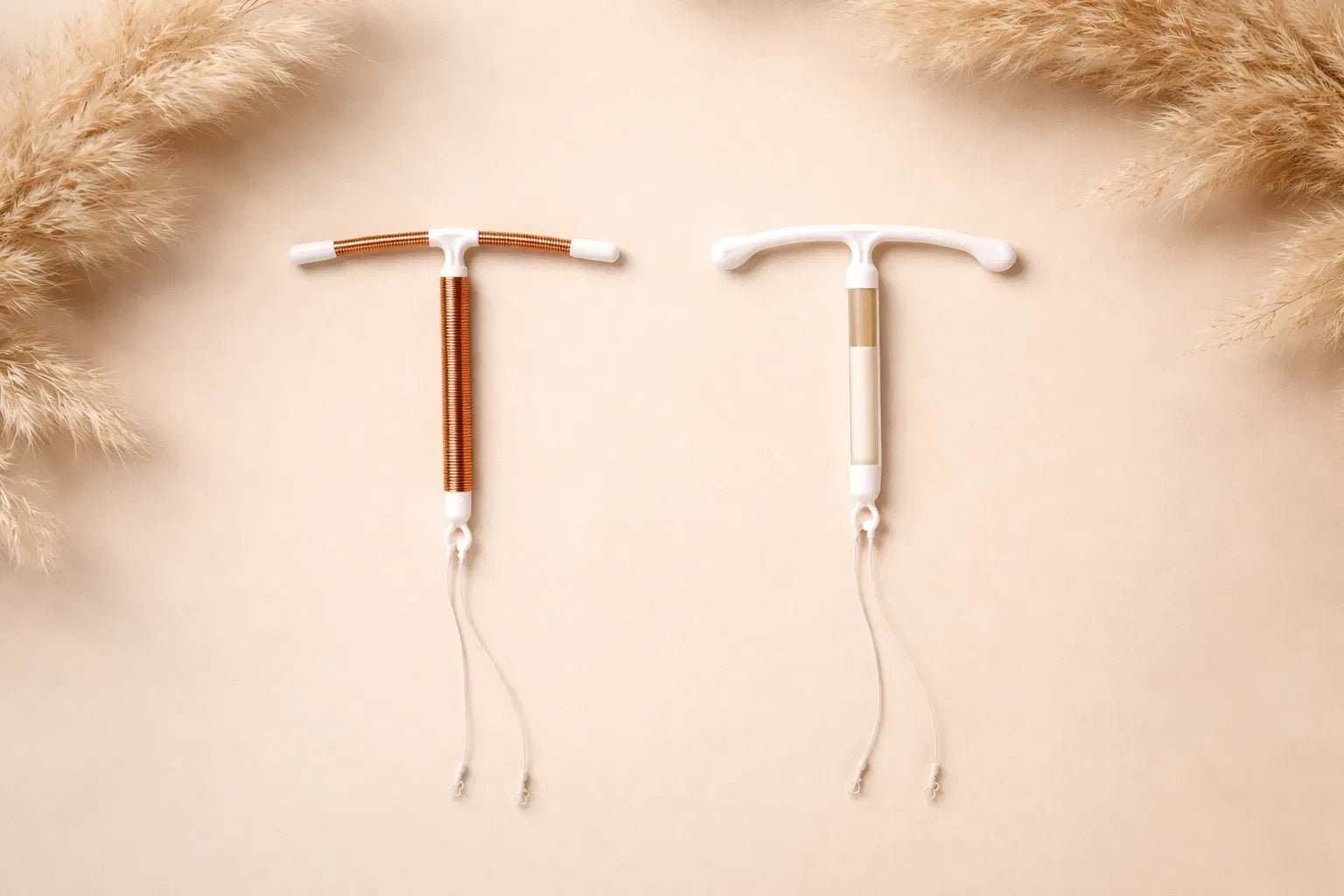
Kupferspirale vs. Hormonspirale: Der komplette Vergleich - Hormonic
VerhütungJan 13, 20267 min read
Copper IUD vs. Hormonal IUD: The Complete Comparison

Hormonal or hormone-free contraception? And should it be the hormonal or copper IUD? We provide scientifically sound explanations of the effects, advantages, and risks of both contraceptives and of...

Haarausfall nach Absetzen der Pille: Ursachen, Dauer & was hilft - Hormonic
Haut & HaareMar 24, 20258 min read
Hair Loss After Stopping the Pill: Causes, Duration & What Helps

You’ve stopped taking the pill and are suffering from hair loss? You’re not alone. According to a recent study, this affects a full 26% of all women who stop taking the pill. Despite the significan...