Cart

Your cart is empty

Continue shopping

Trending searches

Featured products

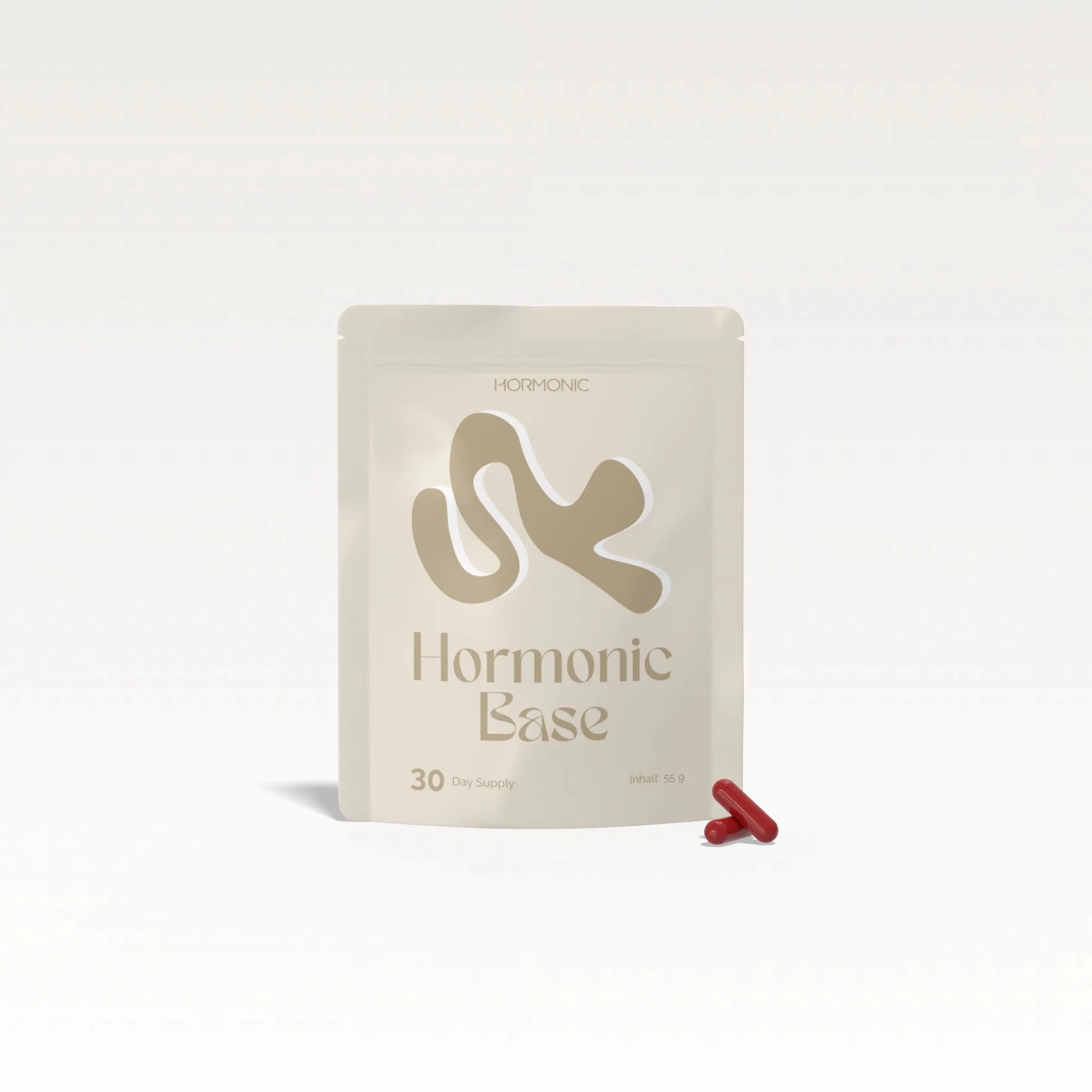
Hormonic Base - Hormonic - Nahrungsergänzungsmittel
Sale price€65,00
(5.0)
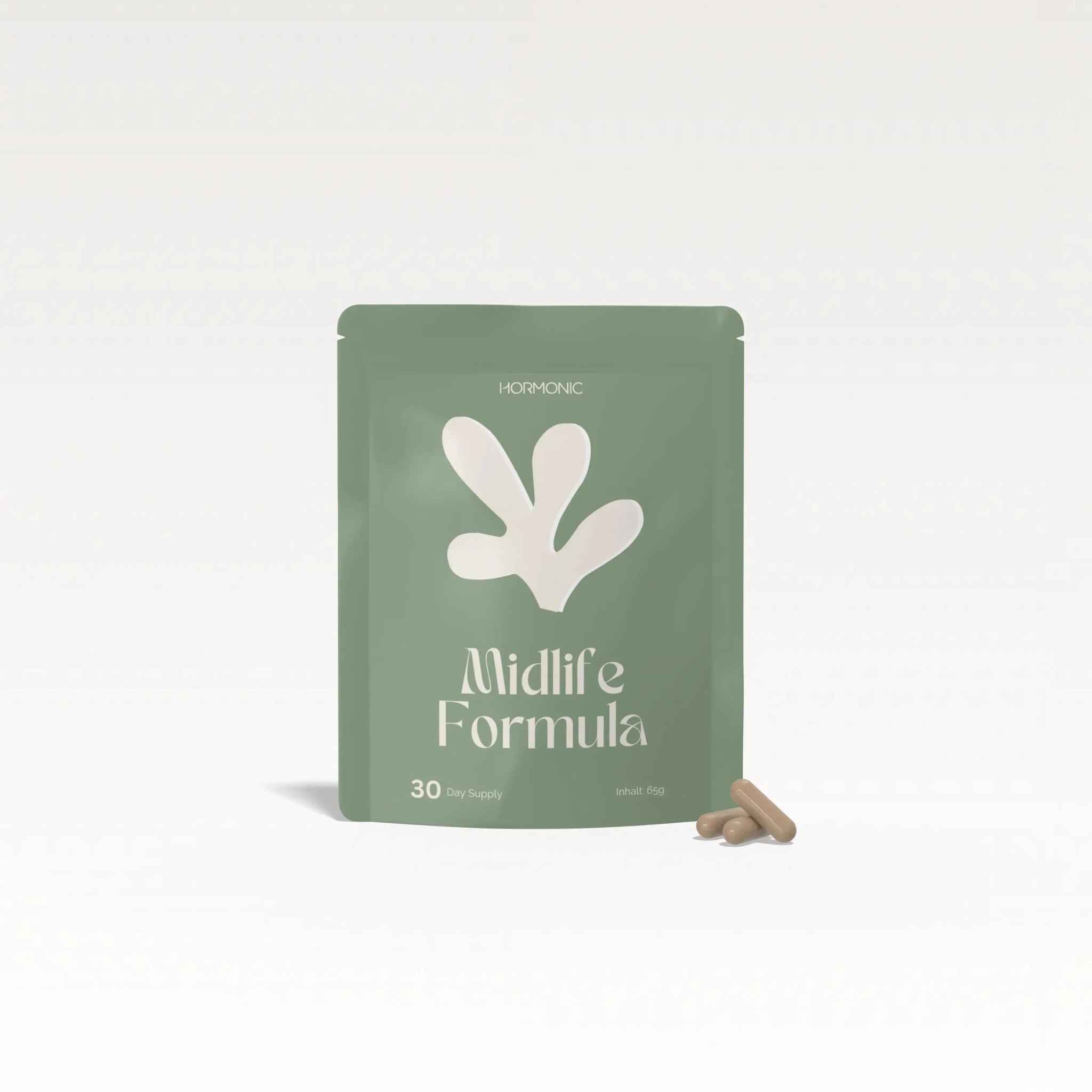
Midlife Formula - Hormonic - Nahrungsergänzungsmittel
Sale price€75,00
(5.0)
Zyklusbasiertes Training: Wie du als Frau wirklich klug trainierst - Hormonic
FitnessNov 21, 20249 min read

Why Training Is Only 20%: The Hidden Keys to Women’s Fitness Success

Cycle-based training is everywhere, but the science doesn't support the hype. This guide explains what's truly proven and how women can train smartly without being bound by a calendar.

Key takeaways

The evidence for cycle-based training is weak: A fixed phase plan offers no proven performance advantage, and only 10 to 15 percent of women have a 28-day cycle. What truly matters are regularity, progressive overload, recovery, nutrition, and sleep, as well as listening to your body instead of the calendar.

"Train hard in the first half of your cycle, gently in the second." You've probably heard this sentence a hundred times. The problem: science doesn't support it as clearly as social media wants you to believe. Here's what cycle-based training can really do, where the hype exaggerates, and how you can train as a woman without being tied to a rigid calendar.
Briefly explained
What does "cycle-based training" mean?

The idea: You adapt the intensity and type of your training to the four cycle phases because estrogen and progesterone levels fluctuate. In the follicular phase (day 1 to ovulation), high estrogen levels are said to favor intensive strength and interval training. In the luteal phase (after ovulation), rising progesterone is said to suggest more moderate training. Sounds logical. But the crucial question is: Can a measurable advantage be derived from this?

What science really says in 2026

The honest answer first: The evidence for cycle-based training is weak and inconsistent. This is precisely what makes the topic so important, because online it is often sold as an established truth.

A frequently cited review by Colenso-Semple and colleagues (2023) summarized existing systematic reviews and meta-analyses. The result: There is currently no convincing evidence that the cycle phase significantly influences acute strength performance or long-term muscle building after strength training. A current review in the Strength & Conditioning Journal (2025) comes to the same conclusion: training planning according to cycle phases has so far not shown any proven advantage over classic, progressive training control.

In addition, there is a practical problem that is often glossed over: Only about 10 to 15 percent of women have an exact 28-day cycle. A rigid plan based on fixed phase lengths simply doesn't work for the vast majority.

The most important thing in a nutshell
  • Phase-based training planning has so far shown no clear performance advantage over consistent, progressive training.
  • Only 10 to 15 percent of women have a 28-day cycle; a rigid calendar plan rarely fits.
  • What demonstrably matters: consistency, progressive overload, recovery, nutrition, and sleep.
  • It makes sense to train not "according to phase," but according to symptoms and energy.

Why the myth persists so stubbornly

If the evidence is so thin, why does the idea persist? Three reasons.

First, it feels right. Many women actually experience fluctuations in energy, strength perception, and motivation over the cycle. This subjective experience is real and should be taken seriously. It's just not the same as a measurable performance difference in the lab.

Second, women were overlooked in sports research for decades. Many studies were conducted exclusively on men, often with the justification that the female cycle made the results "too complicated." The countermovement to finally include women is absolutely justified. However, it has partly led to "we don't know yet" becoming "the cycle determines your training." That's a leap the data doesn't support.

Third, it sells well. An analysis of cycle-syncing content on TikTok (2025) showed that only a fraction of creators cited scientific evidence, and a large proportion made no statements about qualifications. The trend thrives on plausibility, not on research.

Your cycle is not a training plan you have to follow. It's a signal you can listen to.
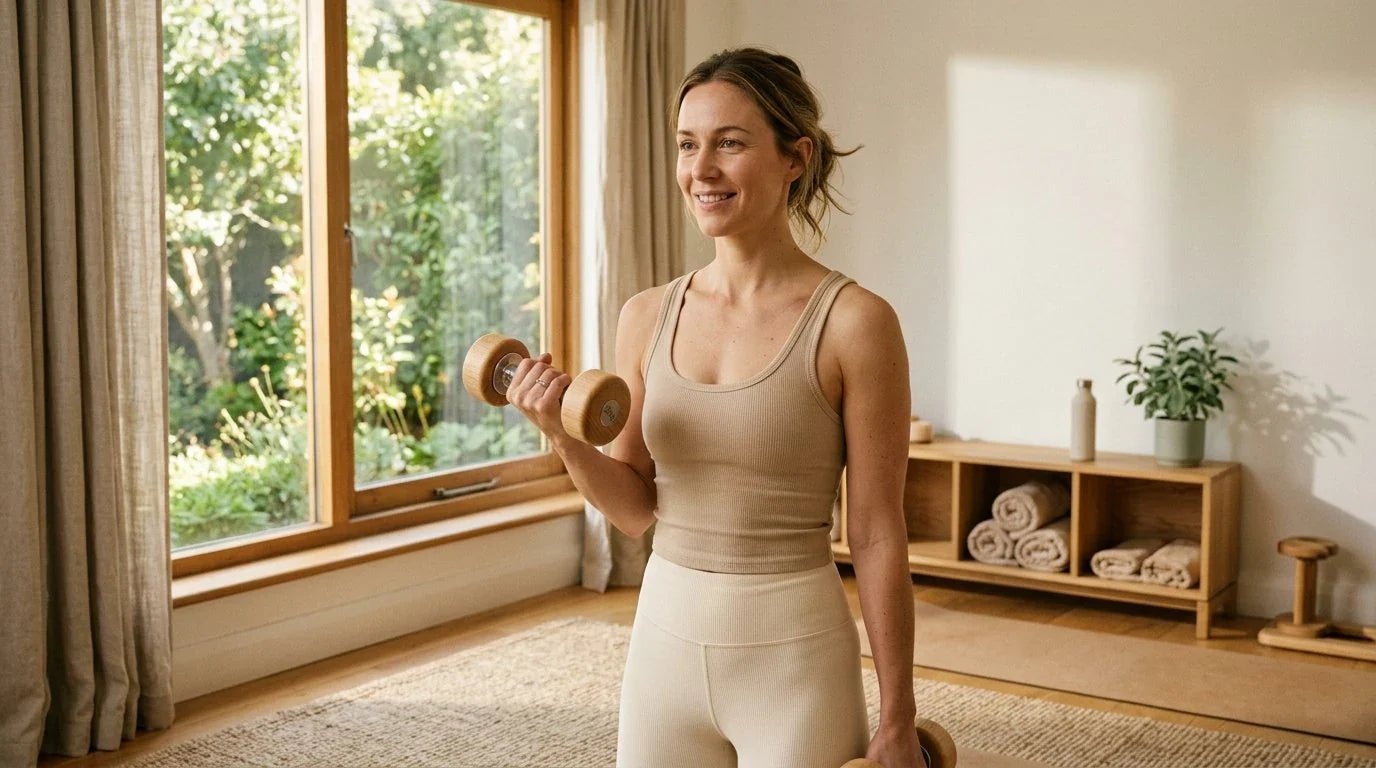
How to train smart without a calendar in your head

The good news: You don't need a complicated phase plan to train effectively as a woman. What research consistently shows is much simpler and more liberating. Consistency beats timing.

Train according to how you feel, not according to the date.Some women feel particularly powerful around ovulation, while others struggle with fatigue or cramps just before their period. Both are normal. If you feel strong, go for it. If your body signals the need for rest, take it seriously. This is not an excuse, but intelligent management.

Focus on progressive overload.The most important driver for strength and muscle building is that you gradually increase your training over weeks, i.e., more weight, more repetitions, or more sets. This effect is robust and applies regardless of the cycle phase.

Schedule rest firmly.One to two rest days per week are not a luxury, but part of the training. Adaptation does not happen in the gym, but in the recovery afterward.

When the cycle does affect training

There are two situations where the cycle genuinely becomes relevant for training, and both have nothing to do with "Phase X = Exercise Y."

Severe symptoms.If menstrual pain, PMS, or very heavy bleeding regularly hold you back, that is a reason to adapt your training on those days, and at the same time a signal to look more closely at your hormones. Severe, debilitating symptoms are not "normal to endure."

Missed period.If your period stops due to overtraining with insufficient energy intake, this is a warning sign (keyword: relative energy deficiency in sport). This is not about optimization, but about health. More on this in our article on "missed period."

For most healthy women with a normal cycle, however, the cycle is a companion, not a corset.

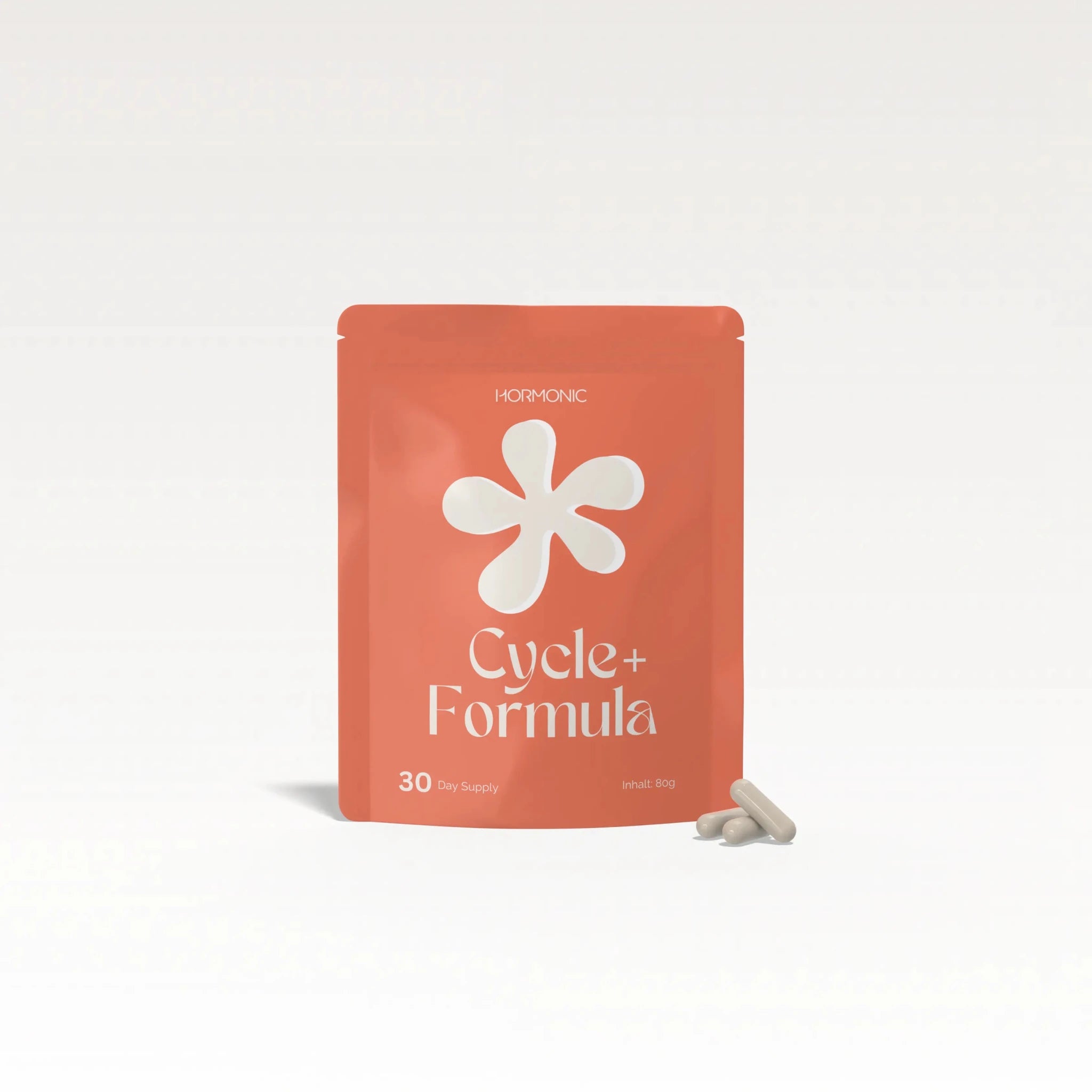
Cycle+ Formula for your cycle balance

The physician-developed supplement with 10 active ingredients that are well-researched in the areas of metabolism, cravings, digestion, and energy. Made in Austria and loved by thousands of women.

€75,00

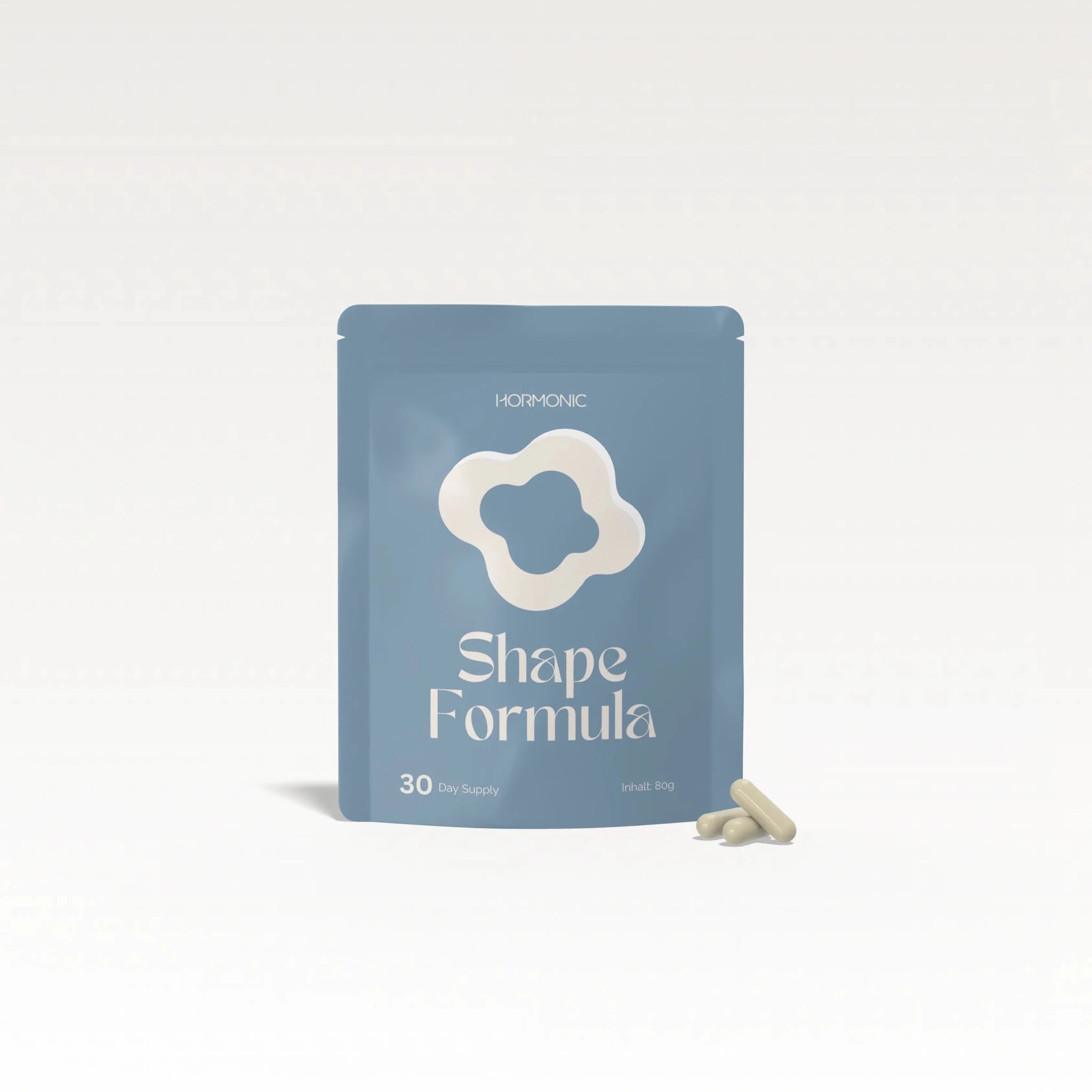
Discover Shape Formula

The Underestimated Basics: Nutrition and Sleep

If one factor influences your training more than your cycle phase, it's what happens outside the gym. Nutrition and sleep determine whether your body can make any progress from training at all.

Enough Energy and Enough Protein

Carbohydrates are the most important energy source for intense workouts and replenish your glycogen stores afterwards. Protein provides the building blocks for muscle repair. As a rough guide for active women, around 1.4 to 2.0 g of protein per kilogram of body weight per day, distributed throughout the day, is recommended. The most important thing is to eat enough overall. Chronic underfeeding is one of the most common reasons why training "doesn't work" and why the cycle gets disrupted.

Sleep is Part of Training

During deep sleep, your body releases growth hormones that support muscle repair, while cortisol levels decrease. Too little sleep means incomplete regeneration, poorer performance, and more cravings. A regular bedtime, a cool, dark room, and a gap between your last meal and bed will do more for your progress than any phase plan.

Keep an Eye on Micronutrients

Particularly relevant for women who train are iron (increased risk of deficiency due to monthly blood loss), magnesium (muscle and nerve function, sleep), and vitamin D (bones, immune system). A deficiency often manifests as persistent fatigue or a dip in performance. It is best to determine if a deficiency exists through a blood test, not through assumptions.

Does Cycle-Based Training Make Sense with PCOS?

With PCOS, the cycle is often irregular or absent altogether, so a fixed phase plan rarely makes sense here anyway. What is well-documented for PCOS, however, is that strength training and more intense sessions can improve insulin sensitivity, and this is a central lever in PCOS. Here, it's not the timing in the cycle that matters, but the type of training. Find out more in our article on why women with PCOS benefit from strength and HIIT training.

Hormonal problems? Our doctors can help!

Strong symptoms, a sluggish metabolism, or an absent period are not minor details. In a personal video call with one of the specialized Hormonic doctors, we will jointly explore what suits you.

For a free initial consultation

Conclusion

Cycle-based training sounds convincing, but current studies do not support the hype: A rigid plan based on cycle phases has no proven performance advantage, and for most women, the 28-day scheme does not fit anyway. This is not bad news, but liberating news.

You don't have to tie your training plan to a calendar. Train regularly, progressively increase your intensity, listen to your body, and take care of your nutrition, sleep, and recovery. If symptoms regularly slow you down or your period is absent, this is a reason to take a closer look at your hormones, gladly together with our medical team.

Frequently Asked Questions about Cycle-Based Training

Is cycle-based training effective at all?

There's nothing wrong with tailoring your training to how you feel. If you feel stronger or weaker at certain times, you should take that into account. However, what research doesn't support is the expectation that a rigid plan based on cycle phases will bring you more strength or muscle growth than consistent, progressive training. View your cycle as a signal, not a rule.

Should I not lift heavy weights during the luteal phase?

No, that's a common myth. The available review studies show no clear evidence that the cycle phase significantly influences acute strength performance or long-term muscle building. You can effectively build strength in any cycle phase; the key is continuous progression over weeks and months.

Wie trainiere ich am besten während meiner Periode?
So, wie es sich für dich gut anfühlt. Viele Frauen können während der Periode normal trainieren, manche bevorzugen an starken Tagen leichtere Einheiten oder Bewegung wie Spazieren und Mobility. Es gibt keinen Grund, pauschal zu pausieren, aber auch keinen Grund, dich zu zwingen. Höre auf deinen Körper.
Macht zyklusbasiertes Training bei PCOS Sinn?
Bei PCOS ist der Zyklus oft unregelmäßig, ein fester Phasenplan passt selten. Wichtiger ist die Art des Trainings: Krafttraining und intensivere Einheiten können die Insulinsensitivität verbessern, was bei PCOS ein zentraler Hebel ist. Es zählt also nicht das Timing im Zyklus, sondern Regelmäßigkeit und Intensität.

Scientific Sources

  • Colenso-Semple LM, D'Souza AC, Elliott-Sale KJ, Phillips SM (2023). Current evidence shows no influence of women's menstrual cycle phase on acute strength performance or adaptations to resistance exercise training. Frontiers in Sports and Active Living, 5, 1054542. doi:10.3389/fspor.2023.1054542
  • McNulty KL, Elliott-Sale KJ, Dolan E, et al. (2020). The Effects of Menstrual Cycle Phase on Exercise Performance in Eumenorrheic Women: A Systematic Review and Meta-Analysis. Sports Medicine, 50, 1813-1827. doi:10.1007/s40279-020-01319-3
  • Strength & Conditioning Journal (2025). Evidence for Periodizing Strength and/or Endurance Training According to Menstrual Cycle Phases to Optimize Female Athlete Performance Is Lacking. 47(6), 630-642. doi:10.1519/SSC.0000000000000917
  • Elliott-Sale KJ, Minahan CL, de Jonge XAKJ, et al. (2021). Methodological Considerations for Studies in Sport and Exercise Science with Women as Participants. Sports Medicine, 51, 843-861. doi:10.1007/s40279-021-01435-8
  • Wenz BM, et al. (2025). Sync or Swim: Navigating the Tides of Menstrual Cycle Messaging on TikTok. Perspectives on Sexual and Reproductive Health. doi:10.1111/psrh.70008
  • Mountjoy M, Sundgot-Borgen J, Burke L, et al. (2018). IOC consensus statement on relative energy deficiency in sport (RED-S). British Journal of Sports Medicine, 52, 687-697. doi:10.1136/bjsports-2018-099193

About the Author

Amelie Weiss

Amelie Weiss

Research Fellow, PhD · Hormonic

Amelie Weiss is a Research Fellow at Hormonic and conducts scientific research on hormonal health, micronutrients, and evidence-based women's health.

Note: This article is based on current guidelines and scientific work (as of 2026). It is for informational purposes only and does not replace medical advice, diagnosis, or treatment.

Share

You might also be interested in this.
Ausdauer war gestern: Warum Frauen mit PCOS von Kraft- und HIIT-Training profitieren - Hormonic
PCOSJul 21, 20243 min read
Endurance was yesterday: Why women with PCOS benefit from strength and HIIT training

Women with PCOS (polycystic ovary syndrome) struggle with numerous health issues, including insulin resistance, weight gain despite a healthy diet and exercise, and hormonal imbalances. However, th...

PCOS: Der Guide zu Ursachen, Symptomen und Behandlung - Hormonic
PCOSMay 27, 20267 min read
PCOS: The Guide to Causes, Symptoms, and Treatment

PCOS, now also known as PMOS, affects 8 to 13 percent of women of reproductive age. This guide explains causes, symptoms, diagnosis, and what the evidence says about lifestyle, inositol, and micron...

Periode bleibt aus: Ursachen, Diagnose & was wirklich hilft - Hormonic
ZyklusJul 3, 20258 min read
Missed Period: Causes, Diagnosis & What Really Helps

A missed period is no coincidence. Learn about the most common causes, from stress to PCOS, when medical clarification makes sense, and what really helps to get your cycle back.