

Cart

Your cart is empty

Continue shopping

Trending searches

Featured products

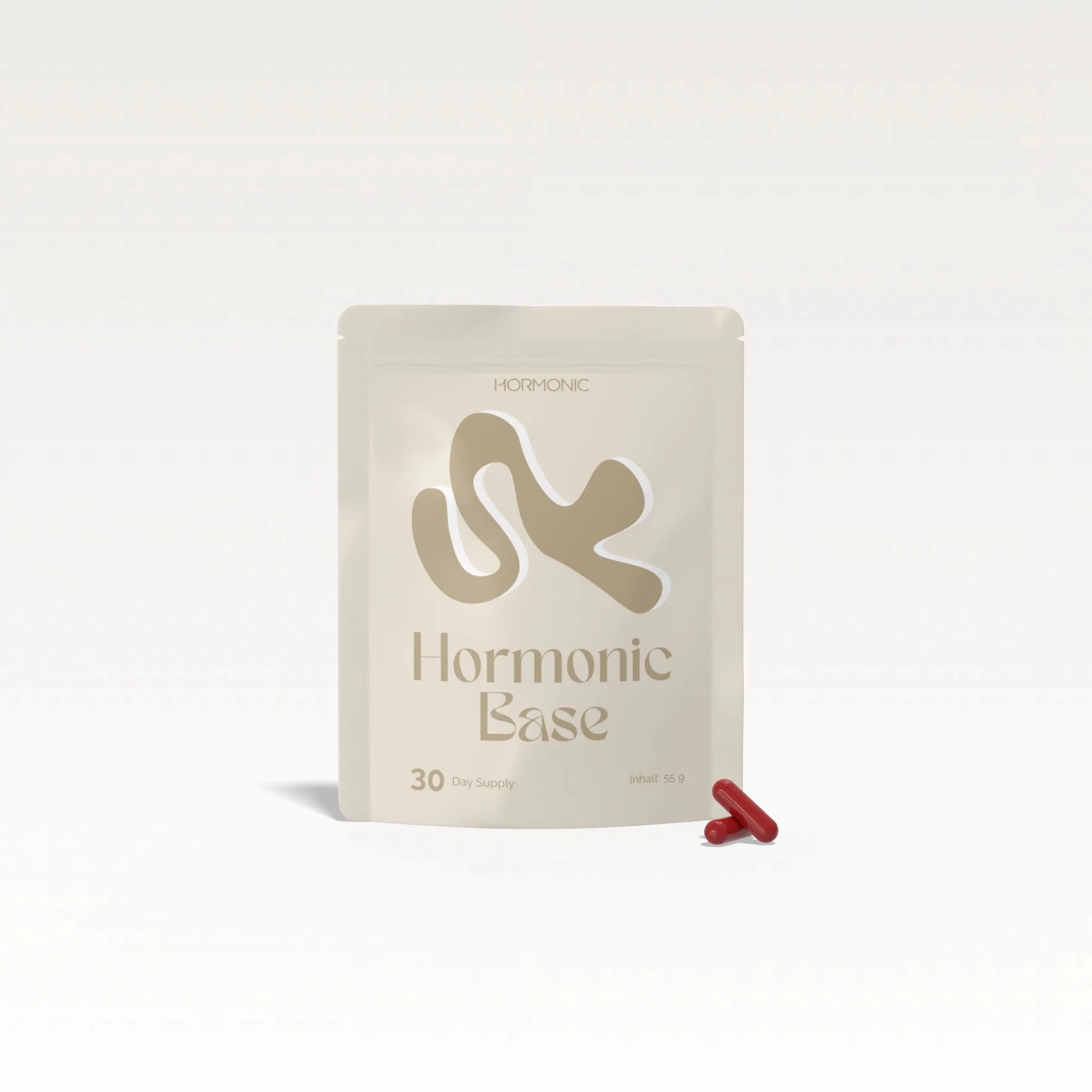
Hormonic Base - Hormonic - Nahrungsergänzungsmittel
Sale price€65,00
(5.0)
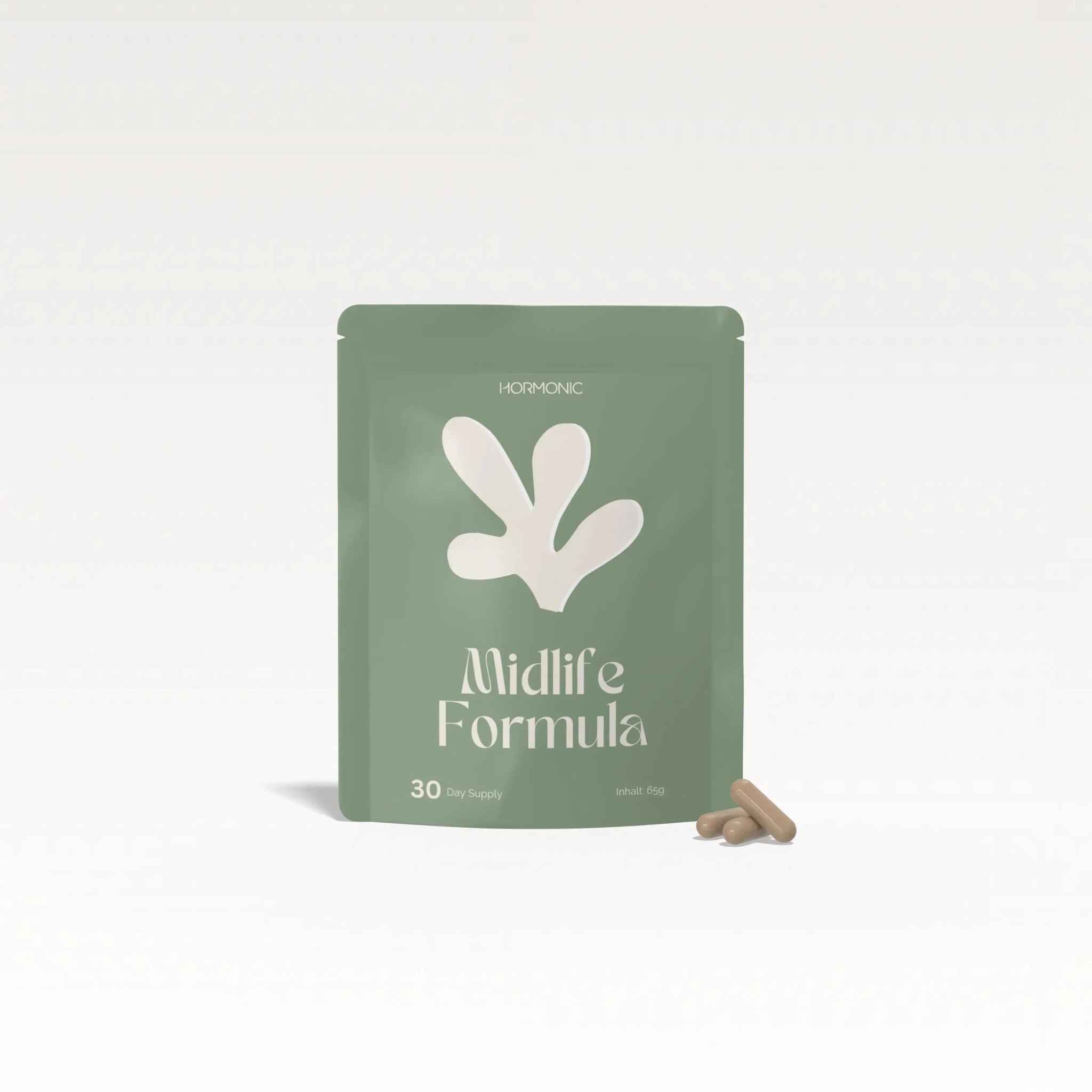
Midlife Formula - Hormonic - Nahrungsergänzungsmittel
Sale price€75,00
(5.0)
Endometriose und Kinderwunsch: Chancen und was wirklich hilft - Hormonic
EndometrioseJun 21, 202611 min read

Endometriosis and Desire to Have Children: Chances and What Really Helps

This article is part of: Endometriosis: Symptoms, Causes, and What Really Helps

The diagnosis of endometriosis often affects many women in the midst of their desire to have children, and hardly any question causes more fear than whether it will even be possible now. This article honestly assesses how endometriosis affects fertility, how good the chances really are, and what medical and natural options are available.

Key takeaways

Endometriosis and the desire to have children are not mutually exclusive: around half of those affected conceive naturally. The condition can affect fertility through inflammation, adhesions, egg quality, and implantation. Hormonal therapies relieve pain but prevent pregnancy and, according to guidelines, are not used to increase fertility. Surgery and artificial insemination have their place depending on the situation. An anti-inflammatory lifestyle, omega-3, and antioxidants such as resveratrol, NAC, and vitamin D are being investigated in research, but they do not replace medical treatment.

Hardly any diagnosis causes as much anxiety for those wishing to conceive as endometriosis. Many women hear the word and immediately think: infertile. But this general assumption is incorrect, and above all, it causes unnecessary anxiety. Endometriosis can affect fertility, but it doesn't have to. This article honestly explains what the disease does to your fertility, what your chances truly are, and what options exist for getting pregnant.

How often does endometriosis affect the desire to have children?

Endometriosis and unfulfilled desire to have children are closely linked, more often than many realize. In women with chronic pelvic pain or unfulfilled desire to have children, endometriosis is found significantly more often than in the general population. A systematic review examined women with unexplained infertility who underwent laparoscopy: 44% of them had endometriosis lesions, and the majority of these were mild (Stage I and II).

This is an important finding. Endometriosis is often not a loud problem with clear symptoms, but a silent co-cause that only becomes visible when investigating the desire to have children. This is precisely why it is so valuable to look closely and thoroughly early on when experiencing unfulfilled desire to have children, rather than remaining in the dark for years.

Endometriosis does not automatically mean infertility

This is the most important message of this article, and it is deliberately placed at the beginning. The idea that endometriosis is synonymous with infertility persists, but it is not generally true. Many women with endometriosis get pregnant, often even naturally.

What the diagnosis changes is not whether, but how and, above all, when. Endometriosis makes the time factor more important: because fertility declines with age anyway and the disease can progress, it is worth discussing the desire to have children early and not waiting too long alone. We will now go into more detail on the following point: why endometriosis affects fertility at all, what the specific chances are, and what medical and natural options are available.

Did you know that...

… an existing pregnancy often naturally pauses endometriosis? Due to the altered hormone balance without a classic cycle, the symptoms in many women significantly subside during pregnancy, but they can return after childbirth.

Why Endometriosis Can Affect Fertility

Endometriosis affects fertility not through a single mechanism, but through several simultaneously. This explains why the condition plays hardly any role for one woman, while for another it becomes the central hurdle. The most important factors discussed in research are:

  • Chronic inflammation in the pelvis.A systematic review and meta-analysis of IVF outcomes classifies chronic pelvic inflammation as probably the most important cause of endometriosis-related infertility. Inflammatory messengers in the abdominal cavity can disrupt the egg, sperm, fertilization, and implantation.
  • Adhesions and altered anatomy.In severe endometriosis, adhesions can bind the fallopian tubes and ovaries and mechanically obstruct the path of the egg. In a systematic review of unexplained infertility, endometriosis lesions were found in 44% of women by laparoscopy, with additional fallopian tube factors in 20% and adhesions in 16%.
  • Impaired egg quality.Increased oxidative stress in follicular fluid is associated with poorer oocyte maturation. Iron overload and reactive oxygen species in the follicular fluid can damage granulosa cells and the oocyte.
  • Progesterone resistance and implantation.In many affected women, the uterine lining reacts less well to progesterone, which normally prepares for implantation. This can make the implantation of an embryo more difficult.
  • Reduced ovarian reserve with endometriomas.Chocolate cysts on the ovary (endometriomas) themselves, and especially their surgical removal, can reduce the ovarian reserve. This is one of the reasons why surgery should be carefully considered when wishing to conceive.

Important for classification: In mild endometriosis, it is often not clear why fertility is reduced. Here, the exact cause remains scientifically controversial, with chronic inflammation considered the most likely common denominator.

What are the chances really?

This question is central for most women, and the honest answer is: the chances are often better than the diagnosis suggests. Endometriosis does not automatically mean infertility.

Per cycle, the probability of becoming pregnant is, on average, reduced with endometriosis. While for healthy young women it is about 15 to 20% per cycle, with endometriosis it is estimated to be lower depending on the severity and age. However, over a longer period, it is estimated that about half of those affected become pregnant naturally, without medical help.

Three factors are particularly decisive: age, the severity of endometriosis, and the location of the lesions. Especially in milder forms and at a younger age, the prospects are relatively good. With increasing age, fertility decreases regardless of endometriosis, which is why timing plays a greater role than in healthy women.

And there is an encouraging observation from care: with optimal, individually tailored treatment, women with endometriosis can achieve comparable pregnancy rates to women without endometriosis. The diagnosis is therefore a reason to act early and with good support, not a reason to give up hope.

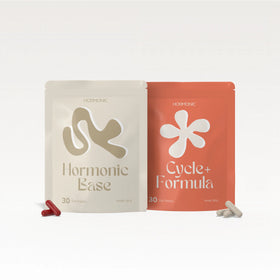
The Supplement for Your Cyclical Base

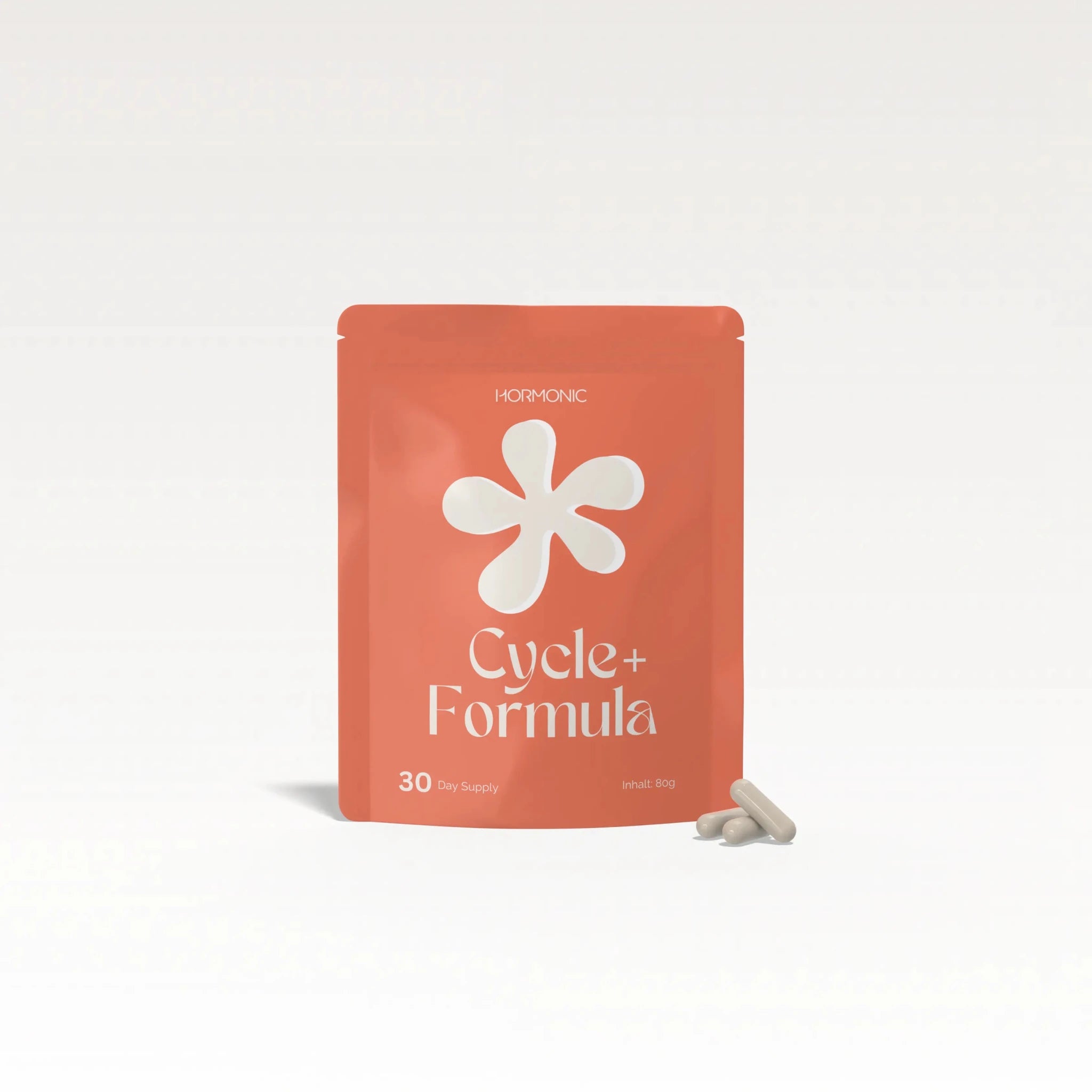
Cycle+ is doctor-developed and combines myo-inositol with antioxidants such as trans-resveratrol, quercetin, and zinc, precisely those phytochemicals and micronutrients that are being studied in research on oxidative stress and egg quality.

€75,00
Discover now

Hormone Therapy and Desire to Conceive: A Significant Contradiction

This is a point that confuses many women. The standard treatment for endometriosis is hormonal: progestins or the pill suppress the cycle, slow down the growth of lesions, and relieve pain. However, this very mechanism simultaneously prevents ovulation and thus pregnancy.

The current AWMF guidelines (S2k, status 2025) and the European ESHRE guidelines are clear on this: hormonal suppression should not be used to improve fertility. It does not improve the spontaneous pregnancy rate and precludes conception while taking it. Therefore, anyone who wishes to become pregnant must pause hormonal therapy, which can mean that pain returns and lesions become more active again.

This is a real dilemma and one of the reasons why it is so valuable to discuss the desire to conceive with your gynecologist early on. It's about finding a window of opportunity and a strategy that suits your situation.

Surgery or In Vitro Fertilization? What the Guidelines Say

If natural conception isn't successful, there are broadly two medical paths: surgery (laparoscopy) or assisted reproduction (IVF/ICSI). Which path makes sense strongly depends on the individual case. The guidelines provide clear guidance here.

Surgery (Laparoscopy)

During a laparoscopy, lesions can be removed and adhesions released. In cases of mild endometriosis, this can improve the chances of a natural pregnancy, and the chances often increase in the 6 to 12 months following the operation. For endometriomas, the decision is more delicate: surgical removal can reduce the ovarian reserve. Therefore, according to the guidelines, the possible reduction of ovarian reserve should be considered in repeated ovarian surgeries.

Assisted Reproduction (IVF/ICSI)

In cases of blocked fallopian tubes, severe endometriosis, an additional male factor, or older age, in vitro fertilization is often the more direct route. Importantly, and reassuring for many: according to current evidence, hormonal stimulation during IVF does not worsen endometriosis and does not increase the recurrence rate. For recurrent endometriosis, assisted reproduction is superior to re-operation in terms of pregnancy rates.

To assess the chances of success after surgery, doctors use the validated Endometriosis Fertility Index (EFI). A postoperative hormone therapy with GnRH analogues does not improve the spontaneous pregnancy rate; this is explicitly stated in the guidelines.

The core message: There is no single right way. There is the right way for your anatomy, your severity, your age, and your life situation. Clarifying this together is the purpose of good counseling.

Nutrition, Micronutrients, and Oxidative Stress: What Research Shows

In addition to the medical path, many women wonder what they can do themselves. Honesty is important here: no food or supplement can cure endometriosis or guarantee a pregnancy. However, there are approaches being investigated in research in connection with inflammation, oxidative stress, and egg quality, which can meaningfully supplement a healthy lifestyle.

Anti-inflammatory and Mediterranean Diet

A common thread in many studies is an anti-inflammatory, plant-based diet. Observational studies link a Mediterranean diet and a high fertility diet score with a lower probability of endometriosis. These are correlations, not proof of cause and effect, but they fit the inflammatory nature of the disease and can be implemented without risk.

Omega-3 Fatty Acids

Omega-3 fatty acids are known for their anti-inflammatory properties and modulate prostaglandin production. In a large prospective cohort study, a long-term higher intake of omega-3 was associated with a lower risk of endometriosis, while trans fats were associated with a higher risk. For fertility in general, the data is mixed, but the inflammation-related approach is plausible.

Antioxidants: Oxidative Stress as a Target

Because oxidative stress in follicular fluid is associated with poorer egg quality, antioxidants are being intensely studied. A meta-analysis of randomized studies found evidence that antioxidant supplementation can reduce pain and markers of oxidative stress in endometriosis, with initial signals for a higher clinical pregnancy rate. However, the studies are small and heterogeneous, which is why the evidence is considered preliminary.

  • N-Acetylcysteine (NAC). In a cohort of 52 women with endometriosis and a desire to conceive, 75% became pregnant naturally after 3 months of NAC, with another approximately 11% via assisted reproduction. This is a promising but uncontrolled signal from a small group, not proof from a large randomized study.
  • Resveratrol. In a randomized exploratory study, resveratrol reduced markers of oxidative stress in follicular fluid and increased antioxidant capacity. Effects on the actual pregnancy rate in humans have not been proven.
  • Vitamin D. A meta-analysis of 3 RCTs shows that vitamin D can alleviate endometriosis-related symptoms such as menstrual pain. A direct effect on the pregnancy rate has not yet been proven; existing studies do not directly investigate this.
  • Zinc and other micronutrients. Zinc is part of the antioxidant defense, and affected individuals often have lower levels. For fertility in general, folic acid and a good micronutrient supply are considered a sensible basis.

All the mentioned active ingredients are also included in our Cycle Bundle.

The honest summary: These approaches can supplement an anti-inflammatory, egg-friendly lifestyle. They do not replace medical diagnostics or necessary treatment, and the evidence for a direct effect on the pregnancy rate varies depending on the substance.

What You Can Do Yourself

  • Discuss your desire to conceive early. If you have endometriosis and want to get pregnant, discuss it with your gynecologist early, not after years.
  • Observe the time window for clarification. Professional societies recommend clarification if pregnancy does not occur after 6 to a maximum of 12 months. If you are over 35, have affected fallopian tubes, or endometriomas, an earlier visit to a fertility center is advisable.
  • Get to know your cycle and fertile days. Recognizing ovulation and targeted intercourse during the fertile window increase the chances of natural conception.
  • Have your partner checked early as well. A spermogram should be done early so that the focus is not solely on the woman.
  • Focus on an anti-inflammatory base. Lots of vegetables, omega-3, whole grains, few highly processed foods, and sugar. This is without risk and supports a healthy lifestyle.
  • Get support. Unfulfilled desire to conceive and endometriosis are a double burden. Support is not a weakness, but part of good care. If you are looking for medical support, you can book a free initial consultation with one of the Hormonic doctors at any time. Simply click here. Conveniently from home via video call, without waiting times.

Complete Nutrient Support During Family Planning

Hormonic Base provides you with 20 essential active ingredients such as folate, vitamin D, selenium, and zinc, while Cycle+ uses targeted botanicals that play a role in cycle health. For maximum support during this phase.

Start now

Conclusion

Endometriosis and the desire to have children are not mutually exclusive. The condition can affect fertility through inflammation, adhesions, egg quality, and implantation, but about half of those affected conceive naturally, and with good, individually tailored treatment, the chances are often comparable to women without endometriosis.

The key is to act early and with good support: address the desire to have children in good time, utilize the right time window, carefully weigh surgery and assisted reproduction, and establish an anti-inflammatory lifestyle as a foundation. Nutritional supplements can complement this path but do not replace medical diagnostics. You do not have to make these decisions alone.

Frequently Asked Questions About Endometriosis and Fertility

Can you get pregnant with endometriosis?

Yes, in many cases this is possible. Endometriosis does not automatically mean infertility. It is estimated that around half of those affected conceive naturally. The individual chances depend mainly on age, severity, and the location of the lesions. Particularly with milder forms and at a younger age, the prospects are relatively good. If pregnancy does not occur after 6 to 12 months, a medical evaluation is advisable.

Why does hormone therapy for endometriosis prevent pregnancy?

Because hormonal endometriosis therapy suppresses ovulation. Progestins or the pill slow down the growth of the lesions and relieve pain, but at the same time prevent pregnancy. According to the AWMF and ESHRE guidelines, hormonal suppression should not be used to improve fertility, as it does not increase the spontaneous pregnancy rate. Those who wish to become pregnant must pause hormonal therapy. This should be planned early with the gynecological practice.

Ab wann sollte ich bei Endometriose und Kinderwunsch zur Abklärung?
Fachgesellschaften empfehlen eine ärztliche Abklärung, wenn nach 6 bis maximal 12 Monaten regelmäßigem, ungeschütztem Verkehr keine Schwangerschaft eintritt. Bei bekannter Endometriose, einem Alter über 35 Jahren, betroffenen Eileitern oder Endometriomen ist eine frühere Vorstellung im Kinderwunschzentrum sinnvoll. Wichtig ist außerdem, auch den Partner früh über ein Spermiogramm abklären zu lassen, damit nicht unnötig Zeit verloren geht.
Helfen Operation oder künstliche Befruchtung besser bei Endometriose?
Das hängt vom Einzelfall ab. Bei leichter Endometriose kann eine Bauchspiegelung die Chance auf eine natürliche Schwangerschaft verbessern. Bei Endometriomen muss die mögliche Verringerung der Eizellreserve durch die Operation abgewogen werden. Bei verschlossenen Eileitern, ausgeprägter Endometriose oder höherem Alter ist die künstliche Befruchtung oft der direktere Weg, und bei wiederkehrender Endometriose ist sie laut Leitlinie einer erneuten Operation hinsichtlich der Schwangerschaftsrate überlegen. Die hormonelle Stimulation bei einer IVF verschlechtert die Endometriose nach aktueller Evidenz nicht.

Scientific Sources

  • Van Gestel H et al. (2024). The prevalence of endometriosis in unexplained infertility: a systematic review. Reprod Biomed Online, 49(3):103848. doi:10.1016/j.rbmo.2024.103848
  • Vlachou A et al. (2024). The Effect of Endometriosis on In Vitro Fertilization Outcomes: A Systematic Review and Meta-Analysis. Medicina (Kaunas), 60(12). PMC11641477
  • Becker CM et al. (2022). ESHRE guideline: endometriosis. Hum Reprod Open, 2022(2):hoac009. doi:10.1093/hropen/hoac009
  • AWMF (2025). S2k Guideline on Diagnosis and Therapy of Endometriosis, Register Number 015/045, Version 5.1.
  • Frontiers in Medicine (2025). The effects of antioxidant supplementation on pain, oxidative stress markers, and clinical pregnancy rate in women with endometriosis: a systematic review and meta-analysis of RCTs. doi:10.3389/fmed.2025.1694281
  • Kalaitzopoulos DR et al. (2022). Effects of vitamin D supplementation in endometriosis: a systematic review. Reprod Biol Endocrinol, 20:176. doi:10.1186/s12958-022-01051-9
  • Shrateh ON et al. (2024). The impact of vitamin D treatment on pregnancy rate among endometriosis patients: a systematic review and meta-analysis. Ann Med Surg, 86(7):4098-4111. doi:10.1097/MS9.0000000000002174
  • Missmer SA et al. (2010). A prospective study of dietary fat consumption and endometriosis risk. Hum Reprod, 25(6):1528-1535.
  • Mendoza-Velasquez P et al. (2024). Oxidative Imbalance in Endometriosis-Related Infertility: The Therapeutic Role of Antioxidants. Int J Mol Sci, 25(12):6298. doi:10.3390/ijms25126298

About the Author
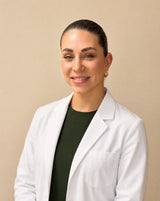
Lisa Maria Emmer

Lisa Maria Emmer

Founder · Doctor · Hormonic

Lisa Maria Emmer is co-founder and medical director at Hormonic. She supports women with hormonal problems every day and specializes in cycle health, PCOS, and menopause.

Note: This article is based on current guidelines and scientific work (as of 2026). It is for informational purposes only and does not replace medical advice, diagnosis, or treatment.

Share

You might also be interested in this.

Kinderwunsch? Diese Nährstoffe machen laut Studien den Unterschied - Hormonic
FruchtbarkeitOct 21, 20249 min read
Fertility Boost: How Nutrition and Supplements Can Improve the Chances of Getting Pregnant

Which nutrients really help with fertility? We provide an evidence-based classification of folic acid, CoQ10, myo-inositol, omega-3, and diet, for women and men.

Eizellqualität verbessern: Was wirklich funktioniert - Hormonic
FruchtbarkeitOct 24, 20248 min read
Improve Egg Quality: What Really Works

The quality of your eggs is one of the most important factors for fertility and directly impacts the chances of a successful pregnancy. Women are born with a limited egg reserve – around 1 to 2 mil...

Ernährung bei Endometriose: Was wirklich hilft - Hormonic
EndometrioseJun 3, 20268 min read
Nutrition for Endometriosis: What Really Helps

Anti-inflammatory diet for endometriosis: What omega-3, Mediterranean diet, and co. can achieve according to research, and where the evidence reaches its limits.