



Luteal phase deficiency (corpus luteum insufficiency) means that the corpus luteum produces too little progesterone after ovulation, or that the second half of the cycle is too short. As a result, the lining of the uterus is not optimally prepared for a potential implantation.
The most important points in brief
- In the case of a luteal phase deficiency, there is insufficient progesterone in the second half of the cycle, and this phase is often shortened as well.
- It is a plausible but poorly defined condition; there is no single test that can definitively prove it.
- Typical signs include spotting before the period, a short second half of the cycle, and a connection to wanting to conceive.
- Common causes are elevated prolactin, thyroid disorders, PCOS, or a lack of energy.
- The most important thing is to treat the root cause; nutrients such as inositol and zinc can support the cycle adjunctively.
You are tracking your cycle, perhaps because you are trying to conceive, and you notice that the second half of the cycle is short or that light spotting keeps occurring a few days before your period. The term luteal phase deficiency often comes up quickly. It describes something real, but it requires explanation and is often diagnosed too hastily. Let’s take a calm look at what is behind it, how to categorize it, and what can truly help you.
Did you know?
There is no definitive test for luteal phase deficiency. A single progesterone level fluctuates significantly within a few hours and cannot reliably map the quality of the luteal phase. Professional medical associations even emphasize that there are no generally accepted diagnostic criteria. Therefore, a luteal phase deficiency is not something you should conclude based on a feeling or a single value.
What is a luteal phase deficiency?
After ovulation, the ruptured follicle transforms into the corpus luteum. Its task is to produce progesterone during the second half of the cycle. This hormone modifies the uterine lining so that a fertilized egg could implant, while simultaneously calming the body.
We speak of a luteal phase deficiency when this corpus luteum produces too little progesterone or the second half of the cycle is noticeably short—frequently cited as being less than ten to eleven days. Important for context: this limit is a rule of thumb, not a precisely proven value. The term helps to understand an imbalance, but it does not replace a medical examination of the actual cause.
Progesterone does not just affect the uterus. It also influences sleep and mood, which is why a deficiency in the second half of the cycle can sometimes manifest as inner restlessness, poorer sleep, or increased PMS. This explains why a luteal phase deficiency can be felt beyond just the context of trying to conceive.
Typical symptoms at a glance
The signs of a luteal phase deficiency are nonspecific, and many women only notice them when they track their cycle more closely or are trying to conceive. Quite often, it occurs without any clear symptoms at all. This makes it all the more important not to overinterpret individual observations, but rather to look at the pattern over several cycles and, if in doubt, have it assessed by a doctor.
| Area | Possible signs |
|---|---|
| Cycle | short second half of the cycle, spotting before the period |
| Trying to conceive | difficulty getting pregnant, early miscarriages |
| Premenstrual | pronounced PMS, breast tenderness, irritability |
| Often | no clear symptoms at all |

The popular supplement for your cycle health
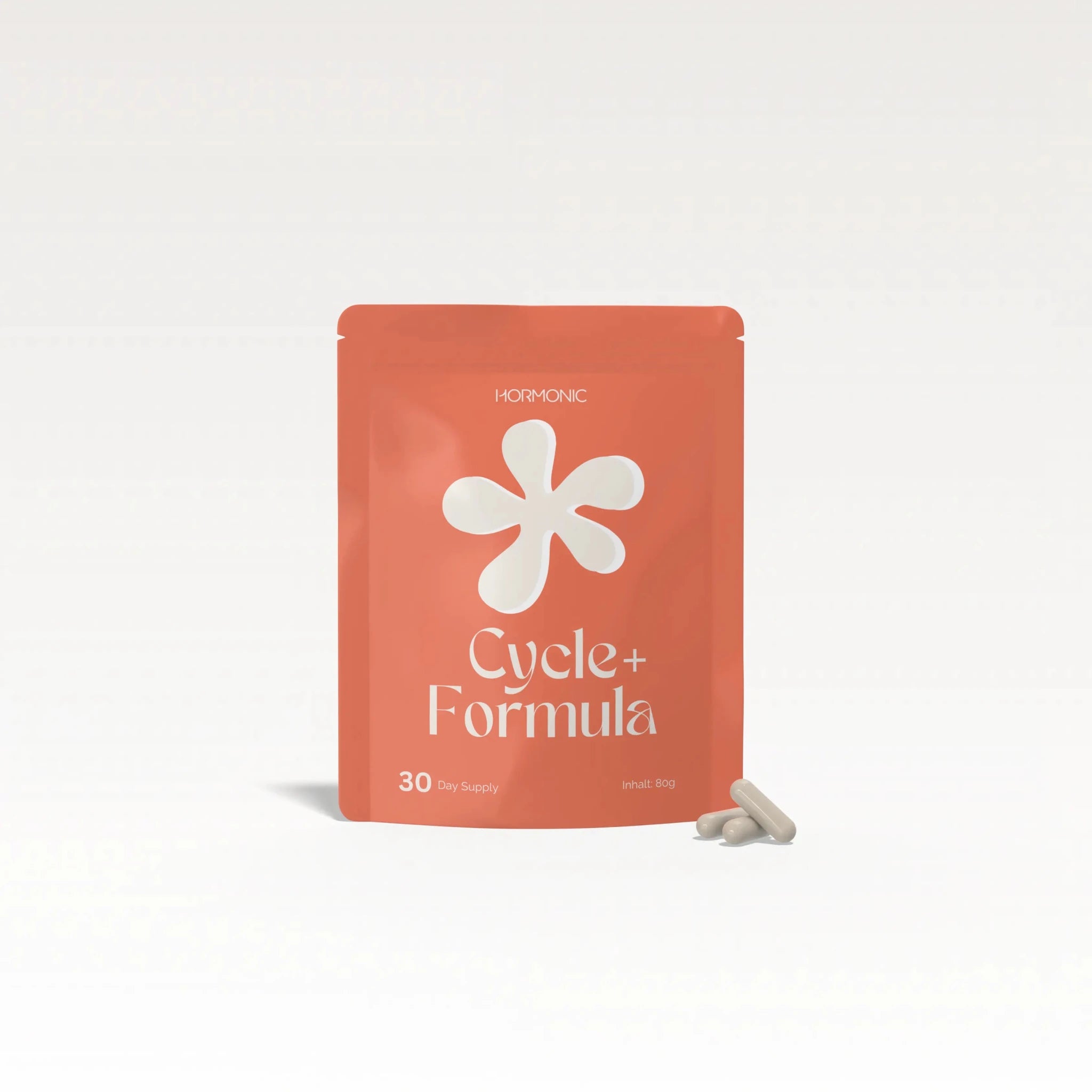
Cycle+ Formula combines eight active ingredients for your cycle, including Myo-Inositol and D-Chiro-Inositol, which have been linked in studies to more regular ovulation, as well as zinc, which contributes to fertility and reproduction. Doctor-developed, loved by thousands of women.

Questions about your cycle or fertility?
In a free 15-minute introductory call, you can ask all your questions and receive an initial, non-binding assessment from one of our doctors.
Frequent Questions about Luteal Phase Deficiency
What is luteal phase deficiency?
What are the symptoms of corpus luteum insufficiency?
Wie wird eine Gelbkörperschwäche festgestellt?
Was hilft bei einer Gelbkörperschwäche?
Scientific Sources
- Practice Committees of the ASRM and SREI (2021). Diagnosis and treatment of luteal phase deficiency: a committee opinion. Fertility and Sterility. doi:10.1016/j.fertnstert.2021.02.010
- Lieberman, J. L. et al. (2020). Energy availability is associated with luteinizing hormone pulse frequency and induction of luteal phase defects. The Journal of Clinical Endocrinology & Metabolism. doi:10.1210/clinem/dgz030
- Gordon, C. M. et al. (2017). Functional hypothalamic amenorrhea: an Endocrine Society clinical practice guideline. The Journal of Clinical Endocrinology & Metabolism. doi:10.1210/jc.2017-00131
- van der Linden, M. et al. (2015). Luteal phase support for assisted reproduction cycles. Cochrane Database of Systematic Reviews. doi:10.1002/14651858.CD009154.pub3
- Fitz, V. et al. (2024). Inositol for polycystic ovary syndrome: a systematic review and meta-analysis to inform the 2023 update of the international evidence-based PCOS guidelines. The Journal of Clinical Endocrinology & Metabolism. doi:10.1210/clinem/dgad762
- Greff, D. et al. (2023). Inositol is an effective and safe treatment in polycystic ovary syndrome: a systematic review and meta-analysis of randomized controlled trials. Reproductive Biology and Endocrinology. PMID:36703143
- Jamilian, H. et al. (2024). Efficacy of zinc supplementation in the management of primary dysmenorrhea: a systematic review and meta-analysis. Nutrients. doi:10.3390/nu16234116
- Rezvan, N. et al. (2017). Effects of quercetin on adiponectin-mediated insulin sensitivity in polycystic ovary syndrome: a randomized placebo-controlled double-blind trial. Hormone and Metabolic Research. PMID:27824398
- Hidese, S. et al. (2019). Effects of L-theanine administration on stress-related symptoms and cognitive functions in healthy adults: a randomized controlled trial. Nutrients. doi:10.3390/nu11102362
- AWMF (2022). Diagnostics and Therapy of Women with Recurrent Spontaneous Abortions. S2k guideline 015-050. register.awmf.org
About the Author

You might also be interested in this.

Estrogen Dominance and Progesterone Deficiency Explained: how to recognize the symptoms, what causes them, and what studies show truly helps.

Recognizing progesterone deficiency symptoms: How luteal phase defect develops, how to identify it, what can be said about diagnosis according to ASRM (2021), and what magnesium, zinc, and vitamin ...

Which nutrients really help with fertility? We provide an evidence-based classification of folic acid, CoQ10, myo-inositol, omega-3, and diet, for women and men.