
🖤 Black WeeksPick 3 · save 30 %Pick 6 · save 60 %Automatic, no codeFor a limited time only🖤 Black WeeksPick 3 · save 30 %Pick 6 · save 60 %Automatic, no codeFor a limited time only🖤 Black WeeksPick 3 · save 30 %Pick 6 · save 60 %Automatic, no codeFor a limited time only

Cart

Your cart is empty

Continue shopping

Trending searches

Featured products

Hormonic Base - Hormonic - Nahrungsergänzungsmittel
Sale price€65,00
(5.0)
Midlife Formula - Hormonic - Nahrungsergänzungsmittel
Sale price€75,00
(5.0)
Pille und Gewicht: Zunahme, Absetzen & was wirklich hilft - Hormonic
StoffwechselMay 30, 20258 min read

Weight gain from the pill: Do you really gain weight?

This article is part of: Coming off the pill: Side effects, symptoms, and your cycle afterwards

Do you feel like you've gained weight since starting the pill? You're not alone. Almost every other woman reports this. The good news: Science says the pill alone doesn't make you fat. The better news: There are three specific mechanisms that explain why the scale still shows more, and targeted ways to change that.

"Do I gain weight from the pill?" This is one of the questions I hear most often. I've asked it myself, heard it from friends, and it comes up in almost every conversation about contraception. So, I looked at what the studies really say, and the answer is more nuanced and reassuring than most people think.

In this post, we'll clarify whether the pill really makes you gain weight, which preparations differ, and what you can do about water retention and a changed body sensation. Honestly and without scaremongering.

Key takeaways

  • Large studies and a Cochrane analysis found no conclusive evidence that the birth control pill causes significant weight gain.
  • What many experience as weight gain is usually water retention due to estrogen, not new body fat. This often subsides after 3 to 4 months.
  • The progestin also plays a role: drospirenone pills have a mild diuretic effect, while the three-month injection is the only method with proven weight gain.
  • Those who experience significant weight gain while on the pill should have their insulin, thyroid, and potential PCOS background checked by a doctor.
  • What happens to your weight after stopping the pill can be found in a separate post.

Do you really gain weight from the pill? What science says

First off: Does the pill really make you fat? From a scientific perspective, the answer is: Generally no. Large studies and reviews have not found convincing evidence that the birth control pill causes significant weight gain. A comprehensive Cochrane analysis evaluated several placebo-controlled studies, concluding: no significant difference in weight between women on the pill and women not taking hormones.

At the same time, weight fluctuations of 1 to 2 kg are physiologically normal and have many causes. Studies show that women who start taking the pill gain, on average, less than 2 kg in the first 6 to 12 months, a value that does not statistically differ from normal weight development without the pill.

Nevertheless, millions of women subjectively report changes. This is not imagination; it has biological reasons.

Which pill doesn't make you gain weight? The crucial differences

Not all pills are the same. The decisive factor is the progestin, the second active ingredient alongside estrogen in combined pills.

favorable neutral unfavorable

Drospirenone Pill

e.g., Yasmin, Yaz

Recommended
Water retention 🟢🟢🟢⚪⚪
Impact on muscle mass 🟢🟢🟢⚪⚪
Weight change 🟢🟢🟢🟢⚪

Has a mild diuretic effect, actively keeps water retention in check. Best choice for those prone to water retention.

Dienogest / Chlormadinone Pill

e.g., Valette, Belara

Well-tolerated
Water retention 🟢🟢⚪⚪⚪
Impact on muscle mass 🟢🟢🟢⚪⚪
Weight change 🟢🟢🟢⚪⚪

Low androgen, less impact on body composition than older progestins. Well-suited if muscle mass is a concern.

Levonorgestrel Pill

e.g., Microgynon, Leios

Neutral
Water retention 🟡🟡🟡⚪⚪
Impact on muscle mass 🟡🟡🟡🟡⚪
Weight change 🟡🟡🟡⚪⚪

Older progestin with a stronger androgenic profile. More frequently associated with the feeling of a body change, highly individual.

Three-month injection

Depot-MPA

High risk
Water retention 🔴🔴🔴🔴⚪
Impact on muscle mass 🔴🔴🔴🔴⚪
Weight change 🔴🔴🔴🔴🔴

The only method with a proven average weight gain of 2 to 4 kg after one year. Not comparable to the daily pill.

If you're considering a change, it's worth looking beyond the pill. In our comparison of the pill and hormonal IUD and in the guide on stopping the pill, you'll find guidance on which method suits your body. Important: Always discuss any change with your gynecologist.

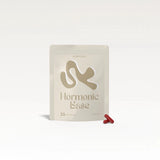
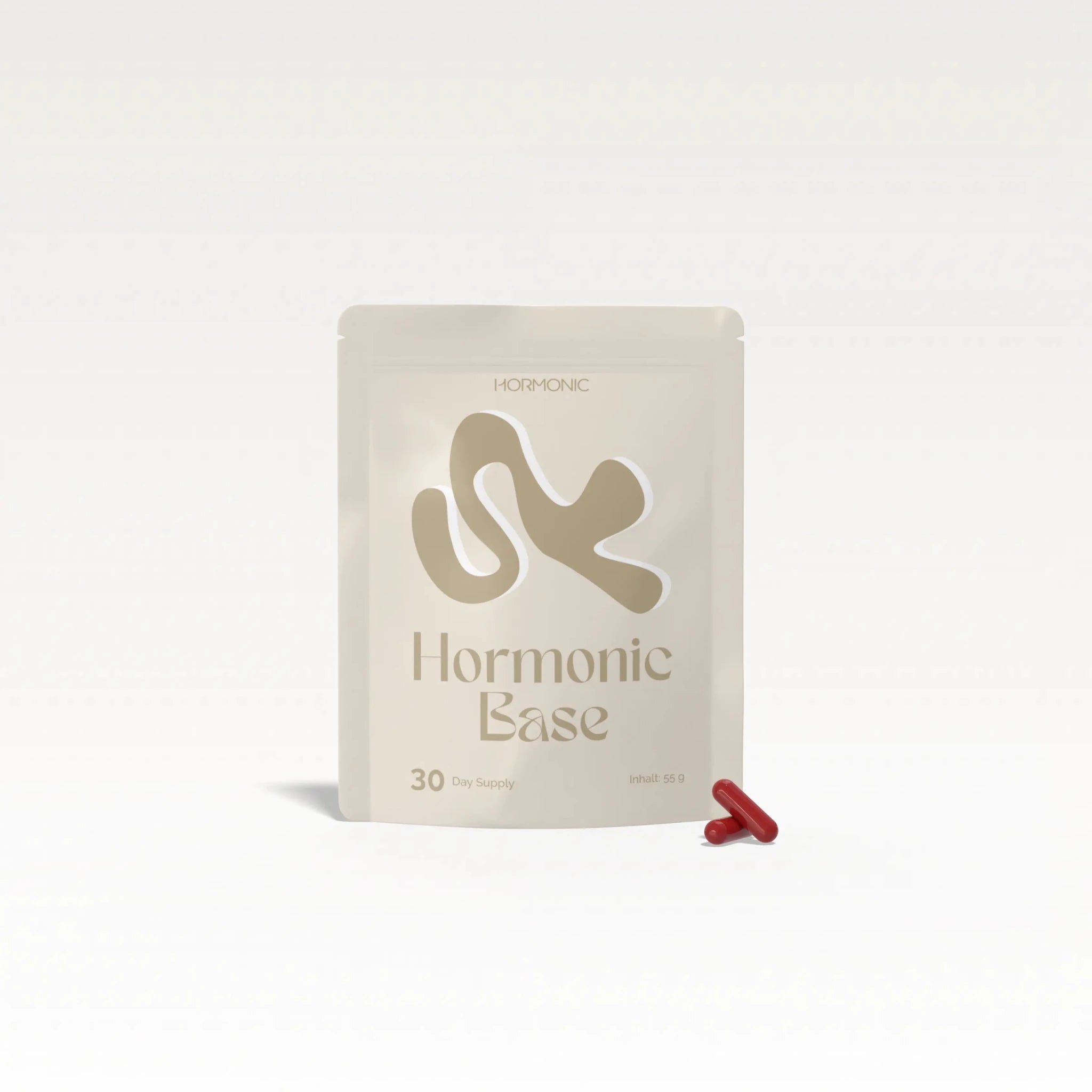
Hormonic Base: Your nutritional foundation around the pill

Combined birth control pills demonstrably lower levels of several micronutrients, especially vitamin B6, folate, magnesium, and zinc, as well as vitamins B2, C, and E (review by Palmery et al., 2013). These are precisely the nutrients contained in Hormonic Base: Vitamin B6 contributes to the normal regulation of hormonal activity, B6, folate, and magnesium contribute to the reduction of tiredness and fatigue, and magnesium supports the nervous system and psychological function. This allows you to specifically compensate for what the pill depletes. Base does not work against water retention or weight gain, but it reliably replenishes your micronutrient stores as long as you take the pill.

Discover Hormonic Base

And after stopping the pill?

In short: usually less than you might feel. Immediately after stopping, fluctuations on the scale are almost always a mixture of water retention, a returning natural cycle, and changed daily habits, not suddenly new body fat. How many kilos are realistic, how long the adjustment takes, and what truly helps during this phase, we have thoroughly broken down in the article Weight gain after stopping the pill. Here we will stick to the time while on the pill.
Why do you gain weight? The 3 mechanisms

If studies show that the pill doesn't cause dramatic fat gain, why do so many women notice changes? The answer lies in three indirect mechanisms through which artificial hormones can affect your body.

1. Water retention due to estrogen

Many women notice an increase of 1 to 2 kilos on the scale shortly after starting the pill. This is often not fat gain, but water retention. Estrogen affects the renin-angiotensin-aldosterone system of the kidneys: A higher estrogen level signals the body to retain more salt and fluid. The result: tissues store water, and the scale shows 1 to 2 kg more. You may know a similar pattern from water retention before your period. The good news: This water retention is usually temporary. After 3 to 4 months, most women's water balance returns to normal.

2. Changes in appetite and insulin effect

The pill can suppress satiety hormones. Studies show that the release of cholecystokinin (CCK), a satiety hormone from the gut, can be reduced when taking the pill. The result: You feel less full, and your appetite increases. In addition: Progestins can tend to reduce insulin sensitivity. If insulin works less efficiently, the body stores calories more easily as fat.

3. Changes in body composition

The pill lowers the level of free testosterone in the body. The estrogen in the pill increases the protein SHBG (sex hormone-binding globulin), which binds testosterone and inactivates it. Less free testosterone means: The body builds muscle mass more slowly. Muscles burn more calories than fat. A slight loss of muscle mass can, in the long term, lower the basal metabolic rate and increase body fat percentage without the weight on the scale changing significantly.

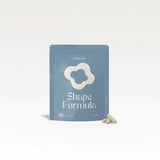
Shape Formula: Metabolism Instead of Willpower

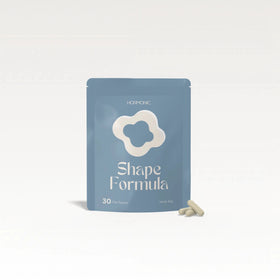
When the scale shows more under the pill, it is rarely a question of discipline. Appetite, satiety, and insulin response shift, precisely the mechanisms from this article. Shape Formula targets these areas with 10 active ingredients: acacia fiber, chromium, cinnamon, fenugreek, L-carnitine, green tea extract, alpha-lipoic acid, and others that have been studied in relation to satiety, blood sugar, and energy metabolism. No weight-loss promise, but structured daily support for your metabolism. Permanently 20 percent cheaper and with free shipping on subscription, cancelable at any time, with a 30-day money-back guarantee.

Discover Shape Formula

Gained 10 kg on the pill: What's really going on?

If you've gained more than 2 to 3 kg and your weight doesn't stabilize despite a healthy diet and exercise, you should take it seriously. Significant weight gain while taking hormonal contraception may indicate: undetected insulin resistance or subclinical PCOS that has been masked by the pill so far; an underlying underactive thyroid that is exacerbated by the pill-induced increase in TBG; or a particularly strong individual reaction to the specific progestin. In these cases, lifestyle tips alone are often not enough. Have your hormone levels checked, including fasting insulin, HOMA index, TSH, and free T3/T4. You can find more on the topic in our Guide to Stopping the Pill.

What you can do specifically: 6 effective approaches

Here are six scientifically supported approaches to help counteract hormone-related weight gain.

1. Optimize your diet

Focus on a high-protein, high-fiber diet with plenty of vegetables, healthy fats, and complex carbohydrates. Reduce sugar and refined flour. Good to know: Combined pills are proven to lower the levels of several micronutrients, especially vitamin B6, folate, magnesium, and zinc (review by Palmery et al., 2013). This is exactly where Hormonic Base comes in: vitamin B6 contributes to the normal regulation of hormonal activity, B6, folate, and magnesium help reduce tiredness, and magnesium supports normal energy metabolism. This helps you specifically replenish what the pill depletes.

2. Incorporate regular exercise

Strength training 2 to 3 times a week increases your resting metabolic rate and helps maintain muscle mass. Supplement this with moderate endurance training. Exercise directly improves insulin sensitivity.

3. Reduce stress and sleep

High cortisol levels promote cravings and belly fat. Incorporate daily relaxation sessions: breathing exercises, meditation, yoga. Aim for 7 to 9 hours of sleep.

4. Naturally minimize water retention

Drink plenty of fluids, eat low in salt, and choose potassium-rich foods such as bananas and spinach. Nettle or green tea can help reduce excess water.

5. Reconsider your pill

If you still feel that your pill is affecting your weight: Talk to your gynecologist. A different estrogen dose, a different progestin such as drospirenone or dienogest, or switching to a hormone-free alternative can make a difference. You can read how the pill and hormonal IUD differ in our Comparison of the Pill and Hormonal IUD. Do not stop taking the pill on your own.

6. Be patient and monitor

Track your weight, mood, and symptoms over several months. Hormonal processes take time. Not everything is caused by the pill, but much of it stabilizes over time with self-care.

And what about your weight after stopping the pill?

That is a topic in itself, because different mechanisms are at play after stopping the pill than while taking it. In short: Water retention often normalizes within a few weeks, your appetite stabilizes, and not every woman automatically loses weight. If your main concern is your hair: we have explained in detail why hair loss after stopping the pill only appears after a delay of two to three months, how long it lasts, and what really helps.

Is there more to your weight gain?

If you are gaining weight significantly despite eating well and exercising, it is worth taking a closer look at insulin, your thyroid, or previously undetected PCOS. In a free 15-minute initial consultation, a Hormonic doctor will assess your situation via video call and show you the best next steps.

Book a consultation

Conclusion: The pill alone doesn't cause weight gain, but your body sends signals

If you feel estranged from your body while on the pill, it's not your imagination or a weakness. These are measurable biological processes: water retention, altered appetite, altered body composition. All of this can be addressed: with the right diet, targeted exercise, a considered choice of pill, and, if necessary, a medical assessment.

You have more influence than you might think. If you feel that there's more behind your weight gain than just the pill, such as an undetected insulin resistance, a thyroid problem, or subclinical PCOS, then this is the right moment to take a closer look.

Frequent Questions About Weight Gain from the Pill

Does the pill make you gain or lose weight?

Large-scale review studies, including a Cochrane analysis of several placebo-controlled trials, show that on average, pill-related weight change is less than 2 kg and not statistically significant. This means that the difference between women taking the pill and those not taking it is so small that it is not considered scientifically proven to be a cause-and-effect relationship. What many people experience as weight gain is often water retention caused by estrogen, which usually normalizes on its own after 3 to 4 months. Weight loss while taking the pill also occurs, but is just as rare. Anyone who gains a significant amount of weight while taking the pill should consult a doctor, as the cause could be insulin resistance, a thyroid problem, or subclinical PCOS.

Which birth control pill doesn't cause weight gain?

Pills containing the progestin drospirenone (e.g., Yasmin, Yaz) are considered particularly weight-neutral because they have a mild diuretic effect and actively counteract estrogen-related water retention. Preparations containing dienogest or chlormadinone acetate also have a good reputation, as they are low in androgens and have less of an impact on body composition than older progestins such as levonorgestrel. Important: Every woman reacts differently to hormonal contraception. What is weight-neutral for one woman may affect another differently. You should always discuss switching pills with your gynecologist and never do so on your own.

Warum nimmt man durch die Pille zu, obwohl man nichts ändert?
Der Hauptgrund ist, dass sich Appetit und Sättigung durch hormonelle Einflüsse unbemerkt verändern. Du isst gefühlt gleich viel, aber Dein Körper signalisiert Hunger früher und Sättigung später. Dazu kommen Wasserretention durch Östrogen und eine mögliche Verschiebung der Körperzusammensetzung hin zu weniger Muskelmasse. All das kann die Waage nach oben treiben, ohne dass Du Dein Verhalten objektiv geändert hast.
Wie lange dauern Wassereinlagerungen durch die Pille?
Bei den meisten Frauen sind die Wassereinlagerungen durch das Östrogen in der Pille vorübergehend und pendeln sich innerhalb der ersten 3 bis 4 Monate wieder ein, wenn sich der Körper an die Hormone gewöhnt hat. Eine Drospirenon-haltige Pille wirkt leicht entwässernd und kann dieser Wasserretention entgegenwirken. Halten die Einlagerungen deutlich länger an oder kommen starke Gewichtsveränderungen dazu, lass es ärztlich abklären.

Scientific Sources

  • Berenson, A. B., Rahman, M., & Wilkinson, G. (2009). Weight gain among depot medroxyprogesterone acetate users: A systematic review.Obstetrics & Gynecology, 113(2 Pt 2), 403–410
  • Beksinska, M. E., Smit, J. A., Kleinschmidt, I., & Farley, T. M. M. (2012). Weight changes in adolescent users of DMPA, norethisterone enanthate and combined oral contraceptives.Contraception, 86(1), 44–50
  • Cibula, D. (2010). Women's contraceptive use and venous thromboembolism risk.Human Reproduction Update, 16(5), 621–635
  • Edelman, A. B., Carlson, N. E., Cherala, G., Munar, M. Y., Stouffer, R. L., & Cameron, J. L. (2007). Impact of oral contraceptives on body composition.Obstetrics & Gynecology, 109(2 Pt 1), 267–273
  • Gallo, M. F., Lopez, L. M., Grimes, D. A., Carayon, F., & Schulz, K. F. (2014). Combination contraceptives: Effects on weight.Cochrane Database of Systematic Reviews, 2014(1), CD003987
  • Gruber, C. J., Tschugguel, W., Schneeberger, C., & Huber, J. C. (2002). Production and actions of estrogens.The New England Journal of Medicine, 346(5), 340–352
  • Kuhnz, W., Heuner, A., Hümpel, M., & Jung-Hoffmann, C. (1995). Pharmacokinetics of drospirenone in women after single and repeated oral administration.Contraception, 51(5), 379–386
  • Schindler, A. E. (2003). Non-contraceptive benefits of hormonal contraceptives.The European Journal of Contraception and Reproductive Health Care, 8(1), 1–3
  • Seli, E., & Arici, A. (2002). Hormonal contraception and the central nervous system.Obstetrics and Gynecology Clinics of North America, 29(4), 751–768
  • Skovlund, C. W., Mørch, L. S., Kessing, L. V., & Lidegaard, Ø. (2016). Association of hormonal contraception with depression.JAMA Psychiatry, 73(11), 1154–1162
  • Zimmermann, T., Ackermann, R. T., & Haller, B. (2019). Drospirenone-containing contraceptives and weight gain: A literature review.Geburtshilfe und Frauenheilkunde, 79(6), 620–626

About the Author

Lee Paulina Pape

Lee Paulina Pape

Founder · MSc Psychology · Hormonic

Lee is a psychologist (MSc) and co-founder of Hormonic. As CEO, she makes women's hormonal health understandable and accessible.

Note: This article is based on current guidelines and scientific work (as of 2026). It is for informational purposes only and does not replace medical advice, diagnosis, or treatment.

Share

You might also be interested in this.

Haarausfall nach Absetzen der Pille: Ursachen, Dauer & was hilft - Hormonic
Haut & HaareMar 24, 20258 min read
Hair Loss After Stopping the Pill: Causes, Duration & What Helps

You’ve stopped taking the pill and are suffering from hair loss? You’re not alone. According to a recent study, this affects a full 26% of all women who stop taking the pill. Despite the significan...

Pille absetzen: Symptome, Zyklus & was du beachten solltest - Hormonic
VerhütungJul 23, 202411 min read
Coming off the pill: Side effects, symptoms, and your cycle afterwards

Are you considering discontinuing the pill, or have you already done so? This guide provides evidence-based information on what happens in your body, typical side effects and symptoms, and how long...

Die Pille vs. Hormonspirale im Vergleich: Was ist besser? - Hormonic
VerhütungOct 9, 20259 min read
The pill vs. the hormonal IUD: Which is better?

The pill or the hormonal IUD? We explain the scientifically sound effects, advantages, and risks of both contraceptives and provide you with medically reviewed guidance to help you make an informed...