

Cart

Your cart is empty

Continue shopping

Trending searches

Featured products

Hormonic Base - Hormonic - Nahrungsergänzungsmittel
Sale price€65,00
(5.0)
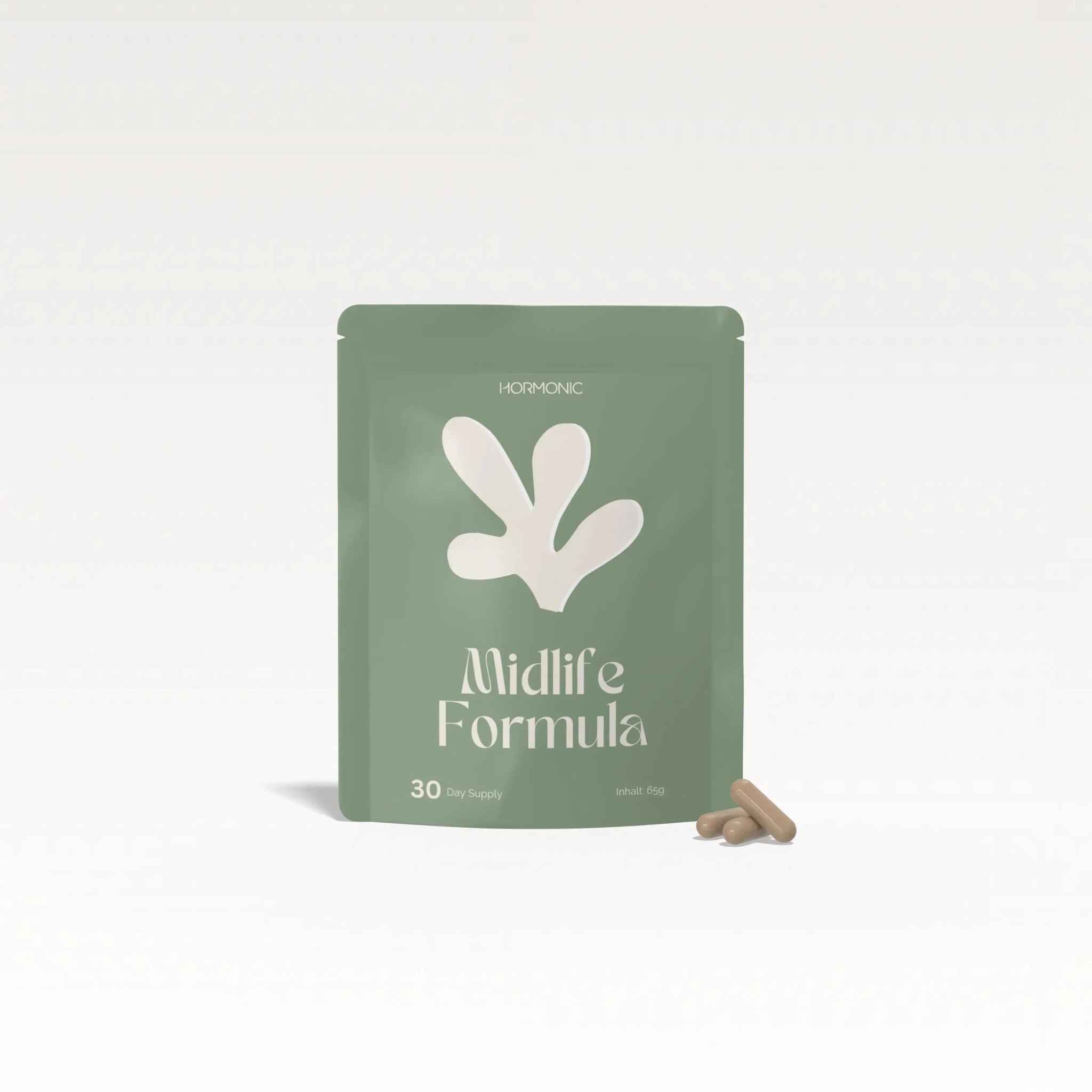
Midlife Formula - Hormonic - Nahrungsergänzungsmittel
Sale price€75,00
(5.0)
Hashimoto bei Frauen: Symptome erkennen, bevor sie übersehen werden - Hormonic
SchilddrüseJun 19, 20268 min read

Hashimoto's in Women: Recognizing Symptoms Before They're Overlooked

This article is part of: Thyroid and Hormones in Women: The Complete Guide

You're constantly tired, easily get cold, and feel mentally foggy, but your lab results are considered normal? This is exactly how the early signs of Hashimoto's in women are often overlooked.

Key takeaways

Hashimoto's is the most common cause of hypothyroidism and affects women about four times as often as men. It is typically characterized by a pattern of fatigue, cold sensitivity, weight gain, brain fog, and menstrual irregularities. The disease is diagnosed using TSH, TPO antibodies, and ultrasound. Selenium and vitamin D can contribute, but do not replace diagnostics.

Constantly tired, feeling a bit chilly, thoughts clouded as if in a fog, yet the doctor says, "Your levels are normal"? This exact pattern is typical for Hashimoto's, and it's precisely why early signs in women are often overlooked for years.

This article doesn't aim to cover all of thyroid medicine, but rather to address a single, practical question: How can you recognize the pattern indicative of Hashimoto's early on, before it's dismissed as stress, double burden, or "age"? We'll examine which symptoms are truly typical in women, why the female hormonal balance plays a role, when testing is advisable, and which nutrients your thyroid truly needs. The assessment of your symptoms should always be done by a doctor; this text will help you prepare and ask the right questions during your consultation.

What happens in the body with Hashimoto's?

In Hashimoto's, the immune system targets its own thyroid tissue. It produces antibodies, primarily against thyroid peroxidase (TPO antibodies) and against thyroglobulin (Tg antibodies). Over time, this inflammation gradually destroys the cells that produce your thyroid hormones.²

Through the hormones T3 and T4, the thyroid gland controls, among other things, your metabolism, heat production, heart rate, and nervous system. If it produces too little, the body slows down: energy, digestion, mood, and cycle are affected. This explains why the symptoms are so diverse and not limited to a single organ.

Important to understand: Not every woman with Hashimoto's has symptoms from the beginning. During a phase with normal hormone levels (euthyroid phase), the disease can go unnoticed for a long time. Only when enough tissue is destroyed does the thyroid fall into a state of hypothyroidism, and the typical symptoms become more pronounced.³

Typical symptoms in women

The symptoms of Hashimoto's-related hypothyroidism are diverse because almost every organ relies on thyroid hormones. Frequently described symptoms include:²

  • Persistent fatigue and exhaustion that doesn't really improve with sleep
  • Weight gain, even though diet and exercise haven't changed
  • Cold sensitivity, constantly cold hands and feet
  • Constipation and a sluggish digestive tract
  • Dry skin, brittle nails, and hair loss
  • Concentration and memory problems, the often-described feeling of “brain fog”
  • Low mood or depressive disposition
  • Menstrual cycle irregularities, such as heavier, irregular, or absent periods

Especially in women, these symptoms are often attributed to other causes: stress, dual responsibilities, the onset of perimenopause, or simply "age." This is one of the reasons why Hashimoto's is, on average, diagnosed late in women.

It's not fatigue alone that is the warning sign, but the pattern of several symptoms that occur together and persist for weeks.

Hashimoto's and your hormones: why your cycle suffers

The thyroid and ovaries do not work independently; they are closely connected via the endocrine system. Thyroid hormones influence how your body processes estrogen and progesterone, and they affect ovulation. If the thyroid is underactive, it can disrupt the cycle: longer, heavier or irregular bleeding, a shortened second half of the cycle, or absent ovulations are more frequently observed with hypothyroidism.

This explains why Hashimoto's in women is so easily mistaken for something else. The symptoms largely overlap with PMS, the phase after stopping the pill, and perimenopause. A creeping underactive thyroid often feels like a hormonal roller coaster, but the cause lies one level higher, in the thyroid gland.

In practical terms, this means: If your cycle changes significantly and is accompanied by fatigue, cold sensitivity, or brain fog, it's worth actively considering the thyroid instead of attributing the changes solely to your cycle or menopause.

Why are women particularly affected?

Hashimoto's is the most common cause of hypothyroidism in countries with sufficient iodine supply. A systematic review and meta-analysis from 2022 estimates the global prevalence at about 7.5 percent, with around 17.5 percent in women compared to 6.0 percent in men. Women's risk is thus about four times higher.

Why this is the case is not yet fully understood. The influence of estrogen on the immune system, genetic factors, and phases of major hormonal changes are discussed. It is striking that Hashimoto's often first appears after a pregnancy (postpartum thyroiditis) or in middle age between 30 and 50. Precisely during this time, the symptoms strongly overlap with cycle changes and perimenopause.

How is Hashimoto's diagnosed?

The diagnosis is based on three components: your symptoms, blood values, and an ultrasound of the thyroid. The TSH value, which reflects thyroid function, is determined first in the blood. According to guidelines, a TSH above approximately 4.0 µU/ml in adults is considered elevated and thus an indication of incipient hypothyroidism.

In addition, thyroid antibodies are measured, especially TPO antibodies. If they are elevated and the ultrasound shows the typical, hypoechoic image, this suggests Hashimoto's. Important: The level of antibodies does not indicate how severe your symptoms are or how quickly the disease is progressing. Higher values do not automatically mean a worsening.

If there are elevated antibodies but normal hormone levels, treatment is often not necessary. It is then advisable to have the TSH value checked once or twice a year to ensure that incipient hypothyroidism is not overlooked. If you want to see your values in black and white, such a thyroid and hormone profile can now also be conveniently initiated via a diagnostic test from home and interpreted by a doctor.

The micronutrient foundation your thyroid relies on

Selenium, zinc, iron, and vitamin D are among the building blocks your thyroid needs for its normal function. Hormonic Base provides exactly this basic supply with 16 lab-tested active ingredients in a well-considered dosage, medically developed, and suitable for everyday use, complementing your medical care.

€65,00

Start now

What role do micronutrients play?

Many promises about dietary supplements circulate regarding Hashimoto's. Let's look honestly at the evidence, because it is more nuanced than many online posts suggest. Important upfront: No nutrient cures Hashimoto's or replaces medical treatment. What micronutrients can do is provide the thyroid with the building blocks it needs for its normal function and compensate for a proven deficiency that can exacerbate symptoms.

The thyroid gland relies on a whole team of trace elements and vitamins. A deficiency in any of these can impair hormone production and the protection of thyroid tissue. This is precisely why it is worth looking at basic supply, not at individual high-dose miracle cures.

Selenium

Evidence: moderate. Selenium is a trace element that the thyroid gland needs for hormone production and for its antioxidant protection. A meta-analysis of randomized studies (Huwiler et al., 2024) found that selenium supplementation in people with Hashimoto's without hormone replacement therapy can lower TSH levels and TPO antibodies. However, the results varied greatly between studies, and a clear effect on the actual thyroid hormones T3 and T4 was not observed. In other words: selenium can affect laboratory values, but a proven effect on symptoms or disease progression is still lacking.

Vitamin D

Evidence: moderate. Vitamin D deficiency is more common in people with autoimmune thyroid diseases. A meta-analysis (Wang et al.) showed that affected individuals are about three times more likely to have a deficiency. It is not yet scientifically clear whether low vitamin D levels contribute to the disease or are a consequence. The data suggest that an existing deficiency should be compensated for, not that high-dose supplementation should be given on suspicion.

Zinc and Iron

Evidence: mixed, but mechanistically well-founded. Zinc is involved in the conversion of the thyroid hormone T4 into active T3, and iron is a building block of the enzyme that controls the first step of hormone formation. Iron deficiency is common in women anyway, especially with heavy bleeding, which can occur with an underactive thyroid, and can additionally worsen fatigue and hair loss. A proven zinc or iron deficiency should therefore be specifically compensated for, as it can exacerbate symptoms that are already part of the picture.

Iodine

Caution is advised when it comes to iodine. High-dose iodine can exacerbate rather than alleviate Hashimoto's inflammation. Therefore, independent, high-dose iodine supplementation should only be implemented after medical consultation and not on one's own initiative.

Why basic supply is more important than individual supplements

Most of these nutrients do not act in isolation, but in concert. Selenium only optimally protects the thyroid if iodine supply is also adequate, and zinc and iron are necessary for the storage hormone T4 to become active T3 at all. Instead of chasing individual high-dose substances, for many women a well-thought-out, everyday basic supply of precisely these micronutrients is the more sensible way, always in addition to medical supervision and not as a substitute for it.

What you can do yourself

Hashimoto's cannot be "optimized away," but you can take good care of yourself and act early:

  • Observe your symptom pattern over several weeks and note what occurs together. This helps enormously in discussions with your doctor.
  • If you experience persistent fatigue, have your thyroid specifically checked (TSH, TPO antibodies, ultrasound) instead of generally explaining away the fatigue with stress.
  • If necessary, also have iron, vitamin D, and selenium levels determined and specifically compensate for a proven deficiency instead of supplementing indiscriminately.
  • Ensure a reliable basic micronutrient supply that covers precisely the building blocks your thyroid needs.
  • Pay attention to a nutrient-rich, anti-inflammatory diet with sufficient protein, vegetables, and good fat sources.
  • Take menstrual cycle changes seriously, as the thyroid and sex hormones influence each other.

When you should seek medical help

Seek medical help if several of the mentioned symptoms occur together for weeks, if your fatigue significantly impairs your daily life, if your cycle changes significantly, or if thyroid or autoimmune diseases are known in your family. Hashimoto's is not curable, but it is generally well treatable; the earlier the hypothyroidism is detected, the easier it is to compensate for.

Tired, but all your levels are "normal"? Let's take a closer look together.

Book a free initial consultation with one of Hormonic's specialized doctors now. We listen, help you understand your symptoms, and plan further steps together.

Secure your free initial consultation

Conclusion

Hashimoto's rarely presents with a single, clear symptom in women. It is the pattern of fatigue, cold sensitivity, weight changes, brain fog, and menstrual irregularities that persists together for weeks and warrants closer examination. Because these symptoms are so non-specific and overlap with PMS, coming off the pill, and perimenopause, they are often attributed to other causes in women and diagnosed late.

The good news: Hashimoto's can be well-diagnosed with a targeted blood test and ultrasound, and a detected underactive thyroid is treatable. Micronutrients such as selenium, vitamin D, zinc, and iron can provide the thyroid with the building blocks it needs and compensate for deficiencies, but they do not replace diagnosis or medical supervision. If you recognize yourself in the symptoms, the most important step is to have your thyroid specifically checked, and at the same time create the nutritional foundation on which it can work best.

Frequently Asked Questions about Hashimoto's

What are the symptoms of Hashimoto's in women?

Typically, there is a pattern of several complaints: persistent fatigue, sensitivity to cold, unexplained weight gain, dry skin, hair loss, concentration problems, depressive moods, and menstrual disorders. Individually, these symptoms are non-specific; only their combined and persistent occurrence is a warning sign.

How is Hashimoto's diagnosed?

If Hashimoto's is suspected, the TSH value and TPO antibodies are first determined in the blood. This is supplemented by an ultrasound of the thyroid gland. Elevated antibodies and a typical ultrasound image indicate Hashimoto's. The level of antibodies does not indicate the severity of the symptoms.

Kann man Hashimoto mit Selen oder Vitamin D behandeln?
Selen kann in Studien den TSH-Wert und die TPO-Antikörper senken, ein belegter Effekt auf Symptome oder Krankheitsverlauf fehlt bisher. Ein Vitamin-D-Mangel ist bei Hashimoto häufiger und sollte ausgeglichen werden. Beides ersetzt aber keine ärztliche Diagnostik und Behandlung. Jod sollte nur nach ärztlicher Rücksprache eingenommen werden.
Warum sind Frauen häufiger von Hashimoto betroffen?
Frauen erkranken etwa viermal so oft wie Männer. Diskutiert werden der Einfluss von Östrogen auf das Immunsystem, genetische Faktoren und Phasen starker hormoneller Umstellung. Auffällig ist, dass Hashimoto häufig nach einer Schwangerschaft oder im mittleren Lebensalter zum ersten Mal auffällt.

Scientific Sources

  • Hu X, Chen Y, Shen Y, et al. (2022). Global prevalence and epidemiological trends of Hashimoto's thyroiditis in adults: A systematic review and meta-analysis. Frontiers in Public Health, 10, 1020709. doi:10.3389/fpubh.2022.1020709
  • Mincer DL, Jialal I. (2024). Hashimoto Thyroiditis. StatPearls. NCBI Bookshelf, NBK459262.
  • Ralli M, Angeletti D, Fiore M, et al. (2024). Persistent symptoms in euthyroid Hashimoto's thyroiditis: current hypotheses and emerging management strategies. Frontiers in Endocrinology, 2025. doi:10.3389/fendo.2025.1627787
  • Huwiler VV, Maissen-Abgottspon S, Stanga Z, et al. (2024). Selenium Supplementation in Patients with Hashimoto Thyroiditis: A Systematic Review and Meta-Analysis of Randomized Clinical Trials. Thyroid, 34(3). doi:10.1089/thy.2023.0556
  • Wang J, Lv S, Chen G, et al. (2015). Meta-Analysis of the Association between Vitamin D and Autoimmune Thyroid Disease. Nutrients, 7(4), 2485-2498. doi:10.3390/nu7042485
  • Jiang H, Chen X, Qian X, Shao S. (2022). Effects of vitamin D treatment on thyroid function and autoimmunity markers in patients with Hashimoto's thyroiditis: A meta-analysis of randomized controlled trials. Journal of Clinical Pharmacy and Therapeutics, 47(6), 767-775. doi:10.1111/jcpt.13605

About the Author

Lisa Maria Emmer

Lisa Maria Emmer

Founder · Doctor · Hormonic

Lisa Maria Emmer is co-founder and medical director at Hormonic. She supports women with hormonal problems every day and specializes in cycle health, PCOS, and menopause.

Note: This article is based on current guidelines and scientific work (as of 2026). It is for informational purposes only and does not replace medical advice, diagnosis, or treatment.

Share

You might also be interested in this.

Hashimoto und Ernährung: Welche Nährstoffe wirklich helfen - Hormonic
SchilddrüseJun 17, 20268 min read
Hashimoto and Nutrition: Which Nutrients Really Help

Selenium, Vitamin D, Iron, Iodine, and Gluten in Hashimoto's: An Evidence-Based Assessment. What the studies support and what is overrated.

Schilddrüse und Zyklus: Wie Schilddrüsenhormone die Periode beeinflussen - Hormonic
SchilddrüseOct 14, 20248 min read
How Thyroid Disorders Affect Your Menstrual Cycle

The thyroid gland is a central player in the body’s hormonal system and regulates a wide range of physiological processes — including the menstrual cycle. Disorders such as hypothyroidism and hyper...

Schilddrüse und Hormone bei Frauen: der komplette Guide - Hormonic
SchilddrüseJun 17, 202611 min read
Thyroid and Hormones in Women: The Complete Guide

How the thyroid controls cycle, metabolism, and well-being, which values truly matter, and what helps with Hashimoto's and hypothyroidism based on evidence.