
Cart

Your cart is empty

Continue shopping

Trending searches

Featured products

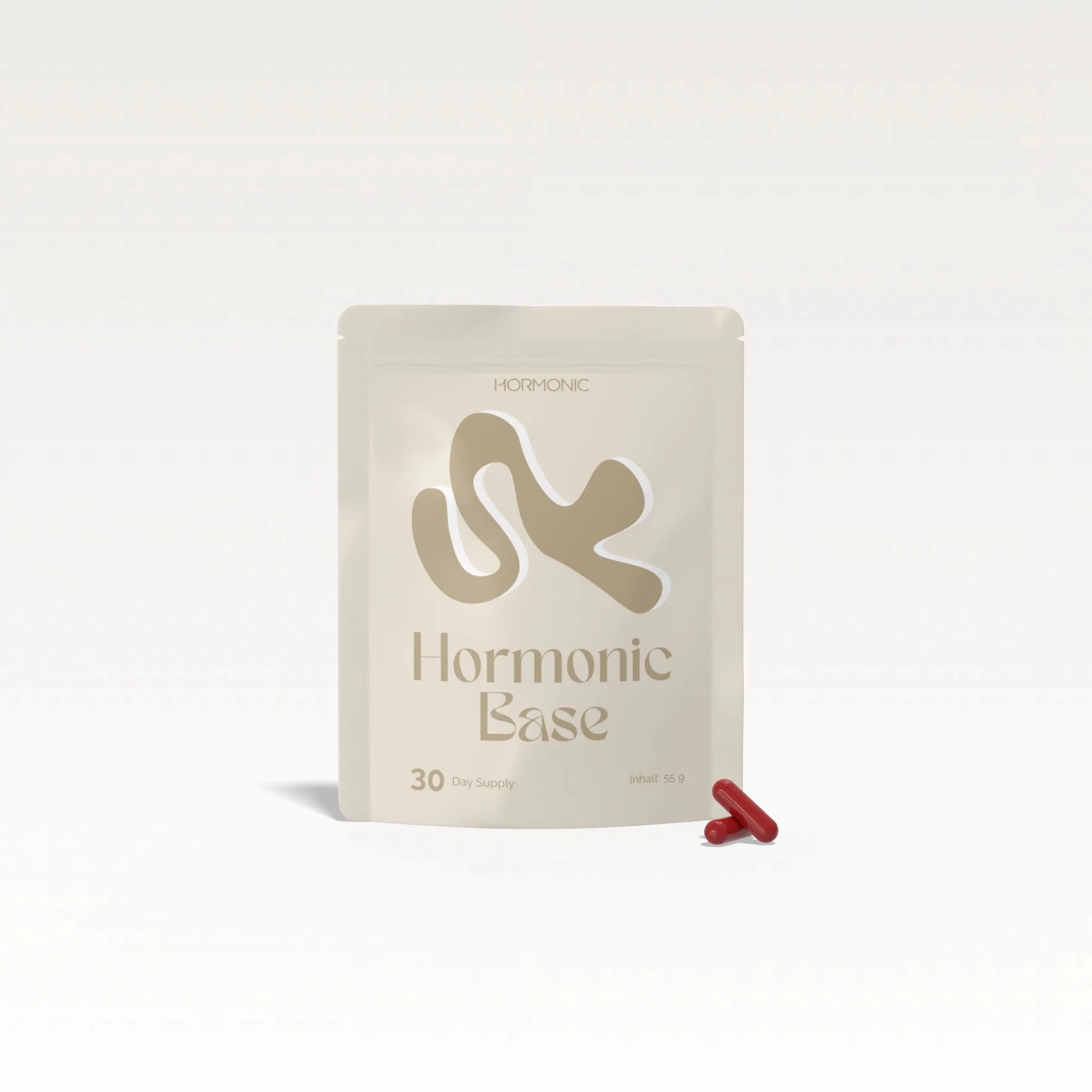
Hormonal Base
Sale price€65,00
(5.0)
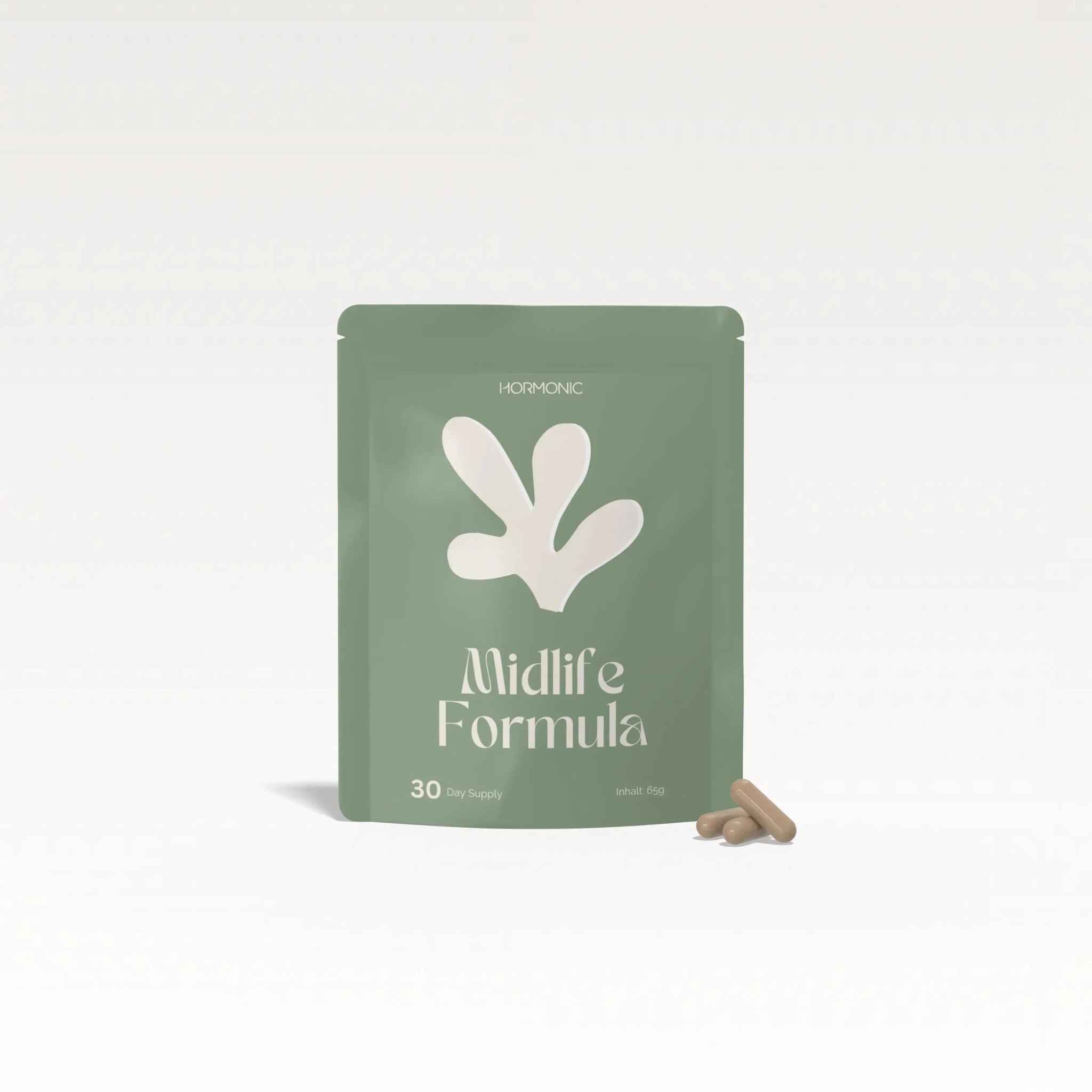
Midlife balance
Sale price€75,00
(5.0)
Schilddrüse und Hormone bei Frauen: der komplette Guide
SchilddrüseJun 17, 202611 min read

Thyroid and Hormones in Women: The Complete Guide

The thyroid gland is small, but it controls more in your body than most people think: energy, metabolism, mood, and also your cycle. Women are four to ten times more likely to be affected by an underactive thyroid than men. This guide explains what the thyroid gland does to your hormones, which values are truly meaningful, and what the studies say about selenium, vitamin D, and nutrition.

Key takeaways

Hypothyroidism affects women significantly more often and can influence the menstrual cycle, weight, energy, and mood. The TSH value is particularly informative, supplemented by fT4 and TPO antibodies. In the case of Hashimoto's, studies suggest that selenium can lower antibodies and that vitamin D is useful in cases of confirmed deficiency. However, the interpretation of your values and symptoms should be done by a doctor.

You've been feeling tired for weeks, you get cold faster than before, and your cycle is out of whack, even though nothing has really changed? Such symptoms are often dismissed as stress. But sometimes, a small, butterfly-shaped organ in your neck is behind it: your thyroid. It helps control your metabolism, influences your mood, and is closely linked to your sex hormones. And women are particularly often affected.

Briefly explained

The thyroid gland is a hormone gland in the neck that regulates your metabolism with the hormones T4 and T3. If it produces too little of these, it is called hypothyroidism. The most common cause in regions with good iodine supply is Hashimoto's thyroiditis, an autoimmune disease that affects women four to ten times more often than men.

What the thyroid gland does in the body

The thyroid gland produces the hormones thyroxine (T4) and triiodothyronine (T3). These two messengers act in almost every cell of your body. They help determine how fast your metabolism runs, how much energy you have, how your heart beats, how your body regulates heat, and even how your mood feels. The entire process is controlled by the pituitary gland via the hormone TSH: If thyroid function decreases, the body releases more TSH to stimulate the gland. Therefore, an elevated TSH value is often the first signal that something is not right.

Particularly important for women is the close connection to the sex hormone axis. Thyroid and sex hormones influence each other. Thyroid hormones affect ovulation and the release of prolactin, a hormone that in turn helps control the cycle. If the thyroid gland gets out of balance, it can therefore directly affect your period. This exact wiring explains why a thyroid disorder can feel so diverse and sometimes confusing.

Did you know?

Thyroid values change only slowly. A single abnormal value therefore says less than the trend over several months. A follow-up check is often more informative than a one-off snapshot.
Causes: Why the thyroid goes out of sync

By far the most common cause of hypothyroidism in regions with adequate iodine supply is Hashimoto's thyroiditis, a chronic autoimmune disease of the thyroid gland. In this condition, the immune system attacks its own thyroid tissue, which can lead to decreasing hormone production over years. Hashimoto's affects women much more frequently than men and often occurs during life stages with hormonal changes, such as after pregnancy or during perimenopause.

In addition, there are other triggers: severe iodine deficiency, certain medications, thyroid surgery, or, more rarely, a central disorder of regulation via the pituitary gland. Genetic predisposition, selenium deficiency, and vitamin D deficiency are discussed in research as contributing factors to autoimmunity. Important to understand: A single cause can rarely be named; usually, several factors come together.

Recognizing Symptoms: What hypothyroidism can trigger in women

The symptoms of hypothyroidism are non-specific, and that is precisely what makes them so insidious. Typical symptoms include persistent fatigue, cold sensitivity, concentration problems, dry skin, hair loss, weight gain despite unchanged diet, and a depressed mood. Many of these symptoms are initially attributed to other causes.

Particularly relevant for women: Hypothyroidism can alter the menstrual cycle. In a cross-sectional study of women with thyroid disorders, menstrual irregularities occurred in about 30 percent of women with hypothyroidism, significantly more often than in women with hyperthyroidism. Irregular, heavier, or absent periods are observed. The reason lies in the close interconnection of the thyroid and sex hormone axes: thyroid hormones influence ovulation and prolactin secretion.

A limitation that honestly needs to be mentioned: The 2023 DEGAM guideline explicitly states that individual symptoms such as fatigue or weight changes are too non-specific to derive a diagnosis solely from them. Completely asymptomatic courses also occur. Symptoms are a reason to investigate but not a substitute for a blood test.

Diagnostics: Which blood values really matter

The most important initial value is TSH, the regulatory hormone from the pituitary gland. If it is elevated and free thyroxine (fT4) is still normal, it is referred to as latent (subclinical) hypothyroidism. If TSH is elevated and fT4 is decreased, manifest hypothyroidism is present. To classify Hashimoto's as the cause, TPO antibodies are also determined.

The current DEGAM guideline has for the first time introduced age-dependent upper TSH limit values: up to 70 years about 4.0 mU/l, increasing thereafter. It also recommends caution, no routine TSH screening in asymptomatic individuals, and no hasty treatment of slightly elevated values. For the classification of your individual values, especially when planning a pregnancy or during pregnancy, medical assessment is crucial.

Thyroid and menopause: easily confused

It gets particularly complicated during perimenopause. Many symptoms of hypothyroidism, such as fatigue, weight changes, low mood, irregular cycles, and concentration problems, resemble typical menopausal symptoms. In this life phase, the incidence of thyroid disorders also increases. In a study of women between 46 and 55 years old, subclinical hypothyroidism was found in about 15 percent, and manifest hypothyroidism in a smaller proportion. This means that if symptoms are prematurely attributed solely to menopause, a treatable thyroid disorder can be overlooked. Therefore, determining thyroid values is often meaningfully included during this phase.

Conversely, this does not mean that every woman in midlife has a thyroid problem. It only means that it is worthwhile to keep both in mind and have the values assessed instead of guessing.

Hormonic Base for your micronutrient foundation

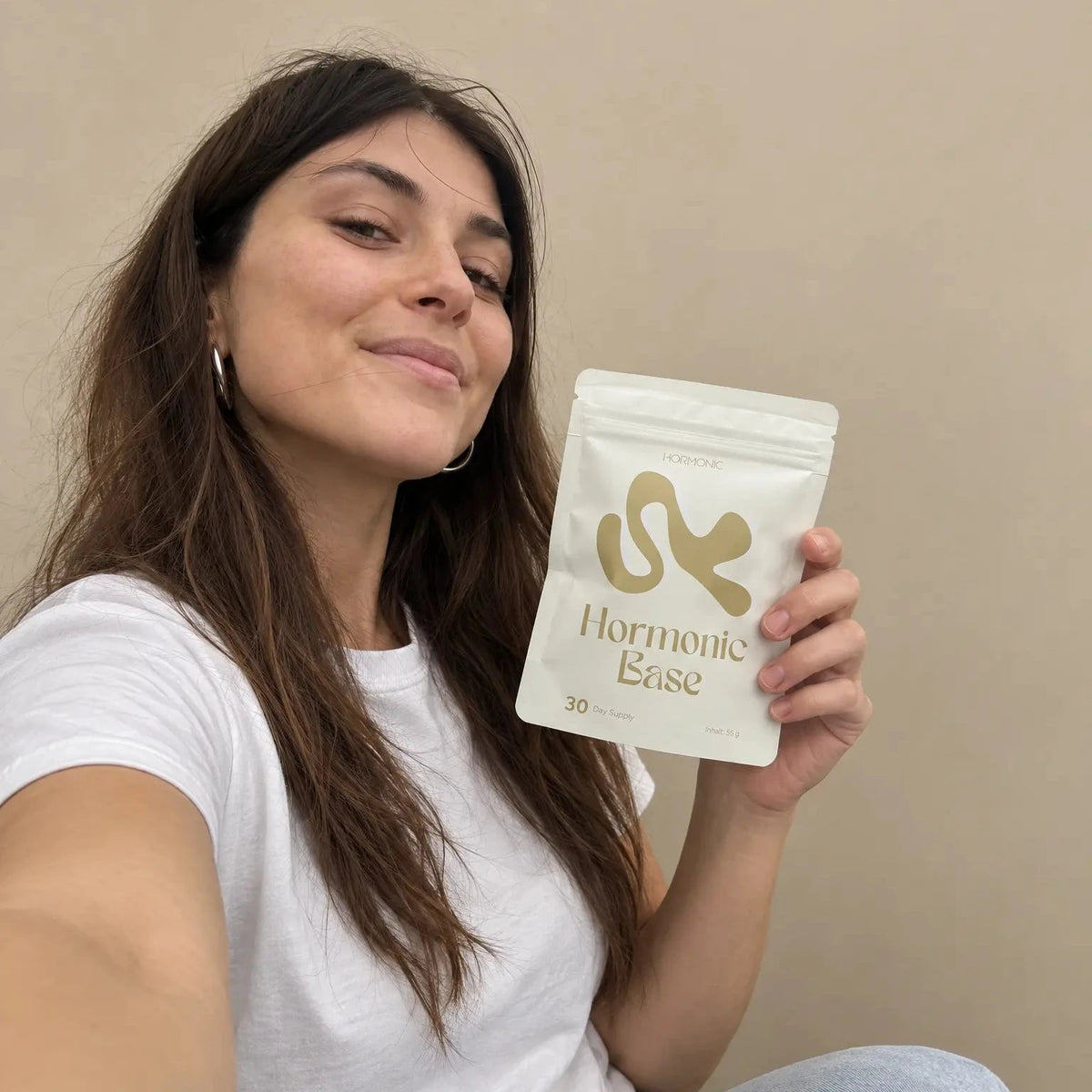
Selenium, zinc and vitamin C are among the building blocks that support your thyroid and immune system in everyday life. Hormonic Base provides you with a well-conceived basic supply of micronutrients, medically developed and strictly laboratory tested.

€65,00

Discover Hormonic Base

What really helps: Treatment and the state of studies

For a manifest hypothyroidism, the medical standard is the administration of levothyroxine, a thyroid hormone that compensates for the deficiency. This is well-documented and should be managed by a doctor. The data for latent hypothyroidism is interesting: The large randomized TRUST study showed that levothyroxine in older people with subclinical hypothyroidism did not measurably improve typical symptoms and fatigue. This is an important reason why guidelines advise caution with slightly elevated levels and not every deviation is treated immediately.

Regarding micronutrients, there is genuine evidence, but it is more nuanced than often conveyed on social media. For selenium, a systematic review with meta-analysis of randomized studies (2024) showed that selenium supplementation can lower TPO antibodies in Hashimoto's and TSH in people without hormone replacement therapy. The certainty of the evidence was generally classified as moderate, and the results varied widely between individual studies. Important: fT4 and fT3, i.e., actual thyroid function, did not change. Selenium can therefore dampen autoimmune activity but does not replace necessary hormone therapy.

For vitamin D, several meta-analyses of randomized studies show that supplementation can lower thyroid antibodies, especially over a period of about six months and particularly in women with a proven deficiency. Here, too, the results are heterogeneous, and thyroid levels themselves did not reliably change. An existing vitamin D deficiency should be corrected anyway, regardless of the thyroid.

Diet and micronutrients in everyday life

The thyroid needs certain building blocks to produce and protect hormones, primarily iodine and selenium, with iron and vitamin D also playing a role. A balanced diet with iodine-containing foods, Brazil nuts or other selenium-rich sources, and sufficient iron is the basis. Important: More is not better. Very high doses of iodine can even adversely affect autoimmune thyroiditis, and selenium should not be highly dosed uncontrolled.

If you are considering targeted supplementation, the most sensible approach is to first know your levels and have the intake medically supervised. This allows a targeted correction of an actual deficiency instead of supplementing blindly.

How to read your values over time

A single TSH value is just a snapshot. TSH fluctuates throughout the day and reacts sensitively to stress, infections, and sleep. The development over time is more meaningful: If TSH remains slightly elevated in repeated measurements while fT4 is normal, this rather indicates a stable latent form that does not necessarily require treatment. If, on the other hand, TSH continues to rise and fT4 drops, a manifest hypothyroidism develops that should be treated.

If you are already taking levothyroxine, it is worth looking at the intake: The hormone is usually taken on an empty stomach in the morning, with sufficient time between taking it and consuming coffee, calcium, or iron supplements, as these can reduce absorption. Such details are best discussed specifically with the treating practice, as the correct dose is individual and adjusted based on follow-up values.

What you can do yourself

You have more room to maneuver than it initially feels. Get your thyroid values checked if you notice persistent fatigue, menstrual cycle changes, or unexplained weight changes. Discuss your symptoms with your doctor using concrete examples, precisely because the symptoms are non-specific. Ensure a solid supply of iodine, selenium, iron, and vitamin D through your diet, and specifically correct any proven deficiency. And give it time: Thyroid values change slowly, and follow-up checks are more informative than a single value.

When you should seek medical advice

Seek medical advice if symptoms such as pronounced fatigue, cold sensitivity, or menstrual cycle disorders persist for several weeks, if you wish to conceive or are pregnant and have known elevated TSH levels, or if thyroid antibodies have already been detected. Even if you are already taking levothyroxine and still feel unwell, it is worth discussing, as the dose and course should be regularly reviewed.

Are your thyroid levels confusing you? You don't have to figure this out alone.

The first consultation with our doctors is free and non-binding. Together, we'll look at your symptoms and values and show you which steps truly make sense for you.

Book online meeting

Conclusion

The thyroid gland affects much more than just metabolism: It is closely linked to your cycle, energy, and mood, and women are particularly often affected. TSH, fT4, and TPO antibodies are particularly informative, interpreted by a doctor and viewed over time.

In the case of Hashimoto's, studies suggest that selenium and vitamin D can lower antibodies without replacing thyroid function itself, and most likely when a deficiency is present. A well-nourished body and sound diagnostics are the best foundation. The next step is best taken together with your doctor.

Frequently asked questions about the thyroid gland

How does the thyroid influence the menstrual cycle?

Thyroid and sex hormones are closely interconnected. Hypofunction can affect ovulation and prolactin secretion, leading to irregular, heavier, or absent bleeding. In studies, menstrual cycle disorders occurred in approximately 30 percent of women with hypofunction. Individual assessment should be done by a doctor.

Does selenium help with Hashimoto's?

A meta-analysis of randomized studies (2024) indicates that selenium can lower TPO antibodies in Hashimoto's, though the certainty of the evidence was assessed as moderate. The actual thyroid function (fT4, fT3) did not change. Thus, selenium can reduce autoimmune activity but does not replace necessary hormone therapy and should not be taken in uncontrolled high doses.

Welcher Blutwert zeigt eine Schilddrüsenunterfunktion an?
Der wichtigste erste Wert ist das TSH. Ist es erhöht und das freie Thyroxin (fT4) noch normal, spricht man von einer latenten Unterfunktion, sind TSH erhöht und fT4 erniedrigt, von einer manifesten Unterfunktion. Zur Einordnung von Hashimoto werden zusätzlich die TPO-Antikörper bestimmt. Die DEGAM-Leitlinie nennt altersabhängige Grenzwerte, bis 70 Jahre etwa 4,0 mU/l.
Muss eine leichte Schilddrüsenunterfunktion immer behandelt werden?
Nicht automatisch. Die große randomisierte TRUST-Studie zeigte bei älteren Menschen mit subklinischer Unterfunktion keine messbare Besserung der Beschwerden durch Levothyroxin. Leitlinien raten daher bei leicht erhöhten Werten zur Zurückhaltung. Ob eine Behandlung sinnvoll ist, hängt von Werten, Alter, Symptomen und Kinderwunsch ab und sollte ärztlich entschieden werden.

Scientific Sources

  • Huwiler, V. V., Maissen-Abgottspon, S., Stanga, Z., et al. (2024). Selenium Supplementation in Patients with Hashimoto Thyroiditis: A Systematic Review and Meta-Analysis of Randomized Clinical Trials. Thyroid, 34(3). doi:10.1089/thy.2023.0556
  • Zhang, J., Chen, Y., Li, H., Li, H. (2021). Effects of vitamin D on thyroid autoimmunity markers in Hashimoto's thyroiditis: systematic review and meta-analysis. Journal of International Medical Research. doi:10.1177/03000605211060675
  • Jiang, H., Chen, X., et al. (2022). Effects of vitamin D treatment on thyroid function and autoimmunity markers in patients with Hashimoto's thyroiditis: a meta-analysis of randomized controlled trials. Journal of Clinical Pharmacy and Therapeutics. doi:10.1111/jcpt.13605
  • Stott, D. J., Rodondi, N., Kearney, P. M., et al. (2017). Thyroid Hormone Therapy for Older Adults with Subclinical Hypothyroidism (TRUST). New England Journal of Medicine, 376. doi:10.1056/NEJMoa1603825
  • Feller, M., Snel, M., Moutzouri, E., et al. (2018). Levothyroxine Therapy and Hypothyroid Symptoms in Subclinical Hypothyroidism. Ann Intern Med. doi:10.7326/M19-3193
  • Krassas, G. E., Poppe, K., Glinoer, D. (2010). Thyroid function and human reproductive health. Endocrine Reviews, 31(5). doi:10.1210/er.2009-0041
  • DEGAM (2023). S2k Guideline: Elevated TSH levels in general practice. AWMF Register No. 053-046.

About the Author

Lisa Maria Emmer

Lisa Maria Emmer

Physician & Medical Director · Hormonic

Lisa Maria Emmer is co-founder and medical director at Hormonic. She specialises in cycle health, PCOS, and menopause.

Note: This article is based on current guidelines and scientific work (as of 2026). It is for informational purposes only and does not replace medical advice, diagnosis, or treatment.

Share

You might also be interested in this.

Schilddrüse und Zyklus: Wie Schilddrüsenhormone die Periode beeinflussen
SchilddrüseOct 14, 20248 min read
How Thyroid Disorders Affect Your Menstrual Cycle

The thyroid gland is a central player in the body’s hormonal system and regulates a wide range of physiological processes — including the menstrual cycle. Disorders such as hypothyroidism and hyper...

Supplement-Kapseln und Glas Wasser auf cremefarbenem Leinentuch, täglicher Frauenstack
MikronährstoffeDec 8, 20259 min read
Which supplements should women take daily? The evidence-based stack

These 4 supplements are recommended daily by science for women: Micronutrient basis, Omega-3, Creatine, and targeted gut-hormone add-ons. Without hype, with a study basis.

Synthetische Kleidung und hormonelle Gesundheit, Symbolbild zu Polyester und Fruchtbarkeit
FruchtbarkeitApr 28, 202511 min read
Polyester and Fertility: What's the Truth About the Hormone Risk?

Does polyester cause infertility? What research reveals about synthetic fibers, microplastics, and hormones, honestly assessed, plus practical steps you can take in everyday life.