



Last updated: September 2026 · Medically reviewed
Key Points
- PMDD (premenstrual dysphoric disorder) is the severe, mood-related form of premenstrual symptoms and affects about 2 in 100 women.
- Psychological symptoms such as severe irritability, low mood, and anxiety are prominent in the week before menstruation.
- According to the leading model, the problem is not hormone levels, but rather the sensitivity of the brain and serotonin system to normal fluctuations.
- PMDD is diagnosed using a symptom diary over at least two cycles, with medical supervision, not via a blood test.
- SSRIs and cognitive behavioral therapy are best supported by evidence; calcium, vitamin B6, and magnesium can provide complementary support.
- PMDD increases the risk of suicidal thoughts. If you are experiencing severe distress, please seek medical evaluation.
A patient I supported in a telemedicine consultation once said, "Two weeks a month I am myself. In the other two, I don't recognize myself." For years, she had been told not to "make such a fuss," that her PMS was normal. But what she described was not normal PMS. It was PMDD, premenstrual dysphoric disorder, and the moment she had a name for it was an enormous relief for her.
That's exactly what this article is about: how to recognize PMDD, what's happening in the body and brain, and what really helps, honestly categorized according to what research shows.
Did you know?
In PMDD, hormone levels in the blood are usually completely normal. The problem is not the level of estrogen or progesterone, but a particular sensitivity of the brain to the completely normal fluctuations in the cycle. Therefore, "just measuring hormones" doesn't help.
PMDD or PMS? The Difference at a Glance
Almost all women experience premenstrual symptoms. However, the transition from normal PMS to PMDD requiring treatment is clearly defined, and it has less to do with the type of symptoms than with their severity.
| PMS | PMDD | |
|---|---|---|
| Focus | mixed physical and emotional | predominantly emotional (mood, irritability, anxiety) |
| Severity | usually mild to moderate | severe, significantly debilitating |
| Daily Life | mostly manageable | work, relationships, and well-being visibly suffer |
| Frequency | up to 3 in 4 women | about 2 in 100 women |
PMDD Symptoms at a Glance
PMDD symptoms can be divided into two groups: pronounced emotional symptoms, which are primary, and accompanying physical symptoms. The cyclical pattern is typical; they occur in the luteal phase, i.e., the second half of the cycle after ovulation, and subside with the onset of menstruation.
| Emotional Symptoms (Primary) | Physical Symptoms |
|---|---|
| Severe irritability, anger, and proneness to conflict | Breast tenderness and sensitivity to touch |
| Depressed mood and hopelessness | Bloating and water retention |
| Inner tension, anxiety, and nervousness | Headaches, joint, or body aches |
| Pronounced mood swings and crying spells | Food cravings and altered appetite |
| Concentration problems and lack of energy | Sleep disturbances and exhaustion |
| Feeling overwhelmed or out of control | Lack of drive and social withdrawal |
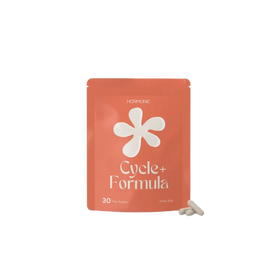
Hormonic Base for the Nervous System and Well-being
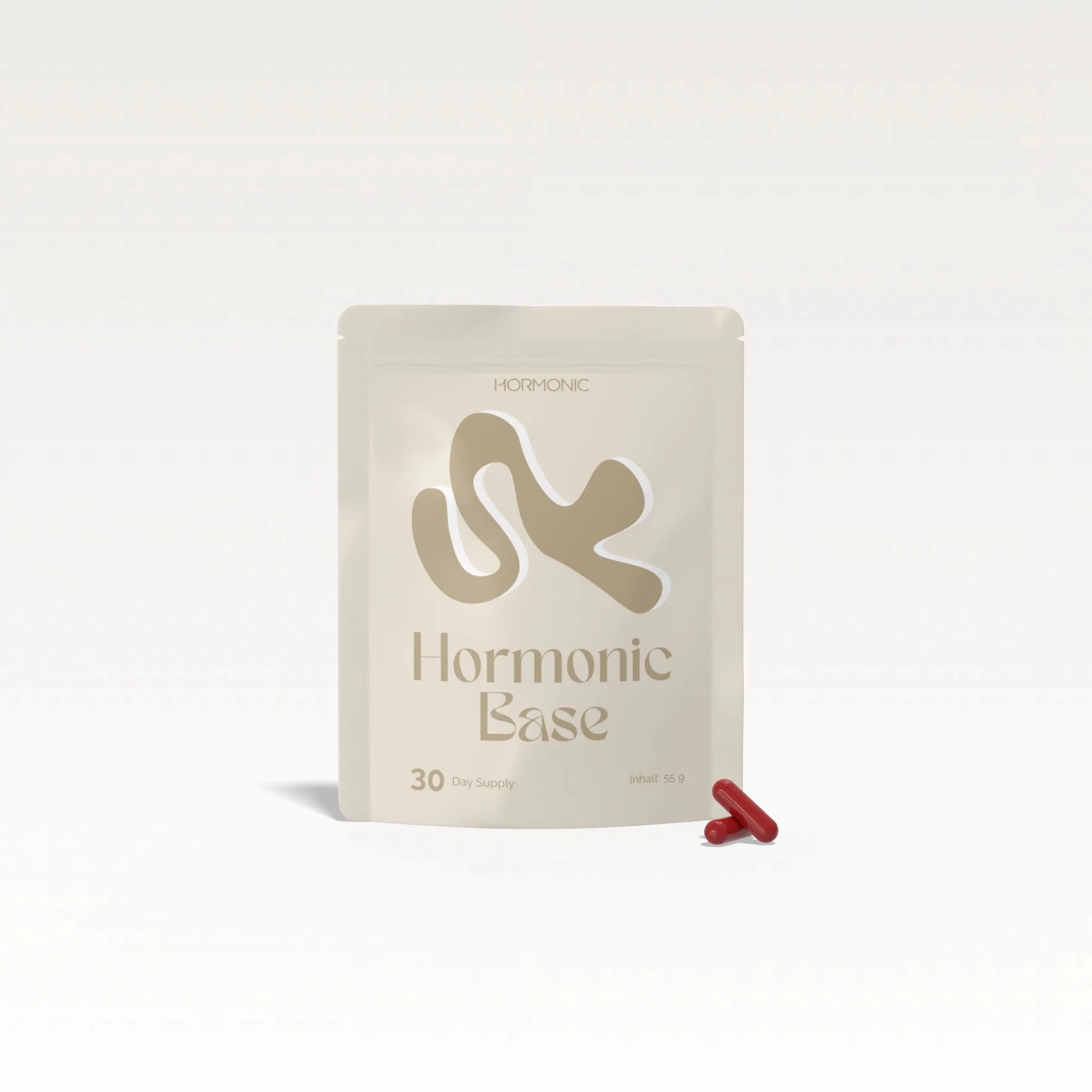
Hormonic Base provides, among other things, vitamin B6, which contributes to the regulation of hormonal activity and normal psychological function, as well as magnesium, which contributes to the normal functioning of the nervous system and normal psychological function. For PMDD, this is not a substitute for medical treatment such as SSRIs or psychotherapy, but a well-conceived micronutrient foundation developed as a daily base for your hormonal health. Permanently 20 percent cheaper with a subscription and free of shipping costs, cancellable at any time, with a 30-day money-back guarantee.
€65,00

In a free 15-minute introductory call, you can ask all your questions and receive an initial assessment from one of our doctors, completely without obligation. Conveniently via video call, with no waiting times.
Frequently Asked Questions about PMDD
What is the difference between PMS and PMDD?
What are the symptoms of PMDD?
Was hilft bei PMDS?
Wie wird PMDS diagnostiziert?
Scientific Sources
- American Psychiatric Association (2022). Diagnostic and Statistical Manual of Mental Disorders, 5th Edition, Text Revision (DSM-5-TR). Premenstrual Dysphoric Disorder.
- Tiranini, L. & Nappi, R. E. (2022). Recent advances in understanding/management of premenstrual dysphoric disorder/premenstrual syndrome. Faculty Reviews. doi:10.12703/r/11-11
- Cerqueira, R. O. et al. (2023). Vitex agnus castus for premenstrual syndrome and premenstrual dysphoric disorder: a systematic review. Archives of Women's Mental Health. doi:10.1007/s00737-023-01362-9
- Rajabi, F. et al. (2023). The effect of saffron on premenstrual syndrome: a systematic review and meta-analysis. Complementary Therapies in Medicine. doi:10.1016/j.ctim.2023.102958
- Shobeiri, F. et al. (2017). Effect of calcium on premenstrual syndrome: a double-blind randomized clinical trial. Obstetrics & Gynecology Science. doi:10.5468/ogs.2017.60.1.100
- Ismaili, E. et al. (2016; ISPMD consensus updates). Fourth consensus of the International Society for Premenstrual Disorders on management. Archives of Women's Mental Health.
- Hofmeister, S. & Bodden, S. (2016; reaffirmed). Premenstrual Syndrome and Premenstrual Dysphoric Disorder. American Family Physician.
About the Author

You might also be interested in this.

From symptoms to the real causes and treatment: the evidence-based overview of PMS, including the remedies with the best scientific evidence.

Cravings before your period are hormonally controlled and normal. Learn why serotonin and progesterone trigger these cravings and what truly helps against them.

Severe period pain is mostly caused by elevated prostaglandins. What causes them and what natural approaches can help according to studies.