
Cart

Your cart is empty

Continue shopping

Popular searches

Featured products

Hormonal Base
Sale price€65,00
(5.0)
Midlife balance
Sale price€75,00
(5.0)
Frau mit PMS und Wärmflasche
ZyklusMay 27, 20269 min read

Causes, symptoms and treatment options for PMS

Premenstrual syndrome affects many women but is often misunderstood. This guide categorizes symptoms, causes, and treatments according to current research and shows what truly helps.

Key takeaways

PMS is not caused by progesterone deficiency, but by an altered sensitivity of the brain to normal hormonal fluctuations. Approximately 20 to 30 percent of women have clinically significant PMS, and 3 to 8 percent have the severe form, PMDD. The most well-supported treatments are calcium, vitamin B6, chasteberry, and omega-3.


Premenstrual syndrome (PMS) affects approximately 75% of women worldwide and can significantly impact daily life. The severity of symptoms varies considerably. Approximately 20-30% of women report symptoms that significantly interfere with their daily activities, while approximately 3-8% suffer from a particularly severe form of PMS, known as premenstrual dysphoric disorder (PMDD). This blog post will explain in detail the various causes of PMS, the symptoms, and the best dietary and supplementation strategies for relief. We will also discuss why women with PCOS are particularly at risk for PMS.

Causes of PMS

1. Hormonal fluctuations

A lack of progesterone in the second half of the cycle is one of the main causes of PMS. Progesterone deficiency is caused by a lack of ovulation, corpus luteum weakness, or high stress levels. The resulting estrogen dominance leads to typical symptoms such as mood swings and feelings of tension.

2. Serotonin deficiency

Low serotonin levels lead to depression, irritability, and food cravings, which are common symptoms of PMS. A deficiency in L-tryptophan, one of the nine essential amino acids, can cause this serotonin deficiency.

3. High caffeine consumption

The relationship between PMS (premenstrual syndrome) and high caffeine consumption has been investigated in several studies, and the results show that high caffeine consumption can worsen PMS symptoms. Caffeine affects the central nervous system, increasing cortisol levels, can increase feelings of anxiety and nervousness and Increase the excretion of magnesium and calcium through urine. Both minerals are important for muscle relaxation and hormonal balance. A deficiency in these minerals can lead to more severe PMS symptoms such as muscle cramps and headaches. A study from the University of Massachusetts found that women who consume more than 200 mg of caffeine per day have an increased risk of more severe PMS symptoms. Other studies have shown similar results, emphasizing that the consumption of caffeinated beverages such as coffee, tea, and cola is associated with an increased prevalence and severity of PMS symptoms. Women who suffer from PMS should reduce or completely avoid their caffeine consumption, especially in the second half of their cycle.

4. Alcohol

Alcohol consumption can worsen PMS symptoms and has far-reaching effects on liver function and estrogen metabolism. The liver plays a central role in the metabolism of hormones, including estrogen. Alcohol affects liver function and can impair the liver's ability to effectively metabolize estrogen. This leads to increased estrogen availability in the blood, which can exacerbate hormonal imbalances and worsen PMS symptoms. One study has shown that alcohol can slow the breakdown of estrogen, leading to elevated estrogen levels. High estrogen levels are associated with increased PMS symptoms such as breast tenderness, mood swings, and water retention.

5. Chronic inflammation

Chronic inflammation in the body is often indicated by elevated levels of inflammatory markers such as C-reactive protein (CRP), tumor necrosis factor alpha (TNF-α), and interleukins (e.g., IL-6). Studies have shown that women with PMS have higher levels of these inflammatory markers, and there is a direct link between elevated inflammatory markers and the severity of PMS symptoms.

6. Chronic stress

Chronic stress leads to a sustained release of stress hormones like cortisol. Cortisol disrupts the balance between estrogen and progesterone by reducing progesterone production and promoting estrogen dominance, which can exacerbate typical PMS symptoms such as irritability, mood swings, and breast tenderness. The so-called "cortisol steal" phenomenon describes how, under stress, the body converts progesterone into cortisol to meet the increased demand for stress hormones. This leads to a progesterone deficiency, which can worsen PMS symptoms such as insomnia, anxiety, and depression. Because progesterone has a calming effect on the nervous system, a deficiency of this hormone can intensify the emotional and psychological symptoms of PMS.

7. Magnesium deficiency

Magnesium plays an important role in muscle relaxation and function. A magnesium deficiency can lead to muscle cramps, tension, and pain, which are common symptoms of PMS. Women with PMS often report increased cramps and pain, which can be exacerbated by low magnesium levels. Magnesium has a calming effect on the nervous system and helps reduce stress and anxiety. Women with PMS often experience elevated levels of stress and anxiety. Adequate magnesium levels can help alleviate these symptoms by supporting the nervous system and regulating the production of stress hormones like cortisol. Women who take magnesium report significant improvements in their PMS symptoms, including reduced cramps, improved mood, and less fatigue.

8. Vitamin D deficiency

Vitamin D has anti-inflammatory properties that can help reduce chronic inflammation. Since inflammation plays a role in exacerbating PMS symptoms, a vitamin D deficiency can lead to an increased inflammatory response and thus worsen PMS symptoms. Women with low vitamin D levels suffer from PMS symptoms more frequently and intensely. Taking vitamin D can significantly improve symptoms. About 15-20 minutes of sunlight on uncovered skin daily can be enough to support the body's own vitamin D production.

9. Hypothyroidism

Hypothyroidism occurs when the thyroid gland does not produce enough thyroid hormones. Thyroid hormones, particularly thyroxine (T4) and triiodothyronine (T3), play a key role in regulating other hormones in the body, including estrogen and progesterone. An underactive thyroid can lead to irregular menstrual cycles, which can worsen premenstrual symptoms. Women with hypothyroidism often report longer and heavier periods and more intense PMS symptoms.

10. Prostaglandin imbalance caused by painkillers

Prostaglandins are hormone-like substances found in almost all tissues of the body and perform a variety of functions, including the regulation of inflammation, pain, and menstruation. An imbalance or excessive production of prostaglandins can contribute to the pain and discomfort associated with premenstrual syndrome (PMS). Pain relievers such as nonsteroidal anti-inflammatory drugs (NSAIDs)—like ibuprofen and aspirin—are commonly used to relieve pain and inflammation, particularly for PMS symptoms. However, there is evidence that NSAIDs may inhibit ovulation, which could negatively affect progesterone levels and PMS symptoms. It is recommended that NSAIDs be used only for short-term relief of acute pain and cramps in order to minimize potential effects on ovulation.

Why women with PCOS are particularly at risk for PMS

Women with PCOS (polycystic ovary syndrome) are particularly at risk for PMS because they often suffer from hormonal imbalances that can worsen PMS:

  1. Infrequent ovulation: Women with PCOS often have low progesterone levels due to infrequent ovulation. Since progesterone helps relieve menstrual discomfort, a deficiency can lead to more severe PMS symptoms.

  2. Insulin resistance: Many women with PCOS suffer from insulin resistance, which can lead to higher androgen levels. These hormonal imbalances exacerbate PMS symptoms such as mood swings, acne, and increased body hair.

  3. Chronic inflammation: Women with PCOS often have elevated inflammatory markers in their blood, which can worsen PMS symptoms.

  4. Stress and cortisol: Women with PCOS often have higher stress levels and therefore increased cortisol levels, which can further impair progesterone production and worsen PMS symptoms.

Symptoms of PMS

In addition to the well-known symptoms, there are many lesser-known complaints. Here are some common and less common symptoms of PMS:

  1. depression
  2. irritability
  3. Anxiety
  4. insomnia
  5. Headache
  6. abdominal pain
  7. Breast tension
  8. Lethargy and fatigue
  9. Bad breath (halitosis)
  10. Mouth ulcers
  11. Food cravings
  12. dizziness
  13. Constipation or diarrhea
  14. Joint and muscle pain
  15. Fluid retention (water retention)
  16. Loss of appetite
  17. Reduced ability to concentrate
  18. Acne and skin changes
  19. Hypersensitivity to light and noise
  20. Mood swings and sudden crying fits

Treatment options

Nutrition

An anti-inflammatory, protein-rich diet can help relieve PMS symptoms. Here are our strategies:

  1. High consumption of omega-3 fatty acids: These have anti-inflammatory properties and can be found in oily fish such as salmon, walnuts, and flaxseed.

  2. Avoid processed foods: many packaged, "grab & take" foods often contain high amounts of sugar, sweeteners, preservatives, and saturated fats (e.g., refined canola oil), which can promote inflammation.

  3. More complex carbohydrates: Whole grains (oats, barley), pseudo-cereals (quinoa, amaranth, buckwheat), and certain vegetables (sweet potatoes, carrots, pumpkin, green peas, broccoli) can help stabilize blood sugar levels.

  4. Magnesium-rich foods: Nuts, seeds, dark green leafy vegetables, and whole grains are good sources of magnesium, which can help relieve muscle cramps and fatigue.

  5. Adequate vitamin D intake: Through sunlight and foods such as oily fish, eggs, and fortified dairy products.

Supplements

Supplements can also play an important role in relieving PMS symptoms:

  1. Vitamin D: Promotes insulin sensitivity and has anti-inflammatory properties.

  2. Myo-Inositol: Can reduce insulin resistance and relieve the symptoms of PMS and PCOS

  3. Vitamin B6: Supports serotonin production and can improve mood.

  4. Omega-3 fatty acids: Reduce inflammation and can alleviate mood swings.

  5. Vitex Agnus Castus (Chasteberry): Can balance hormonal imbalances and relieve symptoms such as breast tenderness and mood swings.

  6. Calcium: May help reduce physical and emotional PMS symptoms.

  7. Magnesium: Helps with muscle relaxation and the regulation of neurotransmitters.

      • Magnesium citrate: One of the best-absorbed forms of magnesium, it is often used for constipation because of its mild laxative effect, but can also be effective in relieving PMS symptoms such as cramps and mood swings.
      • Magnesium malate: Magnesium malate is easily absorbed and is particularly beneficial for fatigue and muscle pain. It's a good choice for women who suffer from PMS symptoms such as lack of energy and muscle tension.
      • Magnesium glycinate: is a chelated compound of magnesium and glycine. This form is particularly well absorbed by the body and has a calming effect, making it ideal for treating PMS-related irritability, anxiety, and insomnia.

Lifestyle changes

  1. Stress management: Techniques such as meditation, yoga, and adequate sleep can help reduce stress and support hormonal balance.

  2. Regular exercise: Can boost endorphin production and relieve symptoms such as mood swings and fatigue.

  3. Hydration: Drinking enough water helps prevent fluid retention and supports overall health.

PMS is a complex syndrome that requires a holistic approach. By combining a healthy diet, regular exercise, and appropriate supplements, you can alleviate symptoms and improve your well-being.

Treatment Options

Diet

An anti-inflammatory, protein-rich diet can help alleviate PMS symptoms. Here are our strategies:

  1. High intake of Omega-3 fatty acids:These have anti-inflammatory properties and can be found in fatty fish like salmon, walnuts, and flaxseeds.
  2. Avoidance of processed foods:Many packaged, "grab and go" foods often contain high levels of sugar, sweeteners, preservatives, and saturated fats (e.g., refined rapeseed oil), which can promote inflammation.
  3. More complex carbohydrates:Whole grains (oats, barley), pseudo-grains (quinoa, amaranth, buckwheat), and certain vegetables (sweet potatoes, carrots, pumpkin, green peas, broccoli) can help stabilize blood sugar levels.
  4. Magnesium-rich foods:Nuts, seeds, dark green leafy vegetables, and whole grains are good sources of magnesium, which can help relieve muscle cramps and fatigue.
  5. Adequate Vitamin D intake:Through sunlight and foods like fatty fish, eggs, and fortified dairy products.

Supplements

Supplements can also play an important role in alleviating PMS symptoms:

  1. Vitamin D:Promotes insulin sensitivity and has anti-inflammatory properties.
  2. Myo-Inositol:Can reduce insulin resistance and alleviate symptoms of PMS and PCOS.
  3. Vitamin B6:Supports serotonin production and can improve mood.
  4. Omega-3 fatty acids:Reduce inflammation and can alleviate mood swings.
  5. Vitex Agnus Castus (Chasteberry):Can balance hormonal imbalances and alleviate symptoms such as breast tenderness and mood swings.
  6. Calcium:Can help reduce physical and emotional PMS symptoms.
  7. Magnesium:Aids in muscle relaxation and neurotransmitter regulation. Magnesium Citrateis one of the best-absorbed forms of magnesium. It is commonly used for constipation but can also be effective in alleviating PMS symptoms such as cramps and mood swings. Magnesium Malateis well-absorbed and particularly useful for fatigue and muscle pain. It is a good choice for women suffering from PMS symptoms such as lack of energy and muscle tension. Magnesium Glycinate:is a chelated form of magnesium and glycine. This form is particularly well-absorbed by the body and has a calming effect, making it ideal for treating PMS-related irritability, anxiety, and insomnia.

Lifestyle Adjustments

  1. Stress management:Techniques such as meditation, yoga, and adequate sleep can help reduce stress and support hormonal balance.
  2. Regular exercise:Can boost endorphin production and alleviate symptoms such as mood swings and fatigue.
  3. Hydration:Drinking enough water helps prevent fluid retention and supports overall health.

PMS is a complex syndrome that requires a holistic approach. By combining a healthy diet, regular exercise, and appropriate supplements, you can alleviate symptoms and improve your well-being.

The bundle for optimal support

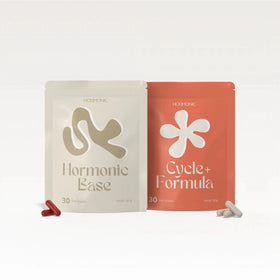
Our Cycle Bundle combines Hormonic Base, the micronutrient foundation, with high-quality nutrients that are clinically well-researched for PMS and cycle health. Developed by doctors, produced in Austria.

€125,00

Discover Cycle Bundle

What happens in the body during PMS?

For a long time, PMS was considered a purely hormonal deficiency, especially a progesterone deficiency or "estrogen dominance." According to current knowledge, this view is outdated. Most women with PMS have completely normal hormone levels. What is crucial is not the amount of hormones, but how sensitively the brain reacts to natural fluctuations in the second half of the cycle (ACOG 2023, ISPMD Consensus).

At the center of this is allopregnanolone, a breakdown product of progesterone. It acts on the so-called GABA-A receptor, the brain's most important "calming system." In women with PMS, this system appears to react more sensitively or differently to allopregnanolone. This explains why the same hormone levels cause few symptoms in one woman and pronounced symptoms in another.

Several other factors modulate the symptoms:

  • Serotonin: Low serotonin levels in the luteal phase are associated with irritability, depressed mood, and cravings. The fact that SSRI antidepressants are effective for severe PMS supports this role.
  • Low-grade inflammation: Some studies find elevated inflammatory markers in PMS. However, the data is inconsistent, and a clear cause-and-effect relationship has not been proven.
  • Stress and the HPA axis: Chronic stress can indirectly reduce progesterone production in the ovary by suppressing the control hormones from the brain (GnRH) via cortisol. The often-cited notion of "cortisol stealing progesterone" is not physiologically correct and should not be used as an explanation.
  • Thyroid: Hypothyroidism causes similar symptoms to PMS and can disrupt the cycle. If symptoms persist, clarification is worthwhile.

What role do lifestyle factors play?

Caffeine and alcohol are often mentioned as PMS amplifiers. Here, a closer look at the evidence is worthwhile, as it is weaker than often portrayed:

  • Caffeine: A cross-sectional study from 1985 showed a correlation between caffeinated beverages and PMS symptoms. However, a later, methodologically much stronger prospective analysis of the Nurses' Health Study II (Bertone-Johnson et al. 2016, approximately 3,660 women) found no clear correlation between caffeine consumption and the development of PMS. Since caffeine can exacerbate breast tenderness and restlessness in some women, the ACOG nevertheless recommends moderation in the second half of the cycle.
  • Alcohol: Observational studies link higher alcohol consumption with a slightly higher risk of PMS. Alcohol can affect estrogen metabolism in the liver. Whether alcohol actually causes or exacerbates PMS symptoms has not been clearly proven by controlled studies.
  • Painkillers (NSAIDs): When taken occasionally, ibuprofen or naproxen are effective and safe remedies for menstrual pain. Only chronic, high-dose use can disrupt ovulation. NSAIDs are still explicitly recommended for short-term pain relief.

Who is at increased risk for PMS?

PMS can affect any woman of childbearing age. However, some groups are more frequently or severely affected:

  • Women with PCOS: A Swedish registry study (Opatowski et al. 2025) found an approximately 1.5-fold increased risk of premenstrual disorders in women with polycystic ovary syndrome. This is due to more frequent anovulatory cycles, insulin resistance, and low-grade inflammation.
  • Women in perimenopause: In the years leading up to menopause, hormones fluctuate more strongly, which can exacerbate PMS-like symptoms.
  • Women with a history of depression or anxiety disorder
  • Women with a family history of PMS or PMDD
  • Women with untreated hypothyroidism

Unsure if it's PMS?

Discuss your symptoms in a free introductory consultation with our medical team. We will help you with classification and a personalized plan.

For a free consultation

How is PMS diagnosed?

There is no blood test for PMS. The diagnosis is based on the temporal pattern of symptoms. Crucially, symptoms must occur regularly in the second half of the menstrual cycle and subside with the onset of menstruation. Professional organizations such as the ACOG recommend prospectively documenting symptoms over at least two consecutive cycles, for example, in a symptom diary or a cycle app.

It is important to differentiate: If symptoms also occur independently of the cycle, something else is more likely behind it, such as depression, a thyroid disorder, or an anxiety disorder. This is exactly where structured documentation helps.

What truly helps against PMS?

The following overview categorizes common measures according to the strength of scientific evidence. A means well-supported, B moderate, C weak or inconsistent. Dietary supplements do not replace medical treatment. For severe symptoms, medical supervision is advisable.

  • Calcium, 1,000 to 1,200 mg/day (Evidence A): In a large controlled study (Thys-Jacobs et al. 1998), calcium significantly reduced overall symptoms more effectively than a placebo. One of the best-supported individual remedies.
  • Vitamin B6, 50 to 100 mg/day (Evidence B): A meta-analysis (Wyatt et al. 1999) showed an advantage over placebo, especially for mood-related symptoms. Important: do not consistently exceed 100 mg/day, as higher doses can cause nerve damage.
  • Chasteberry (Vitex agnus-castus), 20 mg/day (Evidence B): Standardized extracts can alleviate symptoms such as breast tenderness and irritability (Csupor et al. 2019). In Germany, some chasteberry preparations are even approved as medicines.
  • Omega-3 fatty acids, 1 to 2 g EPA/DHA per day (Evidence B): Can reduce symptom severity (Mohammadi et al. 2022). However, studies are inconsistent.
  • Magnesium, 200 to 360 mg/day (Evidence B/C): Can relieve water retention and irritability, but the data is mixed. Magnesium citrate or magnesium bisglycinate are well-tolerated, less so magnesium oxide.
  • Vitamin D (Evidence C): Especially useful in cases of proven deficiency. Research specifically for PMS is limited.
  • Exercise, sleep, stress reduction (Evidence B): Regular exercise, sufficient sleep, and relaxation techniques such as yoga or mindfulness can noticeably alleviate symptoms.
  • Prescription options: For severe PMS or PMDD, SSRI antidepressants and certain birth control pills are effective. This decision should be made under medical supervision.

Diet for PMS: focusing on the luteal phase

An anti-inflammatory, protein-rich diet can help with PMS symptoms. Specifically, this means:

  • More omega-3 sources like fatty fish, walnuts, and flaxseeds
  • Complex carbohydrates like oats, quinoa, legumes, and vegetables to keep blood sugar stable
  • Magnesium-rich foods like nuts, seeds, and dark green leafy vegetables
  • Fewer highly processed products with lots of sugar and saturated fats
  • Reducing caffeine and alcohol in the second half of the cycle

Key takeaways

  • PMS affects many women; about 3 to 8 percent suffer from the severe form, PMDD.
  • The cause is not too little progesterone, but a changed sensitivity of the brain to normal hormonal fluctuations.
  • Diagnosis is made via a symptom diary over at least two cycles.
  • The best-supported remedies are calcium, vitamin B6, chasteberry, and omega-3.
  • For severe or cycle-independent symptoms, PMS should be medically evaluated.

When to seek medical advice

Seek medical support if the symptoms significantly impair your daily life, work, or relationships, if they persist beyond your period, or if you experience severe despondency. If you are considering harming yourself, please immediately contact a crisis hotline like the National Suicide Prevention Lifeline at 988 (toll-free, 24/7).

Frequent Questions about PMS

What quickly helps with PMS?

In the short term, exercise, sufficient sleep, magnesium, and an NSAID such as ibuprofen for pain can provide relief. Remedies like calcium, vitamin B6, or chasteberry do not work immediately but unfold their effect over several cycles.

Is it PMS or am I pregnant?

Many early pregnancy symptoms resemble PMS, such as breast tenderness and fatigue. The crucial difference: PMS symptoms disappear when your period starts. If your period is late, a pregnancy test will provide clarity.

Does the pill help with PMS?

Certain birth control pills, especially those containing the progestin drospirenone, can alleviate PMS and PMDD symptoms. However, the pill should be seen more as a band-aid for symptoms and not a long-term solution, as it does not address the underlying causes. Whether the pill is suitable for you should be discussed with a doctor.

How long does PMS last?

PMS symptoms typically appear in the last one to two weeks before a period and subside when bleeding begins. If the symptoms last longer, another cause should be investigated.

What vitamins and nutrients help with PMS?

For PMS, calcium, vitamin B6, and magnesiumhave been particularly well-studied. Chasteberryand omega-3also show positive effects in some studies. Additionally, active ingredients such as vitamin D3, zinc, selenium, NAC, curcumin, or L-glycine can be considered—thus, several nutrients that can support the body during the cycle, with oxidative stress, and in energy and metabolic processes.

Scientific Sources

  • American College of Obstetricians and Gynecologists (2023). Premenstrual Syndrome (PMS). ACOG Clinical Guidance.
  • Opatowski M. et al. (2025). Polycystic Ovary Syndrome and the Risk of Premenstrual Disorders: A Nationwide Register-Based Study in Sweden. PMC12221545.
  • Thys-Jacobs S. et al. (1998). Calcium carbonate and the premenstrual syndrome. Am J Obstet Gynecol 179(2):444-452. doi:10.1016/S0002-9378(98)70377-1
  • Wyatt K.M. et al. (1999). Efficacy of vitamin B6 in the treatment of premenstrual syndrome: systematic review. BMJ 318:1375-1381. doi:10.1136/bmj.318.7195.1375
  • Csupor D. et al. (2019). Vitex agnus-castus in premenstrual syndrome: a meta-analysis. Complement Ther Med 47:102190. doi:10.1016/j.ctim.2019.08.024
  • Mohammadi M.M. et al. (2022). Effect of omega-3 fatty acids on premenstrual syndrome: a meta-analysis. J Obstet Gynaecol Res 48(6):1293-1305. doi:10.1111/jog.15217
  • Bertone-Johnson E.R. et al. (2016). Caffeine and premenstrual syndrome (Nurses' Health Study II). PMID:27385613
  • Robinson J. et al. (2025). Micronutrient supplementation and premenstrual syndrome: a systematic review. Nutrition Reviews 83(2):280-306.
  • IQWiG / gesundheitsinformation.de (2022). Treating PMS symptoms.

About the Author

Lisa Maria Emmer

Lisa Maria Emmer

Physician & Chief Medical Officer · Hormonic

Lisa Maria Emmer is co-founder and medical director at Hormonic. She supports women with hormonal problems every day and specializes in cycle health, PCOS, and menopause.

Note: This article is based on current guidelines and scientific work (as of 2026). It is for informational purposes only and does not replace medical advice, diagnosis, or treatment.

Share

You might also be interested in this.

Schokolade als Symbolbild für Heißhunger vor der Periode
ZyklusMar 13, 20266 min read
PMS Cravings: Causes & what really helps

Why do you crave food before your period? Serotonin, Insulin & Hormones explained simply – plus evidence-based tips that really help with pre-period cravings.

Frau hält sich bei Periodenschmerzen den schmerzenden Unterbauch
ZyklusJan 30, 20268 min read
Severe menstrual pain - what's behind it, and what helps

Severe period pain (dysmenorrhea) affects millions of women worldwide, impacting not only their well-being but also their productivity and quality of life. However, there are effective ways to alle...

Tee bei PCOS, PMS und Wechseljahren: Was wirklich wirkt
ErnährungAug 8, 20246 min read
Wait and see: These teas help with hormonal imbalances such as PCOS, PMS, after stopping the pill and perimenopause

Hormonal imbalances can cause numerous unpleasant symptoms, from acne and mood swings to irregular menstrual cycles and hot flashes. Teas offer gentle, natural support to regulate these imbalances....