Cart

Your cart is empty

Continue shopping

Trending searches

Featured products

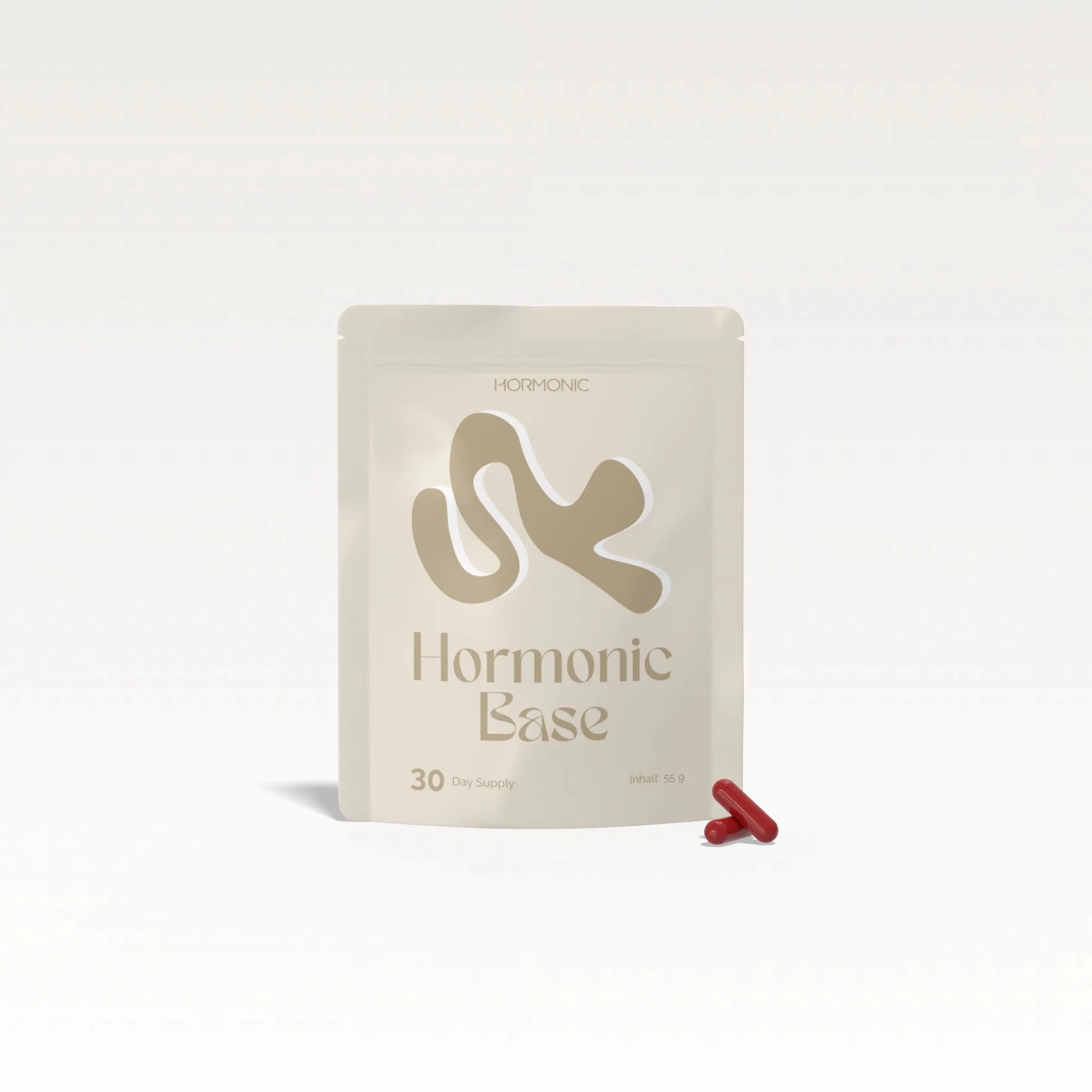
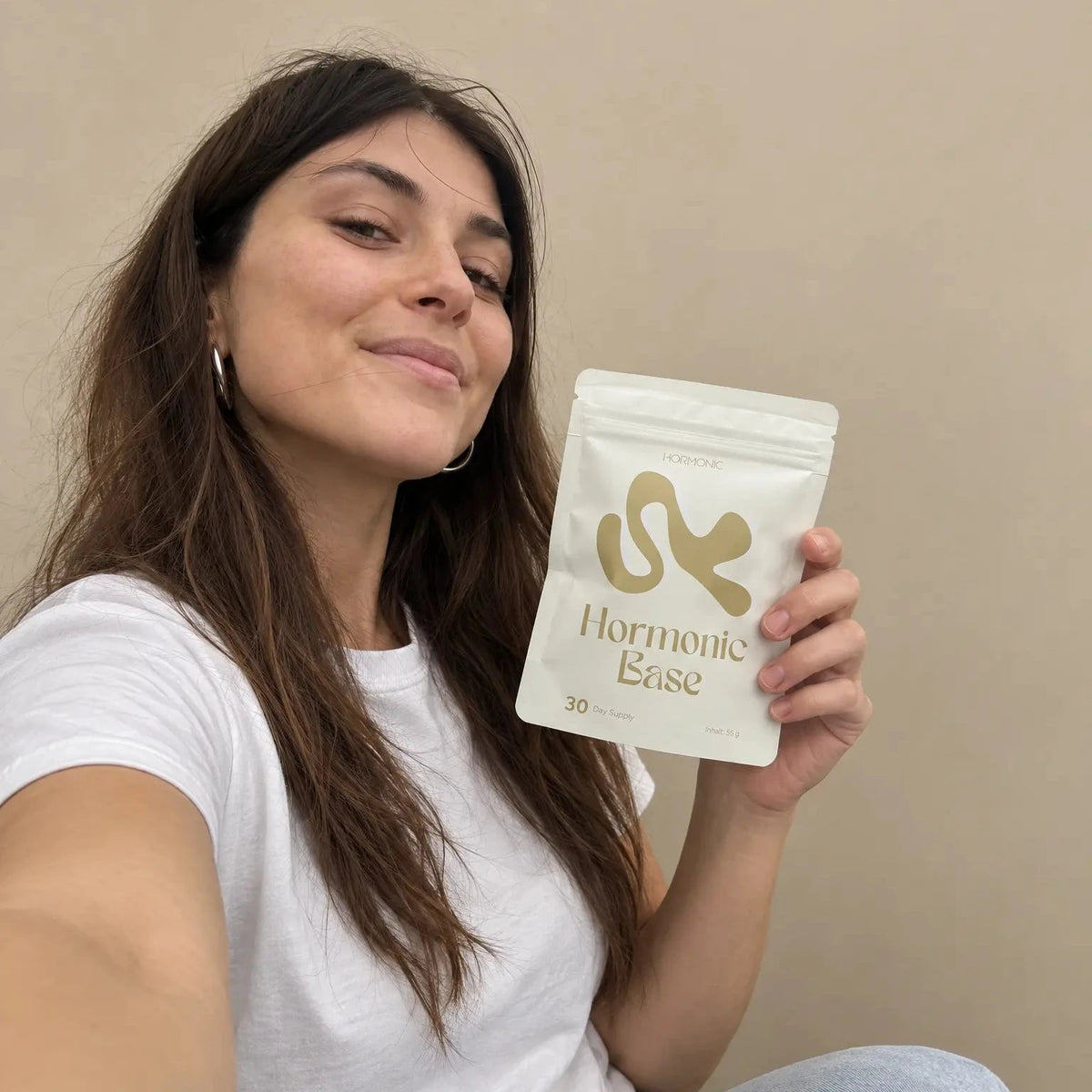
Hormonic Base - Hormonic - Nahrungsergänzungsmittel
Sale price€65,00
(5.0)
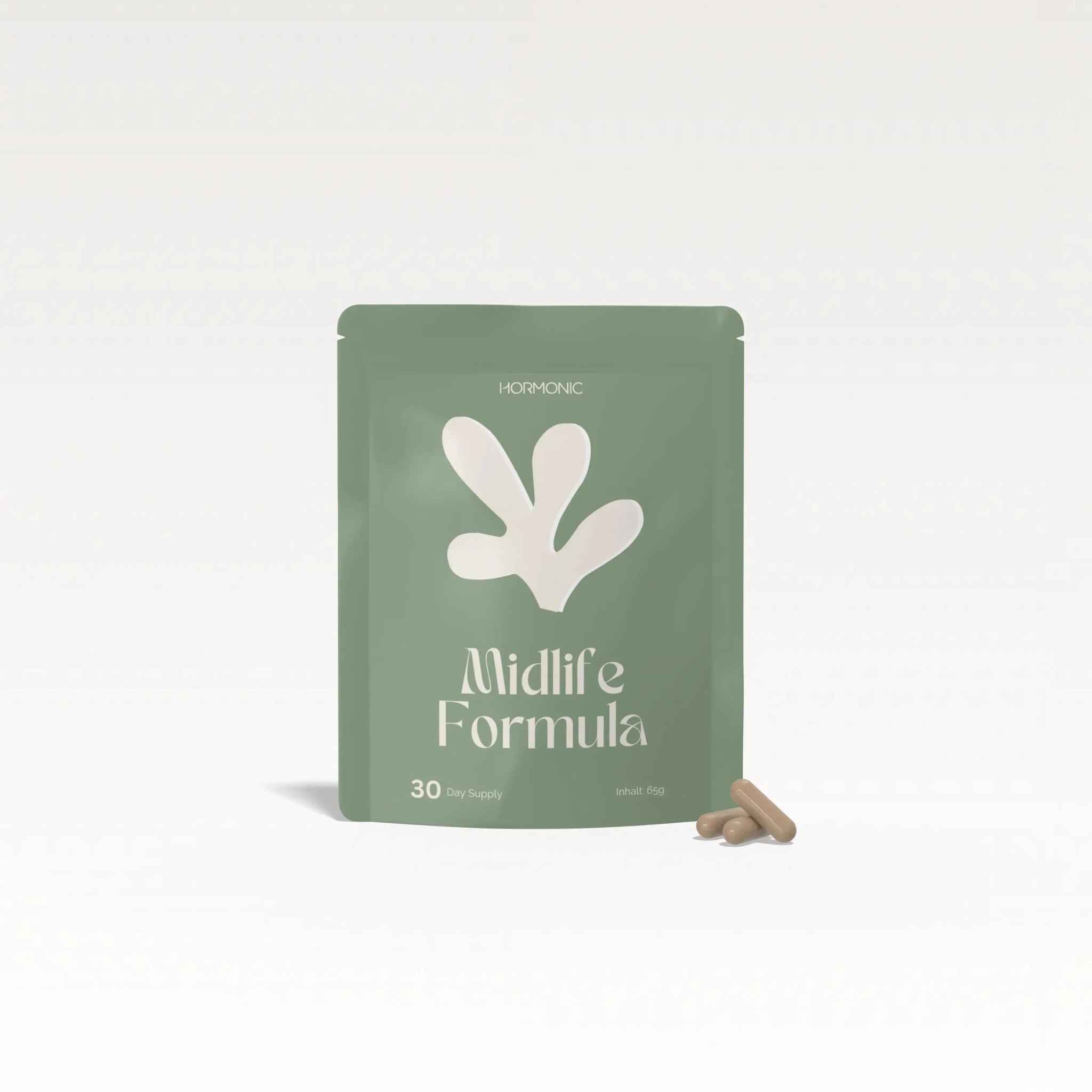
Midlife Formula - Hormonic - Nahrungsergänzungsmittel
Sale price€75,00
(5.0)
Resveratrol bei Endometriose: Was die Forschung wirklich zeigt - Hormonic
EndometrioseJun 20, 20267 min read

Resveratrol and Endometriosis: What the Research Really Shows

This article is part of: Endometriosis: Symptoms, Causes, and What Really Helps

Resveratrol is considered anti-inflammatory and consistently comes up with big promises in relation to endometriosis. What does the science really show?

Many women with endometriosis are looking for natural ways to take care of themselves. Resveratrol comes up again and again in this context. Let's take an honest look at what science shows, where it is promising, and where questions still remain.

Endometriosis is a chronic inflammatory disease in which tissue similar to the uterine lining grows outside the uterus. Because inflammation, oxidative stress, the formation of new blood vessels, and estrogen play a central role, a plant compound like trans-resveratrol is scientifically interesting. It targets precisely these processes. In this article, we evaluate the study situation honestly and without overpromising. Important note: Trans-resveratrol is not a medication or treatment for endometriosis, and this text does not replace a medical consultation.

Why the trans-form is crucial

One point often overlooked: Not all resveratrol is the same. Resveratrol naturally has very low bioavailability. It is rapidly metabolized in the intestine and liver, so only a small portion reaches the bloodstream as a free, active substance.² The trans-form is the stable and biologically relevant variant. It is the one most commonly used in research, which is why the form in which resveratrol is present is fundamental for a meaningful classification of studies.

What research shows about mechanisms

The theoretical background is well-established. In laboratory and animal studies, resveratrol targets precisely the mechanisms that play a role in endometriosis: It affects inflammatory processes, oxidative stress, cell growth, and the formation of new blood vessels.³

A systematic review summarizes that resveratrol may influence the growth of endometriosis-like tissue in models by inhibiting cell proliferation and promoting the death of altered cells. In animal models, resveratrol also reduced the size of endometriotic lesions and lowered pro-inflammatory and pro-angiogenic mediators.

What human studies show

It gets interesting with human studies, because here the picture is more nuanced than often portrayed. Two randomized studies with higher dosages (around 400 to 800 mg over approximately twelve weeks, in addition to standard hormonal therapy) found that resveratrol significantly reduced inflammatory and angiogenic markers in endometrial tissue, specifically VEGF and TNF-alpha. These are measurable biological effects on precisely the mechanisms that are central to endometriosis.

Higher-dose studies

Measurable biological effects

Around 400 to 800 mg over twelve weeks reduced inflammatory and vascular markers like VEGF and TNF-alpha in tissue.

Lower-dose study

Pain open to question

At only 40 mg over six weeks, resveratrol was not better than a placebo for pain. Experts attribute this to the short duration.

An older, lower-dose study showed no advantage over placebo for pain. However, the study duration was only six weeks, and precisely this short duration is cited in expert reviews as the probable explanation for the lack of results. Thus, the data on pain remains inconclusive. On a biological level, however, the higher-dose studies point in a consistent direction.

The form and dose are decisive. Higher-dose trans-resveratrol shows measurable effects on inflammatory markers in humans, while the benefit for pain still needs further investigation.
Overview of the Study Situation

To help you understand the research, here's a quick look at the different study types and what they can tell us.

Laboratory and Animal Studies: very promising

Here, resveratrol shows the aforementioned effects on inflammation, cell growth, and angiogenesis most clearly. These studies explain why resveratrol is even considered a candidate. However, they are not directly transferable to humans because dosage, absorption, and metabolism differ. Research often begins with animal studies, and if these show positive signs, researchers then try to publish these effects in humans.

Human Studies: limited and mixed

Unfortunately, there are currently only a few human studies, which have yielded mixed results. Some found positive effects, while others did not. This means neither that resveratrol is definitely effective nor that it is ineffective. Furthermore, the effect can vary individually. We need to wait for further research in this area.

Bioavailability: a real hurdle

A practical problem is that resveratrol is poorly absorbed and quickly broken down by the body. This is one of the explanations why the strong laboratory effects are often not found in humans.

What Guidelines Say

The European Society of Human Reproduction and Embryology (ESHRE), in its endometriosis guideline, does not recommend the use of dietary supplements for the treatment of endometriosis, as the benefits and possible risks are not sufficiently documented. This is an important point: according to current studies, resveratrol is not an accepted therapy for endometriosis.

Doctor-developed for your cycle

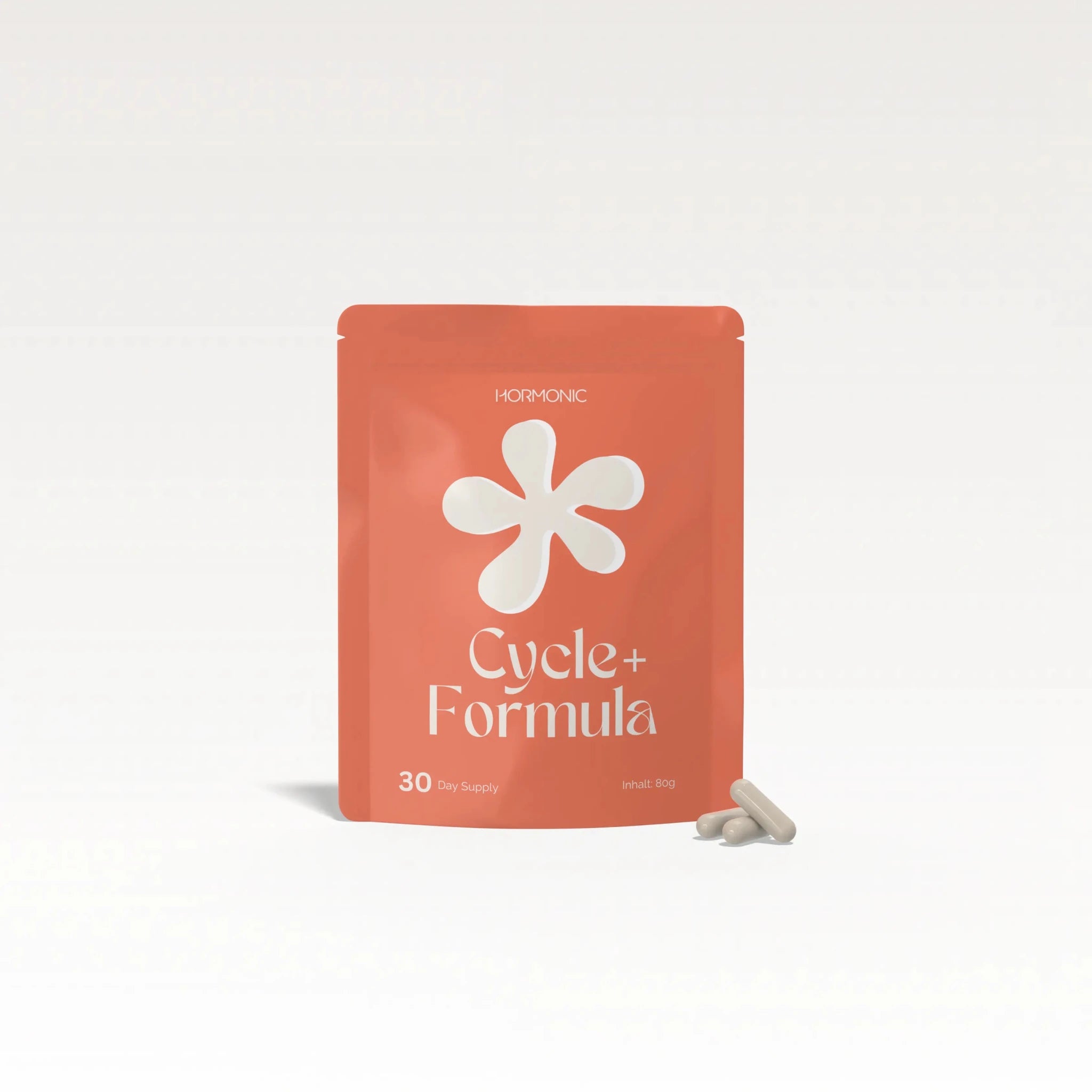
Cycle+ contains trans-resveratrol as one of several botanical ingredients, alongside myo-inositol, rhodiola, and others. The formula is intended as general cycle support and is loved by thousands of women.

€75,00
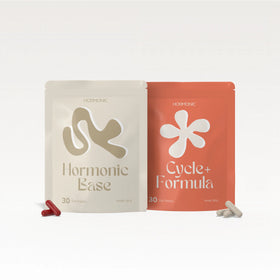
View Cycle+ Formula

How you can interpret this for yourself

Does this mean resveratrol is useless? It's not that simple. It means expectations should remain realistic. Resveratrol can be part of an overall anti-inflammatory, plant-rich diet, but it is not a targeted remedy for endometriosis pain for which there is evidence of efficacy.

If you want to do something for yourself, it's worth looking at the bigger picture instead of a single substance:

  • An anti-inflammatory diet with plenty of vegetables, berries, legumes, and good fat sources is a more solid foundation than a single supplement.
  • A good supply of micronutrients such as zinc, selenium, and vitamin D supports basic bodily functions.
  • Exercise, sleep, and stress regulation have a proven effect on pain perception.
  • For severe or increasing symptoms, medical supervision is the most important lever, not the next dietary supplement.

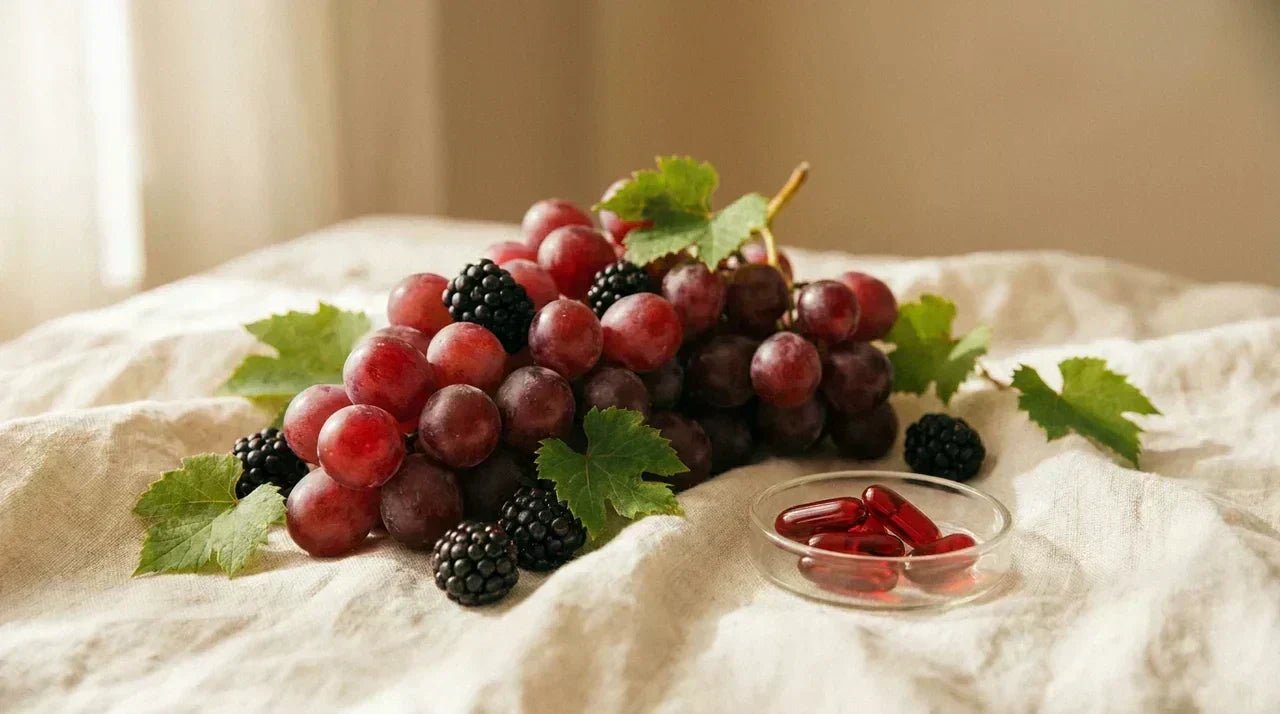
By the way, you can find polyphenols like resveratrol naturally in dark berries and red grapes. Those who focus on a plant-rich diet will consume them in a sensible range anyway.

When you should seek medical help

Seek medical attention if your period pain is so severe that it restricts your daily life, if you experience pain during sex, bowel movements, or outside your period, or if you are unable to conceive. Endometriosis belongs in the hands of specialists. Dietary supplements can accompany this, but never replace it.

The duo for hormonal imbalance

Hormonic Base provides you daily with 16 essential active ingredients such as zinc, selenium, or vitamin D, while Cycle+ delivers targeted botanicals for your cycle health. Doctor-developed, produced in Austria.

Start with a price advantage

Conclusion

Resveratrol is a good example of how far laboratory findings and everyday reality can diverge. Mechanistically, the plant compound acts plausibly in endometriosis, showing anti-inflammatory and growth-inhibiting effects in cell and animal models. However, in the best available human study, it was no better than a placebo for pain, and guidelines do not recommend it as a therapy.

Honestly: Resveratrol is not a miracle cure for endometriosis. It can be a small component of an anti-inflammatory lifestyle, but it does not replace a thorough diagnosis or medical treatment. If you suffer from endometriosis, the most effective step is to seek good specialist medical support.

Frequently Asked Questions about Resveratrol and Endometriosis

Does resveratrol help with endometriosis?

Not supported by current studies. In laboratory and animal studies, resveratrol shows anti-inflammatory and growth-inhibiting effects, but in the best human study it was no better than a placebo for endometriosis pain. It is therefore not an accepted remedy for endometriosis.

Which foods contain resveratrol?

Resveratrol is naturally found primarily in red grapes, dark berries, and peanuts. Those who eat a plant-rich and anti-inflammatory diet naturally absorb polyphenols like resveratrol through their food.

Ist Resveratrol als Nahrungsergänzung sinnvoll bei Endometriose?
Ein belegter Nutzen speziell bei Endometriose fehlt bisher. Resveratrol kann Teil einer entzündungsarmen Ernährung sein, sollte aber nicht als gezielte Behandlung verstanden werden. Bei Endometriose ist die ärztliche Begleitung entscheidend. Sprich die Einnahme von Supplementen am besten ärztlich ab.
Warum wirken Laborstudien oft positiver als Studien am Menschen?
In Zell- und Tiermodellen lassen sich Bedingungen und Dosierungen kontrollieren, die sich im menschlichen Körper nicht eins zu eins abbilden lassen. Resveratrol wird zudem schlecht aufgenommen und schnell abgebaut. Deshalb zeigen sich starke Laboreffekte beim Menschen oft nicht im gleichen Maß.

Scientific Sources

  • Yavuz S, Aydin NE, et al. (2017). The Use of Resveratrol as an Adjuvant Treatment of Pain in Endometriosis: A Randomized Clinical Trial. Journal of the Endocrine Society, 1(4), 359-369. doi:10.1210/js.2017-00053
  • Sienko A, et al. (2024). The effect of two anti-inflammatory dietary components, omega-3 and resveratrol, on endometriosis: a systematic review. Ginekologia Polska, 95(7), 573-583.
  • Ozcan Cenksoy P, et al. (2023). Review of the Potential Therapeutic Effects and Molecular Mechanisms of Resveratrol on Endometriosis. International Journal of Women's Health, 15. doi:10.2147/IJWH.S404660
  • Brichant G, et al. (2022). Impact of curcumin, quercetin, or resveratrol on the pathophysiology of endometriosis: A systematic review. Phytotherapy Research, 36(7). doi:10.1002/ptr.7464
  • Becker CM, et al. (2022). ESHRE guideline: endometriosis. Human Reproduction Open, 2022(2), hoac009. doi:10.1093/hropen/hoac009

About the Author

Lisa Maria Emmer

Lisa Maria Emmer

Founder · Doctor · Hormonic

Lisa Maria Emmer is co-founder and medical director at Hormonic. She supports women with hormonal problems every day and specializes in cycle health, PCOS, and menopause.

Note: This article is based on current guidelines and scientific work (as of 2026). It is for informational purposes only and does not replace medical advice, diagnosis, or treatment.

Share

You might also be interested in this.

Endometriose: Symptome, Ursachen und was wirklich hilft - Hormonic
EndometrioseSep 21, 202410 min read
Endometriosis: Symptoms, Causes, and What Really Helps

Endometriosis affects one in ten women and is often diagnosed late. Learn why it is so heavily dependent on estrogen and progesterone and what conventional and natural approaches can help.
Quercetin bei Endometriose: Was die Forschung wirklich zeigt - Hormonic
EndometrioseJun 24, 20267 min read
Quercetin for Endometriosis: What the Research Really Shows

In the lab, quercetin shows strong effects against endometriosis cells, and initial human studies with quercetin, curcumin, and NAC are encouraging. What the research truly shows, honestly assessed.
Zink und Antioxidantien bei Endometriose: Was hilft - Hormonic
EndometrioseJun 4, 20268 min read
Zinc and Antioxidants in Endometriosis: What Helps

Zinc, Vitamins C and E for Endometriosis: What Studies on Oxidative Stress and Pain Show, with Honest Classification and Practical Tips for Everyday Life.