
Cart

Your cart is empty

Continue shopping

Trending searches

Featured products

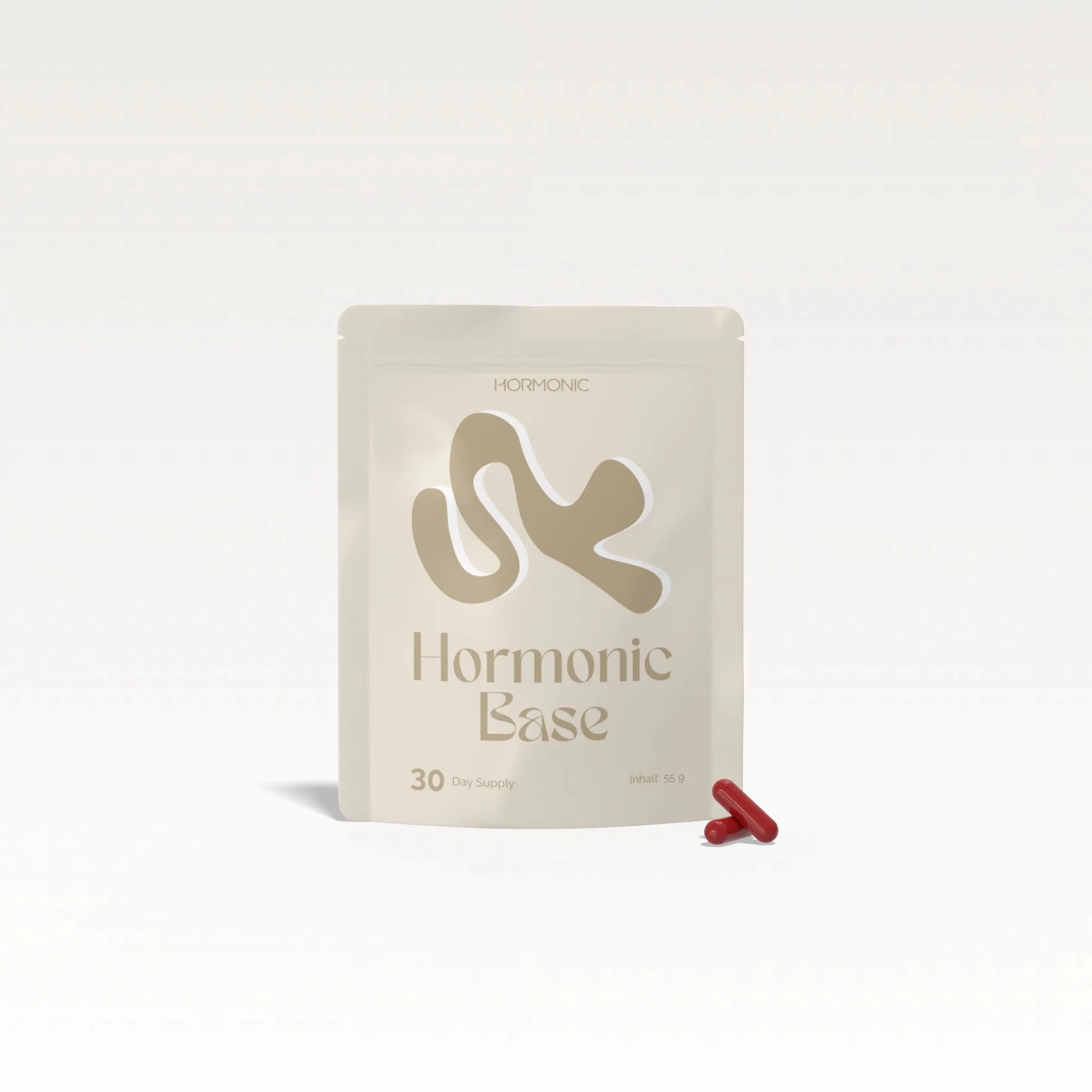
Hormonic Base - Hormonic - Nahrungsergänzungsmittel
Sale price€65,00
(5.0)
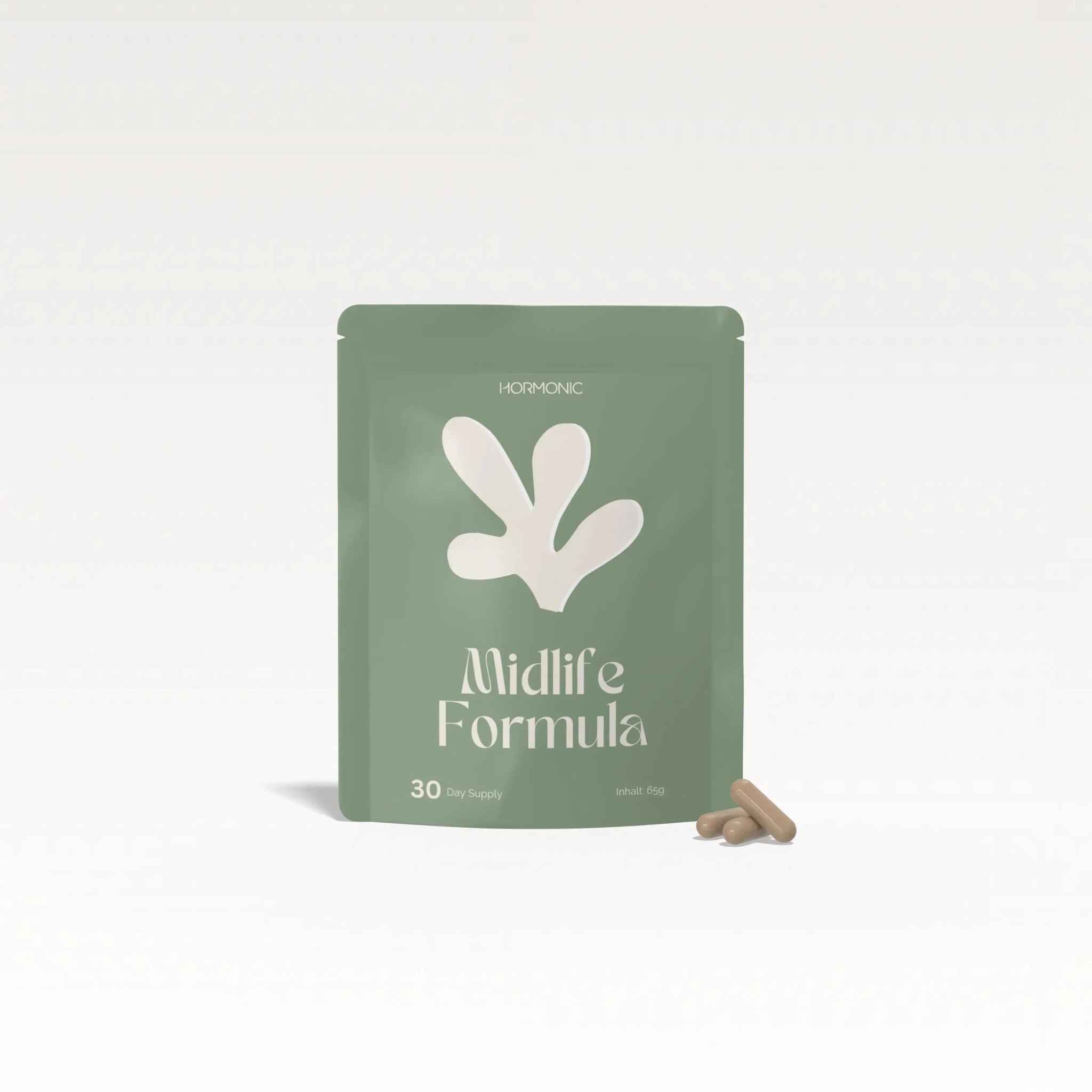
Midlife Formula - Hormonic - Nahrungsergänzungsmittel
Sale price€75,00
(5.0)
Schilddrüsenunterfunktion: Symptome bei Frauen erkennen - Hormonic
SchilddrüseJun 21, 20268 min read

Hypothyroidism: Recognizing Symptoms in Women

This article is part of: Thyroid and Hormones in Women: The Complete Guide

Fatigue, weight gain, feeling cold, and an irregular cycle: This combination in women can indicate an underactive thyroid, which often remains undiagnosed for years. We explain the typical symptoms and show what diagnostics and nutrition can truly achieve.

Key takeaways

An underactive thyroid slows down the entire metabolism and often first manifests in women through fatigue, weight gain, feeling cold, and menstrual irregularities. Because the symptoms are non-specific, a blood test (TSH, fT4, antibodies) is crucial. Treatment involves thyroid hormone, and micronutrients like selenium can play a supplementary role.

Brief explanation
What is an underactive thyroid?

In the case of an underactive thyroid (medically known as hypothyroidism), the thyroid gland produces too little of the hormones T3 and T4. Since these hormones control almost every metabolic process, the body slows down: energy, warmth, digestion, and even the menstrual cycle are disrupted. Women are four to ten times more likely to be affected than men.

You're constantly tired, you feel the cold more easily than everyone around you, you're gaining weight without having changed anything, and your menstrual cycle is erratic. Individually, each symptom sounds like stress or everyday life. Together, they can be an indication of an underactive thyroid, which often goes undetected in women for years.

This is precisely what makes hypothyroidism so insidious: its symptoms are non-specific and develop insidiously. In a review by Zamwar and colleagues (2023), fatigue, weight gain, cold sensitivity, constipation, and dry skin are among the most common complaints, all consequences of a slowed metabolism. In women, additional symptoms appear that are rarely directly associated with the thyroid: irregular or heavy bleeding, unfulfilled desire to have children, reduced drive, up to and including depressive moods.

In this article, we classify the typical symptoms in women, explain what happens in the body, and take an honest look at what diagnostics and nutrition can and cannot achieve. This article describes hypothyroidism as a functional state. We will cover the most common cause, the autoimmune disease Hashimoto's, in a separate article.

What happens in the body

The thyroid is a small, butterfly-shaped gland in the neck. It produces the hormones thyroxine (T4) and triiodothyronine (T3), which act as a kind of pacemaker for the metabolism. It is controlled by a feedback loop: the pituitary gland secretes the control hormone TSH, which stimulates the thyroid to produce hormones. If hormone production decreases, TSH increases to counteract this. Therefore, an elevated TSH level is the earliest laboratory sign of incipient hypothyroidism.

Did you know
Why the symptoms are so widespread

If T3 and T4 are missing, almost all bodily processes slow down. Energy metabolism decreases (fatigue, lack of drive), heat production drops (feeling cold), the intestines become sluggish (constipation), and the skin and hair are poorly supplied (dryness, hair loss). According to the Lancet seminar by Chaker and colleagues (2024), this non-specificity is precisely why the diagnosis is almost always made via blood tests and not solely based on symptoms.

Why women are affected differently

Thyroid hormones and female sex hormones are closely intertwined. An underactive thyroid disrupts this balance in several ways, which is why women often experience changes in their menstrual cycle first.

34 percent of women with hypothyroidism had an abnormal cycle, compared to 13 percent with normal thyroid function.

In a cohort study by Kus and colleagues (2024), 34 percent of women with hypothyroidism had an abnormal cycle, compared to 13 percent of women with normal thyroid function. The most common occurrences were heavy or irregular bleeding. A review article by Mahesh and colleagues (2016) describes the underlying mechanism: In hypothyroidism, prolactin levels often rise, which can suppress ovulation and shorten the luteal phase. At the same time, the balance of FSH and LH, the messenger substances that control egg maturation, shifts.

This intertwining also explains why the thyroid is part of the standard diagnostic program for unfulfilled desire to have children: an untreated underactive thyroid can limit fertility. The good news is that these symptoms usually resolve with proper treatment.
Overview of the most common symptoms in women

Not all symptoms necessarily occur simultaneously, and their intensity often varies. A combination of general and female-specific signs is typical.

General Symptoms

  • Persistent tiredness and exhaustion that remains even after sleep
  • Weight gain without changes in diet
  • Sensitivity to cold and constant feeling of being cold
  • Constipation and sluggish bowels
  • Dry skin, brittle nails, and hair loss
  • Concentration problems and low mood, even leading to depressive moods

Female-Specific Symptoms

  • Irregular cycles or missed periods
  • Heavier or prolonged menstrual bleeding
  • Unfulfilled desire to have children and fertility problems
  • Decreased libido

Important:Many of these symptoms are non-specific and can have other causes, ranging from iron deficiency to menopause to stress. Precisely for this reason, hypothyroidism can never be diagnosed solely based on symptoms, but only through a blood test.

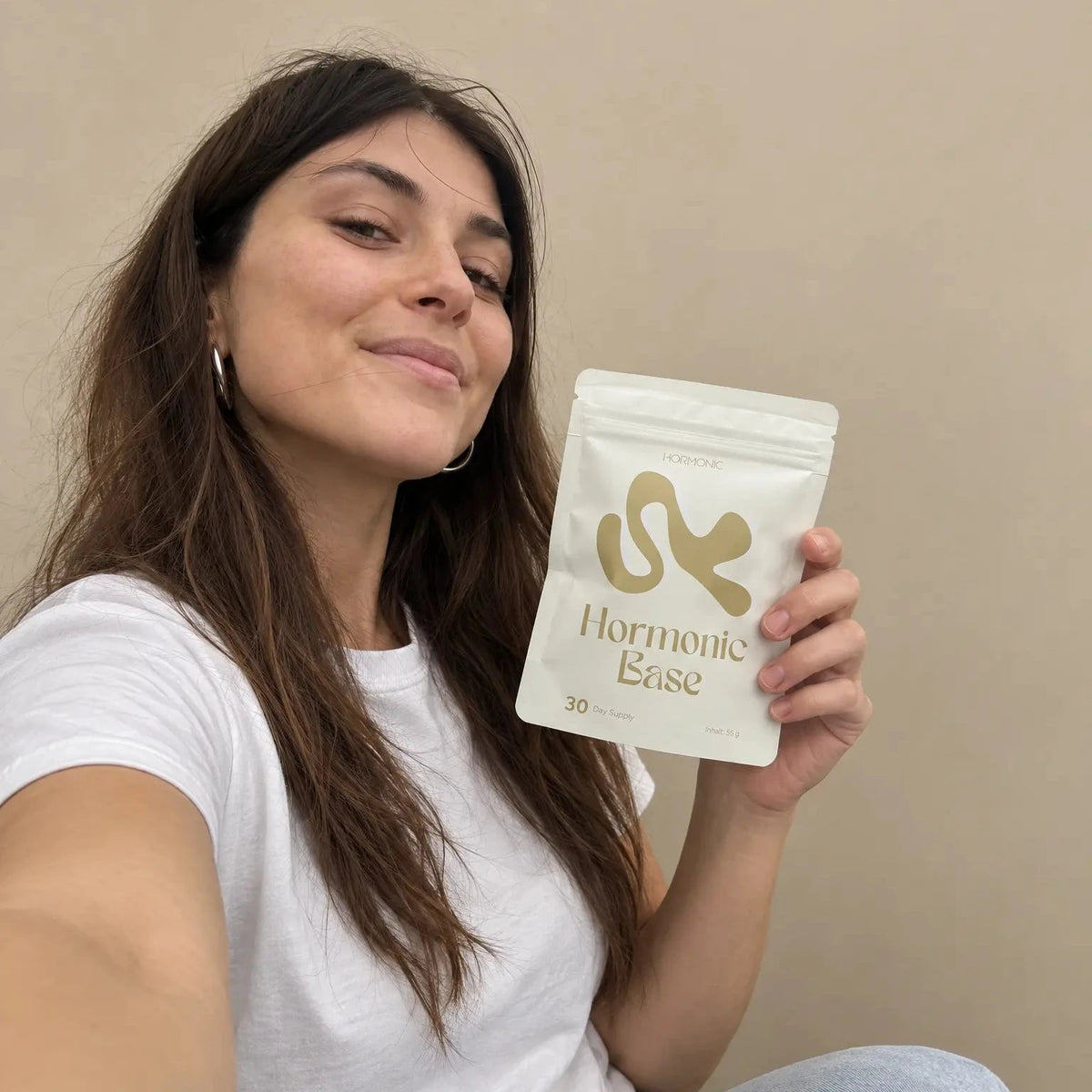
Hormonic Base for your daily micronutrient foundation

Selenium, zinc, and vitamin D are among the building blocks your thyroid needs. The Base contains these micronutrients as one of 16 ingredients to support you daily.

€65,00

Discover now

Causes: Where an underactive thyroid comes from

By far the most common cause of acquired hypothyroidism in regions with adequate iodine supply is the autoimmune disease Hashimoto's thyroiditis. In this condition, the immune system attacks its own thyroid gland, damaging it over years. According to Huwiler and colleagues (2024), Hashimoto's is the leading cause of hypothyroidism worldwide, and women are four to ten times more likely to be affected than men.

Other possible triggers include severe iodine deficiency, consequences of thyroid surgery or radioiodine therapy, certain medications, and temporary postpartum thyroiditis after childbirth. A special form is latent or subclinical hypothyroidism: here, only TSH is elevated, while thyroid hormones themselves are still within the normal range. It is often asymptomatic but can progress to overt hypothyroidism.

Diagnosis: Which values really count

Diagnosis relies on a simple blood test. The most important initial value is TSH. If it is elevated, free T4 (fT4) is then determined to differentiate between latent and overt hypothyroidism. To clarify the cause, thyroid antibodies (especially TPO antibodies) are also measured, which indicate Hashimoto's.

A detail often overlooked: The German S2k guideline of the DEGAM for elevated TSH values (AWMF register 053-046, 2023) defines the TSH threshold as age-dependent. For adults up to 70 years, a value above 4.0 mU/l is considered elevated, between 70 and 80 years above 5.0 mU/l, and from 80 years above 6.0 mU/l. This accounts for the natural increase in TSH with age and prevents overdiagnosis.

In cases of overt hypothyroidism, treatment with the thyroid hormone levothyroxine (LT4) is indicated according to the guideline. For latent hypothyroidism, the decision is made individually. This decision is always made by a doctor, not by a self-test.

Nutrition and Micronutrients: What the evidence shows

No pill for hypothyroidism can be replaced by diet. However, individual micronutrients are building blocks of thyroid function, and in case of a deficiency, targeted intake can be beneficial.

Selenium. Selenium is a component of enzymes that metabolize thyroid hormones. A meta-analysis of randomized studies by Huwiler and colleagues (2024) showed that selenium supplementation in Hashimoto's can lower TPO antibodies and TSH. However, a clear effect on the free thyroid hormones fT3 and fT4 could not be proven. Thus, selenium can influence the autoimmune process, but it does not replace hormone therapy.

Iodine. Iodine is the basic building block of thyroid hormones. Both a deficiency and an excess can disrupt the thyroid gland; especially with Hashimoto's, high-dose iodine is problematic. Therefore, a general iodine supplementation on your own is not recommended.

Vitamin D and Iron. Vitamin D deficiency is common in thyroid diseases, but clear evidence that supplementation improves thyroid function is still lacking. For women, it is also worth looking at iron status: increased bleeding due to hypothyroidism can worsen iron deficiency, which in turn fuels fatigue and hair loss.

What you can do yourself

  • If you have persistent symptoms, have your TSH determined, supplemented with fT4 and TPO antibodies if abnormalities are found.
  • Take prescribed levothyroxine consistently and always at the same time, on an empty stomach, away from coffee and calcium.
  • If you switch manufacturers of the medication, ensure a new value check.
  • If you experience increased bleeding, have your iron and ferritin levels checked.
  • Focus on a balanced diet with sufficient selenium (e.g., from Brazil nuts) instead of high-dose self-experimentation.

Are your symptoms hard to pinpoint? You don't have to go through this alone.

Book a free introductory consultation now with one of the Hormonic doctors. We will listen, jointly assess your situation, and discuss what steps make sense for you.

For a free initial consultation

When you should seek medical advice

Seek medical advice if several of the symptoms mentioned persist for weeks, if your cycle changes significantly, if you have an unfulfilled desire to have children, or if thyroid diseases are known in your family. During pregnancy, clarification is particularly important, as an untreated underactive thyroid poses risks for both mother and child.

Conclusion

Hypothyroidism in women often hides behind complaints that are attributed to everyday life, stress, or age: fatigue, weight gain, feeling cold, and a disrupted cycle. Because the symptoms are non-specific, the path to clarity always leads through a blood test, especially TSH, evaluated according to age-dependent reference ranges.

The basis of treatment for manifest hypothyroidism is thyroid hormone, not supplements. Micronutrients like selenium can support the process but do not replace medical therapy. If you recognize yourself in the symptoms, the most important step is to have your levels checked and interpreted together with a doctor.

Frequently Asked Questions about Hypothyroidism

What are the first signs of an underactive thyroid in women?

Early signs include persistent fatigue, sensitivity to cold, weight gain without changes in diet, and menstrual cycle changes such as heavier or irregular bleeding. Since these symptoms are non-specific and develop gradually, an underactive thyroid can only be reliably diagnosed through a blood test.

Can an underactive thyroid affect the menstrual cycle and fertility?

Yes. In a cohort study by Kus and colleagues (2024), 34 percent of women with hypothyroidism had an abnormal cycle. Hypothyroidism can disrupt ovulation and impair fertility due to elevated prolactin levels. Therefore, the thyroid gland is part of the standard workup for unfulfilled desire to have children. With proper treatment, these symptoms usually resolve.

Welcher Blutwert zeigt eine Schilddrüsenunterfunktion an?
Der wichtigste erste Wert ist das TSH. Ist es erhöht, folgt das freie T4 (fT4) und zur Ursachenabklärung die TPO-Antikörper. Die deutsche S2k-Leitlinie (AWMF 053-046, 2023) definiert den TSH-Grenzwert altersabhängig: über 4,0 mU/l bei Erwachsenen bis 70 Jahre, höher bei älteren Menschen. Die Einordnung der Werte gehört in ärztliche Hand.
Hilft Selen bei einer Schilddrüsenunterfunktion?
Eine Metaanalyse von Huwiler und Kollegen (2024) zeigt, dass Selen bei Hashimoto die Schilddrüsenantikörper und das TSH senken kann. Ein klarer Effekt auf die freien Schilddrüsenhormone ließ sich nicht belegen. Selen kann den autoimmunen Prozess also beeinflussen, ersetzt aber keine ärztlich verordnete Hormontherapie.

Scientific Sources

  • Chaker, L. et al. (2024). Hypothyroidism. The Lancet. doi:10.1016/S0140-6736(24)01614-3
  • Zamwar, U. M. & Muneshwar, K. N. (2023). Epidemiology, Types, Causes, Clinical Presentation, Diagnosis, and Treatment of Hypothyroidism. Cureus, 15(9):e46241. doi:10.7759/cureus.46241
  • Huwiler, V. V. et al. (2024). Selenium Supplementation in Patients with Hashimoto Thyroiditis: A Systematic Review and Meta-Analysis of Randomized Clinical Trials. Thyroid, 34(3). doi:10.1089/thy.2023.0556
  • Kus, A. et al. (2024). Menstrual Cycle Characteristics in Women With and Without Thyroid Disease. PMC11259460.
  • Mahesh, D. M. et al. (2016). Effect of hypothyroidism on female reproductive hormones. PMC4743370.
  • DEGAM (2023). S2k Guideline: Elevated TSH levels in general practice. AWMF registration number 053-046.

About the Author

Lisa Maria Emmer

Lisa Maria Emmer

Founder · Doctor · Hormonic

Lisa Maria Emmer is co-founder and medical director at Hormonic. She supports women with hormonal problems every day and specializes in cycle health, PCOS, and menopause.

Note: This article is based on current guidelines and scientific work (as of 2026). It is for informational purposes only and does not replace medical advice, diagnosis, or treatment.

Share

You might also be interested in this.

Schilddrüse und Hormone bei Frauen: der komplette Guide - Hormonic
SchilddrüseJun 17, 202611 min read
Thyroid and Hormones in Women: The Complete Guide

How the thyroid controls cycle, metabolism, and well-being, which values truly matter, and what helps with Hashimoto's and hypothyroidism based on evidence.

Hashimoto bei Frauen: Symptome erkennen, bevor sie übersehen werden - Hormonic
SchilddrüseJun 19, 20268 min read
Hashimoto's in Women: Recognizing Symptoms Before They're Overlooked

Hashimoto's primarily affects women and is often diagnosed late. This article covers typical symptoms, why they are overlooked, and when testing is advisable.

Schilddrüse und Zyklus: Wie Schilddrüsenhormone die Periode beeinflussen - Hormonic
SchilddrüseOct 14, 20248 min read
How Thyroid Disorders Affect Your Menstrual Cycle

The thyroid gland is a central player in the body’s hormonal system and regulates a wide range of physiological processes — including the menstrual cycle. Disorders such as hypothyroidism and hyper...