

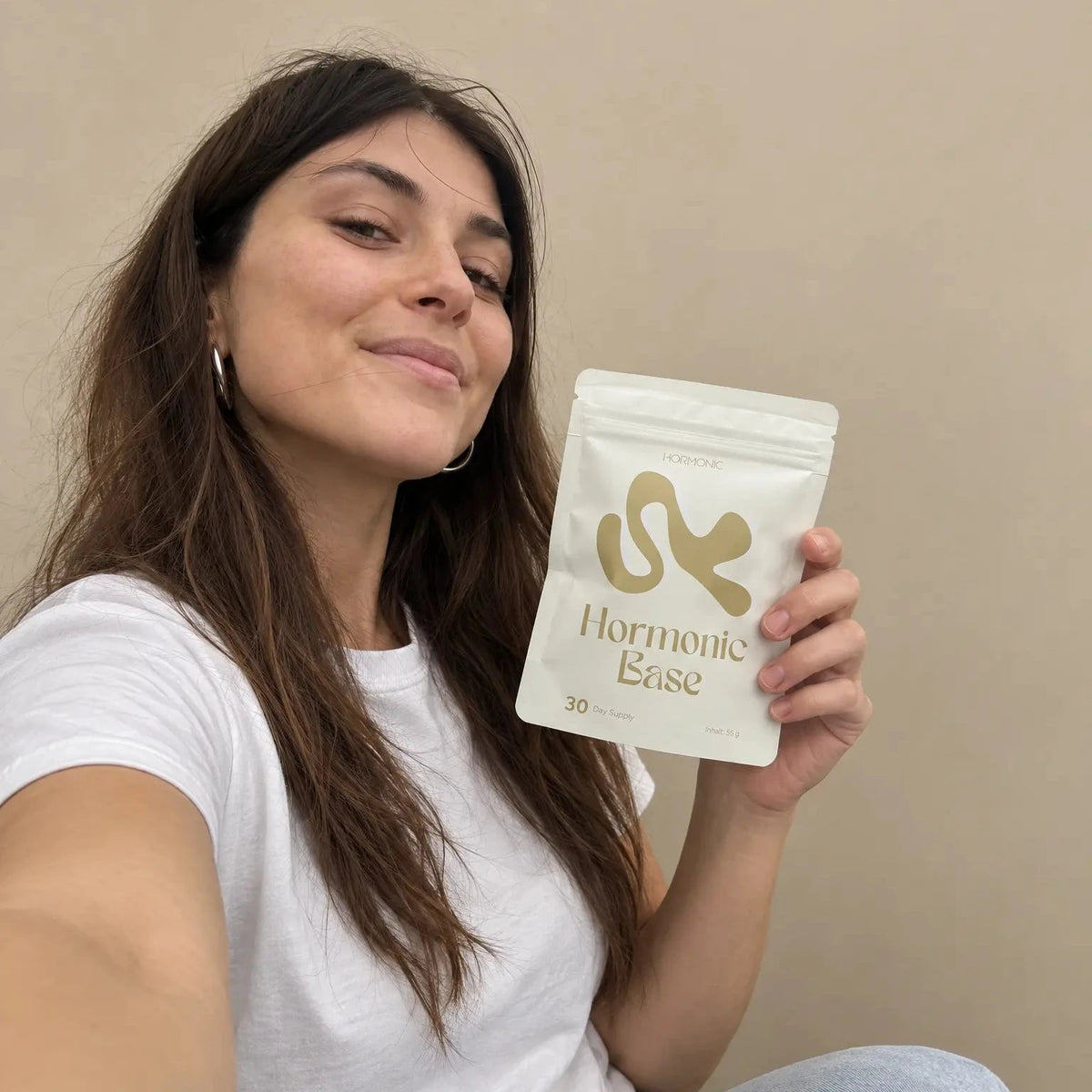


Selenium is a trace element that women need for their thyroid, immune system, and cell protection, and its supply is often scarce in our region. This article shows what selenium does in the body, why a deficiency particularly affects women, when supplementation is truly worthwhile, and what the limits are.
Key takeaways
- Selenium is a component of enzymes for the thyroid, the immune system, and the protection of cells from oxidative stress.
- Soils in Germany are low in selenium, which is why intake here is often below the reference value.
- A deficiency particularly affects women on a plant-based diet, with Hashimoto's, or during pregnancy.
- When a deficiency is proven, supplementing can make a noticeable difference; otherwise, increased intake offers little benefit if supply is already good.
- A moderate, defined dose is important, as the upper limit is 255 µg per day.
In my consultations, I often meet women who have just been diagnosed with Hashimoto's, and almost always they bring the same question: Should I take selenium now? I quickly realize that the question is actually broader. Because selenium is much more than a thyroid issue; it is also central to your immune defense and the protection of your cells. That's precisely why it's worth taking an honest, slightly broader look, without hype, but also without downplaying selenium's genuine strengths.
Selenium is an essential trace element that the body cannot produce itself and therefore needs daily through food. No organ contains as much selenium per gram as the thyroid, but the body uses it in many places, from immune cells to hair roots. If it is lacking, it often subtly manifests in several areas.
Did you know?
Soils in Germany and large parts of Europe are low in selenium, which means that food here provides less selenium than, for example, in the USA. The average intake in our country is often below the reference value, which is why selenium deficiency is more common here than many people think.
What Selenium Does in the Body
Selenium does not act directly, but as a component of special enzymes, the so-called selenoproteins. Two groups are particularly important. Deiodinases convert the rather inactive thyroid hormone T4 into the active T3, which actually works in the body. Glutathione peroxidases protect your cells from oxidative stress and simultaneously keep the immune system strong. Through these enzymes, selenium's effects extend far beyond the thyroid.
| Area | What selenium contributes according to EFSA |
|---|---|
| Thyroid | to normal thyroid function |
| Immune system | to the normal function of the immune system |
| Cell protection | to the protection of cells from oxidative stress |
| Hair & nails | to the maintenance of normal hair and nails |
All four statements are officially approved by EFSA. This is more than many think: unlike some advertised substances, you can seriously link selenium with the thyroid, immune system, cell protection, and even with hair and nails. This very diversity makes a deficiency so unpleasant, because it is rarely noticeable in only one place.
Why Selenium Deficiency is Common in Women
Because our soils contain little selenium, the supply strongly depends on what and how much you eat. Good sources are mainly animal products and Brazil nuts, while the selenium content of vegetables and grains varies greatly depending on the growing region. Therefore, some women slip into an undersupply without realizing it.
Women with a purely plant-based or predominantly plant-based diet, women with Hashimoto's or other autoimmune thyroid diseases, pregnant and breastfeeding women with higher needs, and women with chronic gastrointestinal diseases who absorb nutrients poorly have an increased risk. In these groups, a second look is particularly worthwhile.
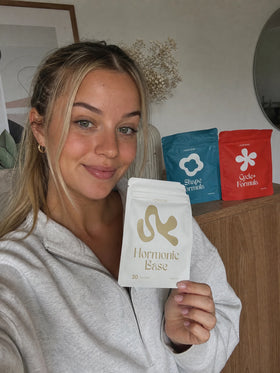
Hormonic Base: Secure and defined selenium coverage
Precisely because our soils are selenium-poor and the selenium content in Brazil nuts varies greatly, a defined dose is the more reliable way. Hormonic Base provides selenium in a moderate, medically approved amount, together with zinc, vitamin D3, and vitamin E – the whole team for the immune system and cell protection. This way, you can calmly cover your basic needs without guessing with a handful of nuts or risking an overdose.
€65,00

Fresh Hashimoto diagnosis and many questions?
Unsure whether you need selenium or if there's more behind your symptoms? In a free 15-minute consultation, one of our doctors will assess your situation, with no obligation.
Frequently asked questions about selenium and the thyroid gland
Does selenium really help with Hashimoto's?
How much selenium per day for Hashimoto's?
Warum ist Selen für die Schilddrüse wichtig?
Soll ich Selen nehmen, auch ohne Mangel?
Scientific Sources
- Huwiler, V. V. et al. (2024). Selenium Supplementation in Patients with Hashimoto Thyroiditis: A Systematic Review and Meta-Analysis of 35 RCTs. Thyroid.
- Rayman, M. P. (2012). Selenium and human health. The Lancet, 379(9822), 1256-1268. doi:10.1016/S0140-6736(11)61452-9
- Winther, K. H. et al. (2020). Selenium in thyroid disorders, essential knowledge for clinicians. Nat Rev Endocrinol, 16(3), 165-176.
- Avery, J. C., Hoffmann, P. R. (2018). Selenium, Selenoproteins, and Immunity. Nutrients, 10(9), 1203. doi:10.3390/nu10091203
- German Nutrition Society (DGE): Reference value for selenium 60 µg/day for women.
- EFSA (2023): Tolerable Upper Intake Level (UL) for selenium 255 µg/day.
- Regulation (EU) No 432/2012, EU Register of Health Claims: Selenium and normal thyroid function, immune system, cell protection from oxidative stress, maintenance of normal hair and nails.
About the Author

You might also be interested in this.

Selenium, Vitamin D, Iron, Iodine, and Gluten in Hashimoto's: An Evidence-Based Assessment. What the studies support and what is overrated.

How the thyroid controls cycle, metabolism, and well-being, which values truly matter, and what helps with Hashimoto's and hypothyroidism based on evidence.

Which micronutrients truly support your hormones? The honest, evidence-based guide to magnesium, vitamin D, omega-3, and B vitamins, with a clear evaluation of the study situation.